
Welcome to Modern Agriculture!

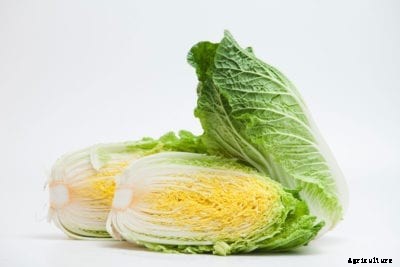
Napa cabbage is the best-known variety of the Chinese cabbages with large, full-size heads and good disease resistance. The oblong heads have pale green, crinkly leaves on the outside with creamy yellow inside. The Bilko cabbage variety is a good type of Napa to grow.
Napa cabbage, with its sweet, mild flavor, can be eaten raw or cooked. Chinese cabbage is good for slaws, braising, stir frying, soups and pickling. The nutritious veggie is high in vitamin K, potassium, calcium, and antioxidants. Uncooked cabbage promotes intestinal health with an important amino acid as well as adds roughage to your diet.
The Bilko Napa cabbage variety boasts 12-inch (30 cm.) heads and disease resistance to clubroot and fusarium yellows. It is a slow bolting variety recommended for home gardens.
The Bilko cabbage variety can be grown in spring or fall in cool or cold conditions with a minimum temperature of 40 degrees F. (4 C.). It can be started indoors or outdoors. In the spring, start seeds 4 to 6 weeks before the last frost. In the fall, start seeds 10 to 12 weeks before the first frost. Bilko cabbage plants tolerate a light frost.
Expect 65-70 days to maturity in spring and summer, and 70-85 days to mature in fall and winter.
Bilko cabbage plants are heavy feeders, so plenty of compost should be worked into the planting bed. Provide full sun, at least six hours a day, and moderate water.
Bilko Chinese cabbage is ready to harvest when heads are firm. Harvest promptly to avoid bolting. Bilko cabbage can last several weeks in the refrigerator if trimmed and wrapped in paper bags. Cabbage can keep for an extended period in a cool basement or cellar.
Prevent attacks by caterpillars, flea beetles, and cabbage root maggots by covering plants with floating row covers. Cabbage loopers, armyworms and velvety green cabbageworms can be removed by hand or, if squeamish, spray or dust plants with a biological pesticide containing Bt (Bacillus thuringiensis).
Control slugs and snails by using sand, diatomaceous earth, eggshells or copper wire around plants.
Crop rotation and good sanitation will help prevent disease.


