
Welcome to Modern Agriculture!

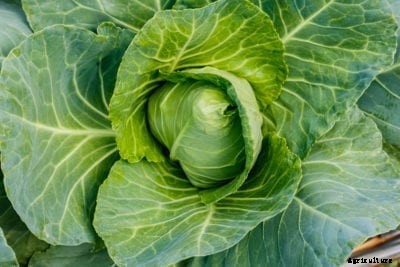
There are a number of storage cabbage varieties, but the Storage No. 4 cabbage plant is a perennial favorite. This variety of storage cabbage is true to its name and under proper conditions holds up well into early spring. Interested in growing Storage No. 4 cabbages? Read on to learn about Storage No. 4 cabbage care.
Storage cabbages are those that mature just prior to the fall frosts. Once the heads are harvested, they can be stored into the winter months, often as long as early spring. There are a number of storage cabbage varieties available in either red or green cabbage types.
Storage No. 4 cabbage plants are one of long-term storage cabbages as are Ruby Perfection, Kaitlin, and Murdoc varieties.
This cabbage plant was developed by breeder Don Reed of Cortland, NY. Plants yield 4- to 8-pound cabbages with a lengthy shelf life. They hold well in the field during periods of weather stress and are resistant to fusarium yellows. These cabbage plants can be started indoors or direct sown outside. The plants will mature in about 80 days and be ready for harvest in the mid-fall.
Start seedlings in mid to late spring. Sow two seeds per cell just under the medium. Seeds will germinate more rapidly if temperatures are around 75 F. (24 C.). Once the seeds have germinated, reduce temperatures to 60 F. (16 C.).
Transplant the seedlings four to six weeks after sowing. Harden the seedlings off for a week and then transplant 12-18 inches (31-46 cm.) apart in rows that are 18-36 inches (46-91 cm.) apart.
All Brassica are heavy feeders, so be sure to prepare a bed that is rich in compost, well-draining, and with a pH of 6.5-7.5. Fertilize the cabbages with fish emulsion or the like later in the season.
Keep the beds consistently moist – that means depending upon weather, provide one inch (2.5 cm.) per week of irrigation. Keep the area around the cabbages free from weeds that compete for nutrients and harbor pests.
While cabbages enjoy cool temperatures, seedlings under three weeks can be damaged or killed by sudden freezing temperatures. Protect young plants in the event of a cold snap by covering them with a bucket or sheet of plastic.


