
Welcome to Modern Agriculture!

I was outside one day and noticed stick tight fleas on my chickens. Growing up with cats and dogs a flea, in general, was nothing new. These were different though.
Stick tight fleas, or Echidnophaga gallinacea, burrow underneath the chickens’ skin, and are not easily removable. But I’m going to tell you exactly what I did, step by step, how to get rid of fleas on chickens. Fleas can control your happiness and your flocks. It’s better to act quickly if you suspect your chickens have fleas.
Table of contents
After an extensive amount of research, I learned that hell on Earth can come in the form of stick tight fleas.
Although Frontline does kill stick tight fleas on cats and dogs (always contact a veterinarian, though), you can’t take that approach with your chickens.
In short, a stick-tight flea also referred to as poultry fleas, chicken fleas or stick fleas, is a flea that burrows like a tick would. Gross, right?
Since they’re a bit smaller than your average flea, they are a pain to remove, and, as your stereotypical flea does, they multiply.
Additionally, stick tight fleas are usually found attached in clusters. They’ll attach mainly to them comb wattles but can also be found under wings and around the vent area.
Although their alter-name is the poultry flea, they will attach to any host they can find. Outside cat + sticktight flea = sticktight fleas on cats ears.
That means that sticktight fleas on humans are possible! You, me, the cat – it doesn’t matter. As long as you have blood to suck, a stick tight flea has a place to be. Double gross.
The short answer is yes, they can be detrimental to your flock. Before I knew what they were, I had a rabbit die from being infested by stick-tight fleas.
The fleas suck blood as a tick does and will wear an animal down, preventing it from hunting or moving.
If stick tight fleas go unnoticed, or worse, untreated you could very quickly have an uncontrollable problem and be forced to cull your whole flock.
Another thing to note is when an animal is the main host for hundreds of stick tight fleas, the animal becomes susceptible to other diseases from loss of blood and a crippled immune system.
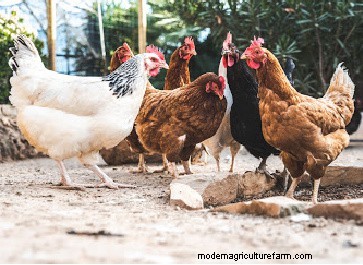
They’re carried by a host as any flea is. This host can be a squirrel or even the neighbor’s dog if he/she isn’t treated for fleas. When we moved onto our homestead, we inherited some hens from the previous owner.
Soon I realized we also inherited a rodent problem, which presented its own obstacles. Since the rodents eventually moved in with abundance, the fleas did too.
In my particular case, I had to not only get my stick tight flea infestation under control but also a rodent problem at the same time, which I did successfully do.
The jury is still out on if chickens eat fleas or not. In my experience, they do not seem to eat fleas. Fleas are very small, and move quickly.
I believe they’d eat them if they had the opportunity, but I would not suggest that you plan for chickens to be your flea control. I’ve heard guineas will eat fleas, but if you have an infestation it might not be enough.
Stick tight fleas were the most aggravating thing to research. I wanted to know how to get rid of chicken fleas, once and for all!
I never found a chicken fleas treatment online that was organic, which made this all a very hard thing to deal with.
We try not to use pesticides or chemicals on our land, and this was the first time I had to look into what would be appropriate and safe enough to use within the living quarters.
I’m here to tell you what I found through my research and, even better, how I’ve defeated the stick-tight fleas with this chicken treatment. I use this method year after year without fail.
Some years are more intense than others, so plan accordingly. I make it a point to have the products mentioned in this article on hand at all times.
To begin, you need to determine which chicken fleas treatment to use, determine if you have an infestation or not.
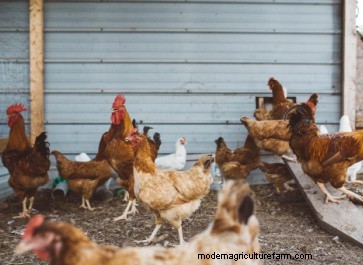
The majority of the methods I found were coming from individuals who didn’t have many birds, maybe 5-10, and they were extremely hands-on.
I recommend you to use these methods if you believe you have an infestation that can not be handled with my method.
Catch your bird. Easiest done in the evenings while they’re roosting. Smear vaseline over the areas infested with stick tight fleas, being very careful not to get the vaseline in their eyes. This will smother and kill the fleas.
Dust your bird very carefully with food-grade diatomaceous earth, making sure you aren’t creating a large dust storm as it can harm a chickens lungs.
Folks have asked me if diatomaceous earth will kill stick tight fleas and my answer is no. I use DE to help the chickens dust bathe the dead fleas off, not to kill the actual fleas.
Once they’ve burrowed into the skin, DE isn’t going to help very much.
After you’ve left the chickens for the night, come back and wipe off the vaseline and pull the stick fleas off.
REPEAT until your chickens are clear.
This is required in all methods. It was not enjoyable in any way.


