
Welcome to Modern Agriculture!

Introduction to how to buy agricultural land in Maharashtra: Agricultural land is land that is used for farming or farming purposes. In Maharashtra, only an existing farmer can buy agricultural land. The farmer can be anywhere from India. But if you check all the relevant documents well in advance, you can avoid all the problems that usually come up in land transactions in the future.
In Maharashtra, only farmers can buy agricultural land. If one of the parents or grandparents of a person is a farmer, then such person is also entitled to purchase. If a person owns agricultural land elsewhere in India, he can still be considered a farmer in Maharashtra. Depending on the type of land or the level of water supply, the maximum area of such land is 54 acres. Non-resident Indians (NRIs) cannot buy agricultural land, horticultural property, or farmhouses. The total cultivable area of Maharashtra is 225 lakh hectares. According to official estimates, the maximum level of irrigation potential that can be achieved is 85 lakh hectares. The department claimed that an additional 17 lakh hectares of agricultural land were being provided through indirect irrigation from wells in the command area.
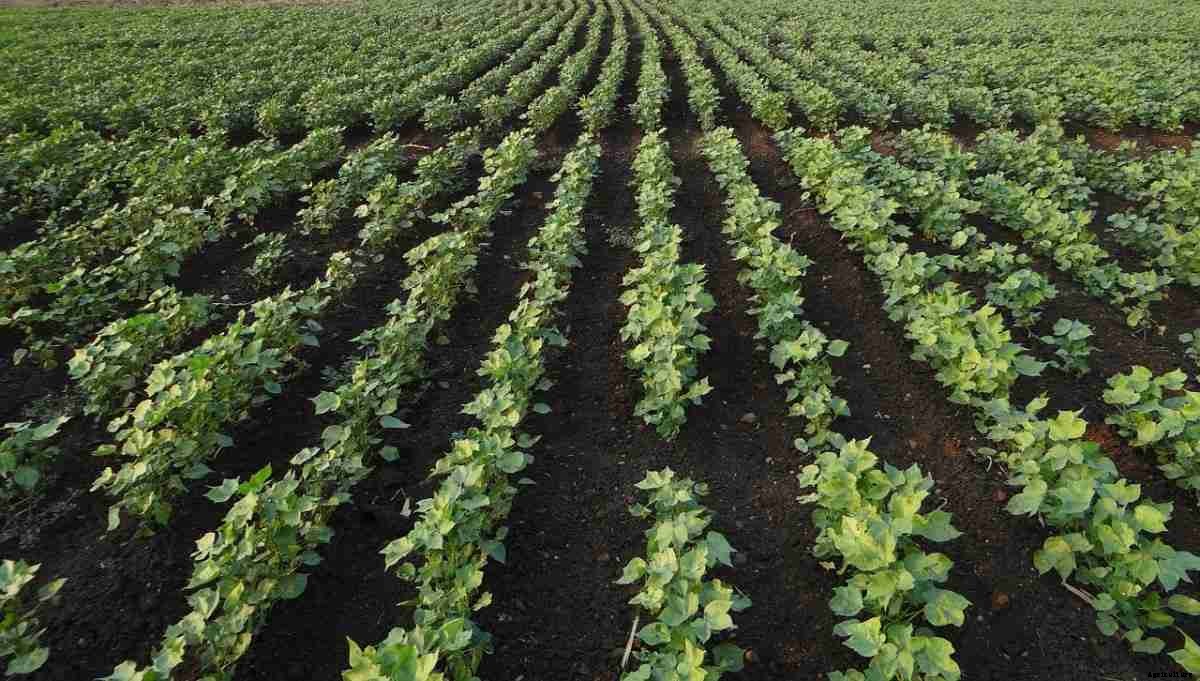
1. Low level of risk and high level of capital security – Investing in agriculture is supported by a solid asset that is unlikely to depreciate. Also, past data show that agriculture has demonstrated strong capital protection features over a long period. Well-organized farming is a completely renewable resource that remains productive until it is sold.
2. Farmland is an effective inflation counter – Historically, agricultural land values have generally risen faster than inflation, making agricultural land an effective means of controlling inflation and protecting capital becomes the source. This can be especially appealing to investors who are concerned about government policies on inflation.
3. Farmland is a stable income-generating asset – Unlike other mainstream options such as commodities and precious metals, farming also provides regular income to the investor, which allows him to make cash deposits and low-interest rates make a useful alternative to ‘risk-free’ income lost on bonds. Although the real estate sector may not necessarily be the most lucrative, the revenue is being generated on assets that are unlikely to depreciate.
4. Farmland investment provides low-income fluctuations – When it comes to agricultural commodity prices, long-term growth trends are caught in the event of an increase in asset capital. However, fixed rents have the effect of reducing short-term recurring instability because the risks of pricing are borne by tenant farmers rather than landowners.
5. Farmland investments provide higher total returns – Farmland investments offer both operating and capital returns in the form of a combination of rental income and asset value addition.
NRIs can only buy commercial and residential properties in India. It is also subject to specific rules and is subject to tax on the purchase of property in India by NRIs. In India, NRIs are not allowed to buy agricultural land, farmhouses, farms, or orchards.
The list of the common documents that need to be checked before buying agricultural land in Maharashtra can be given below.
To make this difficult task more manageable for you, we have listed a few essential legal points to consider when buying agricultural land in India.
Check the title deed of agricultural land to verify ownership – The title deed of the land confirms the name of the seller and checks whether the seller has the right to sell the property. Suppose there is more than one owner of existing agricultural land in the current title deed and the previous title deed. In this case, it is recommended that the documents be checked by a lawyer before registering to ensure that the owner has not given access to others through the land.
Verify the documents and sign the land sale agreement – After all, documents have been verified, sellers and buyers must prepare and sign a written document stating the amount of the advance payment, the balance to be paid, and the actual term of the sale. All should be supervised by a lawyer and signed by two witnesses. This is an important part of buying agricultural land. Therefore, one should be very careful and read the terms and conditions carefully before signing the agreement.
Find out the stamp duty on the land – Stamp duty is another important aspect of buying real estate. Stamp duty is nothing, but property tax imposed by the government, and stamp duty imposed on land by the government varies from state to state. Stamp duty is a legal document that can be used in court.
Documents required for land registration – Land registration is a document stating the transfer of property in the name of a new buyer and must be signed by both parties in the office of the Registrar. According to the India Registration Act, 1908, a deed must be registered in the office of the Sub-Registrar, and documents such as house tax receipts, past deeds, and original deed are required with two witnesses at the time of land registration.
Sale/Conveyance deed of the land – This deed is a document that transfers ownership from the seller to the buyer. These documents contain all the required details, such as location, measurement, and boundary details.
Collect the land measurement and encumbrance certificate – This document assures the buyer that the agricultural land is free from any legal hassle or complaints. Anyone can get an incumbency certificate from the Sub-Registrar’s Office.
Make sure land record tax receipts and bills are not pending – Before jumping into buying a property, the buyer must ensure that there are no outstanding land bills or notices. They should make sure that water, electricity, or other bills are clean and up to date.
Changing the title of agricultural land – After getting done all the legal procedures and important aspects of buying agricultural land, the name of the new owner of the land is included in the records of the village office.
In case if you miss this: How To Start Organic Farming In Kerala.

By land, we mean a surface that is not covered by water. We use this dry piece of land for many purposes. On the one hand, we grow food for everyday use, such as fruits, vegetables, crops, and herbs.
In addition, we see millions of acres of forest and grasslands. To make it up, we can say that we use the land for agricultural projects. Similarly, whenever you plan to buy land, you need to focus on a few essential things to avoid any disappointment in the years to come. For example, if you plan to buy agricultural land, you need to know about irrigation equipment in the area. Further, we recommend that you hire a land inspector to check the quality of the soil. The professional will tell you about the quality of the land for sale and the future price. On the other hand, if you intend to purchase residential or commercial land, you must verify its zoning protocol.
Several natural factors can affect the cost of agricultural land. The cost of agricultural land change is based on several factors like topography, agro-climatic conditions, soil health of the land, existing irrigation facilities or type of irrigation infrastructure, average annual rainfall range, infrastructure facilities like road and market, surrounding social environment, crop sampling, crop rotation tracking, and surrounding forest cover, etc., may be affected. The cost of agricultural land in Maharashtra is approximately 20 lakhs to 1 crore.
How about this: How To Buy Agricultural Land In Gujarat.
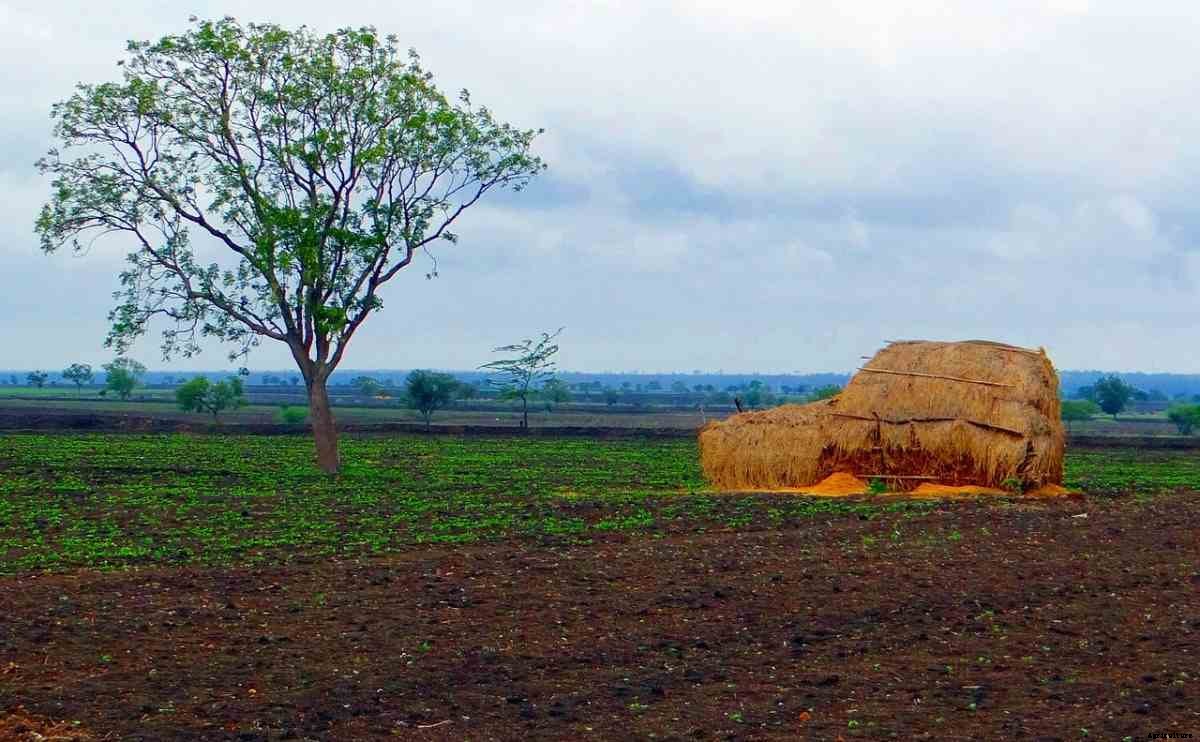
Learn about the land’s previous use – The land’s previous use can affect whether you want to buy a property. Many nutrients may not be left for your crops on land that has not been used for decades. An area that was used for industrial purposes, however, can hide toxic chemicals in dirt and water. Research the land’s previous use to avoid threats and carefully focus on finding a field with healthy soil.
Test the soil acidity and nutrients – Before you buy an agricultural farm, it is important to know the soil has the right nutrients and acidity to grow the crop of your choice.
Observe farmland soil drainage – Most crops prefer soil that drains quickly after rain. Well-drained soil helps protect plants from diseases such as stalk rot, root rot, blight, and mold. Standing water also makes room for breeding from annoying insects, including mosquitoes, aphids, and beetles that eat the leaves. You can improve farm drainage by adding perlite, sand, fertilizer, mulch, or vermiculite to the soil. If you want to start farming right away, buy a farm for sale that is already running out.
You may also like this: How To Start Poultry Farming In South Africa.
Analyze the topology of agricultural land – Topology plays an important role in the success of the farm. Most farmers avoid steep hillsides because water can wash away essential nutrients. If you want to buy land for sale in a barren area, the topology probably doesn’t matter much. For example, many people successfully grow grapes on the hills in Arizona.
Just make sure the topography of the farm matches the needs of your crops.
Find out if the existing infrastructure meets your needs – Agricultural land contains more than healthy soil. You need farm infrastructure to help you grow and sell crops. You can break down the most important types of infrastructure into four types;
Agriculture land roads need to accommodate some large machinery like tractors, rollers, and cultivators, and also trucks.
Buildings should provide a safe place to store your goods and crops. Think beyond having a good warehouse that protects the hay from rain. You may even need to find buildings like grain silos, packing facilities, and refrigerated sheds that keep producing fresh.
Find the distance between distributors, retailers, and markets – Consider how easily you can reach distributors, retailers, and markets that buy your crops. Every hour you spend on the road is away from your fields. Find agricultural land that keeps you at a reasonable distance from distributors and retailers because you want to build an efficient supply chain. A central location that gives you easy access to many cities and towns in the region can help turn your farm into a successful business.
Check the title of the farmland is the basic compliance that must be completed before purchase. It is important to ensure that there is no dispute over title and area of land. The confirmation of the farmland title must be at least 40 years before the date of purchase. Ownership tracking should always begin with an examination of the initially recorded document. This is important as long as you do not want to buy seemingly fertile land that is in dispute.
The following are some of the important documents involved in the process;
Check encumbrance certificate – Before buying a plot, it is important to verify that the land is free of legal dues. This document helps to understand the burden of the property for a specific time.
Property Tax Receipts and Bills – It is recommended that you ask the seller for the previous property tax receipts as well as other bills related to the plot. This will help you avoid future tax problems.
RTC (Record of Rights, Tenancy, and Cultivation) – RTC is an annual document that is very important in verifying the title. Indicates ownership, occupation, tenancy, soil type, number of trees on the land, and other details. It is advisable to obtain the said document at least 40 years from the date of purchase as it reflects the annual ownership flow.
Some of the other important documents involved in this process are land index, mutation extract, family tree history, Patta book, and Khata certificate.
Why don’t you consider this: Fertilizer Business Subsidy.
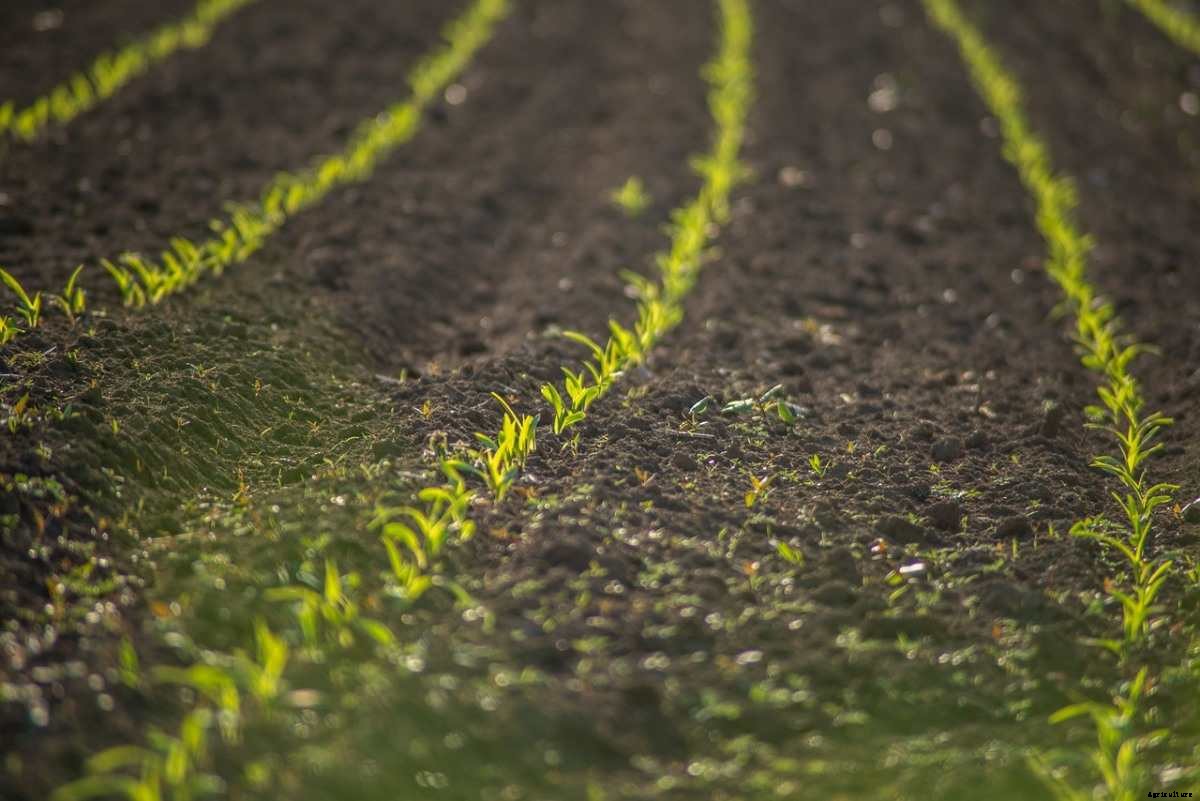
Objectives – Financial assistance for purchase, development, and cultivation of agricultural and fallow land for farmers.
Eligibility
Margin – There is no margin is stipulated for loans up to Rs. 50,000. In case of loans for a higher amount, a minimum of 10% margin will be stipulated.
Repayment Period – Payment term in half-yearly/annual installments of 7 to 12 years, including a maximum suspension period of 24 months.
Security – Mortgage of land purchased with a secured bank loan.


