
Welcome to Modern Agriculture!

Introduction to Flower Gardening for Beginners: A flower garden or floral garden is any garden where flower plants are grown and displayed. Starting a flower garden is both fun and rewarding process. Start gardening by picking a place to grow your flowers and then preparing the bed properly. If you want to start flower gardening planting flowers is a great beginning project, and they add bright colors to your yard. In this article we also covered the below topics about flower gardening for beginners;
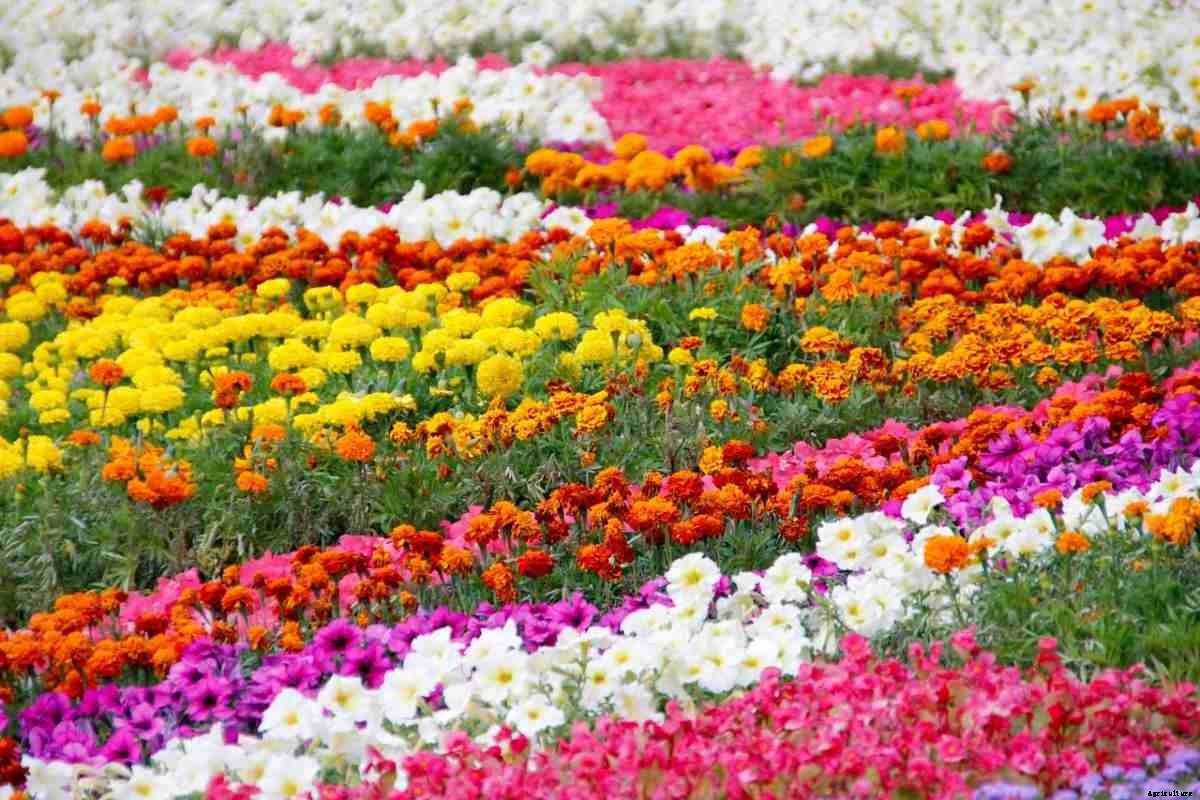
Flower gardens can turn a normal area into a colorful showcase or create a border that pops. This article will show you exactly how to start flower gardening, even if you’re a beginner.
Some important flower gardening tips for beginners are;
A flower garden beautifies your home and also it is an excellent way to spend your time after work. If you’re new to gardening, start building your flower garden with these easy to follow steps;
Pick a small space to start building your flower garden. Ensure that the place you choose receives 5 to 6 hours of direct sunlight. Also, the wind will keep pollinators from doing their job. Lastly, think about the accessibility of your garden space for watering, picking, and caring for your flower plants.
Almost all vegetables and many types of flowering plants need 6 to 8 hours of full sun each day. So you want to observe your yard throughout the day to figure out which spots receive full sun versus partial or full shade. Make sure your new flower garden will have easy access to a water source. Flowering plants use sunlight to produce the energy they want to make flowers. In most cases, more sun means more blossoms, so the best location for a flower garden is one that gets at least 6 hours of sun per day.
Before starting flower gardening, you will need to get a few tools. They are;
You won’t need fancy gardening tools to start a flower garden. A good gardening cart can be handy too when transferring your potted plants.
Every grower needs essential tools to get the job done. The gardener’s tool kit must be built up with time to eventually include the following items;
In case if you miss this: Growing Zinnia Flowers from Seeds.
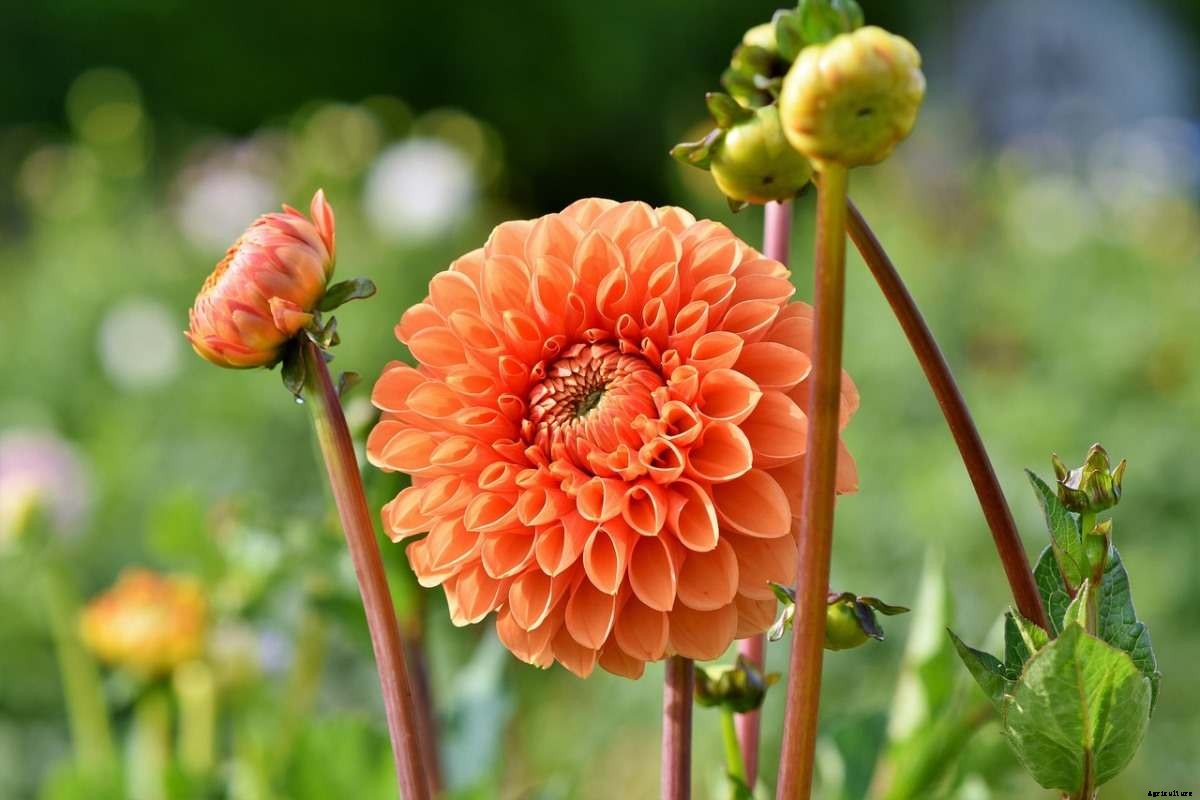
Sunlight is one of the key factors for a beautiful flower garden and making sure they receive the proper amount of light needed. Flower plants need full sun, partial sun/partial shade, or full shade.
Full Sun – Full sun means the spot receives about 6 or more hours of direct sunlight per day.
Partial Sun / Partial Shade – Both Partial Sun / Partial Shades would prefer to receive early morning or evening light, being shaded from the most intense sun in the mid to late afternoon. Partial sun plants need a minimum of about 4 hours and will do better the closer to 6 they can get. Partial shade plants need a maximum of about 6 hours of sun but prefer the lesser amount.
Full Shade – Full shade means less than 4 hours of direct sunlight a day and this doesn’t mean the plant never receives any sunlight.
Plants always benefit from nutrient-rich gardening soil. Whether planting perennials or annual flowers, preparing the soil in advance will help your plants flourish. Annuals will be less choosey about where they live since they will only be around for about a year. Though, the better the growing conditions, the better the plant will fare. If you are starting with a bare or weedy spot of land, you will need to start at the beginning. Find the area for your flower bed and start digging. Carefully remove all surface weeds along with rocks and roots.
There are different classifications for flower plants; perennials, annuals, and biennials. Plants can be mainly classified into three ways Perennials, Annuals, and Biennials. The next important thing that you need to understand is the difference between perennial, annual, and biennial plants.
Perennials
A perennial plant is defined as the plant that comes back year after year. Therefore, you plant this once and each year it may or may not die back but then it will grow again in the next season. Like perennials, most shrubs “come back” each year, even if they lose their plant leaves over the winter season. Also, there are many perennial plants as well as flowers that come back year after year and this is a great method to create a low-maintenance landscape that you don’t have to replace every spring. Shasta daisy, roses, and flowering bulbs such as gladiolus and tulips are just some of the best perennial flowers can recommend.
Annuals
Annual plants are pretty much self-explanatory. If you plant an annual it will grow and bloom in the year that you have planted it. So most annual plants you’ll want to purchase and plant in the spring or early summer. Annuals only live for one growing season and then need to be replanted every year. They can add color to small sections of a flower garden and be switched out year to year.
Biennials
Biennial is another category of flower plants that you should be aware of. Though, biennials are much less common than perennials or annuals.
Step 1) Now comes the most exciting part of the gardening process – picking your flower plants. Some flower plants like direct sunlight while others prefer shade. Picking the flower plants that are native to your area can make your life very easy, especially when you are about to become a plant parent.
Step 2) When starting flower plants from seed, be sure that your soil has been adequately prepared. Carefully dig a small hole in the ground-based on the directions on the seed packet about twice the depth of the seed and drop in a couple of seeds. Cover with soil and then water gently, but thoroughly and be sure to keep the soil moist as the seed sprouts.
Step 3) Many flower plants are started in a greenhouse before moving to the garden. Whether you can grow your seedlings or purchase them from a garden store, be sure to harden them off first. After that, dig a hole as deep as your seedling and twice as wide. Then, this is a great time to throw some compost or organic fertilizer into the hole. Loosen the root ball and then place the seedling gently into the hole. Add enough soil or planting medium to fill in and tamp the soil down gently and water thoroughly.
Step 4) Flowers don’t do well in extreme weather conditions too cold or very hot. So plant them in the spring and fall seasons when depending on their blooming time. While the spring season is the most popular time to plant, perennials often do fine if planted in fall as well. Also, you can plant them in the summers if the days are not especially hot.
Step 5) Dig a hole about 2 to 3 inches deep to sow the seeds. If you are transplanting a potted plant then you will want a hole as deep as the plant’s root ball. Before planting a transplant, gently break up the root ball by using your fingers. Then, this will help the roots to grow out into the soil, rather than back into a confined lump. Finally, add some plant nutrients into the soil and place your flower plant into the individual holes prepared for them.
Consider some points when designing a flower garden are hardiness, color, fragrance, height, time of bloom, and size of the plant. Adding perennial and annual flower plants to your garden is a good idea. Generally, perennials require less care, and you can fill your garden with less work once established. Annual plants add fun colors to your garden beds.
Perennials for beginners – Lamb’s Ears, Rudbeckia, Echinacea, Daylilies, Sedum, Peonies, and Astilbe.
Annuals for beginners – Zinnias, Petunias, Alyssum, Cosmos, Coleus, Marigolds, Nasturtiums, and Sunflowers.
Bulbs for beginners – Daffodils, Tulips, Muscari, Alliums, Dahlias, Cannas, and Liatris.
Some easy growing flowers for beginners are;
Marigolds
You can grow marigolds from seeds or also buy transplants at the store. The plants need to be planted in well-draining soil, but they do well in dry or sandy soil. Marigolds mainly prefer to be watered well, allowing the soil to dry out between each watering.
Crossandra
It comes in yellow, red, or pink varieties and is ideal for keeping in containers. This shade-loving flower plant survives in medium light and needs to be watered only when the soil dries. Crossandra plants are susceptible to drought and like slightly moist but not soggy soil at all times. Reduce the amount you water in the winter, even if you’re growing Crossandra indoors in a pot.
Kalanchoe
Kalanchoes are succulent plants grown for their tiny, colorful flowers. The multi-colored (red, yellow, white, or pink color varieties) succulent houseplant needs less water, bright indirect sunlight, and needs well-drained soil.
Peace lily
It can grow well in low light, but for blooming flowers, place peace lily plants in a brightly lit spot that is away from direct sunlight.
Zinnias
Zinnias bloom throughout the summer into the early fall season. The plants attract butterflies and other pollinators. Make sure you plant zinnias in rich and well-draining soil and make sure you often water because they have moderate water requirements.
Daisy
These daisy plants are often grown commercially but are known to be a weed due to their prolific behavior. Though, they persist as popular garden flowers due to their visual appeal. They symbolize love, purity, and gentleness. Daisies are arranged in a circular arrangement with bright and colorful petals.
Rose
Plant roses in rich and well-draining soil. When planting, mix organic matter like compost or ground bark, into excavated soil you will use to backfill the planting hole. All flower plants need some amount of water to grow. This will allow for roses to have much higher longevity. The morning sun is very important because it dries the leaves, which helps prevent diseases.
Sunflowers
You can find sunflowers in a range of colors, and not all sunflowers are yellow. Some varieties are pink, purple, and burgundy. Growing sunflowers is easy. Most plant varieties are drought and heat tolerant and thrive in full sunlight. The plants do well in most soil types. If you decide to grow the tall plant varieties, you might need extra support, or the stems might break. Sunflowers bloom during the summer season, typically towards the end of the growing season.
Echinacea
It is also called purple coneflowers. The common color is purple, but coneflowers grow in yellow, orange, white, pink, and bicolor. You can sow the coneflower seeds in the spring or fall outside, or you can start the seeds indoors before the final frost date. Echinacea plant needs rich and well-draining soil, but they tolerate drought and need to be planted in full sunlight.
Thoroughly soak the soil around newly planted flowers. Generally, garden flowers need 1 to 2 inches of moisture every week to perform well, so water if you don’t receive enough rain. It’s best to water deeply and less frequently than shallowly and more often so the plant roots grow deeper. A layer of mulch-like shredded bark around your new flower plants will help slow down evaporation and reduce how often you need to water.
The goal of watering your flower plants is to give them enough water to sustain but overwatering your plants can lead to waterlogging which can damage your plants. Flower plants at different development stages also need different dosages of water. A consistent watering schedule can be the difference between thriving, healthy flower plants, and limp, lifeless vegetation. Some flower plants need water once a week, while others should only be watered once the soil dries. There are two ways to tell when a plant is under-watered and the state of the leaves and the dryness of the soil. Under watered leaves will curl in on themselves and start drooping. If it is, it needs water. If it’s not, hold off.
Keeping the soil surface covered with leaf mold, compost or shredded leaves will discourage new weeds from germinating and then make weeds that do appear, easier to pull out. In flower gardens, it’s good to avoid using bark chips or shredded bark. As these materials break down, the available soil nutrients decrease.
Most potting soil has no accessible nutrients for your flower plants, you need to add those. The vast majority of flower plants will need fertilizer added to your soil, to thrive. You can mix in a slow-release fertilizer slowly into a potting mix. To do this, either mix up a big batch of potting soil mixed with fertilizer in a bucket or fill the pot with potting soil and then mix in the fertilizer. Then fertilize every week or two with a liquid fertilizer, usually a fish emulsion and seaweed blend. It helps to give plants the nutrition they need.
Feed annuals monthly with a dose of liquid and all-purpose fertilizer. Use the same liquid fertilizer on perennial plants, feeding them twice during their first summer, a month after planting, and then again in early July. In future years, fertilize perennials just once in the early spring season, with a combination of compost and granular all-purpose fertilizer.
Pests and diseases are more attracted to flower plants that are stressed or have some deficiency. If you have healthy plants, your pest and disease problems must be lesser. If your flower plants get infected, chances are there’s an organic solution.
It is easy to make up homemade pest control for the flower garden that uses plant compounds and soap to knock out the bugs feasting on your plants. Then, carefully mix up some neem oil, water, and a few drops of dish soap. Shake it well and then spray it on your plants once every 2 weeks to keep the pests away.
Your flower blossoms, bulbs, and seeds can be susceptible to wildlife or other pests, so equip your garden with coverings, wire cages, or organic solutions like vinegar and tea to help ward off unwelcome visitors and some fungal diseases. Also, you can plant animal-deterring plants like hyacinths as a border around your garden, which keeps deer, squirrels, and other rodents at bay.
You may also check this: How To Grow Borage From Seed.
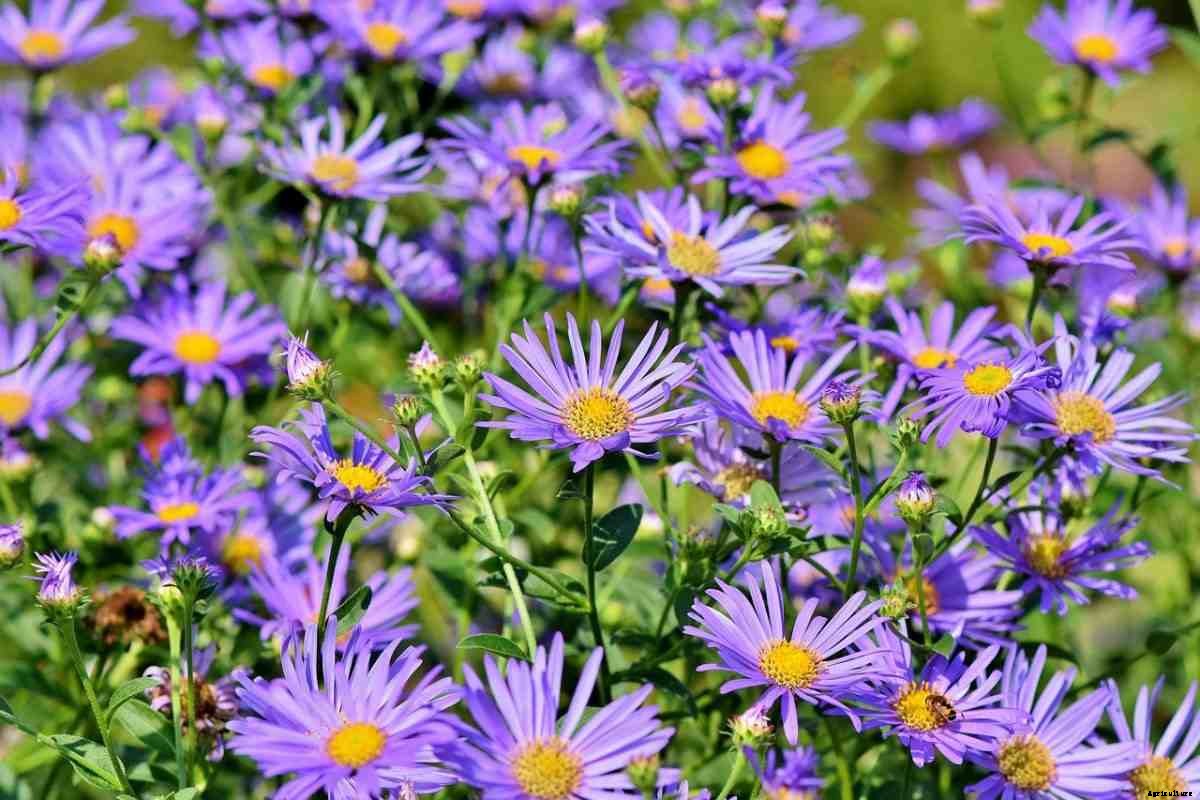
Why are my flowers dying in my garden?
Improper watering is the main reason for the sudden death of plants. If you forgot to water for a few days, the plant roots may dry up. Be sure the flowering plant is in a well-drained potting mix, not garden soil.
What are the problems in gardening?
Some garden problems for a flower garden are;
How do I keep my garden flowers from dying?
How often should flowers be watered?
A good general rule to follow for most flowers is 1 inch or 2.5 cm of water every seven to ten days. This is just for the growing season, though, as many flowers require less during the dormant part of the year. One inch of water is approximately 5 gallons of water per square yard of soil.
What month should you start planting flowers?
The spring season is the best time to start planting flowering plants.
Which flowers bloom all year round?
Flower plants that bloom throughout the year include Gerbera, Bougainvillea, Plumeria, Lantana, Water Lily, Periwinkle, Dwarf Ixora, Calliandra, Tecoma Dwarf, Pentas, and Baby Adenium.
How to prepare the soil for flower gardening?
To start a flower garden, the top layer of the soil must be nutrient-intense, fertile, and have the proper balance of silt, sand, and mineral. Note that good soil is not too sticky and then drains well. Also, the roots must be deep in the soil, for the plant to be stable and grow well.
What is the best soil for planting flowers?
Flower plants benefit from soils that have organic materials such as peat moss to allow for adequate drainage. Adding compost to the soil can also help offset any shortages in the native soil.


