
Welcome to Modern Agriculture!

Growing Organic Thyme – A full planting guide
Hello friends, today we are here with a new topic called “Growing Organic Thyme”. Thyme belongs to the mint or Lamiaceae family. Thyme plants are low maintenance perennial herbs. The Thyme plant is one of the most popular culinary herbs. Thyme is a relatively short-lived herb plant and can produce leaves for culinary use for around 5 to 6 years if the plant is cared for properly.
Quick Guide to Growing Organic Thyme
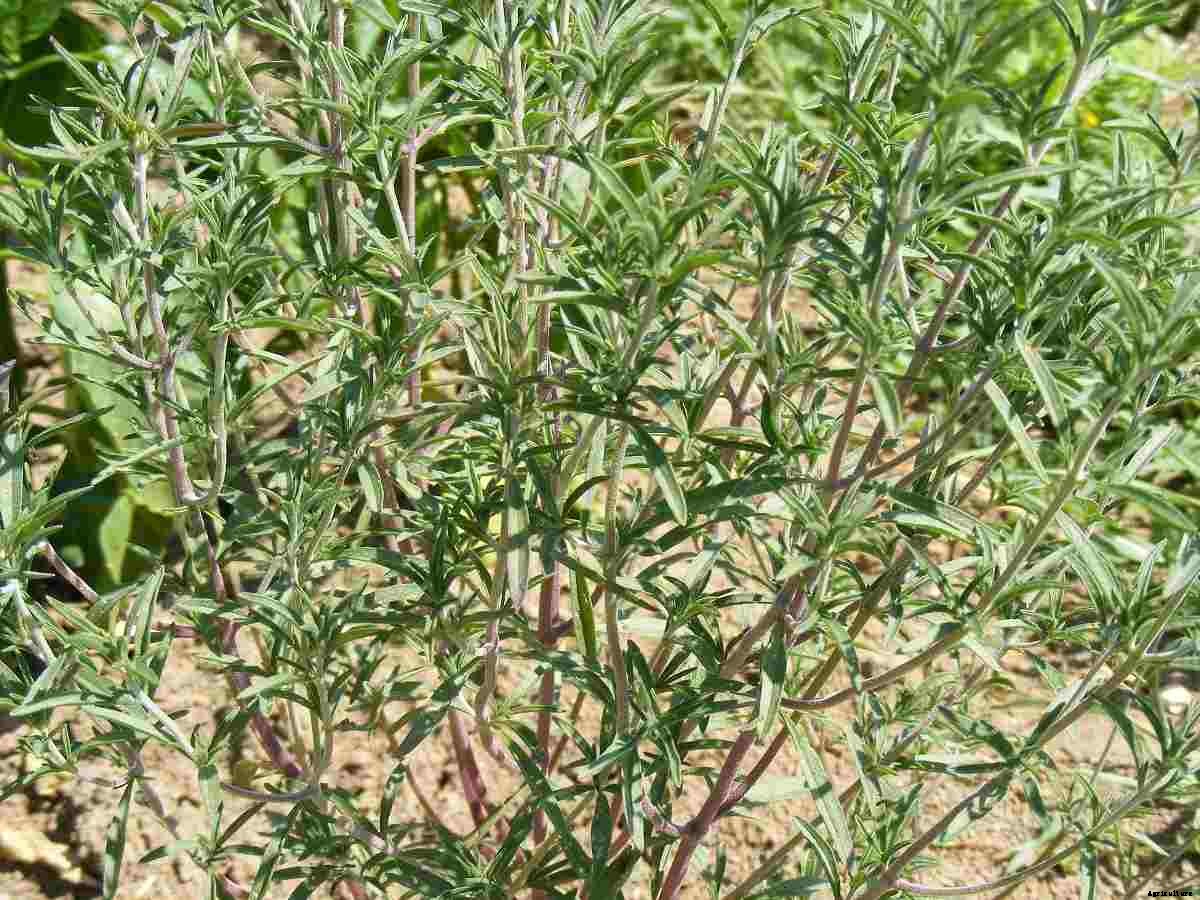
Choosing the Best Seeds to Growing Organic Thyme
There is a different variety of Thyme to choose from for growing in your garden. As one of the world’s oldest aromatherapy and medicinal plants, there are many varieties of Thyme are available.
Here are some of the most popular Thyme varieties you can grow successfully.
French or Common Thyme – The classic kitchen garden Thyme plant, this variety is as tasty as it is beautiful. Common Thyme plant is a dwarf, woody, evergreen. It is grown mainly as an aromatic culinary herb.
Red Creeping Thyme – Because the tiny leaves of this Thyme plant variety don’t have much flavor, it’s used as a predominately ornamental ground cover that produces purple color flowers. Some common varieties include ‘Doone Valley’ and ‘Albus’.
Lemon Thyme – This shrub-like Thyme plant is great for cooking and full of flavor. Some of the best varieties include ‘Aureus’, ‘Golden King’, and ‘Silver Queen’.
Caraway Thyme – Growing up to 5 inches tall and full of pretty pink flowers, this Thyme plant thrives in southern gardens.
Thymus citriodorus – This Thyme varietal grows closer to the ground, often resembling a mat or carpet once established. As its name implies, its bright yellow-green color leaves boast a distinctly lemony scent.
Thymus ‘Silver Queen’ – It is a compact and busy Thyme variety, and it is known for its greenish-gray leaves and rich red stems. It is used to edge pathways or fill cracks in stone patios.
Thymus herba barona – It is also known as caraway Thyme, this variety has a similar taste to its cousin herb and is native to Sardinia and Majorca. It is more vine-like in appearance, often creeping down the sides of plant beds or pots.
Soil is the most important element when growing organic Thyme. If you choose to do so indoors or outdoors, choose a soil mixture that is dry and well-draining, as Thyme is mainly susceptible to root rot and overwatering. Sandy mixtures are your best bet if you select to use potting soil you have laying around, cut it with a bit of gritty sand or gravel to ensure water moves through the soil quickly. A pot with ample drainage is also important for growing Thyme, and those made of clay or terracotta can be beneficial in wicking away extra moisture from the soil. Thyme can thrive in a wide range of pH values ranging from 6.0 to 8.0. In the early spring season, you may fertilize with organic matter, like compost, but not much soil amendment is necessary. Thyme will grow well in fairly poor, even stony, soil.
Thyme plant prefers full sun to light shade with plenty of organic compost or well-rotted animal manure. Thyme plants thrive in pots and will spread between pavers to soften stone walkways. Thyme is a well-known sun lover and preferring to be planted in a spot with access to full light nearly all day long. A bright windowsill that gets around 8 hours of sun a day is ideal.
In case if you miss this: How To Grow Sage In India.
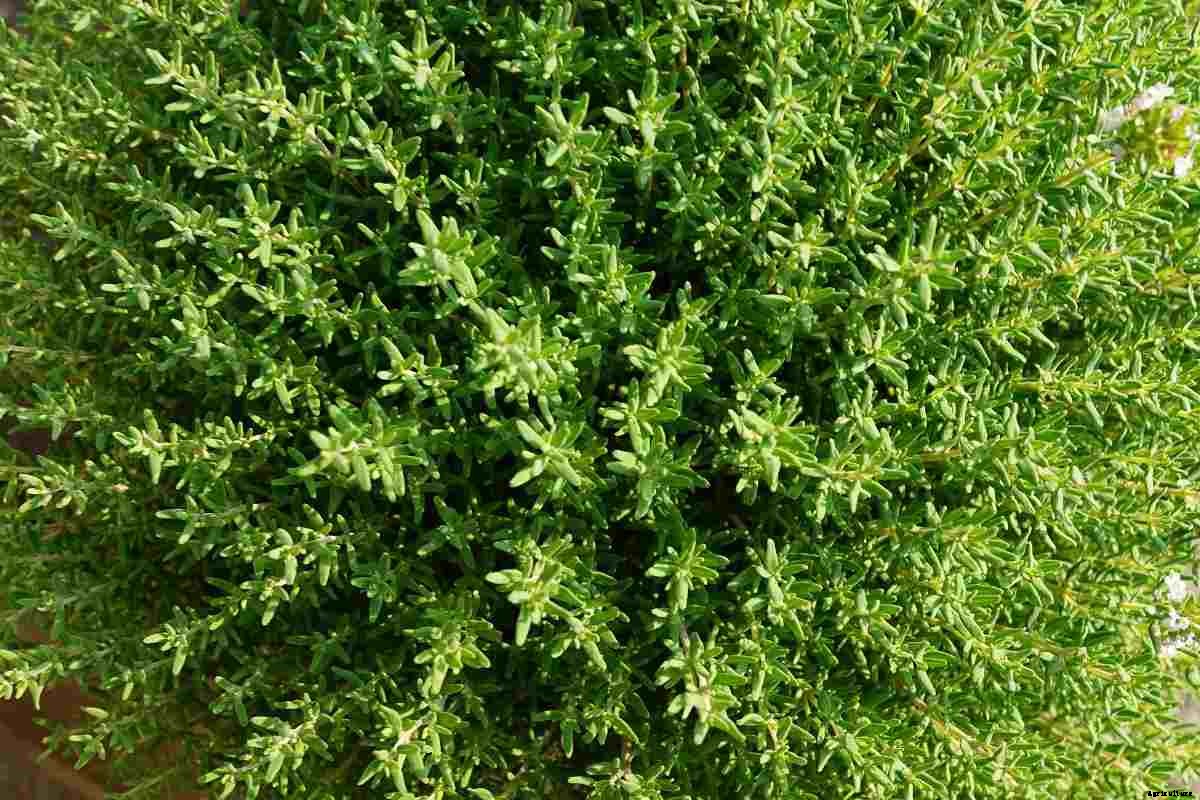
Thyme plant can be propagated by seeds and vegetative by division of old plants or by cuttings or by the layering of side shoots in March or April. Thyme seeds are sown directly in rows or the Thyme seeds are sown in well-prepared nursery beds in good soil. About 3% solution of Panchagavya can be used to soak the seeds or cuttings for 20 minutes before planting. This treatment increases the seeds germination or rooting percentage of the cuttings. Good soil is preferred for nursery because the seedlings are small and remain inconspicuous for several weeks after the germination process.
The Thyme plant can be grown from seed. But frequently people choose to avoid growing Thyme seeds because Thyme seeds are difficult to germinate and can take a long time to sprout. If you would like to grow Thyme from seeds, follow the below steps for growing Thyme seeds;
Divide roots of older, established plants from mid-spring to the early summer season. Usually, a Thyme plant is planting from a division and it is easy to divide. In the spring or fall season, find a mature Thyme plant. After that, cut a smaller clump of Thyme from the main plant. Replant the mother plant and plant the division to grow the Thyme herb.
To start a new plant, and then clip off a 3-inch section from the tip of a mature one and apply a rooting hormone to the exposed stem pieces. Within 6 weeks, roots start to form, at which point you can transfer the cutting into a small pot until it reaches transplanting size.
Cuttings are easy to root and use tip growth cuttings. After that, dip the ends of about 4 to 6-inch Thyme cuttings in liquid rooting hormone. Then, plant in organic potting mix or sand under fluorescent lights. Thyme cuttings will root in about 4 weeks.
Once established, Thyme plants are drought-resistant and prefer to be under-watered rather than over-watered. It also requires plenty of water throughout the first season to help it get established enough to thrive. Once Thyme plant is established, it only needs to be watered when the soil below is completely dry. Pruning off dead and dying stems in the spring and fall seasons will help keep each plant healthy for the coming season. Thyme survives a rough winter and adds a thick layer of mulch to the plants to prevent them from freezing.
Plenty of garden plants do well with Thyme, but the rosemary plant is the perfect herb to pair with it because they both have the same watering needs. Also, you can plant Thyme next to Strawberries, Eggplant, Broccoli, and Cabbage for the benefit of all plant species.
Application of well-decomposed FYM (farmyard manure) by 50 t/ha and biodynamic compost by 5 t/ha
Application of vermicompost by 5 t/ha
Application of Neem cake by 1.25 t/ha
Application of Azospirillum and Phosphobacterium by 25 kg/ha
Foliar spraying of Panchagavya, an organic preparation by 3% at monthly intervals should be done. Spraying panchagavya about 5 times a year will increase the yield and quality of the green leaves.
You may also check this: Weed Management In Organic Farming.
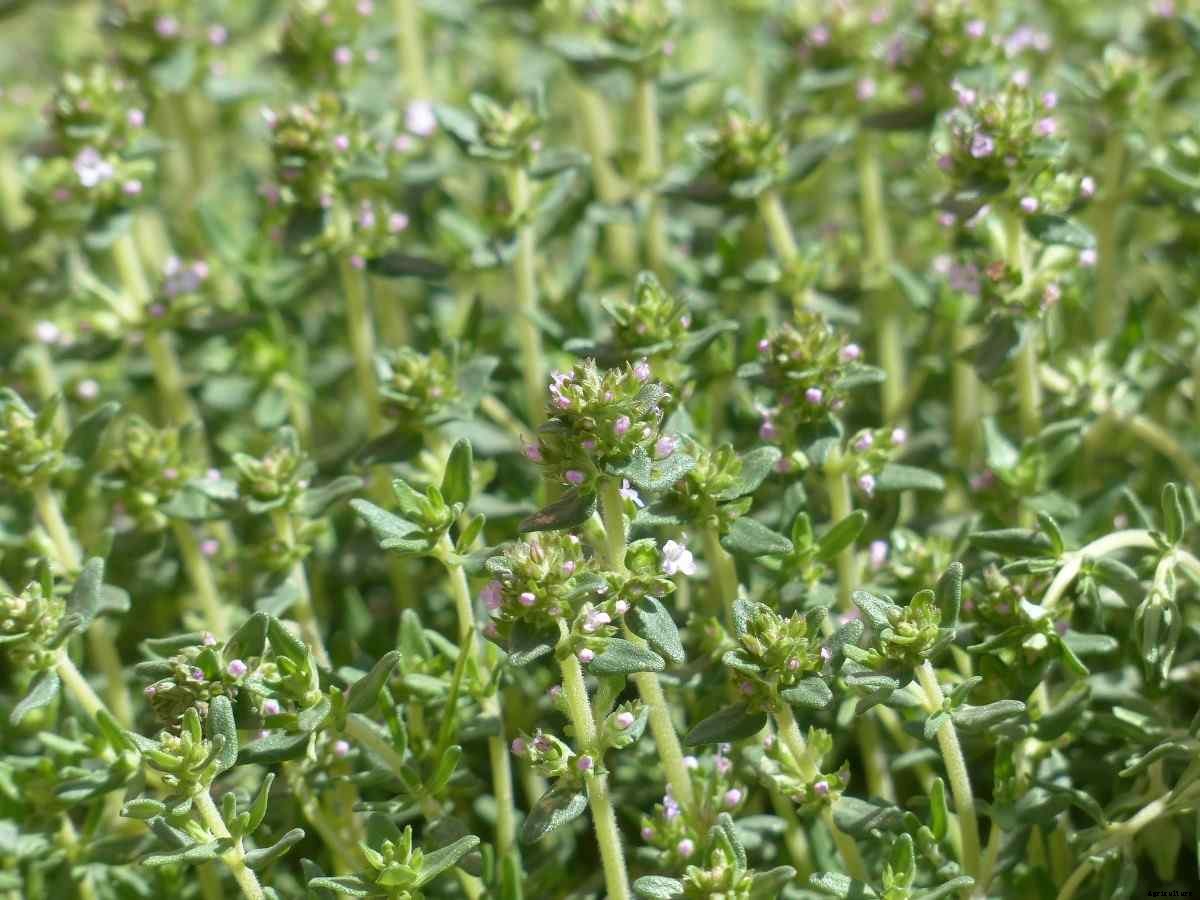
The most common reasons for Thyme dying are;
Symptoms – The Thyme plant leaves are turning yellow often, with a wilting appearance.
Causes – Excess nitrogen because of fertilizers.
Thyme plants are mostly adapted to low to medium fertility sandy soil. If the soil is rich in nutrients or more perhaps there have been applications of fertilizer, there is likely a high concentration of nitrogen in the soil. Excess nitrogen causes the Thyme plant to grow leggy, droop or wilt and the aroma and flavor of the plant leaves are not as pronounced which has a big effect if you are growing the Thyme plant for culinary use.
Yellow foliage and wilting appearance are symptoms of root rot so ensure that you allow the soil to dry out between bouts of watering and then plant (or transplant) Thyme into well-draining soil.
Revive with Yellow Color Leaves – For applying fertilizer to Thyme then you must stop as this promotes excess foliage growth with a weaker aroma and flavor. Ideally, transfer the Thyme plant from garden soil or the pot to a new pot or area of the garden and then amend the soil with 30% sand to improve drainage and balance the soil nutrient profile.
Prune back the leggy or wilting growth of the Thyme plant to a rounded appearance (do not cut back into woody growth as this is not growing back particularly well). Yellow color leaves for most plants often indicate root rot, too much nitrogen, and even not enough nitrogen.
Symptoms – Thyme plant with no growth and an unhealthy appearance.
Causes – Thyme planted in a pot that is too small, lack of sunlight or competition from other plants for resources or plant that is more than 5 years old.
Thyme prefers to live in soils with low nutrients and little moisture so they do not naturally grow quickly although creeping Thyme does grow quickly with full sun. Though, if it is spring or summer and your Thyme is not growing and looking unhealthy then there is likely a problem with the growing conditions. Thyme plant can still grow after 4 years however the growth does naturally slow down and there may be some dieback, with some of the leaves turning brown color and dried up which is the natural life span of the plant.
A lack of sunlight can limit the overall growth and flavor of the Thyme leaves. Nearby plants can also compete for space, light airflow, nutrients, and water which can cause the Thyme plant to grow slowly or die. Pots and containers that are small naturally limit the space for the roots to develop which can cause your Thyme to not grow.
How to Revive Thyme Plants that are not Growing – Plant Thyme in a container or pot that is at least 12 inches across to ensure the roots of the plant have enough space to develop so the plant roots can access the moisture and nutrients it requires.
Always locate Thyme plants in full sun (at least 6 hours per day) so they can grow and then stay healthy. In more humid climates plant Thyme around 2 to 3 feet apart for best results. Thyme plants are not long-lived herbs and the growth can slow after 3 years and they can die after 4 or 5 years even with good care.
The smaller the pot that you plant your Thyme in, the less capacity there is for soil, nutrients, and root development. So, planting in a larger pot (at least 12 inches across) allows the roots enough space to establish properly which will promote growth.
Spider mites can be a problem in dry weather conditions. Also, watch out for root rot and fungus diseases in humid climate conditions. Good drainage, good air circulation, and proper planting will help to prevent this disease.
Thyme is susceptible to botrytis rot, Rhizoctonia or root rot, and other plant diseases. Carefully select locations with good drainage and plenty of air circulation to prevent diseases.
Common insect pests attacking the Thyme plant include aphids and spider mites. Watch closely and follow some pest control methods;
Because Thyme usually does a good job of attracting beneficial insects, it doesn’t have several problems with harmful pests. The insects in Thyme plants are aphids and spider mites, but both can be kept away by using an organic insecticide. Allow Thyme bed’s soil to dry out completely before watering to avoid this problem.
The Thyme leaves and flowers that are used for culinary and medicinal purposes are harvested 5 months after sowing/planting. The leaves and flowers are plucked from the plants about 15 cm are cut off from the plants, dried in shade or dryer after harvest, and then stored in airtight containers to prevent the loss of flavor.
Harvest Thyme plant just before the plant flowers by cutting off the top 5 to 6 inches of growth. Leave the tough, woody parts. Clean Thyme leaves should not be washed, because it removes some of the essential oils.
You can start to harvest Thyme within the first year through occasional cuttings. Thyme leaves are great in recipes when both fresh and dried but be sure to harvest plants in the early morning for peak flavor. Always leave at least 5 inches of each plant left to ensure it has enough stored energy to keep growing.
How much sunlight does Thyme need?
Plants must receive a minimum of 6 hours of partial sun a day.
How long does Thyme plant last?
Thyme is a short-lived herb and can produce leaves for culinary use for around 5 to 6 years if the plant is cared for properly.
Is Thyme easy to grow?
Thyme plants easy to grow and needs little care except for regular light pruning after the first year.
Can Thyme survive the winter season?
In areas with the cold winter season, the Thyme plant is considered a semi-evergreen plant. For growing Thyme plants, the keys to successful overwintering are good drainage and winter mulch.
Why is my Thyme turning yellow?
Because of root rot, Thyme leaves turn yellow color, too much or too little nitrogen, or due to a spider mite infestation.
Why is my Thyme turning brown?
Due to excessively moist soil around the roots, Thyme plants turn a brown color. Damp soil increases the chance of root rot which turns Thyme leaves brown as a sign of infection. Thyme can turn brown color due to age as they often do not live for more than 4 or 5 years.
How do you care for potted Thyme?
Plant Thyme in a pot or container with good drainage to keep the roots from soaking in moisture. Water the Thyme plants only when the potting soil becomes thoroughly dry. Indoor plants must be grown in the sunniest location you can find or under bright grow lights.


