
Welcome to Modern Agriculture!

Organic Vegetable Farming in Greenhouse
Hello friends, today we are here with a new topic of organic vegetable farming in Greenhouse. Growing organic vegetables in a greenhouse is a fun and healthy hobby. Getting started with organic horticulture is as easy as purchasing certified organic vegetable seeds and potting soils or building your organic soil from raw ingredients. There are several organic fertilizers, pesticides, and herbicides available which make converting to organic very easy and convenient. Since you can successfully grow organic vegetable production in either potting containers or raised beds, the decision comes down to the personal preference of the horticulturist or the crops themselves. There are several benefits to growing organic vegetables in a greenhouse. In this article we also covered the below topics about organic vegetable farming in Greenhouse;
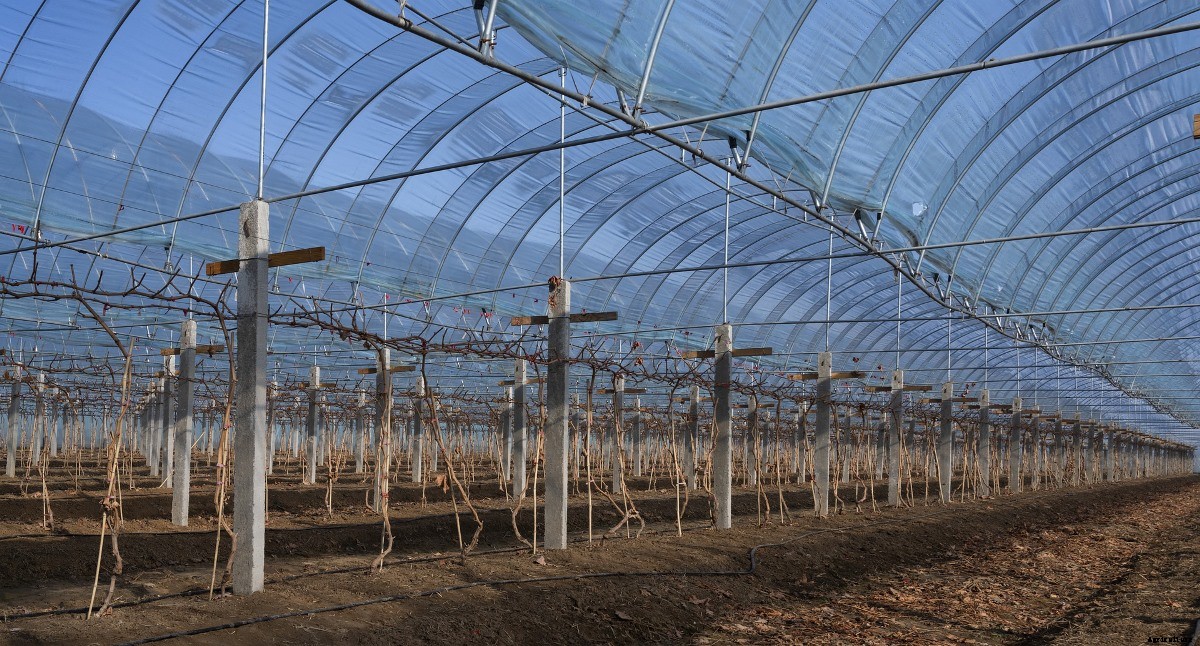
When considering greenhouse designs, four major factors should be considered as a type of crop, load limitations, light penetration, and cost. The type of crops grown will find how much light penetration, heating, and cooling are necessary. The primary load considerations for the greenhouse include snow and wind. For successful greenhouse vegetable farming some important conditions are the right environmental conditions, and taking into consideration heat (in cooler months), cooling (in warm months), ventilation, humidity, air circulation, and lighting requirements.
The plants in the Greenhouse grow faster and stronger compared to those grown in a traditional garden. Site selection is a key factor for profitable greenhouse organic vegetable farming. The main factors determining the location and site selection of a greenhouse vegetable production area are the cost of production, quality of produced yield, and transportation cost to markets. Compost can be used as a substitute for peat-based media, and results vary based on feedstock, compost method, and proportion used in mixes.
A greenhouse is an enclosed place that is used for vegetable production to protect it from excessive temperature, humidity, and other environmental factors. Usually, it is equipped with an external translucent glass or plastic cover, allowing a more thorough control of the crop in question and favoring its optimal growth. Then, this prevents the transport of accumulated heat to the outside and obstructs the output of some of the infrared radiation. The effect is to accumulate heat and increase the temperature level of the enclosure.
Greenhouse technology is the method of providing favorable environmental conditions to the plants. Of all agricultural production activities, the greenhouse system is worldwide the fastest growing sector. The use of the greenhouse is producing seasonal and non-seasonal vegetable crops, for the production of high-quality vegetables. It is used to protect the crops from adverse climatic conditions such as wind, cold, excessive radiation, extreme temperature levels, insects, and diseases.
By providing greenhouse crops with appropriate drip irrigation, sufficient fertilization ensures higher quality crops, larger crop yields, and better protection against diseases and pests. Greenhouse growers use to produce their crops in the first place to protect a plant grown in the greenhouses. For example, growing plants in a greenhouse, especially young plants, with relatively short periods of high temperature or sun exposure can cause serious damage to the plants, so it is necessary to take corresponding preventive measures.
By adopting two basic strategies we can supply high-quality vegetables all year round;
For healthy organic vegetable farming, you need to start with healthy soil. The important component in organic soil is the organic matter which is the best option as it contains decayed microorganisms of previous plant life.
Start with organic soil. Use quality soil or add soil to organic additives such as compost, manure, or sea products like kelp. Additives are like fertilizer, they boost soil health. Remember, additives changes depending on what plants you grow. Different plants have different needs.
If you plant taller vegetables such as tomatoes directly into the ground make sure they have plenty of ceiling space to grow to their full height. Also, you should be certain that the soil is free from dangerous organisms and toxins. If you suspect soil contains toxins, purchase a soil test kit from your seed supplier.
The best soil for organic vegetable farming in Greenhouse – A mix of loam soil with compost and potting mix is the best soil for plant growth in a greenhouse system. Firstly, prepare the mix using 60% loam soil, 30% compost, and 10% potting mix (peat moss, perlite, and vermiculite). If the quality of native soil is poor, you can mix half potting mix and half compost. And, make sure that the total amount of peat moss doesn’t go over 20%. It is naturally acidic and can be damaging for growing vegetable plants.
The ideal location for organic vegetable farming in Greenhouse should have high winter light intensity, moderate winter temperatures, low humidity, and easy access to markets. The easy availability of some existing utilities will help reduce establishment costs and will affect ongoing fuel costs. Avoid trees or buildings that can shade the greenhouse setup, although windbreaks will help reduce heating costs if properly located. Highways made transporting greenhouse vegetable plants growing easier, locating greenhouse-grown vegetables near large population areas is important.
Greenhouses using a potted production for vegetable cultivation must be constructed on level sites with well-drained soils. Sandy loams are best for vegetable production. A source of good-quality water is also important for the greenhouse system. High salt concentrations in either the soil or water can significantly reduce crop yields. Where soils are not suitable, growers consider bringing in better soil or using a soil-less production system.
Greenhouse crops are possible to cultivate plant species provided that the greenhouse is properly designed and equipped to control the climatic parameters. Though, for profitable and sustainable cultivation of the target crop, much stricter selection of the region is necessary, based on climatic conditions and the requirements of the selected horticultural crop.
Solar radiation is the main climate parameter required to evaluate climate suitability. Though, day length and solar radiation intercepted by a horizontal surface during daytime hours are measured to determine total daily solar radiation. Another basic climate parameter is ambient temperature.
Greenhouses ensure greater plant productivity and the possibility to produce all year round. The waterproof structure allows for the installation of a CO2 enrichment system that improves crop quality and crop productivity. Also, booster lighting and a heating system can be installed to boost annual production.
Organic farming requires compliance with a strict framework of techniques, standards, and accreditations. Greenhouses are a great solution for organic growers, giving them complete control over climate conditions, irrigation, fertilization, and greenhouse equipment management.
The greenhouse system offers producers complete control over their crops. Environmental control – Providing the right environmental conditions for the crop is one of the most important parts of growing a healthy productive crop. The level of light, the day and night temperature levels, the relative humidity, the amount and frequency of irrigation, the nutrition, and air quality all influence crop growth. Controlling all these factors is important in the greenhouse. Also, large variations in growing conditions can reduce plant productivity and increase insect pest and disease problems.
Protection against external elements – Organic producers can’t use traditional chemical pesticides, which can be a challenge when farming field crops. Greenhouse vegetable production provides greater protection against pollution, diseases, and pests, allowing the producer to use little to no pesticides.
Protection against diseases in organic crops – The greenhouse system gives producers the chance to create their growing environment and then manage every aspect of production. The greenhouse system protects crops from pests and diseases, extreme weather conditions.
Other benefits of greenhouse farming can be given below;
You need to pay attention to selected crops since this is the reason why you are doing farming after all. Choose the vegetable crop that will grow in your area with such an environment. The best vegetables to grow in a greenhouse are ones you’ll eat or sell some examples are Tomatoes, Peppers, Lettuce, and other Greens, Beans, Peas, and Cucumbers.
Leafy green vegetables are also a good selection for the greenhouse system, particularly the salad types and lettuces. All leafy green vegetables will thrive in the same growing environments required for most ornamental crops.
Lettuce – This hardy vegetable plant is available in many colors and varieties, ranging from cut to head lettuce. It is relatively easy to grow and is most profitable in local sales directly to the consumer.
Peppers – Peppers need a warm, sunny position outside, or they can be grown in a greenhouse, grow frame or similar covered structure. Peppers have been another popular greenhouse crop. Greenhouse bell peppers need exact humidity and temperature control, especially the varieties from Holland. They are excellent tasting but are probably the most difficult greenhouse crop to produce. Though, there are numerous other types of peppers of all shapes, colors, and flavors. Even with these production challenges, peppers must be a highly marketable crop.
Cucumbers – The cucumber plant makes it a popular greenhouse crop. Organic and off-season cucumbers can draw higher prices. Greenhouse cucumber plants grow quickly and should never be allowed to suffer from a lack of water or nutrients. Good soils for greenhouse cucumbers must be well-drained, at least 48 inches deep, and free of soil-borne diseases.
Spinach – Spinach is another leafy green vegetable that has great possibilities. When grown and sold locally, Spinach offers freshness and good taste. Spinach tends to produce quickly, depending on growing conditions. Also, spinach is a great plant that doesn’t require constant high temperatures. The spinach plant thrives just as well in sunny and partially shady conditions. When looking to set up a greenhouse kit to grow spinach plant, ensure you place it for maximum lighting. Spinach takes between 40 to 45 days to reach the harvesting period.
Tomatoes – Tomatoes are the most common greenhouse vegetable crop, and there are many different options available in all colors, shapes, and sizes. Growing tomatoes in a greenhouse are far more certain to produce a good crop than outdoors as you control the climate conditions. Then, this means that it is free from disease build-up and pests. The ideal temperature for greenhouse tomatoes would be between 20ºC and 24ºC in the day, allowing it to drop to no lower than 18ºC at night. Growing tomatoes in a greenhouse is a great method to extend the season either due to a short growing season in your region.
Examples of easy to grow vegetables in the greenhouse are Tomatoes, Strawberries, Squash, Beans and Peas, Broccoli; Leafy greens are Spinach, Kale, Arugula, and Microgreens, and Artichoke.
High-producing vegetables in the greenhouse are Lettuce and leafy greens, Cucumber, Gherkins, Greens, and Beans.
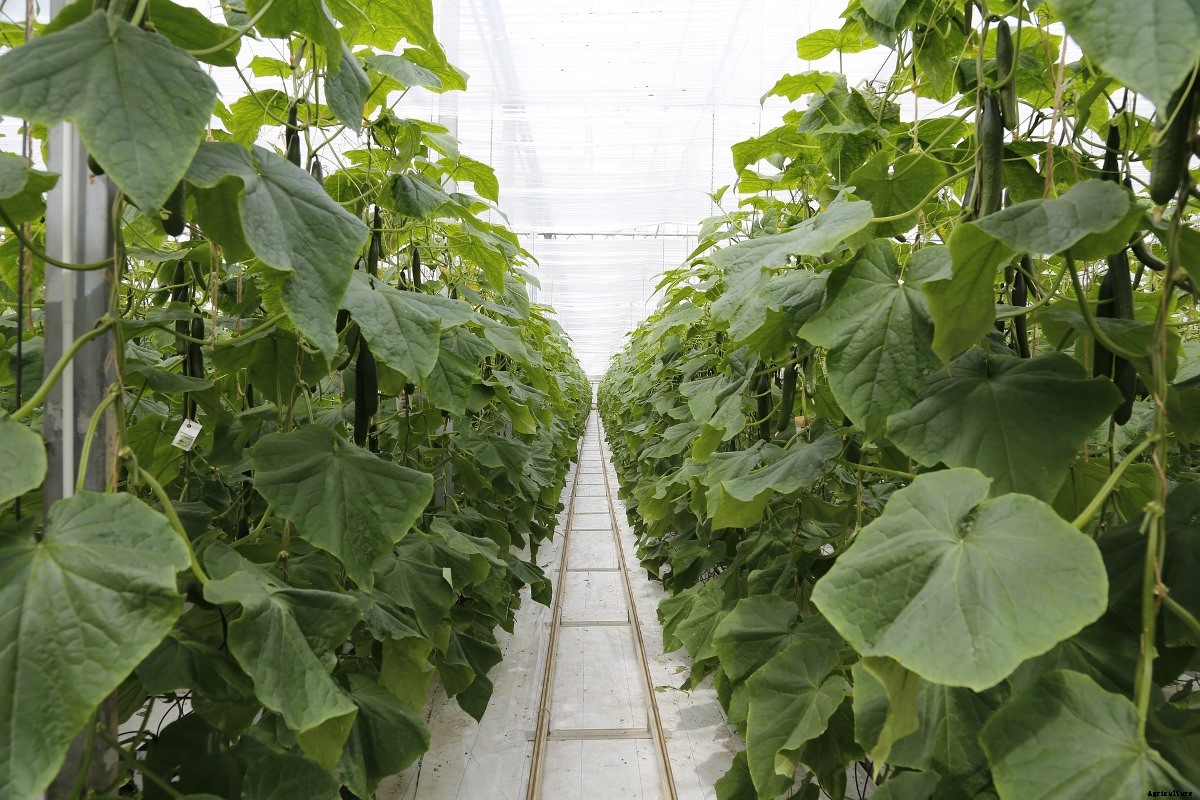
Crops also have their own specific time to grow so it is best to check the season to know which ones are good, but the important vegetable crops grown in the greenhouse year-round are Tomatoes, Cucumbers, Strawberries, Lettuce, Squash, Eggplant, Broccoli, Cabbage, Spinach, Peppers, Turnips, Kale, and Snow Peas.
To grow vegetable plants organically means to grow plants without the use of chemical fertilizers or chemical pesticides. Compost bins or piles are a great method to repurpose unwanted food scraps into usable fertilizer for an organic garden. Whether you build your rich organic soil with compost or purchase prepackaged organic soil, organic horticulture in a greenhouse system offers many distinct advantages.
Greenhouse growers with both supplemental lighting and supplemental heating can grow about anything throughout the entire year. It is possible to grow many of the most popular vegetables throughout the entire year, including in the winter season. Greenhouse growers are not only able to extend the growing season into the fall/winter but can also get vegetable plants earlier in the spring and early summer.
Avoid greenhouses system made from synthetic materials. Side panels are now made from various types of plastics, but true organic aficionados opt for glass greenhouse systems. Compost is the most important and most affordable factor in your vegetable garden. Remember to keep your compost organic and that means everything you toss in there has to be organic. If you put anything that contains chemicals into the compost bin, your compost will contain chemicals. The best greenhouse system for growing vegetables is the Polytunnel Greenhouse production system, because which makes possible better climate control and better control of pests and diseases.
In case if you miss this: Backyard Quail Farming.
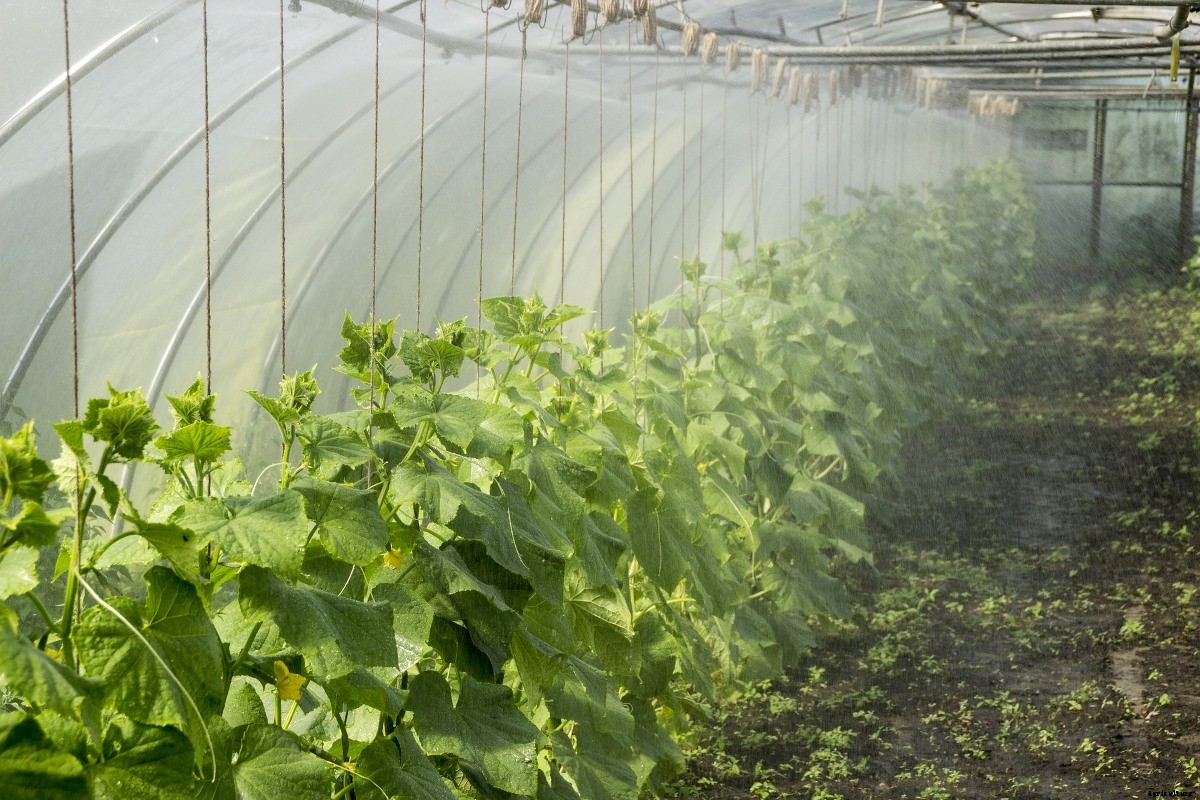
Organic crop production is designed to respect the environment. First relies on organic waste and natural minerals to provide adequate nutrition to crops. Effective systems can be installed easily in a greenhouse system, which facilitates the nutrients supply and water recycling all while allowing for improved irrigation management.
Drip irrigation is used to provide the plant with the exact amount of water and nutrients it needs. The main advantage of the drip irrigation system in the greenhouse is that it saves water and nutrients (by supplying them exactly for the optimal growth of the plant) and, it keeps a constant level of humidity in the soil without causing puddles or dryness.
In greenhouse vegetable farming, a drip irrigation system is an important tool for accurate soil moisture control. Total automation of drip irrigation offers a simple and precise method for sensing soil moisture and applying water. Available soil moisture is a very important limiting factor in growth and productivity. Slight wilting of succulent terminal leaves indicate water stress in vegetable plants.
Improved water and fertility management improves crop yields and also reduced disease and weed pressure. These advantages are only possible when a drip irrigation system is properly designed, managed, and maintained. You must consult with a qualified agricultural engineer or irrigation equipment dealer to design your drip irrigation system.
Greenhouse vegetable plants remove large amounts of water from soil at the 10 to 12 inches depth. Operating convenience, uniform water application, and minimum cost are important objectives in planning a greenhouse drip irrigation system. Drip irrigation emitters and perforated pipe and hose can also be classified as low or high pressure. When exposed to the same pressure increase, the water output from low-pressure emitters increases at a rate of 3 to 4 times that of high-pressure emitters. A plan drip irrigation system for a greenhouse so that each drips emitter applies about 1 to ½ gallons per hour.
Planning – Measure out greenhouse beds and floor space for grow bags. Benches should provide plenty of space for seedlings, many of which will be moved outside when space is needed for summer greenhouse vegetable crops.
Ventilation – Do not overwater the plants in winter. Control humidity with proper ventilation and air circulation. Also, recommend an oscillating fan running 24/7 all year long. In the warmer months, the gentlest form of ventilation is through natural convection with base wall vents windows pulling cool air in down low, with roof vents allowing hot air out through the roof.
Starting seeds – Seed starting for vegetable farming is a common use for a greenhouse. Make sure, you need containers, soil, fertilizer, water, and in cool, northern areas, heat, and light. Propagation mats under seed flats help seed germination by warming the soil.
Sowing seed indoors – For sowing seeds, use clean pots and trays and fresh, peat-free seed or multipurpose compost
Follow instructions on the seed packet – Vegetable seeds will germinate on a sunny windowsill indoors or a heated propagator unit in the greenhouse.
Planting – Ensure climbing plants like cucumbers and melons have sufficient support and tie cordon tomatoes into strings or canes. In the greenhouse, fertilizing vegetable plants will help them grow faster and yield larger crops. Types of organic fertilizer such as well-rotted manure from plant-eating critters (rabbits, horses, sheep, chickens), prepackaged organic fertilizer bought online, or at your local garden center. Also, you can find a variety of organic fertilizers at garden centers and home improvement stores.
That’s all folks about Organic Vegetable Farming in Greenhouse, hope this information helps you to grow organic vegetables in the Greenhouse.


