Welcome to Modern Agriculture!

Growing Broccoli in Greenhouse
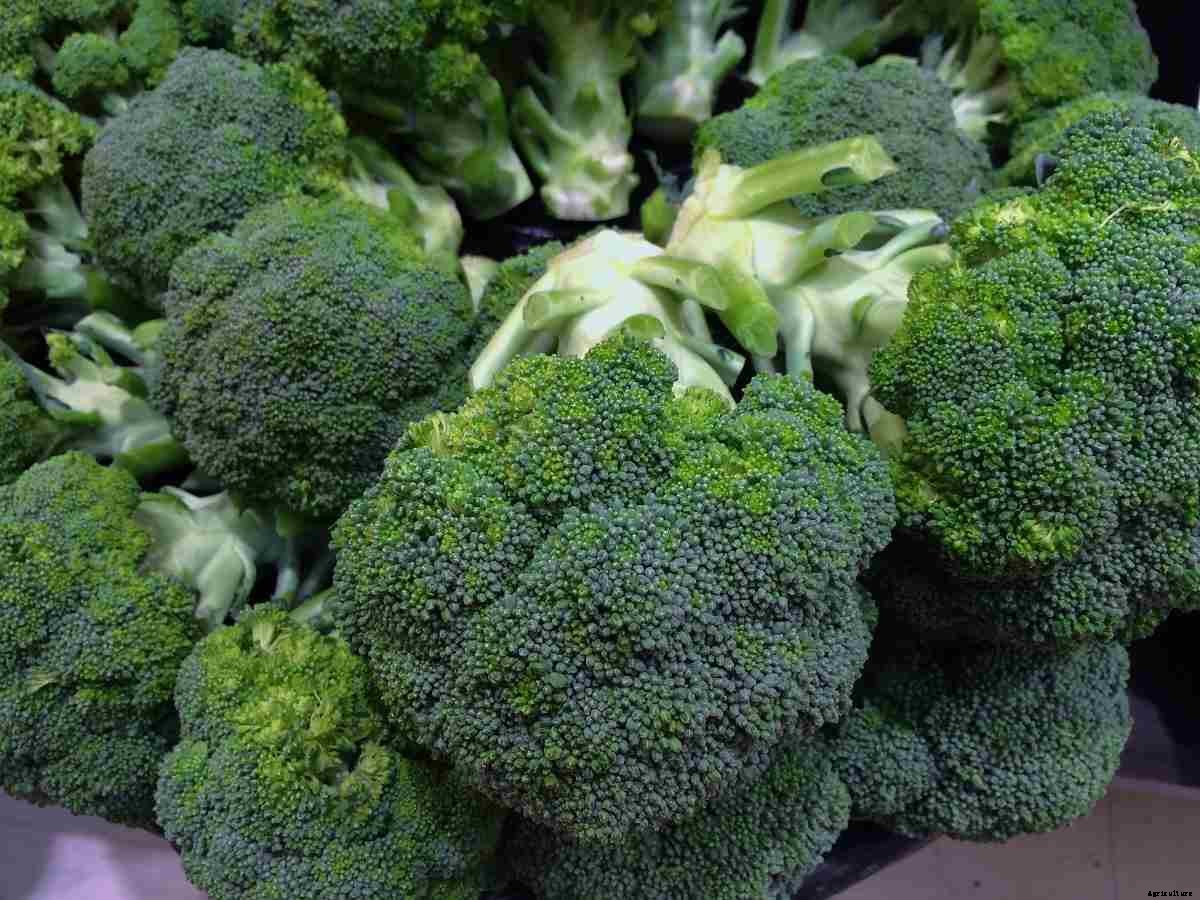
Hello friends, we are here today with the topic of “Growing Broccoli in Greenhouse”. Broccoli is a healthy vegetable and is rich in several vitamins, minerals. Broccoli is an exotic vegetable plant. Generally, Broccoli cultivation in the greenhouse is a good source of income and it is a rich source of nutrition such as iron, calcium, and vitamins. The crop contains about 3.3% of protein content and high content of Vitamin A and C. Also, it contains a substantial amount of riboflavin, niacin, and thiamine and also contains a high concentration of carotenoids. It is used for salad purposes and can be eaten by lightly steaming it. It is marketed fresh, frozen, or as a salad. This healthy green vegetable is a member of the Brassicaceae family, a close relative of Brussels sprouts, Cauliflower, Bok choy, Head Cabbage, and greens like Collards.
Broccoli is crispy and tasty to eat and use this vegetable in Salad. This vegetable has become popular in India, and food consumption has increased in the hotels and at home for making a getable salad. The greenhouse has been evolved to create favorable micro-climates, which favors the crop production that can be possible all through the year. Though, environmental control can include cooling to mitigate excessive temperatures, light control, carbon dioxide levels, relative humidity, water, plant nutrients, and pest control.
Broccoli Varieties in India
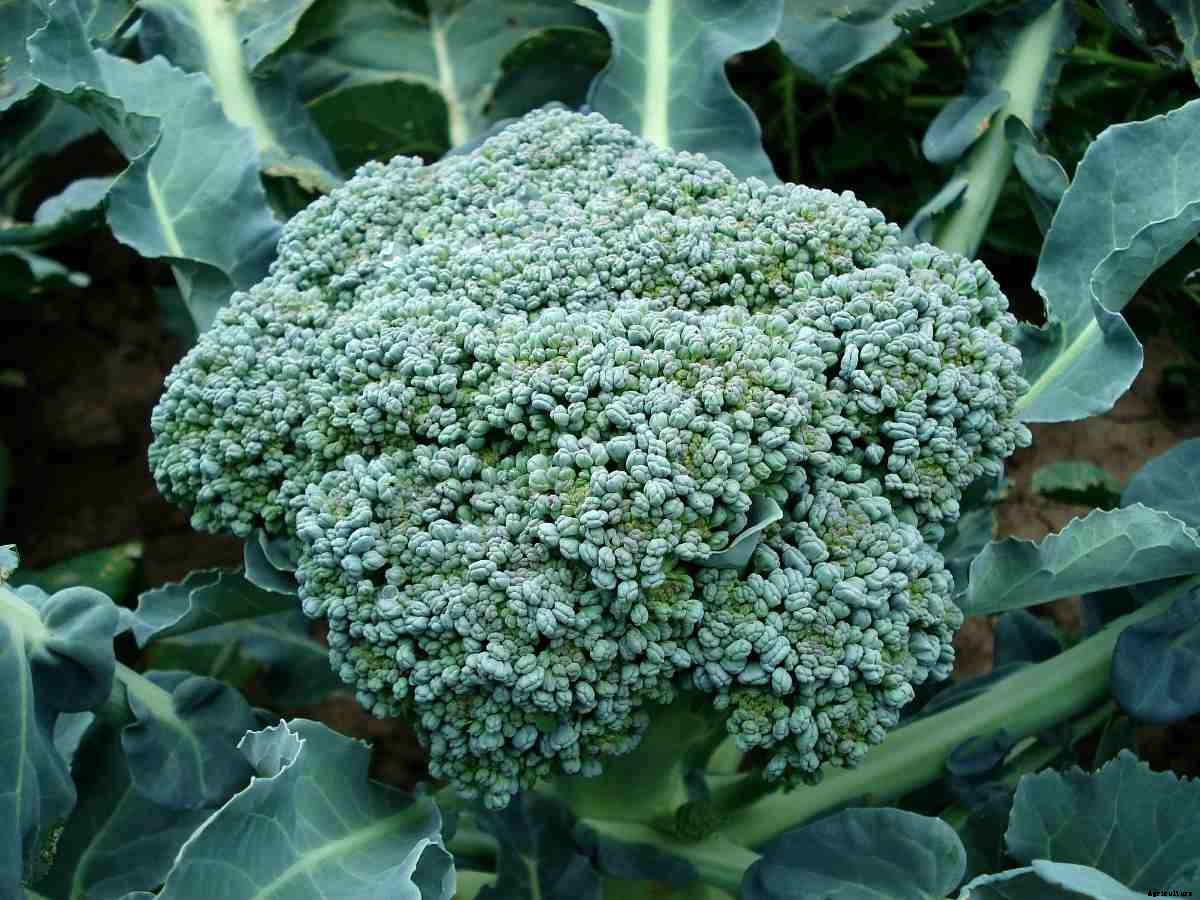
Some important Broccoli varieties cultivated in India are Roylegreen, Evergreen, Danube, Yugren, Salinas Pilgrim, Green Mountain, and Central, Premium Crop, and Premium Pusa Broccoli.
There are many varieties of Broccoli to choose from, from the popular large-headed plant varieties to spicy Broccoli Raab to Romanesco and sprouting varieties.
Some types of Broccoli plant focus on one main flower head, while others sprout smaller individual florets. Normally, Broccoli plant varieties differ in the shape and size of the head, side shoot production, and disease resistance. Also, other cool-season vegetable plants, Broccoli have ‘early and mid-season varieties. Early plant varieties mature in 50 to 60 days, while mid-season varieties get matured in 60-75 days of transplanting. There are three commonly grown types of Broccoli are Calabrese, sprouting, and purple Broccoli. Calabrese Broccoli plant has large about 10 to 20 cm green heads and thick stalks. Also, it is referred to simply as ‘Broccoli’ grown as a cool-season annual crop. Sprouting Broccoli has a larger number of heads with many thin stalks, which are prepared in the same way as asparagus.
The characteristics of some improved varieties are;
Punjab Broccoli – These plant leaves are smooth, wavy, and dark green. The sprouts are compact, attractive, and succulent. The sprouts are ready for harvest in approximately 65 days.
Fiesta – It is a mid-season Broccoli variety. It produces dense and well-domed heads with thick stems on stout plants. It is ideal for late summer sowing for a fall/winter Broccoli crop. This can be planted on tighter spacing for single harvest has limited side shoot production.
Palam Vichitra – This plant variety is suitable for cultivation under low hill conditions. Other Broccoli varieties that are suitable for cultivation under low hill conditions are Palam Haritika and Palam Kanchan.
Pusa KTS 1 – It is a medium-tall variety (65-70 cm), dark green waxy foliage with slightly wavy margins, heads are solid, main head size and matures in 90 to 105 days after transplanting.
Palam Samridhi – A high yield variety with a large terminal head weighing about 300-400 gm each.
Gypsy – It produces nicely-domed green color heads and this variety is tolerant to heat.
Arcadia – It produces a uniform and purplish-green heads. Strong cold tolerance makes this variety is one of the best types of Broccoli plants for fall and winter production. Moreover, it is resistant to head rot and downy mildew disease.
For growing Broccoli, a greenhouse should get full sun, at least 6 hours per day, especially during the winter season. Site your greenhouse to avoid shadows from buildings and trees, since many plants do best in full sun. The greenhouse system uses conduction to spread and keep heat throughout the structure. Energy flows in a greenhouse system from higher energy molecules or warmer materials to lower energy or cooler molecules. The greenhouse system uses radiation, or the travelling of heat through another material that does not absorb it, to heat the environment.
Humidity keeps a plant healthy, but too much of a good thing may ruin the greenhouse environmental conditions. Humidity provides extra moisture to the plant and also keeps leaves green and healthy. A greenhouse that is too hot can cause the evaporation of water used for irrigation, causing excessive vapor. Proper watering and plant placement within the greenhouse system will prevent high humidity from occurring.
You have to consider the following points to become successful in greenhouse Broccoli farming;
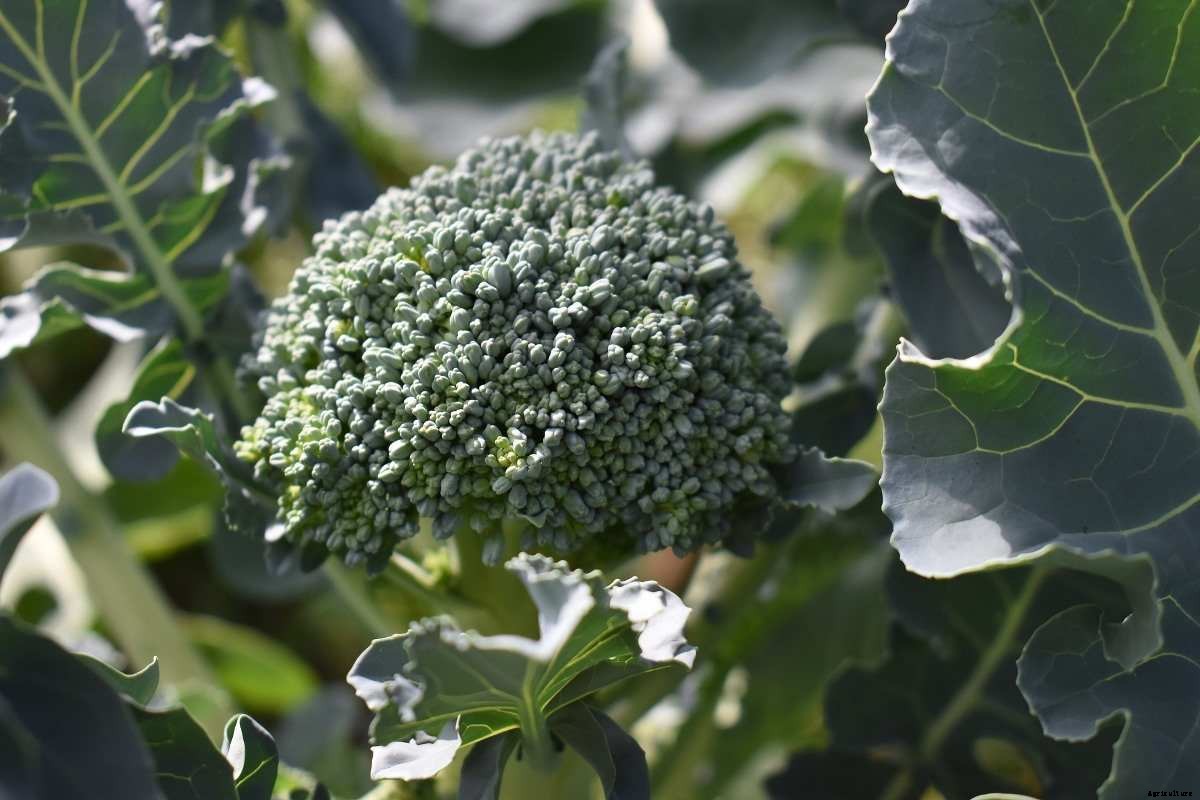
Seeds – Unless you start seeds indoors over the winter season, it may be difficult to grow a spring Broccoli crop from seed, because the weather will warm too quickly. Plant seeds about ¼ to ½ inch deep, and then transplant in about 5 weeks.
Transplants – Plant Broccoli seedlings as soon as the ground can be worked in the spring season. If you’re planting Broccoli transplants or seedlings, set them deeper in the soil than they were in the pot.
Feeding – Broccoli plant grows in a hurry, and it needs a lot of nutrients. Rich compost will help feed hungry Broccoli, but it will also benefit from applications of compost tea or monthly applications of a balanced organic fertilizer.
Watering – Like other vegetables, the Broccoli plant needs to be kept evenly moist. Give Broccoli about an inch of water per week, and water deeply (rather than sprinkling) to encourage deep roots, but don’t let Broccoli plants become too dry between watering.
For early markets, transplants should be raised in greenhouses. About 5 to 6 weeks are essential to produce transplants, so start in February or March. Broccoli can be grown in plastic plug trays/plant cells or peat blocks example Jiffy pots. Old or large plants of Broccoli and those grown at low-temperature levels are likely to button (premature head formation) and bolt if exposed to a period of cool weather after field setting. Plant seedlings outside when they are about 15 cm high with 5 to 6 true leaves. Slight hardening is beneficial, but severe hardening could stunt growth. Hardening is the process whereby, 2 weeks before planting, transplants are acclimatized gradually to the outdoor environment.
For greenhouse Broccoli production, follow the instructions given above, but start plants in May. If growing Broccoli in seedbeds, space rows about 25 to 30 cm apart. Then, start seed between May and June for transplanting out in June and July. Place seeds 12 mm deep and 25 to 40 cm apart, in rows that are 60-75 cm apart. For Broccoli to be harvested during the hot humid weather of August, plant spacing should be increased to the wider end of the range recommended helping reduce head rot.
A greenhouse can helps to increase plant growth. Humidity, temperature levels, and sterility are all environmental conditions kept at a constant by a greenhouse.
Depending on the actual make and model you purchase, a greenhouse can include electricity, heat, benches, shelves, and lighting.
Step 1) Install adequate central heating and cooling in the greenhouse system, knowing that greenhouses get only 25% of their heat from the sun and require additional heating-and-cooling regulation in regions with moderate to extreme swings in temperature.
Step 2) After that, install two fans, one facing inward, serving as air input, and one facing outward, serving as air output (exhaust). Fans help ventilate the air and introduce fresh amounts of carbon dioxide. Though, for small greenhouse systems about 200 to 600 square feet, select fans capable of moving 5,000 cubic feet of air. For larger greenhouses of 600 to 1,200 square feet, choose fans capable of moving 12,000 cubic feet of air.
Step 3) Then, install wooden crates of about 3 feet wide per row and at least 2 feet deep.
Step 4) Spread fertilized soil into a depth of about 23 to 24 inches. The soil settles a little, so you must fill the crates as full as possible.
Step 5) Plant the Broccoli seeds 1 inch deep and about 15 to 24 inches apart in a layer of starter fertilizer that offers the Broccoli seeds the required nutrients they need to encourage fast growth.
Step 6) Watering the Broccoli heads encourages inedible blossoms. Then, allow the plant to grow 2 1/2 to 3 1/2 months.
Step 7) Harvest the plants by snipping them off beneath the head allowing for 5 to 6 inches of stalk.
Broccoli is a heavy feeder. Make sure soil is fertile enough by mixing in at least 1 inch of compost at planting time. Also, you can apply a high-nitrogen organic fertilizer, such as alfalfa meal or composted poultry manure, every few weeks. Provide about an inch of water weekly.
Before giving fertilizer to the Broccoli crop, the soil should be analyzed and then decide fertilizer dose quantity. Broccoli crop is required to give 150 kg of Nitrogen, 100 kg of phosphorus, and 170kg of potassium per hectare of land.
Though, Nitrogen 120 kg, 80 kg phosphorus, and 60 kg potash must be applied at the transplantation time. The remaining half of nitrogen must be used in two split doses at 30 and 45 days after transplanting. Give micronutrients based on the crop requirement.
The Broccoli plant isn’t plagued by many diseases. The most common insect pests for Broccoli plants are aphids, cabbage worms, and slugs.
Damping-Off – It is a serious disease in the Broccoli plant. High humidity condition, heavy rainfall poor water drain soil and low-temperature level this is the favorable condition for this disease. This can be controlled by seed treatment with Thiram or Captan at 2.5-3 gm/kg of seed.
Downy Mildew – Fungus growth is observed on the leaves. At disease, the infestation stage sprays Mancozeb at 0.25% and repeats this spray after 7 to 8 days.
White Rust – It is a soil-borne disease. The white rust fungus attacks the lower surface of the outer plant leaves, and plants suddenly die. For controlling this problem, the soil must be treated with a fungicide like Bavistin at 1gm/liter of water.
Black Rot – First signs appear on plant leaves; leaves become yellow at leaf margin areas. If this infection is observed at an early stage of the plant, the Broccoli plants wilt and die.
Cutworms – To control this problem spray insecticides like Rogoror, Endosulfan at 2 to 3 ml/liter of water.
Aphids – Aphids are small and soft-bodied, pear-shaped insects. For control, this problem sprays Neem oil at 4% or Oxydemeton methyl by 0.02% to control aphid’s insect. You can apply soapy detergent water to all sides of plant leaves whenever you see aphids. Also, you can follow the organic ways of controlling greenhouse pests.
Mustard Sawfly – The mustard sawfly larva is greenish-black with a wrinkled body. The larvae feed on leaves. The yield decreased by 5% to 18 %. To control this problem spraying Chlorpyriphos or Quinalphos is effective against mustard sawflies.
In case if you miss this: How To Grow Organic Sweet Potatoes.