Introduction to Ecological farming benefits, methods, principles, objectives: Ecological farming is recognized as the high-end objective among the proponents of a sustainable agriculture system. And it respects the societies and cultures it forms a part of. It is fair and systemic in its approach. It can be sustainable and profitable too. It is a self-reliant process and has to be an integrated system. Because it is a knowledge-intensive practice, one has to keep pace with the dynamics of nature to increase the biological productivity of the soil. What are we waiting for? Let’s jump into the benefits of an Ecological farming system.
A step by step guide to Ecological farming benefits, principles
There are many types of Ecological farming that are based on balance and respect for the environment, such as biodynamic agriculture, natural agriculture or Fukuoka, synergistic agriculture, messianic agriculture, and permaculture, etc.
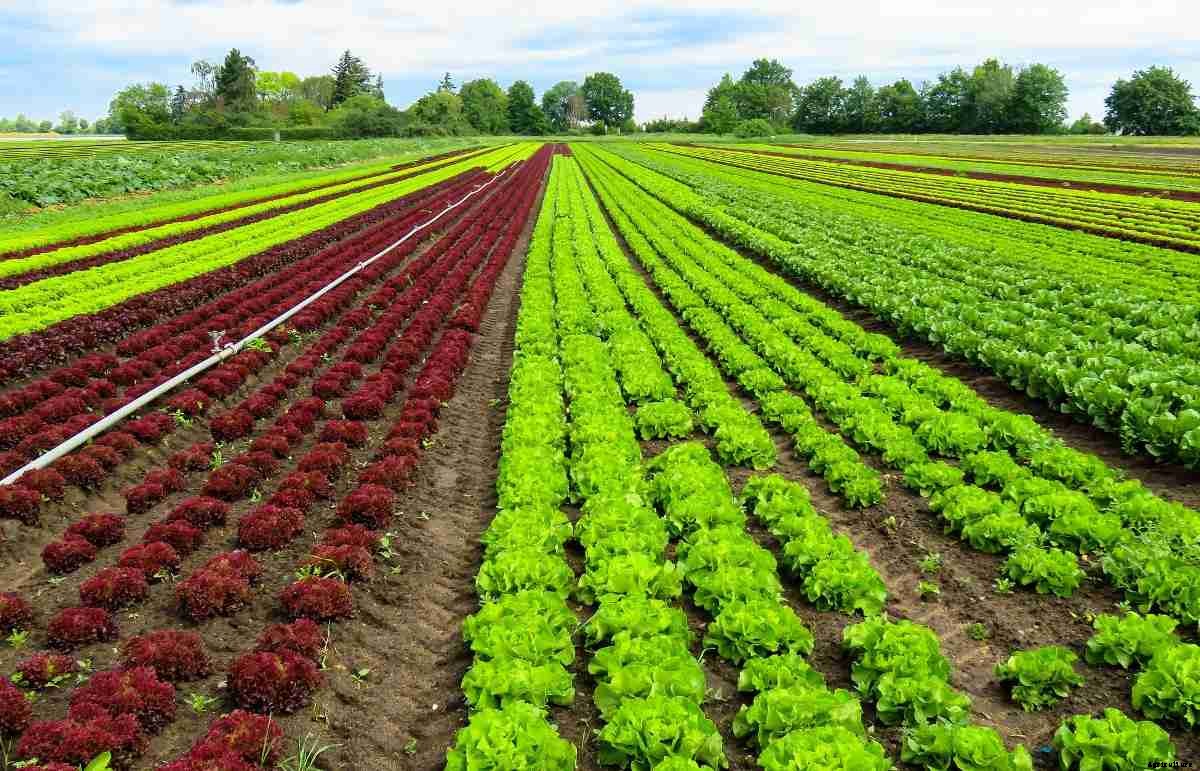 A guide to the Ecological Farming System.
Ecological farming resembles an organic system but takes things further by taking into account the entire ecosystem. For example, an ecological farmer will use compost originating from waste. Among the examples of measures taken by ecological farmers are;
- The minimization of waste production.
- The recycling of any waste produced (organic waste is placed on the compost pile).
- The planting of vegetation around crops that increases the welfare of bees, and woodland birds.
Benefits of Ecological farming
- Ecological farming mainly involves the introduction of symbiotic species, where possible, to support the ecological sustainability of the farm. Associated benefits contain a reduction in ecological debt and the elimination of dead zones.
- Ecological foods don’t have synthetic additives that can cause health problems such as heart failure, osteoporosis, migraines, allergies, hyperactivity, and Parkinson’s, etc. And it’s not essential to incorporate synthetic substances in the culture or production of food or its subsequent conservation. There is no need to look for products out of season to meet the nutritional needs of the body.
- One foreseeable option is to increase specialized automata to scan and respond to soil and plant situations relative to intensive care for the soil and the plants. Accordingly, conversion to Ecological farming could best utilize the information age, and become recognized as a primary user of robotics and expert systems.
- Ecological products are healthier because they are free from persistent toxic waste from pesticides, insecticides, antibiotics, synthetic fertilizers, additives, and preservatives; these are used in conventional agriculture to eliminate insects and fight diseases and to add color like in the case of apples, and oranges, etc. They don’t have artificial substances; the foods from Ecological farming are assimilated correctly by the organism without altering the metabolic functions. And according to nutritionists, most degenerative diseases have their origin in food.
- Analyses have also shown that ecological farming makes sense economically. First, this modern farming system leads to increased crop yields. Globally, ecological farming can produce an average of 30% more food per hectare.
- Organic farming is the main type of ecological farming, with a set of standards that are recognized worldwide. In many countries, it is also called ‘biological’ farming.
- Organic pest control is another important feature of ecological farming. In this system instead of using chemical pesticides, ecological farmers use non-polluting, long-term pest protection. One process is to introduce beneficial insects to the field.
- Respecting the environment is one of the benefits of ecological products. When farmers grow ecological crops, then they take part in the conservation of the environment and avoid contamination of land, water, and air.
- Ecological farming is the most respectful of wildlife, as it produces lower pollution of aerosols, it produces less carbon dioxide, it prevents the greenhouse effect, it doesn’t generate polluting waste and helps make energy savings since in the crop cultivation and in the production of the products it takes advantage of the maximum of renewable resources.
You should not miss the Vermicompost Production Cost, Income, Project Report.
Ecological farming methods
Most Ecological farming methods are using a combination of traditional farming methods and modern agricultural technology, to obtain healthy and high-quality crops, without damaging the environment. These are some of the popular methods used;
- Polyculture or crop diversity is used to grow a different crop species on the same farmland. And each plant species absorbs different nutrients from the soil and releases certain substances in the soil. This process promotes the fertility of the soil, without using chemical fertilizers. Also, a different variety of crops attracts a variety of insects and wild plants and microorganisms stimulating biodiversity.
- Small-sized farms are better suited for Ecological farming, as they are easier to maintain without the help of chemicals. And, crop rotation is more effective when it’s done in smaller farms. This method can further enhance biodiversity.
- Soil fertility is an important factor, as the main purpose of Ecological farming is to use only natural fertilizers. The fertility of the soil is necessary for sustainability, as it allows the farm to continue serving its function as an organic piece of land for a long time, unlike synthetic substances used in traditional farming that cause the decrease of the soil life span.
Objectives of Ecological farming
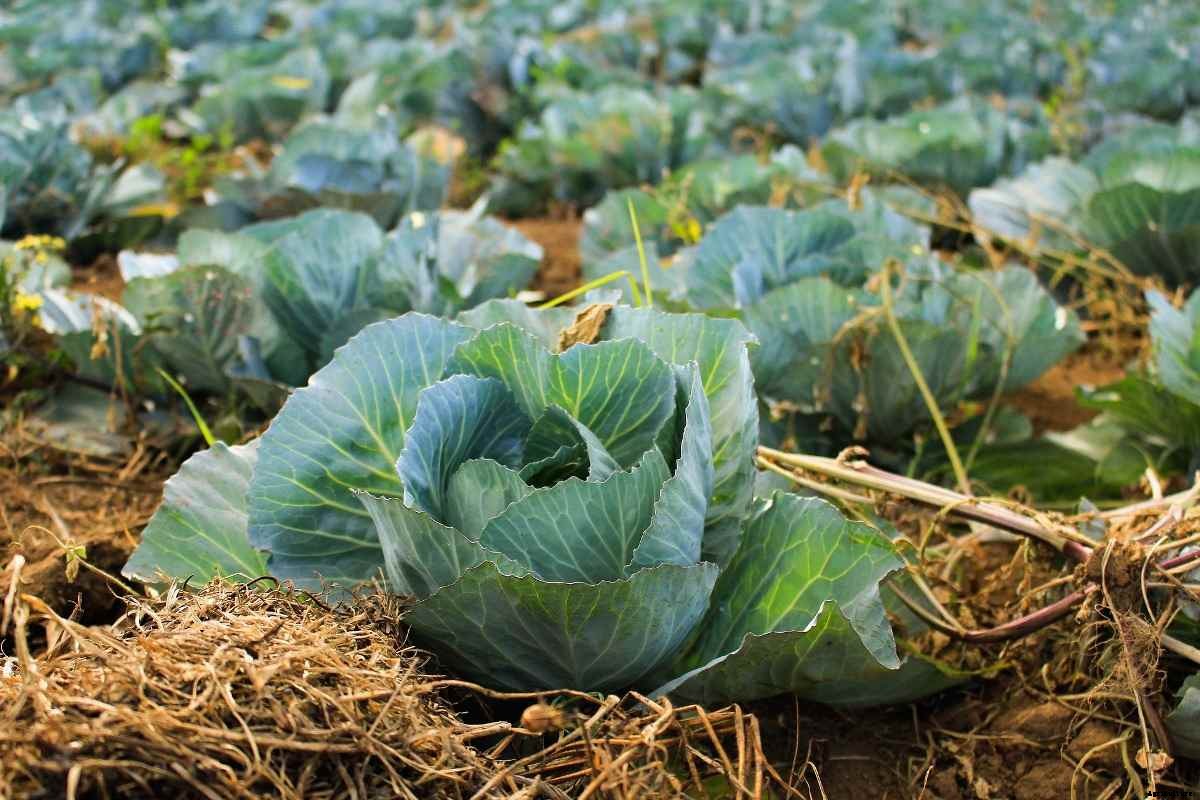 Ecological Farming Objectives.
Bringing to match the crop, soil, and climate of a region the ecology and gaining from the economy and efficiency of inputs are the objectives of eco-farming. This technology may be grouped into four categories;
- Those that reduce the environmental burden of greenhouse gases such as CO2 and CH4, global warming, ozone depletion. All attention to promoting renewable sources of energy or draught animal power, electrical energy from the garbage disposal, and biogas from organic wastes.
- Those that reduce the demand on land, water, and biodiversity without adverse effect on the agricultural system. Change cropping patterns to maximize ecological productive efficiency, and improve water use efficiency- through conjunctive use of rain, tank, underground, well, and river waters; decrease conveyance losses; phase out subsidies.
- Those that continue to develop crop productivity, under shrinking land resources.
- Reduce poverty, adopt, cost-effective to bring equity of food price and wage, encourage job promoted growth right in the village to arrest migration as ecological refugees.
Benefits of Ecological farming – alternative to environmental protection
The Ecological farming system is to provide consumers with fresh and authentic food, as respecting the natural life cycle of the systems. Ecological farming is based on several objectives and principles as well as on good practices designed to minimize the impact of man on the environment.
- Crop rotation as a prerequisite for efficient use of farm resources;
- Strict limitation of fertilizers and synthetic chemical pesticides use due to their potentially harmful effect on the environment;
- Prohibition of the use of genetically modified organisms;
- Encouraging a diverse ecosystem to keep soil fertility and control pests by natural means such as using animal manure;
- Choosing many plant species and animal breeds that are better suited to local conditions and potential problems with pests and diseases;
- Raising animals in the open and shelters and feeding them with organic feed;
- Using animal breeding practices adapted to each breed.
Farmers practicing Ecological farming systems are not just trying to keep the soil in a good, fertile, and natural state. They also try to make it better by using suitable nutrients, improving its structure, and effectively managing water. Many farmers currently maintain, or plant, hedges to prevent the soil erosion of the land under the influence of wind. At the same time, these hedges and the different natural edges around the land help create ideal habitats for birds, insects, and wildlife on farmland, thus contributing to overall biodiversity. By using interstitial crops and crop protection and by improving soil humus ecological methods can help prevent infiltration of nutrients in groundwater and decrease the risk of soil erosion, and minimizing the risks of water contamination.
In case if you miss this: Plant Nursery Project Report for Bank Loan.
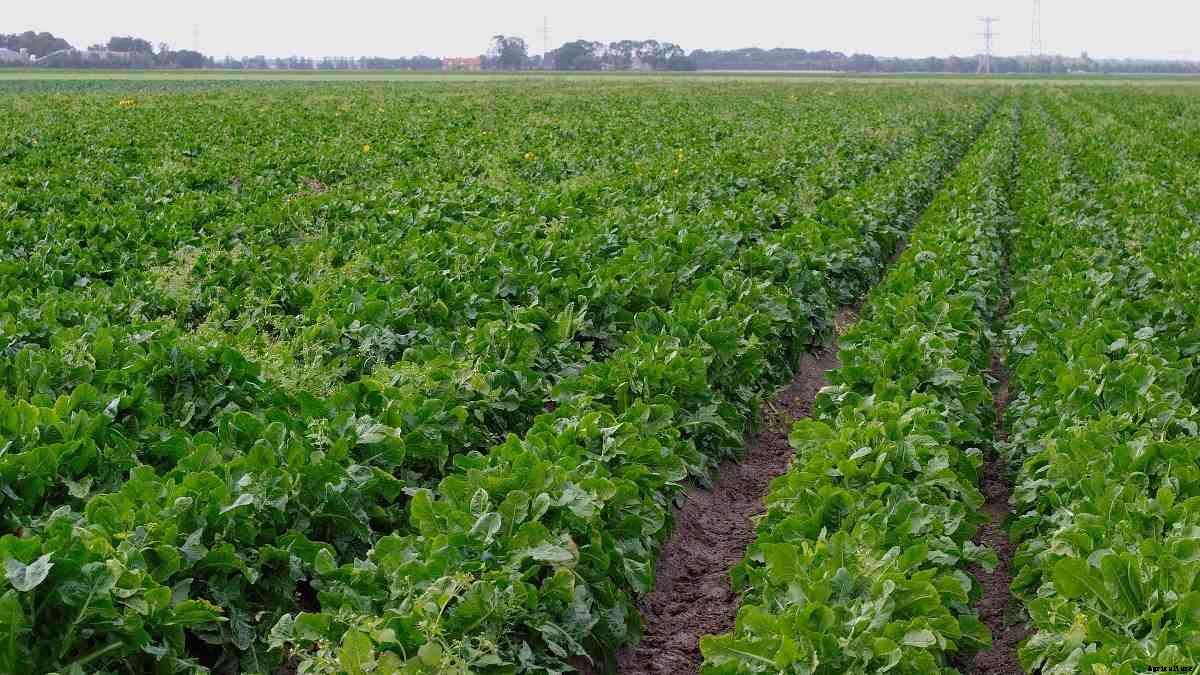 Agriculture Field.
Improving soil composition by recycling waste and by-products from plants and animals not enhances biological activity in the soil and prevents its erosion but can counteract climate change by re-establishing the levels of organic matter and the carbon content in the soil.
Ecological farming principles
Principles of Ecological farming provide a good framework for sustainable management. The main goal of the ecological crop is to minimize the extent of reactive management (which reacts to unanticipated occurrences) by creating conditions that help produce healthy plants.
Food sovereignty – Food sovereignty is about the way food is formed, and by whom. Food sovereignty takes control and places it in the hands of the people who produce, distribute, and consume food. It ensures that farmers, communities, and people have the right to define own food systems. Food sovereignty acknowledges the role of women as the backbone of rural communities, and the historic role women have played in gathering seeds and sowing seeds, as guardians of biodiversity.
Benefitting farmers and rural communities – Ecological farming contributes to rural development and fighting poverty, by enabling livelihoods in rural communities that are safe, healthy, and economically viable.
Smarter food production and yields – To increase food availability globally, and to improve livelihoods in poorer regions, we should reduce the unsustainable use of what we grow at the moment and we must reduce food waste, decrease meat consumption, and minimize the use of land for bioenergy. We must achieve higher yields where they are needed through ecological means.
Biodiversity – Ecological farming is mainly about nature’s diversity from the seed to the plate, and across the agricultural system. It is about the flavor, nutrition, and culture of the food we eat, improving diets and health.
Sustainable soil health – It is possible to increase soil fertility without the use of chemicals. Ecological farming protects soils from erosion, pollution, and acidification. By increasing soil organic matter where necessary, we can enhance water retention, and also prevent land degradation.
Ecological pest management – Ecological farming enables farmers to control pests without the use of expensive chemical pesticides that can harm our soil, water, and ecosystems, and the health of farmers and consumers. Toxic chemical pesticides are a hazard for health and the health of the planet. Unfortunately, industrial farming depends on large quantities of herbicides, fungicides, and insecticides for its very existence. Our current food system has locked farmers into a costly relationship with the corporations that sell these all chemicals.
You may also like the Profitable Organic Farming Business Plan.
 Principles.
Resilient food systems – Ecological farming creates resilience that it strengthens our agriculture and effectively adapts our food system to changing climatic conditions and economic realities.
The other important principles of Ecological farming can be given below;
- Food production must be ecological in both origin and destiny.
- The protection of plant species and species subdivisions will conserve genetic diversity.
- Maintaining habitat is fundamental to conserving species.
- Integration of species that keep ecosystem services whilst providing a selection of alternative products.
- Minimize food miles, packaging, energy consumption, and waste. And define a new ecosystem to suit human needs using lessons from existing ecosystems from around the world.
- Large areas generally contain more species than smaller areas with similar habitat.
- Disturbances shape the characteristics of populations, and ecosystems.
- Climate influences terrestrial, freshwater, and marine ecosystems.
That’s all folks about the benefits of Ecological farming, objectives, and principles of Ecological farming system. You may be interested in Potato Seed Germination Process.


