
Welcome to Modern Agriculture!

Today, let us learn soil acidity and soil alkalinity that affect crop yield in agriculture.
How soil acidity and soil alkalinity affect the crop yield
Soil pH level is a measure of the acidity and alkalinity in soils. pH levels from 0 to 14, with 7 being neutral, below 7 acidic and above 7 alkalines. The optimum pH level of major plants is between 5.5 and 7.0; however, several plants have adapted to thrive at pH values outside this range. Because pH levels manage many chemical processes that take place in the soil. Specifically, plant nutrient availability is vital to maintain accurate levels for your plants to reach their full yield potential.
Soil pH is important because a soil acidity or soil alkalinity determines what plant nutrients are available to plant roots. Nutrients in the soil elements such as nitrogen, phosphorus, and potassium become obtainable to plants when they dissolve in water or soil moisture. Most of the plant nutrients will not dissolve when the soil is either too acidic or too alkaline. Knowing the soil pH in the planting beds in the garden will allow you to group plants by their pH needs. Grow together plants with like pH needs, related temperature tolerances, and nutritional needs.
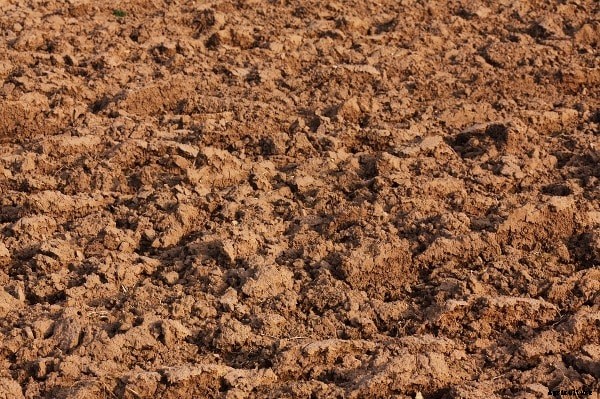
What is meant by soil acidity? Soil acidity is an environmental and economic concern. Soil pH levels indicate the acidic level of the soil. A pH level of less than 7.0 indicates an acid soil. Soil acidification is a natural procedure that is increased by normal production practices, particularly the use of nitrogen fertilizer and manure.
High levels of soil acidity (low soil pH) can decrease root growth, reduce nutrient availability, and change crop protection activity. Soil acidity is considered in pH units. Soil pH level is a measure of the concentration of hydrogen ions in the soil solution. The lower the pH levels of soil, the greater the acidity. pH is measured on a logarithmic scale from 1 – 14, with 7 being neutral. A soil with a pH level of 4 has 10 times more acid than a soil with a pH of 5 and 100 times more acid than a soil with a pH of 6. How does soil acidity affect plant growth? In mineral soils, aluminum can be dissolved at pH levels below 5.0 becoming toxic to plant growth. Soil pH may affect the availability of plant nutrients. Nutrients are most obtainable to plants in the optimum 5.5 to 7.0 range. pH can affect the structure of the soil, especially in clay soils.
The following are the symptoms of soil acidity;
Plant growth and most soil processes, including nutrient availability and microbial activity, are favored by a soil pH range of 5.5 to 8. Acid soil, mainly in the subsurface, will also restrict root access to water and nutrients.
An effect of soil acidity leads to the following problems
Read: Planting Techniques for Profitable Farming.
Number of factors caused by a soil acidity are given below;
How to raise the pH in acidic soil?
Lime: Limestone is the most common soil additive for raising the pH of the soil to make it less acidic. Generally, two types of limestone are calcitic limestone (which is generally calcium carbonate), and dolomitic limestone (which adds magnesium to the soil). Both work similarly well at raising soil pH. Liming products come in granular, hydrated, palletized, and pulverized forms. Pulverized lime is a fine powder that is faster-acting; however, it tends to clog spreaders. The granular or pelletized types of limestone spread easily and take longer to break down. Hydrated lime is the fastest-acting, but is easy to overdose. Every lime product will work much better if they can be worked down into the soil, rather than left on top. That’s why applying lime to lawns is often paired with core aeration and falls watering.
Wood Ash: For an organic method to create soil less acidic, sprinkle about 1/2″ of wood ash over soil and mix it into the soil about a foot deep. This process takes small applications over several years, but it can be very effective, as well as a great way to recycle fireplace ashes.
How to correct soil acidity? When a particular soil is acidic, it can be corrected to suit one’s selection for planting. This can be completed using the following methods:
Soil acidity can be ameliorated and the pH level of the soil increased by the addition of lime or limestone (calcium carbonate) and similar compounds that have been ground fine for use. Types of lime like amendments include:
Each lime-like amendment has its advantages and drawbacks, such as effectiveness, price, and purity. Lime is most effective at neutralizing acidity when it is incorporated or tilled into the soil to the full depth of the plow layer or root zone.
What is soil alkalinity? Alkaline soils are soils, mostly clay soils with a high pH that means greater than 9 and a poor soil structure and a low infiltration capacity. They are not saline, i.e. the total amount of soluble soils, particularly sodium chlorides, is not excessive. Often they have a hard calcareous sheet at 0.5 to 1-meter depth. How does alkaline soil affect plant growth? Although the optimum range is 5.5 to 7.0 some plants will develop in more acid soil and some at a more alkaline level. pH is not an indication of fertility, but it does change the availability of fertilizer nutrients. The soil may have adequate nutrients, yet plant health may be limited by an unfavorable pH level. Vegetables and other plants grow when the soil pH is optimal for the plants being grown. It is very important to match a plant to the soil pH or to adjust the soil pH to a plant’s needs.
The causes of soil alkalinity are natural or can be man-made. The natural development is due to the existence of soil minerals producing sodium carbonate upon weathering. The man-made development is due to the application of irrigation water (surface or groundwater) have a relatively high proportion of sodium bicarbonates.
Soils could be alkaline due to over-liming acidic soils. Also, alkaline irrigation waters may cause soil alkalinity and this is treatable, but alkaline soils are mainly caused by a calcium carbonate-rich parent material weathering (developing) in an arid or dry environment. The average pH level of these carbonate-containing arid soils is 8.0. Most landscape and garden plants do best at pH level values between 6.0 and 7.2.
Problems Caused by alkaline soils are the availability of many plant nutrients in soils, including iron, zinc, copper, and manganese is reduced at high pH values. Iron chlorosis in plants, caused by inadequate iron, is a general problem in alkaline soils. Phosphate, a macronutrient, may be limited in these high pH soils due to its precipitation in the soil solution. The pH level of soil can be readily and inexpensively tested by a soil laboratory. What can you add to the soil to make it more alkaline? To lower soil acidity to the soil pH that most plants normally need, add lime, organic matter or mulches. One quick solution is to occasionally spray the soil with a mild solution of one tablespoon baking soda mixed with 2 liters of water.
Read: Methods of Soil Sterilization.
Effects of alkaline soils are given below;
How to lower the pH in alkaline soil?
Plain elemental sulfur is probably the easiest and most common method to make the soil more acidic, since it’s cheap, relatively safe, and can be extended on top of the soil. Since sulfur is pretty slow-acting, you shouldn’t apply more than two pounds per 100 square feet at a time.
This is a great organic solution since sphagnum peat adds organic matter to the soil and increases water retention. Simply work a 2″ layer of sphagnum peat into the soil at least a foot deep. Larger areas will probably need a tiller.
These two products are very fast-acting, but they can be the most damaging by adding salts and elements that can build up in the soil. Be sure not to apply more than about five pounds per 100 square feet.
Fertilizers that have ammonia (such as ammonium nitrate), urea, or amino acids can, over time, have an acidifying effect on the soil in your yard.
As organic matter breaks down, it tends to create soil more acidic. Regularly apply of organic compost and mulches will, over time, bring the soil pH closer to the desired neutral to slightly acidic level.
How to correct soil alkalinity? Soil alkalinity can be corrected to suit planting conditions through the following ways;
Read: How To Build a Raised Garden.


