
Welcome to Modern Agriculture!

When taking up gardening, whether indoors or outdoors, it's essential to understand the sensitive nature of seeds and the process of germination. However, you may wonder how long it takes seeds to germinate or when to give up on bad seeds. We scoured expert sources covering seed germination to give you some definitive answers.
Germinating seeds can be a little tricky to figure out, as some seeds take longer than others to germinate. If there are seeds that still haven't developed genuine leaves after a few weeks, it's most likely time to give up on them. Most seeds will germinate within two to three weeks, but some may take about a month to get established.
Growing plants and learning how to germinate seeds is a rewarding process. But, you could probably use some helpful tips to develop your inner green thumb and have greater success with germination. You'll want to keep reading to learn what we uncovered.
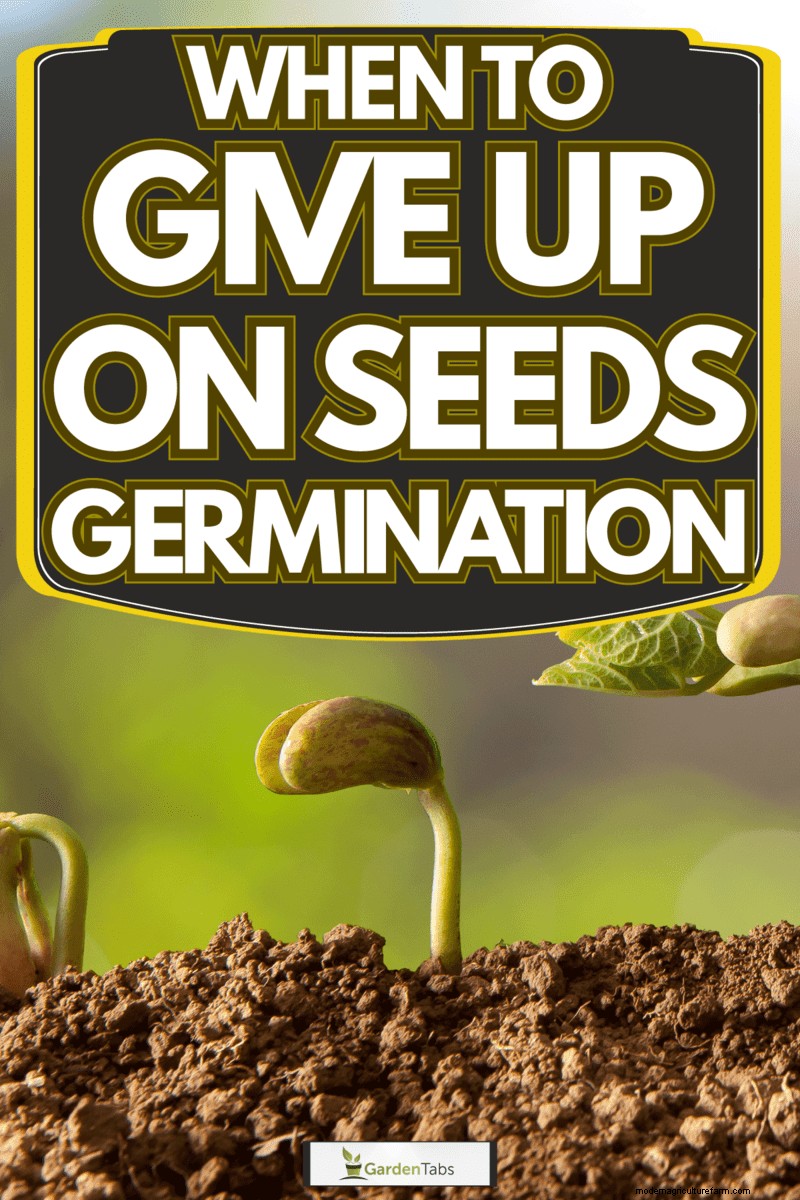
The science of germinating seeds requires a few conditions for a good start. The soil needs to have adequate nutrition levels and allow air and water to pass through unhindered. The soil temperature needs to be even, and the seeds should be placed at the proper depth. It is critical that the soil isn't too moist, dry, or compacted. Additionally, most plants will need sunlight to encourage growth.
After as little as two to three days, you might see signs of germination with your seed. Keep in mind; most seeds commonly display signs of germination within a period of one to two weeks.
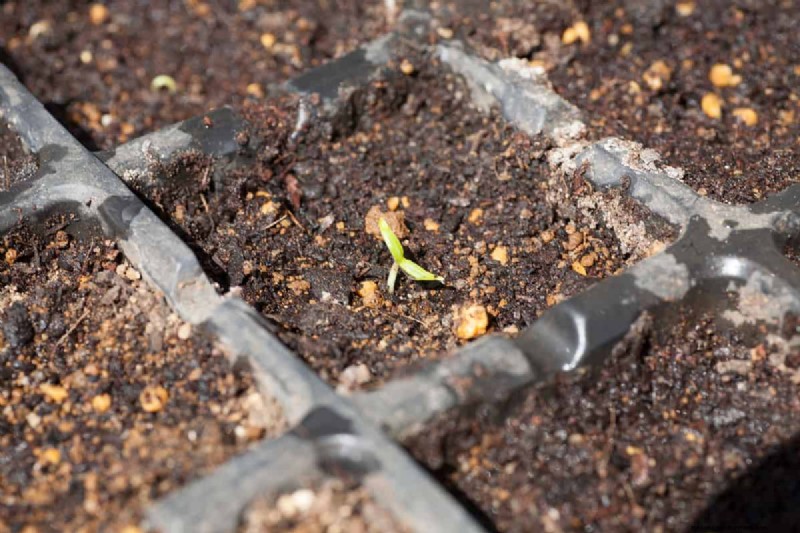
A seed will go through set stages as it germinates into a fledgling plant. Get familiar with the following:
If a seed fails to germinate after one month, there are more than a few reasons why germination hasn't taken place. Be careful about the following factors to improve your success rate with seeds.
The most important takeaway is that seeds need the right environment to flourish and begin the process of germination.
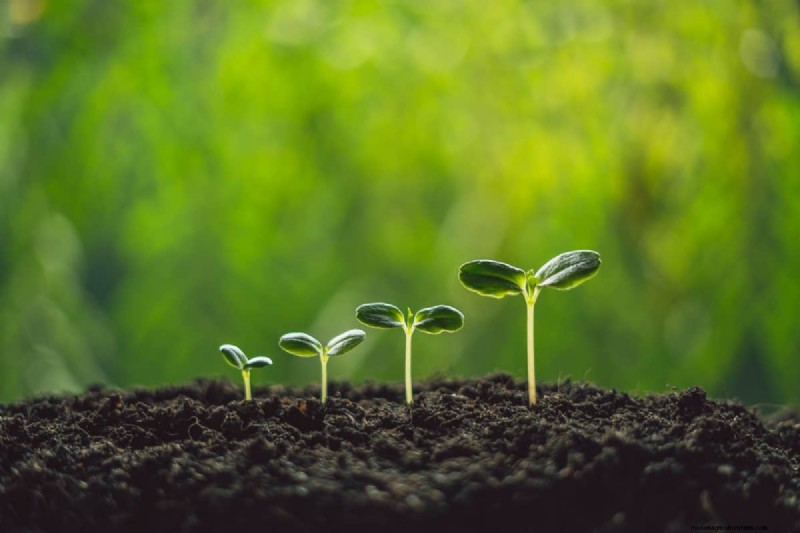
For the best results with germination, it helps to buy seeds from a reputable retailer and ensure that seeds are viable. Typically, seeds are still viable for up to one year or two. However, it's important to remember that as the years go on, the viability of a seed diminishes.
After a month has passed, if a seed has not sprouted roots, isn't showing leaves, and looks unchanged, it is probably not viable. Cold temperatures, overly wet soil, compacted dry soil, or not enough light exposure can all halt a seed's growth.
If a seed isn't germinating, check to see if it is rotten. If the seed is still alive, there may be a chance to encourage it to transform into a seedling. However, after a seed is one to two years of age, it is less likely to germinate.
You can try drying out a seed if it hasn't yet cracked, is swollen in size, and doesn't show signs of bacterial infection or insect damage. If a seed is still viable, try planting it in more ideal conditions at a more opportune time. Bad seeds should be discarded. Seeds that are in the process of germination but are not yet seedlings should be given more time to develop.
One of the easiest ways to determine if a seed is rotten is via a water test. Place seeds in a glass of water and wait 15 minutes. Seeds that are bad and not viable will sink to the bottom. Good seeds that are viable and likely to germinate will float to the top.
You can also take a closer look at seeds to review their color. Seeds that are green underneath, after scraping them a bit, are still alive but might be immature. Seeds that are ready to plant may be a dark black or brown color.
If a seed is planted in soggy soil for too long, it may develop mold and become rotten. Be careful about maintaining an ideal temperature that is even and doesn't fluctuate at an extreme, as this may encourage seeds to rot.
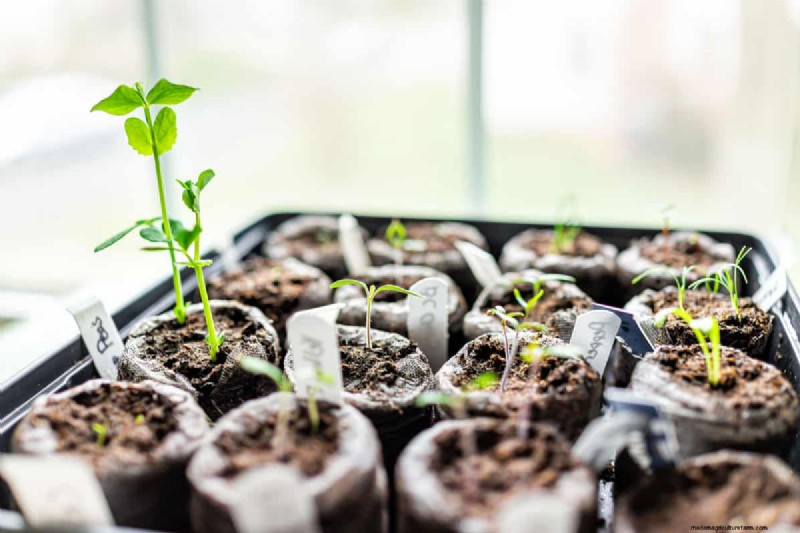
If you germinate a seed for too long, it might never develop into a seedling. The conditions and environment for a seed have to be just right to germinate. You may have to help a seed along to get it to grow, especially after a month has passed.
Try revving up an older seed by cleaning it thoroughly, pre-soaking it before planting, or removing the coating and placing the seed in a substance to jumpstart germination. Sometimes, you can successfully get a seed to break out of its shell, develop roots, and eventually transform into a viable seedling.
Unfortunately, sometimes, some seeds will fail to germinate no matter what you do. Ensure that you control and maintain ideal environmental factors to support a plant's germination and reduce the chance of failure.
Gardeners should watch out for the following.
Seeds need to be planted at the right depth, at the right time and have sufficient light, oxygen, and nutrition to develop roots and develop leaves.
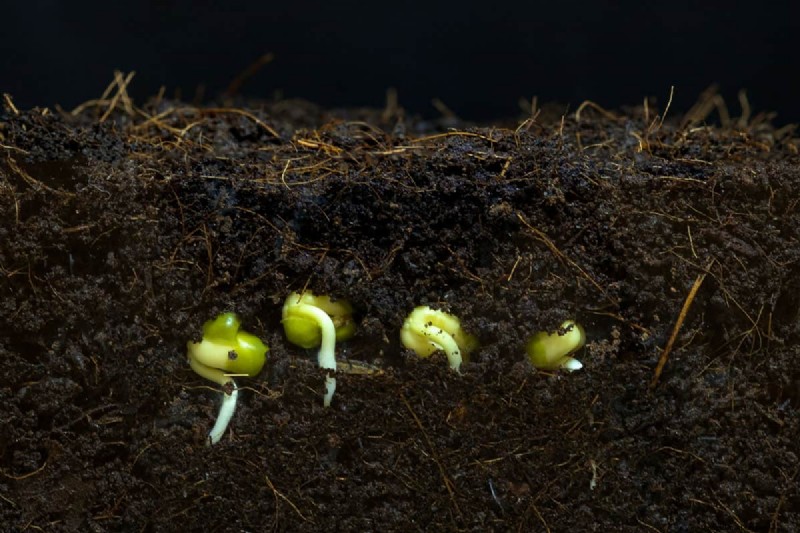
If you don't have the luxury of having a greenhouse, starting your seeds indoors can help improve the germination rate. Ideally, in an indoor or controlled environment, you can better maintain a consistent temperature, reduce exposure to pests, and monitor watering.
Stick to viable seeds and give them a pre-soak before you plant them in your choice of soil or a substance to support growth. Depending on the type of seeds you are growing, they may respond positively to substances like perlite, vermiculite, or even coconut coir.
Ensure to use a quality growing environment with nutritious soil that is well-draining, aerated, and is moist but not sopping wet. Watch out for the growing medium you use for a plant so that it isn't too acidic or alkaline for your seeds.
Some green thumbs have had increased good luck with their seeds and germination rate using perlite. Gardeners can also add perlite to the soil later on, to improve it and support healthy growth.
Try giving your seeds a boost and encourage faster germination using fine coconut coir. Compared to traditional soil, coconut coir retains water much longer than soil, so you can water your seeds less often. Coconut coir can also be added to soil to improve aeration, drainage, and soil structure.
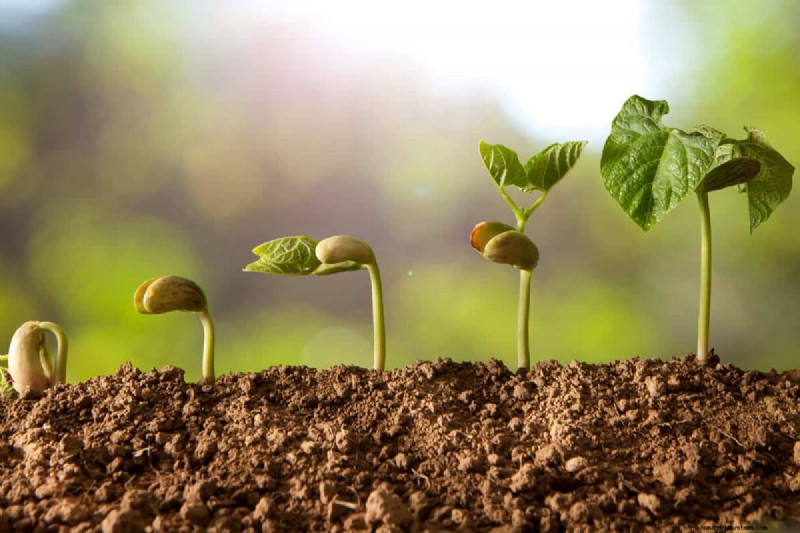
Germinating seeds shouldn't leave you frustrated or panicking that something has gone awry. Depending on the type of seeds you are planting, ensure that you provide them with an optimal environment. Make sure to use viable seeds from a reputable retailer.
Remember, the soil must be the right type and have a consistent temperature. Also, plants need sufficient water, oxygen, nutrients, room, and light to grow. After a week or two, most seeds gradually develop roots and leaves, but some may need up to a month to germinate.
Before you leave, you won't want to miss reading the following articles.
How To Germinate Norfolk Island Pine Seeds
When To Transplant Basil Seedlings [And How To]


