
Welcome to Modern Agriculture!

Gravel is a versatile material that might not mean anything if you aren't a builder. Knowing how to level ground for gravel is essential for DIYers and beginners in gardening. Therefore, we did some research and have the answers to this topic below.
You could use gravel instead of asphalt to make your yard more appealing. Here are a few steps you should follow when preparing the ground for the stone:
Gravel is not only suitable for driveways and footpaths but also gardens. Continue reading as we detail the gravel laying steps and how to make a gravel garden. With that said, let's dive in!
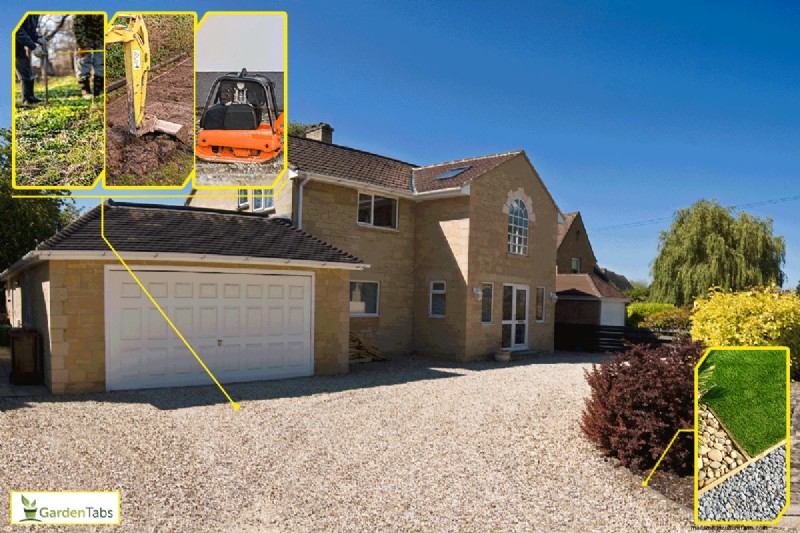
It would help if you prepared the ground before laying the gravel. It isn't an easy process, and you'll need some heavy equipment for the work. Ideally, plan to accomplish as much work as possible in a day.
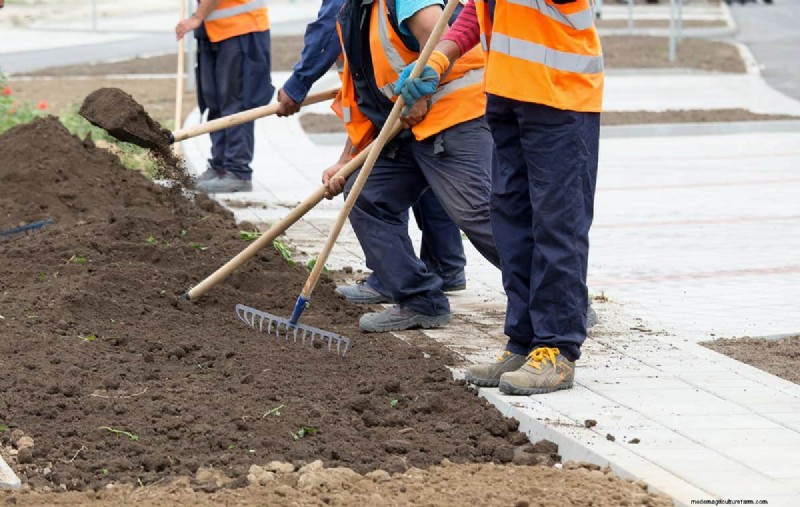
Purchase or rent the necessary equipment. The materials you need can be purchased at any local hardware and landscaping store. You'll need the following tools and materials:
Start preparing the ground when you have all the equipment and materials ready.
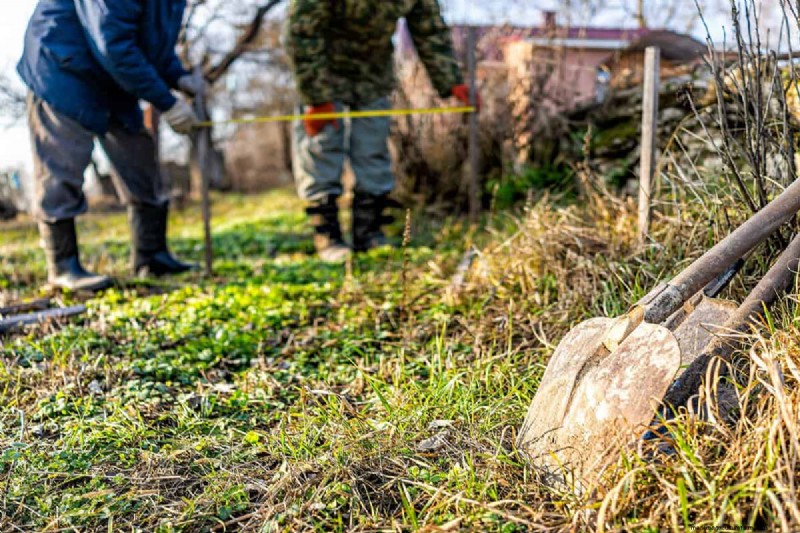
Use the twine, measuring tape, and border materials to mark and measure the area you would like to work on. Take your time to take the correct measurements and use the stakes to make the markings.
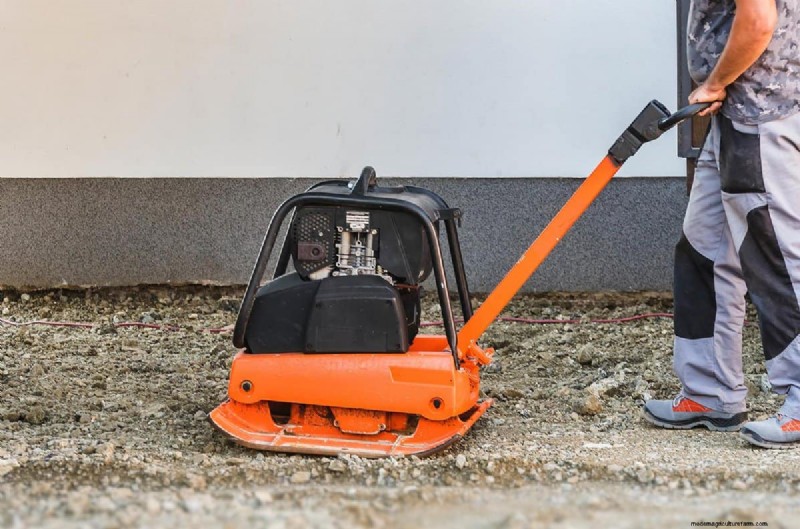
Outline the area with a hoe and start digging. Dig four to six inches for each layer of gravel to be installed. A flat-ended shovel will give the desired results. For large areas, rent a bulldozer to complete the work faster.
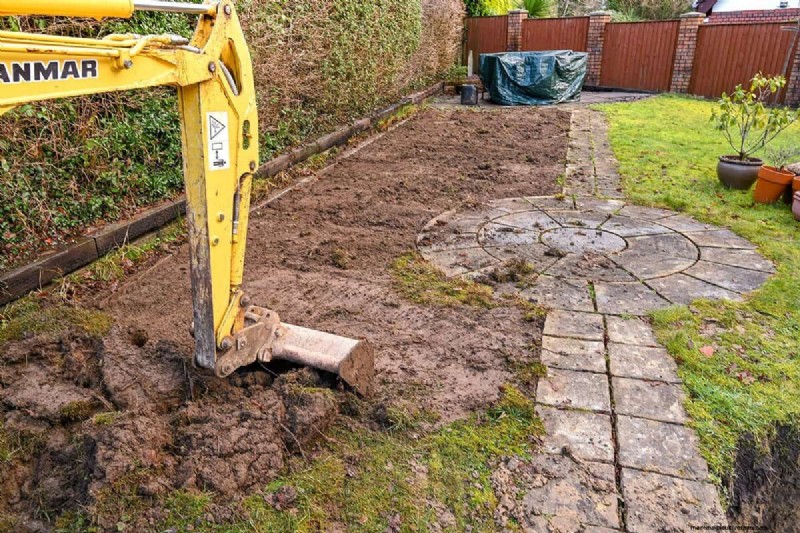
After the soil has been disturbed, pat it down. Old trees may have delicate root systems. To avoid killing them, do thorough research before you start digging.
Finally, pat the soil down hard and ensure the area is level. The soft spongy ground will create gullies which will result in erosion.
A border is not compulsory but helps reduce the loss of gravel. Lay the landscaping fabric and put stakes to stop it from being blown away if you aren't pouring the stone immediately.
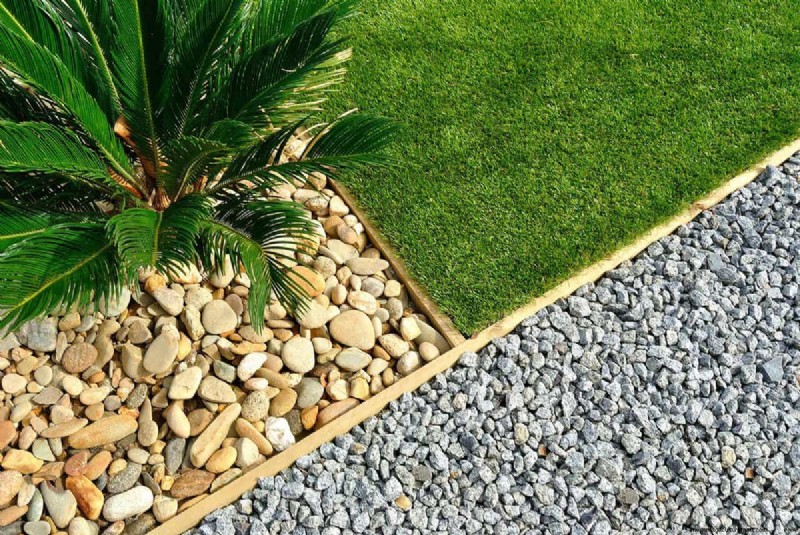
Gravel comes in several sizes and needs to be distributed accordingly. Once you have the gravel purchased and delivered, get to work.
Here are the steps you should follow:
Gravel is a wonderful construction material available in several sizes and coarseness. Choose the right size and type for your project and what will suit your climate area.
In the market, you'll find:
Reclaimed stones from old pavers and crushed concrete make workable gravel with different coarseness and sizes. It is a relatively cheaper option.
They are readily available and much cheaper. Quarry rocks can be found in abandoned quarries. They should be crushed to get the desired coarseness and size.
It's ideal for high-traffic areas such as driveways and poorly draining soils. It can be put under pavers that support heavy weights.
Most constructions use medium gravel. It allows drainage and supports relatively heavy traffic. Medium gravel sits well under pavers due to its size.
Although coarser when compared to sand, it's more compact and doesn't allow proper drainage. You won't need to add pavers when using fine gravel.
Here is a video detailing the differences between gravel and crushed rock:
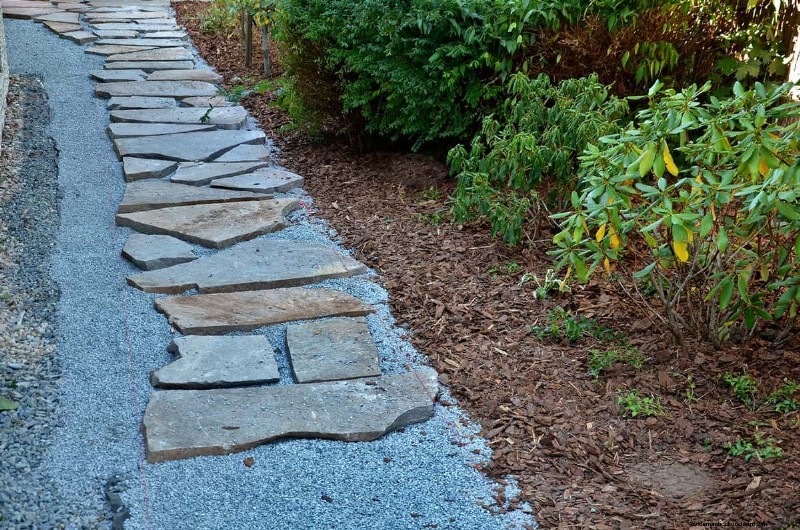
Neat sidewalks and footpaths are a part of a beautiful and well-maintained yard. If you want to create a new footpath or repair an existing one, you could use gravel instead.
It's an easy-to-maintain material and durable. Create a beautiful trial without breaking your budget and back. The shape of the walkway will depend on the yard.
You might want to hire a landscaper if you don't have the time for such a project. Watch the following video to see the process in a timeline:
Gardens, big or small, are planned outdoor spaces that can bring the yard and house together. Gravel gardens might not paint a picture of being colorful, but they are!
They are easier to maintain than traditional gardens. You can plant drought-tolerant plants and flowers as well. Create a gravel garden when you have designed the ideal shape for it.
Ensure the garden has the correct gravel size for proper drainage and for the plants to root correctly. Have a maintenance plan for your gravel garden.
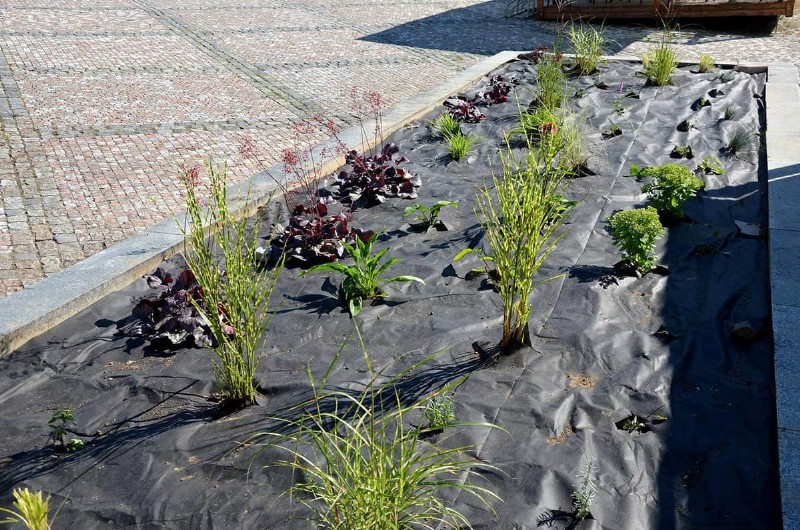
Yes, they are! Although they have pros and cons, they are necessary when laying gravel on the ground. Landscaping fabric is sometimes called a weed barrier or weed blocker.
The benefits are:
The downsides of landscaping fabric are a few but substantial:
Once you decide whether or not you need landscaping fabric, install it correctly.
Due to the high demand and drawbacks, manufacturers have produced an array of fabrics to choose from. The fabrics are made from different materials, each with its characteristics. These include:
The landscaping fabric is solid and made of polyester or polypropylene. Non-woven landscaping fabric is ideal for footpaths and driveways.
These fabrics have little holes in them. Perforated materials are suitable for vegetable gardens and flower beds. They are ideal in areas with little to no foot traffic.
A landscaping woven fabric is made of linen or polypropylene. The small holes make it perfect for trees and shrubs while choking weeds.
It is a fabric made from bonded polyester using heat. Some spun landscaping fabrics are thick, while others are thin. The thin spun landscaping fabrics are more absorbent and can be used for flower beds.
Leveling the ground properly and putting a weed barrier are mandatory steps. The gravel will sit and drain well in the compacted soil. Use the right tools and equipment to work fast.
Footpaths, walkways, and gravel gardens are ways to revamp your front yard cost-efficiently. Invite friends to help and get in touch with nature too!
Get more interesting tips and steps from the following posts:
13 Simple Garden Ideas To Inspire You
30 Tall Thin Plants For Landscaping Your Garden Or Backyard


