
Welcome to Modern Agriculture!

Do you want to be a full-time houseplant enthusiast? Well, we've got your back. One of the most essential things for indoor plants is their window. Luckily, we have researched what window is best for houseplants and have the answer below!
The best window for indoor plants depends on the type and sun requirements. Hence, the window can face the north, east, west, or south. Similarly, knowing the conditions plays a significant role in keeping your houseplants healthy.
In this post, we'll discuss window directions and light requirements. We will also answer related topics, such as window types, solutions for inadequate lighting, and more! So, keep on reading to find out more.
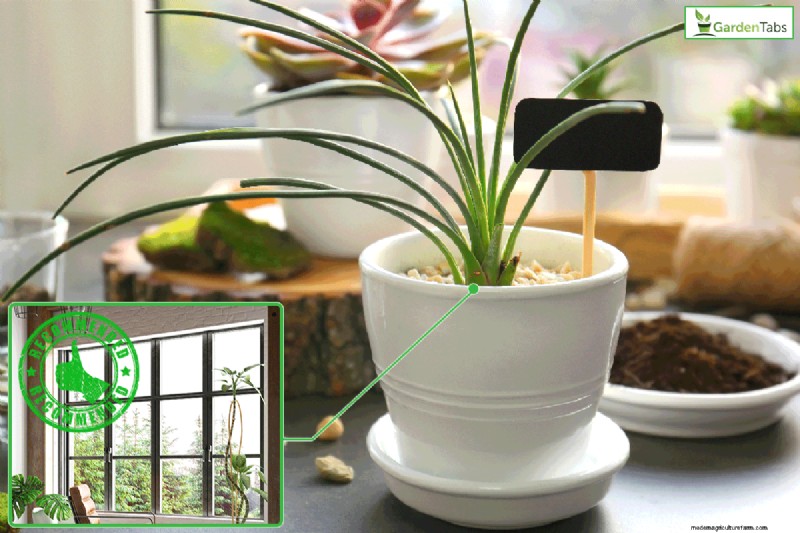
The light condition for houseplants has varying degrees, from full sun to full shade.
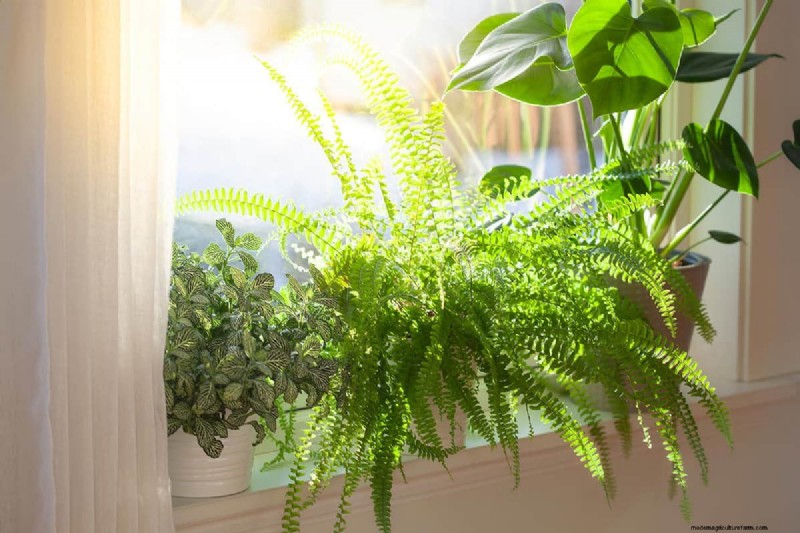
Full sun pertains to at least six hours of sun exposure daily. Thus, plants thriving in full sun endure intense heat or drought, especially during summer.
For this reason, it is ideal for annual herbs and flowers such as basil, dill, and Impatiens. Likewise, perennials also love the full sun. These include Gerbera daisy, Peace lily, and ferns.
Other plants require partial sun, meaning 3 to 6 hours of direct sun each day. For instance, flowering shrubs, like Hyssop, benefit from this setup.
To meet the right amount of sun, 2 to 6 hours of full sun is enough but with covering like a canopy. Thus, part shade is comparable to the dappled sun in the woods.
The partial shade flowers are hydrangeas and azaleas.
Full shade refers to less than 3 hours of natural light per day. Bamboo, orchids, photos, and Chinese evergreen develop well in low-light rooms.
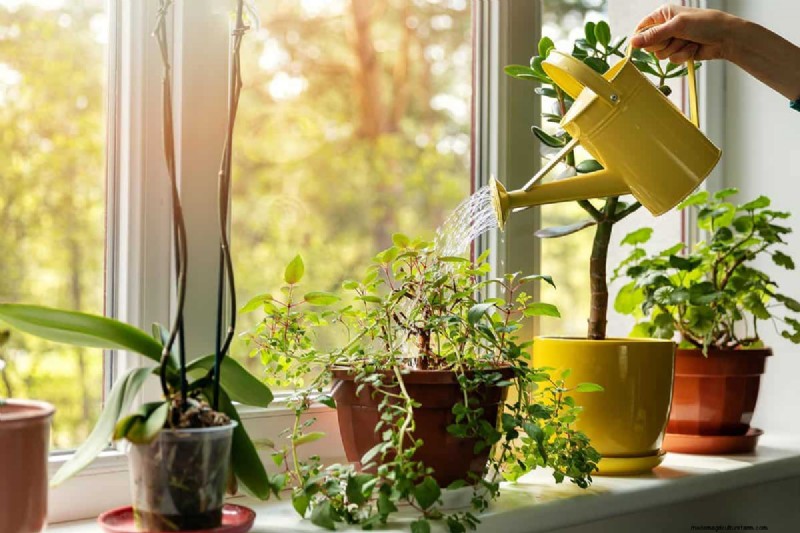
In this section, you will know the advantages and disadvantages of the four window directions. Houseplants thrive in the right spot based on light patterns.
This window orientation has indirect light varying from low to moderate. As a result, it is the perfect location for shade-loving plants during summer.
However, remove your greenery in this position when the winter months come.
Because the sun rises in the east, the light is soothing. For this reason, luminance will be medium- to low-intensity when dormers are in the east.
Moderate-light or part-shade plants will benefit from this window, including anthurium, jasmine, and periwinkle.
South offers full sun throughout the day, meaning southern windows have the brightest shine and the most extensive duration among the orientations unless there are blockages (trees or buildings).
In this window, nurture your flowers, such as geranium, mini roses, and poinsettia.
This opening receives direct sunlight for prolonged intervals. However, it subsides in the afternoon, so this is the best location for plants that prefer part shades.
Display your sunflowers, air plants, and mints in the west-side windows.
As a rule of thumb, the bigger the window size, the more light will come into your home.
Moreover, the distance from the window is also another factor to consider. For instance, low-light plants must be less than 10 feet away from an average-sized window (24 inches by 36 inches).
These days, window technology blocks UV rays yet permits the blue and red wavelengths. Thus, the houseplant can photosynthesize through the glass, similar to greenhouses.
Adequate light exposure is crucial to photosynthesis. In a nutshell, photosynthesis is where plants create energy reserves. The byproducts of this process are their source of nutrients.
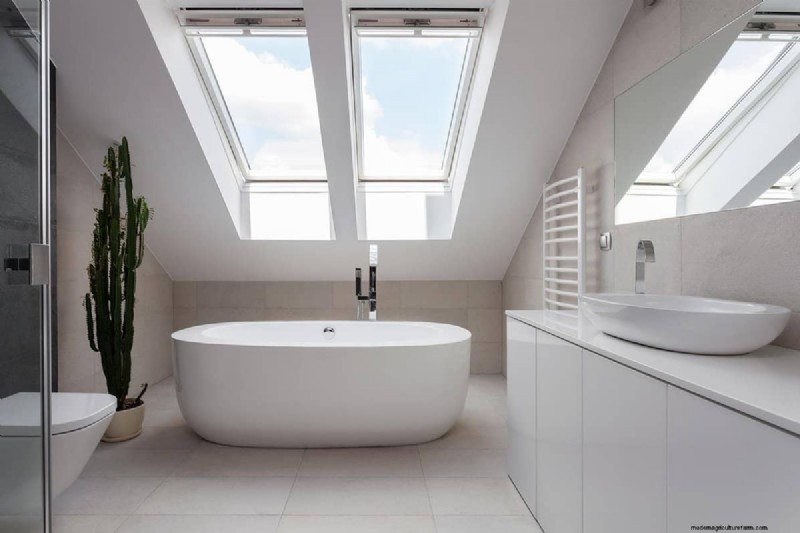
Skylight gives direct light. This window is conducive for tropical and subtropical plants if they are inside the bathroom.
But, you must maintain the level of humidity. The plants in a bathroom with a skylight are prone to moisture buildup. Nonetheless, prevent this by using a humidifier.
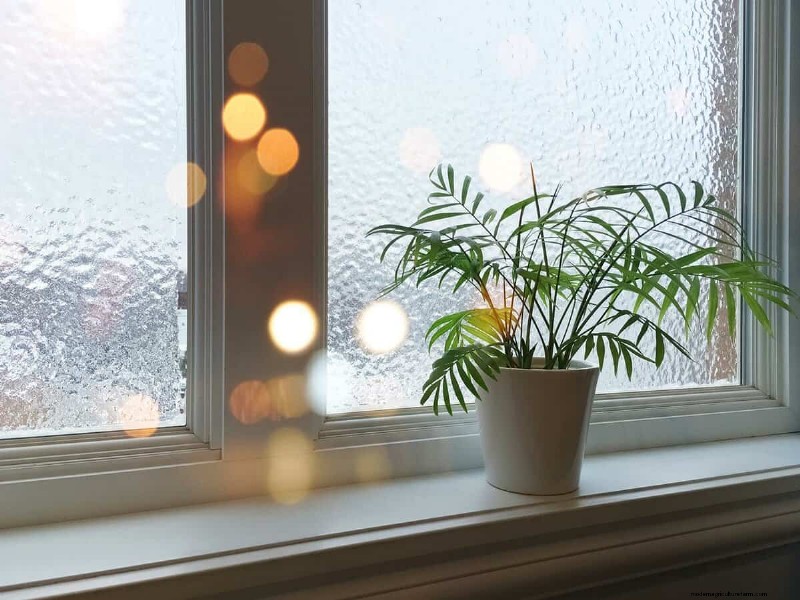
Privacy, glare reduction, and UV protection are the common reasons for frosted glass installation. Window film is also a protective layer prevalent in homes.
Frosted or opaque windows diffuse sunlight and reduce heat transfer. Hence, the illumination becomes indirect. Likewise, your houseplants' maturation will be affected.
Most greenery will adjust for a few days, while others will improve moisture retention and prevent the leaves from burning.
As an enthusiast or plant parent, you must watch out for the common signs of the poor light conditions. Plants are not getting enough of sunlight because they are too far from the window or there are obstructions in your window.
If you do not have enough light for your plants, you can relocate, improve lighting, or both. Explore these five techniques. By incorporating one or more of these, your houseplants will grow their best.
Display your green collection in the window plant shelves when it needs more heat. Plant shelves, made from acrylic, are space-saving organizers.
While they have easy installation, they are durable storage for plant and other decors.
Aside from functionality of window gardening, it also brings aethetic vibe to your window without blocking the view outside your house.
If you are renting, DIY Macrame plant hanger comes in handy. You can move it as needed. But, keep in mind that the level of the hanging pots must below the rays. Similarly, it resembles the boho style, giving a cozy ambiance.
In addition to the hanger rope, you will need curtain rings, dowel rods, tape measure, and your preferred plant.
Whether you have a spare or existing mirror, mount a mirror or two either parallel or perpendicular to the sun. In return, it increases the light for your greenery by redirection and reflection.
In other words, the radiance will bounce directly or indirectly. Moreover, this is not only free, but it will also take a few minutes.
Another affordable way to improve lighting is to paint your walls white or transfer your plants in front of white walls. Because of the high reflectivity of walls when painted white, these walls are prevalent despite being plain.
Aside from this, you will transform the area and highlight your green or colorful plants along the pristine walls. As a result, you will hit two birds with one stone: home improvement and plant care.
For windowless areas of your home, plants can still survive and produce balanced nutrition with LED growth light. Clip on this fixture and set the brightness level suitable for each plant.
This artificial light has different modes: blue, red, blue-red, and green. Blue light induces foliage growth whereas red wavelength is the best for bearing flowers and fruits.
Meanwhile, most leaves have green pigments because they reflect more green wavelengths compared to other lights in the spectrum. Despite this, it is still important during photosynthesis.
If there is little to no natural light, place houseplants under artificial light. Fluorescent tubes are affordable alternatives for growth light. Similarly, they emit good balance of light.
Keep the distance of plant light within 6 to 9 inches.
However, remember to switch them off after the required duration. The exposure time ranges from 8 to 18 hours. It will be shorter when it only supplements the sun.
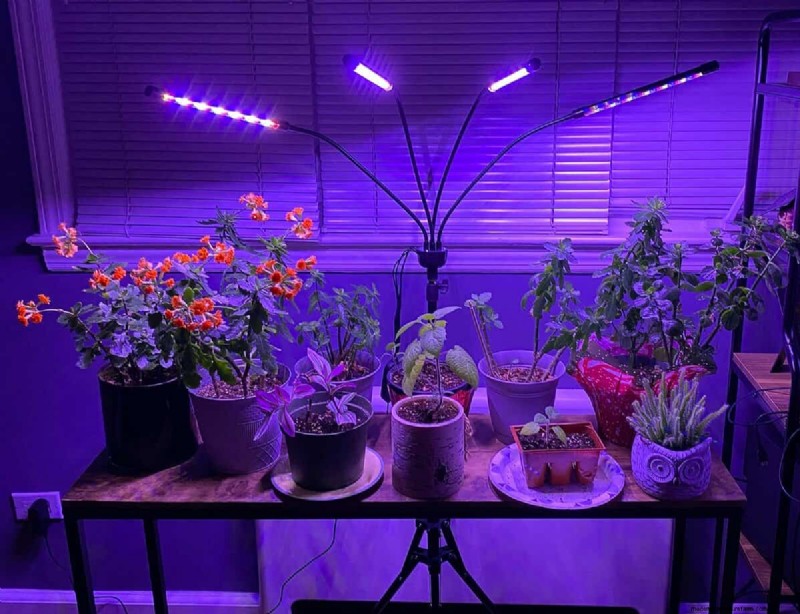
Given that artificial light supports the natural one, the correct wattage will allow you plants to bloom. The wattage will depend on the light requirements: low light (10 to 15 watts), medium light (15 to 20 watts), and high light (20 watts or more).
Moreover, increase the lighting if you want to boost flowering and foliage qualty.
Several seedlings and mature ones live successfully under indoor lighting. Herbs, Swedish ivy, Begonias and African violet are few of them.
Plants have varying degrees of the sunlight they need. Sunlight can either be indirect or direct.
There are houseplants suh as succulents, subtropics, and tropical plants that can withstand the full sun for prolonged time through your windows.
To help you, here are the 15 best houseplants you can cultivate by your windows:


