
Welcome to Modern Agriculture!

You've probably heard about all the benefits of having an aloe plant. But like all succulents, caring for an aloe plant can be mystifying for gardeners. If you're wondering what the best pot for your aloe plant is, we've done the research for you and will tell you all about it in this post.
The best pot for your aloe vera plant is one that has these qualities:
With all of the health and beauty benefits an aloe plan provides, it's no wonder it's one of the most popular houseplants. Read on to find out more about the best type of pot for aloe and other ways to keep yours happy and thriving.
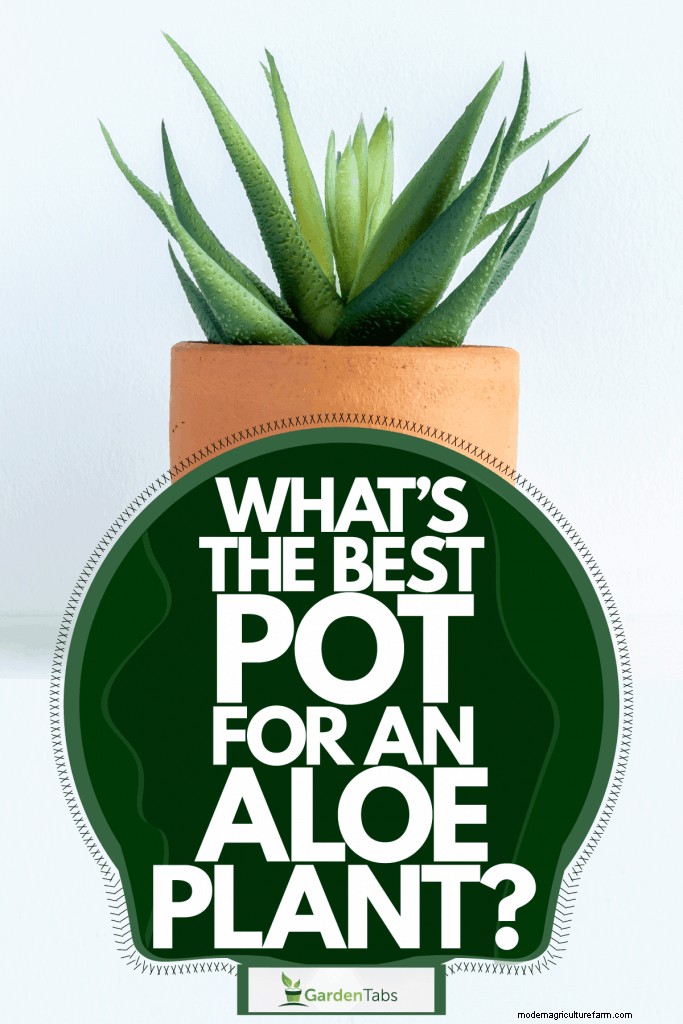
One reason aloe plants are so popular is that they can handle neglect. Your aloe is more likely to thrive with underwatering than overwatering. For this reason, it's important that you choose a pot that has good drainage. Pots made from terra cotta or another unglazed porous material allow the soil to completely dry out between watering.
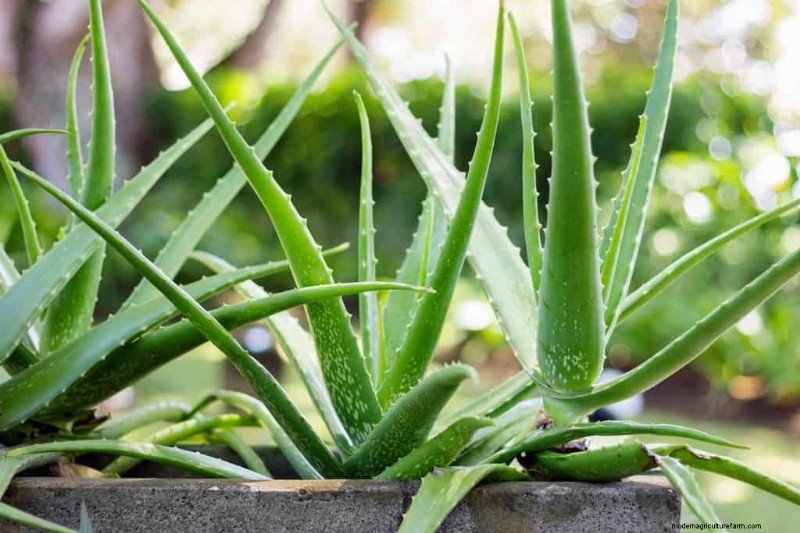
Make sure your pot has at least one drainage hole. This will prevent water from pooling around the roots of your aloe and causing root rot.
While some plants benefit from being in a big pot, aloe isn't one of them. Aloe vera plants prefer to be snug. Choose a pot that is deep enough to bury the stem if you have one. Then choose one that is as wide as it is deep so that the aloe plant won't tip over.
If you choose a pot that's too big, the roots of your plant will spread out too far before the leaves have a chance to grow. However, make sure your plant is big enough so that the roots don't get rootbound. If your pot is too small, the roots may be bound and start to rot.
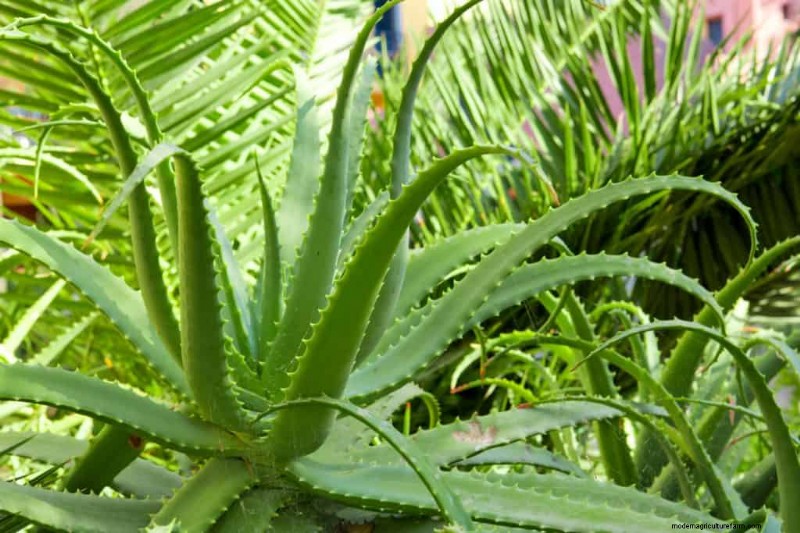
The size of the pot your aloe needs will depend on how big it is. A bigger plant will need a bigger pot. If your plant has a stem, it will need room to be buried completely. Pick a pot that is one to two inches bigger all around than your aloe plant. That will give it some room to grow while still providing the support it needs.
When your aloe plant starts to outgrow its pot, you should repot it. You can tell this is happening when it's looking droopy. If it has a lot of offshoots, which are called pups, it's also time to repot. Follow these steps to successfully repot your aloe plant:
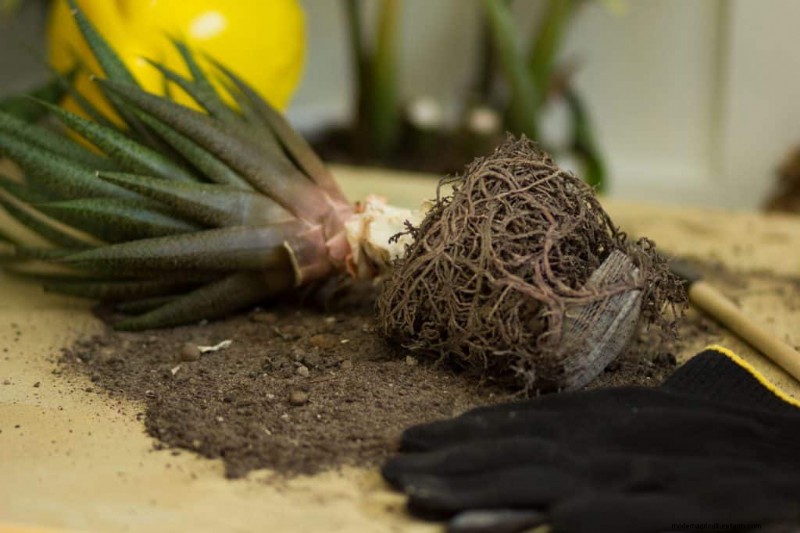
The top of your aloe plant should be between one-half and one inch below the top of the pot. It's bottom leaves should just rest on the top of the soil mixture. The bottom of the roots should be about an inch above the bottom of the pot.
If your aloe plant has a long stem, you can either bury the stem or cut some of it off with gardening shears. Cutting off the stem can kill the plant, though, so don't do it unless you're prepared for it to die. If you do cut off the stem, leave the plant out until the cut heals over.
It's tempting to baby your aloe to make it grow bigger, but your aloe will thrive with a little benign neglect. Aloe plants grow naturally in tropical and subtropical environments. If you don't live in the tropics, you can still give your aloe the conditions it needs to grow well.
Put your aloe in a spot where it gets plenty of light. Despite its tropical roots, aloe vera plants don't do well in full sun. They grow much better in bright but protected areas, both inside and outside. If your aloe plant gets too much sun, its leaves will burn and turn brown. If it doesn't get enough, its leaves will wilt.
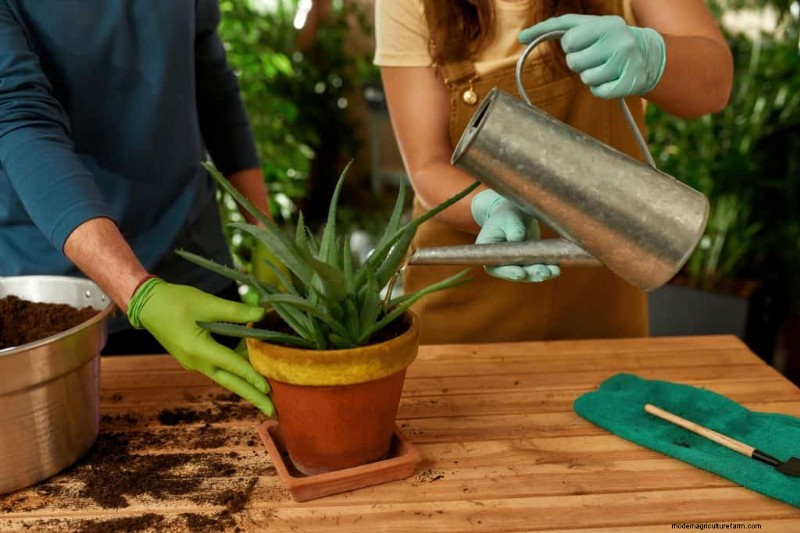
When it comes to watering your aloe, let it dry out completely before you water it. During the summer, this may be as often as once a week. During the winter, it may be as infrequently as once a month or even every other month.
Check to make sure the soil is dry before you water your aloe. To do this, you can buy a moisture meter, or you can do it with a wooden skewer or chopstick. Just stick it into the soil until it's near the bottom of the pot. Leave it for a minute or two; if the tip is damp or cool when you pull it out, the soil isn't dry.
Err on the side of underwatering if you aren't sure if your aloe needs water. However, when you do need to water your aloe plant, soak it. Don't just barely wet the soil. Water it until water pools around the bottom of the plant. Be careful not to let water get on the leaves, though.
Letting water sit on the leaves of your aloe can cause it to rot. If your plant is outdoors, this isn't as important since the moisture will evaporate more quickly. Just wipe down any wet spots on the leaves of your aloe after watering, and this shouldn't be a problem.
Even though aloe plants are native to tropical and subtropical environments, you can successfully grow them by paying attention to their needs and providing appropriate conditions.
Give your aloe vera what it needs when it needs it, but no more. Your aloe will repay you with thick, healthy succulent leaves that you can use to heal cuts and burns and moisturize your skin. It will also produce lots of pups that make fantastic gifts for almost everyone in your life.
To find out more about caring for other types of plants, check out these posts:
What Is The Best Soil For A Yucca Plant?
Can Snake Plants Grow In Water?


