
Welcome to Modern Agriculture!

Are you overwhelmed by all the silica additives available on the market? We are here to help you. We asked specialists to determine which silica additives are the best for plants. Here is the answer!
Silica additives differ in concentration and solubility. The best solution will depend on the plant's absorption. Below are the silica brands you want to incorporate into your plants:
In this post, we will share a detailed discussion of silica brands. We will also explore the uses and effects of silica and more related topics. So keep on reading!
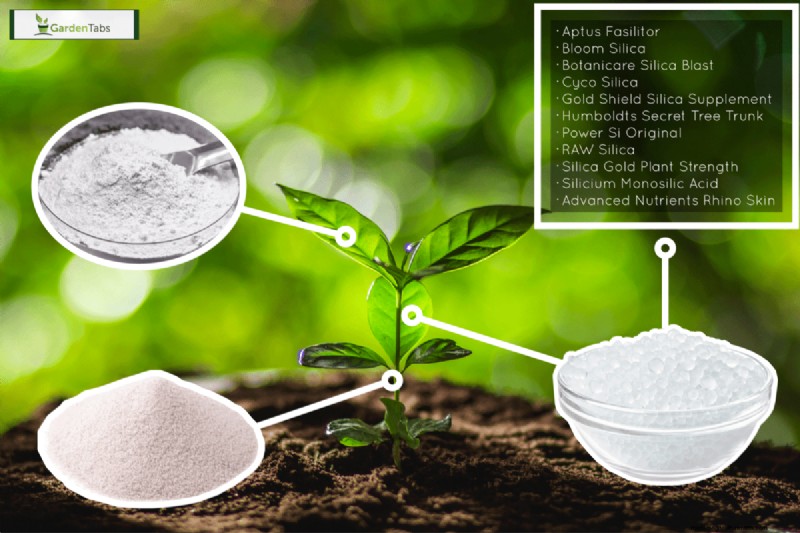
Silica is a common term for silicon dioxide, a compound of silicon and oxygen. You can usually find this chemical as a raw or additive component, such as quartz, sand, glass, food, and beverages.
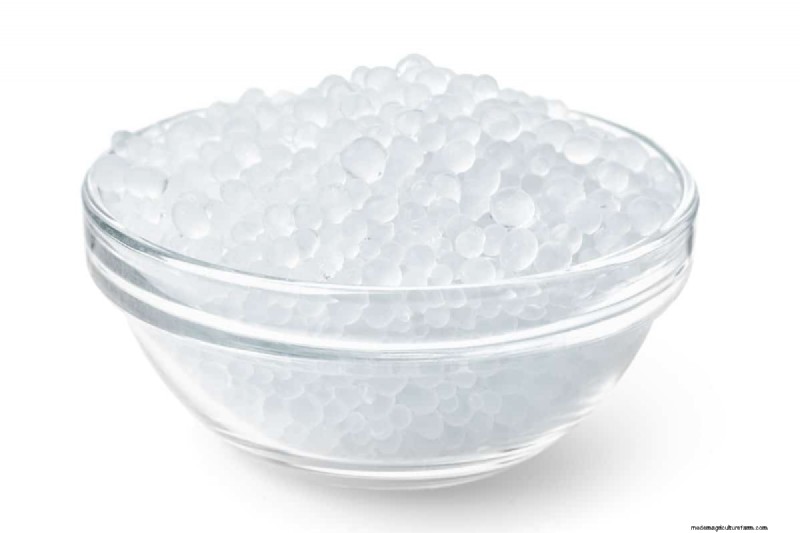
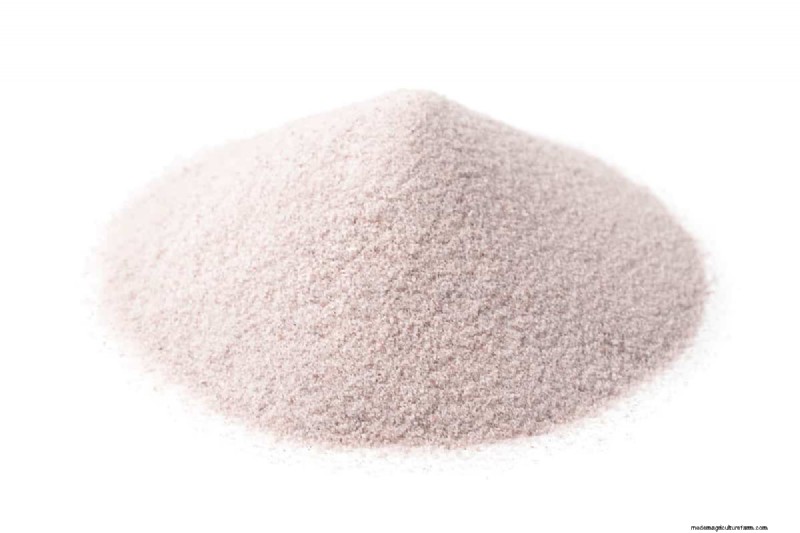
Because it is abundant, it takes several forms: shapeless, crystals, or powder. In its raw state, it is transparent, but it also takes on a white, pinkish, or yellowish appearance when mixed with other substances.
Aside from being supplementary to people's daily food intake, it is a bountiful superfood for plants. According to scientific studies, the plant cell wall will be weaker and susceptible to flaws without silica. Along with essential minerals, it is significant to a plant's growth.
As a plant enthusiast, you will find that silica comes in handy for your greenery, whether soil-grown, hydroponic, or drying. Here are a handful of its benefits you can maximize.
Below are some of the be silica plant additives of different sizes, solubility, and bioavailability.
This concentrate has silicic acid. Whether you purchase a small or large bottle, you will find that your plants consume less per feeding during bloom cycles.
Here are some of its unique qualities:
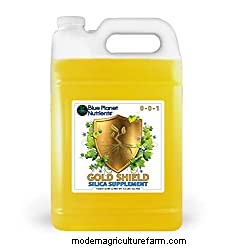
This 1-liter yellow bottle contains 53.2% of potassium silicate, the highest among the brands listed here.
Here are some of its unique qualities:
This is a combination of sodium silicate and potassium silicate. It's available in various sizes, including 1 quart, 1 gallon, and 5 gallons.
Here are some of its unique qualities:
It has equal portions (3%) of soluble potash and potassium silicate. You can get 1, 5, and 20 liters of the product.
Here are some of its unique qualities:
Because of the 0.85% potassium content, this product boosts the metabolism of carbon dioxide for photosynthesis.
Here are some of its unique qualities:

Use the Tree Trunk for medium greeneries like houseplants and aquaponics.
Here are some of its unique qualities:
The Power Si comes with an updated formulation for quicker transport of nutrients. Consider adding it to your arsenal.
Here are some of its unique qualities:
Although this organic product has less than 50% of silicon dioxide, it is the highest concentration. It is available in big tubs: 2, 10, and 25 pounds.
Here are some of its unique qualities:
Instead of orthosilicic acid, producers made it with 100% bioavailable monosilicic acid.
Here are some of its unique qualities:
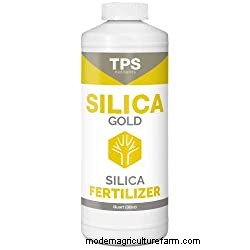


This product brings a pristine form of plant acid. Even with a small amount, you can notice a significant difference in your vegetation with this monosilic acid.
Here are some of its unique qualities:
This liquid with potassium silicate is a good formula for hydroponically grown plants. It's available in a 250-milliliter bottle.
Here are some of its unique qualities:
Generally, you start with a small amount while the vegetation is still young and then increase the quantity as it matures. Read and follow the directions carefully on the product's label or website. For example, combine 1/8 or 1/4 teaspoon of RAW Silica for every gallon.
Measure the pH level of the diluted solution before and after the application. Similarly, ensure your soil is rich in microbes to increase the soluble silica.
Finally, watch this clip to see the step-by-step procedure.
If you are a new to growing, you should boost your yields using silica within the blossoming period.
Meanwhile, other enthusiasts shared in a forum to employ it at the end of flowering to serve as a protective layer against bud rot and environmental stressors like moisture, wind, and heat. Even if you cut these flowers, they last longer than when you mix silica into the vase.
With these proven practices, you can choose to use it during or after flowering. Throughout the life cycle of your plants, it can play a vital role. You can include it during rooting, transplanting, or harvesting.
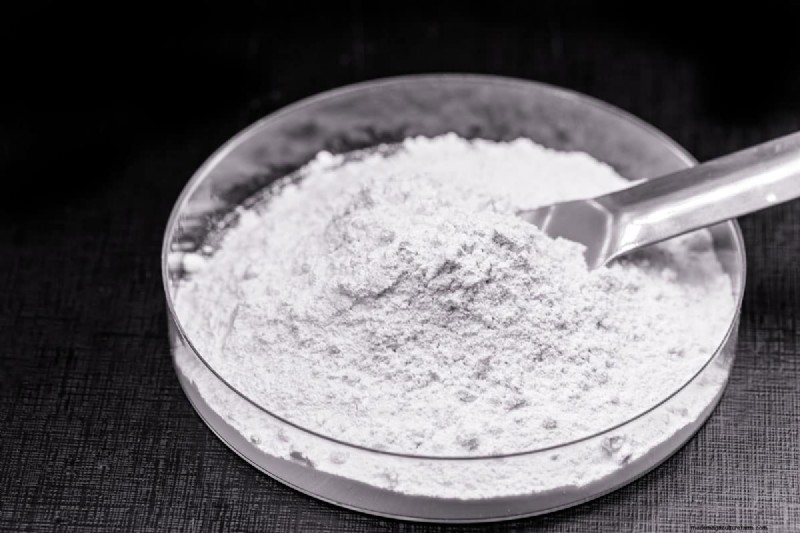
The Association of American Plant Food Control Officials considers silicon dioxide beneficial to plants and classify it as a fertilizer. Likewise, some manufacturers incorporate silica into their fertilizing products. This type of fertilizer comes in handy for hydroponic farming.
One of silicon dioxide's advantages is the regulation of iron, manganese, and aluminum, which are toxic to some extent. Despite its versatility, there is also a limit to using silica, like other substances. Otherwise, the plant will overdose.
Thus, you must follow the correct dosage based on the product's instructions. Remember, you must avoid using it as foliar or root spray simultaneously for one plant.
Scientists classified plants into three categories depending on their sensitivity to large amounts of silicon: accumulator (1.5 to 10%), intermediate (0.5 to 1.5%), and non-accumulator (less than 0.2%). With more than the optimal level, flowers will deform.
Similar to soils, plants love silica but to varying degrees. The accumulator plants like conifers, ferns, mosses, rice, and sugarcane can tolerate high levels of this substance.
Meanwhile, dicots or the flowering ones will reject the excess amount. Some examples are begonia, geranium, pansy, petunia, and sunflower.

Because of the silica supplements' formula, the pH will significantly increase. Remember, a pH above seven means the soil becomes alkaline and reduces solubility. As a result, there is poor absorption of nutrients.
Alkaline soil is acceptable for some trees and shrubs (apricot and clematis). However, most plants thrive in slightly acidic or neutral ground. Thus, silica can affect them. For instance, it delays the growth of those requiring acidities, such as azaleas and rhododendrons.
Silica has two common types as a plant additive. First, potassium silicate is a soluble form. Most silica is insoluble in its raw form. Thus, scientists mix it with potassium. Unlike the former, the other one is flowable silicon, which is pH neutral,
You can solve this downside by slowly adding water or a food-grade phosphoric acid to achieve the proper pH level.
Although silica additives are nonessential, they are versatile and helpful for the nourishment and immunity of plants. You should add it to your toolkit regardless of the brand, along with the macronutrients.
Thanks for reading! If you enjoyed this post, explore these articles about plant care:
11 Best Loam-Based Compost Mixes
7 Best Fertilizers For Clay Soil

![Best Knife For Dividing Plants [And How To]](https://modernagriculturefarm.com/article/uploadfiles/202211/2022111709564518_S.png)
