
Welcome to Modern Agriculture!

Whether it's summer or winter, you can count on having to mow the lawn at some point during the year. You will be aware that when the clippings clump together, it is a problem that only makes the process more time-consuming and labor-intensive: whether you like to bag the clippings.
Luckily, we've extensively researched this topic and have the answers below!
The table below shows what causes the clumping that your mulching mower leaves and what you should do about it.
|
Why It Happens |
What You Should Do About It |
|
|
Keep reading as we elaborate on each cause of a mulching mower leaving clumps. We'll also discuss how to prepare your mower to do the task properly. Additionally, we'll share tips to prevent the mulch from clumping, the perfect time to mow your lawn, and how often you should do it.
Grass loves to stick to the grass around it when it is wet, and based on how moist the ground is or how much rain has fallen recently; this can be disastrous for your lawns.
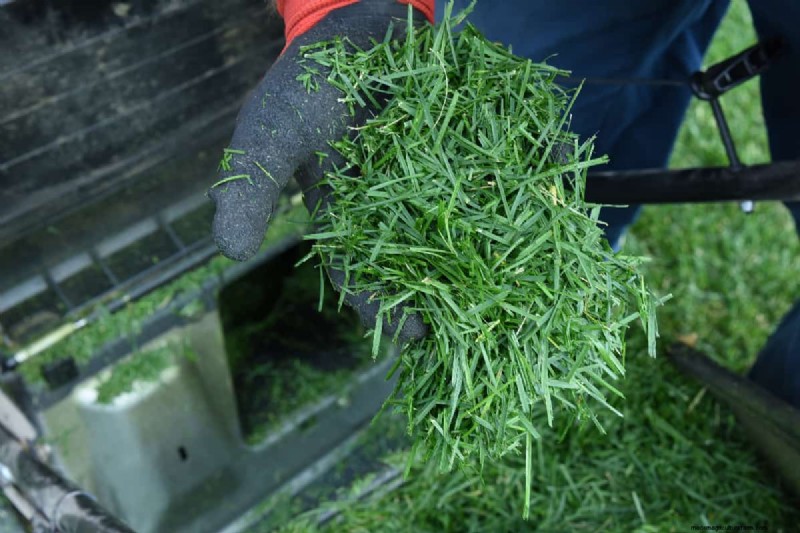
The deck of your lawnmower and its catcher will become clogged with matted, soggy wads of grass due to heavy mowers sinking into the grass and whipping up moisture as they cut your lawn.
When these clumps are present on your lawn, they can prevent sunlight and nutrients from reaching the grass below them, harming the health of your property and possibly even creating dead patches.
Additionally, when you haven't mowed the lawns in a while, you could believe that you can cut the grass by setting the mower to its typical cutting height and restoring things to normal. Think again!
Longer grass spreads less than shorter grass, but if too much is applied all at once, your lawns may also turn discolored and uneven.
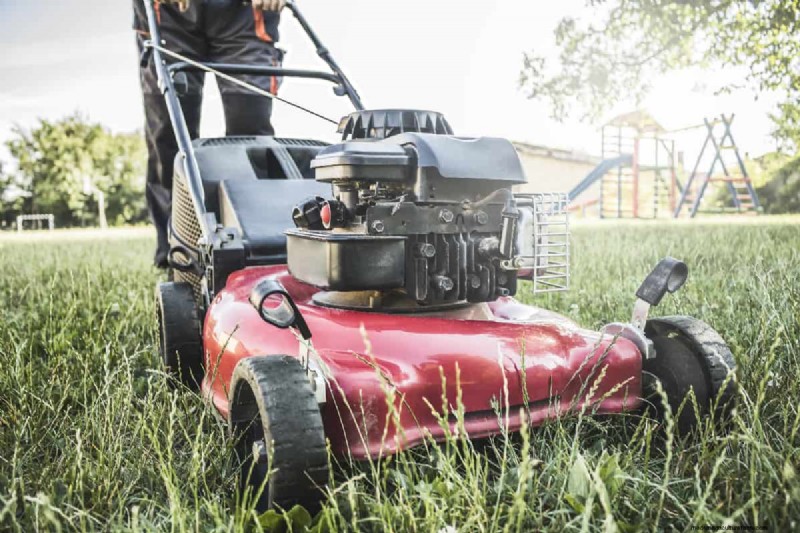
The symptoms of an improper mulching lawn mower are pretty obvious. They include:
Are a sign that your lawn mower is not mulching correctly or that you are misusing it.
Additionally, it's an indication that you should address the problem since clumps of partially mulched grass clippings serve as a breeding ground for undesirable organisms like lawn fungus and block sunlight from penetrating the soil, which can ultimately kill the grass.
Suppose the grass clippings left behind on your lawn don't differ much from those dropped into your grass catcher when you bag. That is far too coarse of a chop for the clippings.
Another sign is that each time the mower makes a pass, a trail of grass clippings is left behind.
Sometimes, problems with clumping can be caused by the mulching mower itself. Here are some of the signs that your mower may not be working correctly:
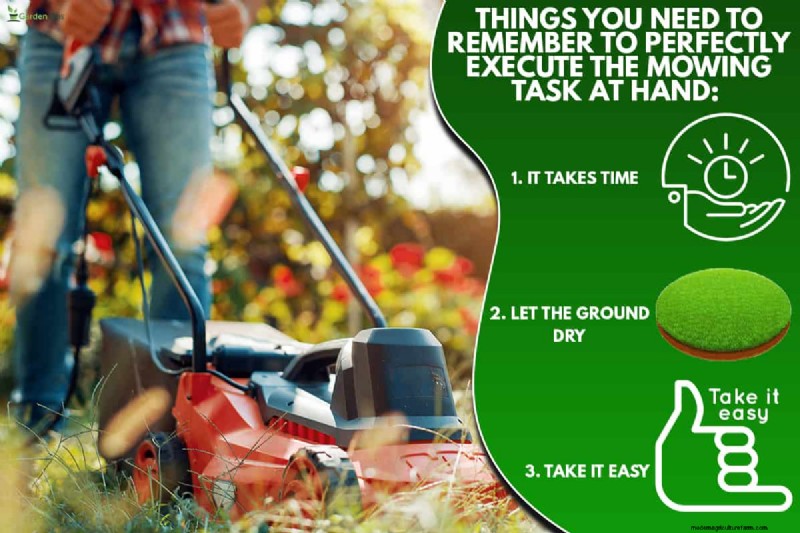
Here are some of the things you need to remember to execute the mowing task at hand perfectly:
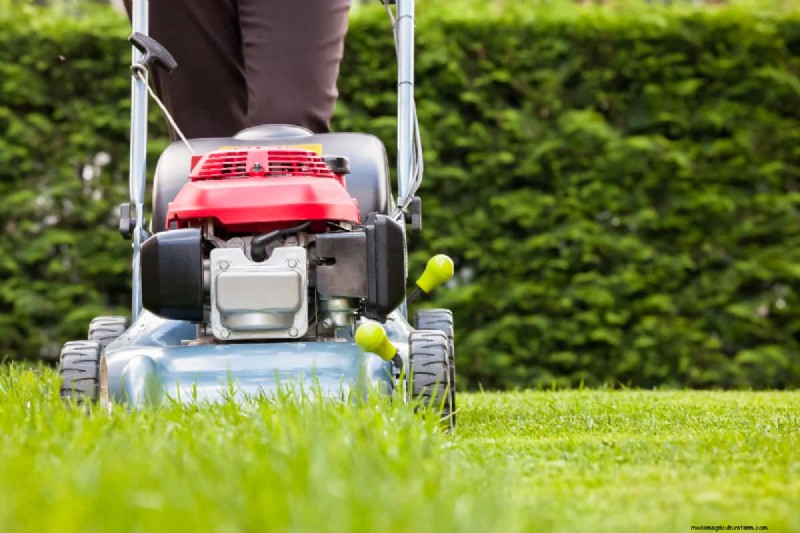
Mowing the grass maintains your lawn's health and keeps it neat.
The timing of this changes depending on the grass on your lawn, but you won't need to mow your lawn as frequently during the dormant season as you do during the active growing season.
The key to maintaining a healthy, green lawn is to keep your grass at the right height and to avoid removing too much at once.
The frequency of mowing depends on the grass growth rate and your lawn's desired height. Mowing your lawn once a week should be plenty to keep it healthy during the growing season.
If necessary, you might lower the cutting frequency to every other week throughout the remaining time.
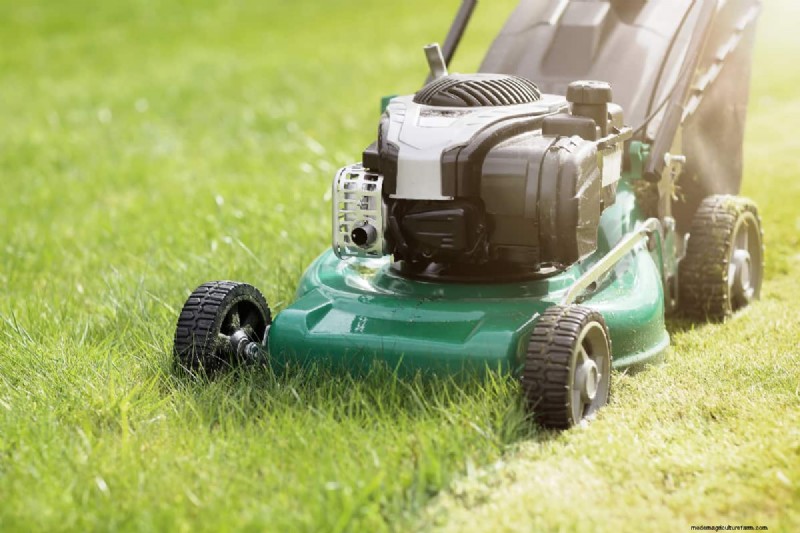
During the growing season, grass requires the most cutting. While cool-season grasses thrive in the spring and fall, warm-season grasses bloom in the summer.
If they are not damp and heavy, leave the grass clippings on the lawn to fertilize it. These clippings might have a nitrogen content of 3–4% and a potassium content of 2.5–3.5%.
Additionally, when the grass is dry in the morning, try to mow your lawn at that time. If not, mowing should be done late afternoon, around 4:00.
To avoid clumping your mowed mulch grass, ensure you do the task while your lawn is dry. Also, ensure that your tool is adequately equipped to do the job. Check if the blades aren't dull and if you use the right equipment.
Furthermore, make it a routine to mow your lawn frequently, and to prevent clumping, don't chop more than 1/3 of the grass' height.
Lastly, mowing your lawn takes time. Take it easy and take your time while you do the job. Rushing only makes you prone to making more mistakes along the way.
Made it this far? Check out these related articles below:
What Angle to Sharpen Lawn Mower Blades
Can Mulching Leaves Kill Grass?


