Welcome to Modern Agriculture!

Aquaponics is not just gardening. It’s not just fishkeeping either. It’s a living, breathing ecosystem where three key players depend on each other:
When all three are working together, the system almost feels effortless. The water stays clear, the fish are active, and your plants grow faster than you expect.
But when something slips out of balance, even slightly, you’ll start to notice signs. Maybe your fish is stressed. Maybe your plants stop growing. Maybe the water just doesn’t look or smell right anymore.
Here’s the good news:
Most aquaponics problems don’t happen overnight, and they’re almost always fixable.The key is knowing what to watch for.
In this blog, we will walk you through 10 clear signs your aquaponics system is out of balance, along with simple, practical ways to fix each one. These are the same signs most growers look for in their systems and the same fixes that keep things running smoothly long-term.
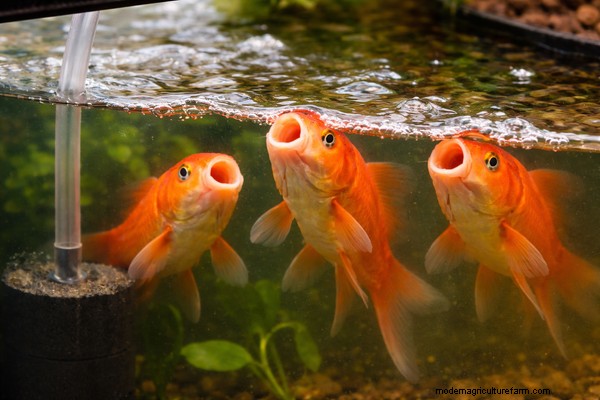
This is one of the earliest and most urgent warning signs that something is off in your system.
If you notice your fish hanging near the surface, gasping for air, swimming erratically, or becoming unusually lethargic, don’t ignore it. Fish behavior is often the first indicator of a deeper imbalance.
In most cases, stressed fish point to one (or more) of these issues:
Think of it this way: if your fish are struggling, your entire ecosystem is under stress.
When fish are gasping, time matters. Here’s what to do right away:
1. Increase Aeration Immediately: Add or boost air stones and air pumps. Even temporarily agitating the water surface can help.
2. Check Your Water Pump: Make sure water is circulating properly between the fish tank and grow beds. A weak or failing pump can reduce oxygen levels quickly.
3. Test Your Water: Check for:
If ammonia is elevated, stop feeding your fish for 24–48 hours to reduce waste buildup.
4. Partial Water Change (If Needed):If levels are dangerously high, a small water change can help dilute toxins, but don’t overdo it, as sudden changes can stress fish further.
Once things stabilize, focus on keeping your system consistent:
Having the right equipment in place can prevent this issue entirely:
These are essential for keeping your fish healthy and your system stable.
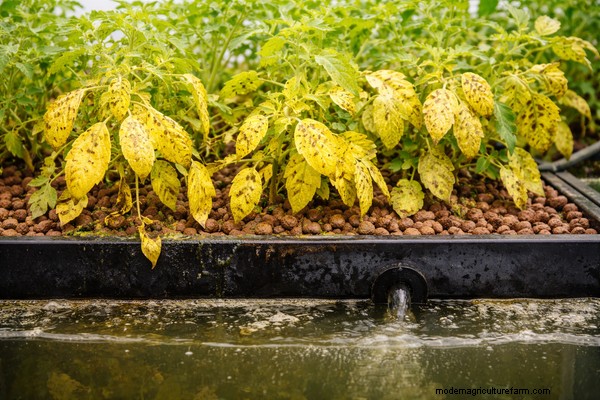
If your plants start turning pale or yellow, your system is trying to tell you something, and it’s usually about nutrients.
Healthy aquaponics plants should look vibrant and deep green. So when that color starts to fade, it’s often a sign that your system isn’t delivering the nutrients your plants need.
The key is learning to read which kind of yellowing you’re seeing.
Yellow leaves can point to several common deficiencies:
1. Nitrogen deficiency: Older leaves turn yellow first. This often means your system isn’t producing enough nutrients yet (common in newer setups).
2. Iron deficiency:New leaves turn yellow, but the veins stay green. This is one of the most common issues in aquaponics.
3. Potassium deficiency:Yellowing or browning along the edges of leaves.
In most cases, the root issue comes back to nutrient imbalance or incomplete cycling.
Start with the simplest fixes before making big changes:
1. Add Chelated Iron (If Needed): Iron is often lacking in aquaponics systems. A small dose of chelated iron can quickly restore plant color.
2. Check Your Fish Feeding Levels:More fish food means more nutrients.
If you’re underfeeding, your plants may not be getting enough.
3. Support Your Bacteria Colony: If your system is new, beneficial bacteria may not be fully established yet. Without them, nutrients aren’t properly converted into plant-available forms.
4. Test Your Water: Look at:
Low nitrates often mean your plants simply aren’t getting enough nutrients.
Tools That Help You Stay Ahead
Sometimes your plants don’t turn yellow… they just don’t grow.
They stay small. Leaves look undersized. Progress feels painfully slow.
This is one of the more subtle signs of imbalance, but it’s just as important, because in a healthy aquaponics system, plant growth should be steady, noticeable, and often surprisingly fast.
If it’s not, something in your system is holding things back.
Slow growth is typically caused by one or a combination of these factors:
1. Low nutrient availability: Your system isn’t producing enough plant food yet
2. Insufficient lighting:Especially common in indoor systems
3. Water temperature issues:Too cold relusts in slower fish metabolism and nutrient production
4. Low fish stocking or feeding rates:Less input means fewer nutrients for plants
5. Immature system:Your bacteria colony may still be developing
Instead of guessing, work through these step-by-step:
1. Evaluate Your Nutrient Flow: Ask yourself:
If input is low, plant growth will be too.
2. Improve Lighting Conditions:
3. Check Water Temperature: Most systems perform best between 20–28°C (68–82°F) depending on your fish species.
Cold water slows everything down. including nutrient conversion.
4. Give Your System Time to Mature: If your setup is new, this may simply be part of the process. Growth often accelerates after the system stabilizes.
If there’s one issue you never want to ignore in aquaponics, it’s this one.
Ammonia is toxic to fish, even at relatively low levels. And when it starts to rise, it’s a clear sign that your system’s natural balance, especially the bacterial side, is noot keeping up.
The tricky part?
Ammonia is invisible. You won’t always see it… until your fish start showing stress
Ammonia buildup typically points to a breakdown in the nitrogen cycle, which is the core engine of your aquaponics system.
Here are the most common causes:
When ammonia levels rise, act quickly, but carefully:
1. Stop or Reduce Feeding (Temporarily):Give your system time to catch up. Fish can go a day or two without feeding.
2. Test Your Water Daily:Track:
This helps you understand where your system is in the cycle.
3. Boost Your Biofiltration:Add more surface area for bacteria to grow:
4. Perform a Partial Water Change (If Levels Are High): This helps dilute ammonia, but keep it moderate to avoid shocking your system.
In a balanced system:
When ammonia rises, it means Step 2 isn’t happening fast enough.
That’s why building and maintaining a strong bacteria colony is so important.
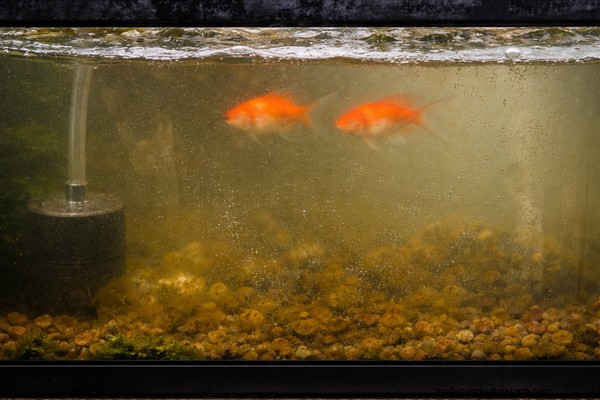
One of the easiest ways to check the health of your aquaponics system is simple:
Look at the water.
In a balanced system, your water should be relatively clear (not necessarily crystal clear, but clean enough to see through). If it suddenly turns cloudy, murky, or milky, something is off behind the scenes.
Cloudy water is often a sign of excess organic activity or poor filtration. Common causes include:
1. Bacterial bloom:A sudden spike in bacteria, usually in new or recently adjusted systems
2. Overfeeding: Uneaten food breaking down in the tank
3. Fish waste buildup: More waste than your system can process
4. Insufficient mechanical filtration: Solids aren’t being removed effectively
Think of cloudy water as your system saying:
"There’s too much going on here, and I can’t keep up."
Start with the basics, most cloudy water issues can be corrected with simple adjustments:
1. Reduce Feeding (Temporarily): Cut back for a day or two and observe changes.
2. Remove Uneaten Food and Debris:Check the bottom of your tank and grow beds for buildup.
3. Clean Mechanical Filters: If you’re using filters, make sure they’re not clogged or overloaded.
4. Improve Water Circulation: Better flow helps distribute oxygen and prevents waste from settling.
5. Let the System Stabilize: If this is a new setup, some cloudiness is normal and often clears on its own as the system matures.
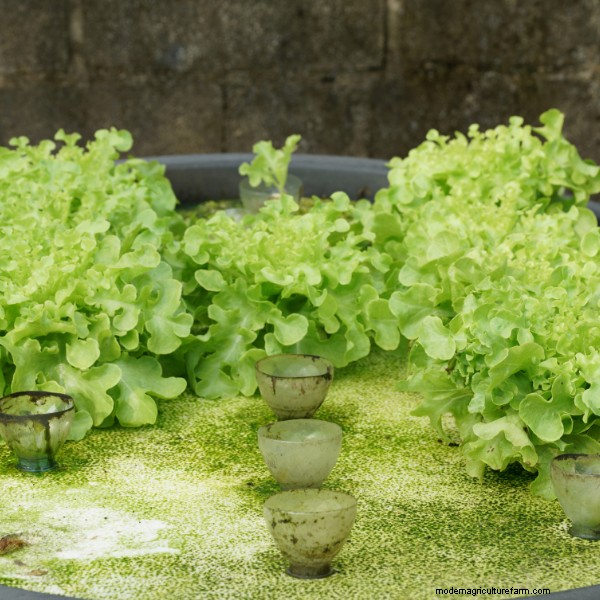
A little algae is normal in aquaponics. But when it starts spreading quickly, turning your water green, coating surfaces, or clogging parts of your system, it’s a sign that something is out of balance.
Algae thrives when conditions are too favorable. And in aquaponics, that usually means your system is giving it exactly what it wants: light + nutrients + exposed water.
Excess algae growth typically points to:
In simple terms:
Your system is producing nutrients… but your plants aren’t using them fast enough, so algae steps in.
Algae control is less about removing it, and more about changing the conditions that allow it to grow.
1. Block Sunlight from the Fish Tank: Use covers, lids, or shade cloth to reduce light exposure.
2. Cover Exposed Water Areas: This includes:
Even partial coverage makes a big difference.
3. Increase Plant Density: More plants means more nutrient uptake = less “food” for algae.
4. Remove Excess Algae Manually
This won’t solve the root issue, but it helps reset the system.
Healthy fish are eager to eat. In fact, feeding time is usually one of the most active, predictable moments in your system.
So when your fish suddenly lose interest in food or stop eating altogether, it’s a clear sign that something isn’t right.
This is one of those warning signs that’s easy to overlook at first… but it often points to deeper system stress.
A drop in appetite is usually linked to:
1. Poor water quality: Elevated ammonia, nitrites, or unstable pH
2. Low dissolved oxygen: Fish won’t eat when oxygen levels are low
3. Temperature fluctuations:Fish metabolism slows in colder water
4. Stress or overcrowding:Too many fish or sudden environmental changes
5. Early signs of disease:Especially if paired with unusual swimming or physical changes
Start by observing before reacting, then work through the basics:
1. Test Your Water Immediately
Check:
Water quality is the most common cause.
2. Check Oxygen Levels and Water Flow:Make sure your aeration system is working properly and water is circulating well.
3. Stabilize Temperature: Avoid sudden swings. Most fish prefer consistent conditions.
4. Observe Fish Behavior Closely: Look for:
If multiple fish show symptoms, investigate further.
5. Pause Feeding (Short-Term):If fish aren’t eating, don’t keep adding foodit , will only worsen water quality.
Here’s a simple rule I always follow:
A healthy aquaponics system should smell clean and earthy, never foul.
If you walk up to your system and notice a strong, unpleasant odor(rotten, sour, or “fishy” in a bad way), that’s a clear sign something is out of balance.
Your nose can often catch problems before your eyes do.
Bad smells usually point to low oxygen and waste buildup, which create the perfect conditions for harmful (anaerobic) bacteria.
Common causes include:
In simple terms:
Your system isn’t breaking down waste efficiently, and it’s starting to rot.
Start by restoring oxygen and removing the source of decay:
1. Increase Aeration: Add or boost air stones to improve oxygen levels throughout the system.
2. Check Water Flow:Make sure water is moving properly through:
Stagnant water is a major cause of bad odors.
3. Inspect and Clean Grow Beds: Look for compacted media or trapped waste. Gently stir if needed to release buildup.
4. Remove Decaying Material
5. Clean Mechanical Filters: If filters are overloaded, they can quickly become odor sources.
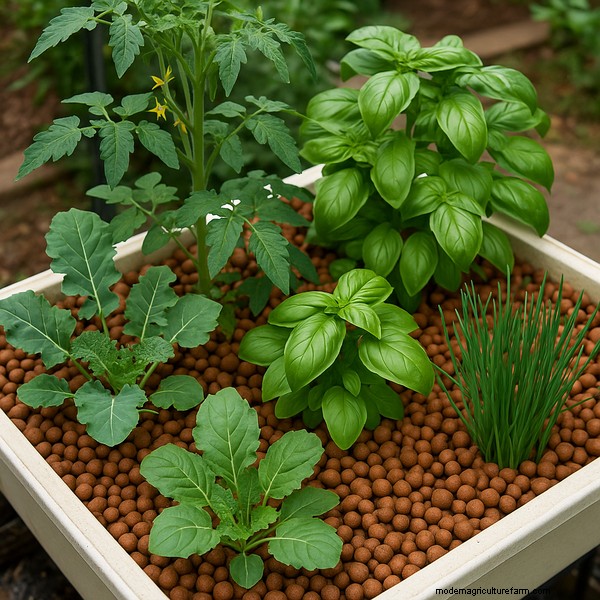
This is one of those issues that can quietly throw your entire system off balance.
At first, everything may seem fine… until you notice:
When your grow beds aren’t draining properly, your system loses one of its most important functions: oxygen exchange at the root zone.
Poor drainage is usually caused by a mechanical or design issue:
1. Clogged bell siphons: One of the most common culprits
2. Blocked or slow drain pipes: Often due to roots or debris buildup
3. Compacted grow media: Reduces water flow and traps waste
4. Improper system leveling:Even a slight tilt can affect drainage
5. Undersized plumbing:Restricts flow, especially as systems grow
Start by checking the most common failure points:
1. Inspect Your Bell Siphon
2. Clear Drain Pipes: Flush out any buildup that could be slowing water flow.
3. Loosen or Redistribute Grow Media: If media is compacted, gently stir or redistribute it to improve flow.
4. Check System Leveling:Make sure your grow beds are sitting evenly, this can make a bigger difference than most people expect.
5. Test Your Flood-and-Drain Cycle: Watch a full cycle and look for:
Why This Matters More Than You Think
Your grow beds don’t just hold plants, they act as:
When drainage is off, all three of these functions suffer.
That’s when you start seeing:
pH is one of those things that beginners often overlook, but experienced aquaponics growers watch closely.
Why? Because pH affects everything in your system:
When your pH is stable, your system runs smoothly.
When it swings up and down, it creates stress across the entire ecosystem.
Frequent pH fluctuations usually point to instability in your system. Common causes include:
1. An immature biofilter:Your bacteria colony isn’t fully established yet
2. Lack of buffering capacity: Nothing in your system is stabilizing pH changes
3. Source water issues:Your tap or refill water may have inconsistent pH
4. Natural system processes:As bacteria convert ammonia, pH tends to slowly drop over time
In a healthy system, pH changes gradually, not suddenly.
The goal isn’t to chase a “perfect” pH, it’s to keep it stable within a safe range.
1. Test Your pH Regularly:Track it over time so you can spot patterns, not just single readings.
2. Add Buffering Agents (If Needed): Common options:
These help stabilize pH while adding useful nutrients.
3. Adjust Slowly:Avoid rapid changes. Sudden shifts can stress fish and harm bacteria.
4. Check Your Water Source:If your refill water fluctuates, pre-treat or test it before adding it to your system.
Most aquaponics systems perform best around: 6.8 to 7.2
This range creates a good balance between:
After going through all 10 warning signs, you might be thinking:
"That’s a lot to keep track of."
And yes, there are quite a few moving parts in aquaponics.
But here’s the truth from experience:
Most problems come down to just a few core habits.
If you focus on these, you’ll prevent the majority of issues before they even start.
Water testing isn’t just for troubleshooting, it’s how you stay ahead of problems.
By checking your levels consistently, you can catch small changes before they turn into major issues.
At minimum, monitor:
You don’t need to test obsessively, but you do need to test consistently.
A well-designed system prevents headaches later.
Good design means:
Many of the issues we covered, like poor drainage, low oxygen, and waste buildup, often trace back to design shortcuts. If your system is fighting itself, no amount of tweaking will fully fix it.
You don’t need to spend hours managing your system. But you do need to pay attention regularly.
Daily or quick checks can include:
These small observations are often the first clues that something is shifting.
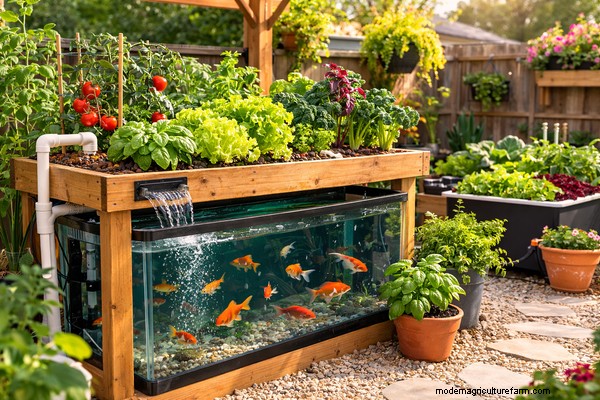
By now, you’ve seen how many things can affect balance in an aquaponics system. And if you’ve experienced even one of these issues firsthand, you probably realize something important:
Troubleshooting is helpful, but prevention is far better.
Because once your system is dialed in from the beginning, everything becomes easier:
Many imbalances don’t come from neglect, they come from uncertainty during setup.
Things like:
These small decisions early on can lead to bigger issues later.
When everything is working together, you’ll notice:
And most importantly, you’re not constantly fixing problems.
If there’s one thing to remember from this guide, it’s this:
Imbalance in aquaponics is normal. Staying out of balance is optional.
Every system, no matter how well designed, will drift from time to time. Fish grow, plants change, seasons shift. That’s just the nature of working with a living ecosystem.
What separates a struggling system from a thriving one is not perfection.
It’s awareness and response.
As you move forward, keep these simple principles in mind:
1. Watch your system regularly: Your fish, plants, and water will always give you clues
2. Act early, not drastically:Small adjustments are almost always better than big ones
3. Stay consistent:Stability is what allows everything to thrive
If you’re feeling overwhelmed, don’t be.
Most aquaponics growers go through a phase where things feel unpredictable. But once you start recognizing patterns everything becomes much more manageable.
And honestly, that’s when aquaponics becomes enjoyable.