
Welcome to Modern Agriculture!

Fish feed is one of the highest ongoing costs in aquaponics, and for many growers, it’s also one of the biggest points of frustration. Commercial pellets can be expensive, hard to source consistently, and often rely on fishmeal that is not environmentally sustainable. That’s why more aquaponics growers are asking an important question: Are there effective alternative fish foods that actually work in aquaponics systems?
The short answer is yes, when done correctly.
Alternative fish food in aquaponics can lower operating costs, improve sustainability, and even help you become more self-reliant. Options like duckweed, black soldier fly larvae, and DIY feed blends have been tested by growers and researchers alike. But there’s an important catch: feeding fish the wrong way, or switching too fast, can harm fish health, destabilize water quality, and stress your entire system.
That’s where this blog comes in.
In this blog, you’ll learn:
By the end of this guide, you’ll understand which alternative fish foods make sense for your system, and how to use them with confidence.
Before diving deep into each option, it helps to see the most common and proven alternative fish foods used in aquaponics side by side. Not all alternatives work the same way, and some are better suited for beginners than others. The key is choosing feeds that are nutritionally adequate, safe for your system, and easy to manage.
Below are the top fish food alternatives in aquaponics systems used by small-scale and home aquaponics growers.
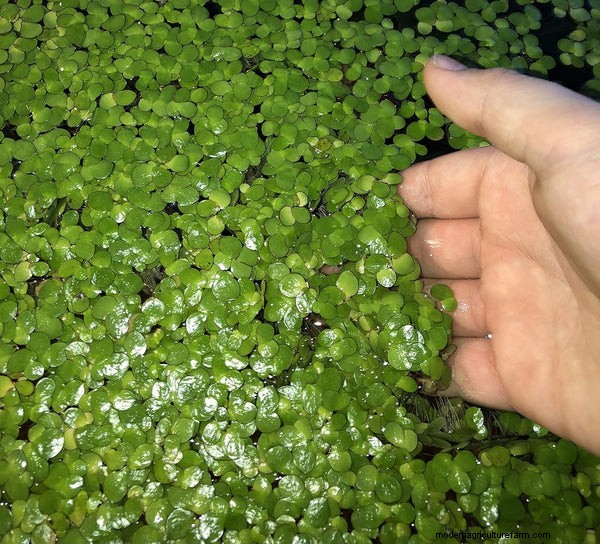
Duckweed is one of the most talked-about alternative fish foods in aquaponics, and for good reason. It grows fast, thrives on nutrient-rich water, and can be cultivated directly within or alongside your aquaponics system. When used correctly, duckweed can significantly reduce feed costs while supporting healthy fish growth.
Duckweed (Lemna and Wolffia species) is a small floating aquatic plant with a surprisingly strong nutritional profile. Under favorable conditions, duckweed can contain 30–40% protein, along with essential amino acids, vitamins, and minerals. This makes it especially suitable for omnivorous fish like tilapia, carp, and catfish.
For aquaponics growers, duckweed has two major advantages:
This creates a more circular, resilient system which many growers are aiming for.
Duckweed prefers calm water, moderate sunlight, and nutrient-rich conditions. Many growers raise it in:
Key growing tips:
Overcrowding is the most common mistake. Thick duckweed mats can block light and reduce dissolved oxygen if left unmanaged.
Duckweed can be fed:
For beginners, it’s best to start small:
Duckweed should supplement, not completely replace, a balanced commercial feed—especially in growing or breeding fish.
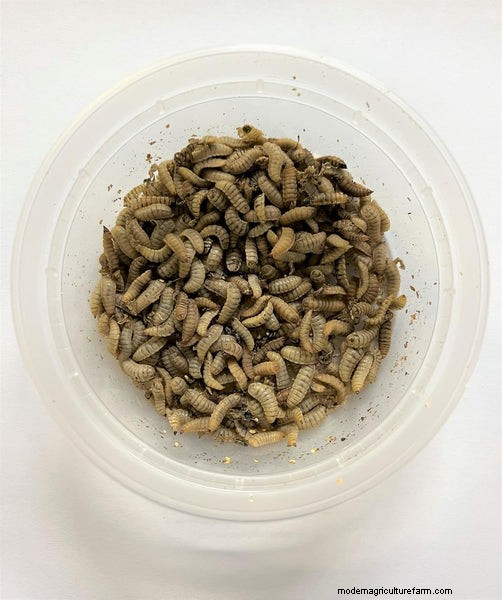
If duckweed is the easiest plant-based alternative, black soldier fly (BSF) larvae are one of the most powerful animal-based options in aquaponics. They’re rich in protein and fats, highly palatable to fish, and well-studied as a replacement for traditional fishmeal when used properly.
BSF larvae contain:
This makes BSF especially useful for boosting growth rates when replacing part of a commercial pellet diet. Many studies and on-farm trials show strong results when BSF meal replaces 25–50% of fishmeal in formulated feeds without harming growth or feed conversion—particularly in tilapia and catfish systems.
Black soldier fly larvae are typically:
Duckweed and black soldier fly larvae are two of the strongest alternative fish foods for aquaponics, but they aren’t the only options available. Many growers experiment with additional alternatives to reduce costs, diversify nutrition, or make use of local resources. The key is understanding where these options fit, and where they don’t.
Plant-based commercial feeds are often marketed as “sustainable fish feed.” They’re convenient, shelf-stable, and consistent in quality.
When they work well:
Limitations to be aware of:
Best practice: Use these feeds as one part of a blended diet, not as the sole food source.
DIY feed blends give growers the most control, and the most responsibility.
Common blends include:
Pros:
Cons:
DIY feeds are best suited for growers willing to track fish growth and water parameters closely.
Scraps are often mentioned as “free fish food,” but they come with the highest risk.
Safe use guidelines:
Direct feeding of scraps into fish tanks is not recommended for aquaponics systems.
No alternative fish food should replace pellets all at once. Successful growers almost always use partial replacement strategies, slowly introducing alternatives while monitoring fish behavior and water quality.
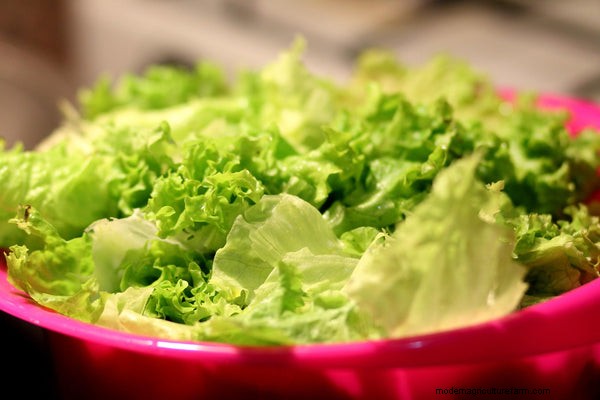
In aquaponics, fish food is the engine that drives the entire system. Every bite your fish eat eventually impacts water chemistry, beneficial bacteria, and plant growth. This is why switching to alternative fish food without understanding system dynamics is one of the fastest ways to create problems.
Here’s the simplified flow:
When you change feed type, you change:
When introducing alternative fish food, growers often see:
These changes don’t mean alternative feeds are “bad” they simply mean the system needs time to adjust.
To keep your aquaponics system stable:
Warning signs to act on immediately:
If any of these appear, scale back feeding and test your water immediately.
Experimenting with alternative fish feeds can feel intimidating, but a structured, step-by-step approach ensures safety for both your fish and your system. Below breaks down a practical method used by successful aquaponics growers.
Tip: Keep a simple logbook or spreadsheet to track readings and feed ratios, it will save headaches later.
Exploring alternative fish foods in aquaponics, like duckweed, black soldier fly larvae, plant-based feeds, and DIY fish food can help you save money, improve sustainability, and experiment safely in your system. The key is to introduce new feeds gradually, monitor water quality, and observe fish behavior. By blending options and testing carefully, you can maintain healthy fish growth while reducing reliance on commercial pellets.
Ready to take your aquaponics system to the next level?
This 5-hour Aquaponics Masterclasswalks you step-by-step through growing, preparing, and testing alternative fish feeds. With this course, you’ll learn exactly how to implement these strategies safely and confidently.
This course is the perfect next step for growers who want to turn theory into practice, reduce feed costs, and optimize their aquaponics system.


