In aquaponics, fish are far more than decorative additions, they’re the engines that power your entire ecosystem. Healthy fish produce nutrient-rich waste that fuels plant growth, maintains water balance, and keeps your system running smoothly. Neglect fish health, and you don’t just risk losing your fish, you could also see stunted plants, poor yields, or even a full system crash.
Maintaining fish health is not just about preventing disease. It’s about creating a thriving, balanced ecosystem where both fish and plants flourish. From monitoring water quality to providing proper nutrition, small proactive steps can make a huge difference in the performance of your system.
By the end of this blog, you’ll understand why fish health matters, what signs to watch for, and how to keep your aquatic partners thriving. Whether you’re just starting out or looking to take your system to the next level, these insights are essential for every successful aquaponics grower.
Why Fish Health Is the Backbone of Aquaponics
Aquaponics is an ecosystem, not a plant-growing system. And in this ecosystem, fish are the engine that powers everything.
They produce the nutrients that plants feed on.
They influence pH stability, oxygen demand, and bacterial activity.
Their behavior becomes the earliest warning system of bigger problems ahead.
When fish health declines, three things often happen before the grower realizes it:
- Nutrient output becomes unstable: plants begin to yellow, slow down, or wilt.
- Beneficial bacteria get stressed: biofiltration weakens, leading to ammonia or nitrite spikes
- Oxygen levels fluctuate: everything in the system starts to operate on the edge of collapse
This is why system crashes are almost never “plant problems.” They start in the fish tank.
And this is also why experienced aquaponic growers observed fish behavior first, because if your fish are thriving, the rest of your system naturally follows.
This is why protecting fish health isn’t just about avoiding dead fish, it’s about preventing system failure, crop loss, and wasted months of work.
Key Indicators of Healthy vs. Unhealthy Fish
Knowing how to tell whether your fish are thriving is one of the most important skills in aquaponics. Healthy fish not only survive, they actively contribute to a balanced ecosystem, providing the nutrients your plants need to grow. On the other side, signs of stress or illness can quickly disrupt your system’s harmony.
Physical Signs to Watch For
- Coloration:Healthy fish typically display vibrant, consistent colors. Dull or faded patches may indicate stress or nutrient deficiencies.
- Fins and Scales:Look for intact, smooth fins and scales. Torn fins, white spots, or lesions can signal disease or poor water quality.
- Body Shape: A healthy fish maintains a normal, symmetrical shape. Swelling, bloating, or unusual weight loss may indicate health issues.
Behavioral Signs to Monitor
- Activity Levels: Active swimming and exploration are good signs. Lethargy, erratic movements, or hiding may indicate stress or illness.
- Feeding Habits: Healthy fish eagerly eat during feeding times. Loss of appetite is often an early warning sign of disease.
- Respiration: Gills should move steadily and smoothly. Rapid gill movement or gasping at the surface can signal oxygen issues or water imbalance.
Early Detection Is Key
Identifying problems early can save both your fish and your plants. Simple daily observations, combined with regular water testing, help you catch issues before they escalate.
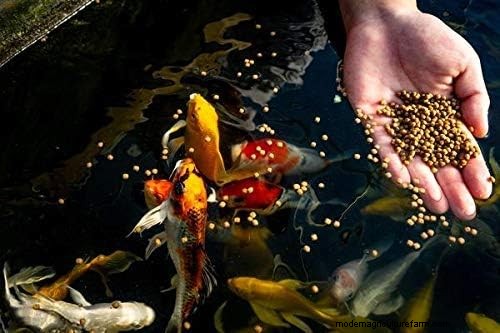
The Role of Water Quality in Fish Health
Even minor imbalances in pH, ammonia, or oxygen levels can stress your fish, making them more susceptible to disease and reducing the nutrients available to your plants. This is why understanding and managing water quality is one of the most important steps toward a thriving system.
Key Water Parameters to Monitor
- pH Levels: Most aquaponic fish thrive in a slightly neutral pH range (6.8–7.2). Too acidic or too alkaline water can stress fish and stunt plant growth.
- Ammonia, Nitrites, and Nitrates:Fish waste naturally produces ammonia, which is converted by beneficial bacteria into nitrites and then nitrates. High ammonia or nitrite levels are toxic and can quickly harm your fish.
- Dissolved Oxygen (DO):Fish need sufficient oxygen to survive. Insufficient oxygen slows metabolism, weakens immunity, and increases mortality risk.
- Temperature: Different species have different temperature preferences. Sudden fluctuations can stress fish and affect nutrient cycling.
Proactive Measures for Healthy Water
- Test water regularly using reliable kits.
- Perform partial water changes when necessary to maintain balance.
- Avoid overcrowding to reduce stress and waste accumulation.
- Ensure proper aeration and circulation throughout the system.
Maintaining optimal water quality is not just about keeping fish alive, it’s about creating a stable ecosystem where plants thrive and nutrients flow efficiently. Healthy fish produce consistent, high-quality waste that fuels plant growth, resulting in stronger yields and a more resilient system.
Nutrition and Feeding Practices for Optimal Fish Health
Proper nutrition is essential for keeping your fish healthy and your aquaponics system thriving. Fish that receive the right diet grow stronger, resist disease, and produce nutrient-rich waste that feeds your plants efficiently. While overfeeding or providing the wrong type of feed can harm fish health and destabilize your system.
Choosing the Right Feed
- Species-Specific Diets:Different fish have different nutritional needs. Tilapia, for example, are omnivorous, while trout require higher protein content. Research your fish species to select the best feed.
- Quality Matters: Opt for high-quality commercial feeds designed for aquaponics or nutrient-rich pellets. Avoid fillers and artificial additives that may affect fish health.
Feeding Frequency and Portion Control
- Feed small amounts 1–3 times daily, depending on species and size.
- Only provide as much as the fish can consume in 5–10 minutes to prevent overfeeding. Uneaten food decomposes, raising ammonia levels and stressing fish.
- Monitor behavior, fish refusing food may indicate stress, disease, or water issues.
Signs of Nutritional Deficiency
- Poor growth or weight loss.
- Dull coloration or damaged fins.
- Reduced activity and sluggishness.
How to Prevent and Manage Common Fish Diseases
Even in well-maintained aquaponics systems, fish can occasionally fall ill. Healthy fish are resilient, but stress, poor water quality, or improper nutrition can make them vulnerable to diseases that threaten your entire ecosystem.
Common Fish Diseases in Aquaponics
- Ich (White Spot Disease): Characterized by small white spots on the body and fins. Often caused by sudden temperature changes or stress.
- Fin Rot:Fins become frayed or discolored due to bacterial infections, often triggered by poor water conditions.
- Bacterial Infections: Can present as ulcers, lethargy, or abnormal swimming patterns.
- Fungal Infections: Cotton-like growths on the skin or gills, usually a secondary issue from injury or stress.
Prevention Is the Best Strategy
- Quarantine New Fish:Always isolate new fish for at least two weeks before adding them to your system.
- Maintain Water Quality: Regular testing and adjustments prevent the buildup of harmful ammonia and nitrites.
- Avoid Overcrowding:Too many fish in a tank increases stress and disease susceptibility.
- Provide Proper Nutrition:Balanced feeding strengthens immunity and overall health.
Early Detection and Management
- Observe fish daily for changes in behavior, appetite, or appearance.
- Act immediately if you notice symptoms, early intervention is far more effective than waiting.
- Use safe, aquaponics-compatible treatments when necessary to avoid harming plants.
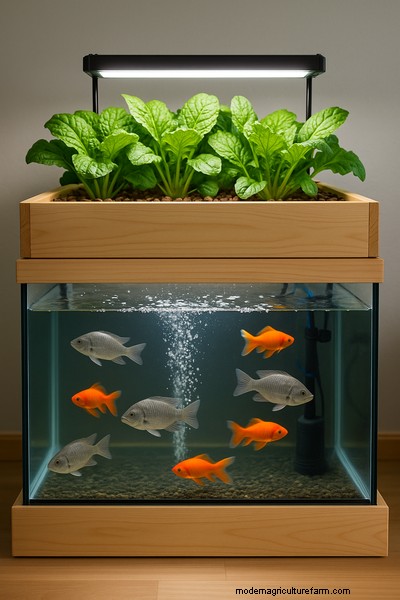
System Design and Maintenance Tips That Promote Fish Health
The design and upkeep of your aquaponics system play a pivotal role in keeping your fish healthy. Even with the best water quality and nutrition, a poorly designed system can stress your fish and disrupt the balance of your ecosystem.
Key System Design Considerations
- Tank Size: Ensure your fish have enough space to swim comfortably. Overcrowding increases stress, reduces oxygen levels, and heightens the risk of disease.
- Flow Rate and Circulation:Proper water movement ensures even distribution of oxygen and nutrients. Stagnant areas can lead to low oxygen zones, which stress fish and promote harmful bacteria.
- Filtration and Biofilters:A well-functioning biofilter converts fish waste into plant-friendly nutrients while keeping ammonia and nitrites at safe levels.
Routine Maintenance for Thriving Fish
- Water Testing:Check pH, ammonia, nitrites, nitrates, and oxygen levels regularly.
- Cleaning and Inspections: Remove debris, check pumps, and clean filters to prevent blockages or harmful buildup.
- Monitor Fish Behavior: Regular observation can alert you to potential issues before they become serious.
The Link Between Fish Health and Plant Growth
In aquaponics, fish and plants share a symbiotic relationship. Healthy fish produce nutrient-rich waste that feeds your plants, while plants help filter the water, keeping your fish environment balanced. When fish are stressed, sick, or improperly fed, this delicate balance is disrupted, resulting in slower plant growth, yellowing leaves, or lower yields.
How Fish Health Directly Impacts Plants
- Consistent Nutrient Supply: Healthy fish excrete ammonia at predictable rates, which beneficial bacteria convert into nitrates that plants use to grow.
- Stress Effects: Stressed fish may produce less waste or release stress hormones, reducing nutrient availability and harming plant growth.
- Disease Prevention:Sick fish can introduce pathogens into the water, potentially affecting both plants and the overall ecosystem.
Optimizing Both Fish and Plants
Maintaining water quality, proper feeding, and routine monitoring ensures that fish stay healthy and plants receive a steady nutrient supply. A thriving aquaponics system depends on both partners performing at their best.
Conclusion
Fish health is the cornerstone of a thriving aquaponics system. Healthy fish not only ensure a steady nutrient supply for plants but also maintain the balance and stability of the entire ecosystem. By monitoring water quality, providing proper nutrition, maintaining system design, and preventing disease, you set the foundation for both strong plant growth and a productive, resilient aquaponics system.
While these principles may seem straightforward, applying them consistently and effectively can be challenging, especially for beginners. That’s why taking a structured, step-by-step approach is essential for success.
 If you’re ready to take your aquaponics skills to the next level, this 5-hour premium aquaponics video course walks you through everything you need to know about fish care, water management, feeding strategies, disease prevention, and system optimization. With practical demonstrations and expert guidance, you’ll gain the confidence to keep your fish healthy, your plants thriving, and your system running smoothly.
By combining the knowledge from this blog with hands-on guidance from the course, you’ll be fully equipped to create a flourishing aquaponics ecosystem that consistently produces healthy fish and abundant plants.
![Retaining Wall Blocks: Do You Need Adhesive? | [Your Brand/Site Name]](https://modernagriculturefarm.com/article/uploadfiles/202211/2022111623203698_S.png)


