
Welcome to Modern Agriculture!

Huge population growth around the world requires a sustainable source of protein. Demand for fish is growing every day while fisheries struggle to meet the huge demand. To fill the gap fish farming has become very lucrative.
Advancement in technology better knowledge of feed/water management has increase production. To meet this demand there are different ways fish farmers produce the stock. We have inland fishery, estuary fishery, marine, freshwater fishery. An estuary is were river and sea meet it involves wetlands swampy regions.
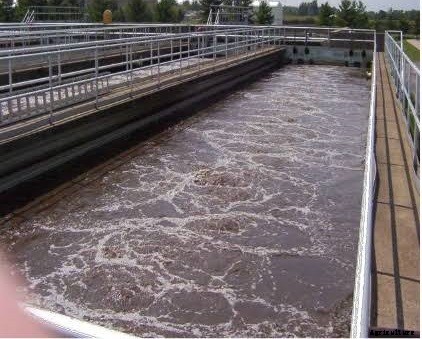
Advantages of Sewage- Fed Fish Culture
There are many advantages to sewage fed fish culture like reduction in pollution load in ecosystem. The main advantage is low cost high production rate.
Another is the avoidance of environmental damage related to untreated sewage. More pros include zero supplementary feeding or manure. A farmer also benefits from high nutrient content in sewage.
Advantages
Fish Feeding
Using animal waste in fish pond is not a new practice. A good example is the integrated farming system that incorporates poultry chicken cages suspended over fishing ponds. The waste in combination with waste feed is eaten by the fish.
However farmers that practice sewage fish culture have a few choices in feed. Apart from produced/formulated feed they use poultry waste. Others are plant sourced feed, biogas slurry or sewage-fed fish.
Types of fish feed
Plant based feed
Aquatic plants are the primary plant source for feed. The type of feed vegetation depends on your geographical location. Indian areas with sustainable cash crops are Bihar, Madhya and Pradesh.
Season also dictates which crop is available at the time. You have decomposed leaves in combination with organic matter. Others are Tmakhana, Trapa, Euryale Ferox, Napier grass planted around the perimeter of the pond. Other vegetation to consider are Potamogento, Hydrilla rapier, Ottella.
India Plant Based Feed
Fish Perfect for Sewage Feed Fish Culture
Not every fish is good for sewage fish culture. The fish must be hardy, rugged and able to survive in harsh environment. Most farmers combine different types of fish in the pond system. Fish to stock are silver carp, rohu, grass carp, common carp, catla, mrigal.
Type of Fish in this System
How to Build the Pond
The first step is to select a site and dig a pond. If you have an existing pond drain the water then fill. Leave the pond for a week before stocking with grass carp and feed immediately till they are over full.
The aim is to leave some uneaten feed lying about in the pond. After another week stock with some of the other fish mentioned above then feed again till satiation.
Plant hybrid napier 1 root slip/sq m with 5 t farmyard manure/2000 sq m. tis quality of hybrid napier will produce about 20t naier to feed fish 0.1ha pond. Irrigate every two weeks cut grass every two and half months.
Advantages and Limitations of integrated system
Limitations include huge quantities of grass is needed to feed the stock. Others are regular weed cutting and proper irrigation.
There is also the challenge of transportation to market and unavailability of grass carp fingerlings. Advantages include good utilization of pond resources, availability of napier seed, multiple steams of income.
Limitations
Advantages
Pond Management
Sewage water used in the culture has rich nutrient components. The culture effectively reduces feed cost, reduces need for fertilizer. A farmer is guaranteed huge profit, dense stocking good results.
The sewage water is not stagnate but allowed to flow and treated. Treatment include storage, sedimentation, and organic matter decomposition. Dilution is done by introducing freshwater at 1:5 part freshwater.
This is to reduce concentration of toxins to reduce smell and encourage algae growth. Some introduce duckweed while pond undergoes process of liming.
How to use Animal Waste in Pond
The farmer uses small quantity of livestock waste like waste feed and feces. The inorganic material is introduced into the pond. Biological reactions include phytoplankton, zooplankton, detritus accumulates at bottom of pond.
Phytoplankton through photosynthesis adds dissolved oxygen into the pond. Two technique are placing the pen over the pond or close to the pond.
Dangers
Associated dangers are pungent smelling water, grey or brownish water, gas bubbles in water or fish gasping for air.
Harvesting Fish
Stop manure load 2 days before harvesting and partially drain pond. Seining will reduce mortality use net to catch and transfer in clean water for 6 hours.
ice fishing

