
Welcome to Modern Agriculture!

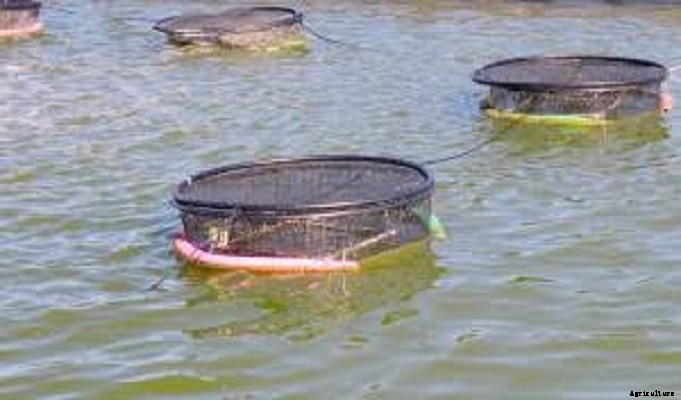
Cage and pen culture is a cost effective way to grow fish. It maximizes water resources increases choice of feed including fast growing stock. A fish farmer also has the choice of stocking more than one species of fish. Stock same gender in a pen or complimentary species. Aquaculture is highly profitable and moderately challenging.
Things to consider
Things to consider before starting the business are site selection, type of pond, and fish species to stock. Others are type of feed, availability of water, legal issues, sourcing fingerlings.
Any commercial venture is required to pay tax have insurance cover. Try to register a business name and incorporate a limited liability company. It is important networking with market women or industrial players to sell the produce.
How to Start the Business
To start the business you need proper site selection. Best site location are brackish water, hydropower reserves or fresh water bodies depending on the type of fish stocked.
Top Countries
Top countries in aquaculture are Philippines, Thailand, China, India and Malaysia. Thailand produces green mussel Perna viridis and shrimp. While Philippines produce Milkfish, Nile tilapia, sea bass, red snappers, catfish, carp. Others are crustaceans, oysters, mussels, white shrimp, groupers and rabbit-fish
Factors to survival and growth rate of fish
There are important factors to survival and growth of species in pen culture. Things to consider are predator control, feed rate and stock density. Others are salinity of brackish water, temperature, oxygen levels, excreta or presence of mussels and algae.
Overcrowding is a real threat to oxygen levels feed conversion levels health of fish. Depletion of oxygen level is also possible with the presence of plankton, over feeding, crowding. Apart from pollutants another real threat is predation.
Factors
Predators
Cage system face threats from different predators because the fish is secured in one place. Dangerous predators to your stock are birds, different rodents, rats, otters or seals. More are dogs, cat, turtles, monitor lizards, puffer fish.
Site Location
Site selection is very important for cage and pen culture. The system is practicable in marine or brackish water. However enclosure thrive in freshwater bodies close to shore or intertidal areas. Other considerations are pollutants, currents, salinity, seasonal rainfall and water temperature.
The high or low tides dictate the density stock and how the intertidal embanked pen is constructed to accommodate the changing tides. Other things are effect of currents, winds, tides and waves on structural integrity of pen.
Factors consider in site selection of brackish water
Factors to consider in brackish water are currents, salinity, situation, deflectors. Physical elements are tidal fluctuations, topography, floating objects, and temperature. Biological factors are parasites, disease, and vegetation.
Others are competitors, pests, predators, benthos and plankton. Legal issue include property rights, local/state laws, social impact on host community. Others are easy access to site, effective monitoring. An advantage of good site selection includes close to markets, cheap labor.
Factors for brackish water
Elements
Physical elements
Biological factors
Legal issue
Factors Fresh water Culture
Things that affect fresh water culture are site selection, pollution, biological and chemical factors. Others are accessibility, security supplies, labor, marketing, and water quality and soil type.
Chemical components are pH level, NH3, hardness saltwater intrusion. Physical elements are temperature, depth fluctuation, topography, floating objects, turbidity. Biological factors in marine culture are parasites, diseases, vegetation, plankton bloom, competitors, and predator pests.
Sewage-Fed-Fish

