
Welcome to Modern Agriculture!

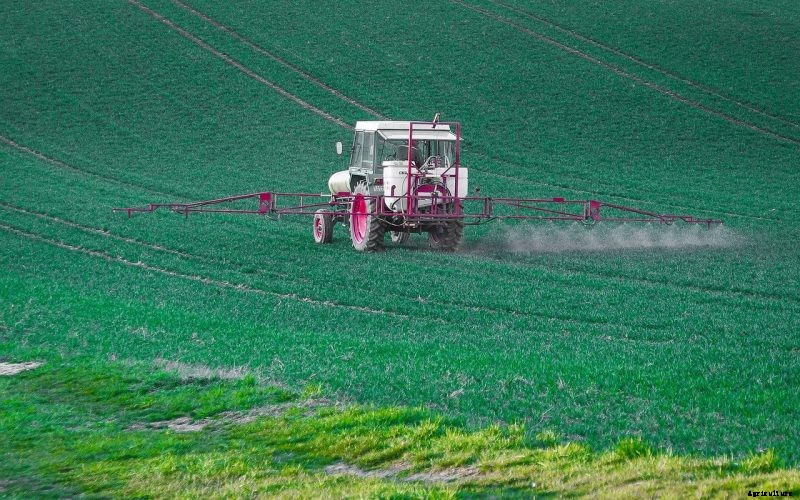
Pesticides are synthetic chemical compounds that are used in the agricultural sector to get rid of pests such as insects, fungi, rodents, and unwanted weeds. While pesticides are an important part of modern farming that allows farmers to improve land productivity and get better yields by preventing pests, they still have a lot of environmental implications we need to know about.
Pesticides can cause havoc on the environment; threatening biodiversity, endangerment of various species, health problems in farmers, and all forms of pollution.
Let me tell you a bit more about Environmental Effects of Pesticides and how they affect the farmers’ health.
Over 2 billion kilograms of pesticide is applied annually to protect crops all around the world. Only 0.1% of those pesticides carries out their function and target pests effectively. The rest of them just goes to waste and endangers the environment.
I believe we should also consider the fossil fuels burnt, chemicals used and the energy wasted to make these pesticides. This makes it a whole lot worse!
Pesticides are a major contributor to air pollution. Chemicals from aerosol sprays may drift far away once they are suspended in air as minute particles. Environmental effect of pesticides magnifies when wind propels the aerosol particles to farther distances. Humans and Animals breathing in that air are at risk of multiple conditions we will discuss ahead.
Weather conditions like temperature and humidity at the time of application (of pesticides) can influence the spread of pesticides as well. Low humidity with high temperatures promotes evaporation of pesticides and hence, higher air pollution. Pesticides may also adhere to dust particles and travel with them.
Using Pesticides to fumigate soil gives off chemicals called volatile organic compounds (VOCs). These VOCs react with atmospheric Nitrous Oxides in the presence of sunlight to form a dangerous pollutant known as tropospheric ozone (Ground to 15km height). Pesticides account for about 6 percent of total tropospheric ozone levels.
Tropospheric ozone can trigger allergic reactions, increase risk of bronchitis and pneumonia and may result in permanent lung damage with long-term exposure.
Did you know? Lowering ozone levels by 25% may increase US crop yield by $1 billion per year! (Especially if you consider soybeans, corn and tobacco)
Many scientists believe that immune systems of amphibians and bats have weakened as a result of exposure to pesticides; making them more susceptible to deadly diseases such as the White Nose Syndrome. A lot of data now suggests that pesticide exposure, even on safe levels, is a threat to wildlife.
Pesticides have been to cause the development of ovaries and other female sexual characteristic in male frogs living in contaminated pesticide waters. Genetically these frogs are still male, but have the morphology of females and now can mate successfully with other males and lay viable eggs!
Bees have started dying off or abandoning their hives. This pressured scientists to sound the alarm dubbing it as the “Colony Collapse Disorder”. Prolonged exposure to pesticides along with other stressors led to this catastrophe. Most of the pesticides used are inherently toxic to bees, thus threatening their survival. A study found out that a cocktail of toxic pesticides was seen in honey and wax of commercial bee hives.
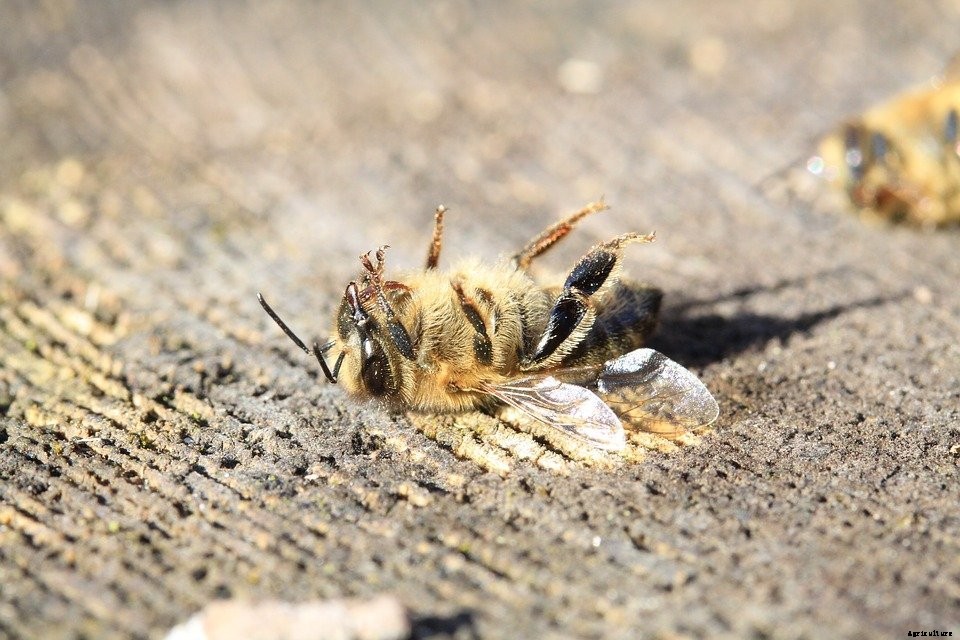
So when you’re looking for organic honey, make sure to buy it from farms with minimal exposure to pesticides. That’s the ‘true’ organic honey.
Water is one of the major bearers of pesticide pollution. 90% of water wells sampled by US geological survey showed evidence of pesticides pollution. Nearly all of the water ways in the US are said to be polluted by pesticides. Residues of pesticides have also been found in groundwater and rain.
Pesticides may reach groundwater through percolation (leaching through the soil), drifting outside of the intended area when sprayed or get carried into nearby waterways by water runoff. Accidental spillage into water is another common reason.
This contamination can have several implications on marine life and other humans/animals that may consume or use that source of water. Studies in UK have shown that pesticide contamination of water ways have exceeded allowable limits for ‘safe’ drinking water. They came to this conclusion after testing samples of various groundwater and river water.
Pesticides runoff remains largely unregulated to this day, with little initiative being shown by governments in protection of the complex aquatic ecosystems. Pesticide used by homeowners on their lawns can poison the invertebrates at bottom of the food chains upsetting the fragile ecosystems statewide.
UN Human Rights Council have stated that annually 200,000 people die of pesticide poisoning and about 2 million cases of pesticide related health issues are reported. The exact number may actually be higher, especially because most farmers do not seek medical help and may die without identification of the underlying cause.
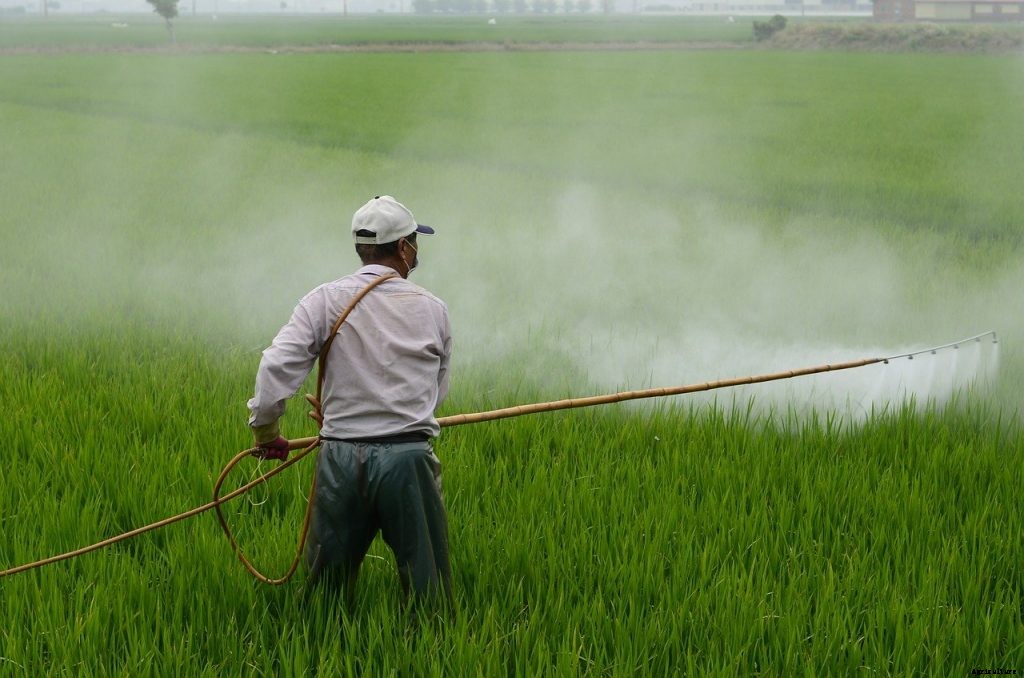
Pesticides are the leading cause of serious health problems in farmers. The health implication can vary from an acute allergic reaction to a chronic disease that gradually deteriorates the farmer’s health.
Pesticides can cause long-term and short-term health problems.
In the long term, various health implications can also occur. The immune system may become weakened, making us more susceptible to all kinds of infections. Farmers may suffer from depression and anxiety due to long term exposure and may even commit suicide.
It is also associated with various neurological conditions among farmers. Pesticides also mess with our endocrine system that brings the hormones out of balance and affect our entire reproductive system and may eventually even cause cancer.
The chances of someone being diagnosed with pesticide toxicity are very slim, emphasizing the fact that more research needs to be done to find more information about how different types of pesticide toxicities present to clinics. Further research will also teach us doctors to learn more about how to treat it.
Farmland workers are most susceptible to pesticide exposure; as they are the one handling and spraying this throughout their crop fields. They are exposed to pesticides on unprecedented levels due to the direct contact with chemicals, with contaminated soils.
What’s worse is that they aren’t even aware of the risks of the pesticides they are spraying on the land and hence aren’t aware either that how they can protect themselves.
The situation is further exacerbated with the fact that these pesticides remain on the skins, clothes, and hairs of the farmers and they can transmit these chemicals into their family members or any other person they may come in direct contact with, the same way infectious diseases are spread from one human to another. This transmission is highly toxic for children and pregnant women.
It is necessary that we track cases of farmers exposed to pesticide exposure. Awareness must be raised among farmers about effects of pesticides to their health and environment.
We need to encourage them to use fewer pesticides if they can’t completely abandon it immediately. Various health organizations must work in coherence with governments to educate farmers and treat them with pesticide related health issues.
Farmers should seriously consider adapting to Integrated Pest Management. A technique where pests are managed with methods other than use of pesticides.
Furthermore, people living on the countryside should seriously consider getting water filtration systems that extract ALL chemicals out of the water they drink.

