Welcome to Modern Agriculture!


Evergreen Seeds your trusted ally in your gardening journey. We offer solutions to common problems, advice on designing beautiful gardens, and insights into plant care. We love gardening and we want to share this love with you. Join our dynamic garden community.
Latest posts by Evergreen Seeds (see all)
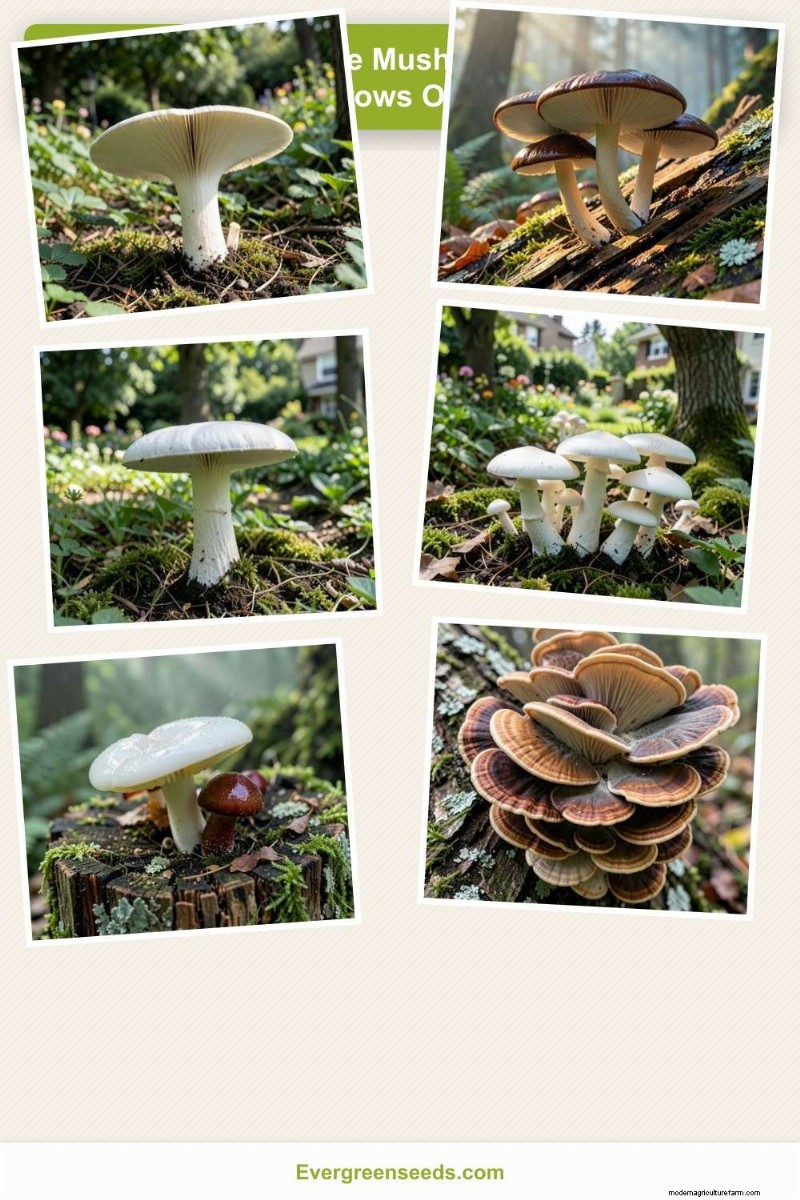
Identifying white mushrooms that grow on trees can enhance your foraging skills and deepen your understanding of forest ecosystems. This guide provides essential tips for recognizing ten distinct species, ensuring safe exploration.
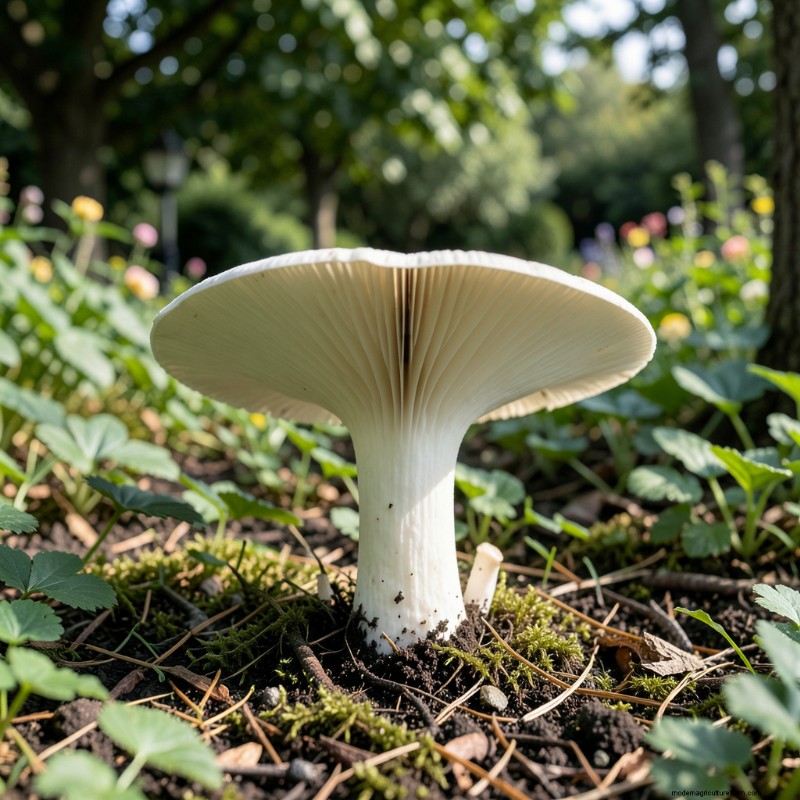
The oyster mushroom, with its distinct fan-shaped cap, is a delightful find for foragers and culinary enthusiasts alike. Thriving on decaying wood, these mushrooms can often be spotted in clusters, showcasing their beautiful white to light cream color against the dark bark of fallen trees.
To identify them, look for their smooth caps that can reach up to 10 inches wide and their gills, which run down the stem. Unlike many other mushrooms, oyster mushrooms have a mild, slightly sweet flavor that makes them a versatile ingredient in countless dishes.
This identification guide is perfect for anyone looking to enhance their foraging skills and discover the joy of wild mushrooms. Whether you’re a novice or an experienced forager, knowing how to spot oyster mushrooms can elevate your outdoor adventures! 🔥
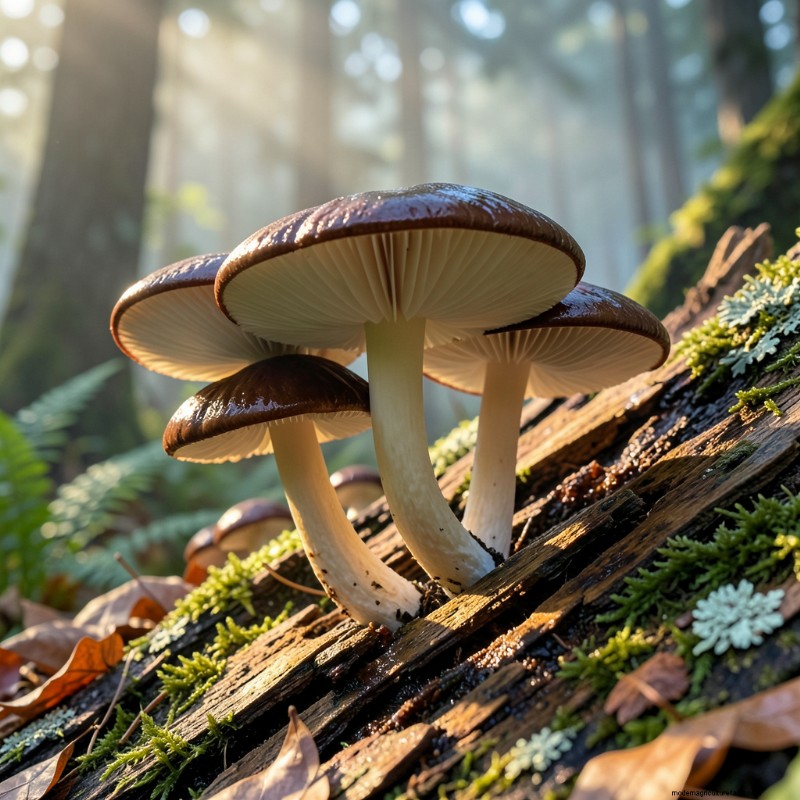
Wild shiitake mushrooms are a fascinating find in the forest, often growing on the decaying wood of hardwood trees. They can be easily identified by their striking dark brown caps and white gills, which make them visually distinctive. Unlike their cultivated counterparts, these wild varieties thrive in nature, adding to their unique charm.
These mushrooms not only provide a rich, umami flavor but also play a vital role in forest ecosystems by helping decompose wood. If you’re an aspiring forager, learning to recognize shiitake mushrooms can enhance your outdoor adventures and culinary repertoire.
Whether you’re looking to enjoy them in a dish or simply appreciate their beauty in the wild, spotting wild shiitake mushrooms is a rewarding experience for nature lovers. 🌟
The Lion’s Mane mushroom is truly a sight to behold, resembling a fluffy white pom-pom that grows on the sides of trees. Not only is it visually striking, but it also boasts potential health benefits, making it a popular choice among both foragers and researchers. This unique mushroom is known for its ability to enhance cognitive function and support nerve health.
When you encounter this fascinating fungi, you’ll notice its long, cascading spines which can be harvested for various culinary uses. Whether you sauté it for a gourmet dish or brew it into a health supplement, Lion’s Mane can add both flavor and nutrition to your diet. Plus, its intriguing appearance makes it a conversation starter!
For those interested in foraging or exploring medicinal mushrooms, Lion’s Mane is an exciting find that offers both aesthetic pleasure and potential health rewards. Happy hunting! 🔥
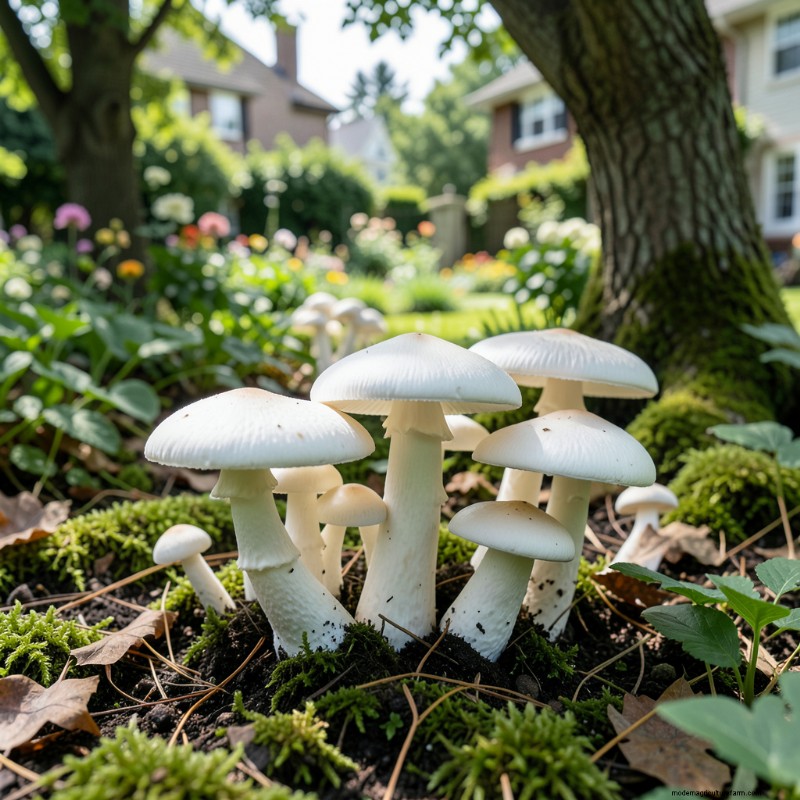
Enoki mushrooms are a delightful find in the forest, often appearing as delicate white clusters at the base of decaying trees. Their unique habitat not only supports their growth but also contributes to the ecosystem by breaking down organic matter, making them vital for soil health.
Renowned for their crunchy texture, enoki mushrooms are often used in soups, salads, and stir-fries. Their slender stems and tiny caps make them visually appealing, adding an elegant touch to various dishes. Foragers and home cooks alike treasure these mushrooms for both their taste and versatility.
Understanding where to find enoki mushrooms can greatly enhance your foraging experience. They thrive in damp, shaded areas, often alongside other fungi, making them a rewarding treasure for those who explore the woods. 🔍
The reishi mushroom, often celebrated for its medicinal benefits, can be easily identified by its striking glossy red-brown surface. When you’re out in the woods, look for this unique hue, which can sometimes appear in a white form, making it stand out among other fungi.
This mushroom typically grows on the decaying wood of hardwood trees, forming a distinct shelf-like shape. To differentiate it from similar species, focus on the mushroom’s shiny finish and the way it reflects light, giving it a polished appearance. Understanding these features is crucial for foragers and nature enthusiasts.
Identifying reishi mushrooms not only enhances your foraging experience but also deepens your connection with nature. Whether you’re interested in their health properties or simply enjoy exploring, knowing how to spot this mushroom will enrich your outdoor adventures. 💫
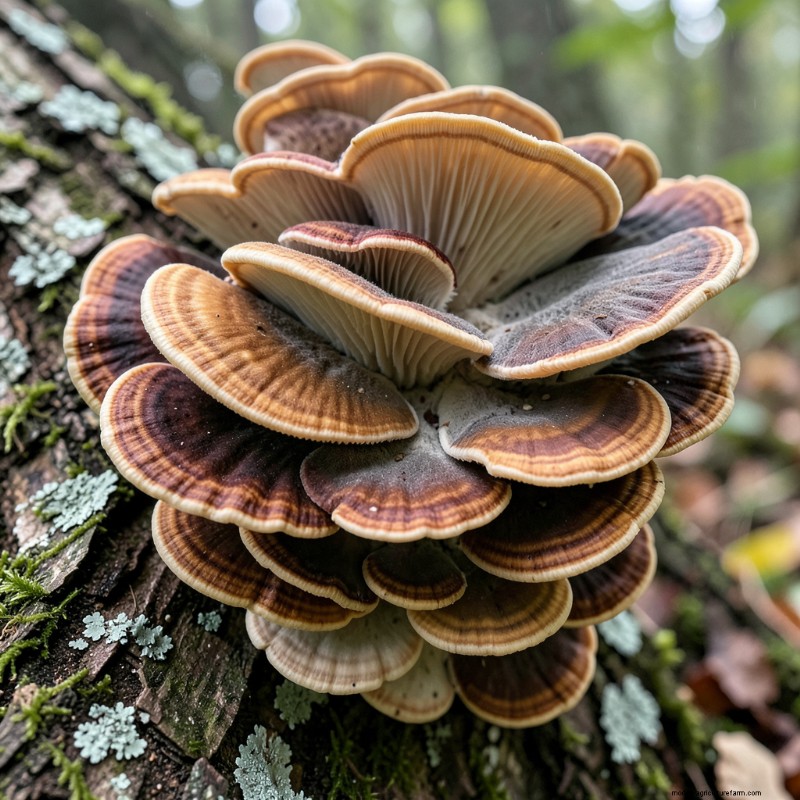
Turkey tail mushrooms, known for their colorful bands and fan-shaped appearance, are a fascinating sight on decaying wood. Their unique structure makes them easily recognizable, yet their variability can lead to confusion with other species. These mushrooms can display a range of colors from browns to vibrant greens.
Primarily found on dead or dying trees, turkey tails play a crucial role in the ecosystem by helping to decompose wood. They are not only visually striking but also beneficial for health, as they are rich in antioxidants and have been used in traditional medicine. Identifying them correctly can enhance your foraging adventures.
For anyone interested in mycology or simply exploring the outdoors, recognizing turkey tail mushrooms can deepen your appreciation for nature’s diversity. They are an excellent addition to your foraging knowledge! 🔥
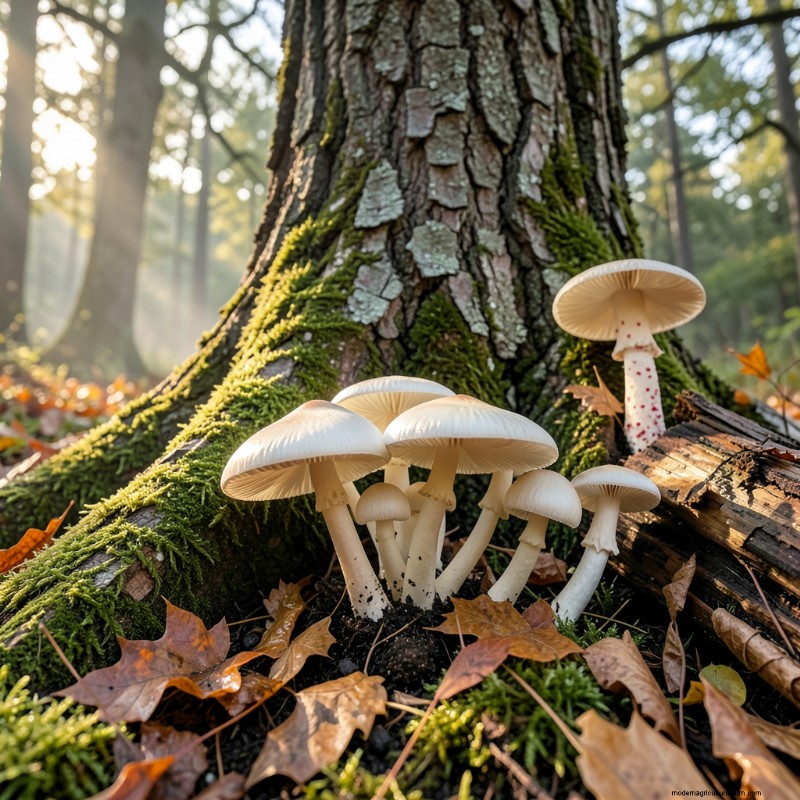
Button mushrooms, often spotted in wooded areas, can surprisingly grow on trees, making them a unique find for foragers. However, their resemblance to toxic species, such as the deadly Amanita, requires careful identification. Look for their round white caps and short stems, which can blend into their surroundings.
These mushrooms thrive in moist environments and often appear in clusters. When exploring, pay attention to their growth patterns, as they might be found on decaying wood or even living trees. For those interested in foraging, understanding these growth patterns is essential for safe and successful mushroom hunting.
Whether you’re a beginner or an experienced forager, learning to identify button mushrooms can enhance your appreciation of forest ecosystems and promote safe exploration. 🌟
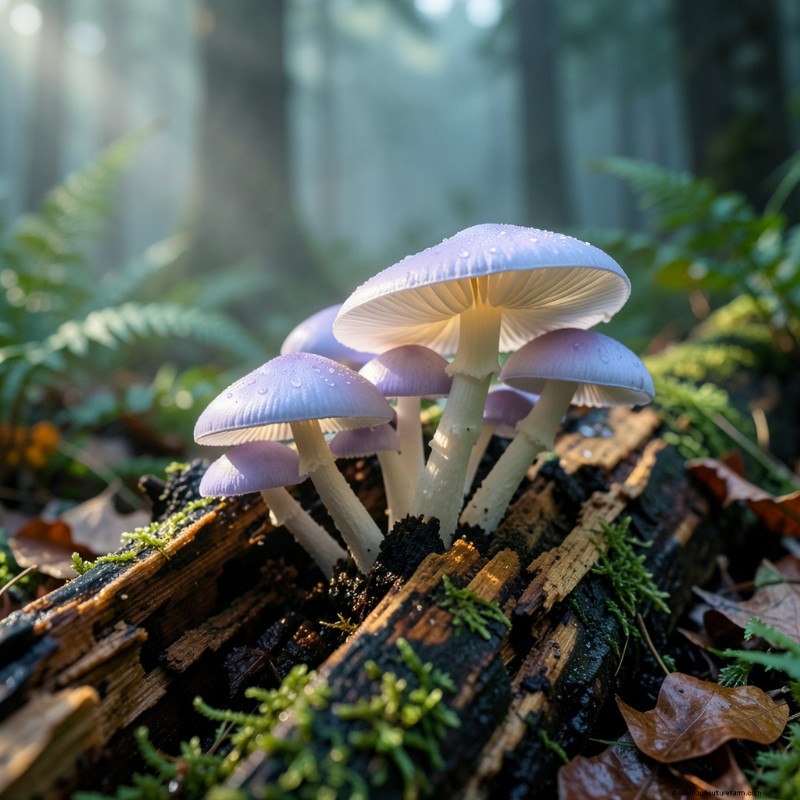
Identifying the wood blewits can be a rewarding experience, especially due to their unique pale lavender color that may appear almost white. These mushrooms primarily thrive on decaying wood, often found in damp forest environments, making them a fascinating find for foragers.
To recognize them, look for their distinct caps, which can blend seamlessly into the surrounding soil and foliage. They typically grow in clusters, adding to their subtle charm. The wood blewit’s flavor is mild yet delightful, making it a great addition to various dishes.
This mushroom is perfect for adventurous foragers eager to expand their knowledge of edible fungi. Understanding its identification criteria can help you appreciate the diversity of nature while ensuring a safe and enjoyable foraging experience. 🌟
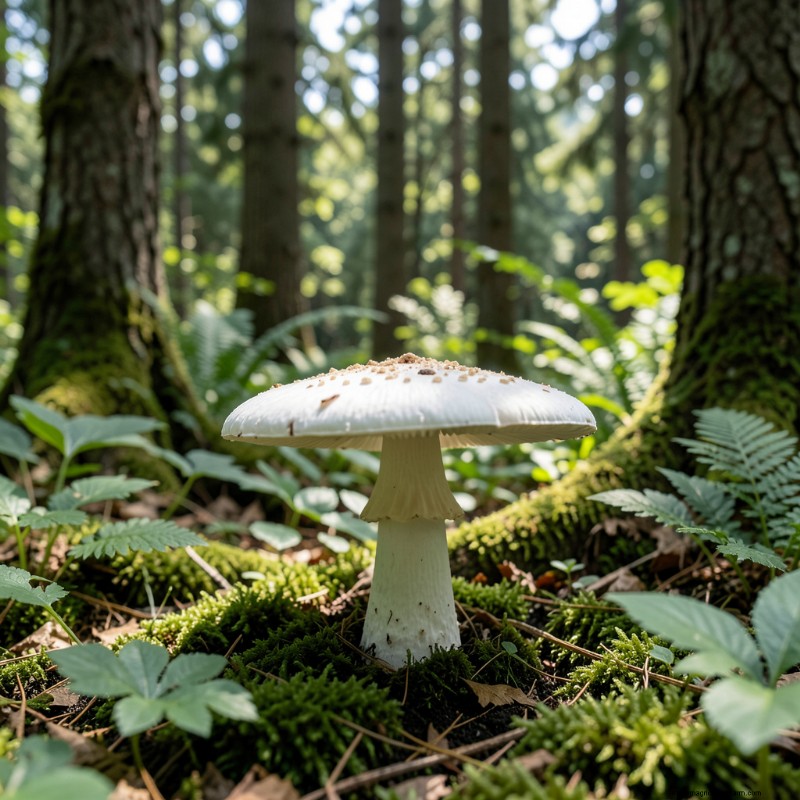
When exploring the woods, the maitake mushroom, also known as hen of the woods, is a delightful find. These mushrooms typically grow at the base of oak trees and are easily recognized by their frilly white to gray caps that can reach impressive sizes.
Not only are maitake mushrooms visually stunning, but they are also deliciously edible. Their unique texture and flavor make them a favorite among chefs and home cooks alike. Foraging for these mushrooms can be a rewarding experience, especially when you know where to look!
If you’re new to mushroom foraging, maitake mushrooms are a great choice due to their distinct appearance and habitat. Just
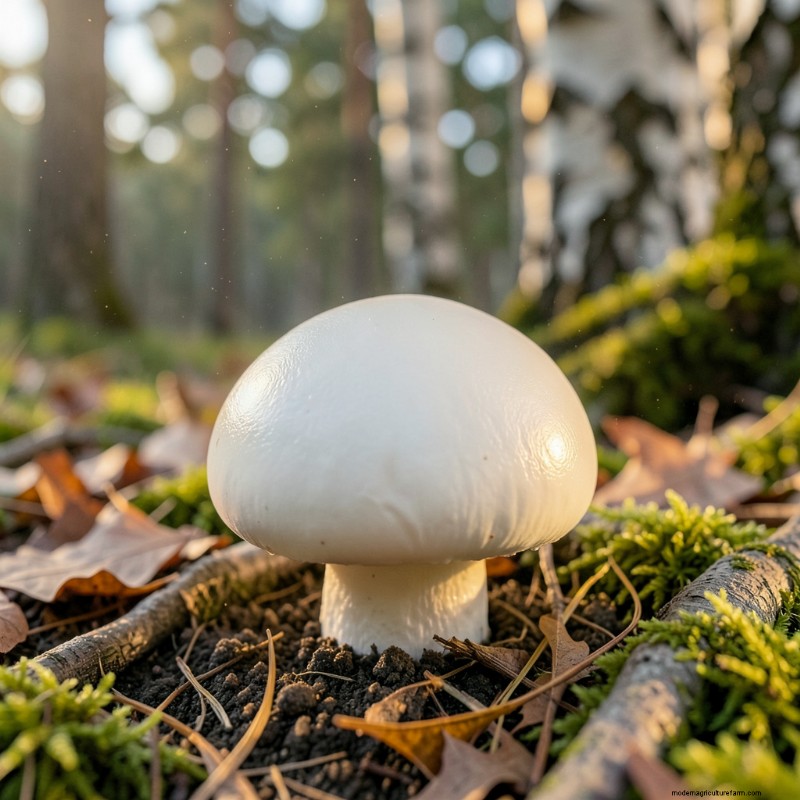
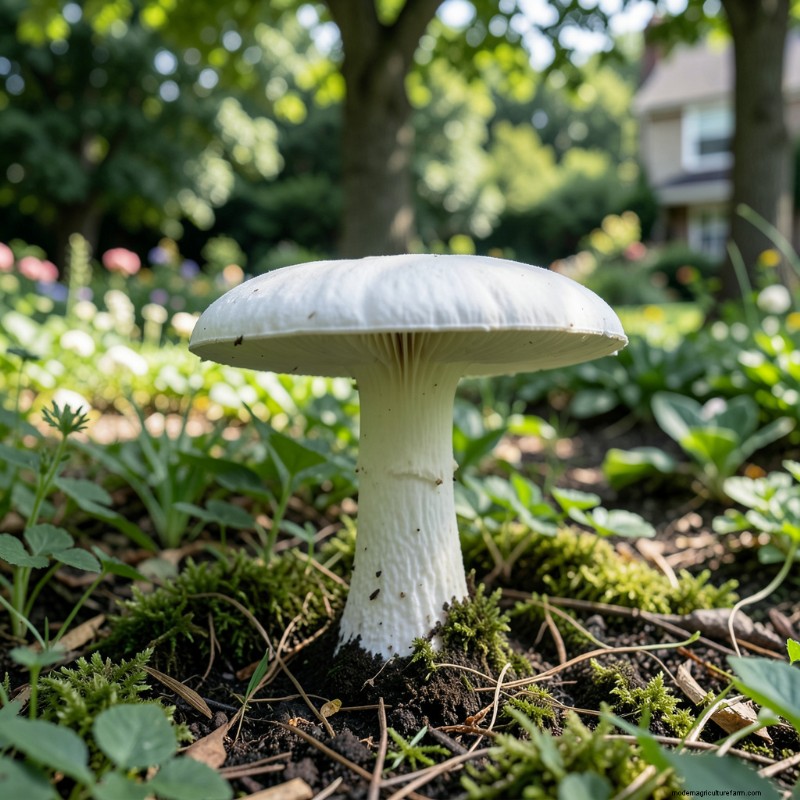
Puffball mushrooms are fascinating fungi that stand out due to their distinctive round white shape. Typically found growing on the ground near trees, these mushrooms can be easily spotted in your local forest or backyard. When identifying puffballs, look for their smooth, white exterior and ensure they are firm and intact, as some varieties are edible when young.
Be cautious, though, as older puffballs may begin to release spores, turning them a brownish hue. These mushrooms are perfect for foragers and nature enthusiasts eager to expand their knowledge of edible fungi. Always consult a reliable guide before consuming any wild mushrooms to ensure safety.
Whether you’re a seasoned forager or just starting out, identifying puffball mushrooms can add excitement to your outdoor adventures! 🔥
1
To safely identify wild mushrooms, always refer to a reliable guidebook or app and consult with experienced foragers. Look for distinct characteristics such as cap shape, color, and habitat. Avoid consuming any mushroom unless you are 100% sure of its identity. 🌟
2
No, not all white mushrooms on trees are safe to eat. Some can be toxic or even deadly. Always research specific species and consider their growth patterns before foraging. It’s best to err on the side of caution! 🔍
3
If you suspect mushroom poisoning, seek immediate medical attention. Bring a sample of the mushroom consumed to help with identification. Quick action can be crucial in such situations. 🚑
4
The best time to forage for mushrooms is typically during moist conditions in spring and fall when temperatures are mild. Early mornings after rain are ideal for spotting fresh growth. Happy hunting! 🌧️