Welcome to Modern Agriculture!

Evergreen Seeds your trusted ally in your gardening journey. We offer solutions to common problems, advice on designing beautiful gardens, and insights into plant care. We love gardening and we want to share this love with you. Join our dynamic garden community.
Latest posts by Evergreen Seeds (see all)
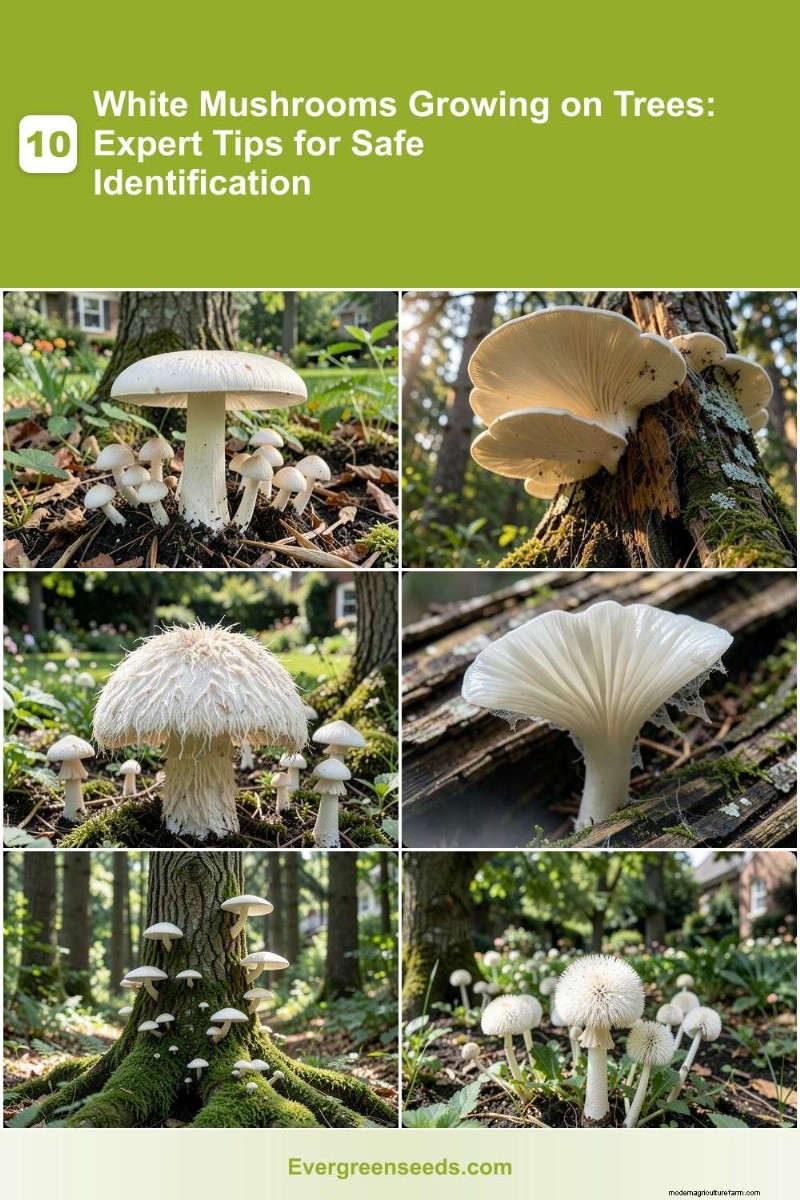
Identifying white mushrooms growing on trees can be both fascinating and essential for foragers. This guide offers ten distinct varieties, complete with tips for safe identification and unique characteristics to look for.
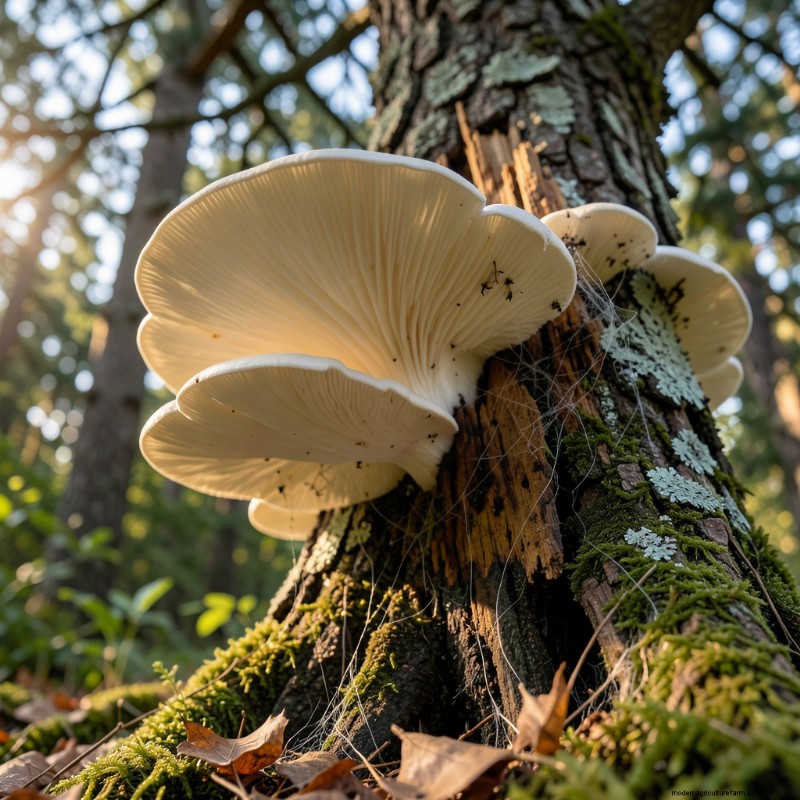
The oyster mushroom is a popular choice for both foragers and chefs, thriving on decaying hardwood. This versatile mushroom features a fan-shaped cap that ranges from white to pale gray, making it visually striking against the dark bark of fallen logs.
Known for its delicate flavor and firm texture, the oyster mushroom is not only delicious but also easy to identify, as it often grows in clusters. When foraging, look for their distinctive gills and the way they seem to “hug” the wood. This makes them a rewarding find for anyone exploring the forest!
Whether you’re an experienced forager or just starting out, the oyster mushroom can enhance your culinary adventures. Plus, its role in breaking down wood contributes positively to forest health. 🌟
The white polypore mushroom is a fascinating find in the world of fungi, easily recognized by its unique shelf-like structure. Often growing on the sides of trees, this mushroom plays a crucial role in the ecosystem by helping to decompose wood, enriching the soil as it breaks down organic matter.
Its flat shape allows it to blend seamlessly with its surroundings, often appearing in clusters. As a gardener or nature enthusiast, spotting this mushroom can indicate healthy forest dynamics, as it thrives in environments where decaying wood is present. Observing these mushrooms can enhance your appreciation for the natural processes at work in your garden or local park.
While not typically consumed, understanding the role of white polypore mushrooms can deepen your connection to the environment. They serve as a reminder of nature’s intricate balance and the importance of decomposition in maintaining healthy ecosystems. 🌟
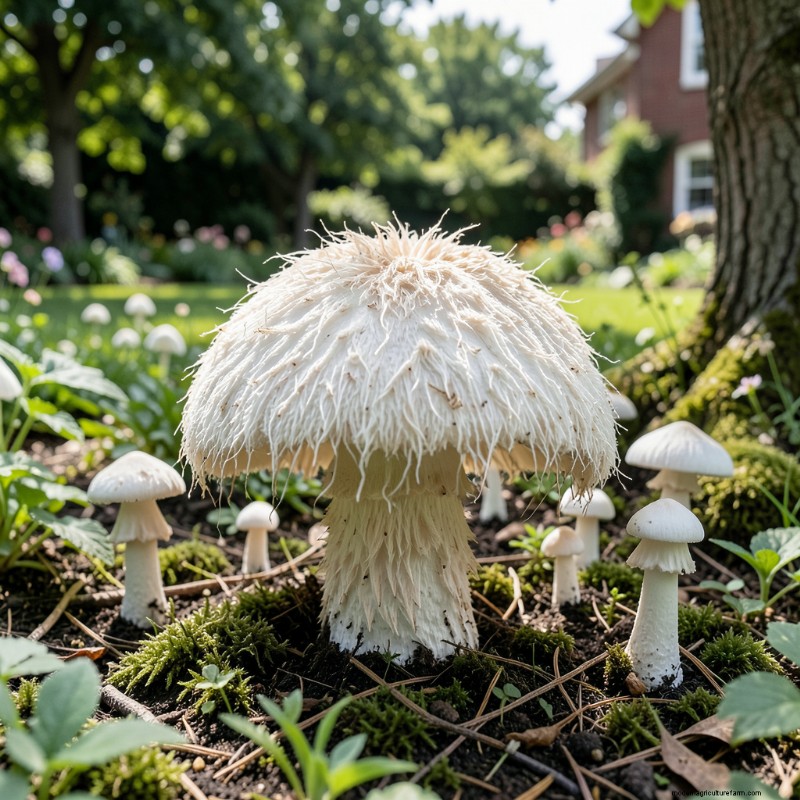
The Shaggy Mane Mushroom, with its eye-catching shaggy appearance, is a unique find in the wild. Often mistaken for other mushrooms, it’s essential to recognize its distinct features—namely, the white caps that transition to black as they mature.
These mushrooms thrive in grassy areas and are typically found in clusters. Their delicate texture and mild flavor make them a culinary delight, but proper identification is crucial to avoid confusion with toxic species. Foragers should look for the unmistakable shaggy edges that set this mushroom apart.
Knowing how to identify the Shaggy Mane is vital for both safety and enjoyment in foraging. If you’re eager to explore the world of wild mushrooms, this unique species is an exciting addition to your adventures! 💫
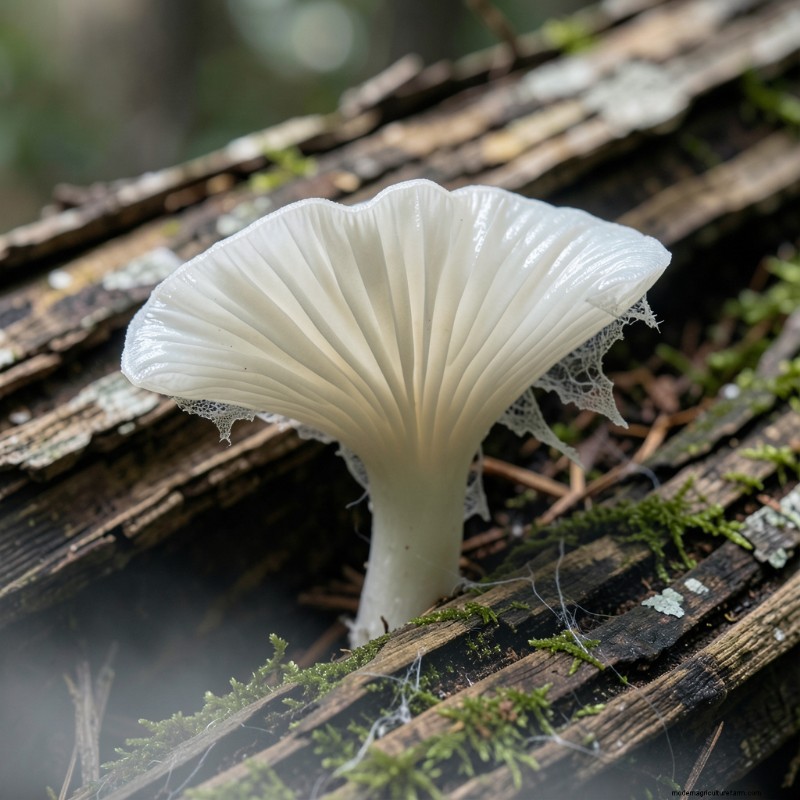
The angel wings mushroom is a striking fungus often found on decaying wood, showcasing a delicate, almost ethereal appearance. However, its beauty can be deceiving; this mushroom is toxic if misidentified, making careful identification crucial for foragers.
Typically characterized by its white, fan-shaped caps, the angel wings mushroom thrives in damp environments and can often be spotted on rotting logs or stumps. Its gills are also unique, running down the stem, which can help differentiate it from other similar-looking mushrooms.
For those interested in mycology or foraging, understanding the angel wings mushroom’s habitat and appearance is essential to avoid potential poisoning. Always consult a reliable guide or expert when identifying wild mushrooms! 🔥
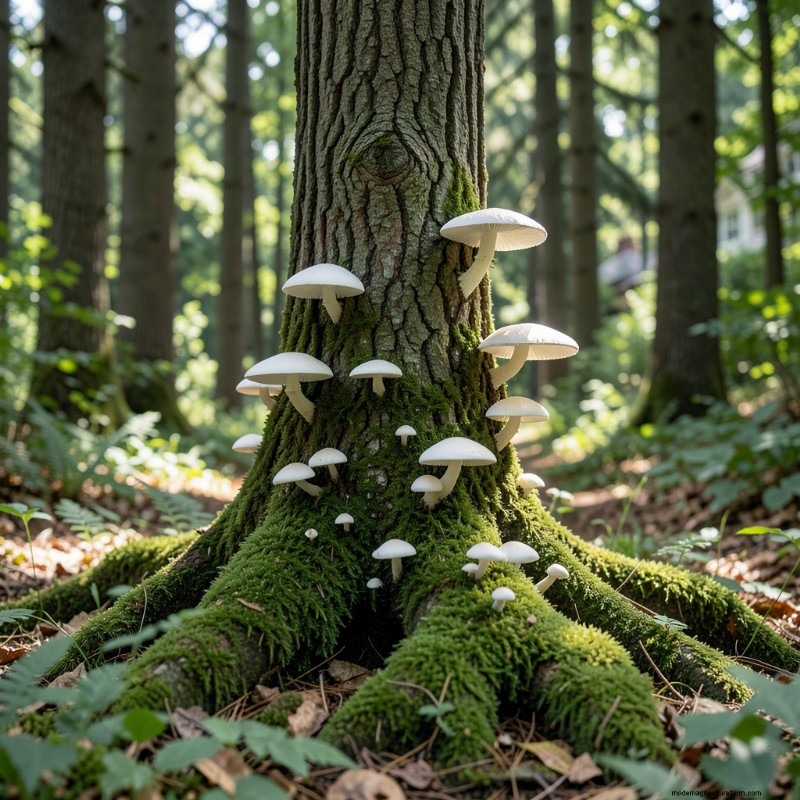
If you’re exploring forested areas, keep an eye out for the delightful enoki mushroom, which typically grows in clusters on decaying wood. These mushrooms have long, thin stems topped with small, delicate caps, offering a unique crunchy texture that enhances various dishes.
Often used in Asian cuisine, enoki mushrooms are not just visually appealing but also add a mild flavor to soups and stir-fries. They thrive in cool, damp conditions, making them a popular find during the fall and spring months. For home cooks and foragers alike, recognizing these little beauties can add an exciting twist to your culinary adventures.
So, whether you’re a seasoned forager or simply looking to elevate your meals, the enoki mushroom is a fantastic choice to seek out in your next outdoor excursion. 💫
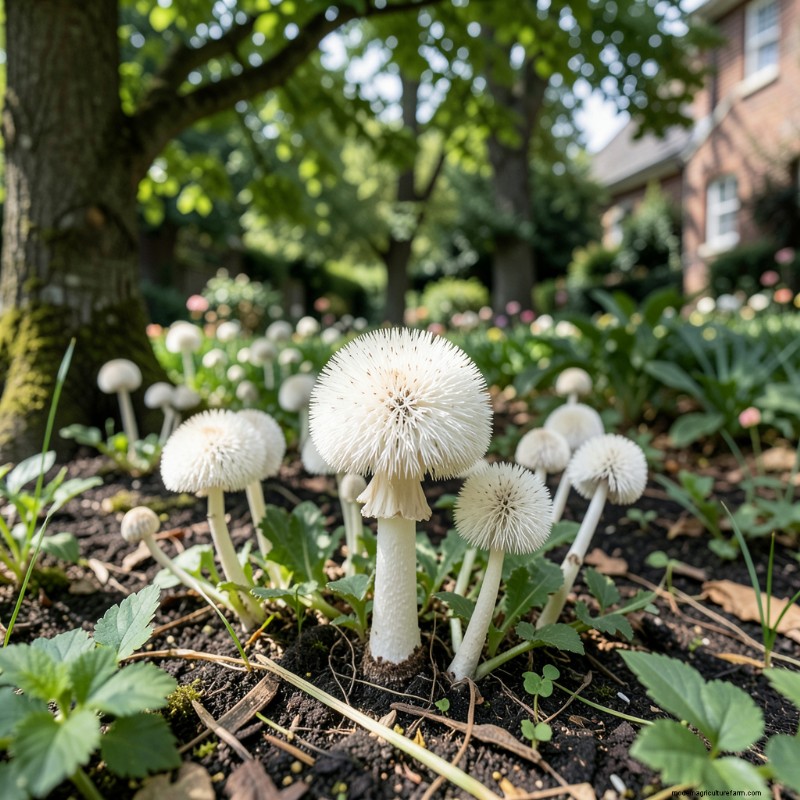
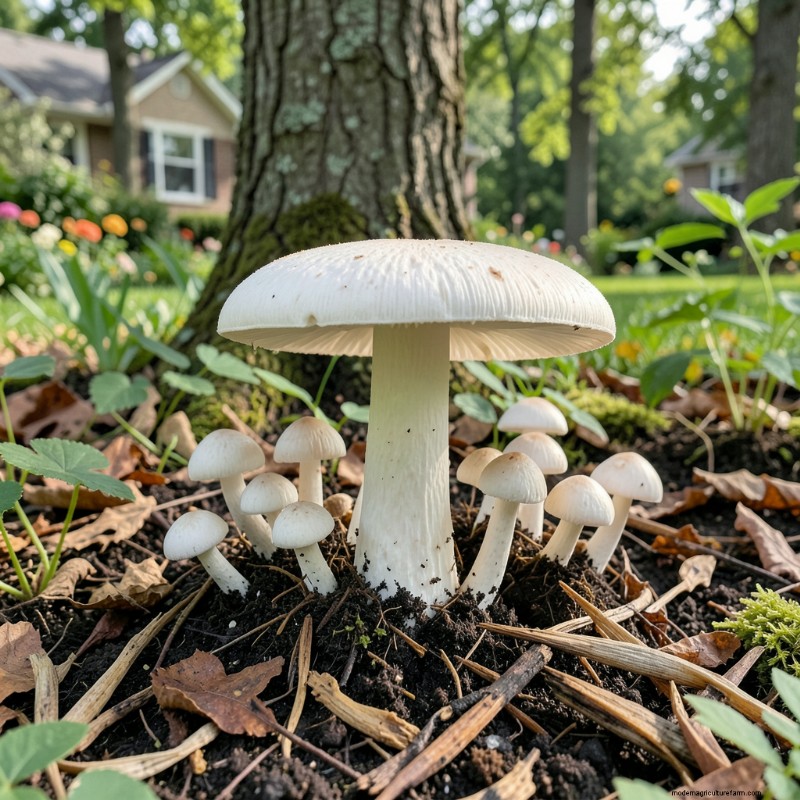
The white puffball mushroom is a unique find in the forest, thanks to its distinctively round and smooth shape. Often mistaken for other mushrooms, it stands out with its white exterior, making it a favorite among foragers seeking safe edible options.
When young, puffballs are generally safe to eat, providing a mild flavor that complements various dishes. However, it’s crucial to identify them correctly, as some look-alikes can be toxic. Always ensure they are firm and white inside before cooking!
This mushroom is perfect for those new to foraging or anyone looking to explore diverse culinary experiences. With proper identification, you can enjoy the thrill of discovering these delightful fungi in your local woods. 🔥
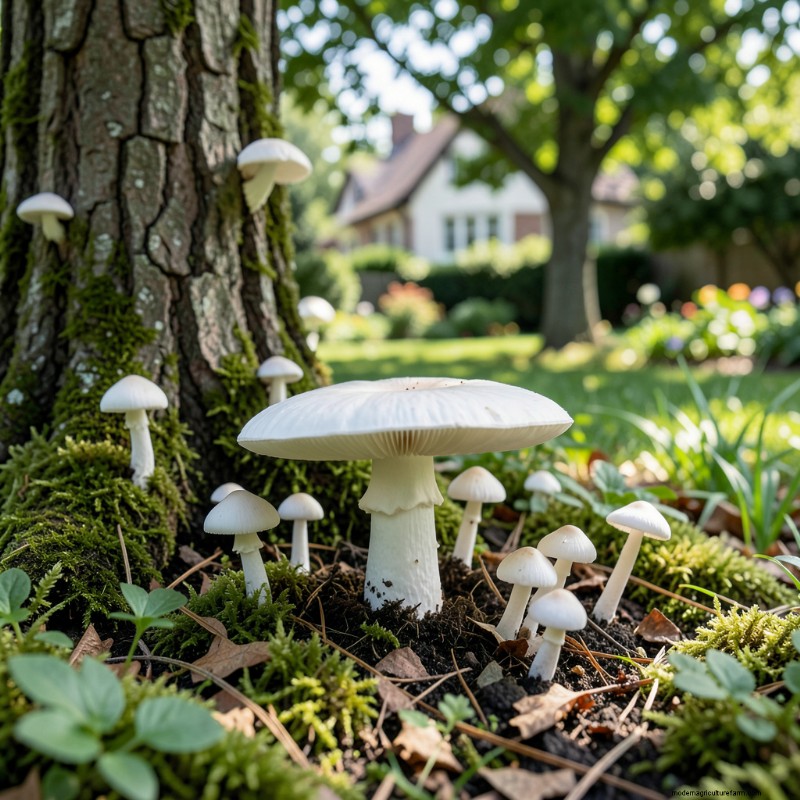
The Common Mycena Mushroom is a fascinating yet delicate species often found growing on decaying wood. These tiny mushrooms play a crucial role in the ecosystem by breaking down organic material, aiding in nutrient recycling, even though they are considered toxic to humans.
With their slender white stems and small caps, these mushrooms may be overlooked, but they are vital for maintaining forest health. As they thrive in damp environments, spotting them can indicate a rich, biodiverse ecosystem. They typically cluster together, making them easier to identify in their natural habitat.
For nature enthusiasts and those interested in fungal ecology, understanding the Common Mycena is essential. Their presence is a reminder of the intricate connections within our ecosystems. 🌟
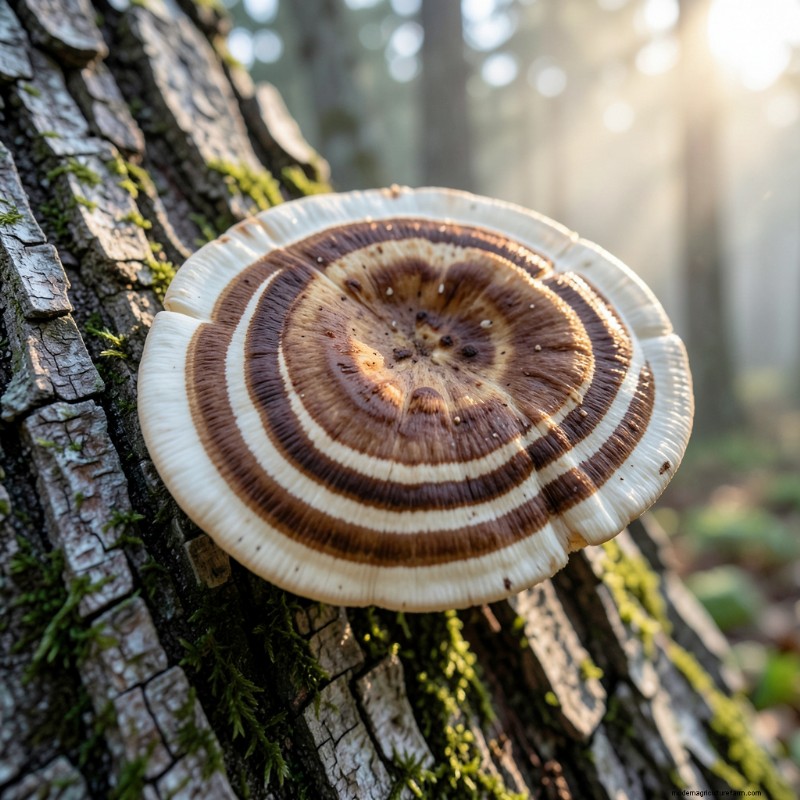
The Coriolus versicolor, commonly known as turkey tail, is a visually striking mushroom that can often appear white during certain growth stages. This colorful fungus grows on trees, forming concentric rings of white and brown that make it easily identifiable in the wild.
Beyond its aesthetic appeal, turkey tail is celebrated in traditional medicine for its potential health benefits, particularly in boosting the immune system. Many herbalists utilize its properties, making it a popular choice among natural health enthusiasts. If you’re interested in foraging, knowing how to recognize this mushroom can lead to exciting discoveries!
Whether you’re a seasoned forager or simply curious about the fungi in your backyard, understanding the unique characteristics of turkey tail can enhance your appreciation of nature’s bounty. 🔥
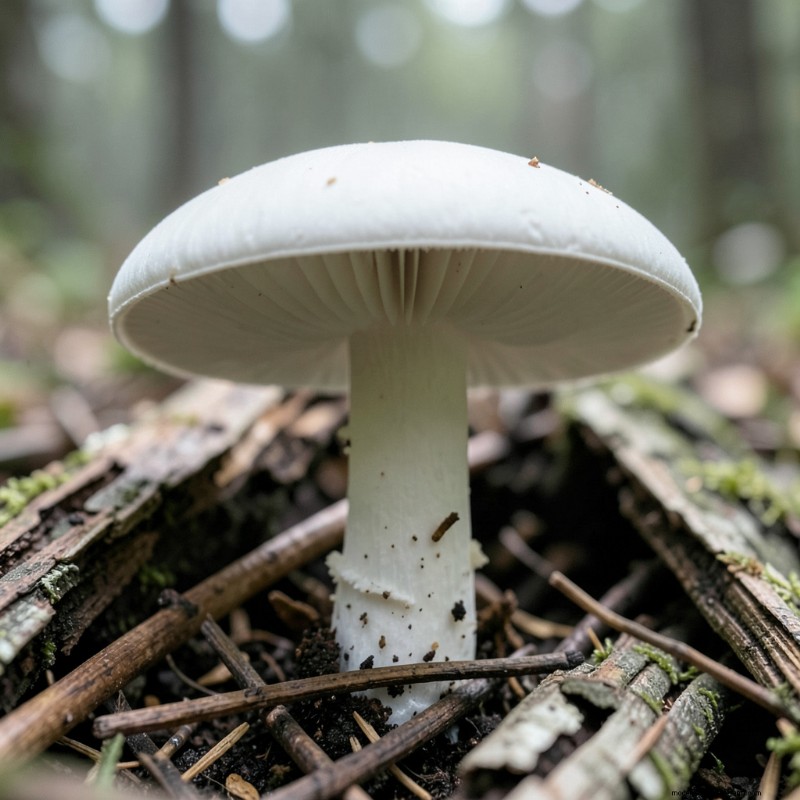
The White Cap Stropharia Mushroom stands out with its striking white cap and gills, often found on decaying wood or woody debris. This lesser-known mushroom is commonly overlooked by foragers who might not recognize its potential as a unique find in the wild.
While it may not be as popular as other varieties, the White Cap Stropharia plays an essential role in the ecosystem by helping to decompose organic material. Its presence can indicate a healthy forest environment, making it significant for both foragers and nature enthusiasts alike.
If you’re venturing into the woods, keep an eye out for this distinctive mushroom! Understanding its characteristics can enhance your foraging experience and deepen your appreciation for the diverse fungal world. 💡
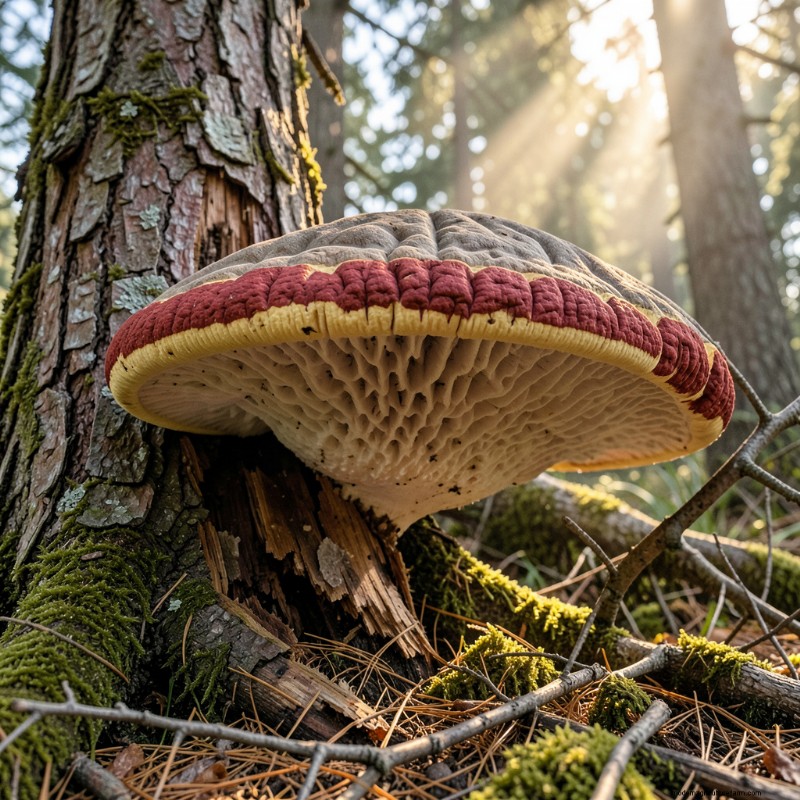
Fomitopsis pinicola, commonly known as the red-belted conk, is a striking bracket fungus found primarily on conifer trees. This unique species plays a vital role in forest ecology by breaking down dead wood, contributing to nutrient cycling within the ecosystem. However, caution is advised, as parts of this fungus can be toxic if ingested.
Identifying Fomitopsis pinicola is essential for foragers and nature enthusiasts alike. It features a distinctive layered structure with white edges that contrasts beautifully against the dark bark of conifers. Observing its growth helps you understand the health of your local forest environment.
While it’s crucial for maintaining ecological balance, ensure you educate yourself about its potential toxicity before considering any interaction. This mushroom is best appreciated in its natural setting. 💚
1
Common traits include a smooth, white cap and gills underneath. Some may have a distinct shape or size, such as being round or flat. Always observe their habitat and growth patterns as well! 🌟
2
Always use multiple identification resources, including field guides or apps. Focus on features like gill structure, cap texture, and habitat. If unsure, it’s best to avoid consumption. ✅
3
Yes, mushrooms typically thrive during damp, cool seasons, especially in spring and fall. Conditions like recent rain can enhance your chances of finding them. 🌧️
4
A good field guide is essential, along with a magnifying glass for examining details. A notebook for observations can also help track your findings over time. 📚