Welcome to Modern Agriculture!

Organic dairy farming has seen considerable growth in recent years, creating a specialized market. As consumers become more concerned about food quality and the environmental effects of agriculture, the demand for organic dairy products continues to rise.
The market growth varies by region, but overall, organic dairy has become a notable segment within the dairy industry.
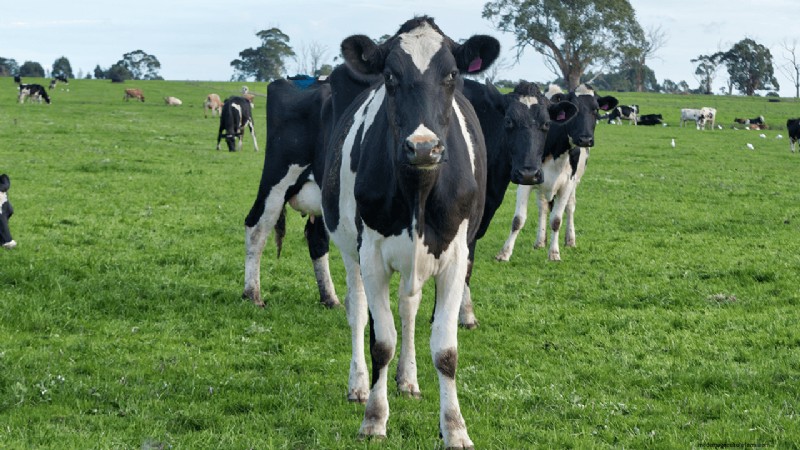
Here are some specifics about organic dairy farming:
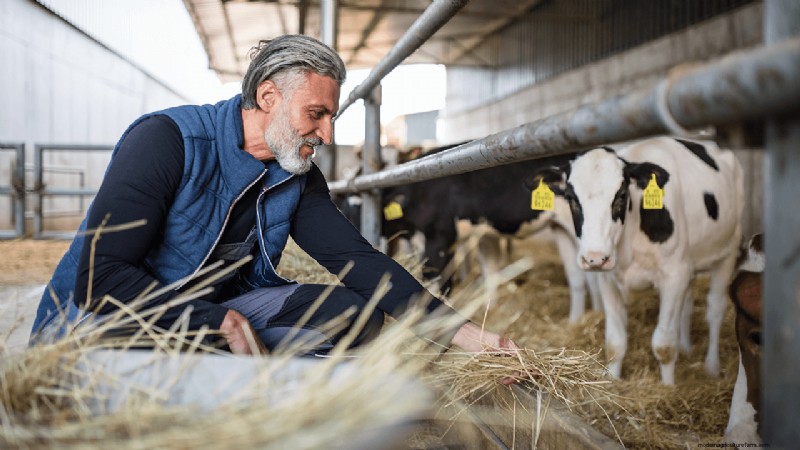
Organic dairy farmers must follow these core principles:
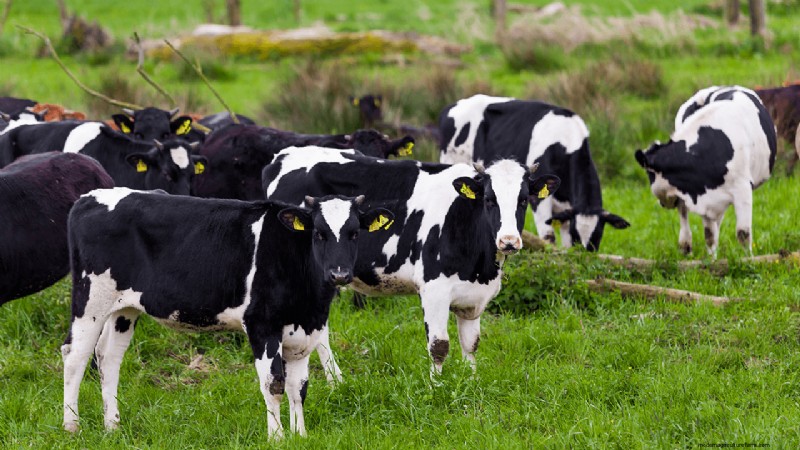
Organic dairy farming reduces environmental impacts by the use of synthetic chemicals to help protect soil and water quality. Organic farming practices often promote biodiversity and reduce greenhouse gas emissions.
Organic dairy products are typically free from residues of synthetic chemicals and antibiotics, which can be a healthier option for consumers.
Organic dairy farming can provide economic benefits to farmers through premium prices for organic products and potential cost savings due to reduced chemical inputs.
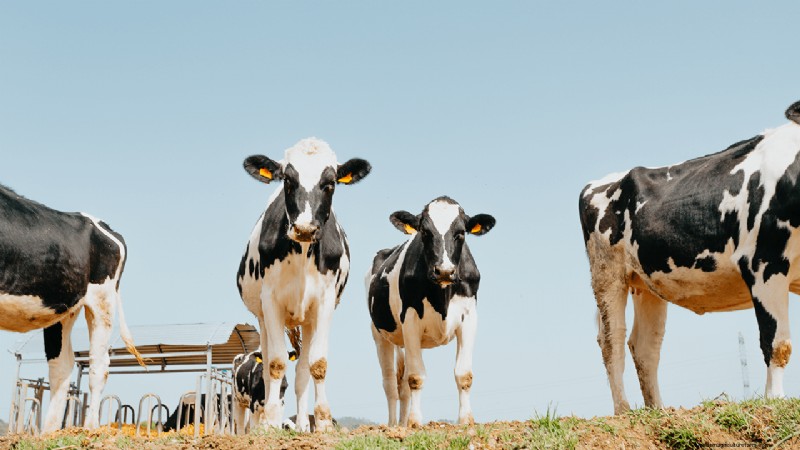
Next, we’ll take you through the steps to starting your own organic dairy farm, including information on getting certified, the basics of production, and marketing.
Organic dairy farming in the United States is regulated by the National Organic Program or NOP. To become certified as organic dairies, farmers must adhere to strict standards and undergo an annual inspection by a USDA-accredited certifying agency.
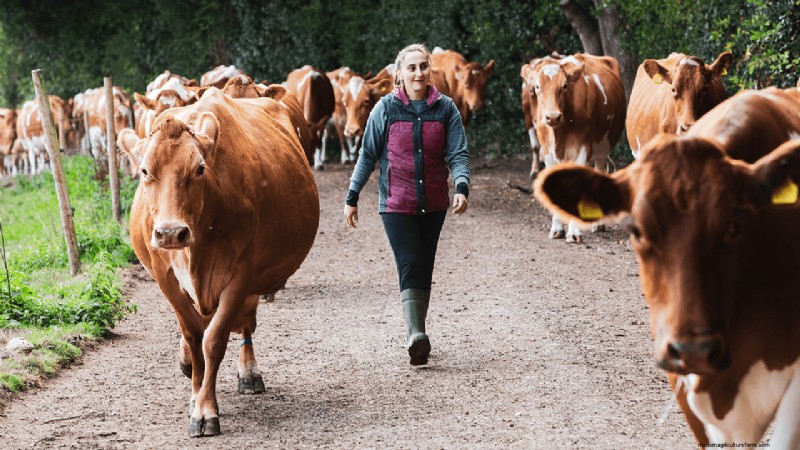
Establishing an organic dairy farm typically involves higher initial investments compared to conventional farming due to the cost of transitioning to organic practices, organic feed, and potentially larger grazing areas.
Seek land that is capable of supporting dairy farming while also being appropriate for organic practices. Take into account factors such as soil health, water availability, climate, and closeness to markets. Build infrastructure, including barns, milking parlors, and waste management systems. Make certain that these facilities adhere to organic standards and prioritize animal welfare.
Select a dairy cattle breed that is well-suited to your climate and farming approach. Take into account factors such as milk yield, feed efficiency, and the breed’s adaptability to organic practices. Establish a herd health management plan that complies with organic standards, emphasizing preventive care, natural feed, and humane living conditions.
Familiarize yourself with the specific requirements for organic certification, which may vary depending on your location and the certifying agency. Apply for certification through an accredited agency. This process usually includes a comprehensive inspection of your farm, records, and practices to ensure compliance with organic standards.
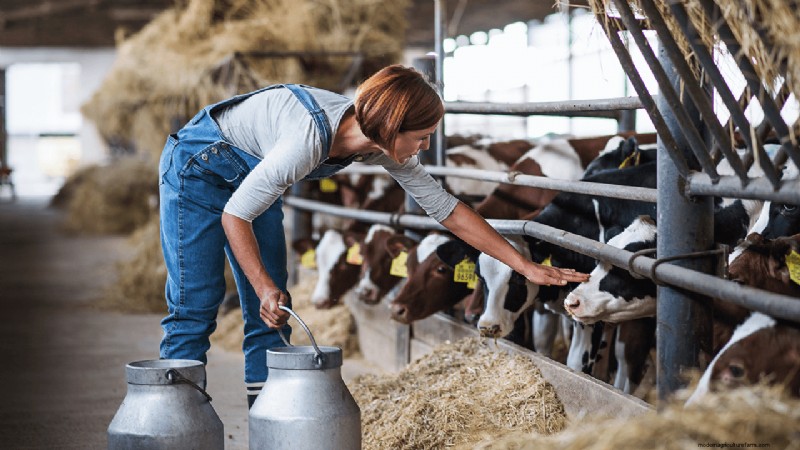
Adopt organic methods for soil enhancement and feed crop cultivation, such as crop rotation, composting, and natural pest control. Incorporate sustainable practices like water conservation, renewable energy sources, and waste reduction to minimize environmental impact.
Develop a plan to effectively market your organic dairy products. This should encompass branding, packaging, pricing, and selecting sales channels such as local markets, retail stores, or direct-to-consumer options. Build strong relationships with customers, retailers, and other stakeholders. Transparency regarding your farming practices can foster trust and loyalty among consumers.
Regularly assess the performance of your farm and make adjustments as necessary. This includes monitoring animal health, product quality, and financial performance. Stay updated on industry trends, technological advancements, and regulatory changes. Being adaptable and willing to innovate can help ensure the long-term success of your organic dairy farm.
Sustainable feed and grazing management are key elements of organic dairy farming.
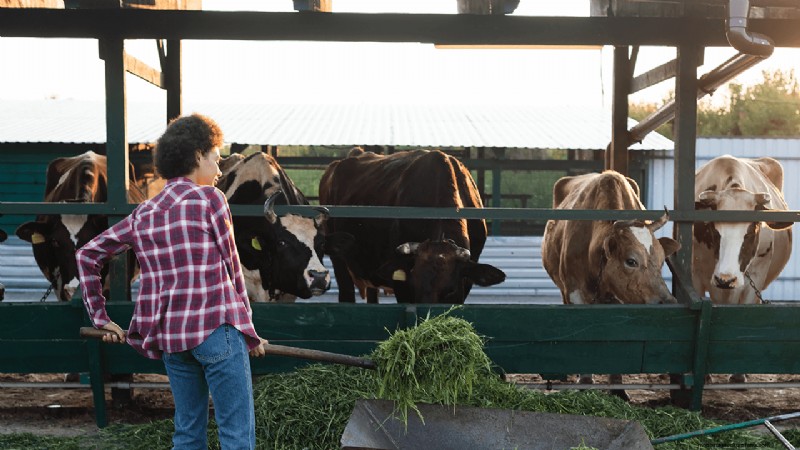
Organic dairy cows must have access to pasture during the grazing season, which means maintaining suitable pasture areas.
Providing comfortable and clean housing for dairy animals is essential for their well-being.
Regular veterinary care is essential for preventing health issues and ensuring prompt treatment when illnesses arise.
Organic farmers use holistic approaches like herbal remedies and homeopathy when appropriate, as synthetic drugs are limited for dairy animals.
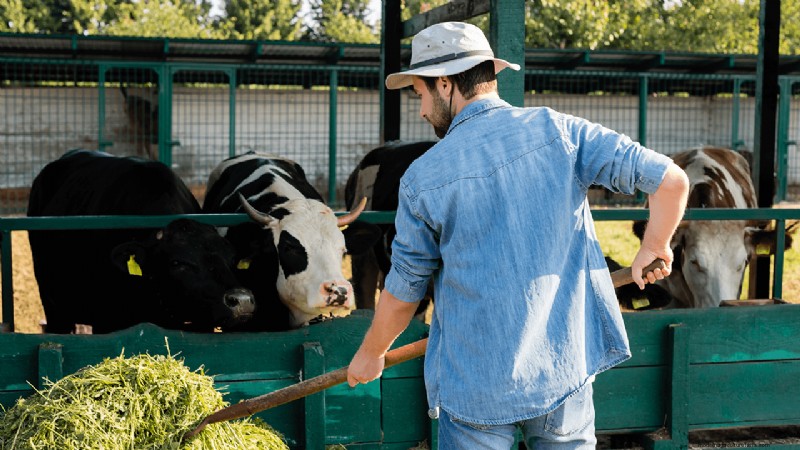
Organic milk is often perceived as a healthier option due to the absence of synthetic pesticides, antibiotics, and hormones.
Some studies indicate that organic milk may contain slightly higher amounts of beneficial nutrients, including omega-3 fatty acids and antioxidants.
Consumers appreciate the assurance that organic dairy products come from cows with access to pasture and better living conditions.
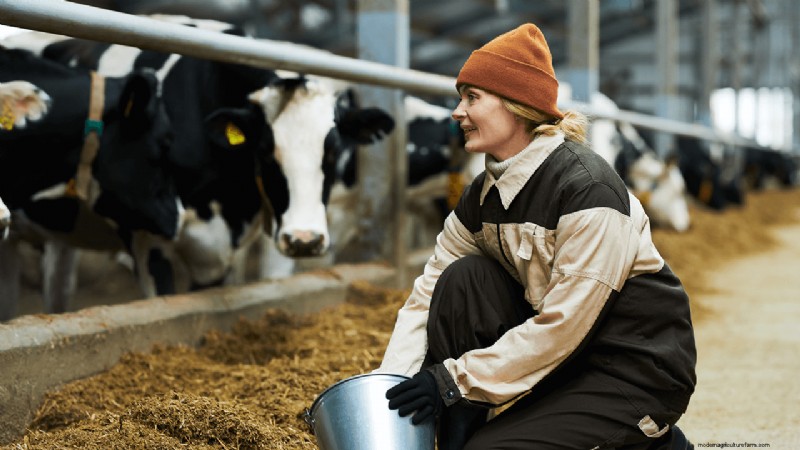
Be sure to highlight the organic certification prominently on product packaging and in marketing materials:
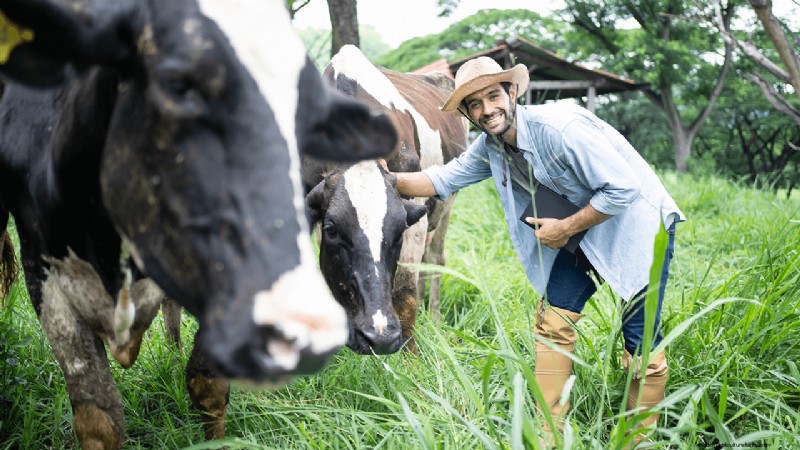
There are two main challenges faced by organic dairy farmers.
Certification Maintenance: Organic farmers must consistently meet stringent organic standards to maintain certification. This can be challenging due to changing regulations and the need for meticulous record-keeping.
Market Competition: While the organic dairy production market is growing, it is also competitive. Organic dairy farmers may face challenges in pricing and distribution, especially when competing with larger conventional dairy operations.
The organic dairy industry may see continued regulatory changes to address evolving consumer and environmental concerns.
Advancements in technology, such as precision farming and data analytics, may help organic dairy farms become more efficient and sustainable.
The trend towards organic production and sustainably produced dairy products is expected to persist, potentially driving further growth in the market.
https://youtube.com/watch?v=o_aEEIP6X44%3Fsi%3DYEEUqY_xSioyHPmt
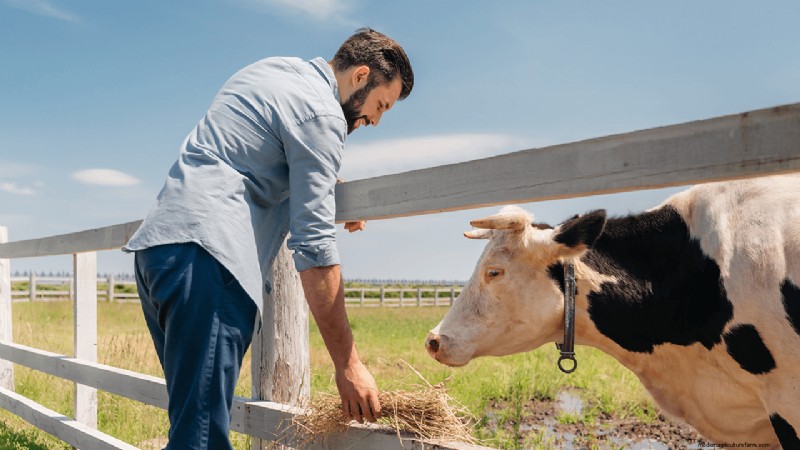
The profitability of an organic dairy farm, including production costs per unit, can vary widely depending on factors such as location, scale of operation, management practices, and market conditions. Here are some general considerations:
It’s essential for organic dairy farmers to conduct detailed financial planning and budgeting specific to their farm’s circumstances. Consulting with agricultural extension services or agricultural economists in your region can provide more up-to-date and location-specific information on production costs and profitability for organic dairy farming.
Image: Envato Elements
More in: Farming Business, How to Start