
Welcome to Modern Agriculture!

Roasted chicken, mashed potatoes, a loaf of bread…there are few things that aren’t improved by a generous helping of garlic.
Unsurprisingly, garlic is in high demand and makes an excellent cash crop. If you’d like to learn how to make money growing garlic yourself, keep reading!
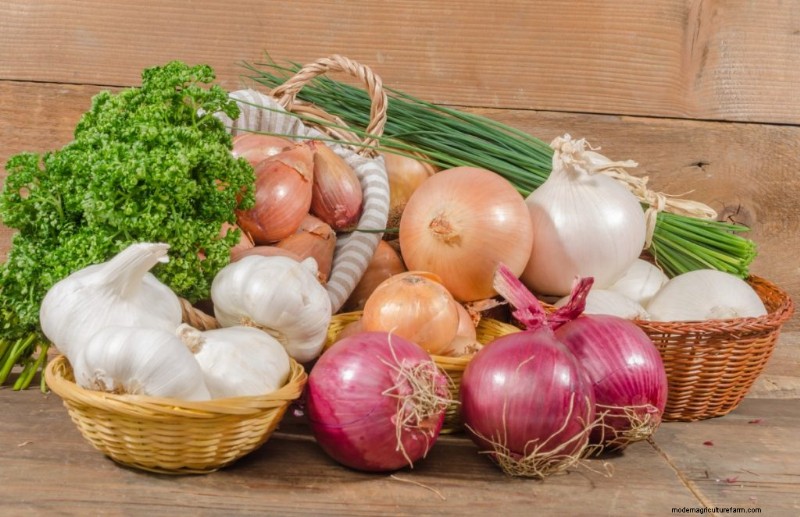
Let’s start with the basics. Garlic (also known as Allium sativum, if you want to sound like you’re in “Harry Potter”) is technically a vegetable.
It’s in the same family as some of your other flavorful favorites, like onions, chives and shallots.
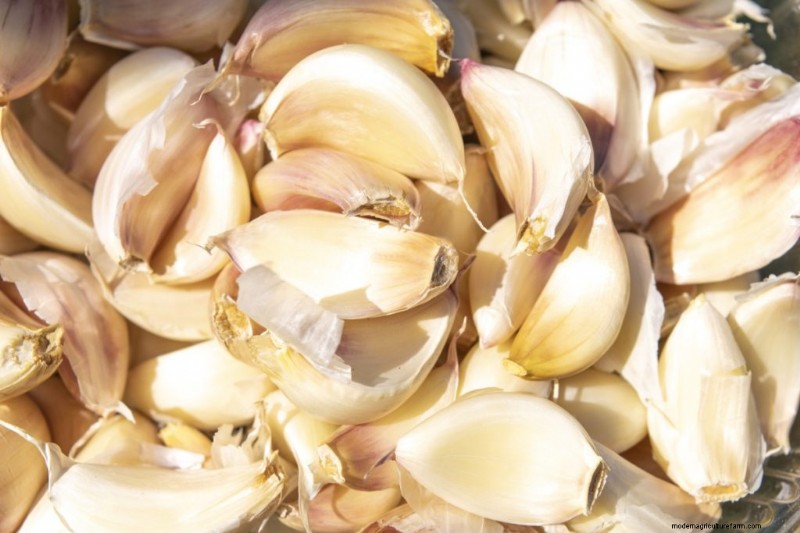
When you eat garlic, chances are you’re eating the bulb of the garlic plant—the bulb-shaped, underground bud.
Like other plants, garlic also has a stem, leaves and even flowers! Though these are technically edible, you rarely see them in meals.
(If you want to try cooking with garlic stems, Google “garlic scapes recipes.”)
Both raw and cooked garlic have impressive health benefits, including reduced cholesterol and blood pressure, better immune function, and treatment of respiratory infections.
Yes, growing garlic can absolutely be profitable! In just the United States, 300 million tons of garlic are consumed every year—so you know there’s a high demand!
Growing garlic is a time investment, however, as it takes several months to grow.
You’ll likely make the best profit if you sell a type of garlic that isn’t commonly found in the grocery store, like Amish white, Italian red or Cuban purple varieties, for example.
Good news for garlic growers: this vegetable yields some of the highest profits per acre of any cash crop.
So how much is an acre of garlic worth?
Some growers make up to 80,000 dollars (65,520 pounds) per acre of garlic every year. Garlic is also a very hearty crop, meaning your investment in growing it is likely to pay off.
Before you go out and purchase the supplies to start your own garlic business, it’s good to know the pros and cons of growing garlic.
You already know that garlic can be a lucrative crop. Here are a few more pros to consider.
We’ll be honest; it was hard for us to think of any cons to growing garlic for profit! Here are just a couple of things to keep in mind.
If it’s your first time growing garlic for profit, don’t worry. It’s not too challenging. Here’s how to get started:
Naturally, you’ll need to start your garlic-growing journey by deciding on the type of garlic you’d like to grow. Choose one that will thrive in your region and do well in your ideal market.
You will be sourcing and planting garlic cloves (rather than seeds). If you’re just planting garlic as a hobby, you can even use sprouted garlic that you already have at home.
Otherwise, visit an online seed store or a local nursery to find the type of garlic you’d like to grow.
Garlic grows best in areas where there isn’t too much high heat or excessive rainfall.
Once you’ve determined and sourced the garlic, identify the best time to plant it. Most types of garlic thrive when planted mid-autumn.
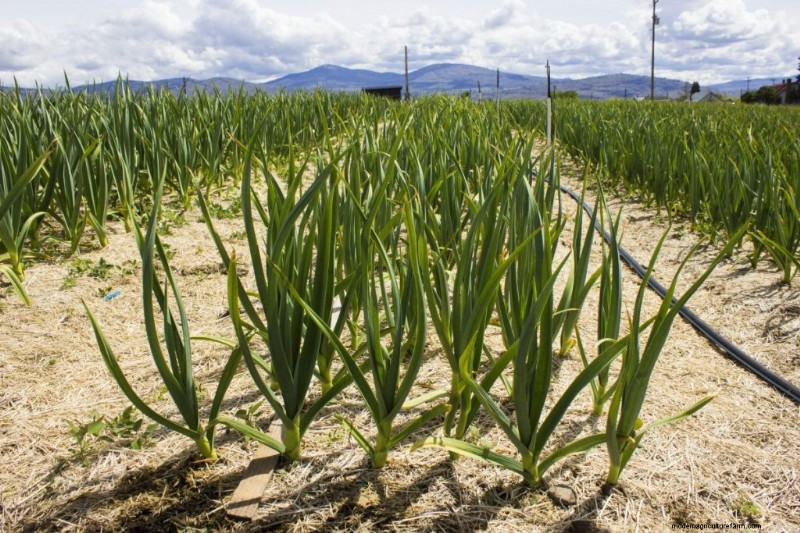
The best conditions for your garlic? Loamy soil and full sun. Make sure your soil has good drainage and the proper nutrients before you plant your garlic.
You may need to add compost and manure to your soil to prepare it, if it’s lacking nutrients.
You’ll want to plant your larger garlic cloves in order to get larger bulbs. Press each clove 2 inches (5cm) into your soil with the tip of the clove pointing up.
Plant each clove 8 inches (20cm) apart.
Once you’ve pressed the cloves into the soil, cover them with a mulch of your choosing. (This can include straw, hay or dry leaves, for example.)
Add compost or fertilizer on top of the mulch. (You’ll need to do this again in the spring.)
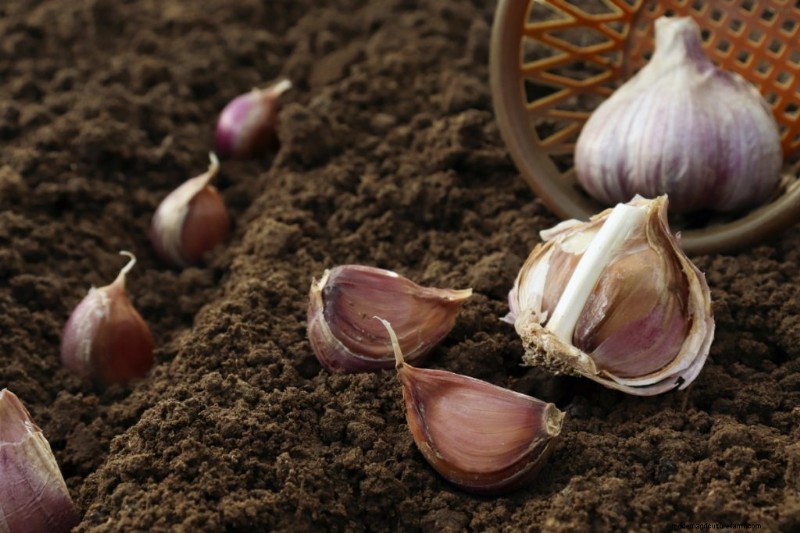
Garlic only requires a small amount of water to thrive (unless it’s very hot). Water your garlic once per week, and water even more sparingly in the summer. (Garlic likes hot, dry conditions.)
If you find that pests are bothering your garlic, you may need to use a pesticide or use landscaping fabric instead of mulch. (Some pests, like mice, like to make a nest in mulch.)
This is the exciting part! When you can feel the individual cloves in each garlic bulb, your garlic is ready to harvest.
If it’s the end of summer, that also typically means your garlic will be ready (if you planted it in the fall).
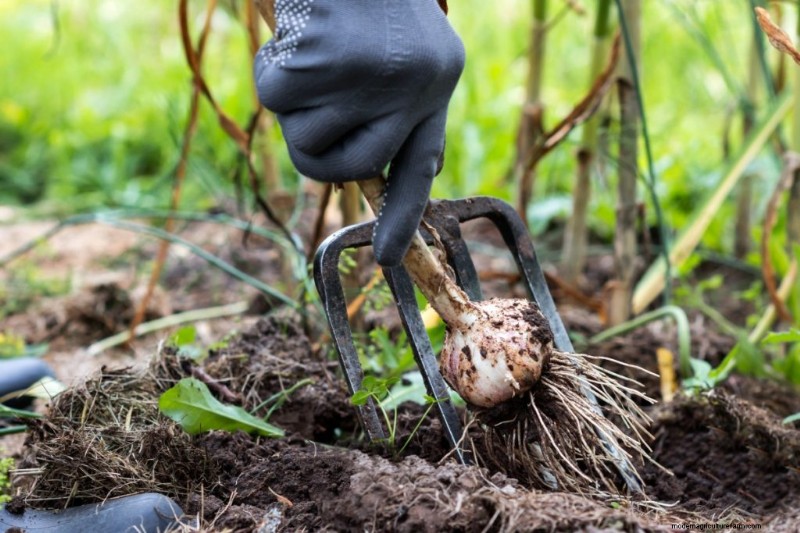
To harvest your garlic, use a shovel to loosen the soil around each bulb, then pull the bulb out of the ground.
Once you’ve harvested your garlic, refrain from washing it. Instead, you’ll need to hang up the garlic to cure for two weeks.
Store your garlic in a dry, cool place.
Here are some issues you may come across in your garlic growing journey.
Discover some of the other most profitable crops you can grow.
We’ll be honest. A lot of selling any crop comes down to trial and error and learning about your local market. But here are a few tips that will help you along the way:
We’ve said it twice and we’ll say it again: it’s all about offering something different!
The most reliable way you can make money selling garlic is to grow and sell a variety of it that isn’t typically sold at your local farmer’s market. Even better if you sell multiple varieties.
If your garlic is hidden behind other vegetables at the farmer’s market, your customers may not reach for it.
Place your garlic in between the vegetables your customers are already buying, so they’re more likely to buy it.
It’s also a great idea to hand them a printed-out recipe or two that features your garlic.
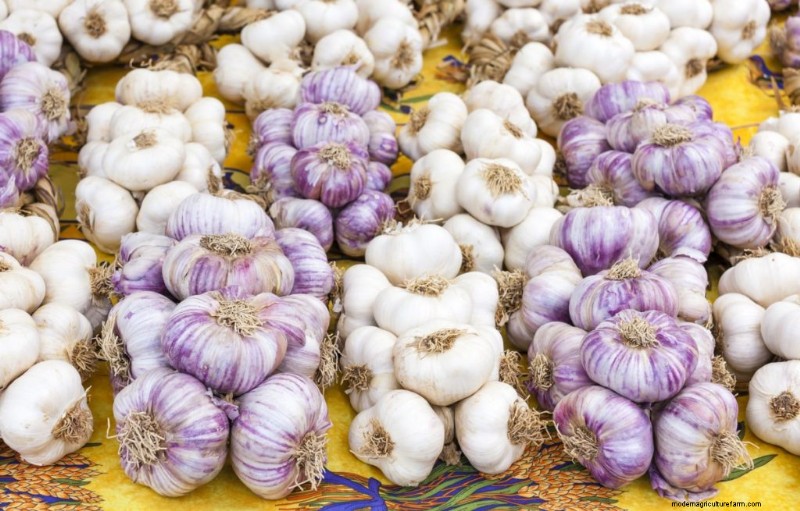
Whole garlic plants are more attractive than individual bulbs, and they look appealing when grouped together in a bin or basket.
If you’re feeling ambitious, it’s an excellent idea to make a fresh garlic recipe that customers can sample, so they’re more encouraged to buy your product. (Think fresh garlic dip with pita chips.)
You don’t just have to sell whole garlic bulbs. Here are a few other products you can bring to farmer’s markets (or wherever you’re selling your goods):

The price you charge for your garlic will vary depending on where you live, the time of year, the type of garlic you’re selling, and where you’re selling it.
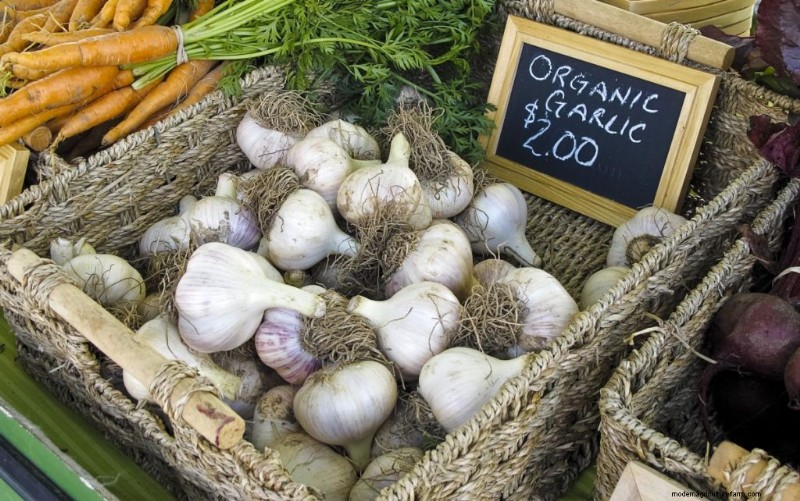
Farmers market purveyors typically sell their garlic for anywhere from 2 dollars (1.64 pounds) to 8 dollars (6.54 pounds) per quarter pound.
Naturally, you can charge a higher price for organic garlic.
If you’d like to make money growing vegetables, garlic is a great place to start. It’s relatively easy to grow and has a high return on investment.
You’ll make the most money if you grow a unique variety of garlic and/or if you grow organic garlic.
If you’d like to learn more about growing crops for profit, check out our articles on growing herbs for profit or growing lavender for profit.


