
Welcome to Modern Agriculture!

Fertilizer is supposed to be the easy part of houseplant care. A scoop of plant food, a splash of water, and the leaves should look greener by morning.
The reality is messier. More houseplants struggle from too much fertilizer than too little, and the damage is often slow enough that the cause goes unnoticed for weeks. A crispy leaf tip here, a stalled new leaf there, and suddenly a once-thriving pothos is in trouble.
The good news is that almost every fertilizer mistake is easy to reverse once you spot it. Walk through the eighteen below to see which habits might be quietly working against your plants.
 DepositPhotos.com
Dry roots are already stressed. Their cell membranes are tight, fragile, and primed to absorb whatever touches them, which means a salty fertilizer solution gets pulled into the plant fast and hot.
Always water lightly first, wait ten or fifteen minutes, then apply your fertilizer mix. The soil should feel evenly damp before any nutrients reach the roots.
Most fertilizer labels are calibrated for outdoor garden conditions: more sun, faster growth, and frequent rain that flushes excess salts. Your living room offers none of those things.
Cut the label dose in half, sometimes by a quarter, when you feed indoor plants. A weaker mix applied a little more often is gentler on roots than one big monthly dose.
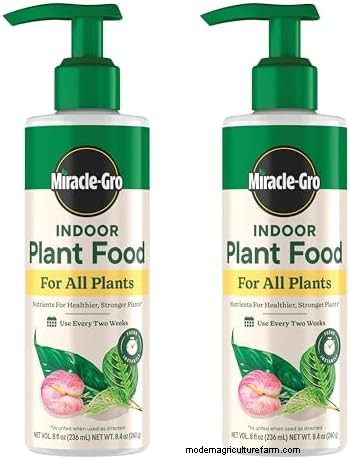
A simple liquid feed like the Miracle-Gro Indoor Plant Food is easy to dilute precisely, which makes that half-strength approach almost effortless. (Amazon)
We'll email it to you so you can read it later!
By saving, you agree to receive occasional emails. Unsubscribe anytime.
Most houseplants slow down dramatically as daylight shortens. They cannot absorb or metabolize nutrients at the same rate, so anything you add just sits in the pot as salt.
Taper feeding through September, then stop entirely from October through February for most foliage plants. Resume gradually in early spring as you see new growth pushing out.
Did You Know? A typical foliage houseplant in average indoor light needs only about a third of the fertilizer it would use during peak summer growth, even in late spring and early fall. The “more food equals more growth” instinct breaks down indoors because light, not nutrients, is almost always the limiting factor.
Every fertilizer application leaves a trace of mineral salts behind. Over months these accumulate, sometimes appearing as a white crust on the soil surface or around the rim of the pot.
Once a month, take the plant to the sink and run plain room-temperature water through the soil for a full minute or two. This leaches built-up salts and gives the roots a clean baseline to work from.
See more: 17 Beginner Houseplant Mistakes That Guarantee Your Plants Won’t Last a Month
Slow-release pellets in the soil plus a liquid feed every other week sounds thorough. It is also a fast track to overdosing on nitrogen if both products contain it.
Pick one delivery method per plant. If you want belt and suspenders, choose products with very different NPK profiles and reduce the dose of each by half.
Fresh potting mix already contains a starter charge of nutrients meant to last several weeks. The roots are also bruised and reorienting themselves to the new soil structure.
Wait a full four to six weeks after repotting before resuming any fertilizer. Anything sooner risks burning roots that are too compromised to defend themselves.
A wilting, yellowing, or struggling plant rarely has a nutrient deficiency. The cause is almost always something else: overwatering, a pest issue, low light, or root rot.
Diagnose the actual problem first. Adding fertilizer to a sick plant is like giving a steak dinner to someone with the flu, and it usually pushes the plant further into decline.
 DepositPhotos.com
Nurseries grow plants in nutrient-charged commercial mixes designed to keep them looking great on the shelf. That charge does not vanish the moment you walk out the door.
Give a new plant two to four weeks to acclimate to your light, humidity, and watering rhythm before you introduce any fertilizer. Acclimation matters more than feeding in the first month.
The three numbers on a fertilizer label represent nitrogen, phosphorus, and potassium. Foliage-heavy plants like pothos, philodendron, and monstera want a higher nitrogen blend, often something like 3-1-2 or a balanced 1-1-1.
Flowering houseplants like African violets, orchids, and hibiscus benefit from a phosphorus and potassium boost when buds are forming. Matching the ratio to the plant’s job in your home produces noticeably better results.
If you’re looking for a fast-growing leafy plant that responds beautifully to a balanced feed, take a look at our guide to how to speed up monstera leaf unfurling.
Coffee does contain useful trace nutrients. It is also acidic and concentrated enough at full strength to shock root tissue and acidify the soil beyond what most houseplants tolerate.
If you want to use leftover coffee, dilute it at least four parts water to one part coffee. Apply once every week or two at most, and only on plants that prefer slightly acidic conditions.
A layer of wet grounds on the surface of indoor potting mix traps moisture, blocks airflow, and creates a perfect environment for mold and fungus gnats. Your kitchen table will smell like a damp cafe.
Compost grounds first, or mix a small amount into the potting medium when you repot. A quarter cup per four to six cups of soil is plenty.
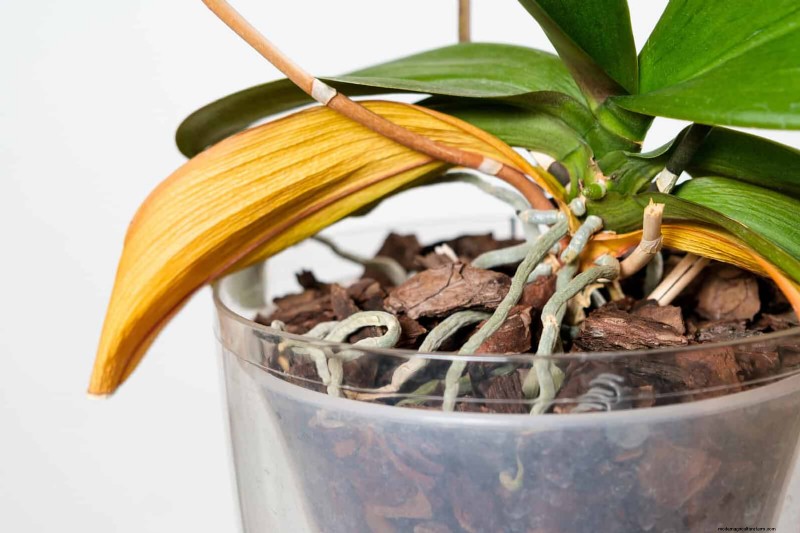
Browning leaf tips, yellowing lower leaves, a salty crust on the soil, or sudden leaf drop are classic over-fertilization signals. Many plant owners read these as thirst and respond by adding more water or, worse, more fertilizer.
Take a moment to inspect the soil surface and the underside of the leaves before you act. The plant is usually telling you to back off, not lean in.
Yellowing is the houseplant equivalent of a check engine light. It can mean too little light, too much water, root issues, natural leaf turnover, or yes occasionally a true nutrient gap.
Run through the other possibilities first before reaching for the fertilizer bottle. If the soil is soggy, the room is dim, or the plant just got moved, food is not the answer.
Going straight from a normal summer feeding schedule to a hard winter stop is a jolt for some plants. Sensitive species can react with leaf drop or stalled growth.
Reduce your feeding frequency by half through September, and switch to a quarter-strength solution for the last application of the season. The plant slides into dormancy much more smoothly.
Outdoor formulas are concentrated for grass, vegetables, and shrubs that get rinsed by rain and grow at high speed. The salt and nitrogen levels are well above what a contained indoor pot can handle.
Buy a fertilizer specifically labeled for houseplants or general indoor use. The dilution and ratios are scaled to small pots and slow indoor growth.
A glug here and a splash there feels efficient until you realize three months of guesswork has tripled the intended dose. Salt builds up fast when measurements drift.
Use an actual measuring spoon and a marked cup or watering can. A simple kitchen scale or a cheap squeeze-bottle dispenser pays for itself in unburned roots.
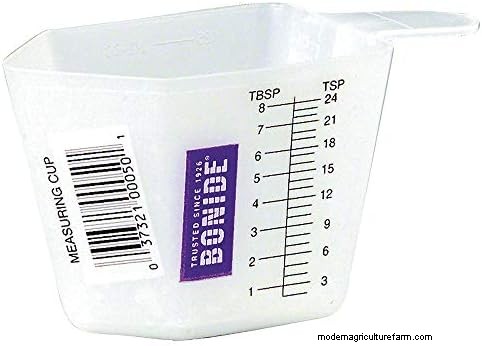
A dedicated set like the Bonide multipurpose measuring cups keeps fertilizer cups separate from your kitchenware and makes precise dilution a one-step routine. (Amazon)
When a plant feels stagnant, the temptation is to feed harder. The thinking is simple: more nutrients means more leaves.
Plants do not work that way. Excess fertilizer accumulates in the soil and root zone faster than the plant can use it, and the result is salt stress instead of new growth. If you want more leaves, look first at light, pot size, and humidity.
When roots have filled the entire pot in a tight coil, there is barely any soil left to hold nutrients or water. Adding more fertilizer just floods what little soil remains and burns the densely packed roots.
The fix is a larger pot and fresh mix, not more food. Once the plant has space again, it can actually use the nutrients you provide.
If you’re considering an upgrade for plants that have outgrown their pots, our guide to tall houseplant mistakes that lead to leggy bare stems covers what to avoid as plants stretch up.
Catch it early and most houseplants bounce back within a few weeks. The standard rescue protocol works for nearly every species you’ll find in a home.
Overfertilization Recovery Checklist
Healthy roots have an impressive capacity to recover once the salt load is gone. If new growth still hasn’t appeared after six to eight weeks of clean water and rest, repotting into completely fresh mix is usually the next step.
Houseplant fertilizing rewards restraint more than enthusiasm. A small, well-timed feeding usually beats a generous one, and a missed feeding rarely causes lasting damage while an overdose can take down a plant within days.
If your plants are growing steadily, holding their color, and pushing fresh leaves each season, your current routine is working. Resist the urge to do more, and your collection will thank you with years of quiet, healthy growth.


