
Welcome to Modern Agriculture!

A traditional grass lawn drinks roughly 30 percent of the water used in the average American home, according to the EPA. That single statistic has nudged thousands of homeowners toward something better. The right ground cover can give you the look of a lawn without the mower, the weekly watering, or the bag of synthetic fertilizer.
The trick is matching the plant to your conditions. A creeper that loves baking sun will sulk in deep shade, and a moss that feels lush underfoot will scorch on a south-facing slope. The 21 picks below cover sun, shade, dry, soggy, foot traffic, and pollinator-friendly territory, so you can find a fit for almost any patch of dirt.
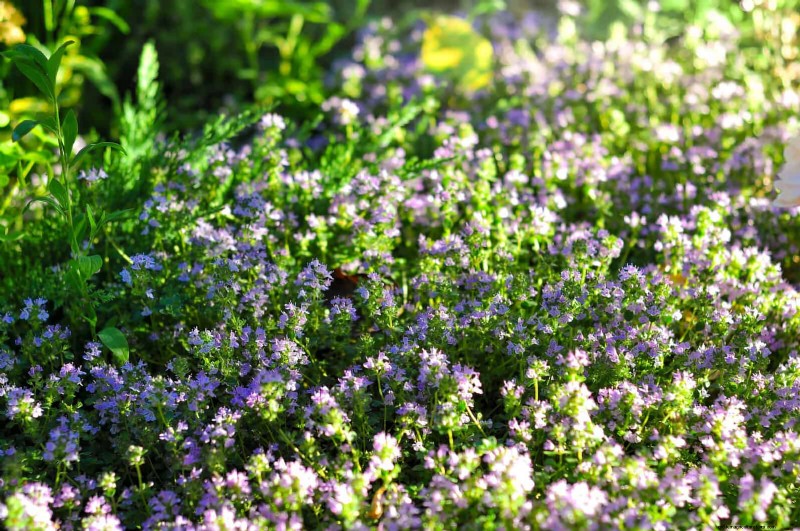
Few lawn replacements check as many boxes as creeping thyme. It hugs the ground at two to four inches, releases a soft herbal scent when you walk on it, and bursts into pink or purple bloom for a few weeks each summer. Bees adore it, and rabbits tend to leave it alone.
 DepositPhotos.com
Hardy in zones 4 through 9, it prefers full sun and well-drained soil. Once roots are established, watering becomes almost optional in most climates. A starter pack of Earthwise Wild Creeping Thyme Seeds covers up to 500 square feet and is widely used by homeowners trying a thyme lawn for the first time. (Amazon)
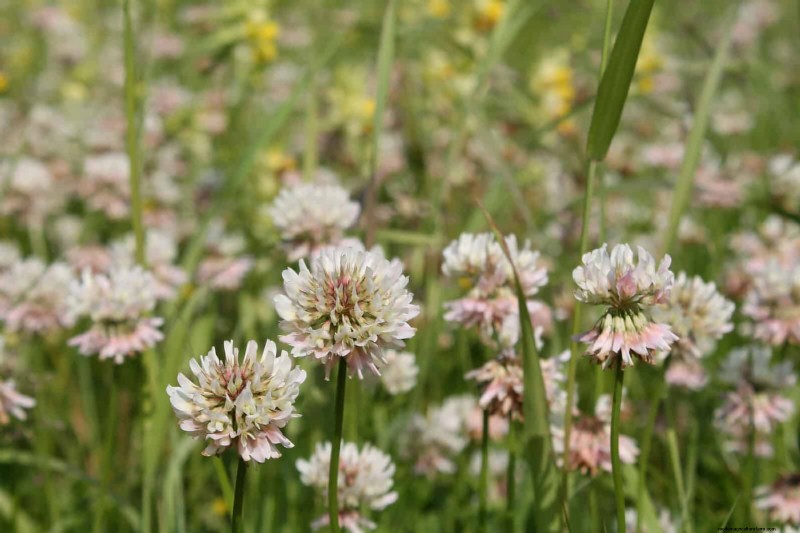
White clover was a standard ingredient in American lawn seed mixes until herbicide companies started branding it a weed in the 1950s. The pendulum has swung the other way now, and clover is back in a big way.
 DepositPhotos.com
It pulls nitrogen from the air and feeds itself, which means no fertilizer bills. Mow it for a tidy look or let the white blooms feed neighborhood honeybees through the warmer months. Microclover varieties stay shorter and produce fewer flowers if you prefer the cleaner appearance.
The Scotts Clover Lawn Seed is a popular pick for overseeding an existing patchy lawn rather than starting over. (Amazon)
We'll email it to you so you can read it later!
By saving, you agree to receive occasional emails. Unsubscribe anytime.
Carex pensylvanica is the native plant gardener’s answer to the shaded yard. It mounds gently into a soft green carpet that looks like fine fescue but rarely needs mowing.
The plant supports caterpillars from more than 30 native moth and butterfly species, according to the Penn State Extension. That makes it a small but real win for a backyard food web. It thrives in zones 3 through 8, especially under deciduous trees where turf grass tends to thin out.
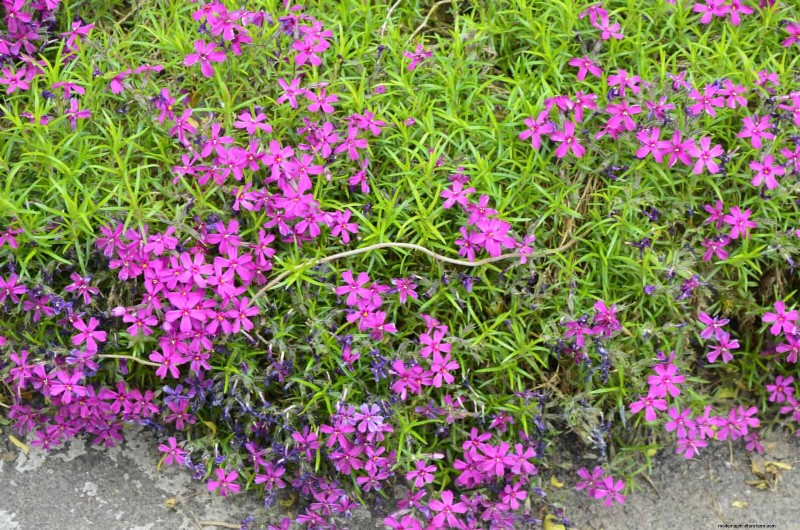
Creeping phlox turns gravelly slopes into rivers of color every spring. The flowers come in pink, lavender, white, and a saturated blue that almost glows.
 DepositPhotos.com
It tops out around six inches and forms a dense evergreen mat that smothers most weeds. Native bees and early butterflies show up the moment it opens. Plant it in full sun in zones 3 through 9, and skip the spot if your soil holds water for long.
See more: Stop Planting Perennials Before You Check This One Thing
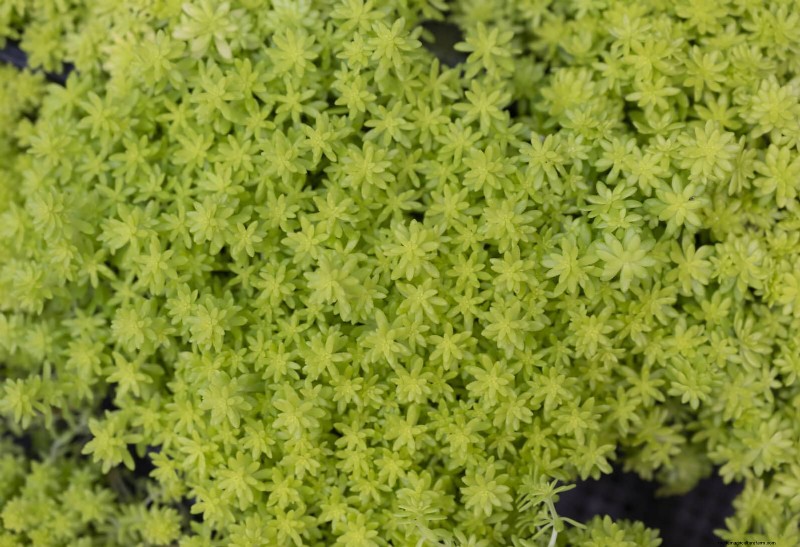
Sedum, also called stonecrop, is the plant of choice when you want zero effort and serious drought tolerance. The succulent leaves store enough water that the plant can shrug off long dry stretches.
 DepositPhotos.com
Low-growing varieties such as Sedum acre, Sedum spurium, and Sedum kamtschaticum all spread quickly across rocky or sandy soil. Most are hardy from zones 3 through 9, and many flower in shades of yellow, pink, or red. They handle light foot traffic but prefer to be admired rather than walked on.
Step on a blue star creeper mat and it springs right back. The tiny lance-shaped leaves and pale blue spring flowers feel almost cartoonishly cheerful.
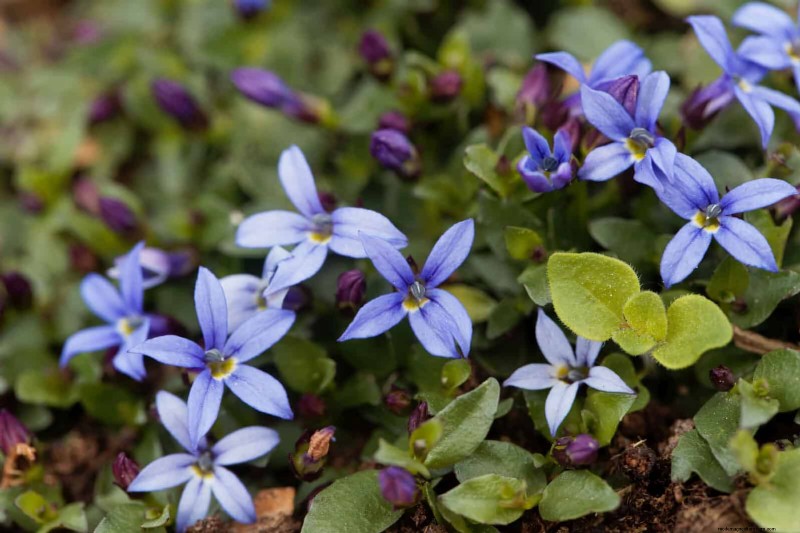 DepositPhotos.com
It performs best in moist, rich soil in zones 6 through 8 and tolerates partial shade as well as sun. Use it between flagstones, around stepping stones, or as a small lawn alternative in a side yard. Just keep it contained, since it spreads happily once it likes a spot.
Walk across Corsican mint and the air fills with the scent of crushed peppermint candies. The leaves are minuscule, the mat barely an inch tall, and the texture closer to a moss than a typical herb.
It tolerates light foot traffic and prefers cool, moist, partly shaded spots in zones 6 through 9. In colder regions it acts as an annual but often reseeds itself for a return appearance. Pair it with stepping stones for the best sensory payoff.
Irish moss isn’t a true moss at all. It is Sagina subulata, a flowering plant that mimics moss with feathery green tufts and tiny white star flowers in late spring.
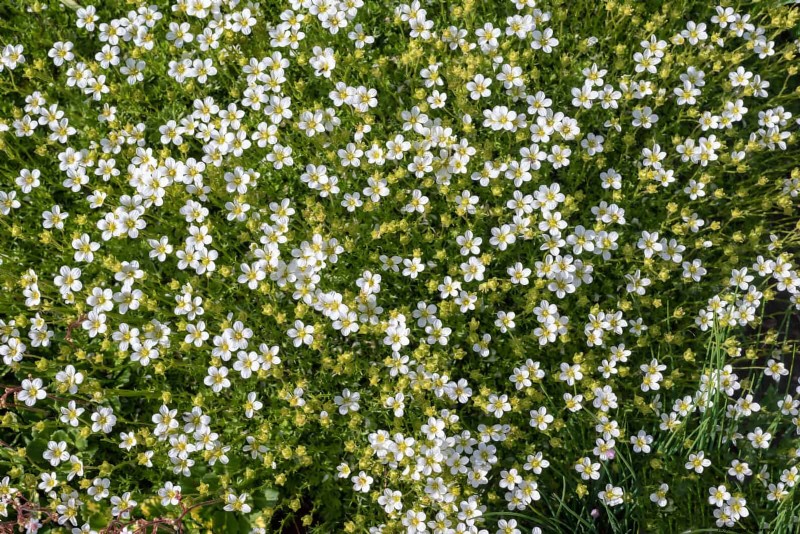 DepositPhotos.com
The cushiony texture invites bare feet, and the plant tolerates moderate foot traffic without complaint. Hardy in zones 4 through 8, it does best in part shade with consistently moist, well-drained soil. The look is tidy enough for a formal courtyard and soft enough for a cottage garden.
Also called .c, ajuga is the workhorse of shady ground covers. The glossy rosettes in green, bronze, or purple form a thick weed-blocking carpet, and bright blue flower spikes rise in late spring.
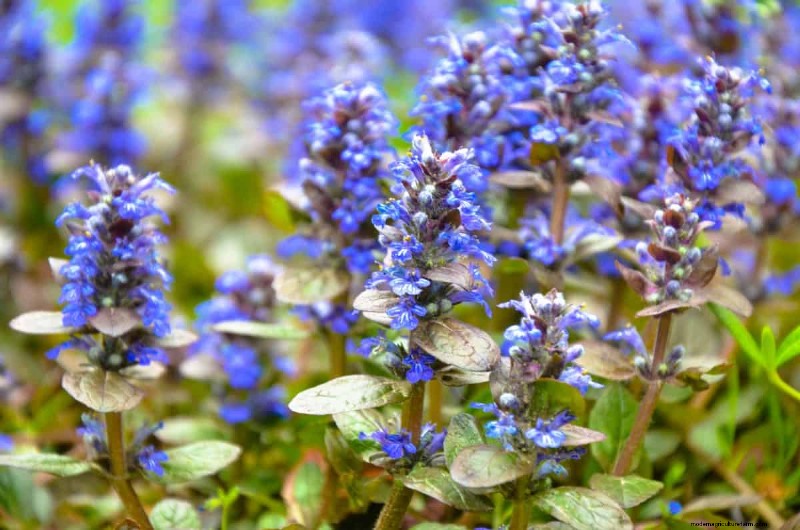 DepositPhotos.com
Once established, it spreads by runners and outcompetes most lawn weeds. It thrives in zones 3 through 10, in everything from full sun to fairly deep shade. A few cultivars such as Black Scallop and Burgundy Glow are particularly striking under trees.
Sweet woodruff is the plant equivalent of a quiet, capable friend. The whorled leaves and dainty white spring flowers fill in shady corners that nothing else seems to want.
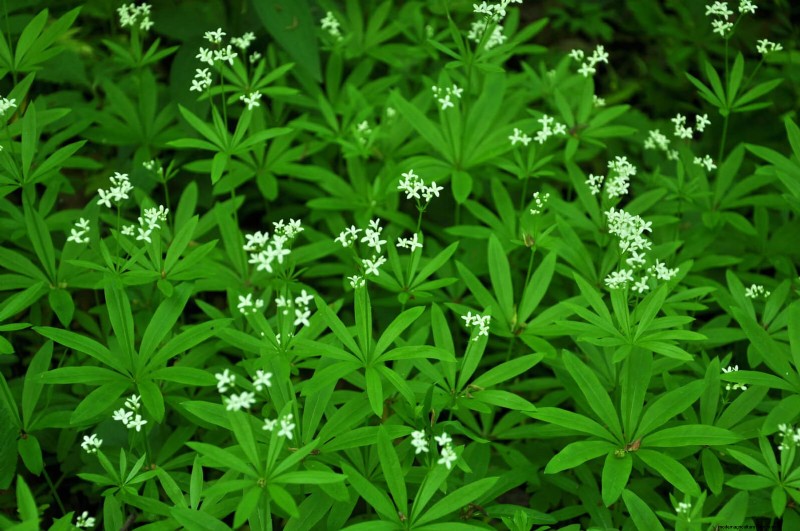 DepositPhotos.com
Crushed leaves smell like fresh hay, a fragrance traditionally used in spring sachets and potpourri. Hardy in zones 4 through 8, it prefers moist, humus-rich soil under a canopy of trees. Expect it to spread steadily, blanketing eight to twelve inches in any direction by the second season.
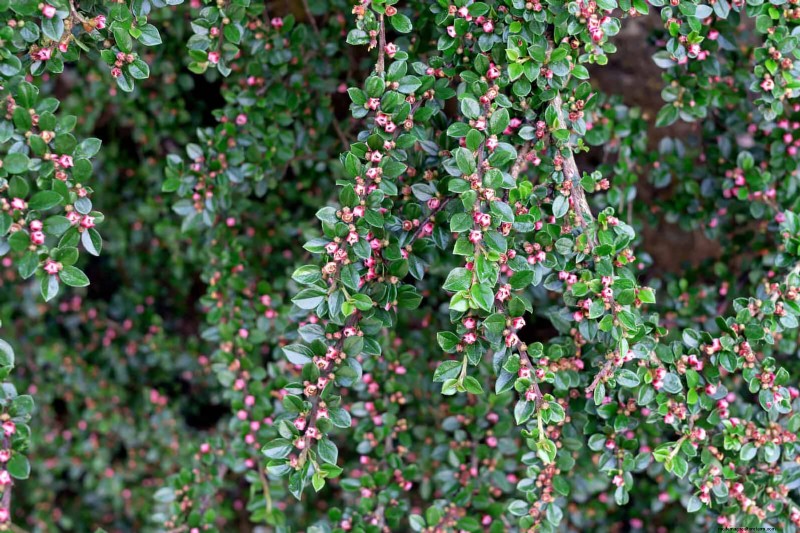
Bearberry is a tough North American native, also called kinnikinnick, that holds soil together on sandy slopes. The small leathery leaves stay evergreen, turn coppery in winter, and host clusters of pink urn-shaped flowers followed by red berries that birds love.
 DepositPhotos.com
It is fully hardy in zones 2 through 6 and shrugs off poor soil, salt, and drought once roots are deep. Good use case: a sunny slope where mowing is unsafe and irrigation is unrealistic.
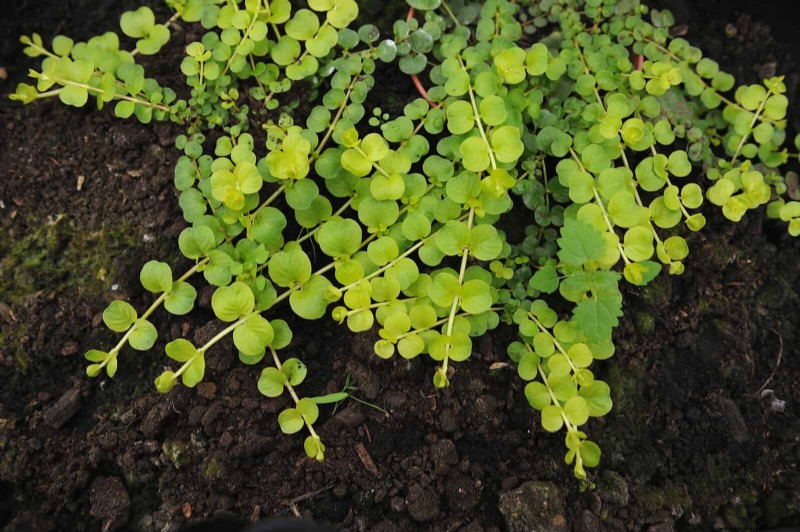
Creeping Jenny brings a chartreuse glow to shaded yards. The round leaves chain together along trailing stems that root as they go, filling space quickly.
 DepositPhotos.com
The golden cultivar Aurea is the most popular, since it lights up dim corners. Hardy in zones 3 through 9, it likes consistently moist soil and tolerates partial sun to full shade. It will run, so plant it where you welcome a vigorous spreader, not where it can leap into a manicured bed.
If you’re working with stubborn or compacted ground, take a look at our guide to turning any dirt into garden gold before planting.
Mazus reptans flies under the radar but deserves a much wider audience. The mat tops out at two inches, sprouts orchid-like purple or white flowers in spring, and laughs at being walked on.
It thrives in zones 5 through 8 in moist soil with sun to part shade. Plant plugs eight to ten inches apart and you’ll have a finished mat in a single growing season. Pair it with stepping stones for an instant cottage-garden vibe.
Dwarf mondo grass looks like a perfectly groomed lawn that never needs grooming. The dark green tufts grow only two to four inches tall and form a fine-textured carpet under trees.
It is hardy in zones 6 through 11 and tolerates the deep shade that frustrates most turf grass. The plant is slow to establish but essentially permanent once it does, with no mowing required. Foot traffic should be light, since the blades crush rather than spring back.
Vinca minor, common periwinkle, is the answer for steep wooded slopes nothing else will hold. The glossy leaves stay evergreen in mild winters, and the plant produces lavender-blue pinwheel flowers in spring.
It is hardy in zones 4 through 9 and grows in everything from light shade to fairly bright sun. Note that vinca is considered invasive in parts of the eastern United States, so check local guidance before planting near woodland edges. In an enclosed yard with hard borders, it can be a great choice.
Wild strawberry, Fragaria virginiana, doubles as a snack and a ground cover. The native produces small but intensely flavored berries in early summer and spreads by runners across sunny ground.
The trifoliate leaves stay green from spring through fall, and clouds of white spring flowers feed early pollinators. Hardy in zones 3 through 8, it grows about four to six inches tall. Birds and chipmunks may compete with you for the berries, which keeps things interesting.
Roman chamomile was prized in Tudor gardens for chamomile lawns and seats, surfaces a person could literally sit on while breathing in the apple scent. The non-flowering Treneague cultivar stays especially short and tidy.
It handles light foot traffic, prefers full sun, and grows well in zones 4 through 9. Plant plugs four to six inches apart in well-drained soil and trim once or twice a year for a polished look.
Wooly thyme has the same hardworking habit as creeping thyme, with a softer twist. The fuzzy gray-green leaves give the plant a velvety look that softens edges around patios and walkways.
It rarely flowers as freely as its culinary cousins, which suits gardeners who prefer the foliage on its own. Hardy in zones 4 through 8, it loves dry, sunny spots and gritty soil. Wooly thyme tolerates only light foot traffic, so use it as accent rather than turf.
Buffalo grass is the closest thing to a lawn that already knows how to live without help. Native to the Great Plains, the fine-textured turf survives on natural rainfall in much of the central United States and turns golden in deep winter dormancy.
It tolerates real foot traffic and grows in zones 3 through 10 with full sun. Cultivars such as UC Verde, Legacy, and Cody have made it more drought-tolerant and uniform than ever. Mow once a month for a cleaner look, or skip the mower entirely for a meadow effect.
Liriope, often called lilyturf, looks like a tidy strappy grass and behaves like a no-fuss perennial. Spikes of purple or white flowers appear in late summer, followed by black berries.
It thrives in zones 5 through 10 and accepts sun, shade, drought, and clay soil with equal grace. Use the clumping variety, Liriope muscari, around trees and along walkways. Skip the spreading variety, Liriope spicata, unless you want it everywhere.
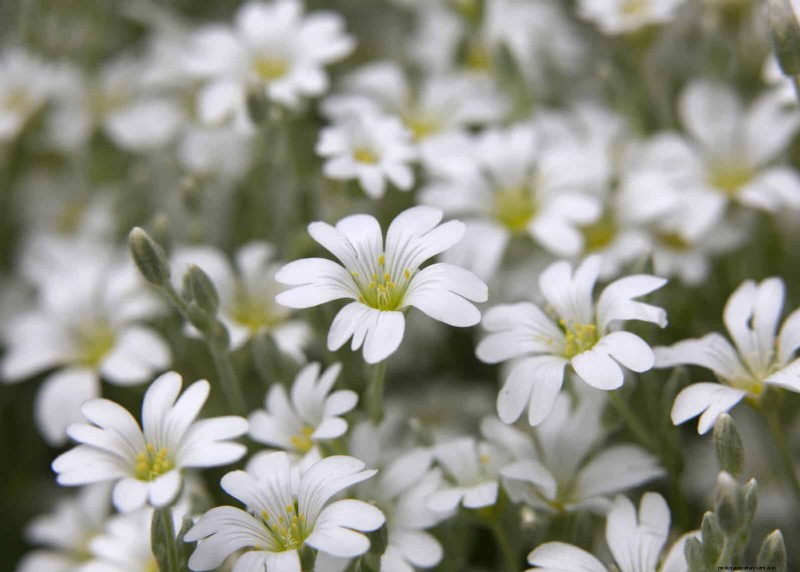
Snow-in-Summer earns its name in late spring, when the silvery foliage disappears under a blanket of pure white blooms. The effect is dramatic, especially against dark mulch or stone.
 DepositPhotos.com
Cerastium tomentosum performs best in zones 3 through 7 in lean, well-drained soil with full sun. It mounds to about six inches and spreads steadily without becoming aggressive. Trim it back lightly after flowering to keep the mat dense.
The right pick depends on three quick checks: sun exposure, expected foot traffic, and your hardiness zone. The table below boils down the basics.
Pro Tip: Before you tear out the entire lawn, start with one zone. A side yard, a slope, or the area under a tree gives you a low-stakes place to test how a ground cover behaves in your specific soil and climate before you commit to the whole property.
Replacing a lawn with ground cover is one of the highest-value changes you can make to a yard. You spend less time mowing, less money on water and fertilizer, and you give pollinators something better to land on than a sea of single-species turf.
Pick the plant that fits your conditions, plant generously, and give the space a season or two to fill in. The reward is a softer, more interesting yard that quietly takes care of itself.


