Welcome to Modern Agriculture!

Hiring a residential landscape designer typically runs between $2,200 and $6,180 for a full plan, with hourly rates landing in the $50 to $150 range, according to Angi’s 2026 cost data. That money buys real expertise, and most of it comes down to a handful of repeating principles the pros lean on every time they sketch a yard.
The good news? These principles aren’t secret in the legal sense, just rarely spelled out for homeowners in plain language. We pulled the most useful ones from working designers and horticultural research and translated them below.
Use any one of these and your garden will look noticeably more intentional. Use most of them and you’ll start getting compliments from neighbors who can’t quite explain why your yard looks different.
Designers almost always plant in groups of three, five, or seven. Even-numbered clusters feel staged and symmetrical in a way the eye registers as artificial.
Arrange your odd group in a loose triangle rather than a straight row. The irregular shape mimics how plants distribute themselves in nature, and your border will instantly look less like a garden center display.
If you bought four hostas on sale, plant three together and tuck the fourth somewhere else as a repeat. Designers do this constantly to make a small plant order feel like a curated collection.
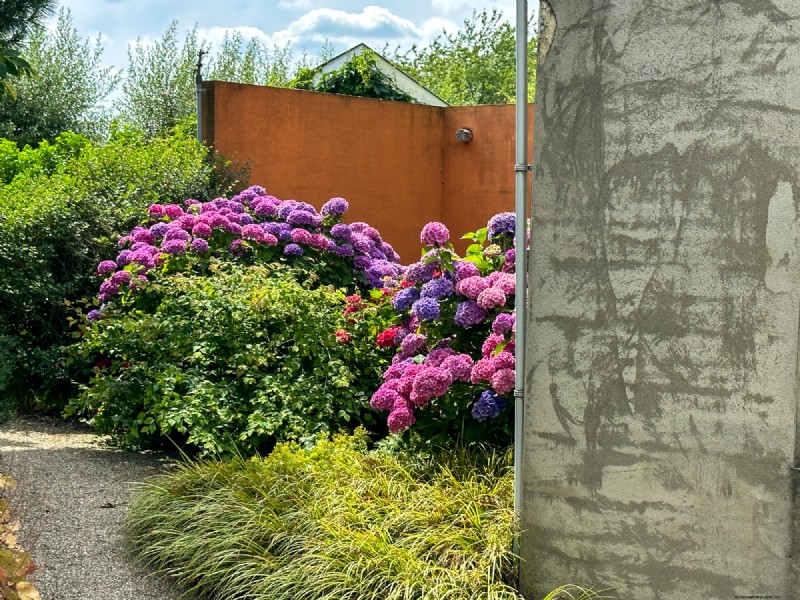
Borrowed from interior design, this ratio also rescues messy garden palettes. Sixty percent goes to a dominant color (usually green foliage), thirty percent supports it with a secondary bloom or leaf color, and ten percent provides a punchy accent.
 DepositPhotos.com
The math sounds rigid, but applying it loosens up overplanted beds. A border drowning in seven competing flower colors becomes calm when you let purple lead, pink support, and chartreuse spark in small doses.
We'll email it to you so you can read it later!
By saving, you agree to receive occasional emails. Unsubscribe anytime.
This one quietly separates pros from beginners. Flowers last weeks; leaves last months. A garden built around foliage shape, color, and texture stays attractive long after the bloom show ends.
Designers often pick the foliage backbone first, then layer flowers on top almost as accessories. Try heuchera in burgundy, hostas in chartreuse, and silver-leafed brunnera as your foundation, and any flower you add will look better against that backdrop.
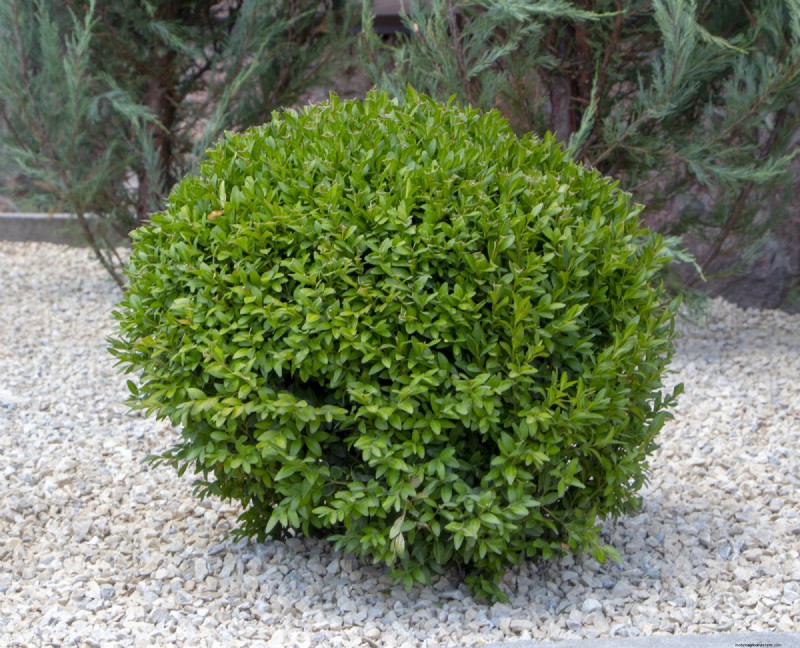
Every well-designed garden has a year-round skeleton. Boxwood, dwarf yew, hollies, and small conifers do the structural work that perennials can’t, especially in winter when most beds disappear.
 DepositPhotos.com
A useful target is roughly one-third evergreen content in the overall planting. Look out a window in February. If your garden looks empty, you don’t have enough bones.
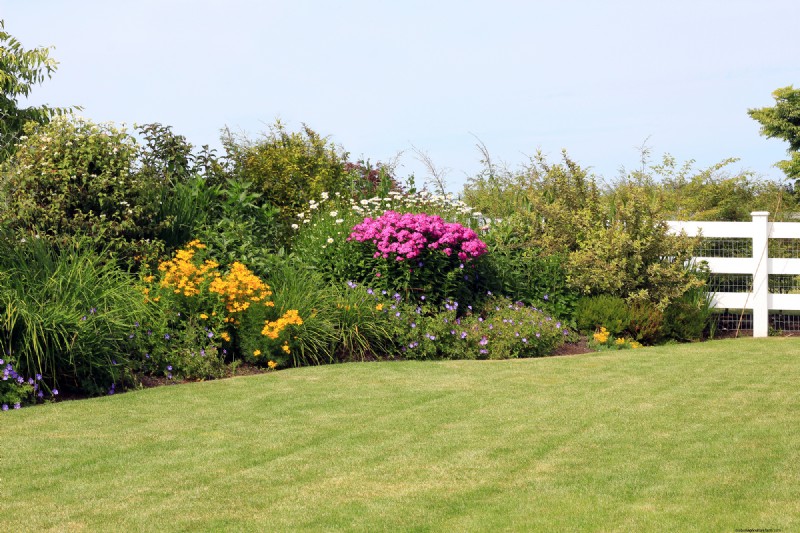
Tall in the back, medium in the middle, low in front. The principle is obvious, but the execution rarely is, because most homeowners stop at two layers.
The third zone is where pros add depth: a flowering tree or tall ornamental grass at the very back, a midlayer of shrubs and perennials, and a clean groundcover ribbon at the edge. Each layer should slightly overlap the next, never line up like stadium seating.
 DepositPhotos.com
Pro Tip: The “structural, seasonal, ground” framework many pros now use suggests pulling at least two-thirds of plants from the structural and groundcover layers, with the seasonal flower layer used for moments of drama. That ratio is why a designer’s garden looks lush in October when yours looks tired.
Repetition is the closest thing garden design has to a magic trick. The same hydrangea showing up three times across a long bed creates rhythm and stitches the planting together visually.
Pick two or three “thread plants” and weave them through every section. Without repetition, even great individual plants feel like a random collection.
If you’re considering filling out a long bed, take a look at our guide to avoiding border plant gaps by midsummer, which pairs nicely with the repetition strategy.
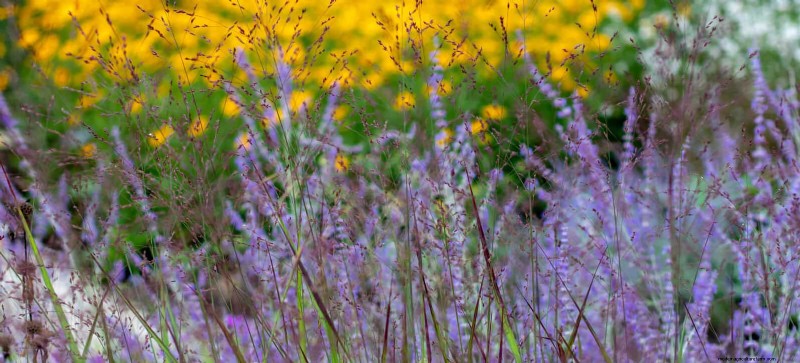
One coneflower looks lonely. Eleven coneflowers planted in a long, irregular sweep look like a meadow.
Designers call these informal mass plantings “drifts,” and they almost always run on a diagonal across a bed rather than parallel to the edge. The effect is fuller, the maintenance is lower, and pollinators find the patch more easily.
 DepositPhotos.com
Straight rectangular beds against a curved lawn fight each other. Even a gentle, sweeping curve in the bed edge calms the entire yard.
Lay out a garden hose on the grass to test a curve before you cut. The line should look effortless, not wavy. Pros often run the hose, walk away, come back, and adjust two or three times before edging.
 DepositPhotos.com
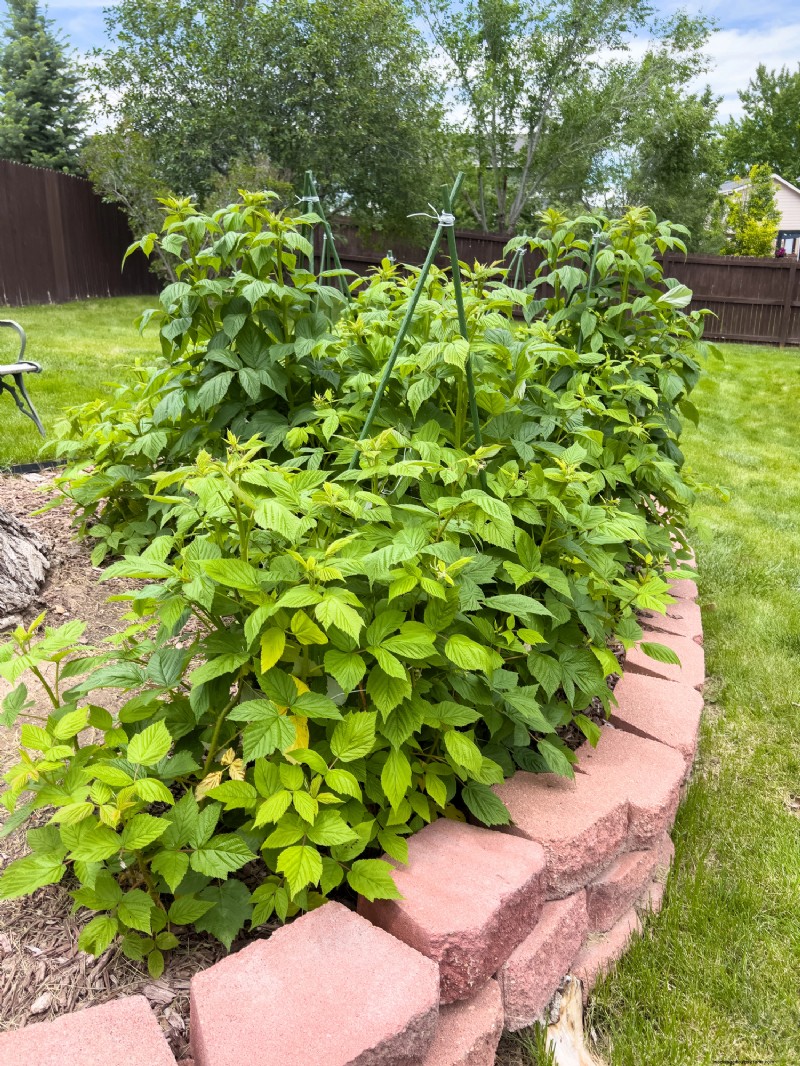
Most homeowners mulch in tight rings around individual plants. Designers mulch the entire bed as one continuous surface, well beyond each plant’s dripline.
The wider mulch reads as intentional rather than accidental. It also keeps weeds out, holds moisture, and lets the plants visually rest on a unified surface, which is a huge part of why pro beds look so polished.
See more: 18 Mulching Secrets That Save You Hours of Weeding
Even small yards benefit from being broken into smaller “rooms.” A hedge, an arbor, or just a shift in surface (lawn to gravel, gravel to patio) can suggest a new space.
Each room should have its own purpose: a dining nook, a quiet reading spot, a play area for kids. The trick is partial separation. You want to feel like there’s something to discover around the corner, not be walled off from it.
Walk to the window you look out of most. What does your eye land on?
Designers obsess over this question because untrained gardens often have nowhere for the eye to rest. A specimen tree, an urn, a birdbath, a sculpted shrub, or a path arch all qualify. One strong focal point per major view is the rule.
If you want an instant anchor without waiting years for a tree to mature, a vintage-style urn does the job at a fraction of the cost.

View on Amazon
The fastest way to spot an amateur design is to visit in November. If everything has gone brown and the yard looks abandoned, the planting was built for one or two seasons only.
Pros plan something interesting in every season: spring bulbs and flowering trees, summer perennials, fall foliage and ornamental grass plumes, then winter berries, evergreen structure, and seedheads left intentionally standing. Sketch a quick calendar of what blooms or shows color in each month before you finalize a plant list.
 DepositPhotos.com
Color gets all the attention in beginner gardens, but texture is what designers manipulate constantly. Combine fine, medium, and bold leaf textures in every bed.
Picture a feathery astilbe (fine), a hosta (bold), and a heuchera (medium) together. Even in monochrome, that grouping has visual energy. A bed of all hostas, by contrast, will read as flat no matter how lush it gets.
Pros call this “hydrozoning,” and it sounds technical, but the practice is simple. Cluster plants with similar water and sunlight requirements together so a single irrigation zone or watering session matches everyone’s needs.
Mixing thirsty hydrangeas with drought-tolerant lavender in the same bed almost guarantees one of them suffers. Designers separate those plants from the start, which also tends to lower water bills over time.
The Japanese garden tradition calls this shakkei, or “borrowed scenery,” and Western designers quietly use it all the time. A neighbor’s mature maple, a distant church steeple, a slope of meadow beyond the fence: any of these can become part of your design if you frame the view correctly.
The job isn’t planting more, it’s planting strategically so the eye is led toward the borrowed feature. A break in the hedge or a shifted bed line can pull the borrowed element into the picture for free.
Empty space matters. A clean stretch of lawn, gravel, or paving lets the eye rest and makes the planted areas feel more abundant by contrast.
Pack every inch with plants and the garden starts to read as visual noise. Designers often deliberately leave 30 to 40 percent of a yard unplanted. Restraint, not abundance, is what creates that “expensive” feeling.
You spend more time looking at your garden through windows than you do walking through it. Pros design with that math in mind.
Identify the two or three most-used vantage points (kitchen sink, living room sofa, bedroom window) and plan the strongest planting moments where those eyes will land. The garden you actually experience daily then becomes the one that gets the most attention in the design.
Quick Sight-Line Audit
Each of those views deserves a deliberate planting moment.
Every other secret on this list collapses if the plant doesn’t suit the spot. Sun, soil, water, hardiness zone, and mature size are non-negotiable.
A boxwood baking in full afternoon sun in zone 8 will struggle no matter how perfectly you mass it in odd-numbered drifts. Designers spend more time matching plant to site than they spend on aesthetics, because nothing else matters when a plant is fighting its conditions.
Read the plant tag. Check the mature spread, not just the height. And buy from local growers who carry varieties suited to your region rather than catalog stock that might not survive your winters.
For homeowners who want big impact without the upkeep, our roundup of the best low-maintenance plants for easily distracted gardeners is a solid place to start a plant list.
None of these secrets requires a degree in landscape architecture. They require attention, restraint, and a willingness to plan before planting.
Pick the three or four secrets that resonate most with your current garden, work on those for a season, then layer in the rest as your eye sharpens. Designers spend years internalizing this stuff, but the principles themselves are surprisingly accessible once you know to look for them.