
Welcome to Modern Agriculture!

 Depositphotos
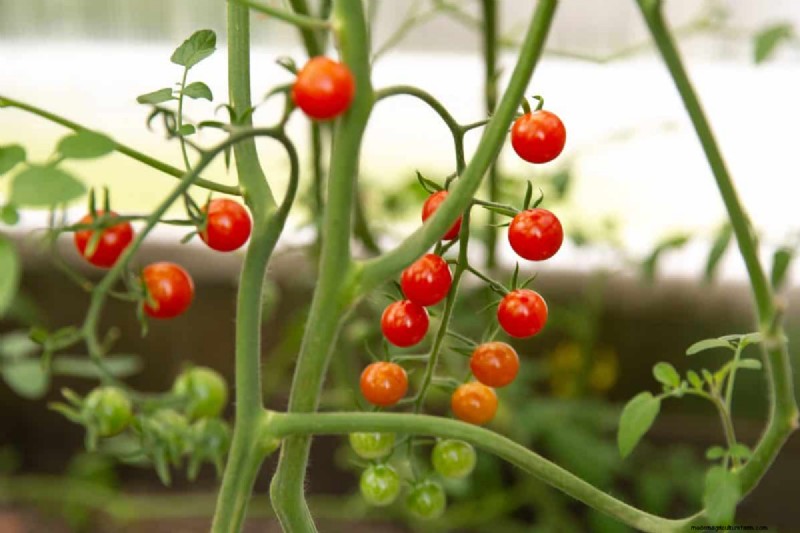
Growing beautiful, crack-free tomatoes can feel like a mystery sometimes. Those frustrating splits and cracks can turn your perfect fruits into sad, unusable messes before you even get them to the kitchen.
The good news is that preventing tomato cracks doesn’t require a gardening degree. With a few simple changes to your routine, you can grow gorgeous tomatoes that stay intact all the way to your salad bowl or sauce pot.
 Depositphotos
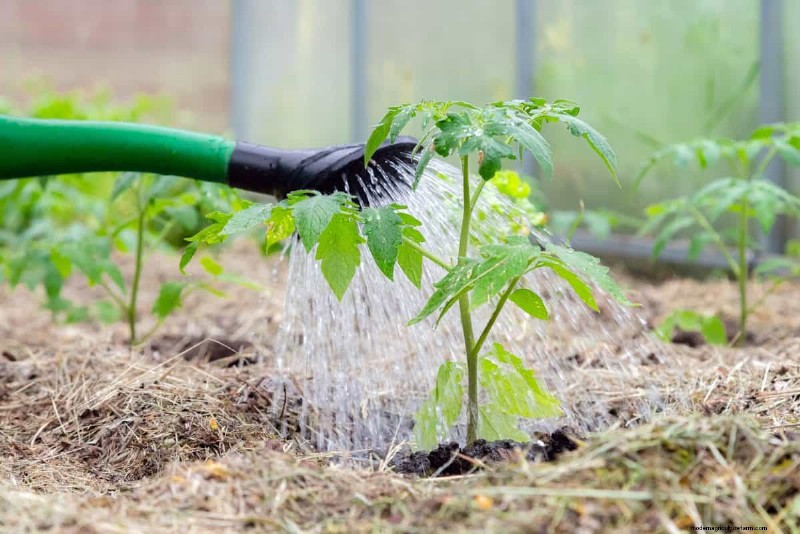
Tomatoes need regular, even moisture to prevent the sudden growth spurts that cause cracking. Try to water deeply 2-3 times per week rather than giving light sprinkles every day.
Using a timer or setting a regular watering routine helps maintain this consistency. Your soil should feel like a wrung-out sponge, not soggy or bone dry.
 Depositphotos
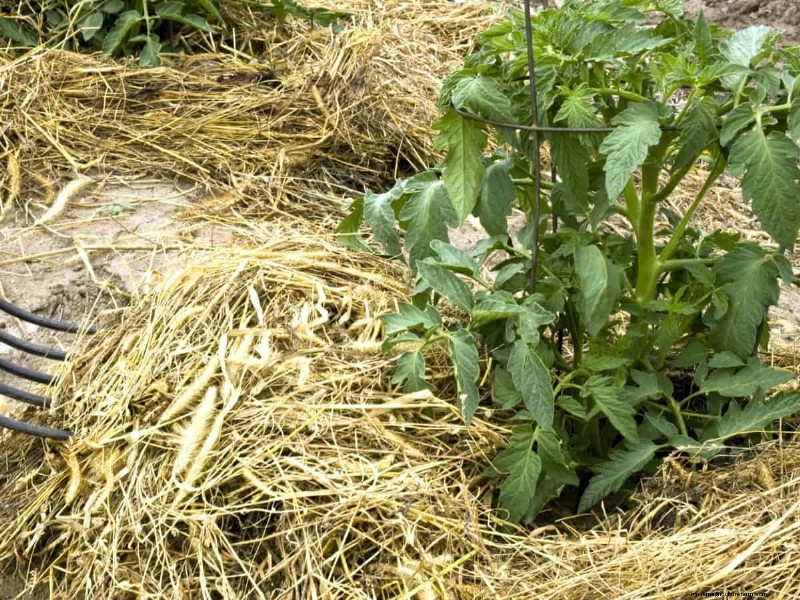
A 2-3 inch layer of organic mulch works wonders for preventing cracks. Straw, shredded leaves, or chemical-free grass clippings help maintain even soil moisture and temperature.
Apply mulch once plants are about 6 inches tall, keeping it pulled back slightly from the main stem. Refresh your mulch mid-season when it starts to break down.
We'll email it to you so you can read it later!
By saving, you agree to receive occasional emails. Unsubscribe anytime.
 Depositphotos
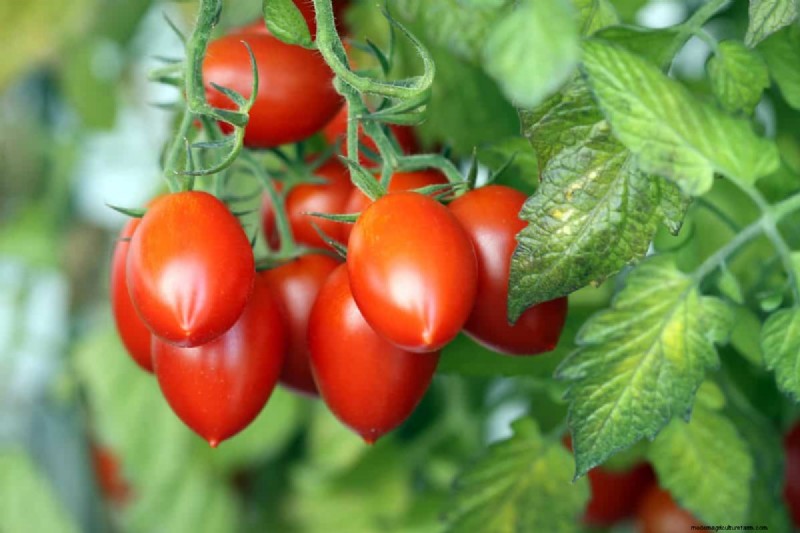
Some tomato varieties naturally resist cracking better than others. Look for varieties specifically labeled as “crack-resistant” like Celebrity, Mountain Fresh, or Defiant.
Cherry tomatoes typically crack less than large beefsteak types. Roma and paste tomatoes also tend to have tougher skins that resist splitting under stress.
 Shutterstock
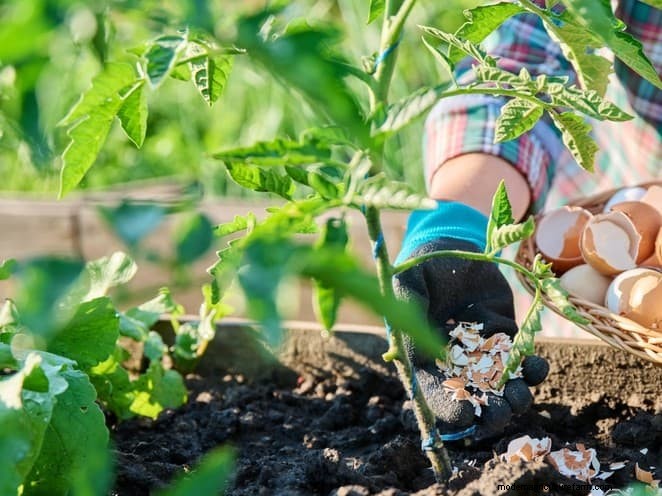
Calcium strengthens tomato cell walls, making them less likely to crack. Add crushed eggshells, bone meal, or a calcium-based fertilizer to your planting holes before putting in seedlings.
A soil test can tell you if your garden needs additional calcium. You can also spray plants with a calcium solution during the growing season if needed.
 Depositphotos
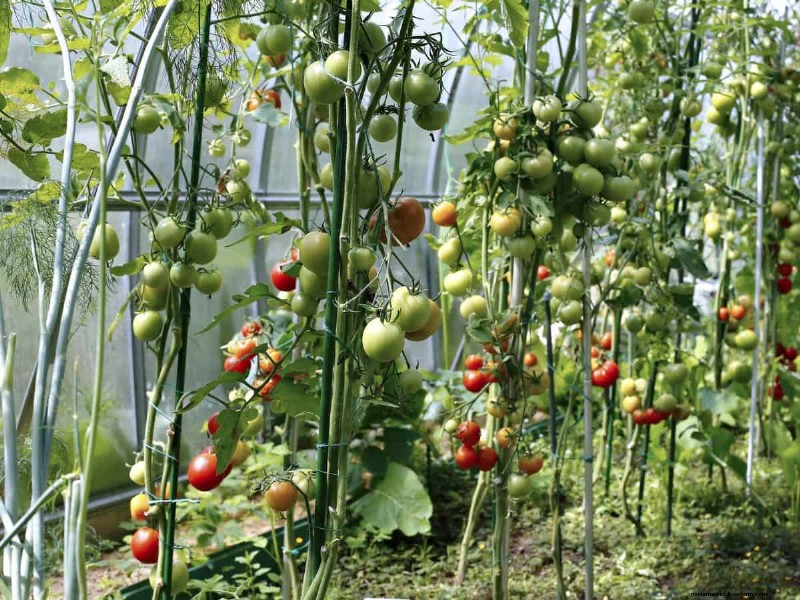
Dramatic temperature swings stress tomatoes and lead to cracking. Use row covers or shade cloth to moderate temperature extremes, especially during late summer heat waves.
Planting near structures that provide afternoon shade can help buffer temperature changes. Avoid planting in extremely hot locations like next to south-facing walls.
 Depositphotos
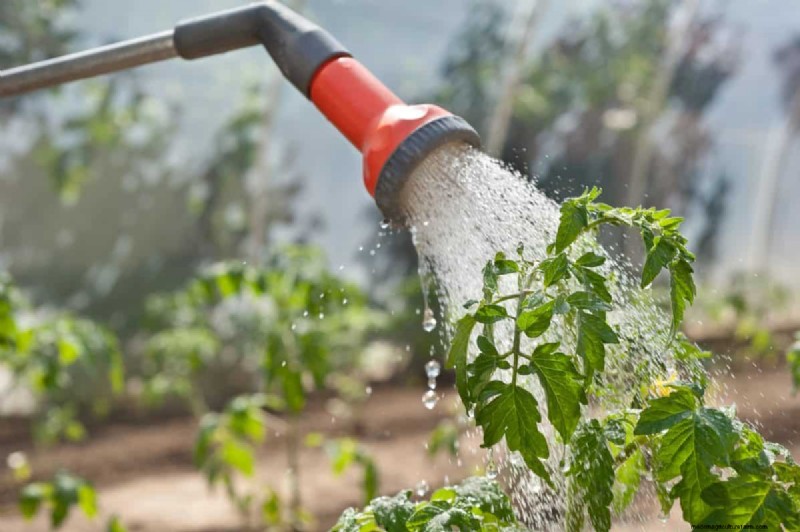
Watering tomato foliage increases disease risk and can lead to uneven soil moisture. Use soaker hoses, drip irrigation, or water at the base of plants instead of sprinklers.
Morning watering gives excess moisture time to evaporate before evening. This timing helps prevent the wet-dry-wet cycle that causes fruit to expand and contract rapidly.
 Depositphotos
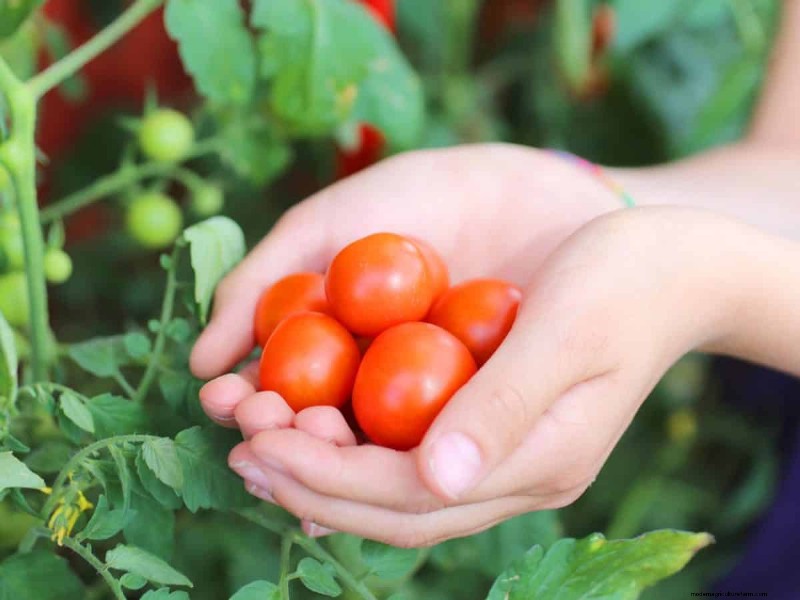
Pick tomatoes when they’re just turning ripe rather than waiting until they’re fully red on the vine. Overripe tomatoes are much more prone to cracking during hot or rainy periods.
Tomatoes that are pink or orange will continue ripening indoors away from harsh conditions. Picking slightly early during rainy periods can save your crop from splitting.
 Depositphotos
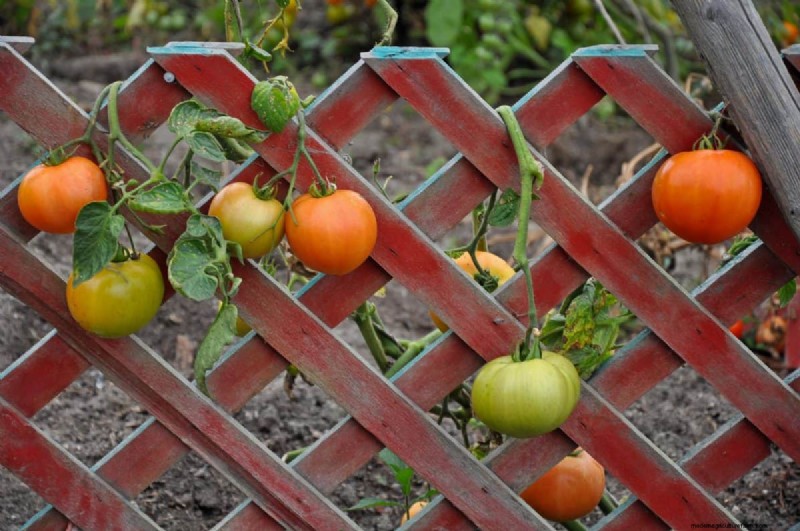
Strong trellises, cages, or stakes keep fruit off the ground and allow for better air circulation. Good support systems prevent weight stress that can contribute to fruit cracking.
Secure plants regularly as they grow, using soft ties that won’t cut into stems. Remove any fruit that touches the ground to prevent moisture-related cracking.
 Depositphotos
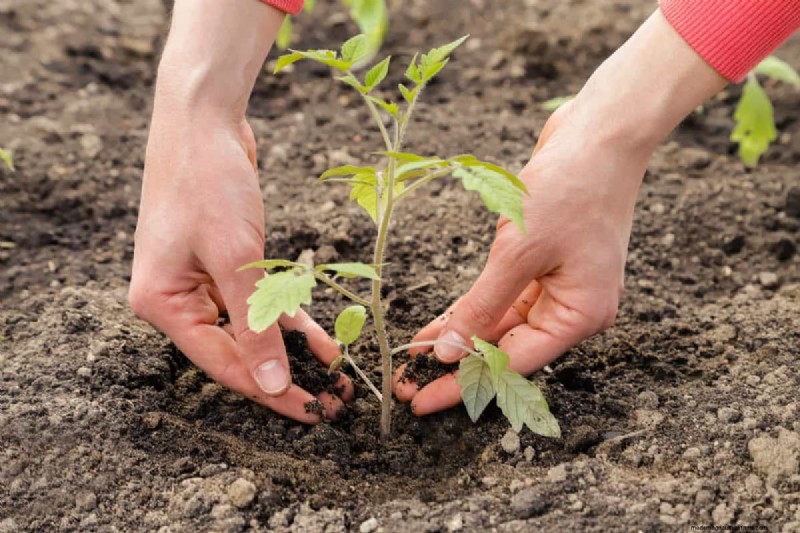
Setting tomato transplants deeper than they were in their nursery pots encourages stronger root systems. Remove lower leaves and bury the stem up to the top few sets of leaves.
These deeper roots access more consistent soil moisture and nutrients. Better-established plants handle stress more effectively and produce more crack-resistant fruit.
 Shutterstock
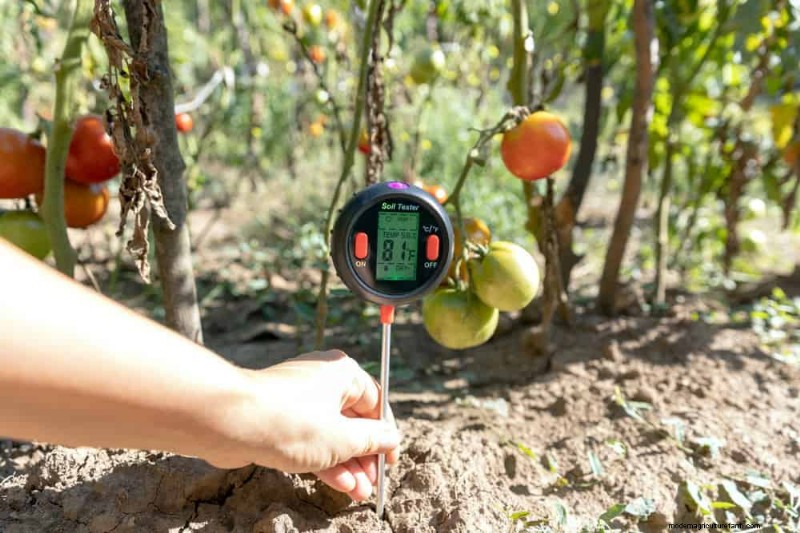
Tomatoes prefer slightly acidic soil with a pH between 6.0 and 6.8. Improper pH can limit nutrient availability and lead to weaker cell walls that crack easily.
Test your soil annually and amend as needed with lime to raise pH or sulfur to lower it. Most garden centers sell simple soil test kits that are easy to use at home.
 Depositphotos
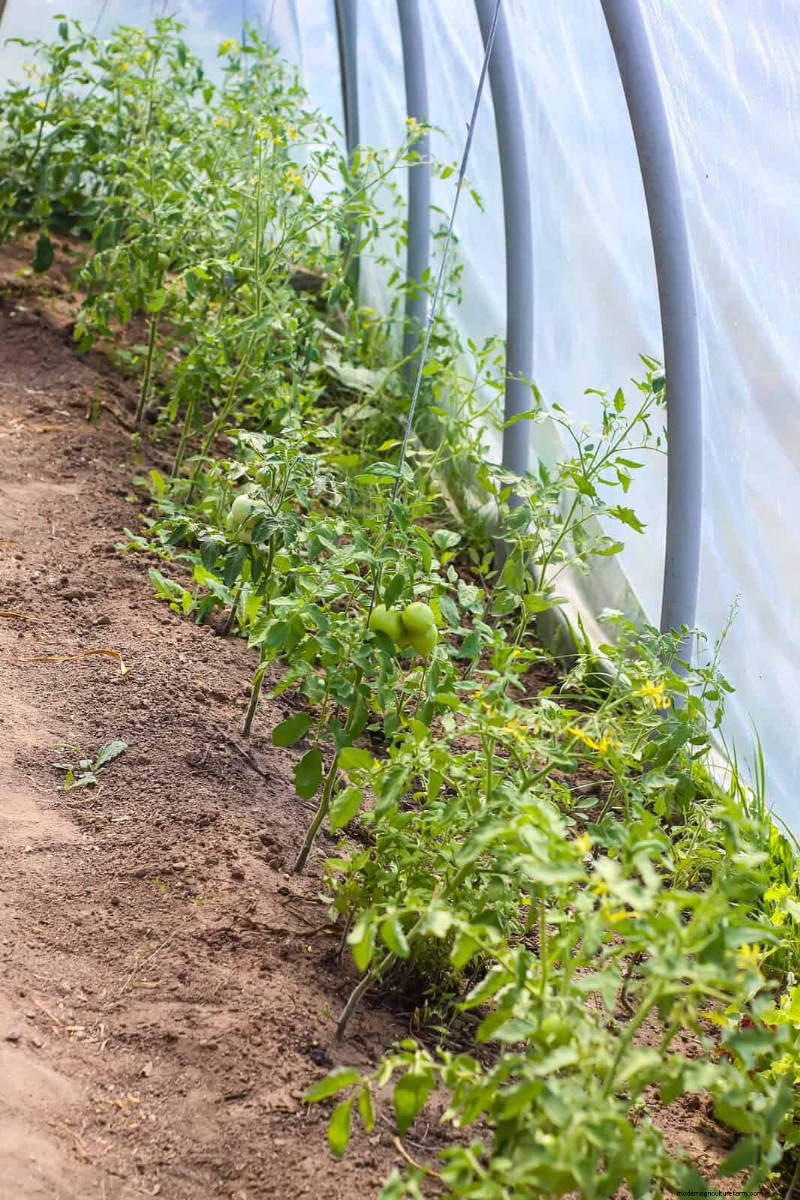
Protecting tomatoes during intense heat prevents sun scald and rapid fruit expansion. Drape 30-40% shade cloth over plants during periods when temperatures exceed 90°F.
Temporary shade structures can reduce fruit surface temperature by 10 degrees or more. Remove shade covering when the heat wave passes to ensure plants get enough light.
 Depositphotos
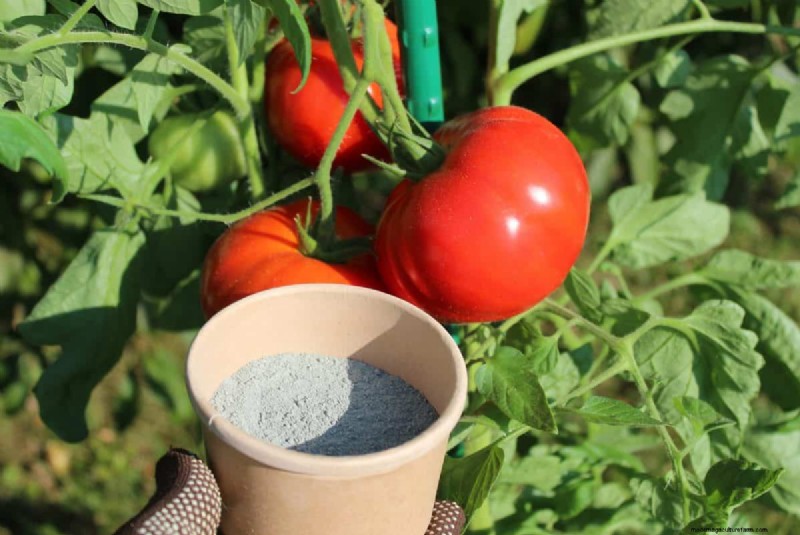
Balanced, slow-release organic fertilizers promote steady growth rather than the sudden spurts that cause cracking. Choose formulas specifically designed for tomatoes or vegetables.
Avoid high-nitrogen fertilizers once fruit begins to form. Too much nitrogen creates excessive foliage at the expense of fruit quality and can lead to weaker cell walls.
 Depositphotos
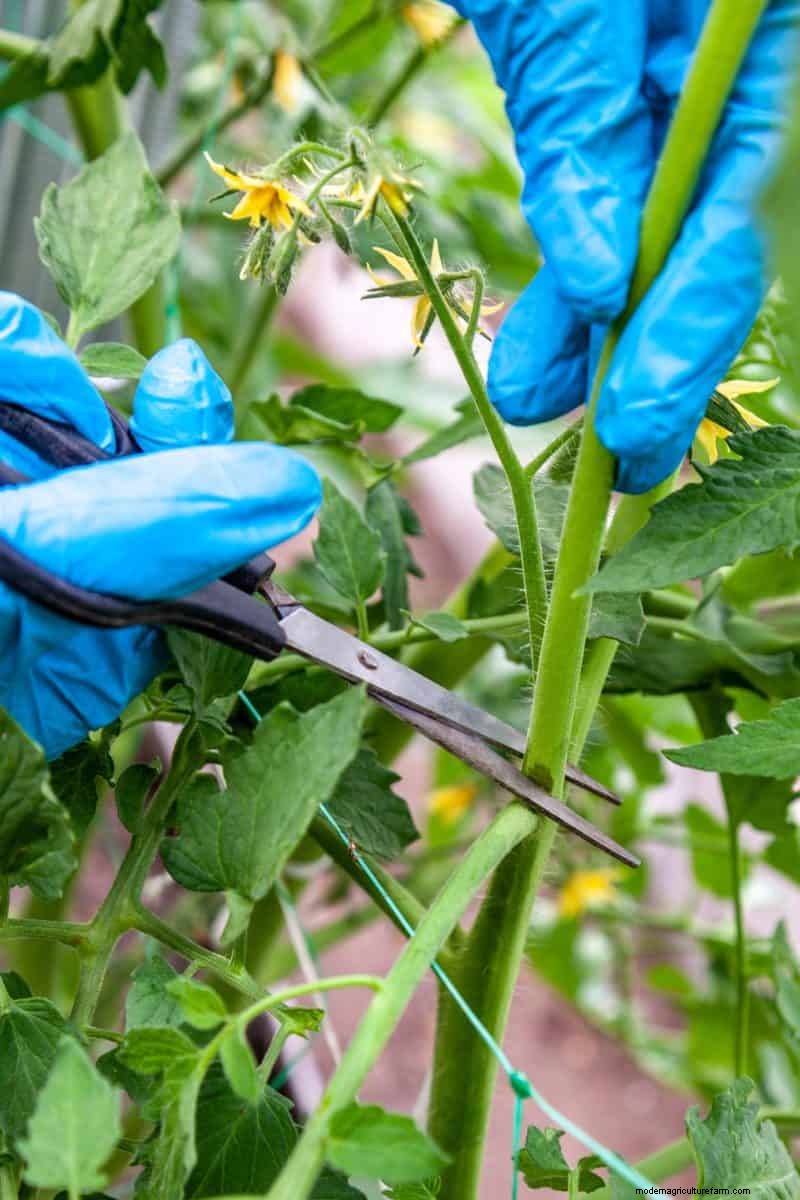
Removing some foliage improves air circulation and helps tomato plants direct energy to fruit development. Focus on removing lower leaves and suckers for indeterminate varieties.
Good pruning practices lead to stronger fruit with better resistance to cracking. Just avoid removing too many leaves, as plants need foliage to produce energy and shade fruit.
 Depositphotos
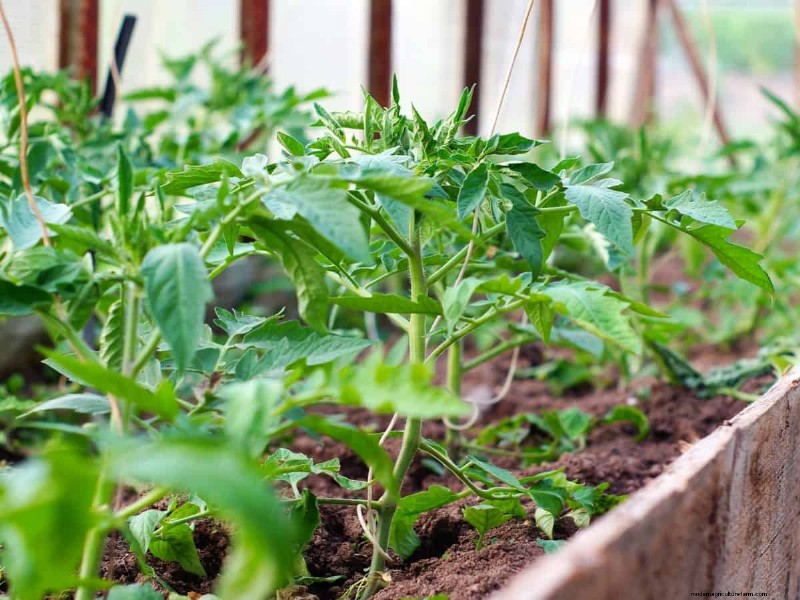
Raised beds provide better drainage and warm up faster in spring. The improved soil structure helps maintain more consistent moisture levels that prevent cracking.
Fill raised beds with high-quality soil mix designed for vegetables. The investment pays off with healthier plants and crack-free tomatoes throughout the season.
 Depositphotos
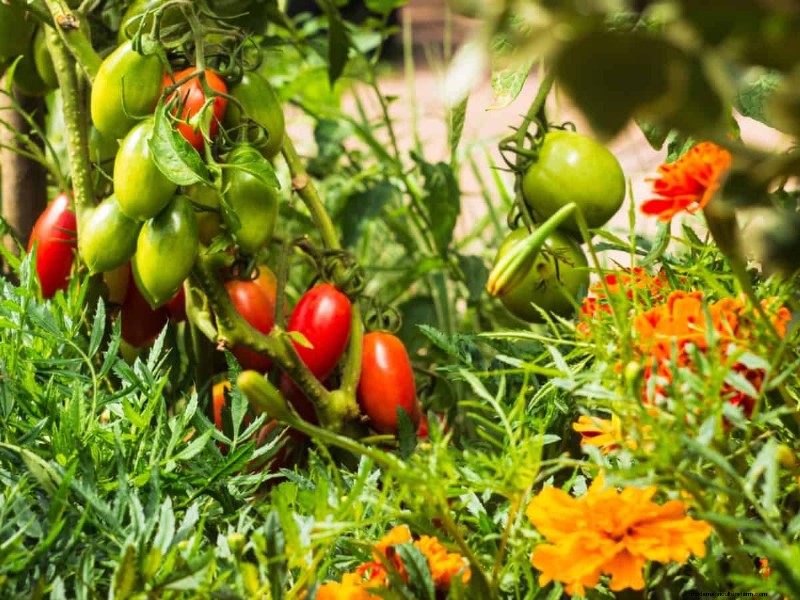
Growing beneficial companions like basil, marigolds, or nasturtiums alongside tomatoes improves overall plant health. Healthier plants produce stronger fruit that resists cracking.
Companion plants also attract beneficial insects that help control pests. Less pest damage means less stress on your tomato plants and fewer opportunities for fruit to crack.
 Depositphotos
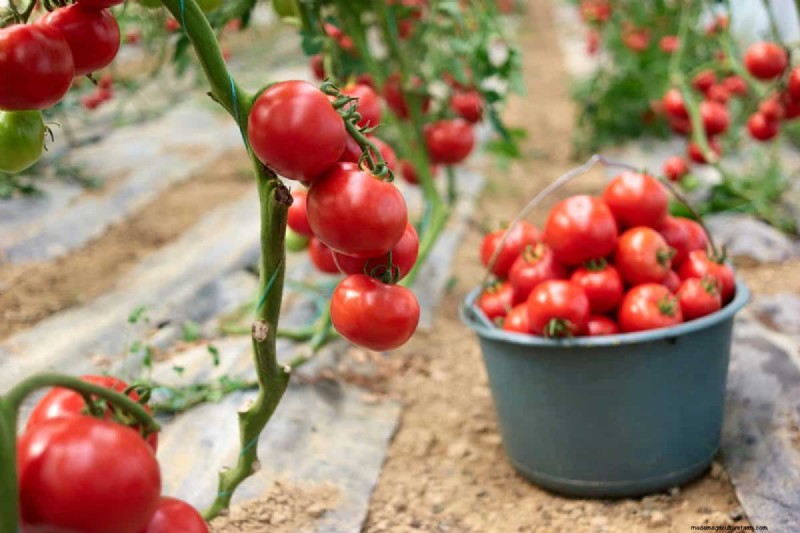
Growing crack-free tomatoes takes a little planning and attention, but the results are worth the effort. By combining several of these prevention strategies, you’ll be enjoying beautiful, intact tomatoes from early summer through fall.
Remember that consistency is key with tomatoes. Small adjustments to watering, support, and care routines make a big difference in fruit quality. Your garden will reward you with gorgeous tomatoes that are as beautiful as they are delicious.