
Welcome to Modern Agriculture!

 Depositphotos
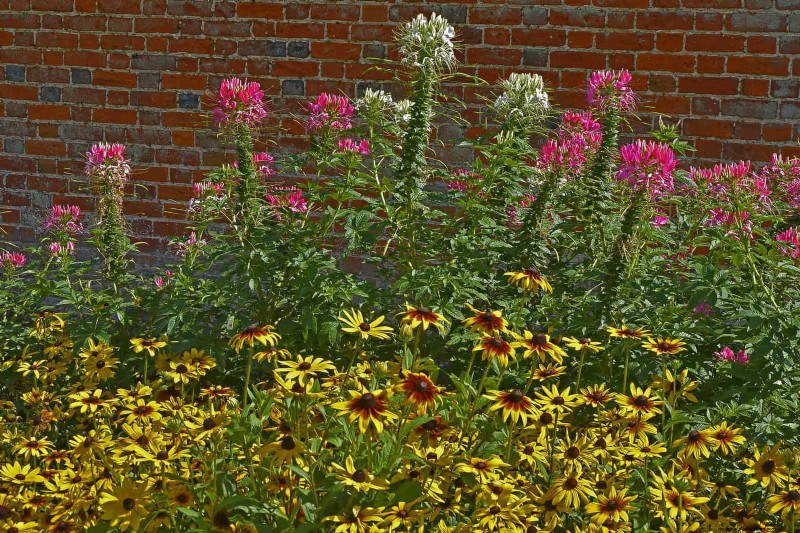
July brings peak summer heat to gardens across the country, but that doesn’t mean you’ve missed your chance to sow flowers for late-season color. Many stunning blooms thrive when planted during these warm weeks.
Direct sowing in July gives you a brilliant autumn display when other plants start to fade. The following flowers are perfect for mid-summer sowing, requiring minimal effort while delivering maximum impact.
Most need basic care – regular watering during establishment, well-draining soil, and plenty of sunshine. Your reward? A garden that continues to delight with fresh blooms when summer transitions to fall.
 Depositphotos
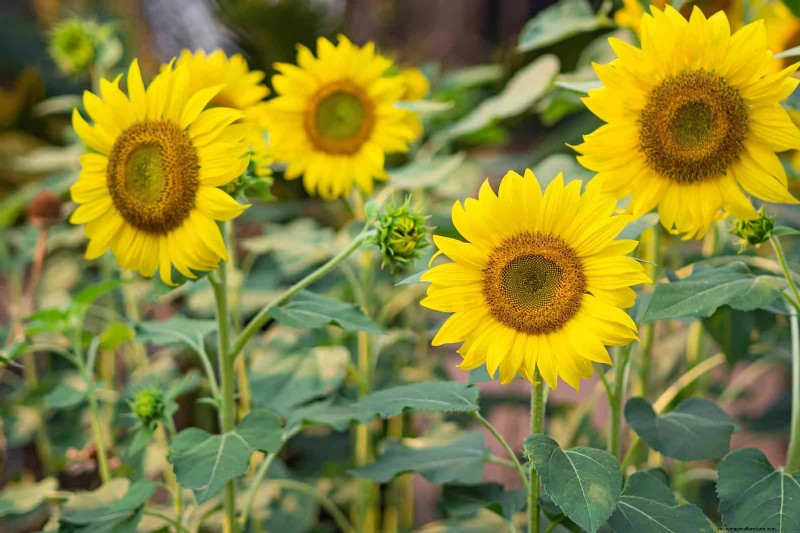
These iconic summer giants transform any garden with their cheerful presence. Sunflowers radiate warmth when the morning light catches their golden petals, while their large, textured centers create a striking focal point.
When summer breezes pass through, the leaves produce a subtle rustling sound, adding a sensory element beyond their visual impact. Quick-growing varieties like Autumn Beauty or Italian White can bloom within 60 days of sowing, making July perfect timing.
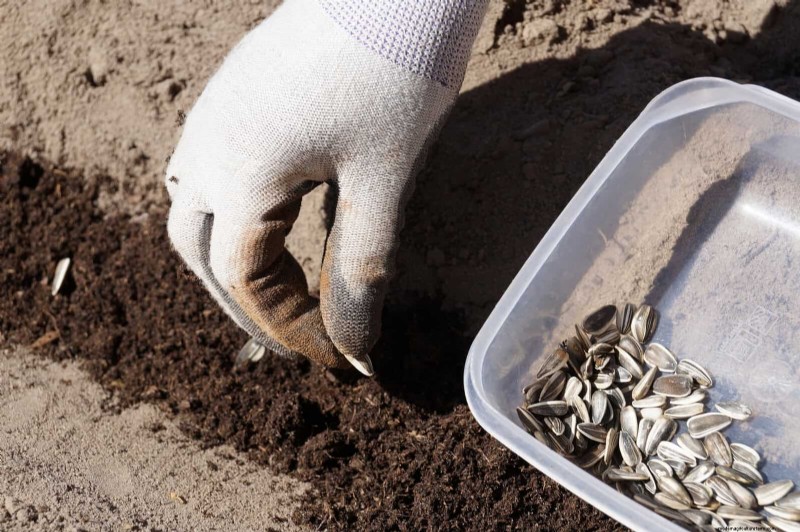
Plant seeds 1 inch deep in well-draining soil where they’ll receive at least 6 hours of direct sun. For continuous blooms, stagger plantings every two weeks. Sunflowers thrive nationwide but perform exceptionally well in USDA zones 4 to 9, attracting bees, butterflies, and eventually seed-loving birds to your garden.
 Depositphotos
The towering stems of sunflowers, which can reach heights from 2 to 12 feet depending on variety, create instant vertical interest in garden borders. Their massive blooms, sometimes 12 inches across, become neighborhood landmarks and conversation starters.
The contrast between their dark centers and vibrant petals makes them photogenic additions to any landscape. Beyond their beauty, sunflowers serve functional purposes. The ‘Mammoth’ variety produces edible seeds, while dwarf types like ‘Teddy Bear’ work perfectly in containers for small-space gardeners.
Plant a row to create a living privacy screen, or use them as natural supports for climbing vegetables like cucumbers. Their ability to thrive in less-than-perfect soil makes them ideal for beginning gardeners or challenging spots.
We'll email it to you so you can read it later!
By saving, you agree to receive occasional emails. Unsubscribe anytime.
 Depositphotos
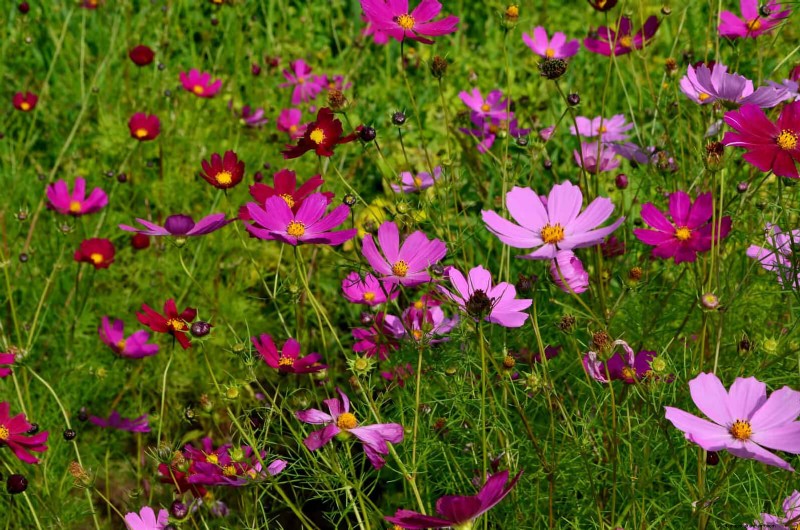
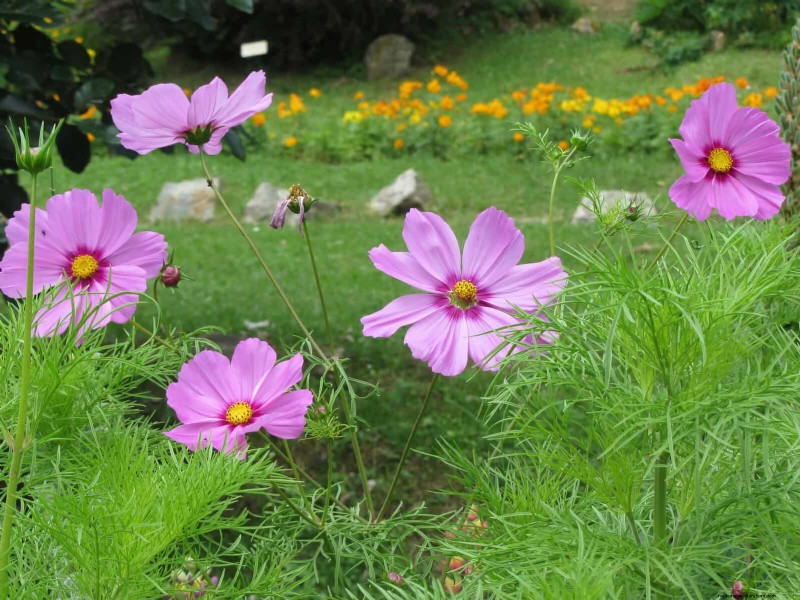
Few flowers capture summer’s carefree spirit like cosmos with their delicate, daisy-like blooms bobbing atop slender stems. Their feathery foliage feels soft and creates a misty, ethereal quality in the garden.
Their subtle, honey-like fragrance intensifies when evening approaches, especially in varieties with darker blooms. July-sown cosmos bloom by late August and continue flowering until frost, providing weeks of color.
Scatter seeds in a sunny spot, barely covering them with soil, and gently water them. The ‘Sensation’ mix offers classic pink, white, and magenta blooms on 3 to 4-foot stems, while ‘Sonata’ stays compact at 2 feet, perfect for containers. These drought-tolerant flowers thrive across the country in zones 3 to 10, with minimal care once established.
 Depositphotos
Cosmos creates movement in the garden. Their slender stems sway with the slightest breeze, creating a dance-like quality that brings static landscapes to life. This gentle motion, combined with their airy form, softens hard edges around patios and walkways.
Their open-faced blooms, which close at night and reopen with the morning sun, provide an ever-changing display. These adaptable flowers perform admirably in poor, dry soil where many other plants struggle.
The ‘Seashells’ variety features rolled petals that create unique, tubular blooms, while ‘Cupcakes’ form cup-shaped flowers unlike typical cosmos.
Plant them in drifts between sturdier perennials to fill gaps, or use them in cutting gardens where their long stems and week-long vase life make them valuable additions. Leave some to self-seed, and they’ll return year after year.
 Depositphotos
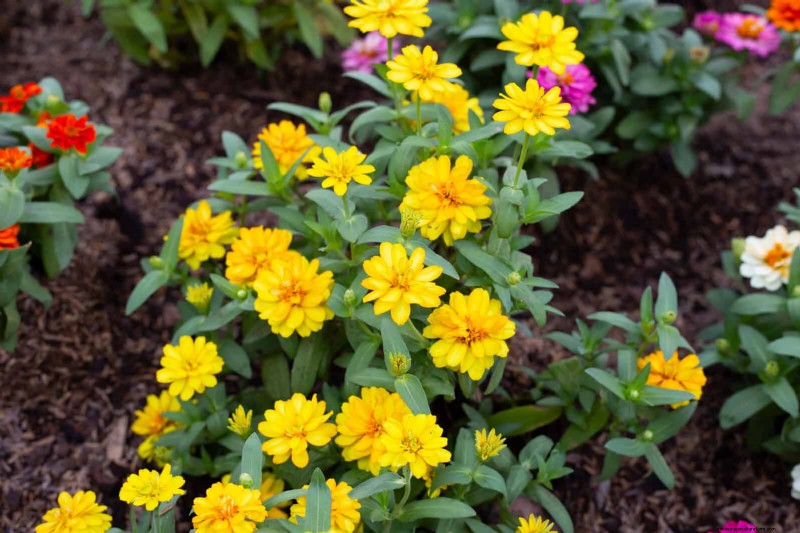
Zinnias deliver an explosion of color that withstands summer’s most punishing heat. Their stiff, daisy-like, or dahlia-like flowers stand proudly upright on sturdy stems, with petals that feel slightly papery.
Some varieties offer a light, sweet scent, but their most remarkable sensory quality is visual; the colors are so saturated that they seem almost artificial, especially the bright magenta and deep oranges. Direct sow zinnia seeds in July for blooms from late August until frost.
Plant them ½ inches deep in well-draining soil after all danger of frost has passed. The ‘Benary’s Giant series produces 4 to 6-inch blooms on long stems, perfect for cutting, while ‘Profusion’ creates mounding plants covered with 2-inch flowers, ideal for containers.
These heat-lovers perform spectacularly in zones 3 to 10, with southern gardeners enjoying especially prolonged blooming periods.
 Depositphotos
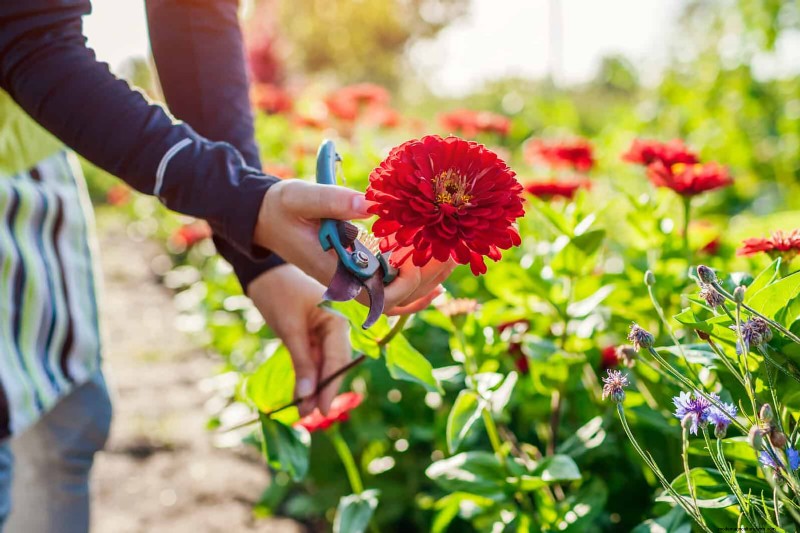
Zinnias create an immediate impact with their remarkable color range, from soft pastels to electric neons, often with multiple hues on a single plant. The ‘Queen Red Lime’ variety showcases unusual burgundy-green blooms, while ‘The Peppermint Stick’ features striped petals that look hand-painted.
Their sturdy growth habit makes them reliable performers even during summer storms. Beyond their ornamental value, zinnias serve as vital pollinator magnets, attracting butterflies, bees, and hummingbirds in impressive numbers.
As its name suggests, the ‘Cut and Come Again’ variety produces more flowers the more you harvest, making it perfect for flower arrangements throughout late summer.
Plant taller varieties at the back of borders and shorter types as edging – their uniform height and bushy habit create a natural garden structure without staking.
 Depositphotos
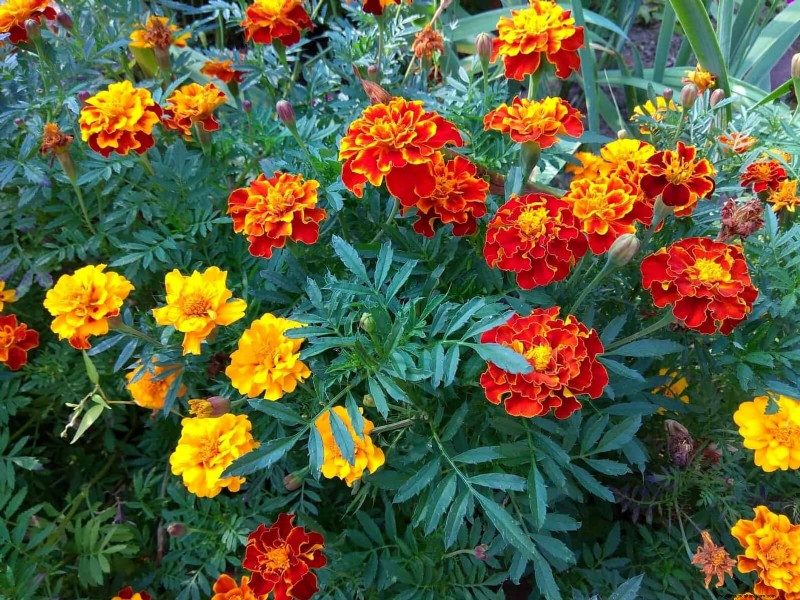
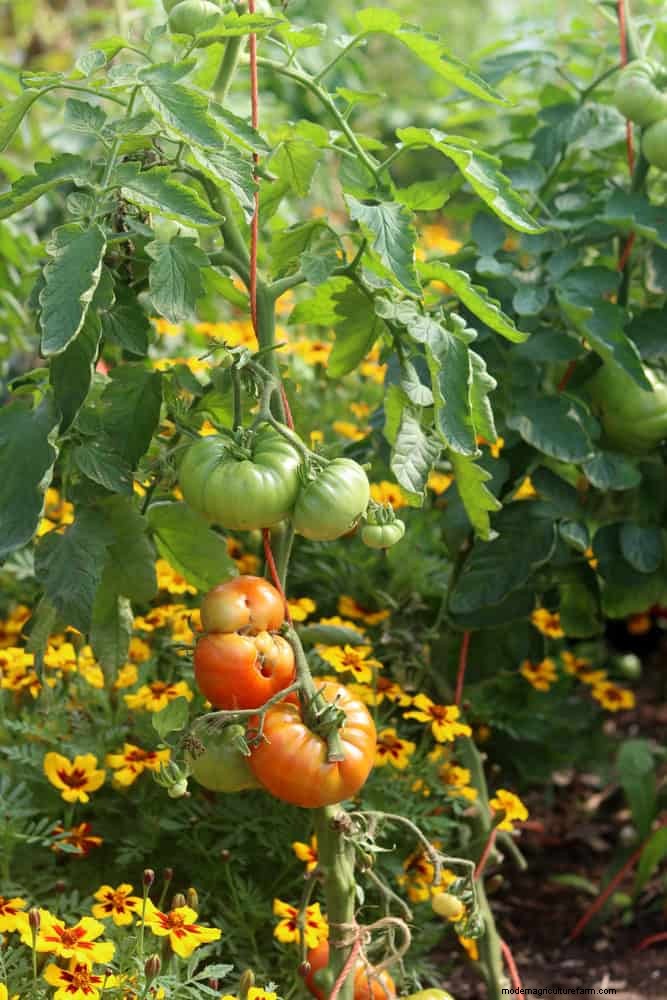
Marigolds fill the garden with cheerful blooms and a distinctive spicy scent that divides gardeners into love-it-or-hate-it camps. Their ruffled, pompom-like flowers feel velvety when touched, while their fern-like foliage releases an aromatic, slightly citrusy smell when brushed against.
This powerful fragrance serves a practical purpose: deterring many common garden pests. July-sown marigold seeds germinate quickly in warm soil, producing blooms within 45 to 50 days. Plant them ¼ inch deep in full sun, spacing dwarf varieties 6 to 9 inches apart and taller types 12 to 18 inches apart.
The ‘Durango’ series offers fiery orange-red blooms on 12-inch plants, while ‘Gem’ varieties stay tiny at 6 to 8 inches with edible, citrus-flavored flowers. These tough plants thrive nationwide in zones 2 to 11, laughing off summer heat and continuing to bloom until hard frost.
 Depositphotos
Marigolds bring functional benefits beyond their ornamental value. Their root systems release compounds that repel harmful nematodes, making them valuable companion plants throughout the vegetable garden.
With their compact growth, traditional French marigolds (Tagetes patula) work perfectly as borders, while African varieties (Tagetes erecta) create a dramatic height with blooms sometimes reaching 5 inches across.
For kitchen gardeners, ‘Lemon Gem’ and ‘Tangerine Gem’ produce tiny, single flowers with distinct citrus flavors that brighten summer salads and garnish plates.
The ‘Alumia Vanilla Cream’ variety offers unusual pale yellow blooms that complement any color scheme. Marigolds require minimal maintenance; simply deadhead spent blooms to encourage more flowers, and their drought tolerance means less watering once established.
 Depositphotos
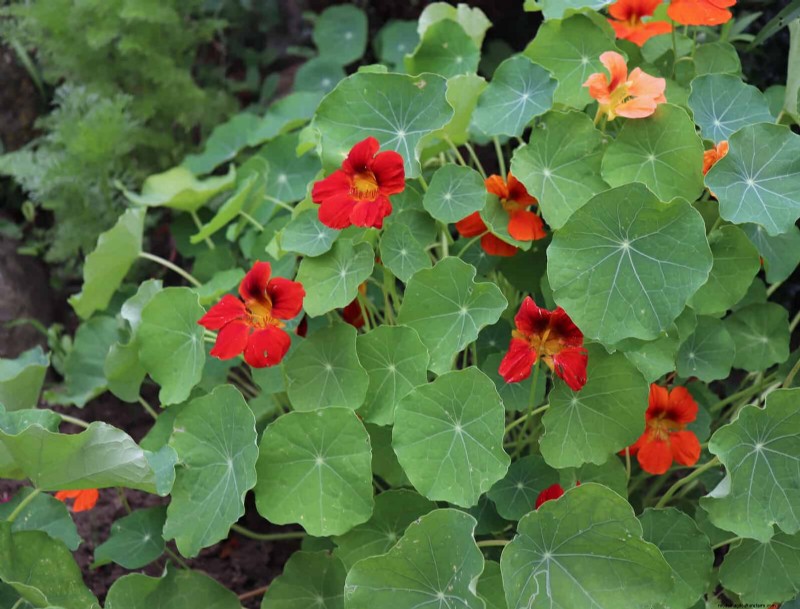
Nasturtiums blend beauty and functionality with circular, lily pad-like leaves and jewel-toned blooms. The entire plant offers sensory delight; velvety flowers with a sweet nectar spur, leaves that feel smooth and slightly waxy, and a distinctive peppery scent released when foliage is disturbed.
Their water-repellent leaves create a fascinating visual after rainfall, with water beading up like quicksilver across their surfaces. These easy-growing flowers thrive when directly sown in July.
Nick the large, wrinkled seeds slightly and plant them 1 inch deep in average to poor soil; overly rich soil produces lush foliage at the expense of flowers. The ‘Jewel Mix’ offers compact, mounding growth with traditional colors, while ‘Alaska’ features variegated foliage with white marbling.
The trailing ‘Gleam’ series cascades beautifully from hanging baskets. Nasturtiums perform well in zones 3 to 10, blooming until frost with minimal care.
 Depositphotos
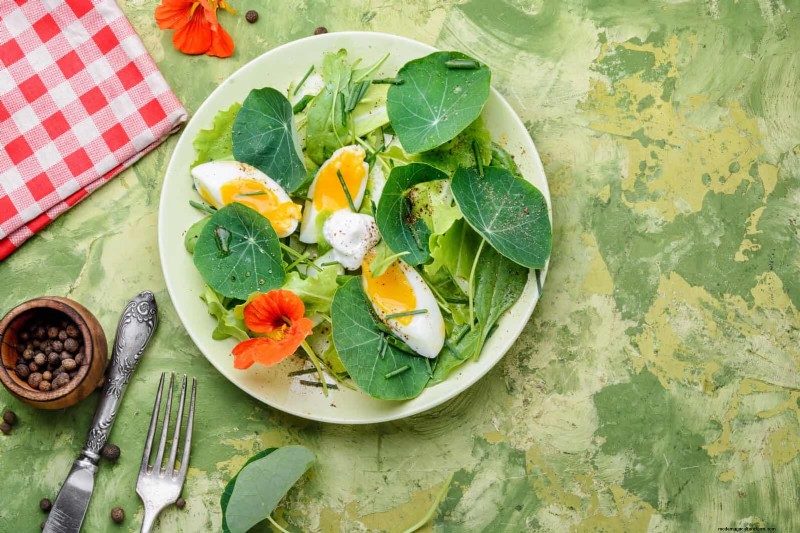
Nasturtiums are edible ornamentals, with flowers and leaves adding a peppery zip to summer salad. Their taste is similar to watercress but milder. Their trailing habit transforms walls and containers, with some varieties spreading up to 6 feet.
The ‘Peach Melba variety offers unusual cream and raspberry bicolor blooms, while ‘Empress of India combines deep blue-green foliage with vibrant red flowers.
Beyond their ornamental and culinary uses, nasturtiums act as trap crops, drawing aphids away from vegetables. Their shallow root systems make them perfect for growing between deeper-rooted plants or in rocky soil where other flowers struggle.
For small-space gardeners, dwarf varieties like ‘Whirlybird’ stay compact while producing upward-facing flowers that showcase their vibrant colors. Their ability to self-seed means you’ll likely enjoy volunteer plants in future seasons with zero effort.
 Depositphotos
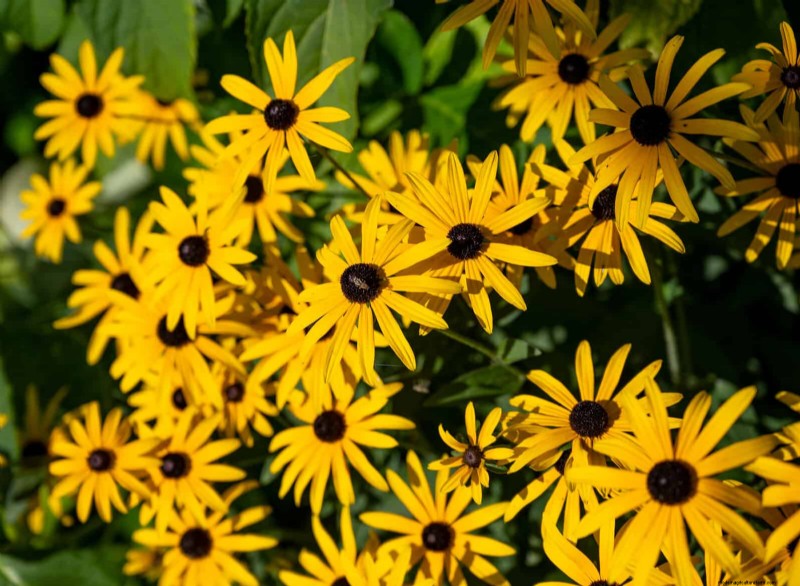
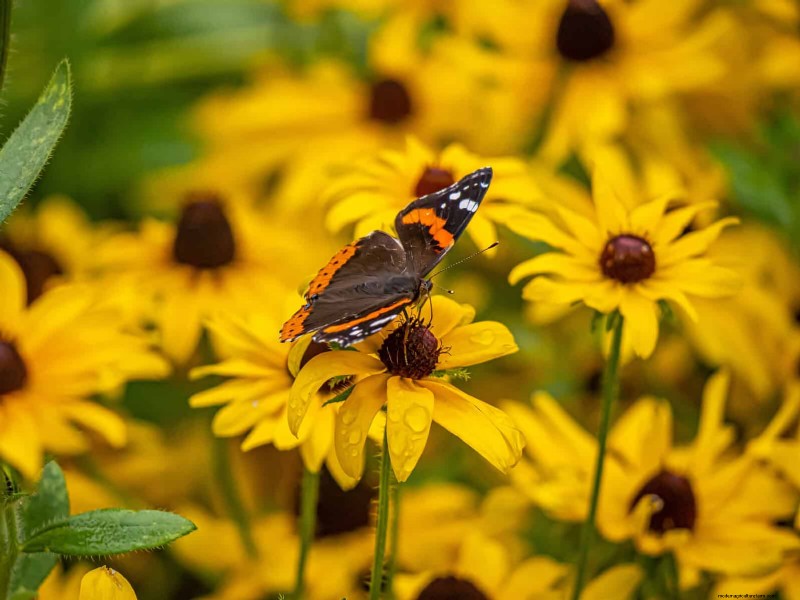
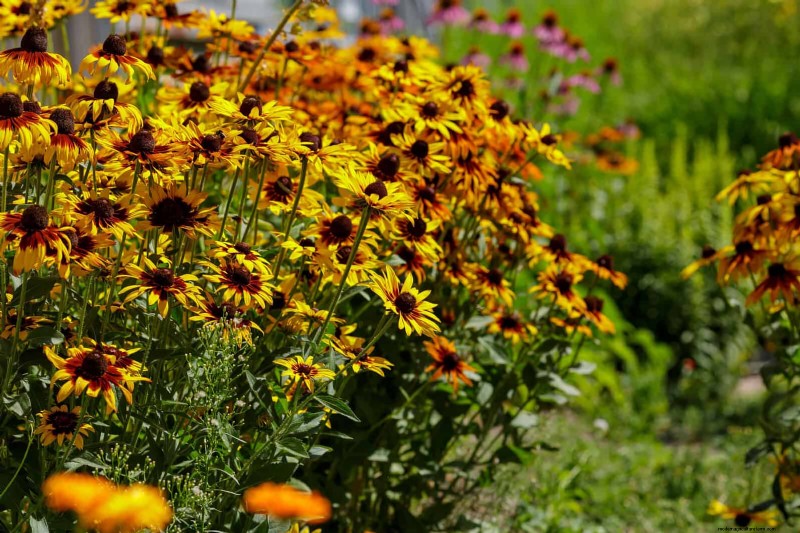
These native wildflowers bring meadow-like charm to any garden, with their golden-yellow petals surrounding distinctive dark centers. Their daisy-like blooms feel slightly rough, with stiff petals radiating from chocolate-brown centers that create a striking contrast.
When planted in drifts, they create a visual hum of golden color that seems to vibrate in the summer heat, while their sturdy stems produce a gentle rustling sound in passing breezes.
Direct sow black-eyed Susan seeds in July for the first year of flowering in early fall. Scatter seeds on prepared soil, barely covering them, as they need light to germinate. The classic variety reaches 2 to 3 feet tall with 3-inch blooms, while ‘Tiger Eye Gold’ stays compact at 18 inches.
 Depositphotos
Black-eyed Susans create instant habitat value, supporting native pollinators and beneficial insects with their open-faced, accessible blooms. Their long flowering period, which can extend from late summer through October with deadheading, provides crucial late-season nectar when many other flowers have finished.
The ‘Cherokee Sunset’ variety offers unusual bronze, rust, and mahogany tones, while ‘Prairie Sun’ features light green centers instead of the traditional dark eye.
These adaptable plants shine in naturalistic plantings, cottage gardens, and even formal borders where their structure and color create focal points. They tolerate clay soil better than many flowers and resist deer browsing, a significant advantage in suburban and rural gardens.
 Depositphotos
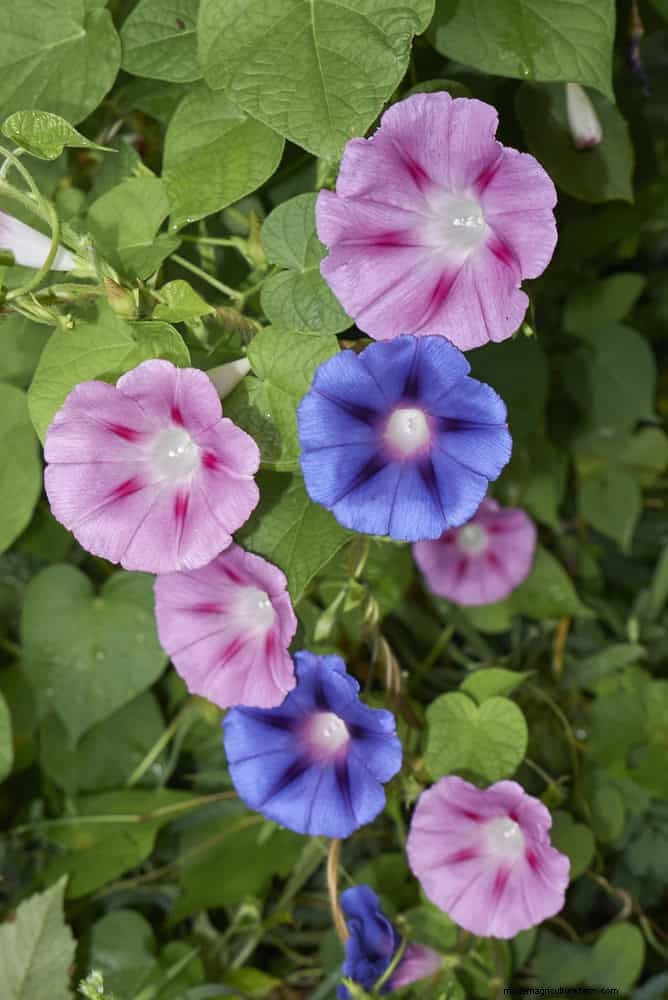
Morning glories transform vertical spaces with rapid growth and trumpet-shaped blooms that unfurl fresh each dawn. The flowers emit a subtle, sweet fragrance most noticeable in the early hours, while their heart-shaped leaves create a gentle rustling in summer breezes.
The blooms feel delicately papery, lasting just a day before twisting closed. Their ephemeral nature makes each morning’s display more precious.
July provides perfect timing for sowing these vigorous climbers, as warm soil temperatures promote rapid germination. Nick seeds slightly and soaks overnight before planting ½ inches deep near a trellis, fence, or other support.
‘Heavenly Blue’ remains the classic choice with sky-blue flowers, while ‘Grandpa Ott’ offers deep purple blooms with star-shaped centers. These heat-loving vines thrive in zones 3 to 10, growing up to 10 feet in a single season, with blooms continuing until frost cuts them down.
 Depositphotos
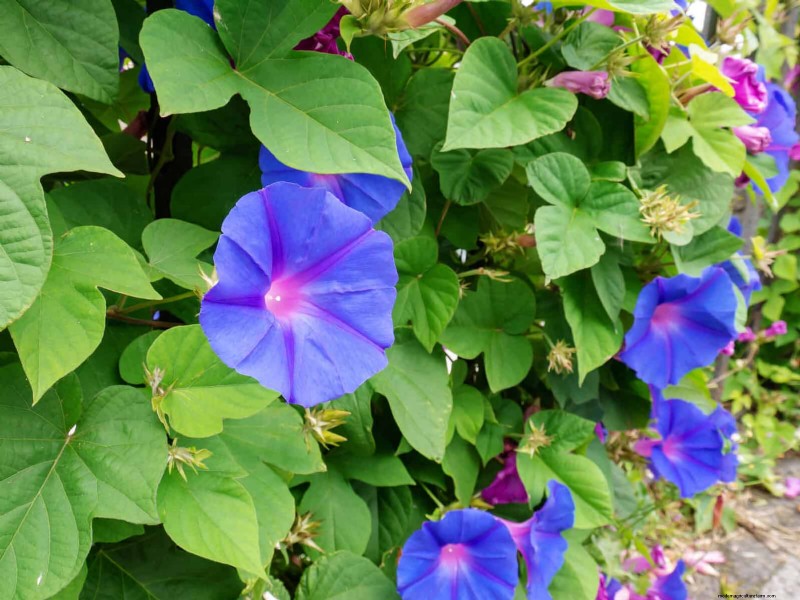
Morning glories transform ordinary garden structures into flowering features with minimal effort. Their twining habit means they climb naturally without requiring tying or training; perfect for gardeners seeking low-maintenance vertical interest.
The ‘Tie Dye’ variety offers psychedelic swirls of blue and purple, while ‘Milky Way’ produces white flowers speckled with purple for a starry effect. Despite their delicate appearance, these tough plants thrive in challenging conditions, including poor soil and urban settings.
Plant them to screen air conditioning units, climb through established shrubs for late-season color, or ramble along fences. They self-seed readily in warmer zones, though they rarely become problematic.
Try compact varieties like ‘Early Call’ for small spaces under 6 feet tall while producing full-sized blooms. Their rapid growth makes them perfect for impatient gardeners or children’s gardens.
 Depositphotos
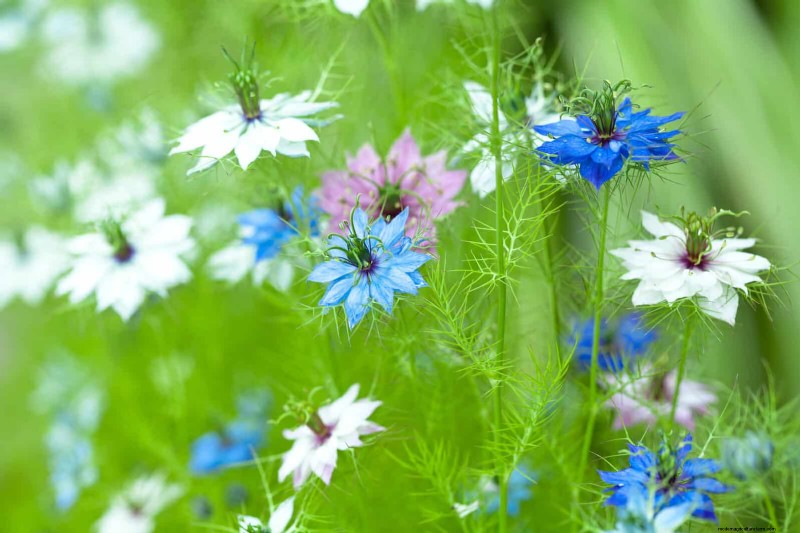
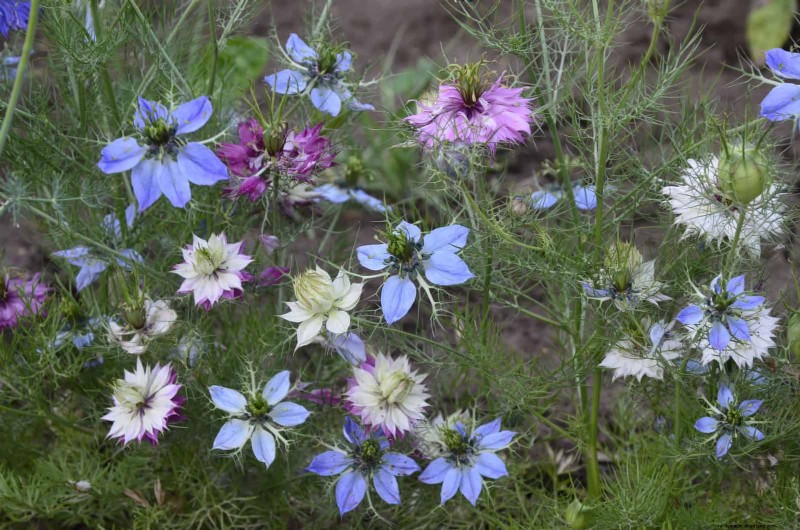
Love-in-a-mist creates garden magic with blooms that float within a cloud of feathery foliage. The flowers feel silky, while the surrounding lacy bracts create a misty effect that gives this plant its romantic name.
After flowering, the seed pods develop into balloon-like structures with horn-like projections. These structures offer architectural interest and rattle gently when dry, extending the plant’s sensory appeal well beyond its bloom time.
Direct sow these cool-weather lovers in July for fall flowering, especially in regions with hot summers. Scatter seeds on prepared soil and rake lightly; they need darkness to germinate.
The classic ‘Miss Jekyll’ variety offers sky-blue flowers, while ‘Mulberry Rose’ produces deep pink blooms. These Mediterranean natives perform best in zones 3-9, preferring cooler nights. In southern regions (zones 8-9), they often bloom through mild winters into spring.
 Depositphotos
Love-in-a-mist brings old-world cottage garden charm with its vintage appearance and self-sowing habit. The unusual seed pods, which resemble miniature hot air balloons, dry beautifully for floral arrangements and craft projects.
The Persian Jewels mix offers a blend of blue, pink, and white flowers, while the African Bride produces pure white blooms with nearly black centers for dramatic contrast.
These adaptable flowers complement both formal and informal garden styles. Their airy texture softens rigid planting schemes, and their relatively short height (12 to 18 inches) makes them perfect for garden edges and container plantings.
The delicate foliage, reminiscent of dill or fennel, provides textural contrast to broader-leaved plants. Allow some plants to set seed, and you’ll enjoy volunteer seedlings in spring; these can be thinned or transplanted as needed, creating a sustainable garden with minimal effort.
 Depositphotos
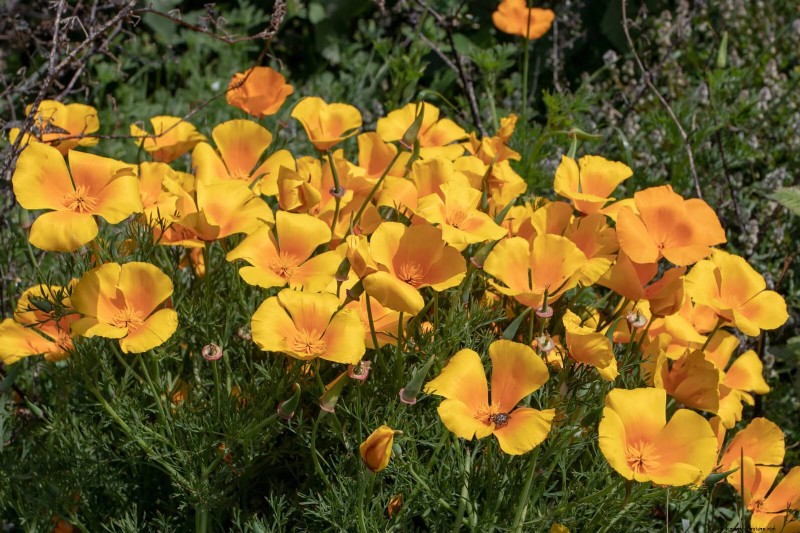
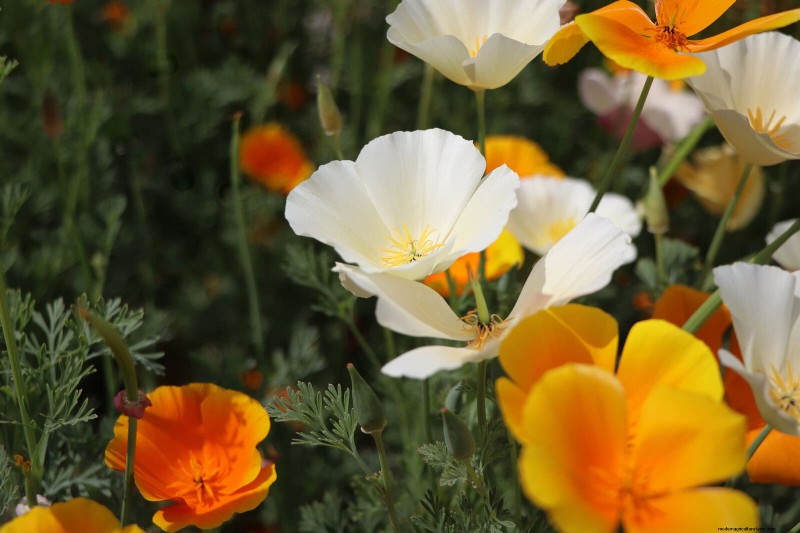
California poppies bring silky, cup-shaped blooms that open with the morning sun and close at dusk. Their petals feel like crinkled silk – delicate yet surprisingly sturdy, while their blue-green, fern-like foliage adds contrasting texture.
When summer breezes move through a drift of these poppies, the flowers seem to nod in conversation, their vibrant colors intensifying in bright sunlight to an almost fluorescent glow.
These drought-tolerant natives excel when directly sown in July, especially in regions with mild winters. Scatter seeds on bare soil and press lightly; they need light to germinate. The classic orange variety brightens any landscape, while ‘Thai Silk’ offers frilled salmon, pink, and cream petals.
These tough wildflowers thrive in zones 6 to 10, performing as perennials in milder regions and self-sowing annuals in colder areas. They bloom within 60 days of planting and continue until heat or frost ends their display.
 Depositphotos
California poppies embody low-maintenance gardening, performing better in lean soil where many other flowers struggle. Their tap roots access deep moisture, allowing them to sail through dry periods that would wilt lesser plants.
The ‘Copper Pot’ variety offers unusual burnished bronze blooms, while ‘Jelly Beans’ produces multi-colored flowers on the same plant, sometimes with picotee edges for added interest.
These water-wise beauties shine in rock gardens, meadow plantings, and at the edges of xeriscaped landscapes. Their ability to self-sow creates sustainable displays that return yearly with zero effort, though they rarely become invasive due to their shallow root systems.
For small gardens or containers, try dwarf varieties like ‘Pixie’ that stay under 8 inches tall. Their natural resistance to deer and rabbits makes them valuable additions to gardens plagued by browsing wildlife.
 Depositphotos
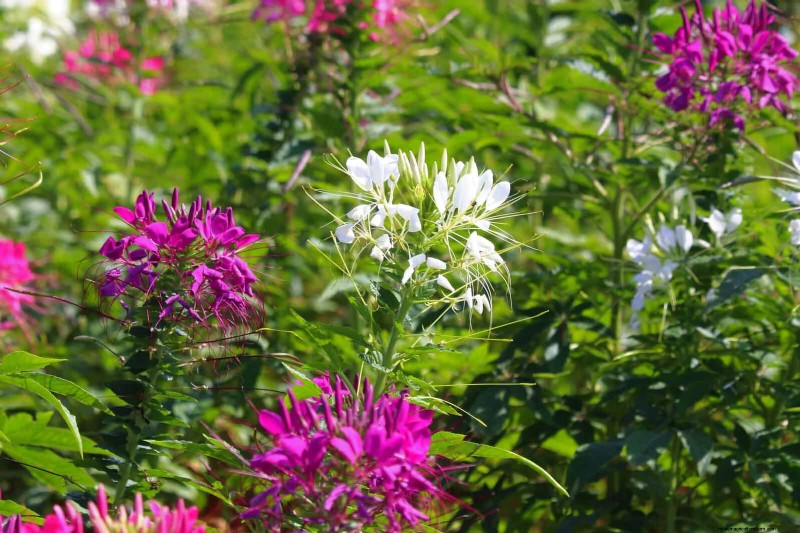
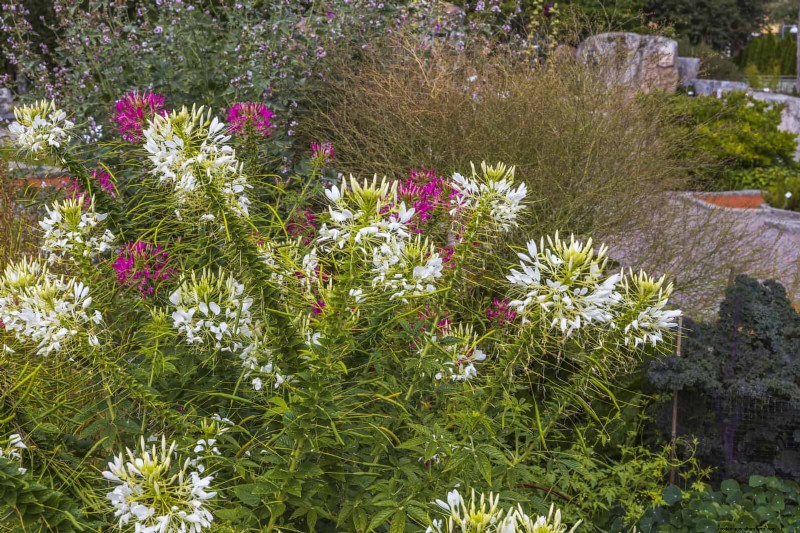
Cleome creates dramatic vertical interest with its spider-like blooms perched atop tall stems. The flowers produce a distinctive, slightly musky fragrance most noticeable in the evening hours, while their unusual form combines spidery stamens extending from globe-shaped flower clusters.
The stems feel slightly sticky, a natural defense mechanism that deters climbing insects. Seed pods form behind the flowers, creating the appearance of blooms in multiple stages along each stem.
July-sown cleome seeds germinate quickly in warm soil, producing flowering plants by late summer that continue blooming until frost. Press seeds lightly into prepared soil; they need light to germinate.
The ‘Queen’ series offers traditional colors of pink, rose, and white on plants reaching 4 feet tall, while newer varieties like ‘Sparkler’ stay compact at 24 to 30 inches. These dramatic plants thrive in zones 4 to 10, tolerating heat and humidity that challenge many other flowers.
 Depositphotos
Cleome brings architectural structure to garden backgrounds with minimal effort. Their naturally branching habit creates plants that rarely need staking despite their impressive height.
The ‘Senorita Rosalita’ variety offers sterile pink blooms without traditional varieties’ sticky stems or thorns, while ‘Clio’ produces unusual lavender flowers that glow in the evening light.
These statement plants create instant impact in new gardens. They reach their full height by late summer when many spring-planted flowers begin to fade. Their see-through quality allows them to be planted in middle positions without blocking views of plants behind them.
Try the compact Pequeno series for containers under 14 inches while maintaining the distinctive spider flower form. Once established, cleome tolerates drought conditions that would stress many other late-summer bloomers.
 Depositphotos
July flower sowing extends your garden’s peak beauty well into autumn, when many spring-planted annuals have exhausted themselves. The flowers in this collection offer remarkable diversity in height, form, and color yet share essential qualities: heat tolerance, rapid growth, and the ability to bloom before frost.
Most require minimal care beyond initial watering during establishment. For best results, prepare sowing areas by removing competing weeds and loosening soil to create good seed contact.
Consider providing afternoon shade for newly germinated seedlings during hot weather until they are established. With minimal effort now, you’ll enjoy fresh waves of color when neighbors’ gardens begin to fade. These late-sown flowers create a garden finale worth waiting for.


