Welcome to Modern Agriculture!

 Depositphotos
Your garden is hitting its stride, but the real work begins mid-season. The initial excitement has worn off, and now it’s time to ensure your plants keep producing until the final harvest.
Mid-season maintenance is the secret to extending your bounty and preventing common problems before they start. Ready to maximize your garden’s potential?
These quick tasks will keep your veggie patch thriving through the heat of summer and into fall. Most take just minutes to complete but deliver significant results when prolonging your harvest season.
 Depositphotos
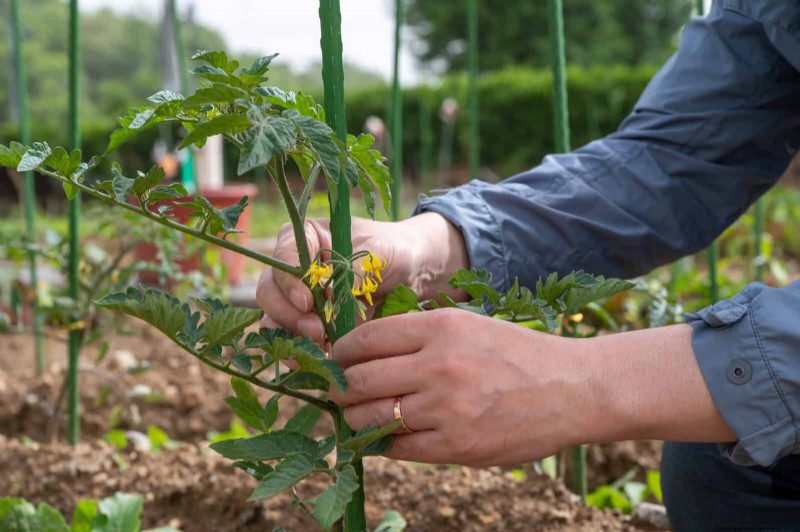
Tomatoes, peppers, and eggplants often become top-heavy as they produce fruit. When left unsupported, these plants can bend or snap under their weight. Take a few minutes to add stakes or cages to any plants showing signs of leaning.
This simple task prevents broken stems and keeps fruit off the ground where pests and rot can damage them. Staking isn’t just for tomatoes. Consider supporting any plant growing taller than expected or producing heavy fruit.
Use bamboo stakes, metal cages, or even repurposed tree branches. Your plants will thank you for continued production instead of premature collapse.
 Depositphotos
Summer heat changes how much water your garden needs. Check soil moisture regularly by sticking your finger about 2 inches deep into the soil. If it feels dry, it’s time to water.
Most vegetables need about 1 to 2 inches of water weekly, but this amount varies depending on your climate, soil type, and the specific plants you’re growing. Water deeply rather than frequently to encourage deeper root growth.
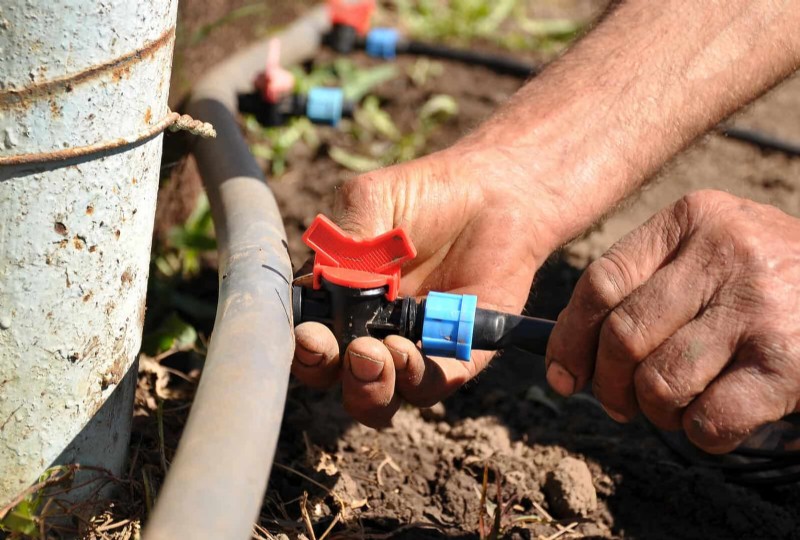
Early morning is the ideal time to water, allowing foliage to dry during the day, which helps prevent fungal diseases. Consider adding drip irrigation or soaker hoses if you haven’t already; they deliver water directly to the roots while keeping leaves dry.
We'll email it to you so you can read it later!
By saving, you agree to receive occasional emails. Unsubscribe anytime.
 Depositphotos
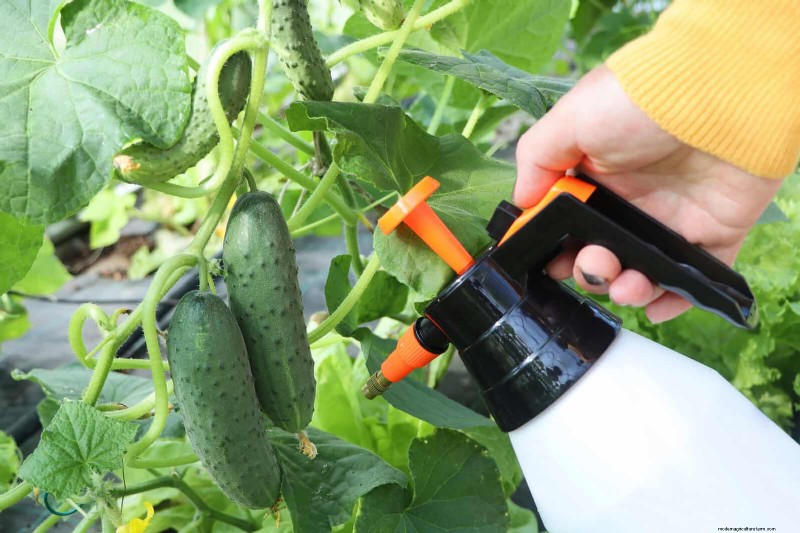
By mid-season, hungry vegetables like tomatoes, cucumbers, and squash have depleted your soil of many nutrients. Give these heavy feeders a boost with a balanced organic fertilizer.
Look for options formulated explicitly for vegetables or tomatoes, which typically provide the right nutrient balance for fruiting plants. Apply fertilizer according to package directions, being careful not to overfeed.
Too much nitrogen can promote lush foliage at the expense of fruit production. A good rule of thumb is to fertilize at half the recommended strength but twice as often for steady, gentle feeding that won’t shock your plants.
 Depositphotos
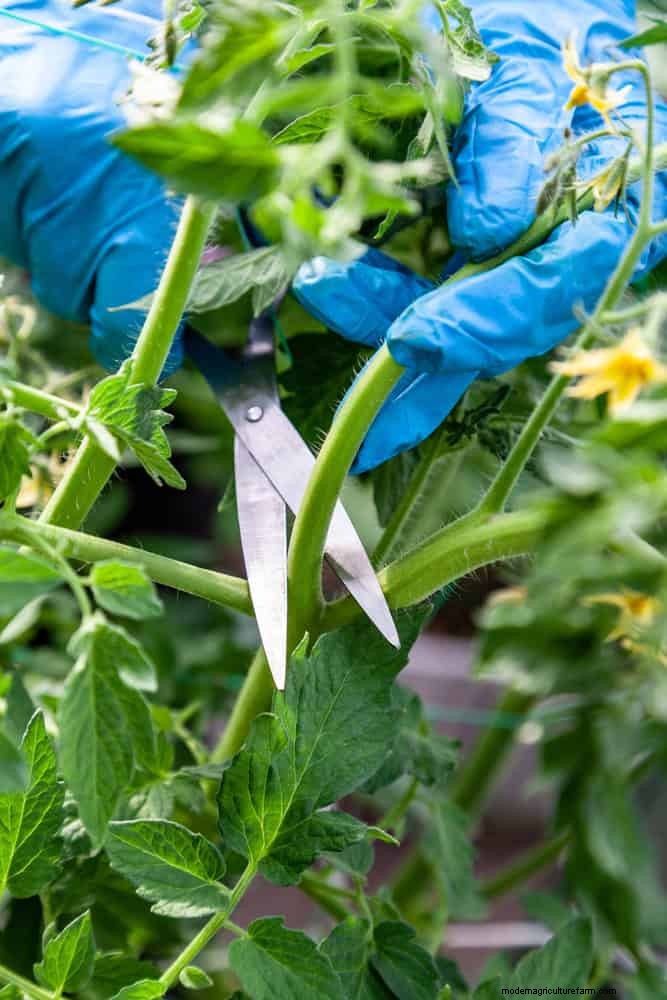
Those small shoots that appear in the crotch between the main stem and branches of tomato plants are called suckers. While they eventually grow into full branches, they divert energy from fruit production.
Removing these suckers focuses the plant’s resources on developing larger, earlier tomatoes rather than creating more foliage. For indeterminate (vining) tomatoes, regular sucker removal helps maintain airflow and prevents an unmanageable jungle of stems.
Simply pinch them off with your fingers when they’re small, or use clean pruners for larger suckers. But don’t remove all of them; keeping a few allows the plant to produce enough leaves for photosynthesis while still directing energy to fruit.
 Depositphotos
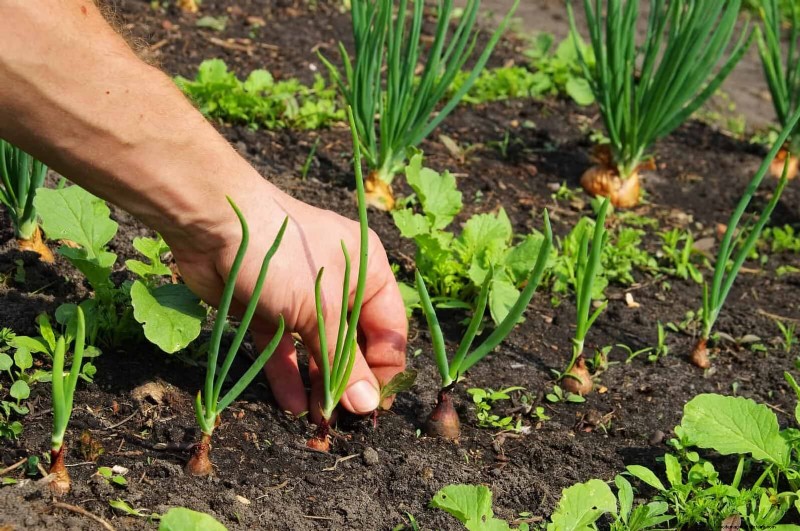
Mid-season is prime time for weeds to take hold in your garden. These unwanted plants compete with your vegetables for water, nutrients, and sunlight.
Worse, many summer weeds are approaching their seeding stage, where one plant can release thousands of seeds that will plague your garden for years to come. Take a few minutes daily to patrol your garden and pull any weeds you spot.
Focus primarily on flowering weeds that are about to set seed. A single season of diligent weeding can significantly reduce weed pressure in future years. Use a layer of mulch after weeding to suppress new weed growth and conserve soil moisture.
 Depositphotos
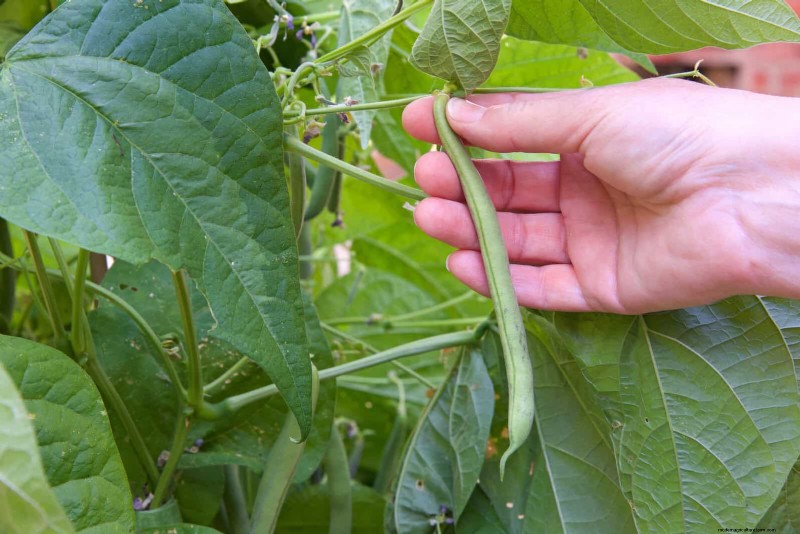
Many vegetables produce more when harvested frequently. Plants like beans, cucumbers, and summer squash are programmed to stop producing once their fruits mature and form seeds.
Picking these vegetables while young and tender signals the plant to grow more fruits, significantly extending your harvest season. Check your garden daily during peak production times.
Even a day or two of neglect can result in overgrown, tough vegetables that reduce yield; harvesting in the morning when plants are hydrated results in the crispest, freshest produce. And don’t forget to look carefully; vegetables often hide under leaves or blend in with the foliage.
 Depositphotos
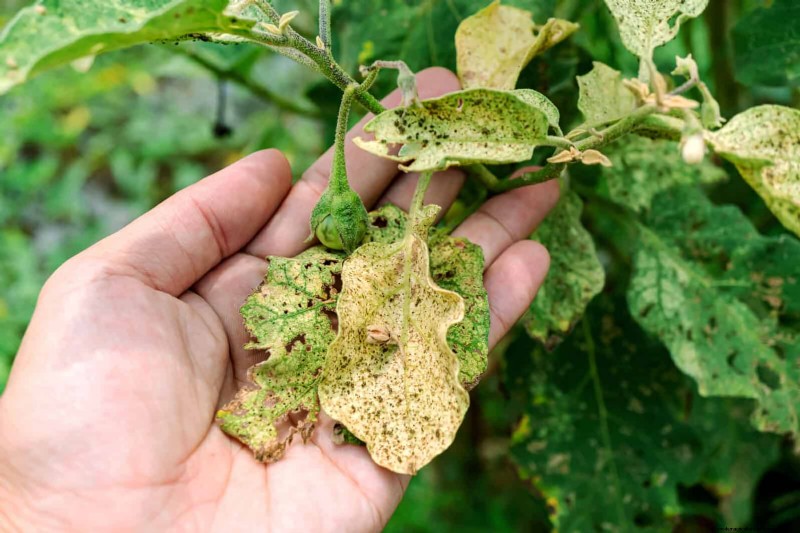
Spotting disease or pest problems early can save entire crops. Yellow leaves, spots, powdery residue, or chewed edges are all warning signs that require attention.
Remove affected leaves promptly, being careful not to shake them and potentially spread spores or pests to healthy plants. Dispose of diseased plant material in the trash rather than your compost pile, where problems can persist and spread to next year’s garden.
After handling diseased plants, wash your hands and tools with soapy water or a diluted bleach solution to avoid cross-contamination. This simple maintenance task can stop many problems before they affect your entire garden.
 Depositphotos
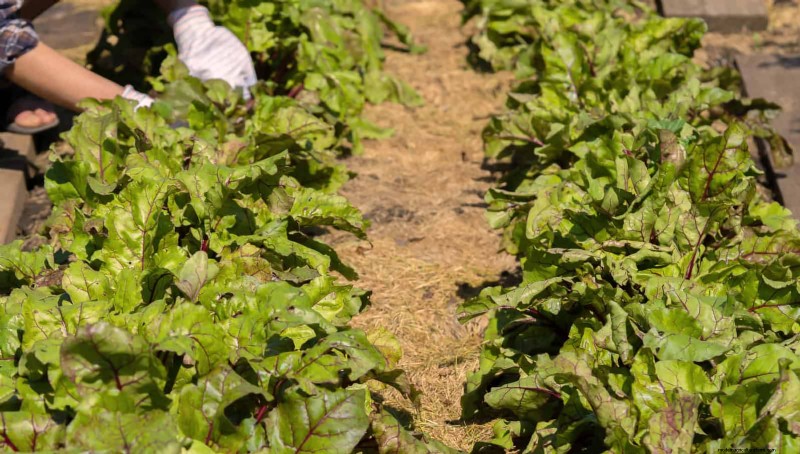
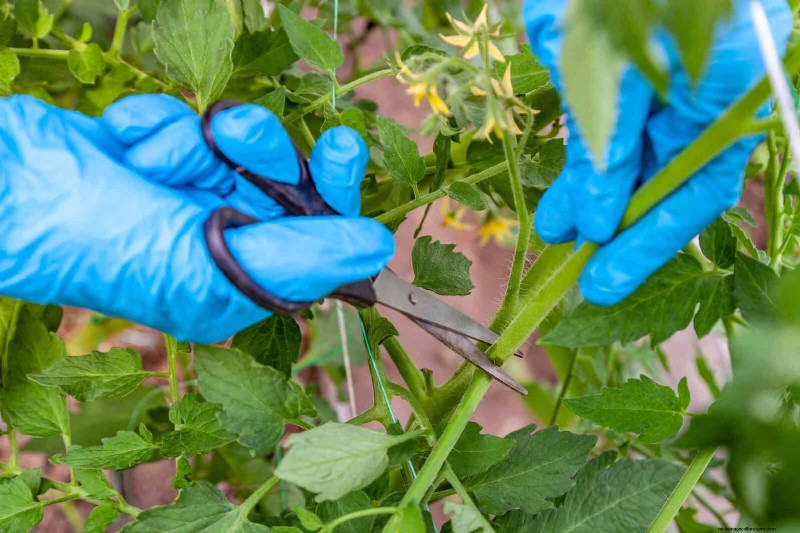
Root vegetables like carrots, beets, and radishes need room to develop properly. If you notice crowded seedlings, thin them to the recommended spacing on the seed packet.
While removing plants might seem wasteful, the remaining roots will grow larger and of higher quality with adequate space. Small scissors should be used to snip excess seedlings at the soil level rather than pulling them, which can disturb the roots of neighboring plants.
The thinnings of many root crops are edible; baby beet greens and carrot tops make excellent additions to salads or stir-fries. This task transforms potential waste into a bonus harvest while improving your main crop.
 Depositphotos
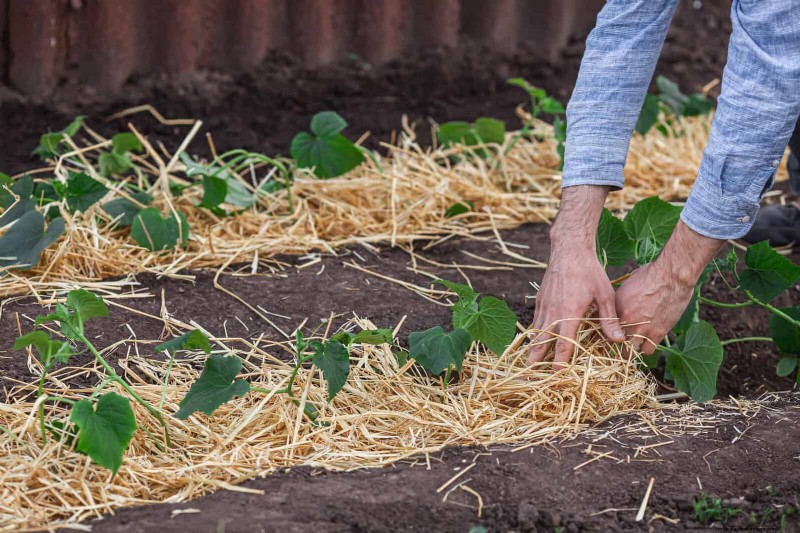
If you haven’t mulched yet, mid-season is the perfect time to add this protective layer. A 2 to 3-inch layer of organic mulch, such as straw, shredded leaves, or grass clippings, helps retain soil moisture during hot summer days.
It also suppresses weeds and gradually adds organic matter to your soil as it breaks down. Keep mulch a few inches away from plant stems to prevent rot and pest problems.
Replenish mulch as needed throughout the season, especially after heavy rains, which can wash it away. This simple task can reduce your watering needs by up to 50% while keeping soil temperatures more moderate during the summer heat.
 Depositphotos
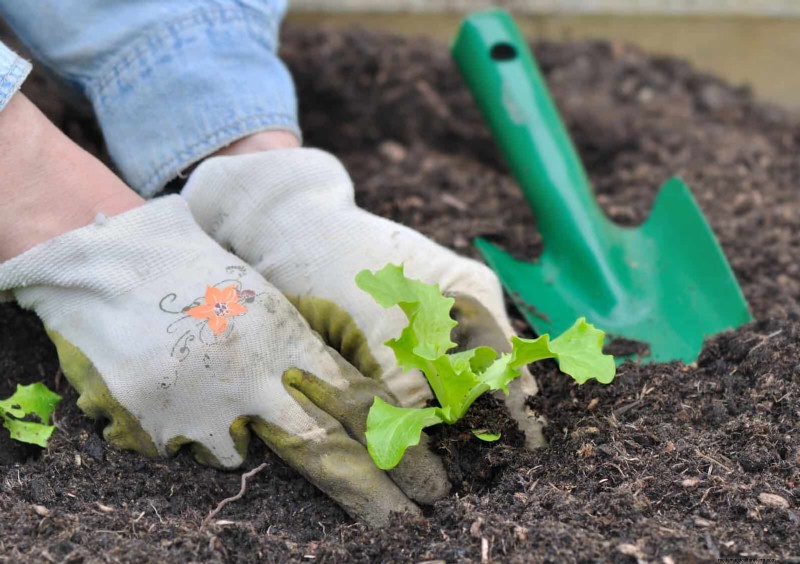
As spring crops finish producing, don’t leave that space empty. Quick-growing vegetables like lettuce, radishes, bush beans, and spinach can be planted every 2 to 3 weeks for continuous harvests.
Check seed packets for “days to maturity” and count backward from your first fall frost date to determine the latest planting dates. Cool-season crops that struggled in spring heat often perform beautifully when planted for fall harvest.
Peas, leafy greens, and root vegetables can all be sown mid-summer for autumn eating. To protect sensitive seedlings from intense summer sun during their establishment phase, use shade cloth or plant them in the shadow of taller crops.
 Depositphotos
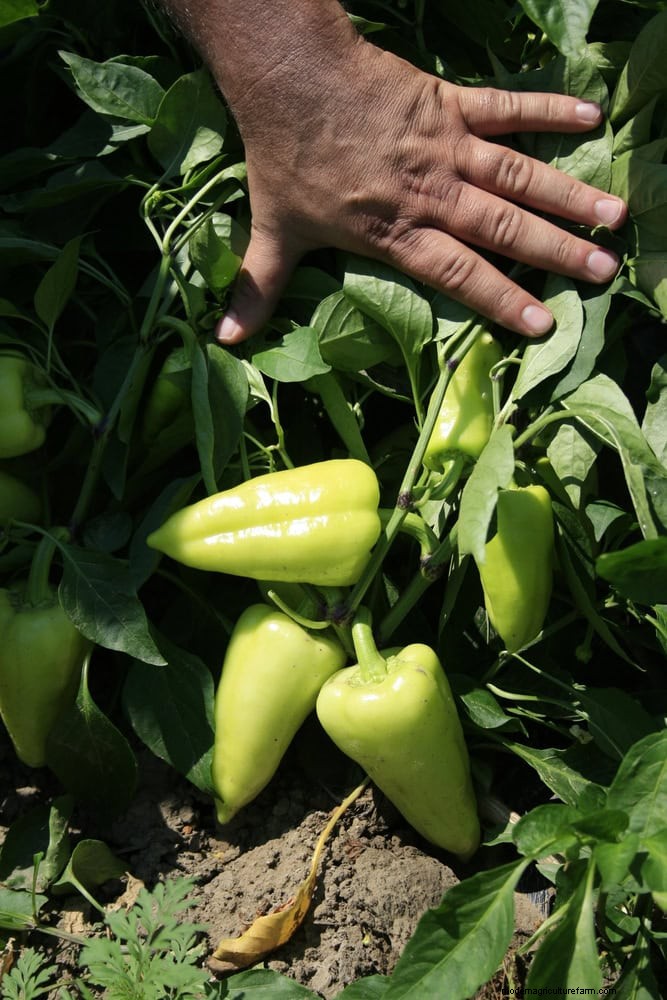
Take a few minutes each week to inspect the undersides of leaves where many pests hide. Look for clusters of small eggs, tiny insects, or tell-tale feeding damage.
Catching pest problems early allows for gentler interventions like handpicking or a strong spray of water instead of more intensive treatments later. Beneficial insects like ladybugs, lacewings, and predatory wasps are your allies in pest control.
Encourage these garden helpers by avoiding broad-spectrum insecticides and planting flowers that provide nectar and pollen. Small patches of dill, cilantro, or sweet alyssum near your vegetables can dramatically increase beneficial insect populations.
 Depositphotos
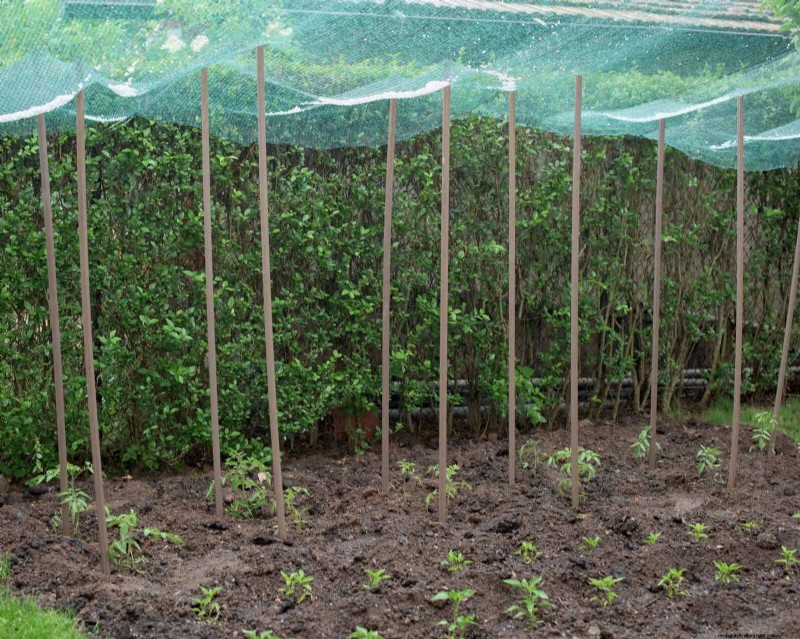
Lettuce, spinach, and other cool-season crops often bolt (flower prematurely) during summer heat. By providing afternoon shade, you can extend their productive season.
Temporary shade cloth supported by simple frames can reduce soil temperatures by 10 degrees or more, preventing bolting and allowing continued harvests. Strategic planting can create natural shade patterns.
Tall crops like corn or sunflowers on the western side of heat-sensitive plants provide afternoon protection when temperatures are highest. This natural architecture approach requires no additional materials while creating microclimates that extend your growing options.
 Depositphotos
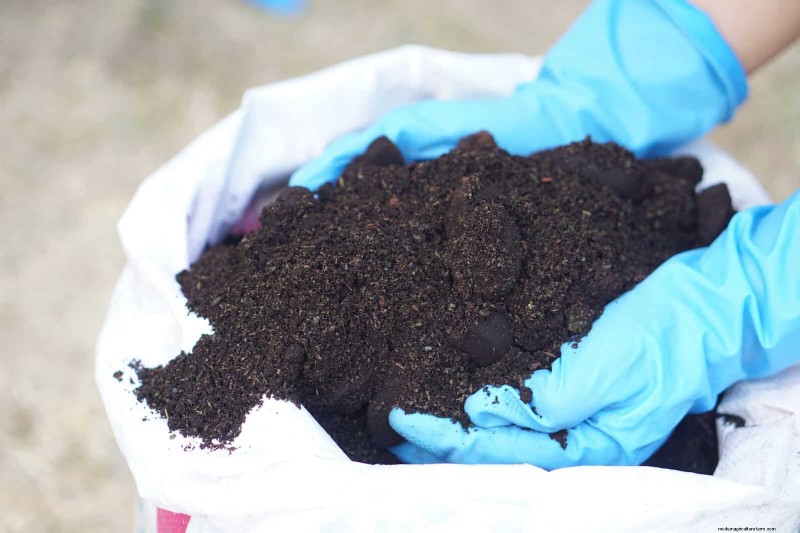
Long-season vegetables benefit from a mid-season boost of nutrients. Applying a 1-inch layer of finished compost around plants (keeping it away from stems) provides slow-release nutrition that supports continued production.
This technique, called side-dressing, is especially beneficial for tomatoes, peppers, eggplants, and squash. Compost not only feeds plants but also improves soil structure and water retention.
It introduces beneficial microorganisms that help plants access nutrients and resist disease. Water thoroughly after side-dressing to help nutrients move into the soil where roots can access them.
 Depositphotos
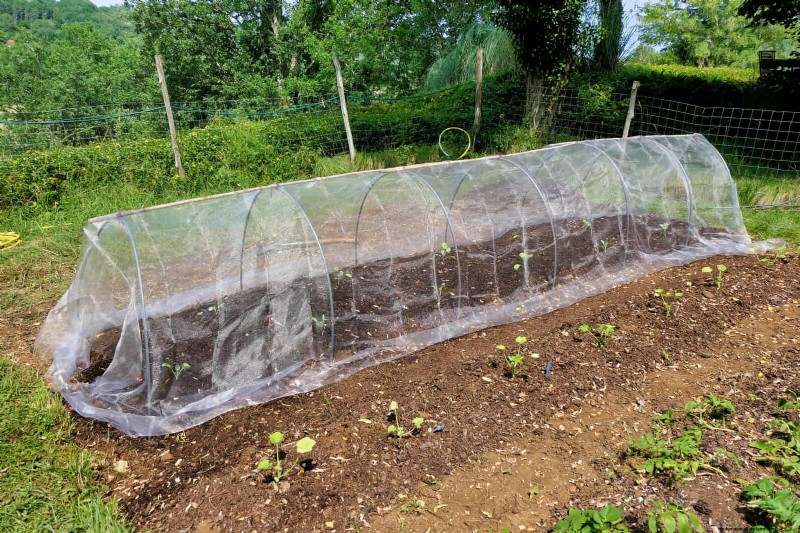
Lightweight floating row covers provide physical barriers against flying insect pests while still allowing sunlight, air, and water to reach plants. Mid-season is an ideal time to deploy these covers over crops commonly facing pest pressure, such as brassicas (cabbage family) targeted by cabbage worms or cucumber beetles.
Secure the edges of row covers with soil, rocks, or special pins to prevent pests from crawling underneath. For crops that need pollination, temporarily remove covers during flowering or hand-pollinate by transferring pollen between flowers with a small brush.
This non-chemical approach to pest management preserves beneficial insects while protecting your harvest.
 Depositphotos
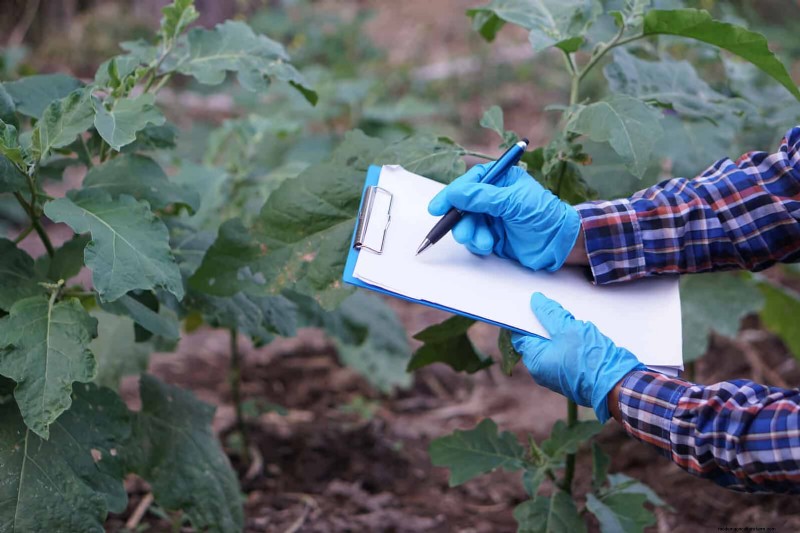
Take a few minutes each week to note which varieties are performing well, any pest or disease issues, and successful solutions you’ve discovered. These observations become invaluable when planning next year’s garden.
Record harvest dates, yields, and flavor notes to guide future planting decisions. Photos make excellent journal entries and help identify problems when seeking advice.
Many gardeners find that smartphone apps streamline this process, allowing quick notes and images tied to specific dates. This documentation transforms challenges into learning opportunities rather than frustrations.
 Depositphotos
Mid-season garden maintenance might not be as exciting as spring planting or fall harvesting, but it separates abundant gardens from struggling ones. These quick tasks, like simple water-saving tricks, prevent small issues from becoming major problems and extend your harvest season by weeks or even months.
The key is consistency; a few minutes of attention several times a week yields better results than occasional marathon sessions. Remember that perfect gardens exist only in magazines.
Focus on progress rather than perfection, and celebrate the learning process as much as the harvest. Each season brings new knowledge that makes you a more skilled gardener. By implementing these mid-season maintenance tasks, you’re not just growing vegetables but expanding your gardening expertise.