Welcome to Modern Agriculture!

 Depositphotos
July can be a tough month for gardens. The heat and dry conditions damage many plants, leaving them wilted and sad-looking. Your once-vibrant garden might suddenly seem dull and unattractive.
Knowing which plants struggle in July heat can help you plan better. You can adjust your garden design or create special care routines to keep everything looking fresh. Let’s look at 15 common plants that often wilt during July and what you can do about them.
 Depositphotos
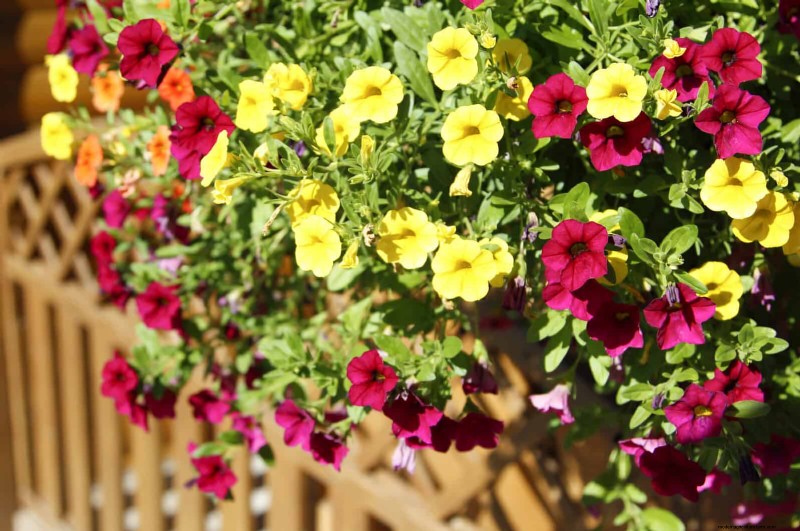
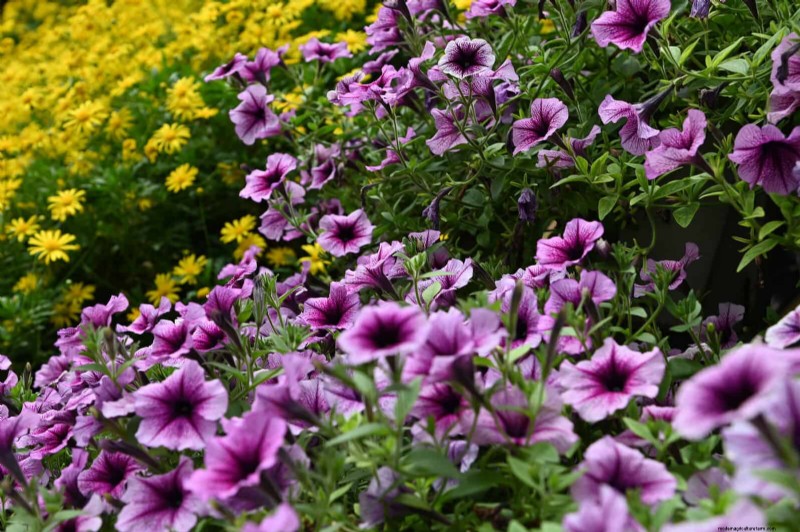
Petunias start out as garden superstars in spring but often fizzle by July. The intense summer heat causes their stems to stretch and become leggy while their blooms become smaller and less frequent. They begin to look scraggly and unkempt.
These popular flowers need extra attention during hot months. Regular deadheading and trimming back by about one-third in early July can stimulate new growth. They also require consistent watering, ideally in the morning, to prevent midday wilting.
 Depositphotos
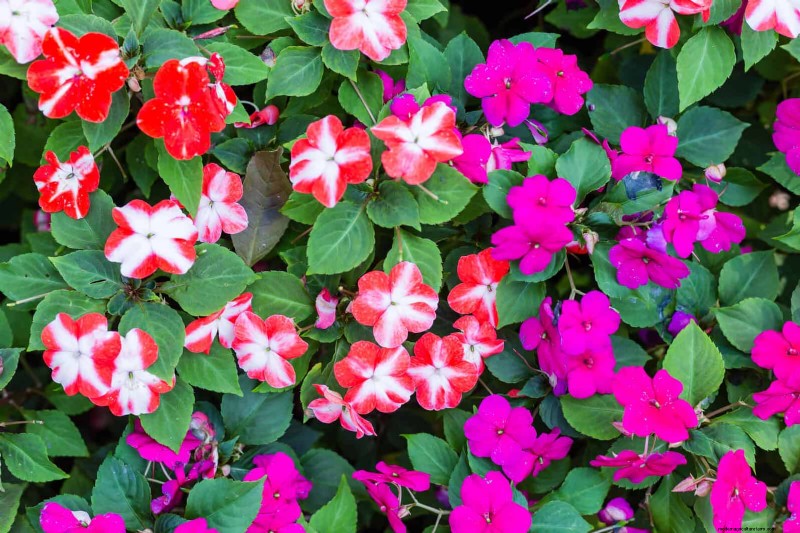
Impatiens love the shade but hate heat, making July challenging for these colorful bloomers. When temperatures climb, their leaves fly, and flowers drop, leaving bare, sad-looking stems. They can collapse completely if left without water for even a day during hot spells.
Try using mulch around impatiens to keep soil temperatures lower and moisture levels higher. Afternoon shade is crucial, so consider temporary shade cloth if they get too much sun. Daily watering may be necessary during the hottest weeks.
We'll email it to you so you can read it later!
By saving, you agree to receive occasional emails. Unsubscribe anytime.
 Depositphotos
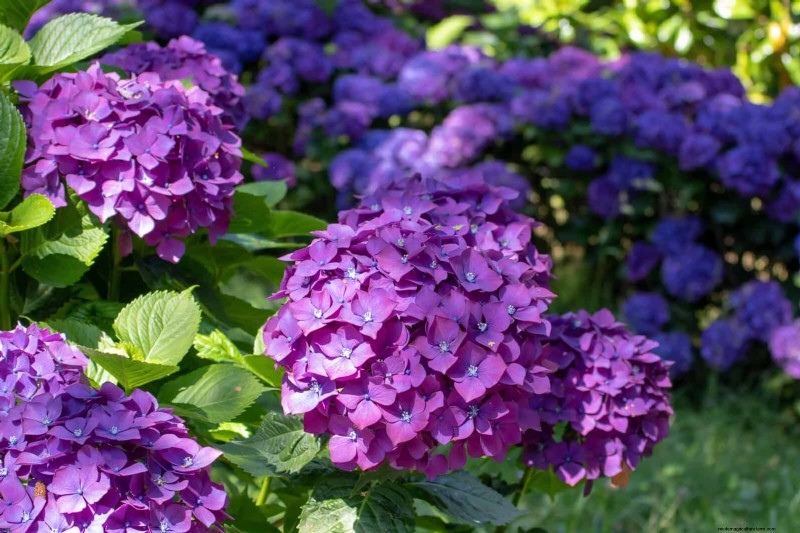
Hydrangeas, with their big, beautiful blooms, often look pitiful by July. Their large leaves lose moisture quickly in summer heat, causing dramatic wilting even when soil moisture seems adequate. The flowers may turn brown at the edges and droop sadly.
Morning watering helps hydrangeas survive July. Apply water directly to the root zone rather than overhead, and add a thick layer of mulch to retain moisture. Temporary afternoon shade can also prevent the worst wilting during heat waves.
 Depositphotos
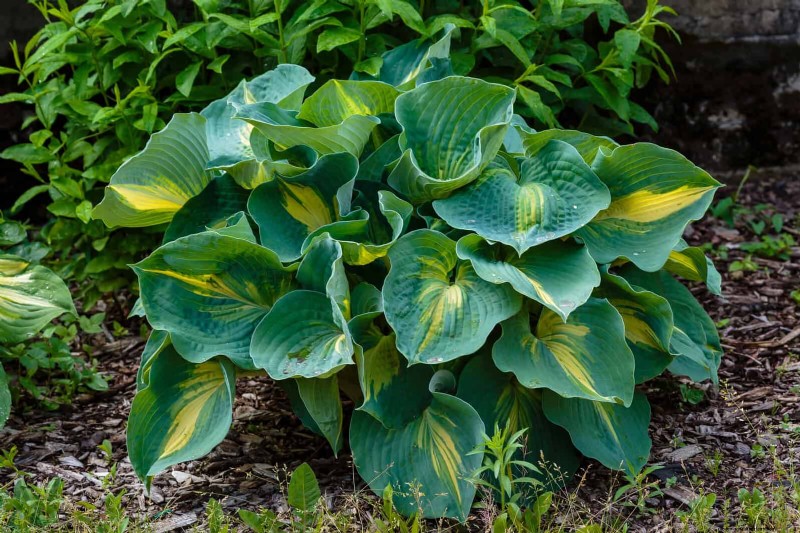
Hostas normally thrive in shade, but July’s heat can cause their lush foliage to wilt and develop crispy, brown edges. Once beautiful and full, they can look ragged and burned. Slug damage often increases in summer, adding to their unsightly appearance.
Consistent moisture is key for hostas during hot months. Consider installing drip irrigation and applying a thick mulch layer. Removing damaged leaves can improve their appearance, and a homemade garlic spray can help keep slugs at bay.
 Depositphotos
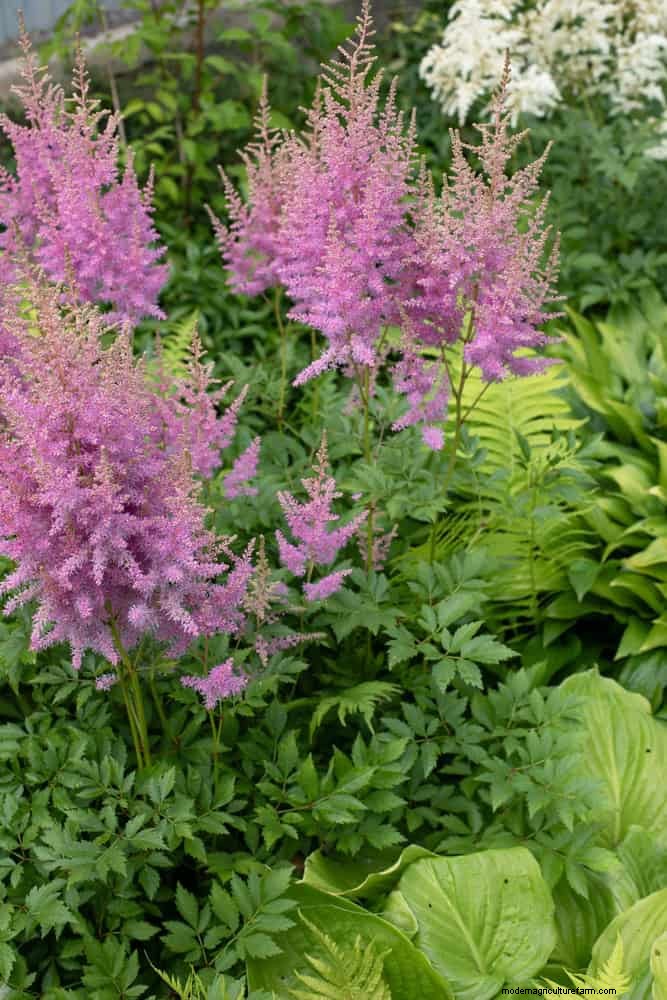
Astilbe brings gorgeous feathery plumes to gardens, but by July, these can look completely spent. The flowers turn brown, and the foliage often wilts or develops crispy edges. Without enough moisture, entire plants may be dormant, leaving ugly gaps in your garden.
These moisture-loving perennials need regular deep watering during hot spells. If they struggle repeatedly, consider relocating them to areas with afternoon shade. Cutting back spent flower stalks can improve their appearance while waiting for cooler weather.
 Depositphotos
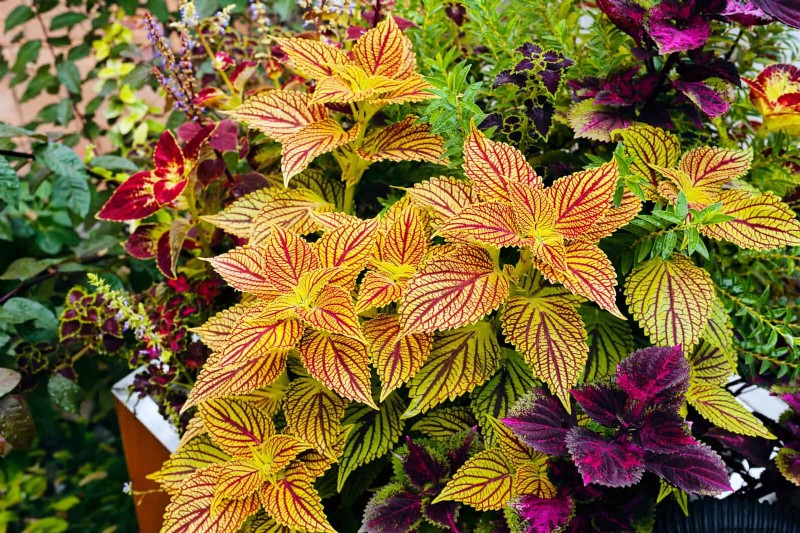
Coleus plants are grown for their vibrant foliage, but July heat can cause them to fade and wilt dramatically. Their stems may become leggy, and the plants often try to flower, which diverts energy from producing the colorful leaves you want. The result is a sad, stretched-out plant.
Pinching off flower buds as soon as they appear helps maintain attractive foliage. Regular pruning encourages bushier growth. Moving potted coleus to shadier locations during July can prevent the worst wilting and color fading.
 Depositphotos
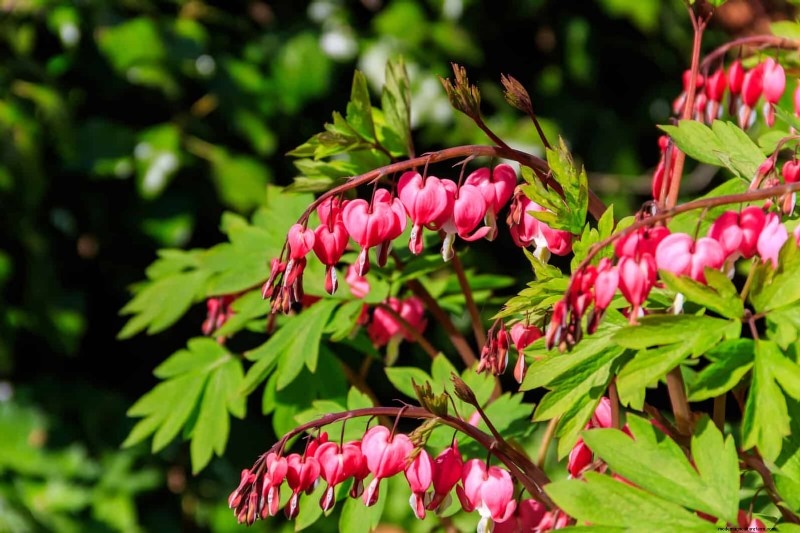
Bleeding hearts are spring showstoppers that look terrible by July. Most varieties naturally die back in the summer heat, leaving empty spaces in the garden where lush foliage once stood. The yellow, dying foliage looks messy and unattractive.
Plant summer-blooming perennials nearby to fill in when bleeding hearts fade. Cutting back the yellow foliage neatly can prevent an eyesore, but don’t remove it while still green since the plant needs to store energy for next year.
 Depositphotos
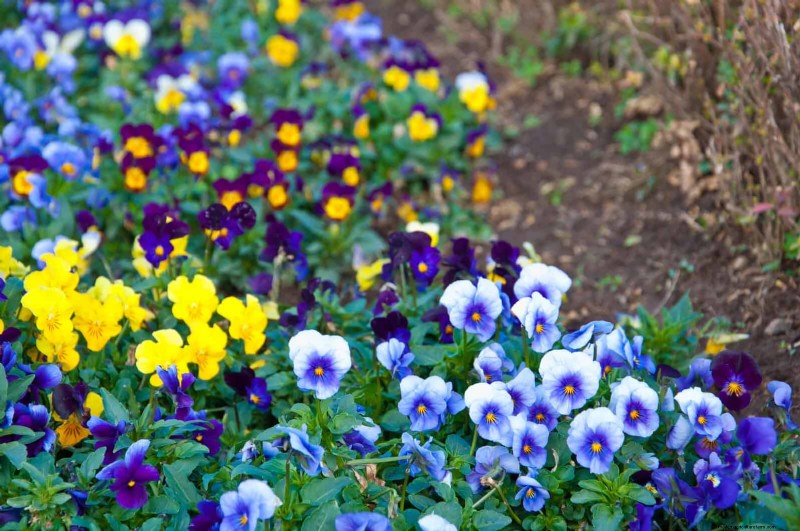
Pansies that brighten your spring garden usually collapse by July. Hot weather causes their stems to elongate while blooms become tiny or stop altogether. The plants often develop powdery mildew in humid conditions, making them look diseased and unsightly.
In most climates, it’s best to remove spring pansies by early summer and replace them with heat-tolerant annuals. If you want to keep them, move containers to cool, partly shaded areas and remove spent blooms regularly to encourage new flowers.
 Depositphotos
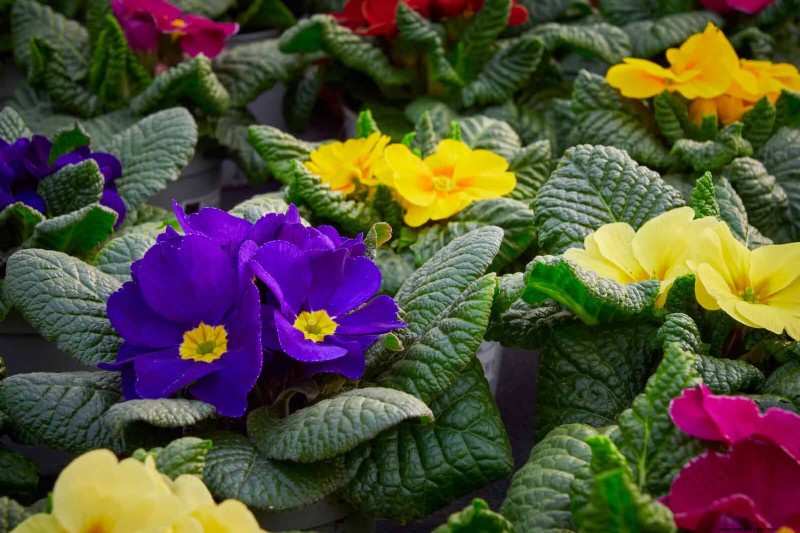
Primroses struggle tremendously in the July heat. Their normally perky leaves wilt flat against the ground, and any remaining flowers quickly fade. During hot spells, the entire plant can look like it’s melting into the soil, creating an unattractive mess in garden borders.
These spring bloomers prefer cool, moist conditions. During summer, provide deep shade and consistent moisture. Consider planting them where air conditioning condensate drips or in naturally cooler areas of your yard, like north-facing slopes.
 Depositphotos
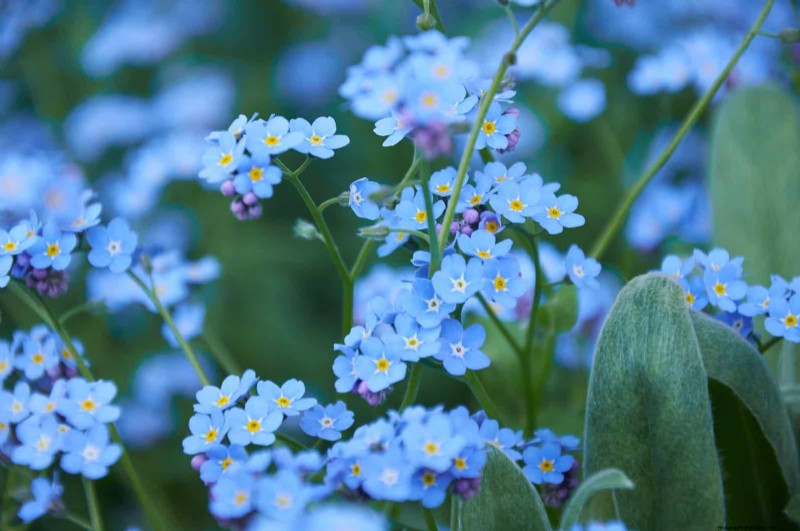
Forget-me-nots charm in spring but look awful by July. They typically finish flowering and develop mildew on their foliage as temperatures rise. The plants often self-seed aggressively and then die back, leaving patches of brown, crispy foliage.
In most regions, these biennials are best treated as spring-only plants. Remove them after flowering to prevent self-seeding problems and replace them with summer-loving annuals. Save some seeds if you want them to return next year.
 Depositphotos
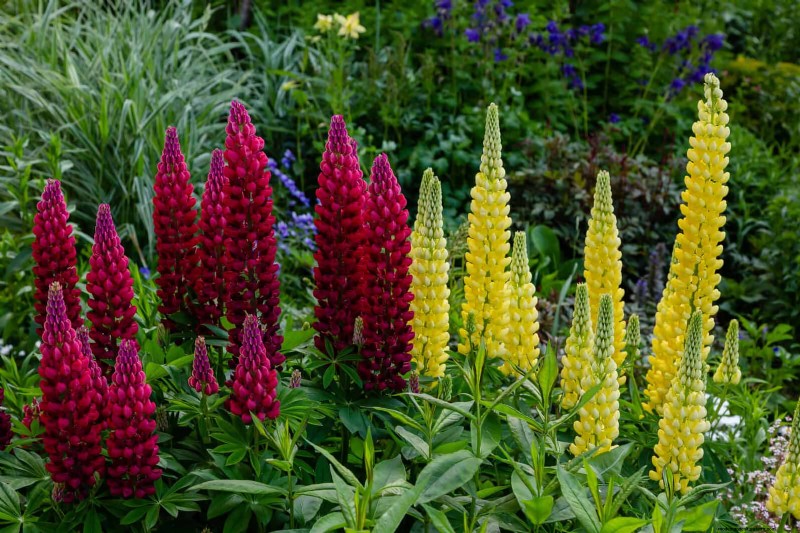
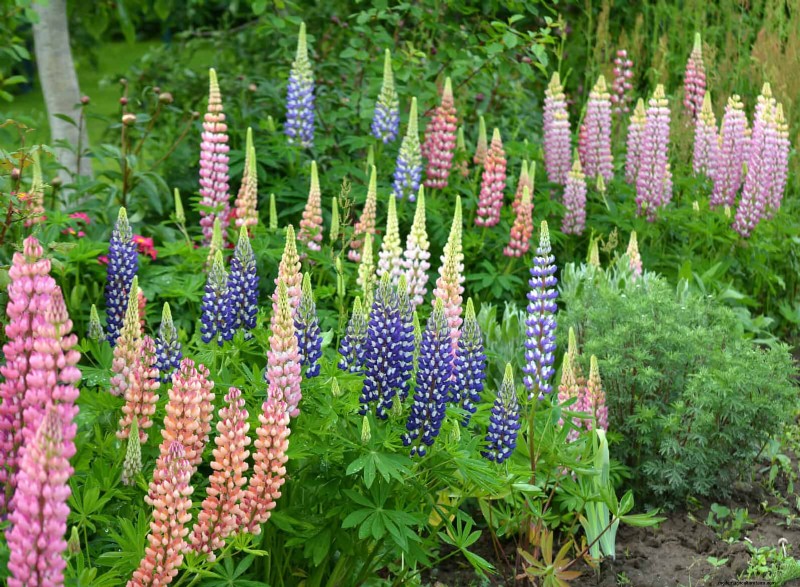
Lupines, with their tall, colorful spires, are garden favorites but hate July heat. After flowering, the plants often develop powdery mildew, and their foliage turns yellow and dies back. What was once a stunning vertical accent becomes an eyesore.
Cut flower stalks back after blooming to prevent energy-draining seed production. Trim yellowing foliage to the ground as it appears. Plant late-summer bloomers nearby to fill the space when lupines inevitably decline.
 Depositphotos
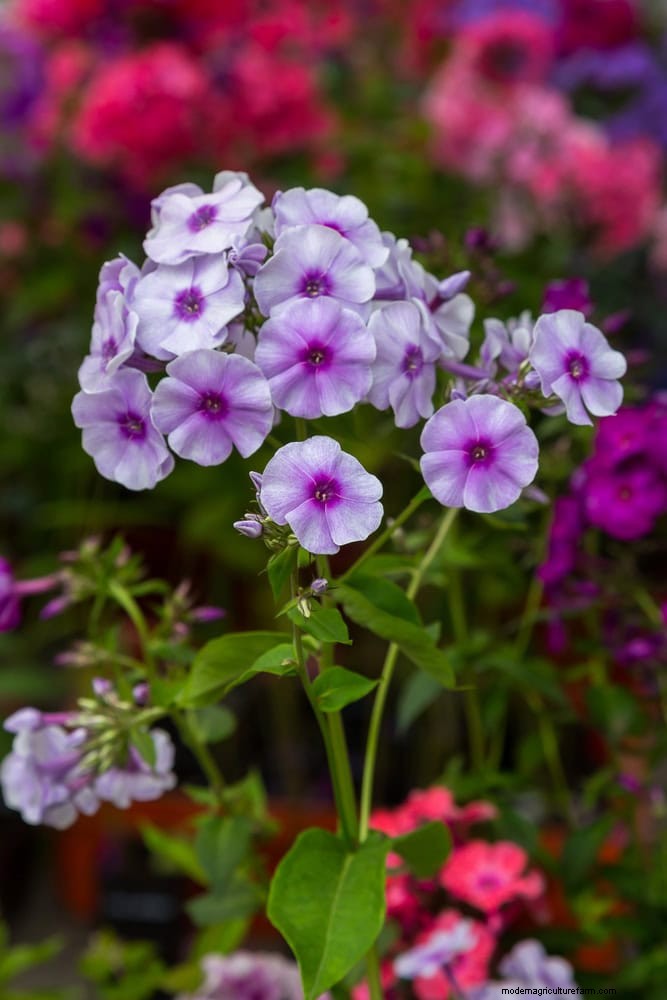
Garden phlox often struggles during July with powdery mildew, which makes the plants look diseased. The lower leaves turn yellow and spotted, while the flowers may fade quickly in intense heat. Without proper spacing, the problem becomes even worse.
Improve air circulation by thinning stems in early summer and removing lower leaves. Water at the base rather than overhead to keep foliage dry. Resistant varieties like ‘David’ hold up better in July heat than older types.
 Depositphotos
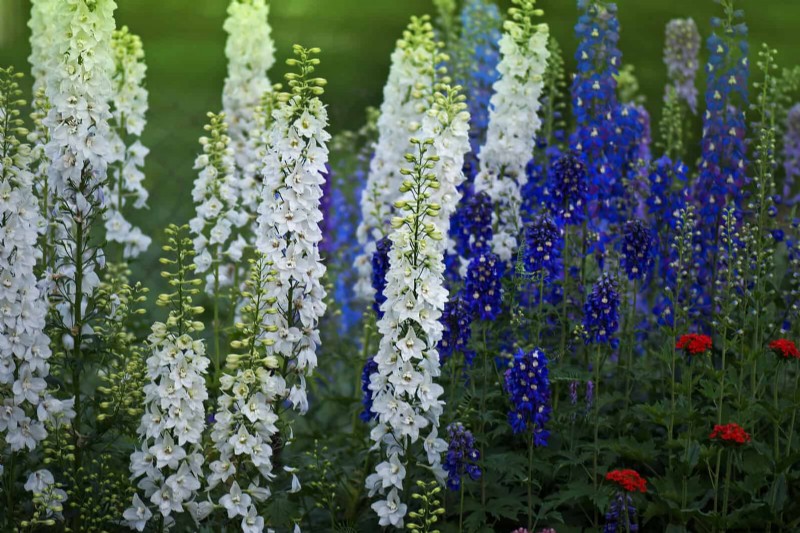
Delphiniums finish their magnificent spring bloom by July and often look terrible afterward. Their tall stems may flop over from summer storms, and the foliage frequently develops mildew or black spots. Heat causes the remaining leaves to wilt and turn yellow.
Cut back the main flower stalks after blooming, sometimes encouraging a smaller second flush. Provide support for tall varieties before they need it. In very hot climates, delphiniums may need to be treated as cool-season annuals.
 Depositphotos
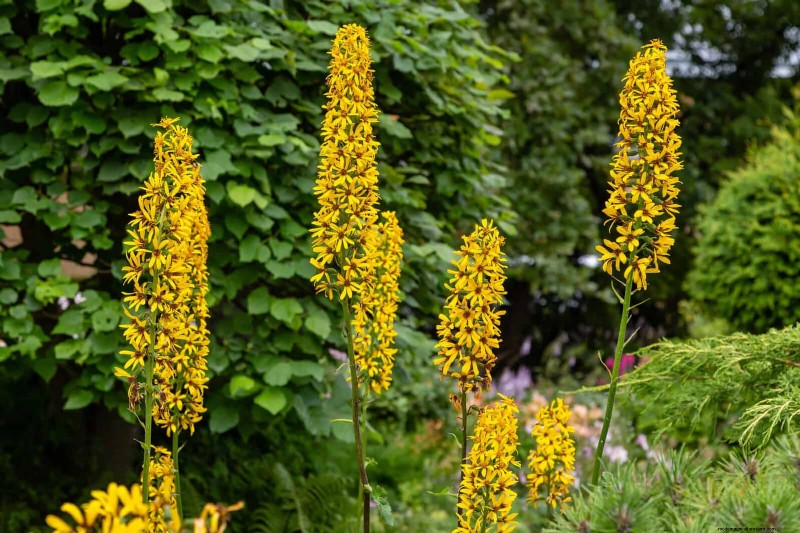
With its bold foliage, Ligularia wilts dramatically in July heat, even with adequate soil moisture. The large leaves hang limply by midday, making the plant look constantly thirsty and sad. Leaf edges may turn brown and crispy in especially hot conditions.
These moisture-loving plants need deep, consistent watering during summer. Locating them where they receive only morning sun can prevent the worst wilting. The plants usually recover in evening coolness but look unsightly during hot afternoons.
 Depositphotos
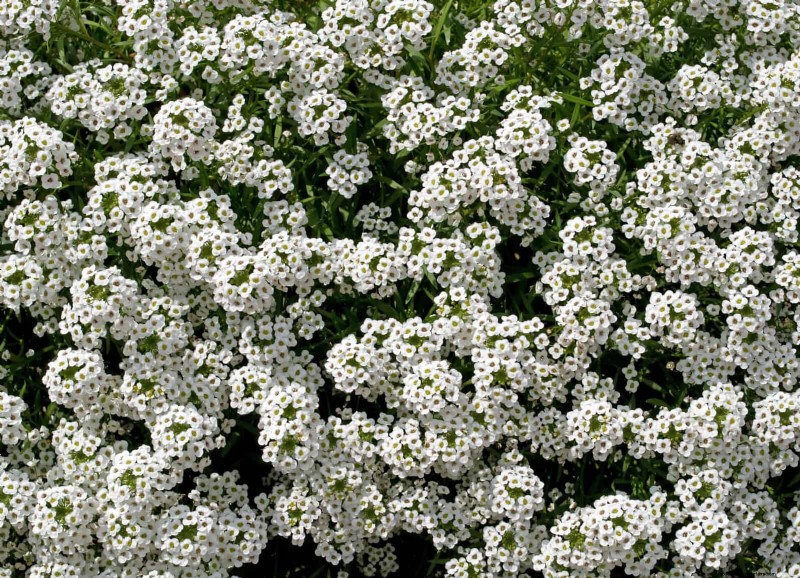
Sweet alyssum creates beautiful carpet-like blooms in spring but often falters by July. The heat stops flowering, and the plants become leggy and sparse. What was once a fragrant, flower-covered mound becomes a straggly, unattractive tangle.
Shearing plants back by half their size in early summer can rejuvenate them for a second bloom period. Heat-tolerant varieties like ‘Snow Princess’ perform better in July than traditional types. Regular deadheading helps maintain a tidier appearance.
 Depositphotos
July garden slumps are typical but not inevitable. When designing your garden, consider these plants’ needs and pair them with heat-loving options that look their best during summer.
Plants like coneflowers, black-eyed Susans, and salvias can fill in when spring bloomers fade. Good garden planning means having something beautiful in every season.
Try staggering your plantings so that when one group fades, another is reaching its peak. With the right plant choices and care routines, your garden can stay gorgeous through even the hottest July days.