
Welcome to Modern Agriculture!

 Depositphotos
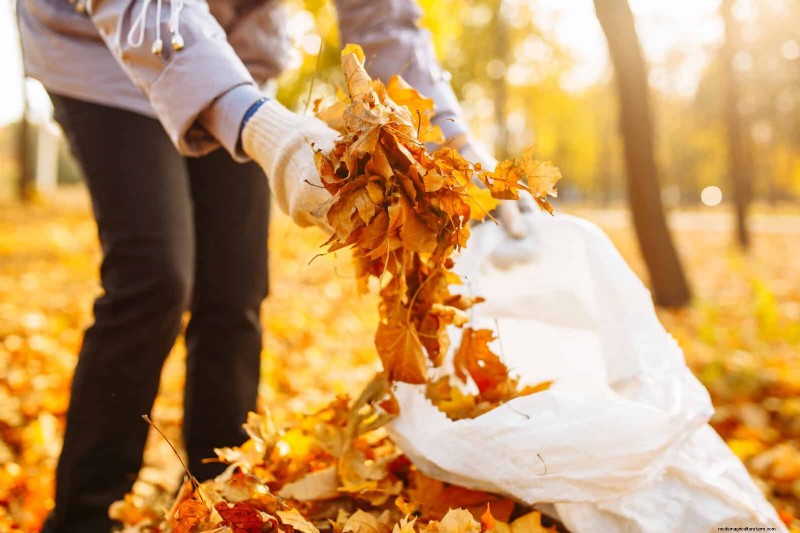
Mulch costs can add up quickly when landscaping your garden. The good news is that you don’t need to spend a fortune to get the benefits of mulch. There are plenty of free alternatives lying around your home or community that work just as effectively.
These free mulch options can suppress weeds, retain moisture, and improve soil health without emptying your wallet. Many are even more environmentally friendly than store-bought options since they repurpose materials that might otherwise end up in landfills.
 Depositphotos
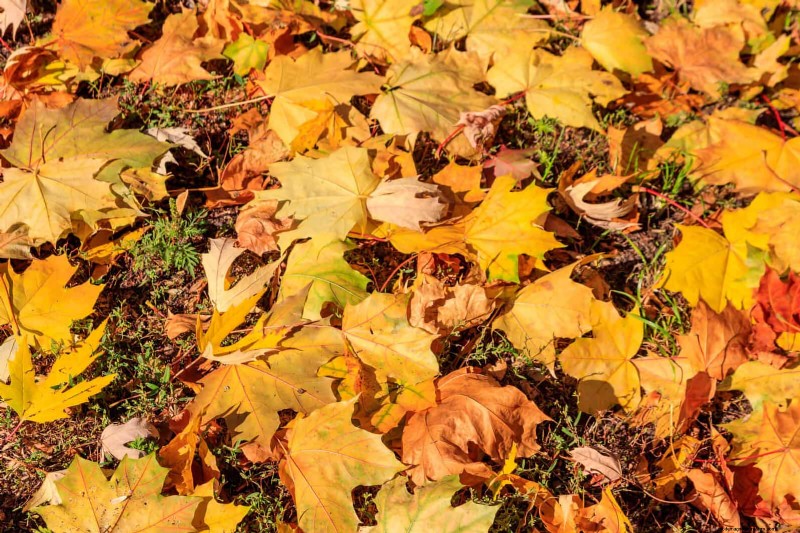
Nature provides one of the best free mulching materials every autumn. Fallen leaves create a protective layer around plants, adding valuable nutrients to the soil as they break down. They’re particularly beneficial for woodland gardens and shade-loving plants that naturally grow in leaf-rich environments.
The key to using leaves effectively is shredding them first. Run over dry leaves with a lawnmower to break them into smaller pieces that won’t mat down or blow away. This creates a more uniform mulch that decomposes faster and looks tidier in garden beds. Apply a 2-3 inch layer around plants, keeping the mulch pulled back slightly from stems and trunks.
 Depositphotos
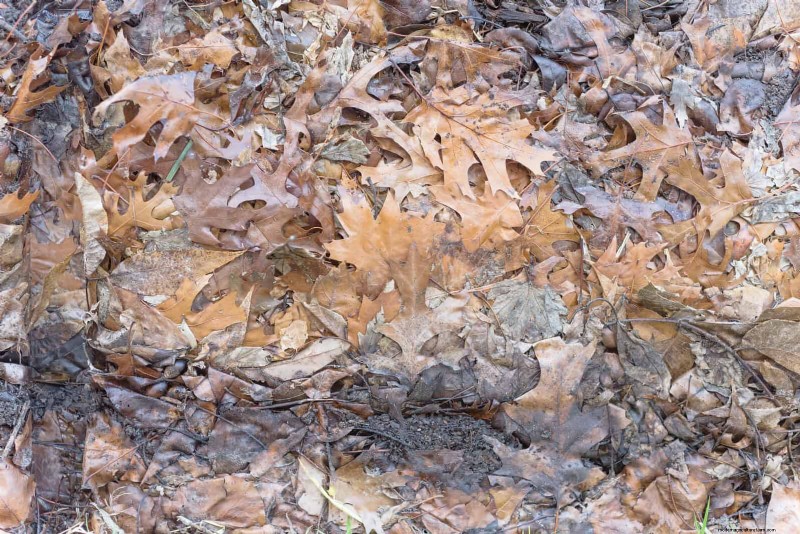
Beyond immediate mulching, fallen leaves can become leaf mold, a dark, crumbly soil conditioner gardeners prize. Simply pile shredded leaves in a corner of your yard and let them decompose for 6-12 months. The resulting leaf mold retains up to 500% of its weight in water, making it exceptional for moisture retention.
Leaf mold adds valuable fungal communities to your soil food web. These fungi form partnerships with plant roots, helping them access nutrients and water more efficiently. This makes leaf mold particularly valuable for woodland gardens, acid-loving plants like blueberries, and native plant communities. And unlike fresh leaves, leaf mold won’t tie up nitrogen as it continues to break down.
We'll email it to you so you can read it later!
By saving, you agree to receive occasional emails. Unsubscribe anytime.
 Depositphotos
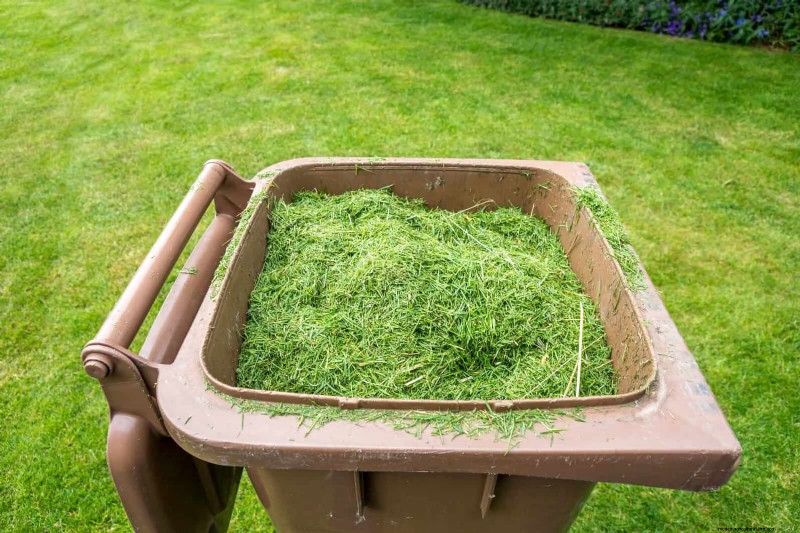
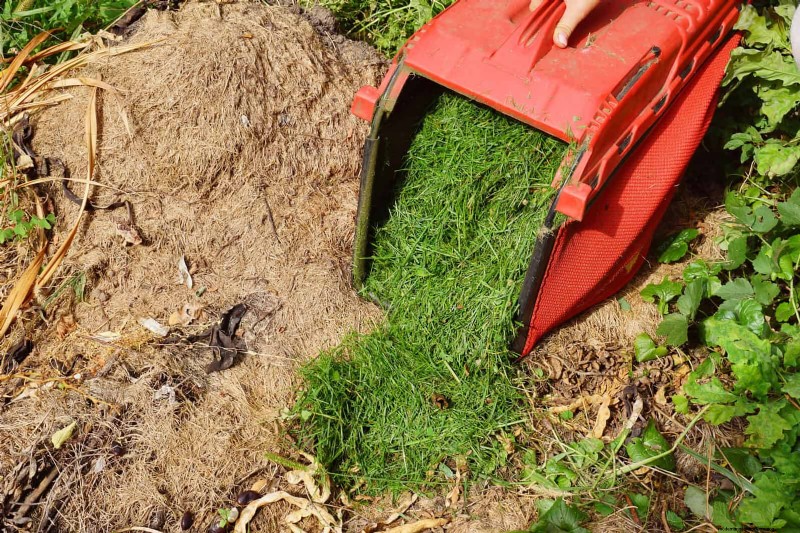
Your lawn maintenance routine produces excellent mulch material with every mowing. Grass clippings are nitrogen-rich and break down quickly, feeding your plants while suppressing weeds. They work wonders in vegetable gardens where plants benefit from the nitrogen boost during the growing season.
The key to success with grass clippings is applying them correctly. Spread them in thin layers (about 1 inch thick) and let each layer dry before adding more. This prevents the formation of smelly, slimy mats that can block water and air from reaching the soil. Never use clippings from lawns treated with herbicides or pesticides around edible plants.
 Depositphotos
While grass clippings make excellent mulch, they require some special handling. Fresh clippings can heat up significantly as they decompose, potentially damaging tender plant stems. Allow clippings to dry partially before applying them around sensitive plants or seedlings.
Grass decomposes quickly, meaning you’ll need to replenish this mulch more frequently than other options. This can be an advantage for annual gardens that get tilled each season. Consider mixing grass clippings with a longer-lasting material like leaves or wood chips for perennial beds. This combination provides immediate nitrogen along with slower-releasing nutrients and longer weed suppression.
 Depositphotos
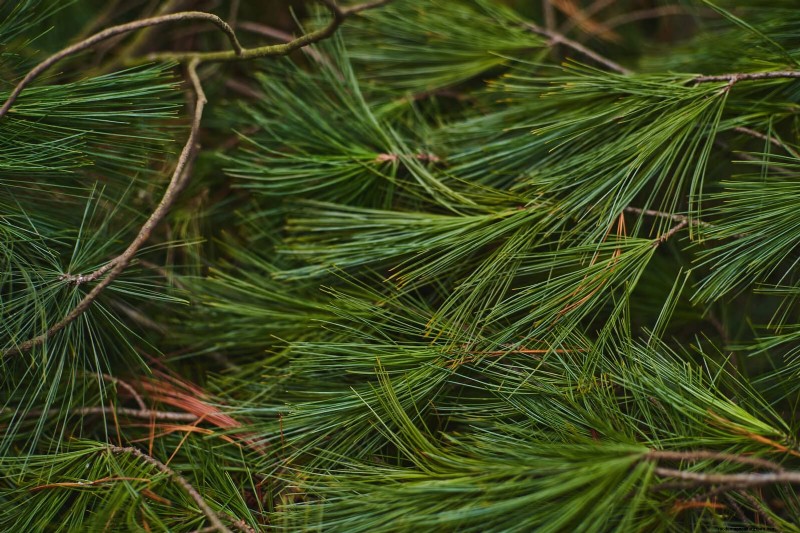
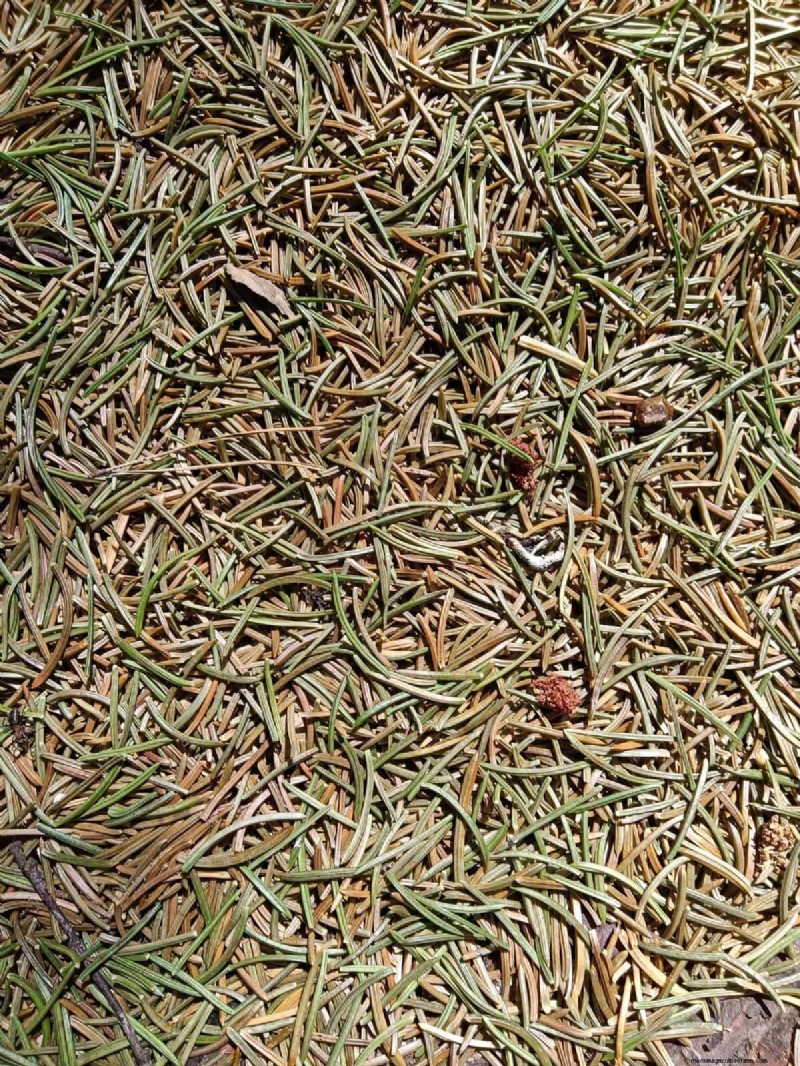
For gardeners with access to pine trees, fallen needles (also called pine straw) make exceptional mulch for acid-loving plants. Rhododendrons, azaleas, blueberries, and conifers thrive with pine needle mulch. The needles interlock slightly, helping them stay in place even on slopes where other mulches might wash away.
Pine needles decompose slowly, requiring less frequent replenishment than other organic mulches. They create attractive, uniform beds with a distinctive reddish-brown color that complements many landscape designs. Despite common misconceptions, pine needles only slightly acidify the soil as they break down, making them suitable for most garden plants.
 Depositphotos
The best time to collect pine needles is after they’ve dried on the ground for a few days but before they’ve started to decompose. This timing gives you still-intact needles that are not overly sticky with resin. Use a rake with flexible tines to gather needles without picking up too much debris.
Public parks, college campuses, and church grounds with pine trees often generate more pine needles than they can use. Many property managers are happy to have volunteers collect this material, saving them cleanup costs. Call ahead to request permission and ask about any restrictions on collection times or methods. Always leave some needles in natural areas, as they provide a habitat for beneficial insects.
 Depositphotos
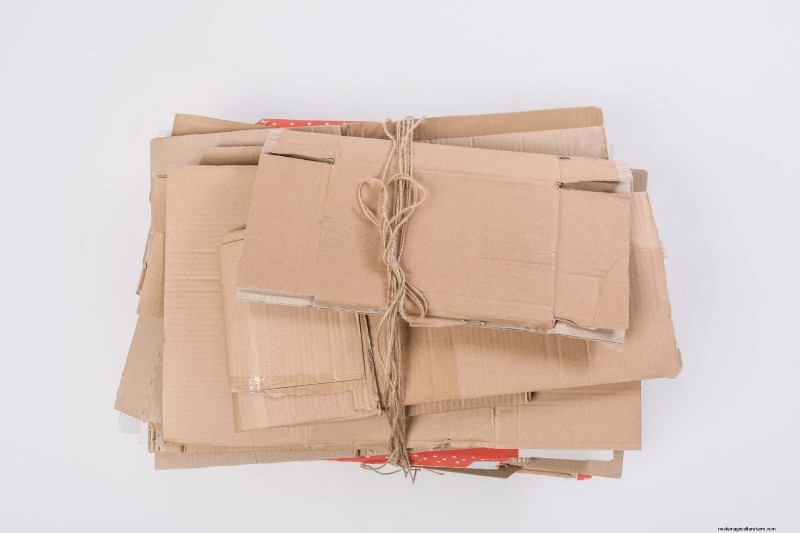
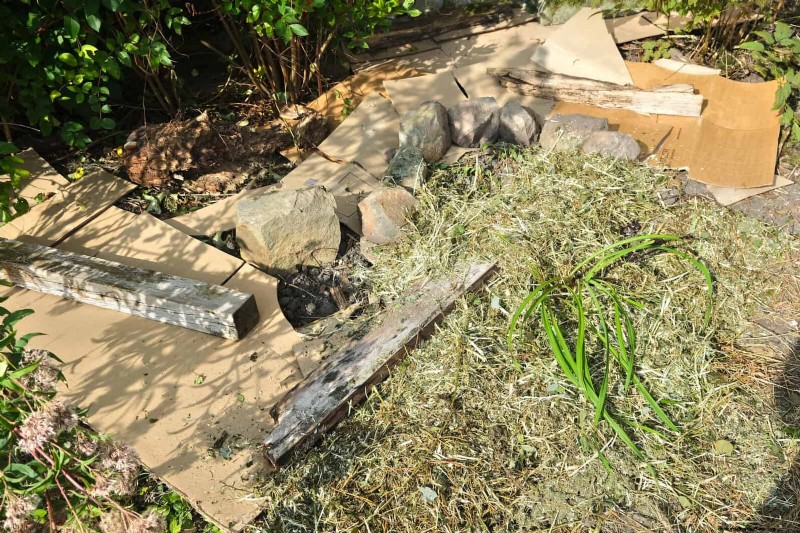
Plain cardboard boxes offer one of the most effective free mulch options, especially for establishing new garden beds. The thick material creates a weed-suppressing barrier that slowly breaks down, adding carbon to your soil. Large sheets of cardboard make it easy to cover expansive areas.
The sheet mulching technique uses overlapping cardboard layers topped with compost or other organic materials. Water the cardboard thoroughly before and after application to help it conform to the ground and begin breaking down. Remove any tape or labels first for the best results, as these plastic elements won’t decompose properly.
 Depositphotos
Proper application makes all the difference when using cardboard as mulch. Overlap the edges of each piece by at least 6 inches to prevent weeds from finding gaps. For established plantings, cut holes in the cardboard to fit around plant stems or use smaller pieces arranged around existing plants.
Cardboard works best when covered with another mulch material like leaves or compost. This combination creates an attractive finish while holding the cardboard in place and speeding decomposition. The underlying cardboard provides excellent weed suppression while the top layer retains moisture and improves appearance. In vegetable gardens, earthworms are particularly attracted to the cardboard-soil interface, improving garden soil structure as they feed.
 Depositphotos
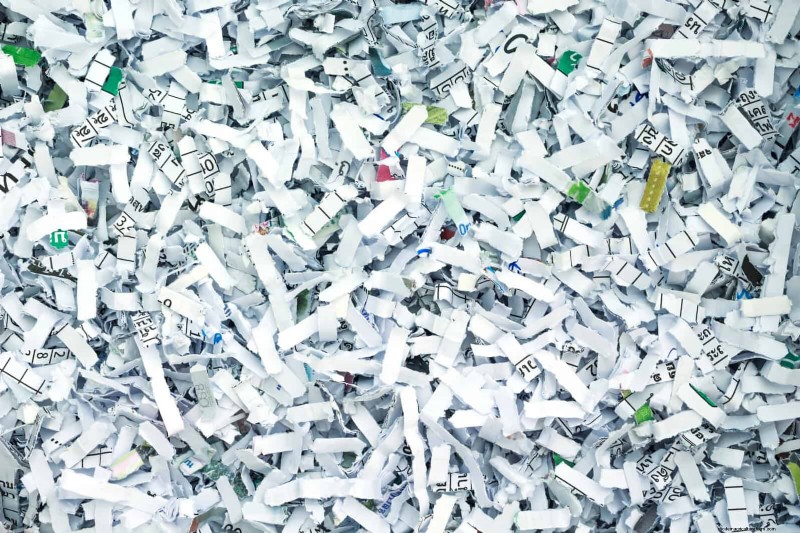
Like cardboard but thinner, the newspaper provides excellent weed suppression when applied in thick layers. The paper breaks down more quickly than cardboard, making it ideal for annual gardens or areas you’ll frequently replant. Many gardeners use newspaper between vegetable rows where seasonal maintenance requires frequent access.
Use only black-and-white sections, avoiding glossy inserts, which may contain heavy metals in their inks. Apply 5-10 sheets thick, overlapping edges just as with cardboard. Water thoroughly both before and after application to prevent the papers from blowing away and to begin the decomposition process.
 Depositphotos
One advantage of newspaper over many other mulches is its flexibility for precise application. You can tear it to fit exactly around established plants or create custom shapes for oddly configured garden beds. This makes newspaper particularly valuable for mulching around closely spaced plants where applying bulkier materials would be difficult.
The newspaper is also an excellent base layer beneath decorative mulches like stone or gravel in pathways. The paper prevents weeds while allowing the mineral mulch to remain clean and attractive. This way, newspapers can extend the functional life of more expensive decorative mulches by preventing weed seeds from germinating in the underlying soil.
 Depositphotos
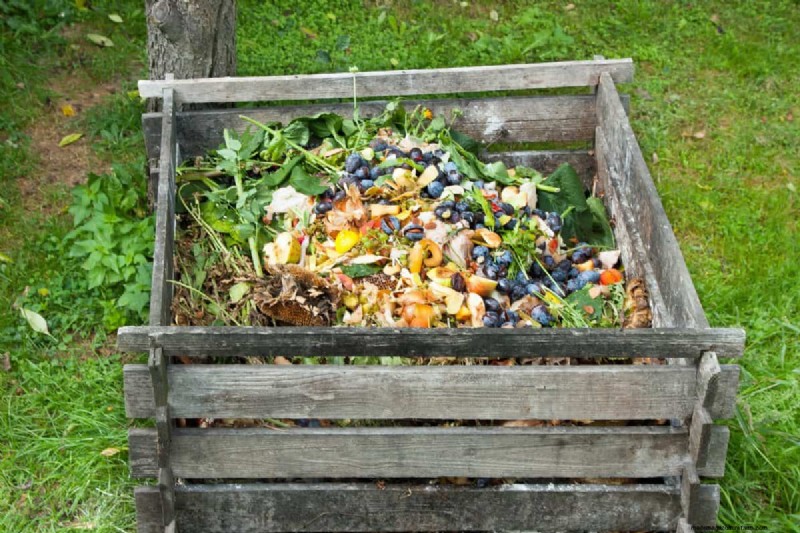
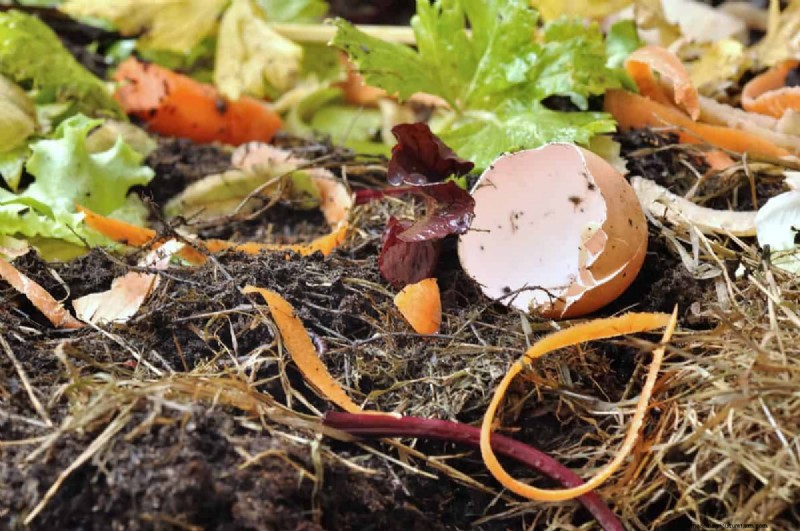
Home compost represents the perfect intersection of waste reduction and garden improvement. This free resource serves as both mulch and soil amendment, suppressing weeds while gradually incorporating nutrients into your garden. Compared to most mulches, compost adds significant fertility rather than just breaking down into humus.
Apply finished compost in a 1-2 inch layer around established plants or bare soil before planting. The dark, crumbly material improves soil structure, enhances water retention, and adds diverse microbial life. For vegetable gardens, compost mulch provides ongoing nutrition throughout the growing season as irrigation and rain leach nutrients into the root zone.
 Depositphotos
Even if you don’t maintain your own compost pile, free compost may be available in your community. Many municipal yard waste facilities offer free compost to residents. Local farms, especially those practicing organic methods, sometimes provide compost to community members who help with farm tasks or volunteer for special projects.
Coffee shops, restaurants, and food co-ops often generate organic waste they’re happy to share with gardeners. Establish a relationship with these businesses and offer to pick up their compostable materials regularly. This arrangement benefits both parties: it reduces disposal costs for businesses while providing you with raw materials for creating free garden mulch.
 Depositphotos
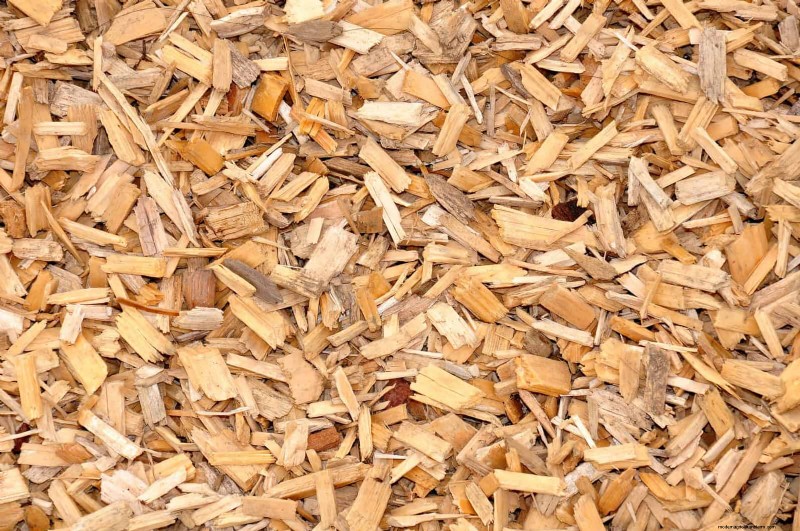
Wood chips provide long-lasting weed suppression and gradually improve soil as they break down. While bagged wood chips can be expensive, many sources offer them for free. Tree service companies often need to dispose of chipped material after pruning or removal jobs and will gladly deliver a load to your property, saving them disposal fees.
Municipal programs, utility companies, and road maintenance departments frequently generate wood chips during tree management operations. Call your local government offices or power company to inquire about free chip availability. Many maintain lists of residents willing to accept deliveries when they’re working in your area.
 Depositphotos
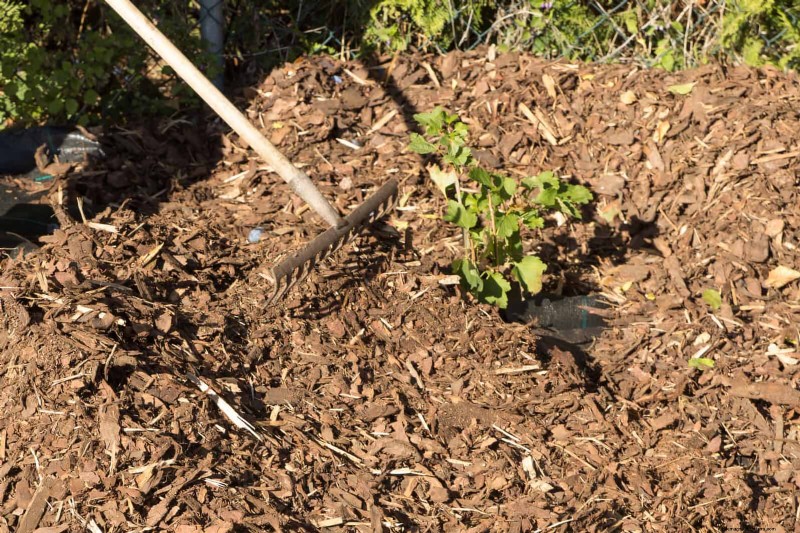
Wood chips shine in perennial gardens, around trees, and in ornamental beds, where their slow decomposition provides lasting benefits. Apply them 3-4 inches deep, keeping the mulch pulled back several inches from tree trunks and plant stems to prevent rot. Fresh wood chips temporarily draw nitrogen from the soil surface as they decompose, so avoid using them in vegetable gardens or around young annual plants.
For the best results, use wood chips from hardwood trees rather than evergreens when possible. Hardwood chips typically break down into richer soil and contain fewer resins that might affect sensitive plants. The ideal wood chip mulch contains a mix of bark, wood, and some leaf material, providing diverse nutrients as it decomposes.
 Depositphotos
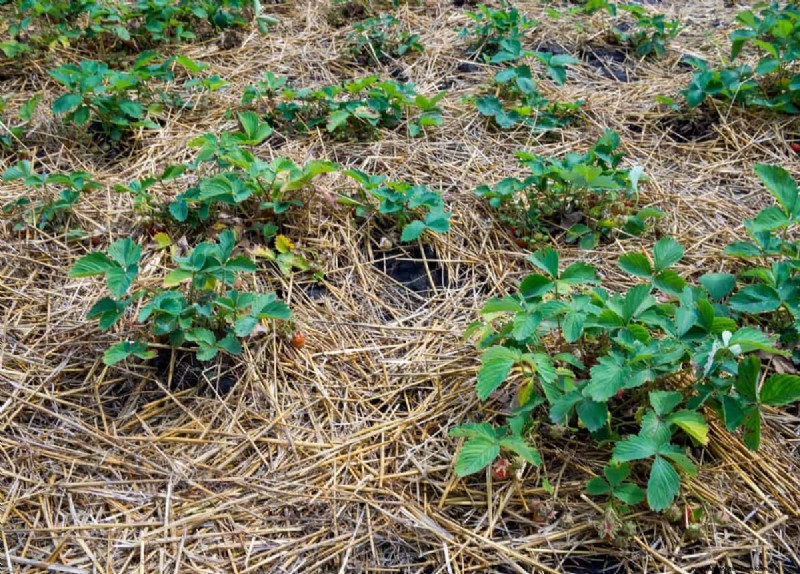
Agricultural byproducts make excellent garden mulches, especially for vegetable gardens. While purchased straw bales are expensive, free sources exist if you know where to look. Farmers often have spoiled hay or leftover straw they can’t use for animal bedding or feed, and they’re frequently willing to give it away rather than dispose of it.
County fairs, harvest festivals, and fall decorative displays use straw bales that become available after the events end. Contact organizers ahead of time to request these materials once they’re no longer needed. Schools, churches, and businesses that use straw bales for seasonal decorations may also be willing to donate them after the displays come down.
 Depositphotos
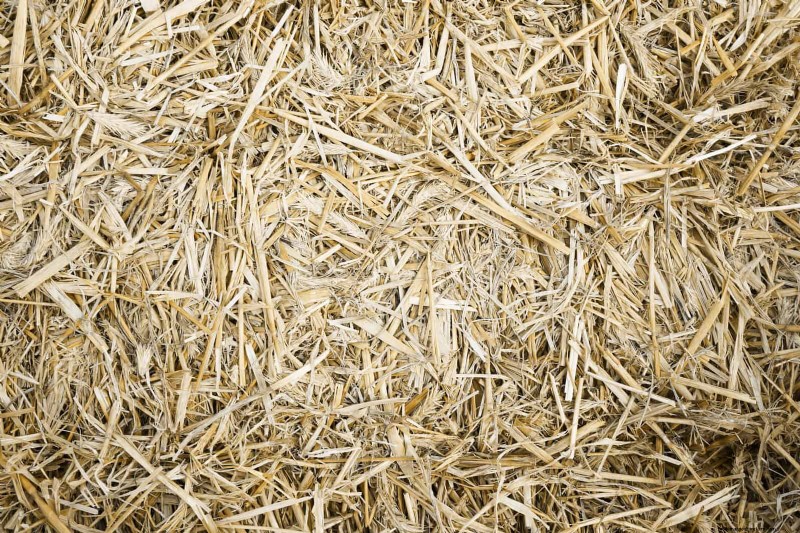
Understanding the difference between straw and hay helps you choose the right material for your garden. Straw contains few seeds because it’s the hollow stems left after grain harvest. This makes it ideal for garden mulch, as it suppresses weeds rather than introducing them. Apply straw 4-6 inches deep, knowing it will compress over time.
While similar in appearance, Hay contains more seeds since it’s cut specifically to include nutritious seed heads for animal feed. When using hay as mulch, expect some seeds to germinate. This can be managed by allowing the hay to sprout in a pile before application and then turning it to kill the sprouted seeds. Alternatively, use hay only in gardens where you can easily pull or hoe emerging sprouts.
 Depositphotos
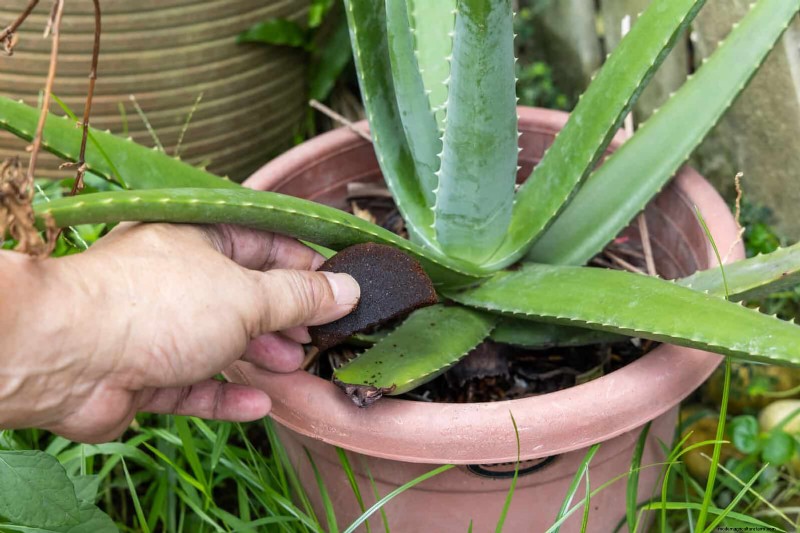
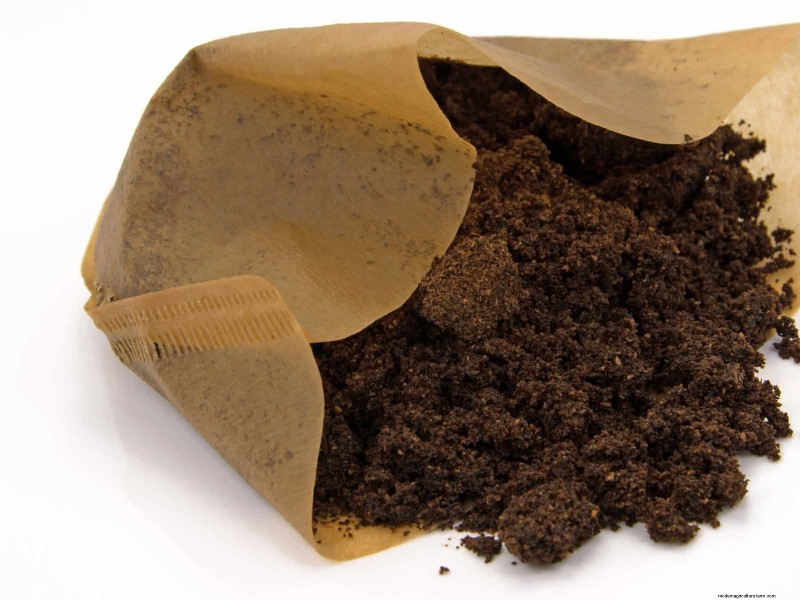
Coffee grounds provide nitrogen-rich mulch that’s particularly beneficial for acid-loving plants. These fine-textured grounds improve soil structure while gradually releasing nutrients. Many coffee shops bag their used grounds specifically for gardeners and offer them free for the taking.
Apply coffee grounds as mulch in thin layers (no more than half an inch) or mix them with other materials like leaves or compost. This prevents them from forming a water-repelling crust that can develop when thick ground layers dry out. Coffee grounds work particularly well around roses, blueberries, azaleas, and vegetable crops that appreciate extra nitrogen.
 Depositphotos
Building relationships with local coffee shops can ensure a steady supply of this valuable mulch material. Bring your own container and establish a regular pickup schedule that works for both you and the business. Many cafes appreciate the reduced waste disposal costs and may even save grounds specifically for you if you’re reliable.
For gardens requiring larger quantities, approach offices or churches with coffee services. These locations often generate significant amounts of grounds, but fewer gardeners request them. Some community gardens maintain coffee ground collection programs where members take turns picking up from local businesses and then share the bounty among participants.
 Shutterstock
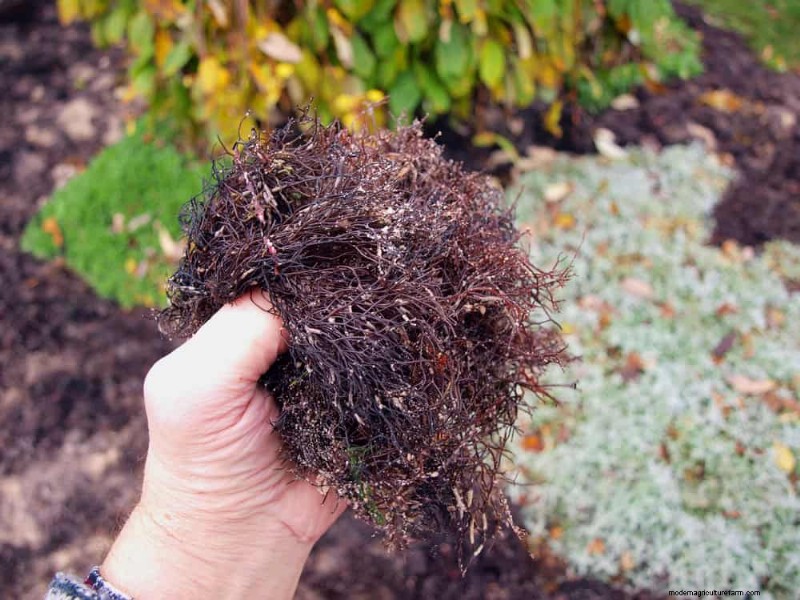
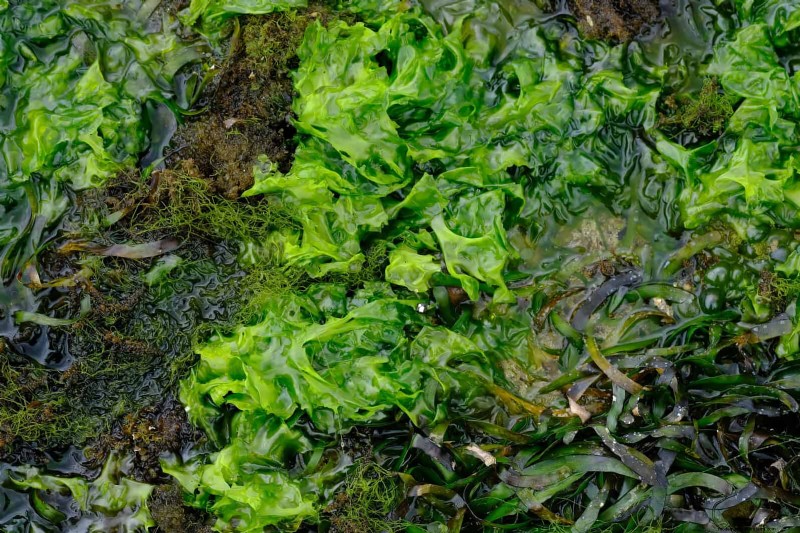
For coastal gardeners, seaweed offers a mineral-rich, completely free mulch option. This marine material contains trace elements often missing from inland soils, including iodine, calcium, magnesium, and potassium. Plants respond vigorously to these nutrients, which are released gradually as the seaweed breaks down.
Before using seaweed as mulch, rinse it thoroughly with fresh water to remove excess salt that might harm plants. Apply it as a 2-3 inch layer around established plants, where it will dry quickly and form a weed-suppressing mat. Seaweed releases alginates that improve soil structure and water retention as it decomposes.
 Depositphotos
When collecting seaweed for garden use, follow local regulations and sustainable harvesting practices. Focus on gathering detached material that washes after storms rather than pulling living seaweed from its growing location. Public beaches often have fewer restrictions than protected marine areas.
The best seaweed for garden use includes larger varieties like kelp, which provide more substantial mulch and slower nutrient release. Avoid collecting from areas with known pollution issues or red tide outbreaks. Some gardeners prefer to compost seaweed before application, reducing salt content and creating a more uniform material.
 Depositphotos
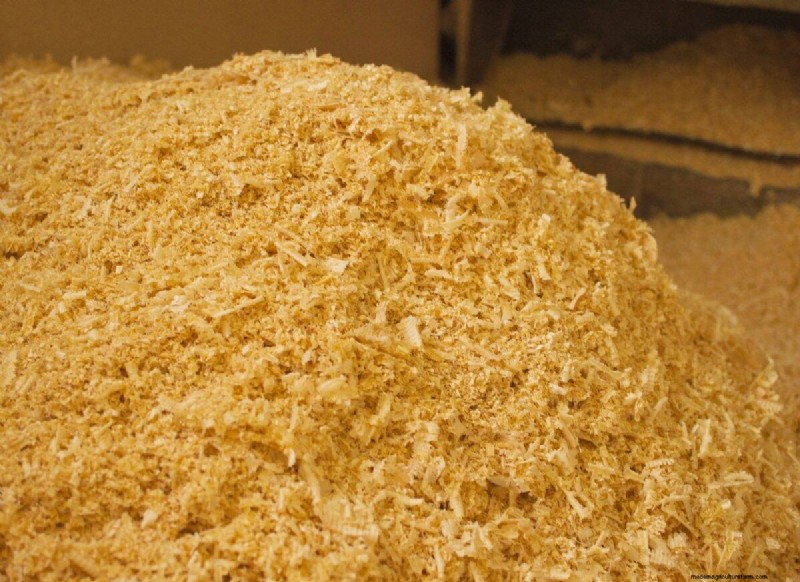
Woodworking shops, lumber mills, and furniture makers produce sawdust that makes excellent mulch for garden pathways and around acid-loving perennials. This fine-textured material packs down to create weed-resistant surfaces while slowly adding carbon to the soil beneath. Its light color reflects heat, keeping soil temperatures moderate.
Like wood chips, sawdust temporarily depletes nitrogen as it decomposes. Address this by applying a nitrogen-rich fertilizer before mulching with sawdust, or reserve this mulch for established perennials with deep root systems that can access nutrients below the decomposition zone. Never use sawdust from pressure-treated wood, which contains toxic chemicals.
 Depositphotos
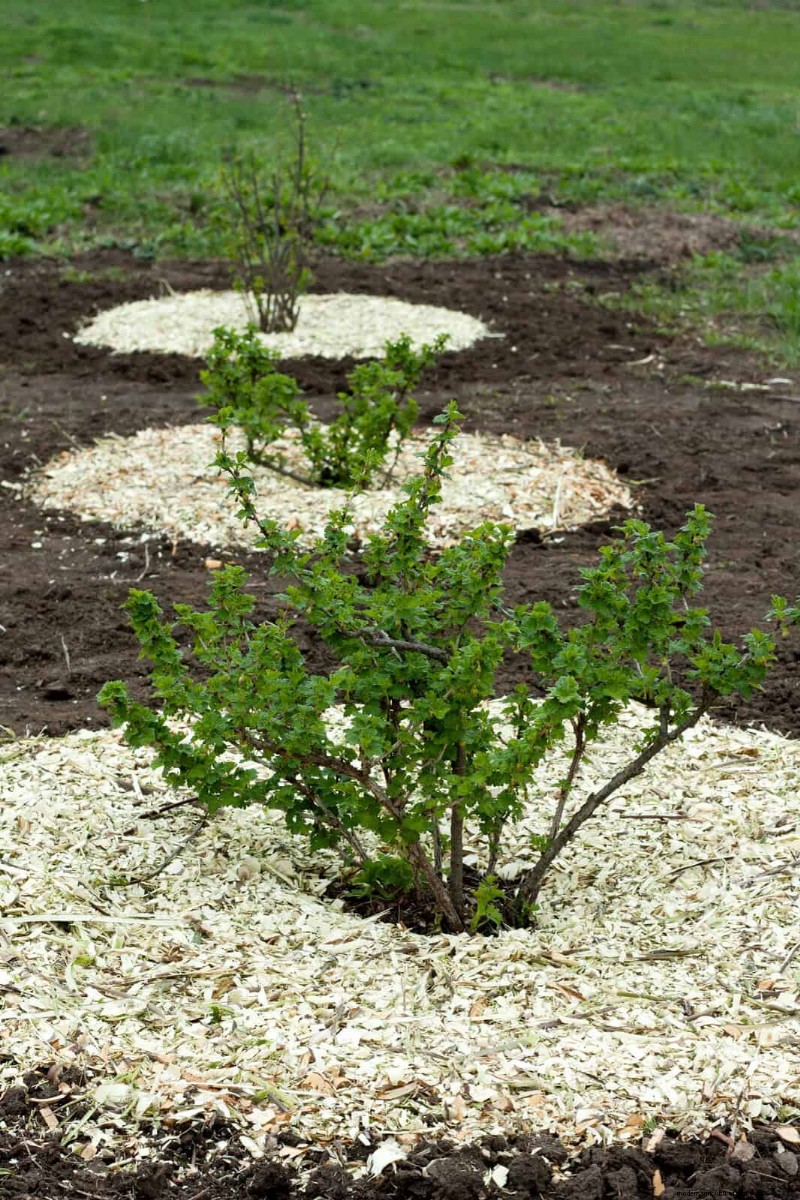
When collecting sawdust for garden use, seek sources that process untreated wood. Cabinet shops, woodturning clubs, and high school woodworking classes often generate clean sawdust they’re happy to share. Bring your own containers and be prepared to collect material regularly, as many shops have limited storage space.
Some commercial operations mix sawdust with wood shavings, creating a mulch with varied texture that decomposes at different rates. This mixed material works particularly well around shrubs and trees, where the larger pieces prevent the sawdust from forming a water-repelling crust. A 2-3 inch layer provides effective weed suppression while allowing water to penetrate to plant roots.
 Depositphotos
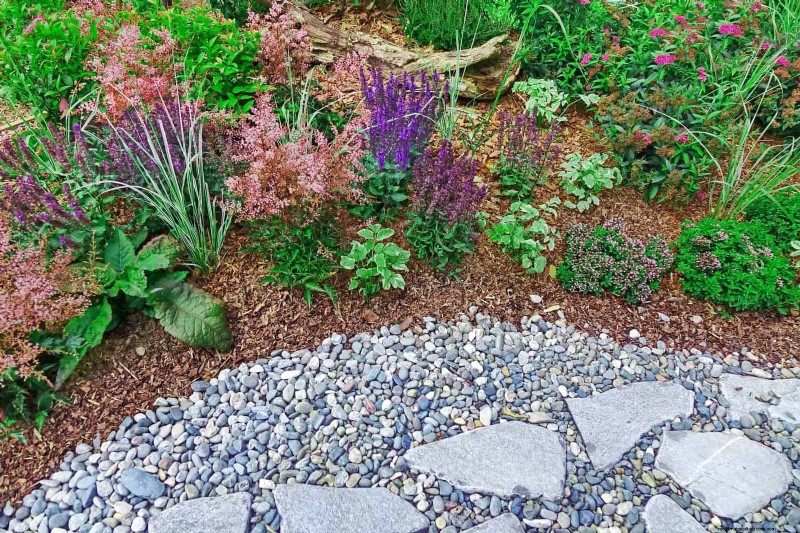
These free mulch alternatives save money and often outperform store-bought options for specific garden needs. Each offers unique benefits while helping reduce waste and improve your soil. Start with what’s readily available in your area and experiment with different materials in various garden zones.
The best garden mulch strategy often combines several free materials, using each where its properties provide the greatest benefit. This thoughtful approach creates healthier plants, reduces watering needs, and keeps your garden looking tidy without the expense of commercial products. Your plants and wallet will thank you.
Upgrade your garden maintenance routine with 25 Smart Ways to Use Mulch for a Healthier Garden.


