
Welcome to Modern Agriculture!

July brings perfect weather for garden maintenance. The early summer blooms have faded, and many plants benefit from a good trim to encourage fresh growth and more flowers.
 Depositphotos
Not all plants should feel your pruning shears this month, though. Knowing which plants to prune and which to leave alone can make a huge difference in your garden’s performance for the rest of the season and next year.
 Depositphotos
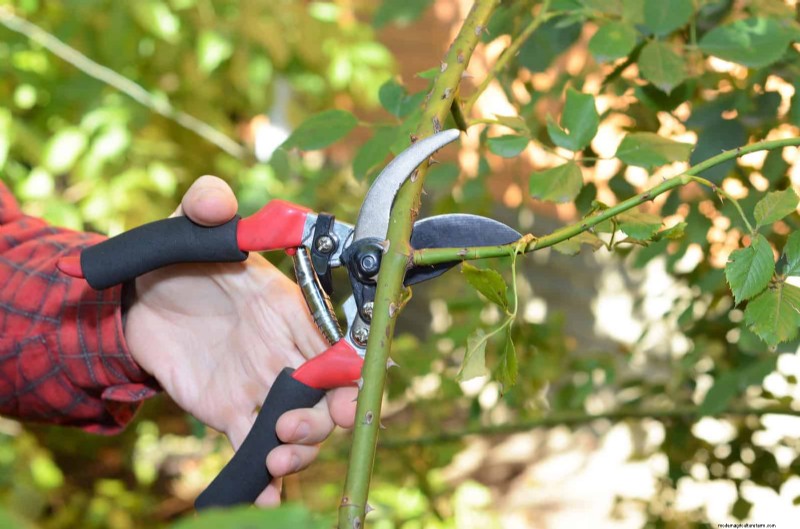
July is ideal for giving your climbing roses some attention. After their first flush of blooms fades, light pruning helps trigger a second spectacular show of flowers later in summer.
Cut back the flowering stems by about one-third of their length and remove any damaged or crossing branches. This quick trim improves air circulation and redirects the plant’s energy toward producing more gorgeous, fragrant blooms.
 Depositphotos
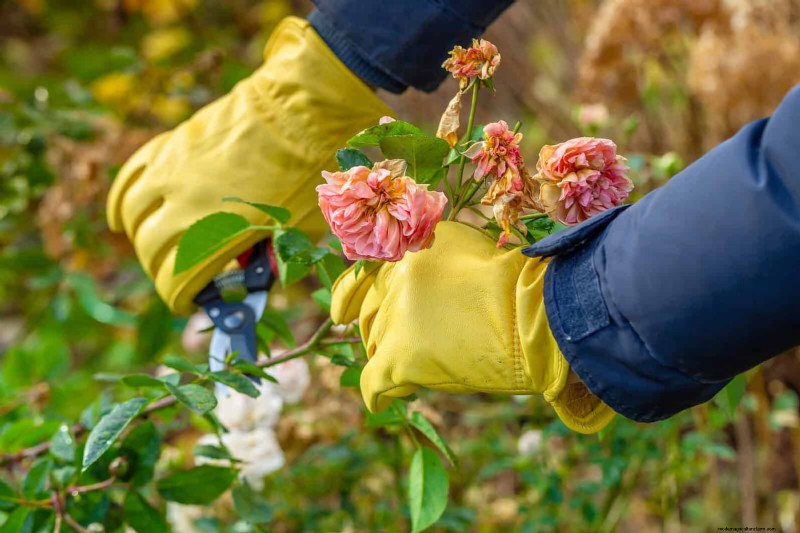
Deadheading spent flowers is crucial for repeat-blooming rose varieties. Simply cut just above the first five-leaflet leaf you see below the faded flower.
A little rose fertilizer after pruning gives your climbers the nutrients they need to produce that second round of blooms. Your reward will be weeks more of beautiful roses to enjoy through late summer.
We'll email it to you so you can read it later!
By saving, you agree to receive occasional emails. Unsubscribe anytime.
 Depositphotos
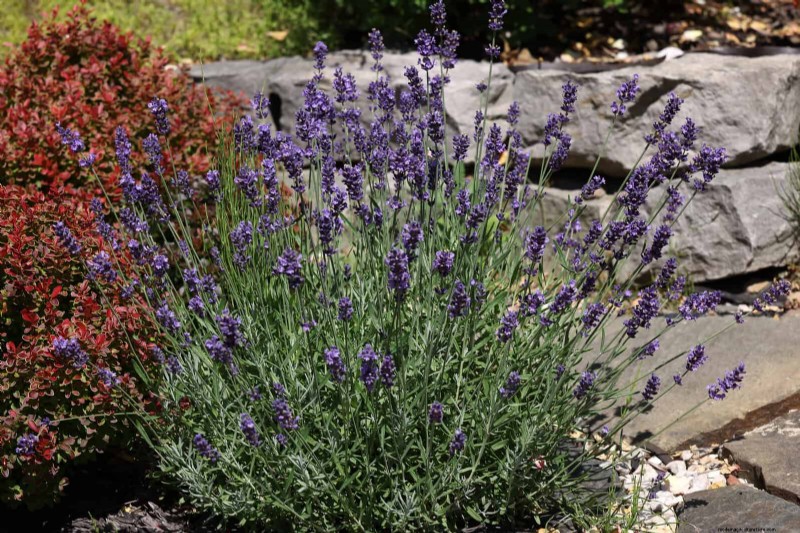
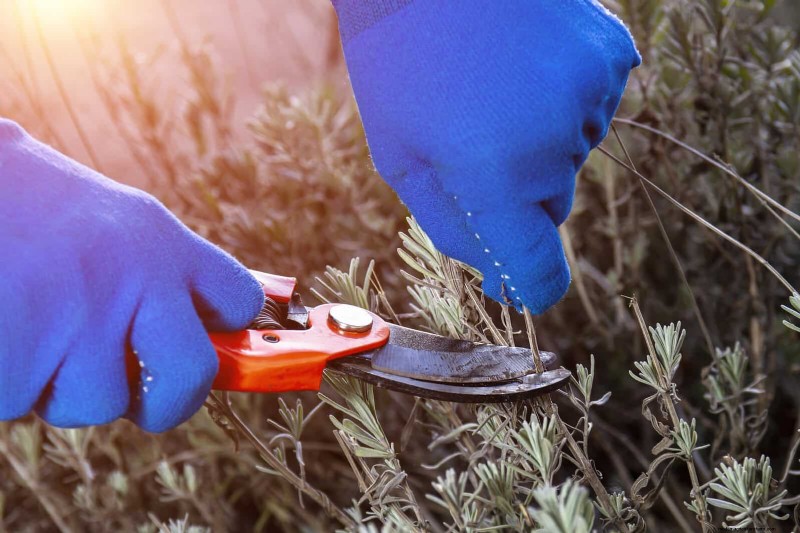
July is perfect timing for lavender pruning, right after the first flowering period ends. A good trim now prevents these Mediterranean herbs from becoming woody and sparse at their centers.
Cut back about one-third of the plant’s height, taking care not to cut into the woody base. Focus on removing the spent flower stalks and some of the current year’s growth.
 Depositphotos
Regular pruning keeps lavender compact and prevents that splayed, open look that older plants often develop. The goal is to maintain a tidy, rounded shape.
This mid-summer trim also helps prepare your lavender for winter by allowing time for new growth to harden off before cold weather arrives. Well-pruned plants survive winter better and live longer.
 Depositphotos
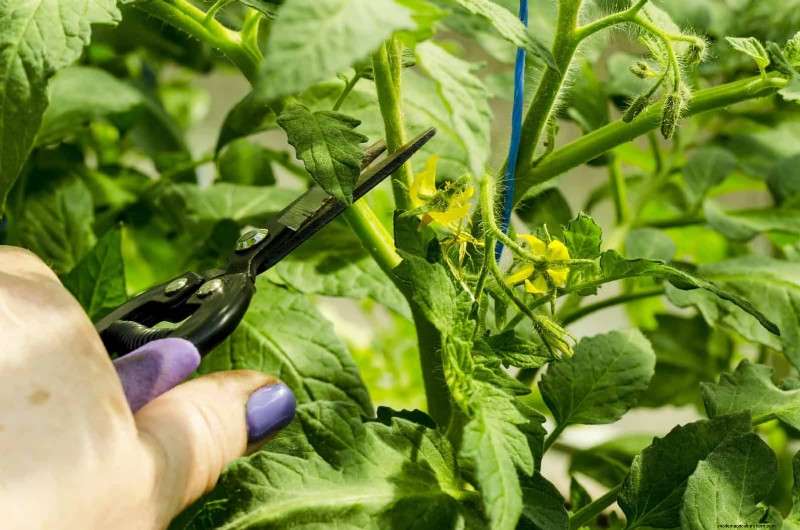
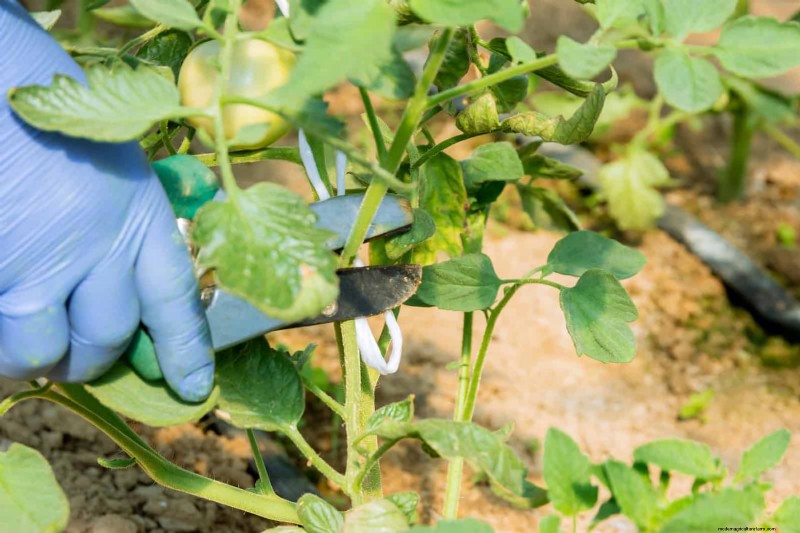
July tomato pruning focuses on removing suckers, small shoots that form in the crotch between the main stem and branches. If left unchecked, these energy-stealing sprouts reduce fruit production.
For indeterminate varieties (those that grow like vines), pinch out suckers when they’re small. Determinate types (bush varieties) need less pruning, but removing lower leaves that touch the soil prevents disease spread.
 Depositphotos
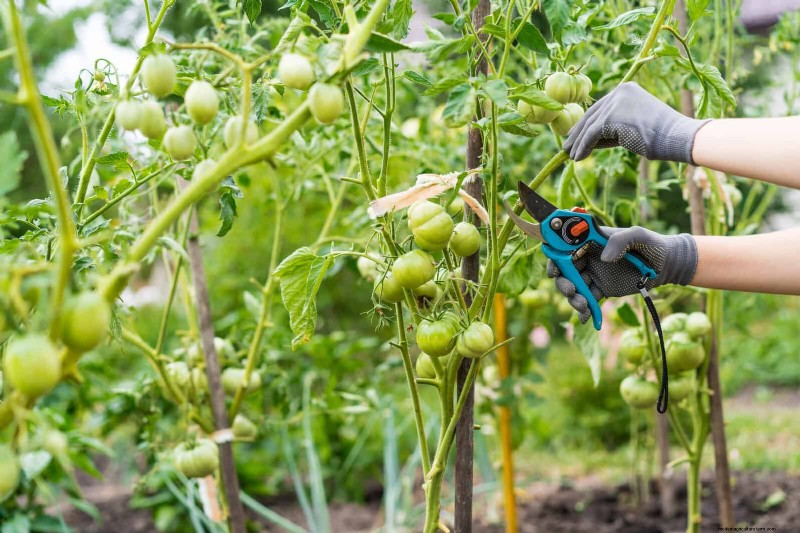
Morning is the best time for tomato pruning when plants are fully hydrated. Make clean cuts with sharp pruners or pinch small suckers with your fingers.
This strategic pruning redirects the plant’s energy into developing larger, tastier fruits rather than excess foliage. Your plants will also have better air circulation, reducing the risk of fungal problems during humid summer weather.
 Depositphotos
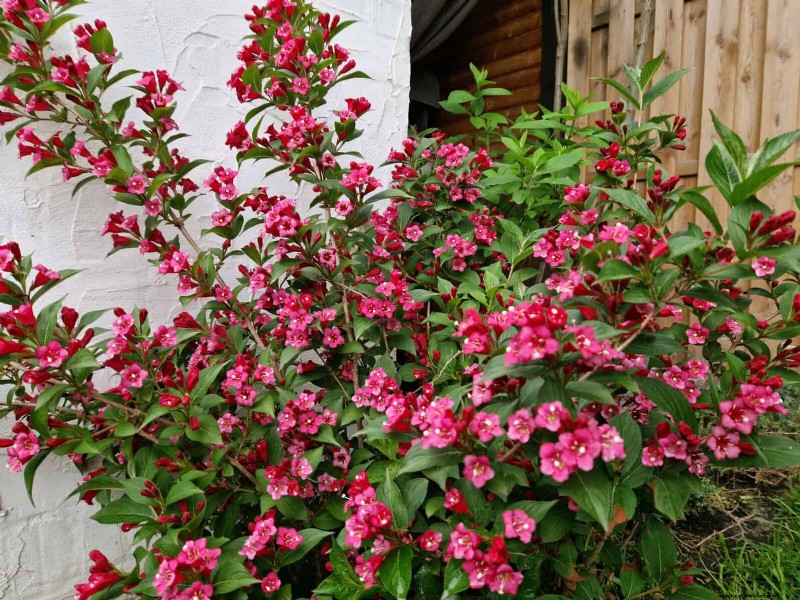
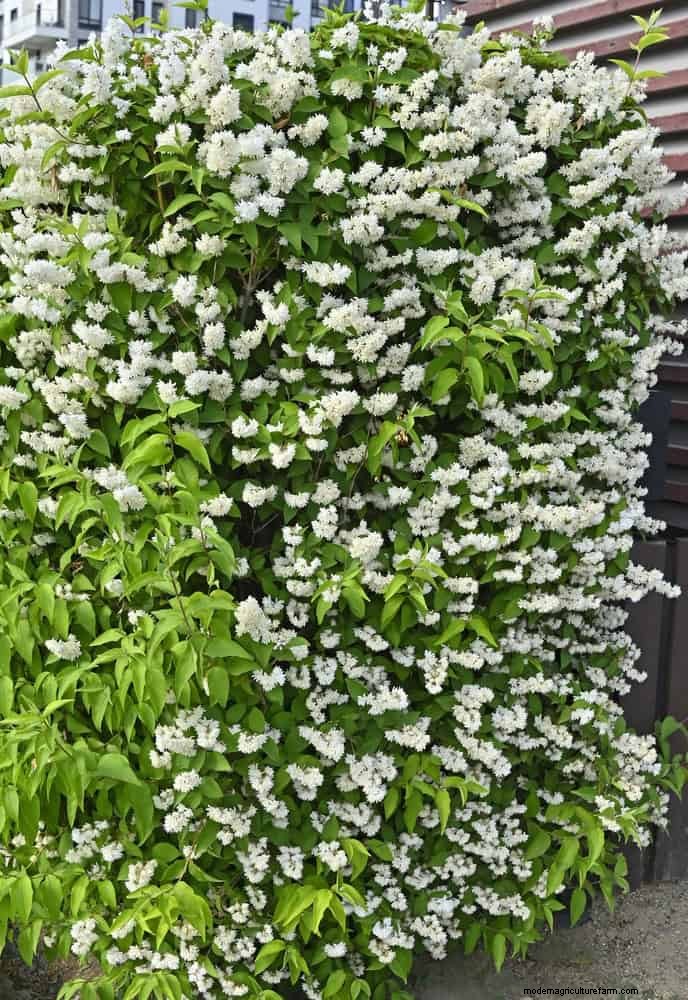
Spring bloomers like mock orange (Philadelphus), Weigela, and Deutzia should be pruned right after their flowers fade. By July, these shrubs have finished their show and are ready for shaping.
Cut back flowered stems by about one-third of their length. Remove up to one-third of the oldest stems at ground level for older, overgrown specimens to rejuvenate the plant.
 Depositphotos
Timing is everything with these shrubs. They form next year’s flower buds on the new wood that grows after pruning, so July is the perfect window of opportunity.
Good summer pruning allows new growth to develop and mature before winter. This ensures you’ll enjoy another spectacular spring display next year.
 Depositphotos
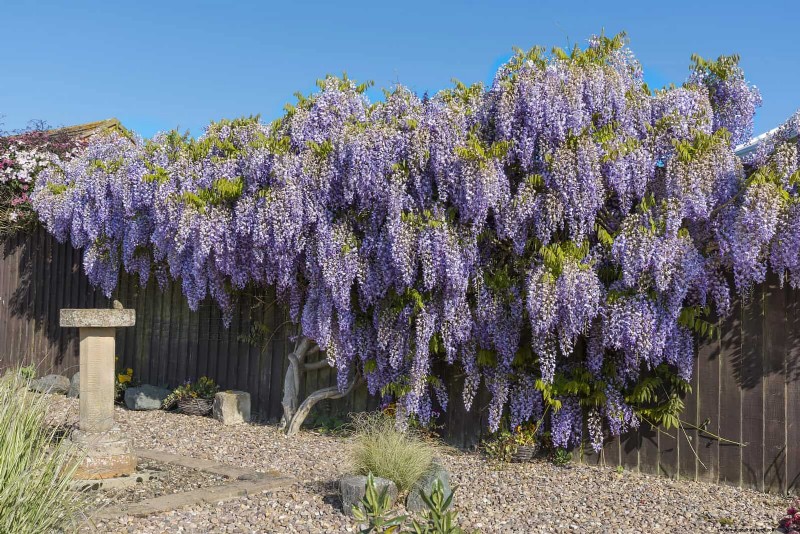
Wisteria’s rampant growth needs regular management, and July is perfect for the first of two annual prunings. Without control, these vigorous climbers quickly overtake nearby structures and trees.
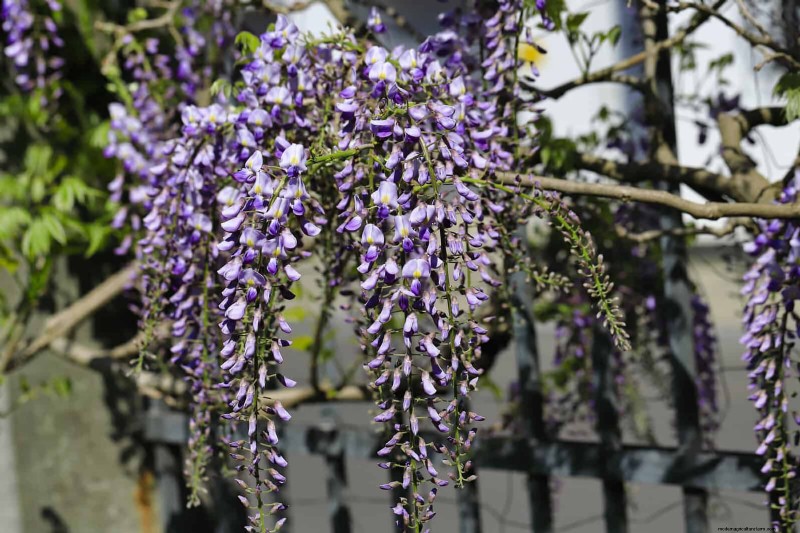
Cut back this season’s long, whippy growth to about 6 inches from its base (or 5 to 6 buds). This will control the plant’s size and encourage it to form flower buds rather than putting energy into more leafy growth.
 Depositphotos
Summer pruning also helps tame wisteria’s wild side. It creates a cleaner framework of branches and improves sunlight penetration throughout the plant.
Regular trimming turns this potential garden thug into a well-behaved showstopper. You’ll be rewarded with better flowering next spring and a vine that enhances rather than overwhelms your garden structures.
 Depositphotos
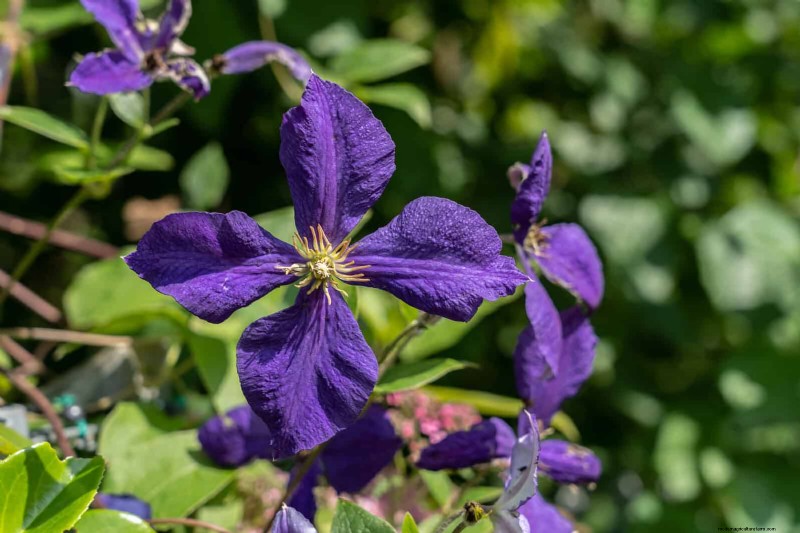
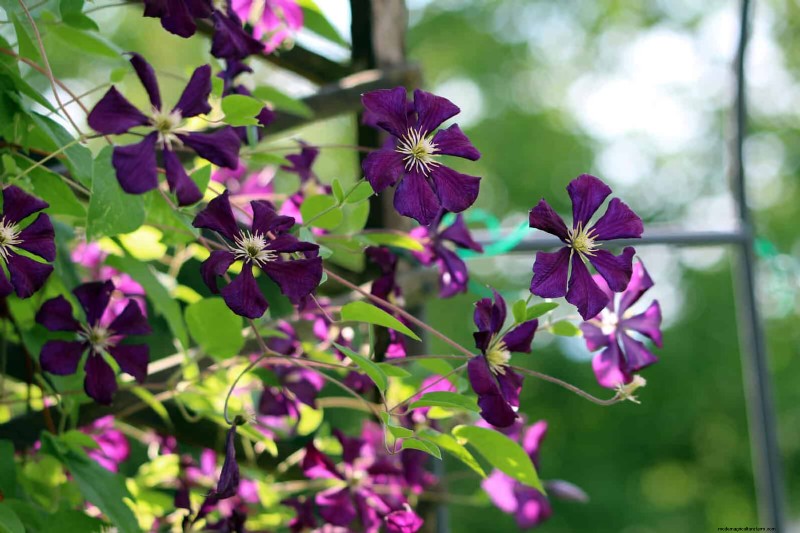
Late-flowering clematis varieties like ‘Jackmanii’ benefit from light pruning in July. This keeps these vigorous climbers from becoming a tangled mass of stems.
Remove any damaged or dead stems. Trim back excessive growth that threatens to overwhelm its support structure. But avoid heavy pruning now as these types flower on current-season growth.
 Depositphotos
Light summer pruning improves air circulation through the vines, reducing the risk of clematis wilt and other fungal problems. The trimming also stimulates fresh flowering stems.
Use this opportunity to guide new growth along trellises or supports. A few strategically placed plant ties help create that beautiful flowering wall effect that makes clematis popular.
 Depositphotos
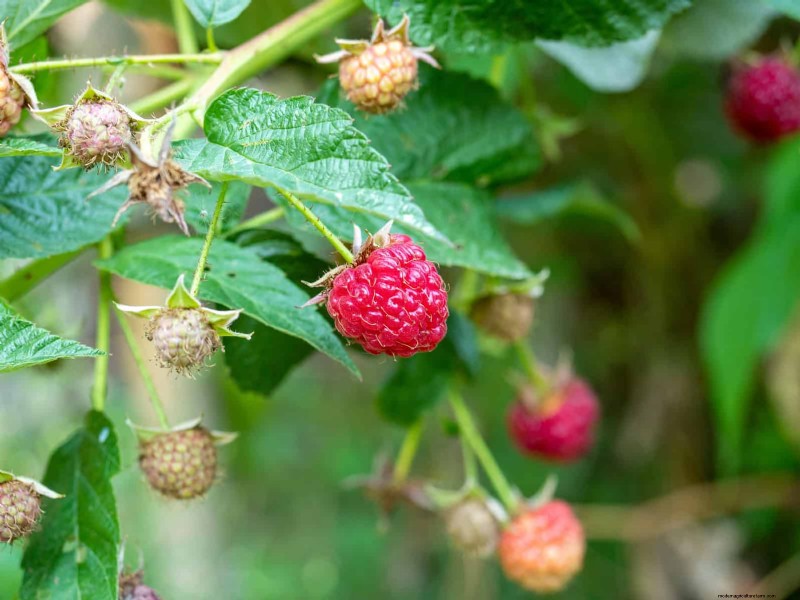
July is the time to prune summer-bearing raspberries as soon as they finish fruiting. These varieties produce berries on canes that grow the previous year, and those canes die after fruiting.
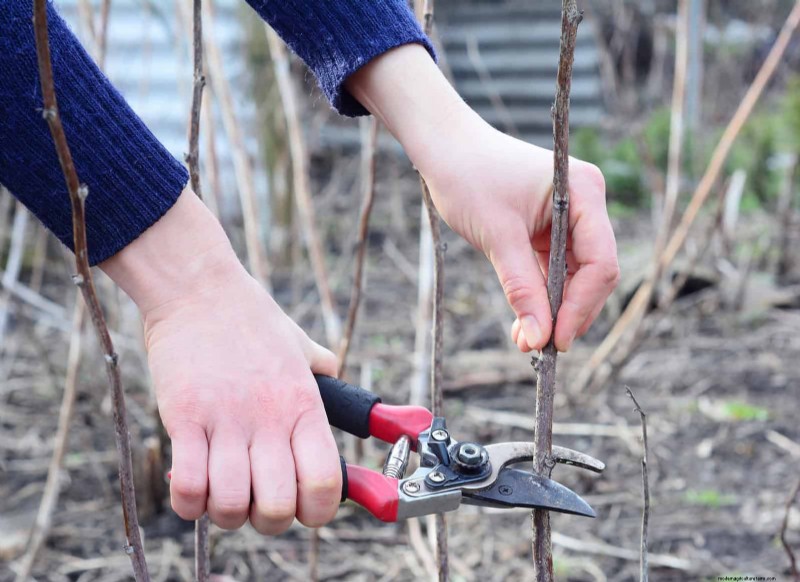
Cut these brown, finished canes all the way to ground level. They won’t produce again, and removing them opens up space and nutrients for the new green canes that will bear next year’s crop.
 Depositphotos
This clean-up pruning prevents disease and improves air circulation through your raspberry patch. The old canes are often covered in tiny thorns, so wear sturdy gloves and long sleeves.
After removing old canes, thin the new ones to about 4 to 6 inches apart. This spacing prevents overcrowding and leads to bigger, better berries next season. Fall-bearing varieties follow a different pruning schedule, so know which type you have.
 Depositphotos
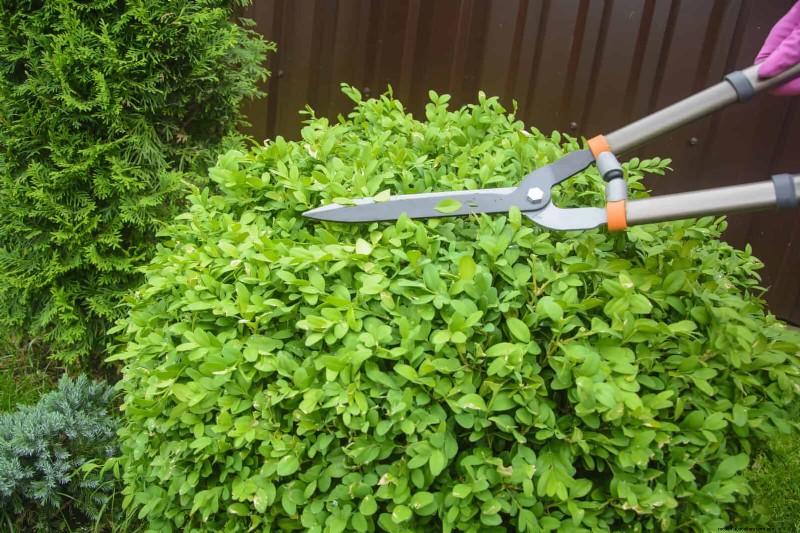
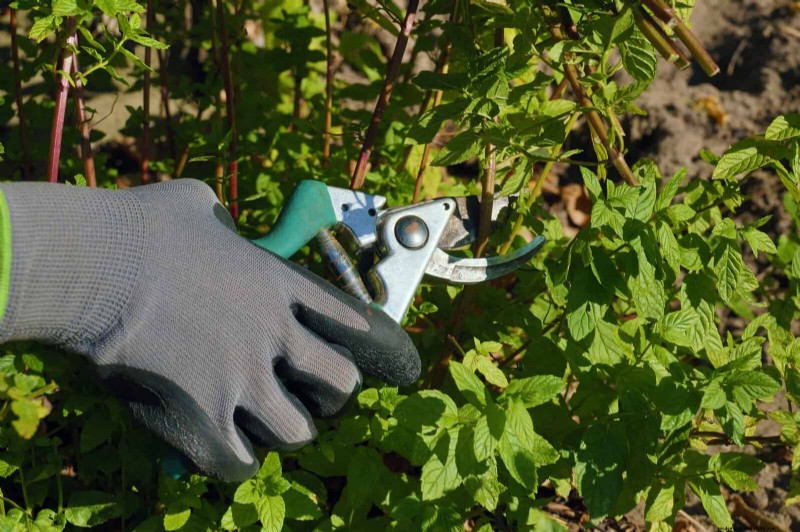
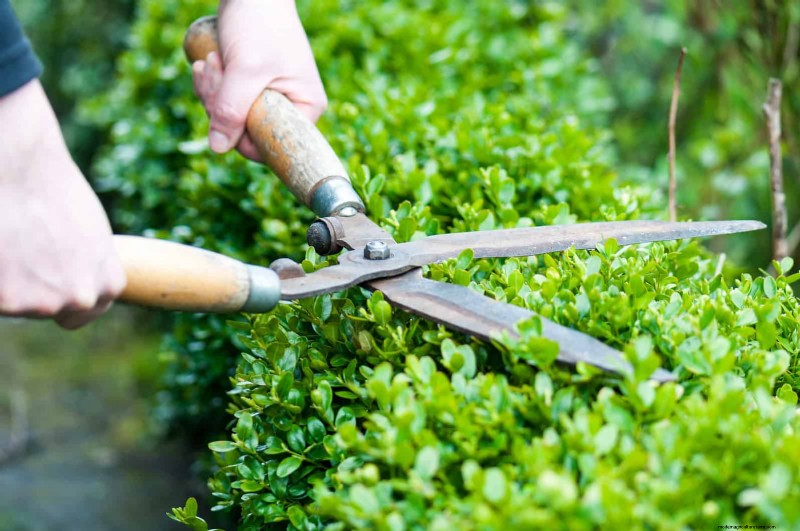
Formal hedges like yew, boxwood, and privet benefit from a July trim to maintain their crisp, defined shape. This timing allows new growth to harden off before winter arrives.
For the best results, use sharp, clean hedge shears. Cut back to just above the previous trim line, and make sure the top of the hedge is narrower than the bottom to allow light to reach all parts of the plant.
 Depositphotos
Mid-summer pruning helps formal hedges maintain their defined edges throughout the growing season. It also removes the soft, new growth that’s susceptible to early frost damage.
For the cleanest cuts, prune on a cloudy day to prevent immediate sun scorch on newly exposed foliage. A light application of balanced fertilizer after trimming helps plants recover quickly.
 Depositphotos
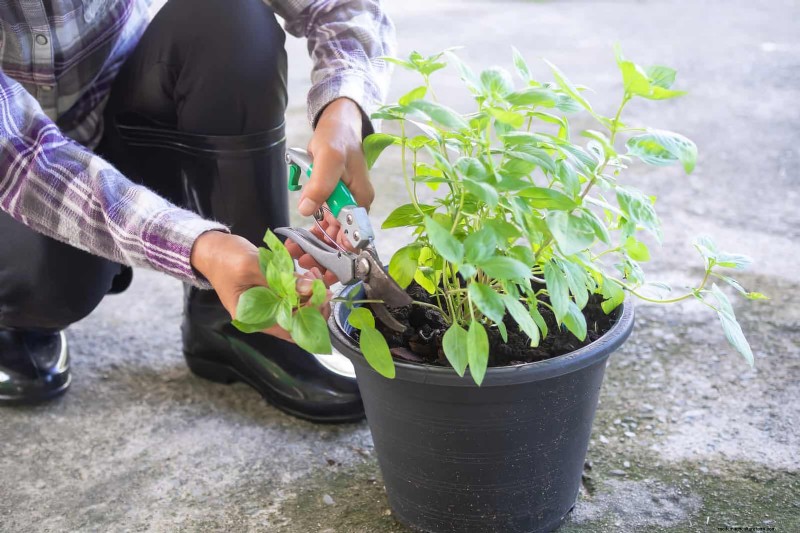
Culinary herbs need regular July pruning to keep them productive and prevent flowering. Once herbs like basil, oregano, and mint set seed, their leaf flavor often turns bitter.
Pinch back the growing tips regularly, removing any flower buds as they appear. You can safely trim back up to one-third of the plant’s height for bushy herbs like oregano and mint.
 Depositphotos
The more you harvest herbs, the more they produce. Regular cutting encourages plants to branch out and generate fresh, flavorful leaves instead of putting energy into reproduction.
Morning pruning yields the highest concentration of essential oils for the best flavor. Bonus: your prunings become instant kitchen ingredients. Preserve extras by freezing them in olive oil or drying them for winter use.
 Depositphotos
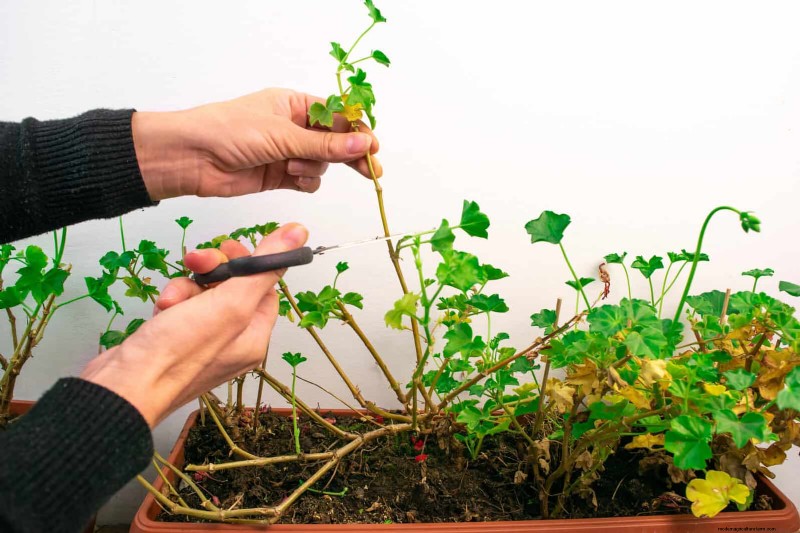
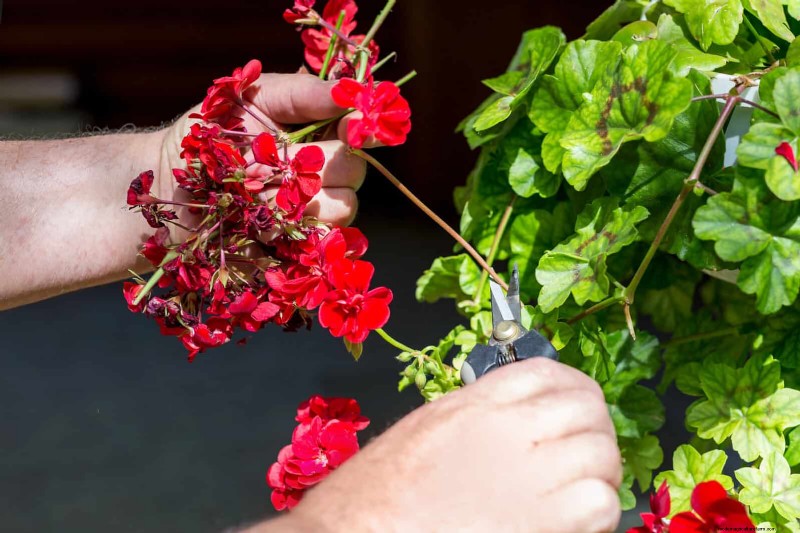
Early summer bloomers like hardy geraniums and delphiniums often look tired by July. Cutting them back now usually triggers a second, smaller flush of flowers in late summer.
For geraniums, shear the entire plant back by about one-third after the first flowering, with taller plants like delphiniums, cut spent flower stalks down to a set of healthy leaves.
 Depositphotos
This renewal pruning not only encourages more flowers but also tidies up the garden mid-season. Plants look refreshed and put energy into new growth rather than seed production.
A light dose of fertilizer after pruning helps fuel that second round of blooms. Even if plants don’t rebloom, the fresh foliage growth improves your garden’s appearance for the remainder of summer.
 Depositphotos
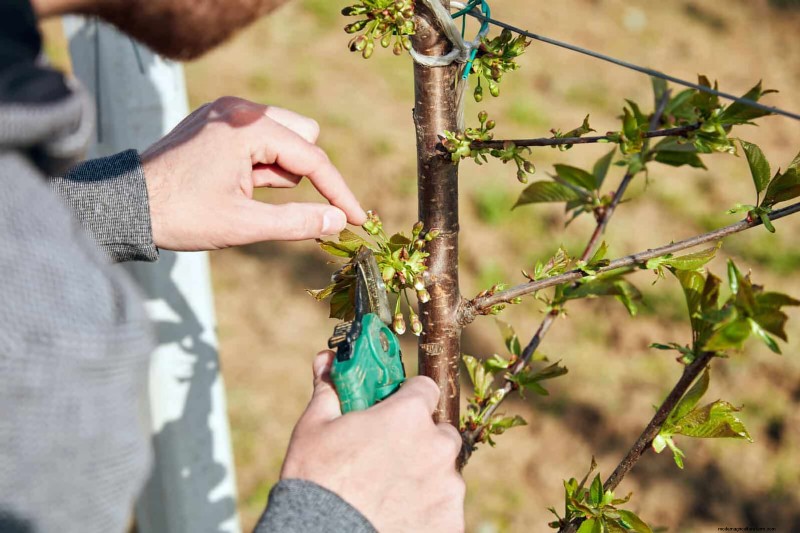
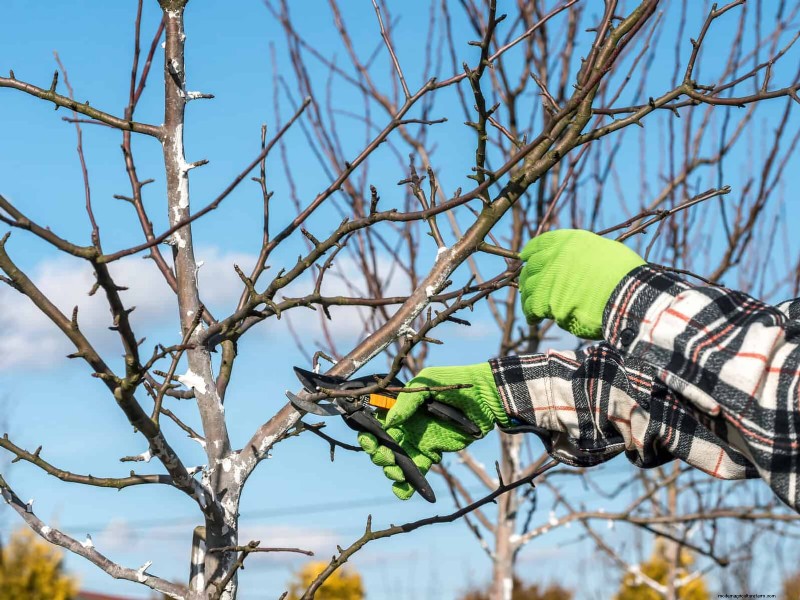
July is ideal for summer pruning of fruit trees. Unlike winter pruning, which stimulates vigorous growth, summer cuts help control tree size and improve sun exposure to developing fruits.
Focus on removing water sprouts (vertical shoots) and competing leaders. Thin, crowded branches will improve airflow through the canopy, which helps prevent fungal diseases during humid weather.
 Depositphotos
For young trees, minimal pruning helps shape their structure, while for mature trees, over-pruning can cause stress. To stay on the safe side, avoid removing more than 10–15% of the canopy in midsummer.
While light summer pruning can help redirect a tree’s energy toward fruit production and improve airflow, some plants benefit more from being left alone or only lightly trimmed.
 Depositphotos
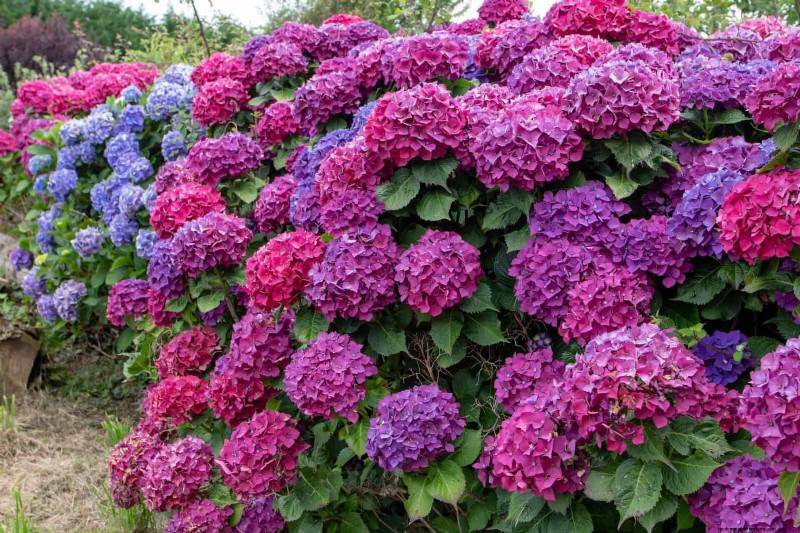
July pruning is a big no-no for bigleaf hydrangeas. These popular shrubs set their flower buds for next year during summer and fall. Any pruning now removes those potential blooms.
The only safe cutting is to remove spent flowers, carefully trimming just below the faded bloom. Leave all healthy stems intact, even if the plant seems large or unruly.
 Depositphotos
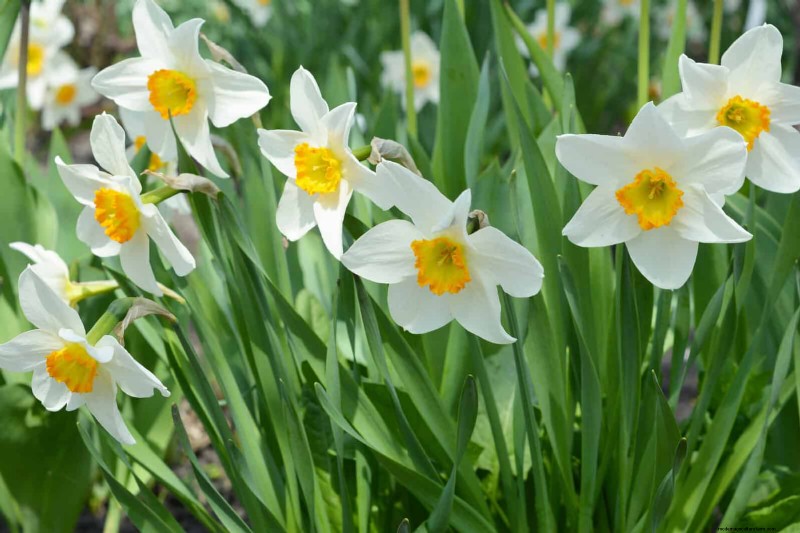
The yellowing foliage of spring bulbs might look untidy in July, but resist the urge to cut it back too soon. Those leaves still feed the bulbs underground, storing energy for next year’s flowers.
Let all foliage die back completely and turn brown before removing it. Cutting green or yellow leaves short-circuits this natural energy transfer, leading to fewer blooms next spring.
 Depositphotos
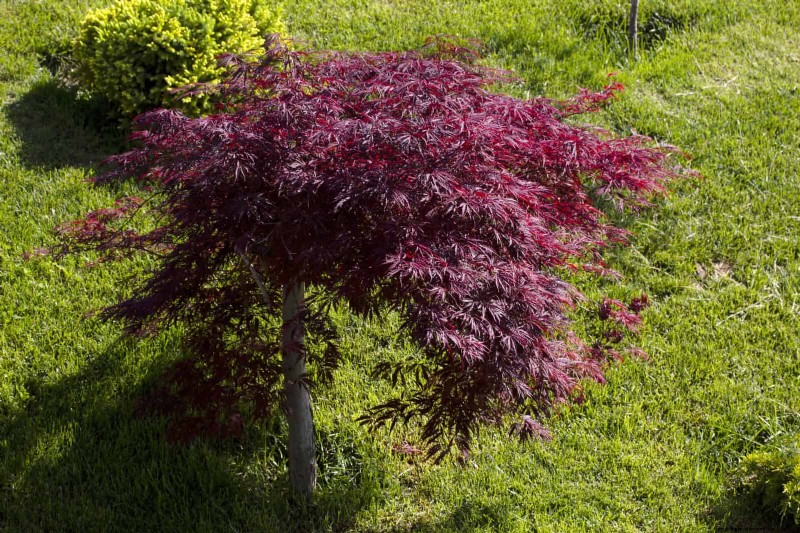
The delicate beauty of Japanese maples makes them garden favorites, but July is never the time to prune them. Summer heat puts these trees under stress, and pruning compounds the problem.
Any necessary pruning should wait until late winter when the tree is fully dormant. Summer cuts often lead to dieback, sap bleeding, and increased vulnerability to pests and diseases.
 Depositphotos
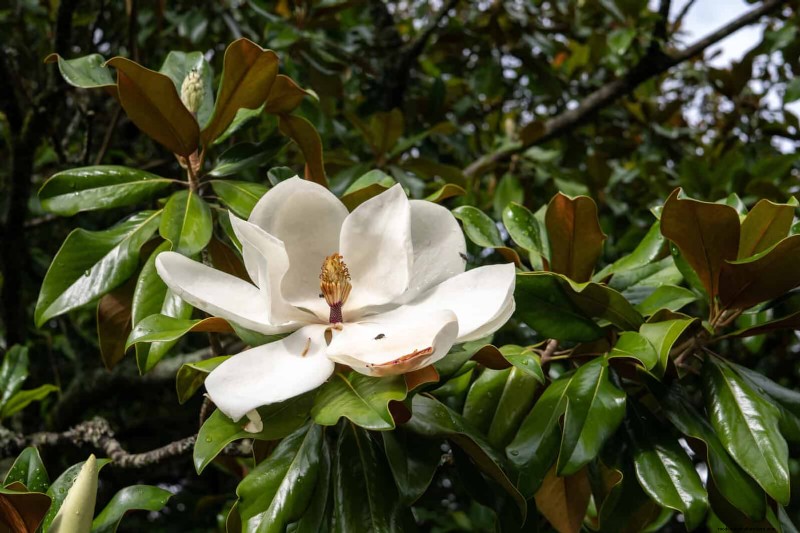
Magnolias are notorious for responding poorly to summer pruning. July cuts often result in unsightly dieback and can create entry points for diseases while the tree is actively growing.
If your magnolia needs shaping, wait until late winter. The only exception is removing dead or damaged branches, which can be done anytime with proper sanitized tools.
 Depositphotos
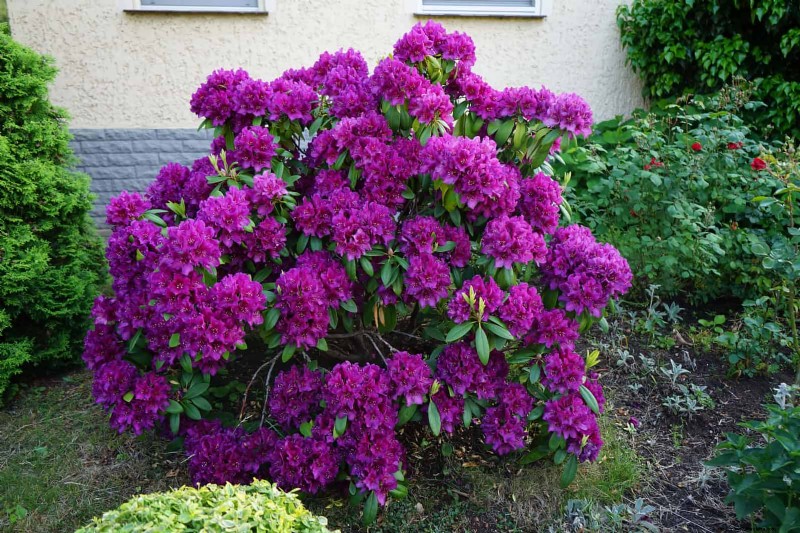
By July, rhododendrons have already set their flower buds for next spring. Any pruning now will remove these buds and significantly reduce next year’s floral display.
If your rhododendron needs rejuvenation, wait until immediately after flowering next spring. For now, limit yourself to removing only dead or diseased wood with clean, sharp pruners.
 Depositphotos
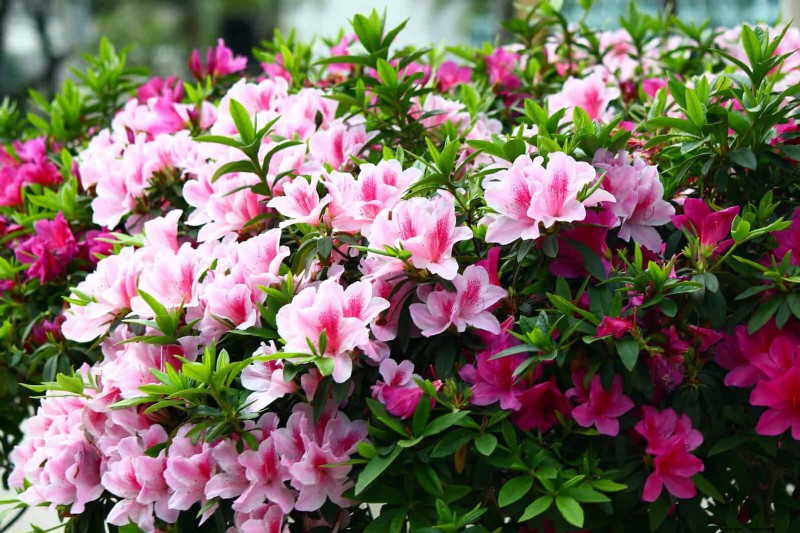
Like their rhododendron cousins, azaleas should not be pruned in July. These spring-flowering shrubs have already formed next year’s flower buds, and cutting now means cutting off future blooms.
The only safe July pruning for azaleas is carefully removing dead wood. Save any shaping or rejuvenation for the brief window right after flowering ends next spring.
 Depositphotos
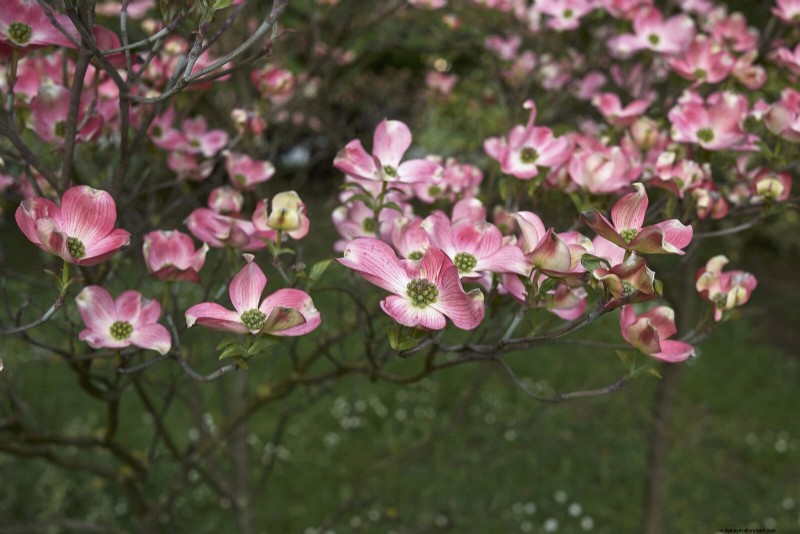
Flowering dogwoods are particularly vulnerable to disease when pruned during warm, humid summer months. July cuts create entry points for dogwood anthracnose and other serious problems.
Any necessary pruning should be done during winter dormancy. If you absolutely must remove damaged branches now, make clean cuts on dry, sunny days and sterilize your tools between cuts.
 Depositphotos
July pruning can make a tremendous difference in your garden’s performance. The plants that benefit from a mid-summer trim will reward you with better blooms, increased harvests, and healthier growth patterns.
Some shrubs have particular pruning windows, and trimming them too early or too late can reduce next year’s blooms or harm their natural rhythm. Knowing which ones to hold off on is just as important as knowing what to cut. With the right timing, your pruners become precision tools, not risks to your garden’s long-term beauty.


