
Welcome to Modern Agriculture!

 Depositphotos
Growing a lush, green lawn isn’t always possible in every corner of your yard. Some spots refuse to cooperate, no matter how much care you provide. From dense shade to poor soil conditions, these problem areas can leave you frustrated and searching for alternatives.
Ground covers offer the perfect solution when grass simply won’t thrive. These hardworking plants spread horizontally across difficult terrain, adding beauty while solving practical problems.
They prevent erosion, crowd out weeds, and create visual interest in otherwise barren spots. Best of all, once established, they often require less maintenance than traditional turf.
 Depositphotos
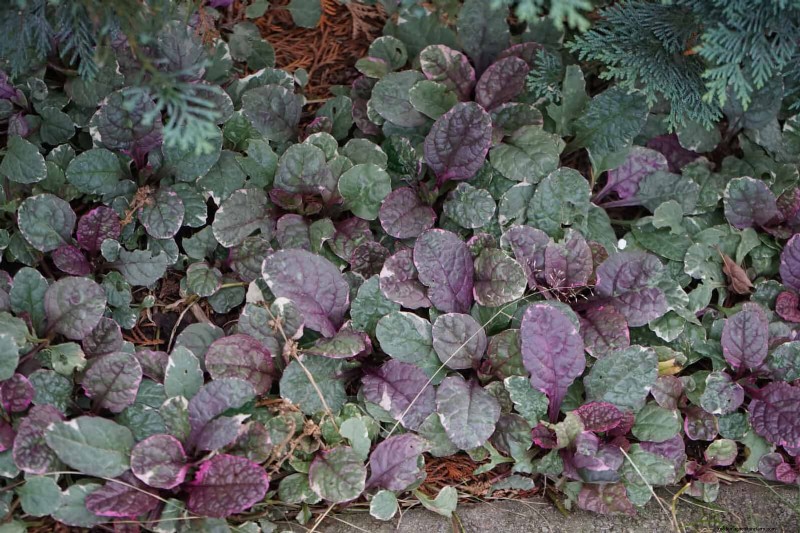
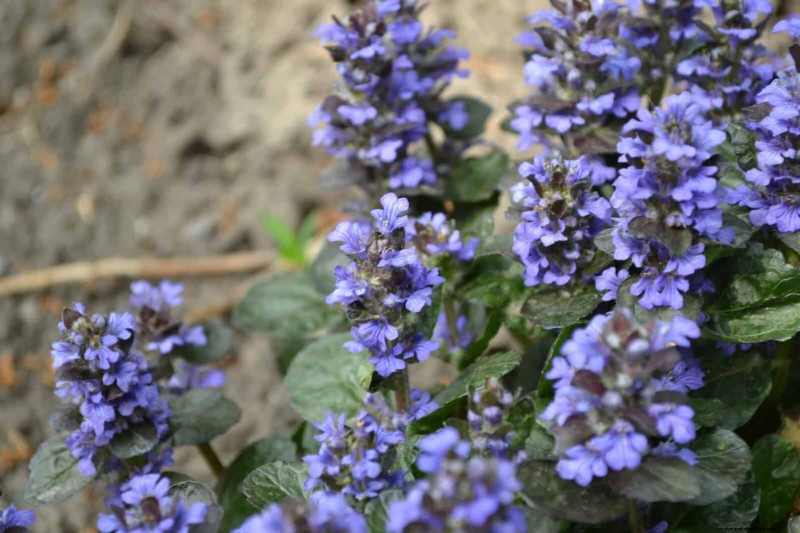
Also known as bugleweed, Ajuga creates a dense carpet of glossy, evergreen foliage that quickly fills in bare spots. This versatile ground cover produces striking blue-purple flower spikes in spring that attract pollinators to your garden.
The foliage comes in various colors, including burgundy, chocolate, and variegated forms, adding visual interest even when not in bloom. Ajuga thrives in partial to full shade where grass struggles, making it perfect for problematic areas under trees or along north-facing foundations.
It tolerates poor soil conditions and, once established, requires minimal maintenance. The plants spread through runners, creating a thick mat that effectively suppresses weeds and prevents soil erosion on slopes.
 Depositphotos
You’ll appreciate how little care Ajuga needs compared to struggling lawn grass. Simply trim back the flower stalks after blooming to keep the plant looking tidy. A quick clean-up in early spring removes any winter-damaged leaves and encourages fresh growth.
Ajuga rarely needs supplemental water except during severe drought. The plant’s dense growth habit naturally discourages weeds, saving you countless hours of garden maintenance.
Ajuga’s shallow root system means it won’t compete aggressively with nearby plants, making it ideal for planting around trees and shrubs. It stays evergreen in most climates, providing year-round coverage without the constant mowing of grass required.
We'll email it to you so you can read it later!
By saving, you agree to receive occasional emails. Unsubscribe anytime.
 Depositphotos
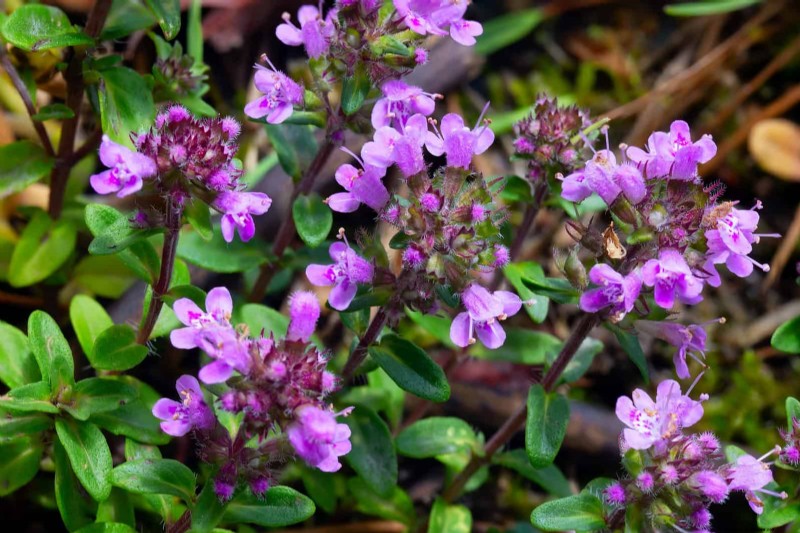
Creeping thyme creates a fragrant, drought-resistant carpet that withstands light foot traffic. This sun-loving ground cover produces tiny purple, pink, or white flowers that attract bees and butterflies throughout summer.
When stepped on, the aromatic leaves release a pleasant herbal scent, adding a sensory dimension to your landscape. This tough plant thrives in poor, rocky soils where grass often fails.
It requires excellent drainage and performs beautifully in hot, dry locations like along pathways, between stepping stones, or on sunny slopes. Creeping thyme stays low-growing at just 2 to 4 inches tall, spreading slowly to form a dense mat that naturally suppresses weeds and withstands drought once established.
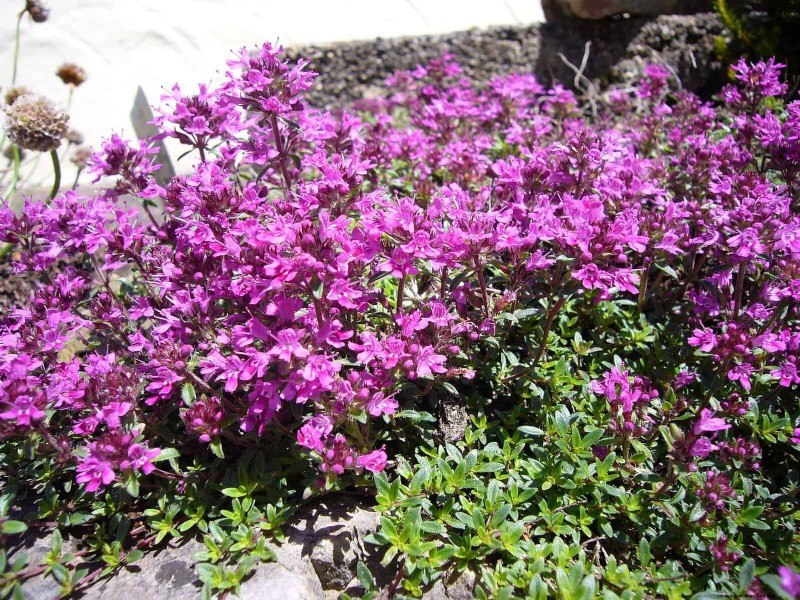 Own Herby talk thyme, CC BY-SA 3.0, via Wikimedia Commons
Different creeping thyme varieties offer solutions for specific landscape challenges. ‘Elfin’ thyme grows extremely flat at just 1 to 2 inches tall, making it perfect for planting between stepping stones.
‘Woolly’ thyme features fuzzy, silver-gray foliage that thrives in the poorest soils where even other thymes struggle. ‘Red’ creeping thyme adds rich color with its magenta-purple blooms covering the plant for summer weeks.
For areas with occasional foot traffic, ‘Doone Valley offers exceptional durability and gold-variegated foliage. Once established in the right conditions, all varieties share excellent drought tolerance and minimal maintenance needs.
 Depositphotos
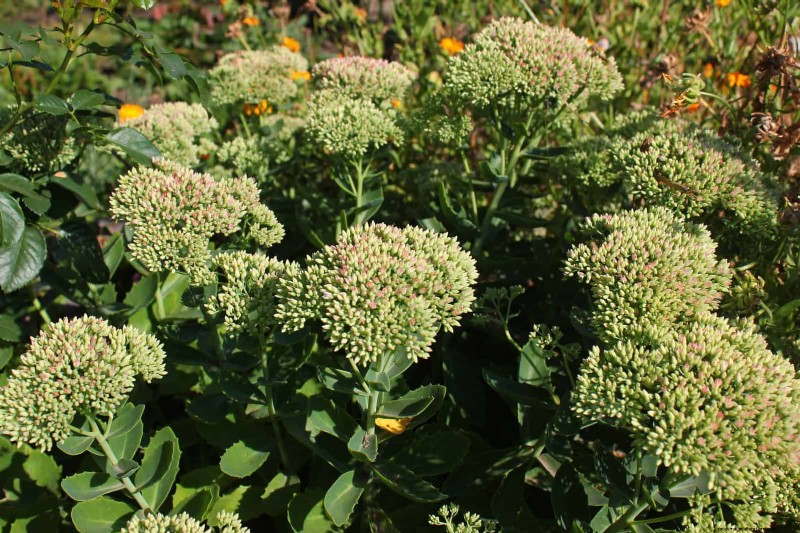
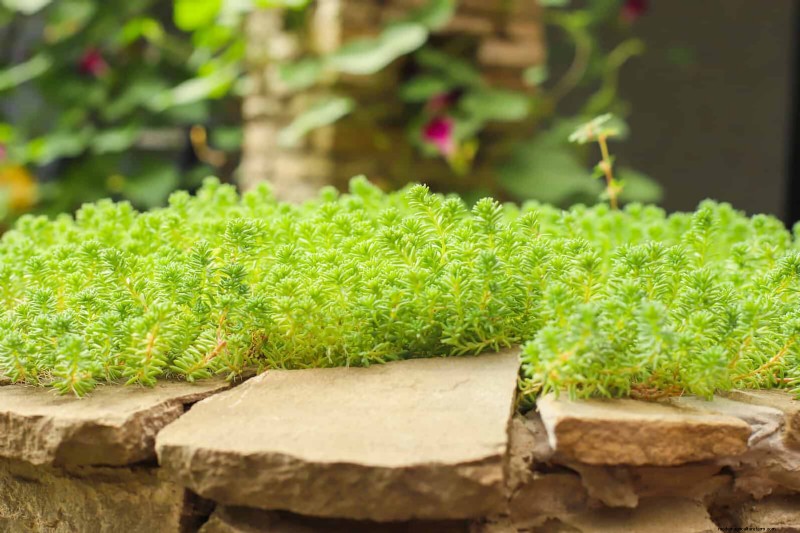
Sedums, also called stonecrops, offer incredible versatility for problem areas with poor soil and full sun exposure. These succulent ground covers store water in their fleshy leaves, allowing them to withstand extended periods of drought that would kill traditional lawn grasses.
The varied foliage colors range from silvery blue to bright green, red, and purple, often changing with the seasons. Many low-growing sedum varieties form tight mats that spread slowly and steadily across difficult terrain.
They produce star-shaped flowers in shades of yellow, pink, or white that attract butterflies and pollinators. Sedums thrive in rocky, sandy soils with excellent drainage, making them perfect for slopes, rock gardens, and areas with compacted soil.
 Depositphotos
The secret to sedum success lies in avoiding common care mistakes. These plants prefer to stay on the dry side, so ensure excellent drainage by adding grit or coarse sand when planting in heavy soils.
Too much water, especially in winter, can cause root rot and quickly kill these otherwise indestructible plants. Full sun brings out the most vibrant colors in sedum foliage. Plants grown in too much shade stretch and become leggy, losing their compact growth habit.
A light pruning in early spring removes any winter-damaged portions and encourages denser growth. Sedums rarely need fertilizer; in fact, overly rich soil produces weak, floppy growth that defeats their ground-covering purpose.
 Depositphotos
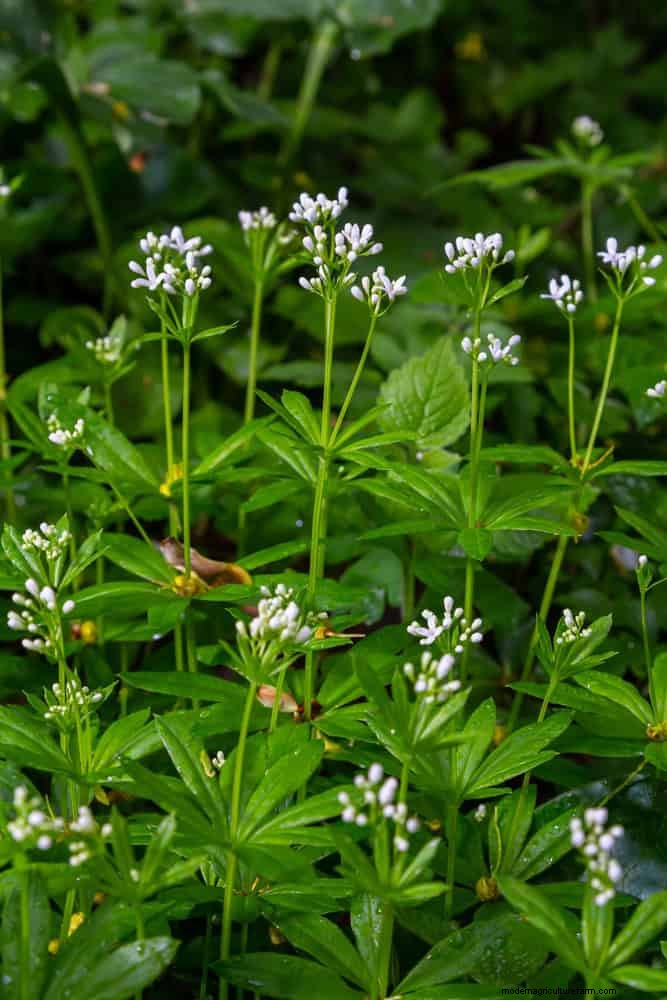
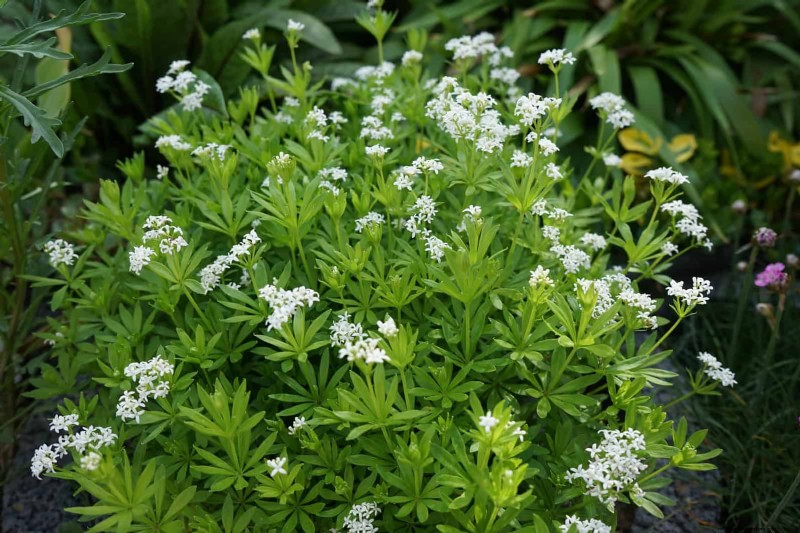
Sweet woodruff creates a lush, green carpet in deeply shaded areas where grass consistently fails. This old-fashioned favorite features whorls of bright green leaves topped with delicate white flowers in spring.
When crushed or dried, the foliage releases a pleasant vanilla-hay fragrance, making it historically popular in potpourri and as a natural air freshener. This reliable ground cover spreads by underground rhizomes, gradually filling in difficult shady spots beneath trees and shrubs.
It thrives in the rich, moist soil typical of woodland settings but adapts to average garden conditions with regular watering. Sweet woodruff grows about 8 to 12 inches tall, creating a soft, billowing texture that pairs beautifully with ferns and hostas in shady garden designs.
 Depositphotos
Sweet woodruff makes an excellent companion for spring bulbs in difficult, shady areas. The plants emerge late enough to allow early bulbs like snowdrops and crocus to complete their bloom cycle.
Later, Woodruff’s expanding foliage neatly covers the fading leaves of daffodils and tulips, hiding the unsightly yellowing process. This adaptable ground cover also works beautifully with larger shade plants like astilbe, bleeding heart, and heuchera.
Its spreading habit fills the spaces between these focal plants, creating a cohesive woodland garden. Sweet woodruff’s bright green color provides the perfect backdrop for plants with burgundy or variegated foliage, enhancing their visual impact in shady problem areas.
 Depositphotos
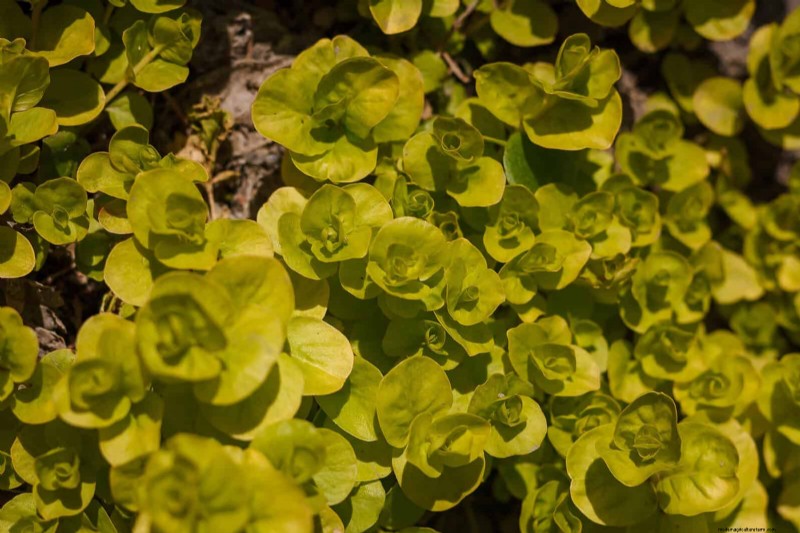
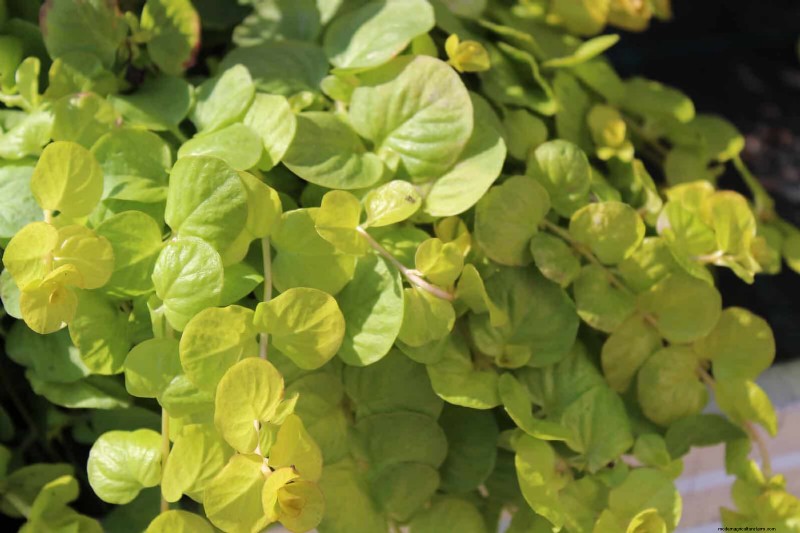
Creeping Jenny features round, coin-shaped leaves on trailing stems that quickly spread to cover problem areas. The bright chartreuse foliage of the ‘Aurea’ varieties adds a pop of color to shady spots, while the classic green form blends seamlessly with other woodland plants.
Small, cup-shaped yellow flowers appear in summer, adding seasonal interest. This adaptable ground cover thrives in moist areas where many plants struggle, including along pond edges, in rain gardens, or in low spots that collect water.
Creeping Jenny grows equally well in sun or shade, though the golden varieties develop the brightest color with at least some sun exposure. It forms a dense mat just 2 to 4 inches tall, effectively preventing soil erosion on slopes and banks.
 Depositphotos
Creeping Jenny’s vigorous growth requires some management to keep it from overwhelming smaller neighboring plants. Installing edging barriers helps contain it in designated areas.
Regular trimming of wandering stems keeps the plant within bounds and encourages denser growth in problem spots where you actually want coverage. In regions with mild winters, creeping Jenny remains semi-evergreen, providing year-round interest.
In colder climates, the foliage dies back but returns quickly in spring. Dividing established patches every few years rejuvenates the plants and provides free starts for tackling new problem areas. The golden form makes an excellent container plant, with stems gracefully trailing over the edges.
 Depositphotos
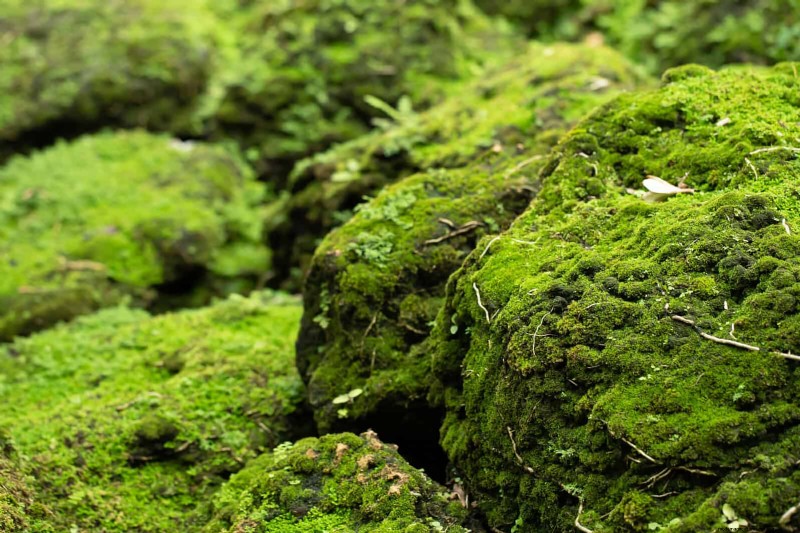
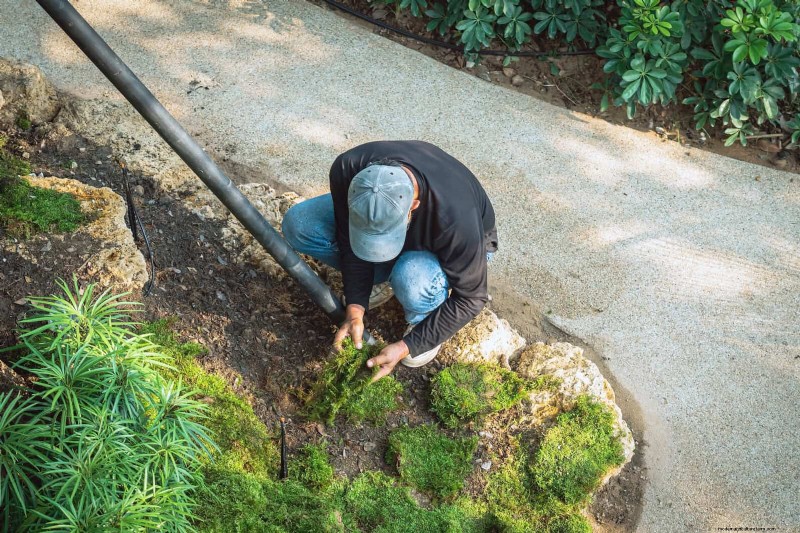
Moss creates a velvety, emerald carpet in deeply shaded, moist areas where even the most shade-tolerant grasses fail. These ancient plants lack true roots and absorb water and nutrients directly through their leaves.
The result is a lush, cushion-like ground cover that adds a sense of age and tranquility to problem garden spots. Different moss species offer varying textures, from tight cushions to feathery carpets.
They thrive in acidic soil conditions, often beneath pine trees and other conifers, where grass struggles. Once established, mosses require no mowing, fertilizing, or supplemental water beyond rainfall. They create a naturally weed-resistant surface that stays green year-round in most climates.
 Depositphotos
Successful moss establishment starts with proper site preparation. Thoroughly remove existing weeds and grasses from the area, taking care not to disturb the soil surface.
Acidify alkaline soils by watering them with a mixture of buttermilk and water (1:4 ratio) or applying diluted apple cider vinegar to create conditions that Moss prefers. Transplanting moss works better than trying to grow it from spores.
Collect small patches from existing moss (with permission) or purchase moss online. Press these “starter” pieces firmly against bare, moist soil. Keep newly planted moss consistently damp for the first month. Light misting several times daily helps the moss establish without washing away the tiny plants.
 Depositphotos
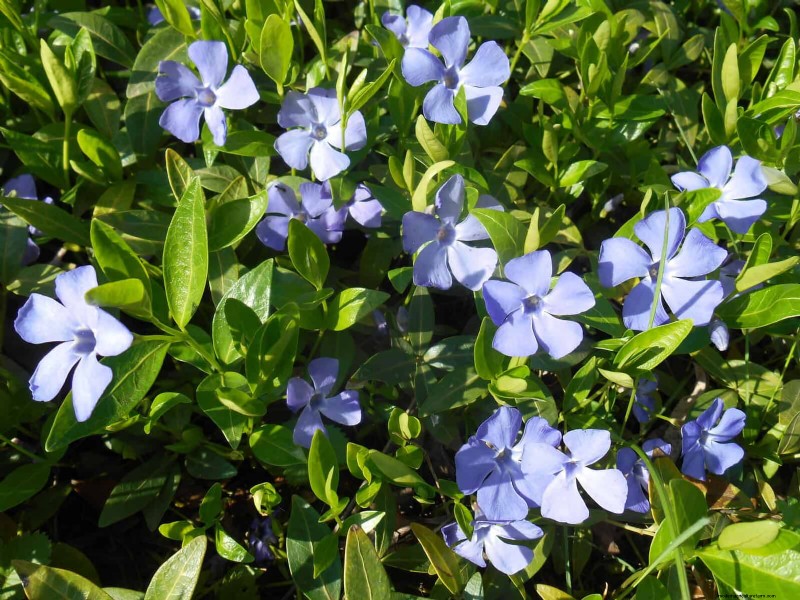
Vinca minor, commonly called periwinkle, offers glossy evergreen foliage and pretty blue-purple flowers for challenging shade areas. This vigorous ground cover spreads through runners to create a dense mat that effectively suppresses weeds.
The small, star-shaped blooms appear primarily in spring but may continue sporadically throughout the growing season. This adaptable plant tolerates a wide range of soil conditions, from clay to sandy, as long as adequate drainage.
Vinca performs beautifully in dry shade under trees and shrubs where grass typically struggles. Its deep root system helps prevent erosion on slopes, while its spreading habit quickly fills in bare areas. The tough foliage remains attractive year-round, providing consistent coverage even through winter.
 Krzysztof Ziarnek, Kenraiz, CC BY-SA 4.0, via Wikimedia Commons
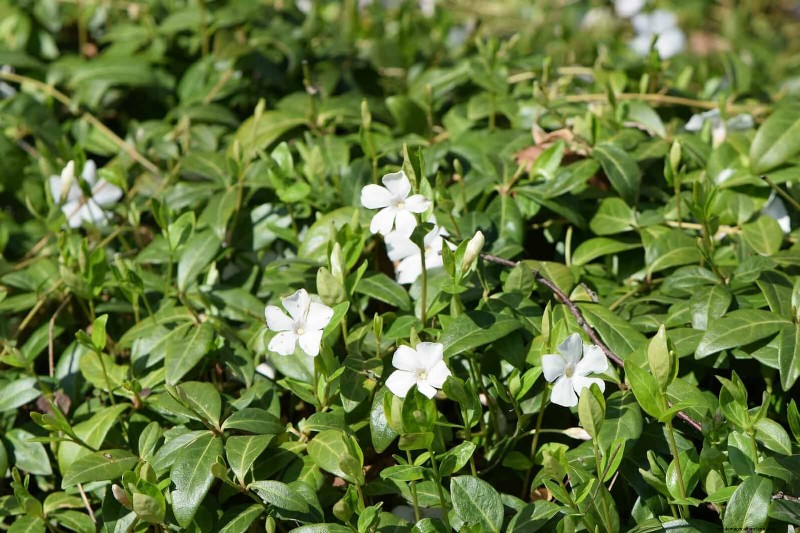
Several minor varieties of Vinca offer options for different landscape needs. The Bowles variety produces larger, more abundant deep blue flowers than the species.
Alba features pure white blooms that brighten dark corners, while Atropurpurea offers reddish-purple flowers for added color impact. Variegated forms like ‘Ralph Shugert’ and ‘Illumination’ bring extra interest with their green-and-white leaves.
These lighter-colored varieties particularly shine in deeply shaded spots where their brightness catches the eye. Vinca works well as a living mulch beneath shrubs and trees, covering the bare ground while allowing taller plants to shine above.
 Depositphotos
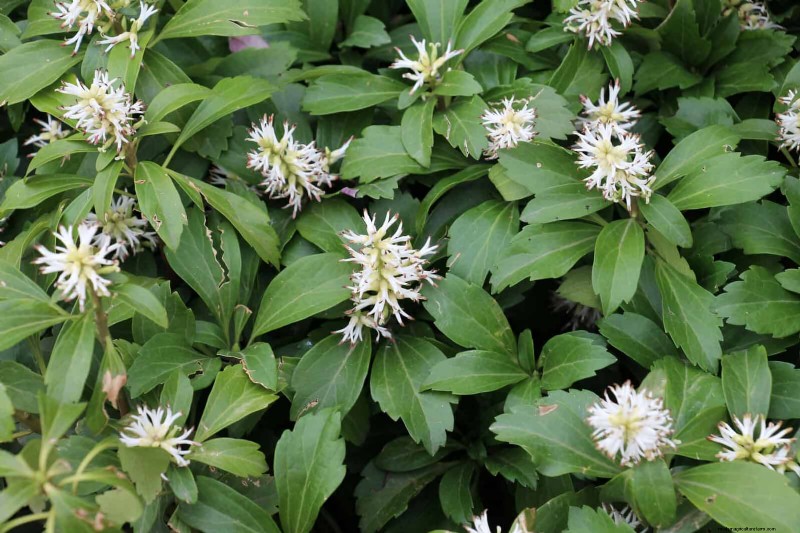
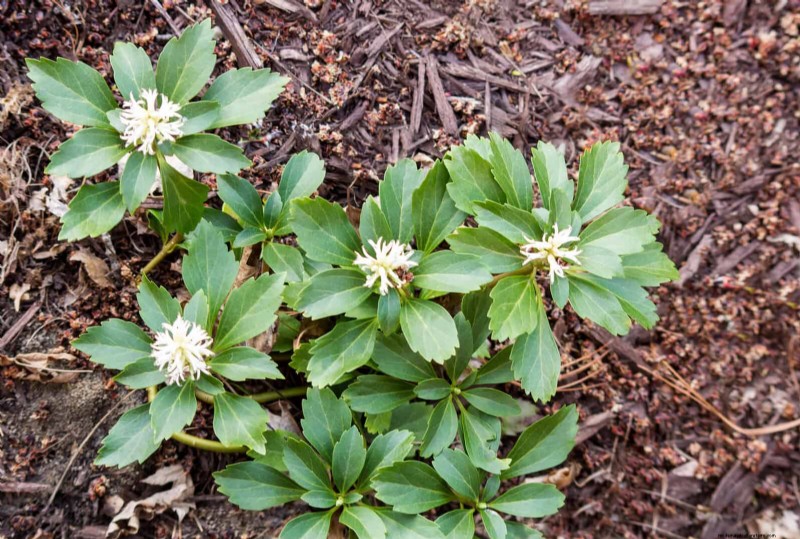
Pachysandra creates a lush, evergreen carpet in difficult, ultimately deep shade locations where grass consistently fails. The whorled, glossy leaves form a dense cover approximately 8 to 12 inches tall, effectively preventing erosion and suppressing weeds.
Small white flower spikes appear in early spring, adding subtle interest to this primary foliage plant. This classic shade ground cover spreads through underground runners to gradually fill bare areas beneath trees and along north-facing foundations.
Once established, it tolerates poor soil conditions, tree root competition, and dry shade. Pachysandra’s consistent year-round appearance provides reliable structure in problem areas, maintaining a neat, organized look with minimal maintenance.
 Depositphotos
Successful pachysandra establishment requires patience and proper spacing. Plant individual starts about 6 to 12 inches apart, allowing room for their eventual spread. Adding compost to the planting holes helps roots establish more quickly.
A layer of mulch between plants suppresses weeds until the pachysandra fills in completely. Though slow to establish, pachysandra becomes remarkably drought-tolerant once mature. During the first year, regular watering helps plants develop strong root systems.
After establishment, this ground cover requires little care beyond occasional trimming of errant stems to maintain a neat appearance. The plants typically fill in completely within 2 to 3 years, creating a solid carpet lasting decades.
 Depositphotos
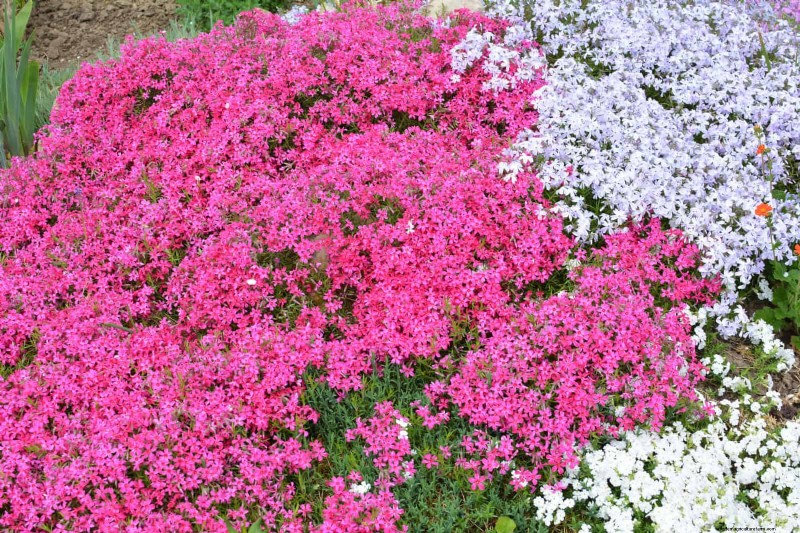
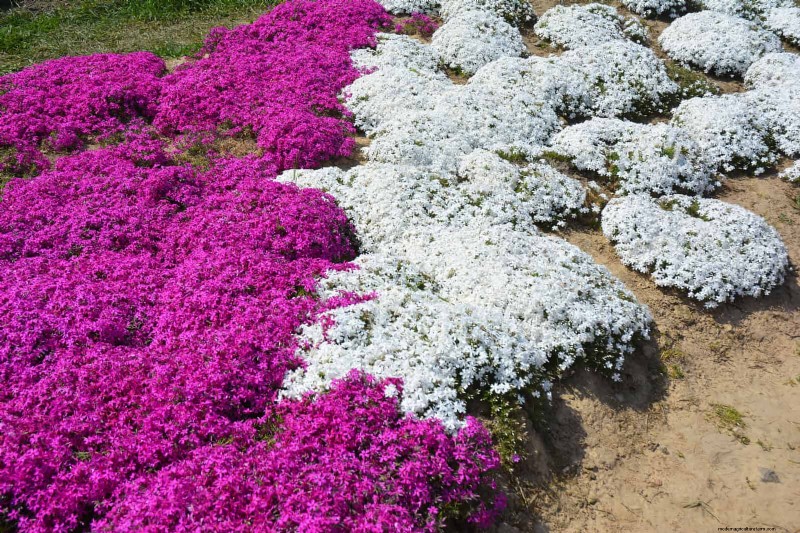
Creeping phlox blankets difficult sunny slopes with a stunning display of pink, purple, blue, or white flowers each spring. This low-growing perennial forms a dense, needle-like evergreen foliage mat that prevents soil erosion while crowding out weeds.
During its peak bloom period, the flowers completely cover the foliage, creating a dramatic carpet of color. This tough plant thrives in poor, rocky soil with excellent drainage, making it ideal for slopes, rock gardens, and other challenging sunny spots where grass struggles.
Once established, it withstands drought and requires minimal maintenance beyond occasional trimming after flowering. The semi-woody stems root as they spread, gradually filling bare areas and creating a secure cover on banks and inclines.
 Depositphotos
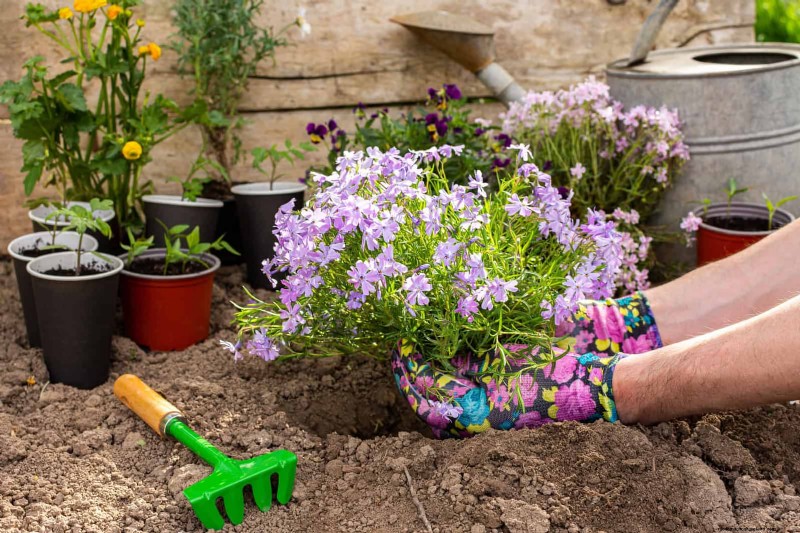
Combining early, mid, and late-blooming varieties extends the impact of creeping phlox. ‘Emerald Blue’ and ‘Scarlet Flame’ typically flower earlier in spring, while ‘Amazing Grace’ and ‘Candy Stripe’ bloom slightly later.
This strategic planting extends the color show by several weeks. A light shearing after the main flowering period encourages fresh growth and often prompts a smaller rebloom in fall.
This pruning also keeps plants compact and prevents the center from becoming woody and sparse. Dividing creeping phlox every 3 to 4 years rejuvenates older patches and provides free plants for expanding your ground cover in other problem areas.
 Depositphotos
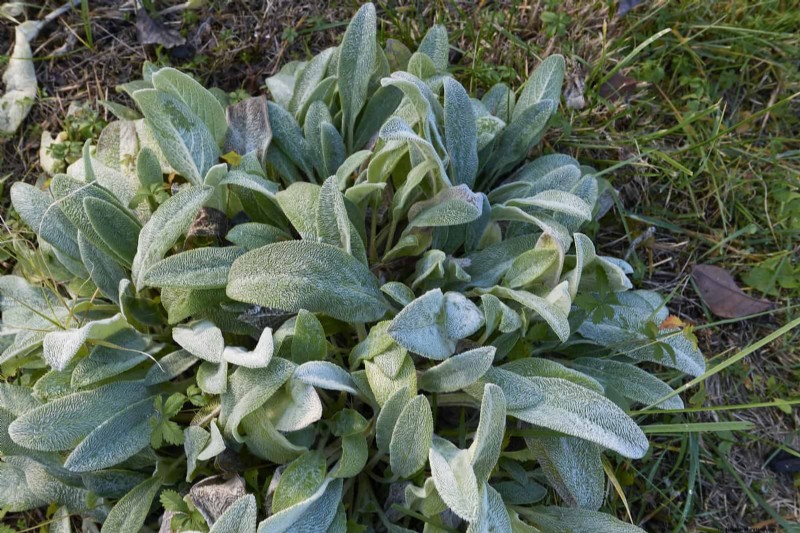
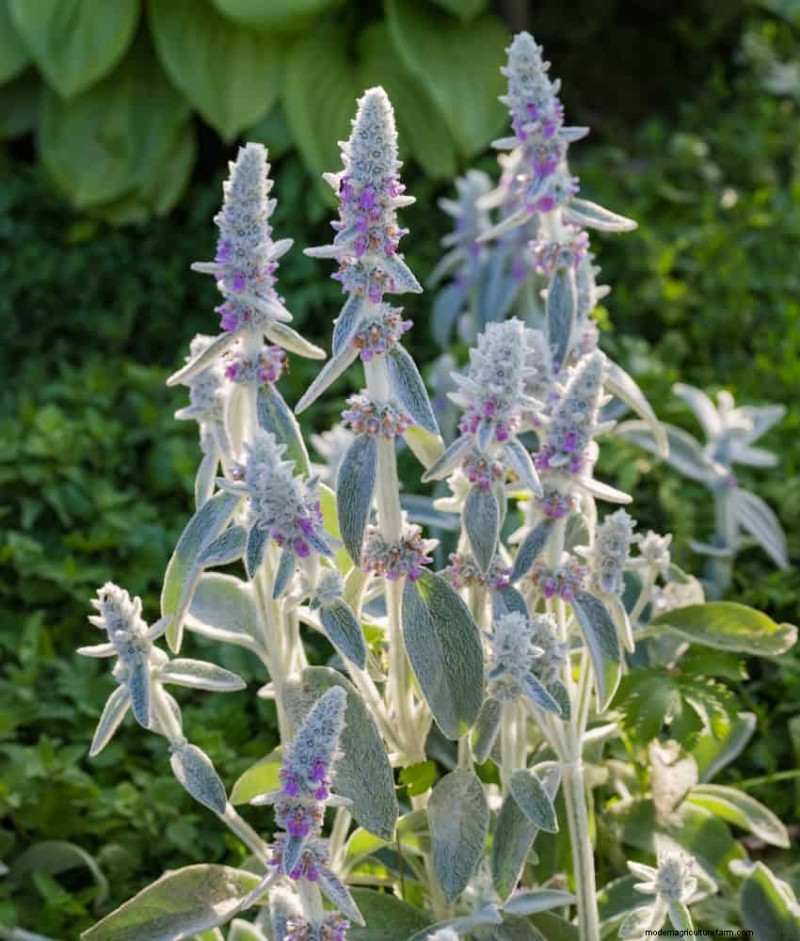
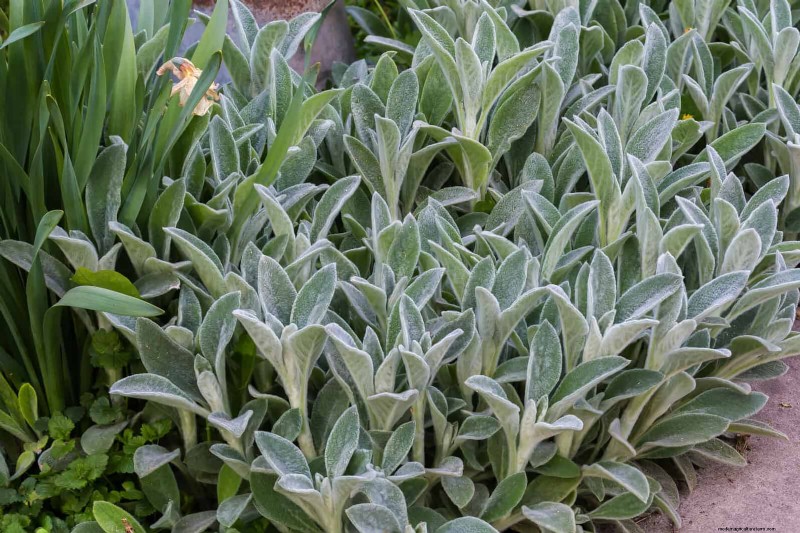
Lamb’s ear features soft, silvery-gray foliage that adds unique texture and color to difficult dry areas. The fuzzy, touchable leaves form rosettes that spread to create a drought-resistant ground cover approximately 6 to 8 inches tall.
Tall purple flower spikes appear in summer, attracting bees and adding vertical interest to the velvety foliage mat. This durable plant thrives in poor soil and full sun, where many lawn grasses struggle during hot, dry periods.
Lamb’s ear’s water-repellent, woolly leaves help the plant conserve moisture, allowing it to withstand extended drought once established. It performs beautifully on slopes, in rock gardens, and along hot, dry borders, where its silvery color creates a cooling visual effect in the landscape.
 Depositphotos
If you grow lamb’s ear primarily for foliage, remove flower stalks to keep it looking its best. The silvery leaves provide the principal ornamental value, and many gardeners find the flower spikes less attractive.
Cutting them early directs the plant’s energy back into producing more of the appealing fuzzy foliage. In humid climates, it provides excellent air circulation to prevent leaf rot. Removing damaged leaves promptly helps maintain the plant’s appearance and health.
A thin layer of gravel mulch works better than organic materials around a lamb’s ear, as it keeps moisture away from the crown and reduces the risk of fungal problems during wet periods.
 Depositphotos
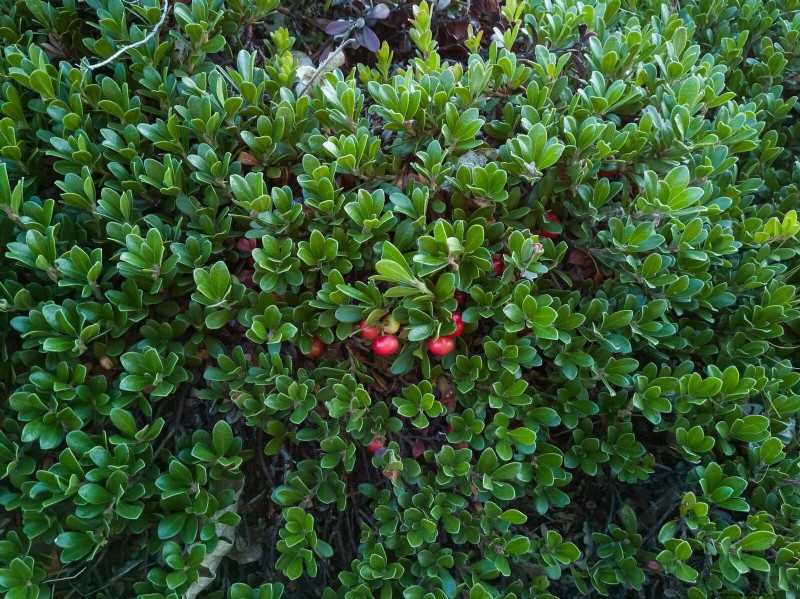
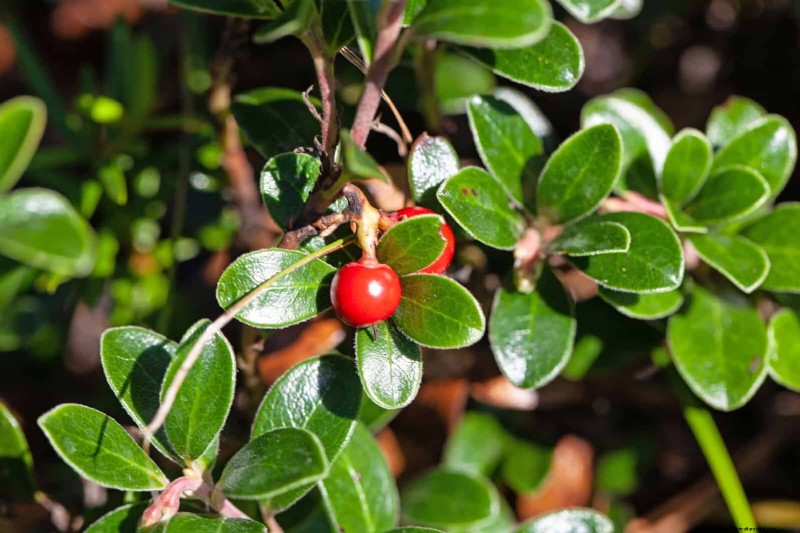
Bearberry offers exceptional performance in poor, sandy soils where most plants struggle to survive. This native ground cover features small, leathery evergreen leaves that take on attractive reddish tints in fall and winter.
Tiny white or pink bell-shaped flowers appear in spring, followed by bright red berries that attract birds and provide winter interest. This tough plant thrives in challenging coastal conditions, sandy slopes, and rocky outcroppings with excellent drainage.
It spreads slowly but steadily through underground stems, creating a dense, weed-suppressing mat about 6 to 12 inches tall. Bearberry’s deep root system makes it valuable for erosion control on banks and slopes where grass routinely fails due to poor soil conditions.
 Depositphotos
Establishing bearberry requires patience, as this native plant grows slowly during its first few years. Prepare the planting area by removing all perennial weeds, as they’re difficult to eliminate once bearberry begins spreading.
Adding acidic organic matter like pine bark to alkaline soils helps create the low-pH conditions bearberry prefers. Young plants need regular watering during their first year but become remarkably drought-tolerant once established.
Avoid high-nitrogen fertilizers, which promote excessive foliage growth at the expense of the plant’s natural spreading habit. Bearberry typically spreads more vigorously in its third year, gradually forming a dense, weed-resistant mat that requires minimal maintenance.
 Depositphotos
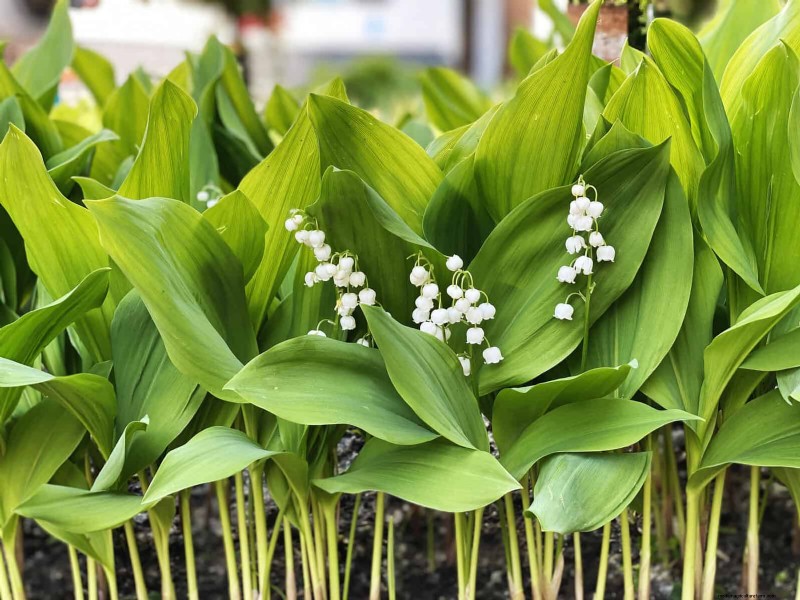
Lily of the Valley brings timeless beauty and fragrance to spots where grass gives up. Its dainty white bell-shaped flowers bloom in spring above lush green leaves, adding charm to deeply shaded areas.
The sweet scent and classic look make it a favorite for old-fashioned gardens and woodland corners. This tough plant spreads by underground rhizomes, forming a dense carpet in moist, shady locations like under trees or along foundations.
It thrives in humus-rich soil but adapts to average conditions with regular watering. Once settled, it needs little care beyond occasional thinning to control its spread.
 Depositphotos
Lily of the Valley brings timeless beauty and fragrance to spots where grass gives up. Its dainty white bell-shaped flowers bloom in spring above lush green leaves, adding charm to deeply shaded areas.
The sweet scent and classic look make it a favorite for old-fashioned gardens and woodland corners. This tough plant spreads by underground rhizomes, forming a dense carpet in moist, shady locations like under trees or along foundations.
It thrives in humus-rich soil but adapts to average conditions with regular watering. Once settled, it needs little care beyond occasional thinning to control its spread.
 Depositphotos
When grass refuses to grow, it’s time to think beyond turf. The ground covers in this list offer innovative, beautiful alternatives that thrive in the very spots where lawns fail, deep shade, dry slopes, soggy patches, or poor soil.
These plants don’t just survive; they spread, flourish, and solve problems like erosion and weed invasion with minimal upkeep. From mossy carpets to flowering mats and evergreen foliage, there’s a ground cover for every tough spot in your yard.
Choose the right match for your space, and turn frustrating bare patches into thriving garden highlights that require less work and look great year-round.