
Welcome to Modern Agriculture!

 Depositphotos
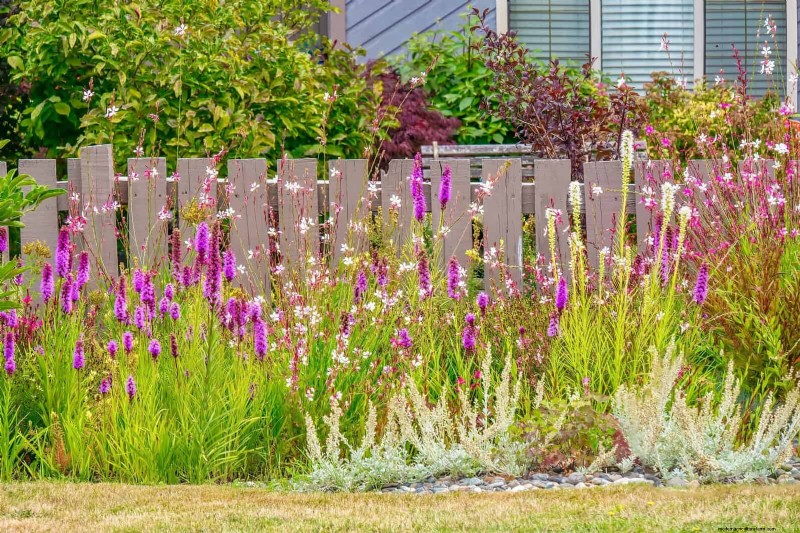
Gardens are our sanctuaries, places where we cultivate beauty and tranquility. But some popular plants have a hidden talent for causing trouble in nearby garden beds. These botanical bullies might look innocent with their attractive foliage and stunning blooms, but they secretly wreak havoc underground or spread aggressively above the soil.
Understanding which plants can damage your carefully planned garden beds helps prevent frustration and extra work. Some release chemicals that inhibit growth in neighboring plants, while others have invasive root systems that steal nutrients and water. And some spread so quickly they’ll overtake everything in their path if left unchecked.
 Depositphotos
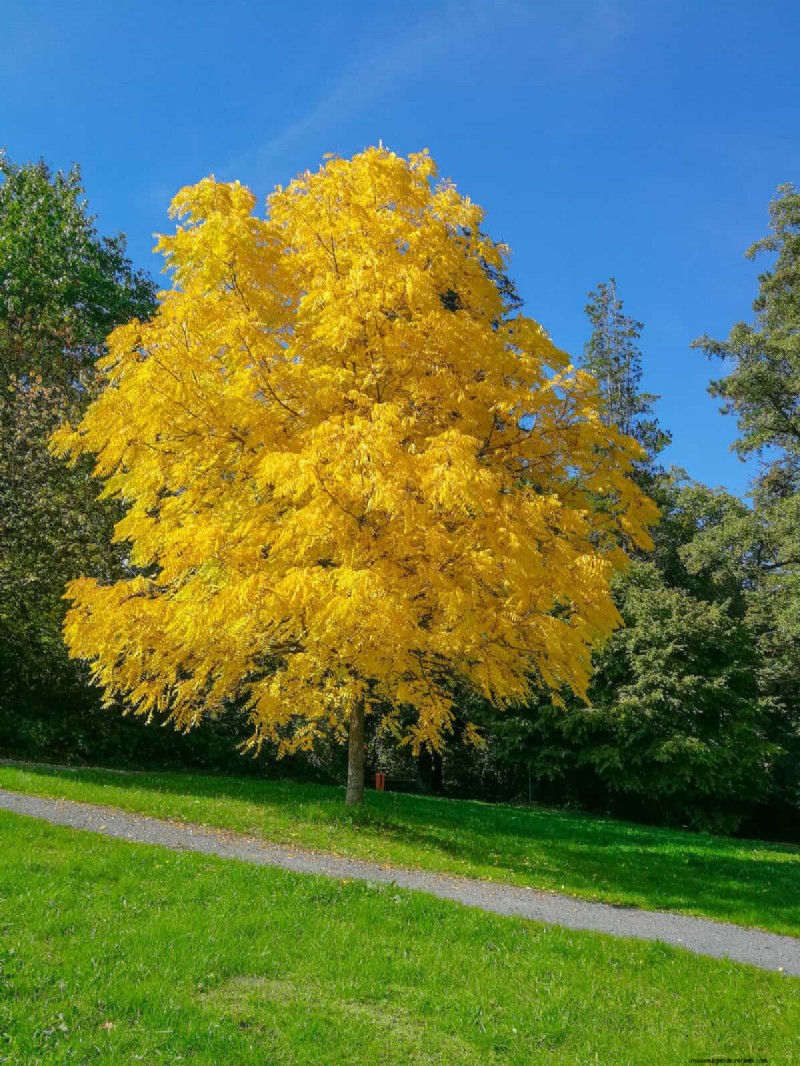
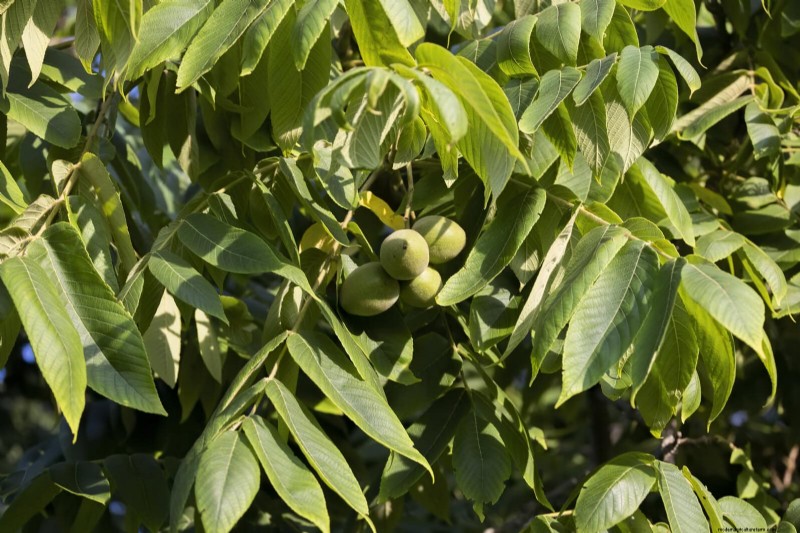
Black walnut trees produce a chemical called juglone that’s toxic to many garden plants. This natural herbicide seeps from all parts of the tree but concentrates in the roots and nut hulls. The toxin creates a “zone of influence” extending up to 80 feet from mature trees, making it nearly impossible to grow sensitive plants nearby.
Many vegetable garden favorites struggle near black walnuts, including tomatoes, peppers, eggplants, and potatoes. The first sign of juglone toxicity is usually wilting, followed by yellowing leaves and eventual death of affected plants. Even after removing a black walnut tree, the toxin can remain active in the soil for years as the roots decompose.
 Depositphotos
This natural chemical warfare, called allelopathy, gives black walnut trees a competitive advantage in the wild. Juglone prevents many competing plants from establishing themselves near the tree, ensuring more resources for the walnut. The compound works by inhibiting cellular respiration in susceptible plants, preventing them from converting food into energy.
Not all plants are affected by juglone. Some native companions, including certain oaks, maples, and wild ginger, have evolved resistance. If you have black walnuts on your property, focus on planting juglone-resistant species in the affected zones. Creating raised beds with barriers can also help protect sensitive plants from the toxic roots below.
We'll email it to you so you can read it later!
By saving, you agree to receive occasional emails. Unsubscribe anytime.
 Depositphotos
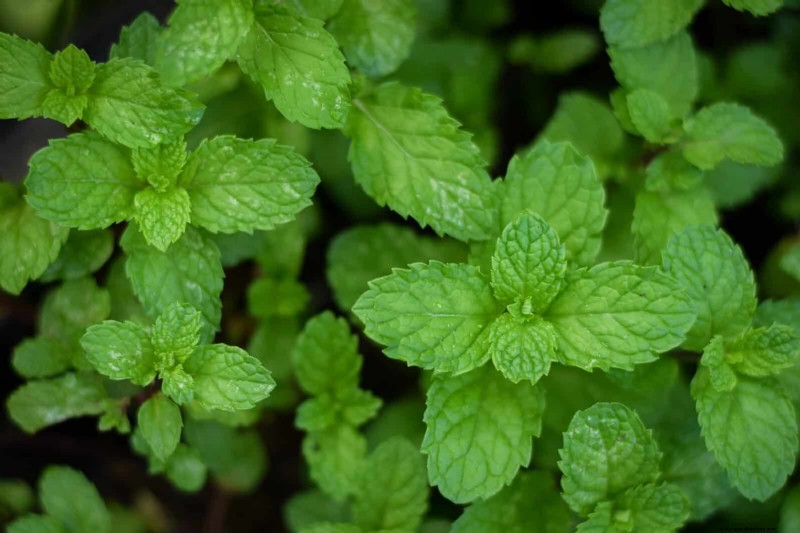
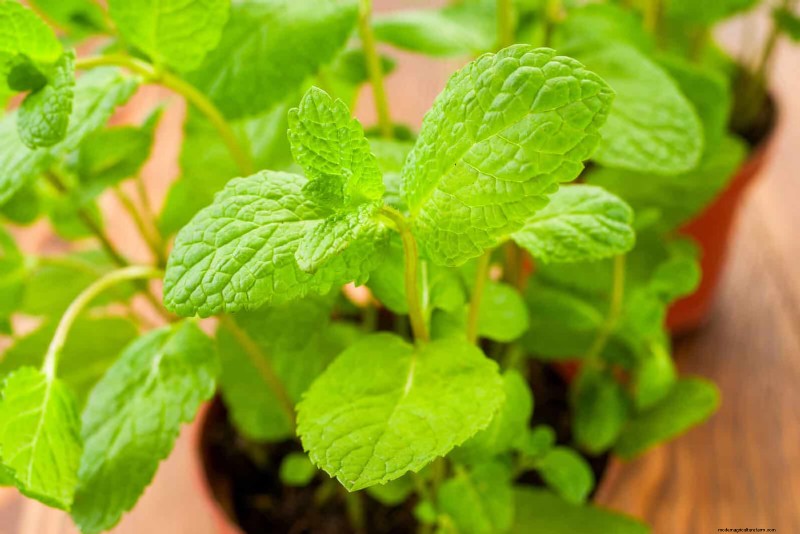
Mint’s fragrant leaves might make excellent tea and cocktail garnishes, but its aggressive growth habit makes it a nightmare for garden beds. All varieties of mint spread through underground rhizomes that quickly form new plants. A small mint patch can expand to take over an entire garden bed in just one growing season.
The rhizomes can travel under garden borders and hardscape features, emerging unexpectedly in lawns and adjacent planting areas. Mint’s vigorous nature means it outcompetes less aggressive plants for water, nutrients, and space. Once established, removing completely is notoriously tricky, as any small piece of rhizome left behind can regenerate into a new plant.
 Depositphotos
Planting mint in containers is the best way to enjoy mint without sacrificing your garden. Even in containers, mint can escape through drainage holes, so elevate pots on surfaces rather than placing them directly on soil. If you must plant mint in the ground, use deep barriers like commercial root barriers or repurposed items like metal flashing buried at least 12 inches deep.
Regular monitoring helps catch Mint’s escape attempts early. Pull any runners that extend beyond boundaries and check for rhizomes that might be bridging containment barriers. Harvest mint frequently to keep it in check, as regular trimming reduces its energy for spreading and provides you with plenty of aromatic herbs to enjoy.
 Depositphotos
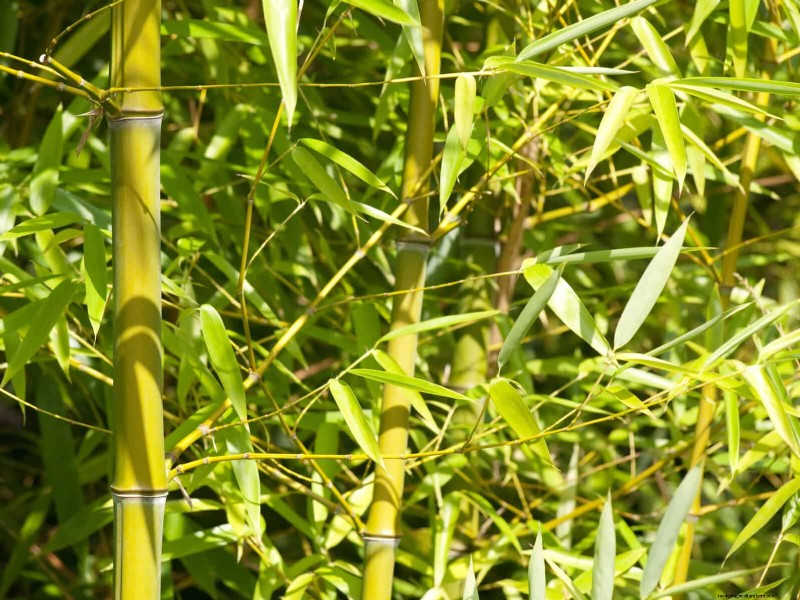
Bamboo creates stunning vertical interest and offers quick privacy screening, but running varieties can become garden terrors. Running bamboo spreads by aggressive underground rhizomes extending 15 feet or more yearly. These rhizomes can penetrate under fences, driveways, and even into building foundations.
The tough, woody rhizomes are nearly impossible to remove once established. Bamboo shoots can emerge many feet away from the parent plant, surprising gardeners who thought they had it contained. The shoots grow remarkably quickly, sometimes several inches per day, allowing bamboo to colonize new territory before you realize what’s happening rapidly.
 Depositphotos
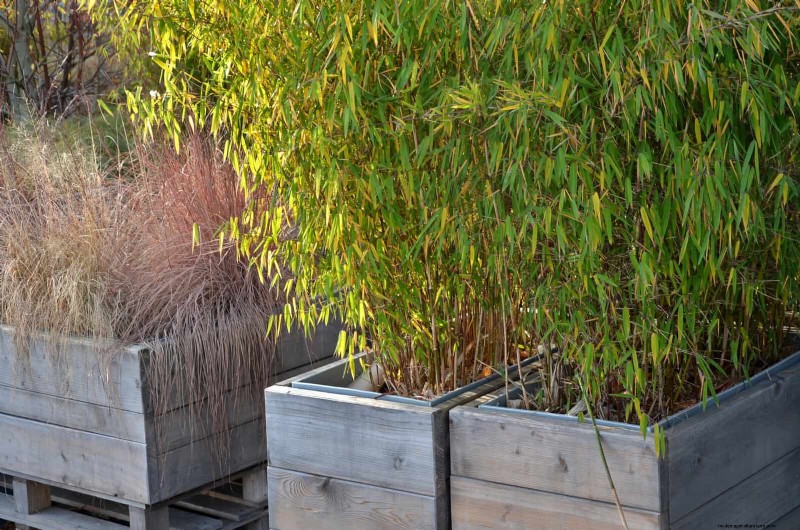
If you love bamboo’s architectural appeal, opt for clumping varieties like Fargesia that stay in relatively contained clumps. Proper containment is essential for running bamboo. Install commercial rhizome barriers made of HDPE plastic at least 30 inches deep around plantings, leaving 2-3 inches above ground to catch rhizomes attempting to grow over the top.
Regular maintenance remains crucial even with barriers. Inspect the perimeter of bamboo plantings in spring and fall, cutting any rhizomes attempting to escape. Consider regular root pruning by digging a trench around the bamboo stand every few years to sever extending rhizomes. Some gardeners create moats around bamboo by removing soil to expose escaping rhizomes for easy identification.
 Depositphotos
English ivy creates classic, elegant garden walls and ground covers, but this European import shows little respect for boundaries. Its aggressive vining habit allows it to climb trees, walls, and structures, potentially damaging them. As ground cover, it forms dense mats that smother native plants and prevent new seedlings from establishing.
The vine’s adhesive roots can damage mortar between bricks and create tiny cracks in wooden structures that allow moisture to penetrate. On trees, ivy adds considerable weight and blocks sunlight from reaching the tree’s leaves, potentially weakening the host tree over time. Birds spread ivy seeds widely, allowing new plants to establish far from the original planting.
 Depositphotos
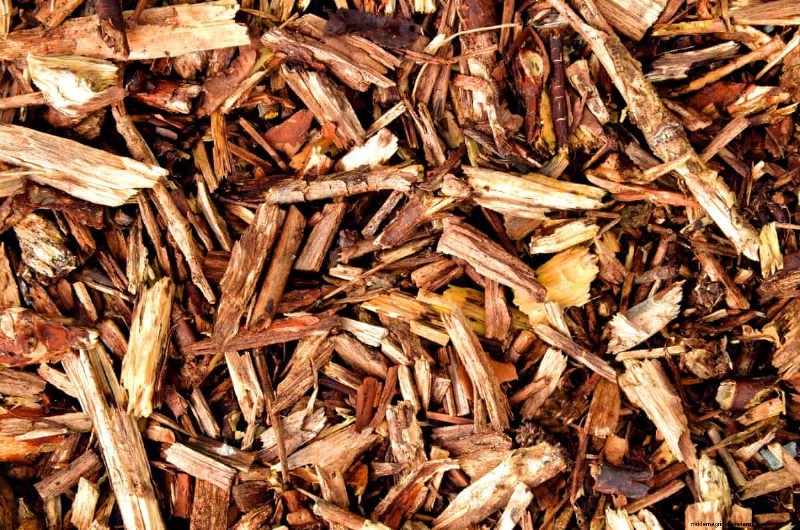
Regular monitoring helps keep ivy in bounds. Cut vines climbing trees at the base and allow the upper portions to die rather than pulling them down, which could damage tree bark. Remove ivy by hand from areas where it’s not wanted, being sure to dig out the roots to prevent regrowth. Thick mulch around garden beds creates a barrier that slows ivy’s creeping advance.
Covering unwanted ivy with cardboard or landscape fabric and a thick layer of mulch can smother severe infestations. Persistence is key, as ivy can regrow from small root fragments left in the soil. Consider replacing invasive English ivy with native ground covers like wild ginger, woodland phlox, or foamflower that provide similar coverage without aggressive tendencies.
 Depositphotos
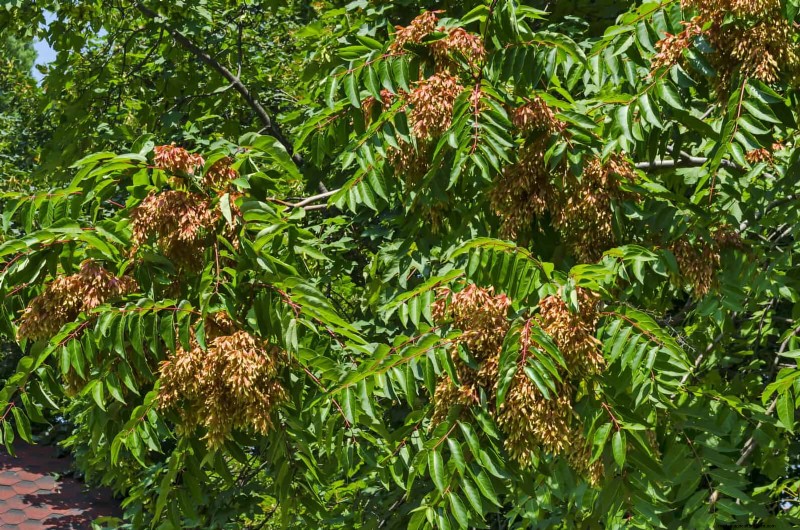
Despite its heavenly name, this fast-growing tree creates hellish conditions for nearby plants. Native to China, the Tree of Heaven has become invasive throughout North America. It produces prolific seeds and also spreads through root suckers, allowing it to form dense thickets. The tree grows remarkably fast, sometimes 6 feet or more in a season.
Tree of Heaven produces allelopathic chemicals that inhibit the growth of other plants. Combined with its dense shade and aggressive root system, these toxins create zones where little else can grow. The tree’s brittle wood breaks easily in storms, creating maintenance headaches. It’s also the preferred host for spotted lanternfly, an invasive pest damaging crops and forests.
 Depositphotos
Controlling the Tree of Heaven requires dedication. Simply cutting the tree stimulates vigorous root sprouting, often resulting in more trees than you started. For small specimens, dig out the entire root system. Larger trees typically require cutting followed by immediate application of herbicide to the freshly cut stump to prevent resprouting.
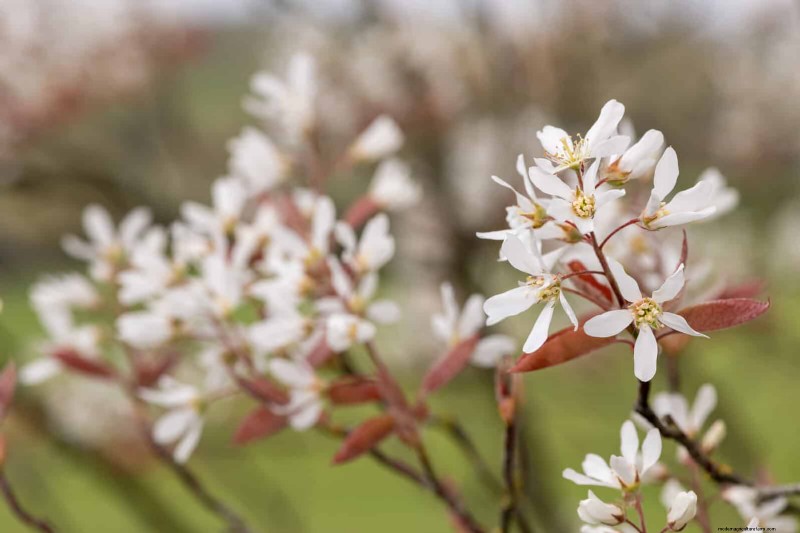
Monitor the area for several years after removal, as roots can continue producing suckers and seeds can remain viable in the soil. Remove any seedlings or suckers promptly. Consider replacing them with native alternatives like serviceberry, redbud, or dogwood, which provide similar height and seasonal interest without the invasive characteristics.
 Depositphotos
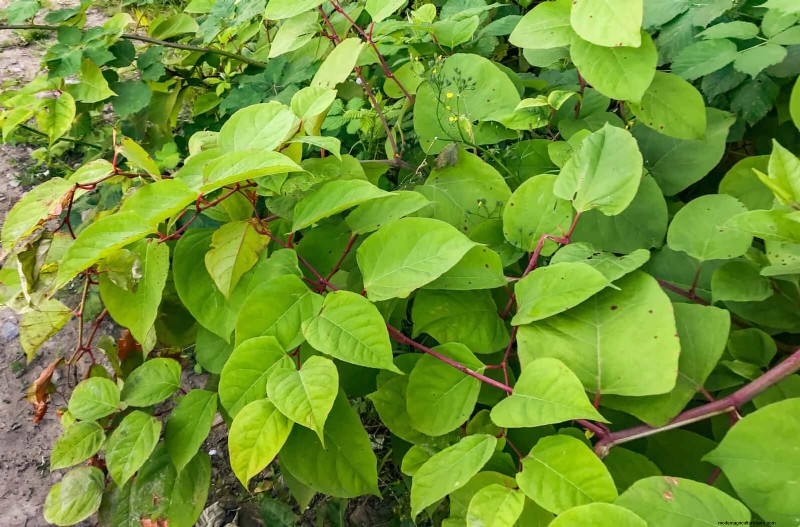
Japanese knotweed’s bamboo-like stems and pretty white flowers belie its status as one of the world’s most invasive plants. This Asian native can grow through concrete, damage building foundations, and is nearly impossible to eradicate once established. Its rhizomes can extend 20 feet horizontally and 10 feet deep, allowing it to spread rapidly underground.
The plant grows remarkably quickly, sometimes 4 inches daily during peak season. Even tiny rhizome fragments can generate new plants, making control extremely difficult. In the UK, Japanese knotweed can reduce property values and even prevent mortgage approval, showing how seriously this plant’s invasive potential is taken.
 Depositphotos
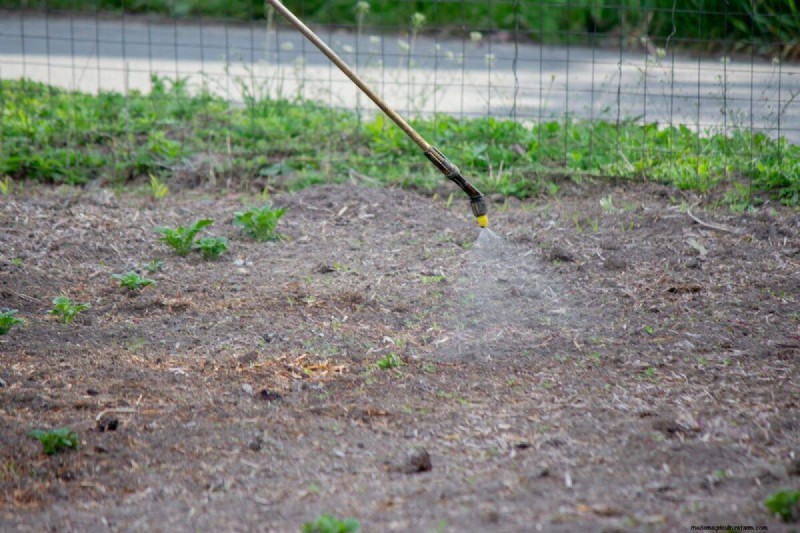
Professional help is often needed for established knotweed infestations. Treatment typically involves repeated herbicide applications over several years, as the extensive root system stores enough energy to regrow multiple times. Never compost knotweed or dispose of it in yard waste, as this can spread the plant to new locations.
Persistence is essential if attempting DIY control. Cut stems repeatedly to exhaust the plant’s energy reserves. Cover the area with heavy landscape fabric after cutting to prevent photosynthesis. Check for new growth, as knotweed can remain dormant for years before resprouting. In many regions, there are legal requirements for proper knotweed disposal.
 Depositphotos
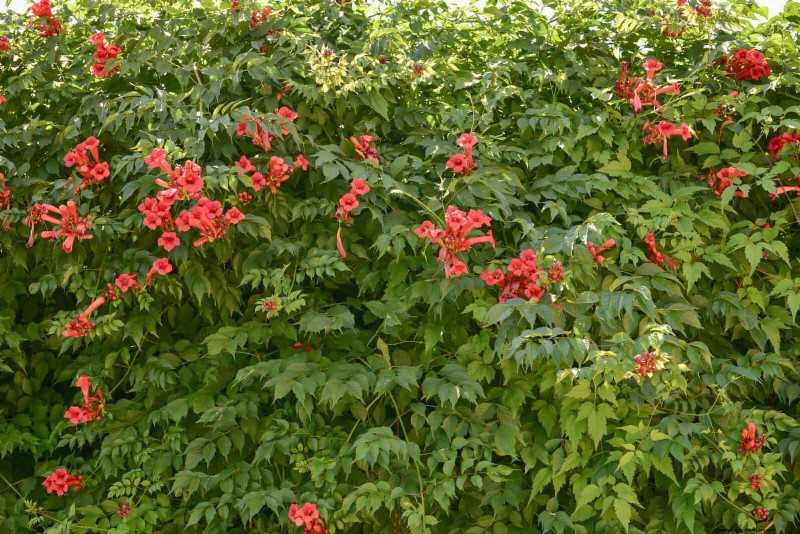
Trumpet vine’s spectacular orange-red flowers attract hummingbirds and compliments from neighbors, but its aggressive growth habit attracts complaints from gardeners. This North American native spreads through underground runners and abundant self-seeding. With its climbing tendrils, the vine can quickly cover structures, trees, and anything else.
The vigorous root system sends up suckers many feet from the parent plant, creating new vines that can appear in lawns, garden beds, and even through cracks in patios. Trumpet vine’s adhesive aerial roots can damage wood, siding, and mortar as they cling to surfaces. The seed pods release hundreds of winged seeds that wind can carry to new locations.
 Depositphotos
Regular pruning helps keep trumpet vine in check. Cut it back severely in late winter to control size and remove seed pods before they open to prevent self-seeding. Installing a root barrier around the planting area can help contain the underground runners, though regular inspection is still necessary to catch escaping roots.
Persistence pays off for unwanted trumpet vine. Cut the vines to the ground and immediately apply herbicide to the cut stems. Dig out as much of the root system as possible. Monitor the area and promptly remove any new shoots that emerge. Consider planting native alternatives like crossvine or American wisteria, which offer similar visual appeal with less aggressive growth.
 Depositphotos
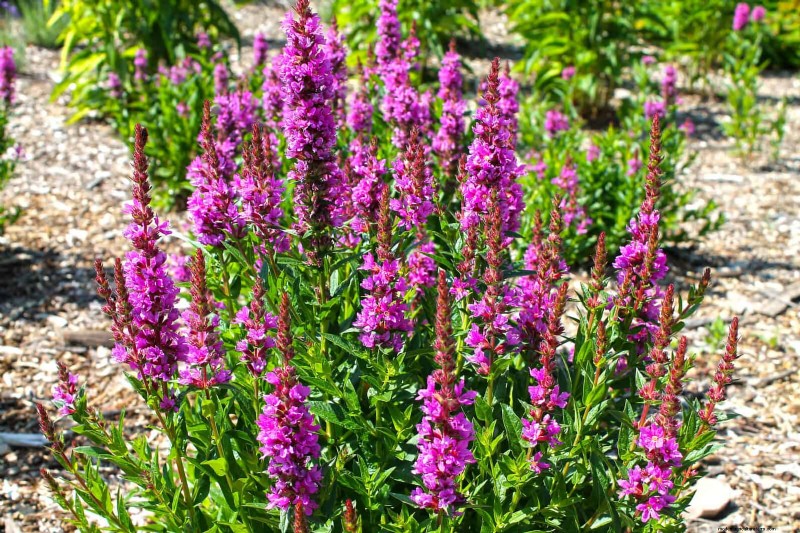
Purple loosestrife’s stunning spikes of magenta flowers make it a garden temptation, but this European wetland plant has devastated native ecosystems across North America. A single plant can produce over two million seeds annually, allowing it to spread rapidly. Once established in wetlands, it forms dense monocultures that crowd out native species.
Purple loosestrife can escape into nearby natural areas through wind-dispersed seeds in garden settings. Once established, the plant’s extensive root system makes removing it difficult. Its aggressive growth outcompetes neighboring plants for resources, and its allelopathic properties may inhibit the growth of some species nearby.
 Depositphotos
In most regions, selling or planting purple loosestrife is prohibited due to its invasive potential. If you find it in your garden, remove it immediately. Dig out the entire root system and dispose of plants in plastic bags in the trash, not in compost or yard waste where seeds could escape.
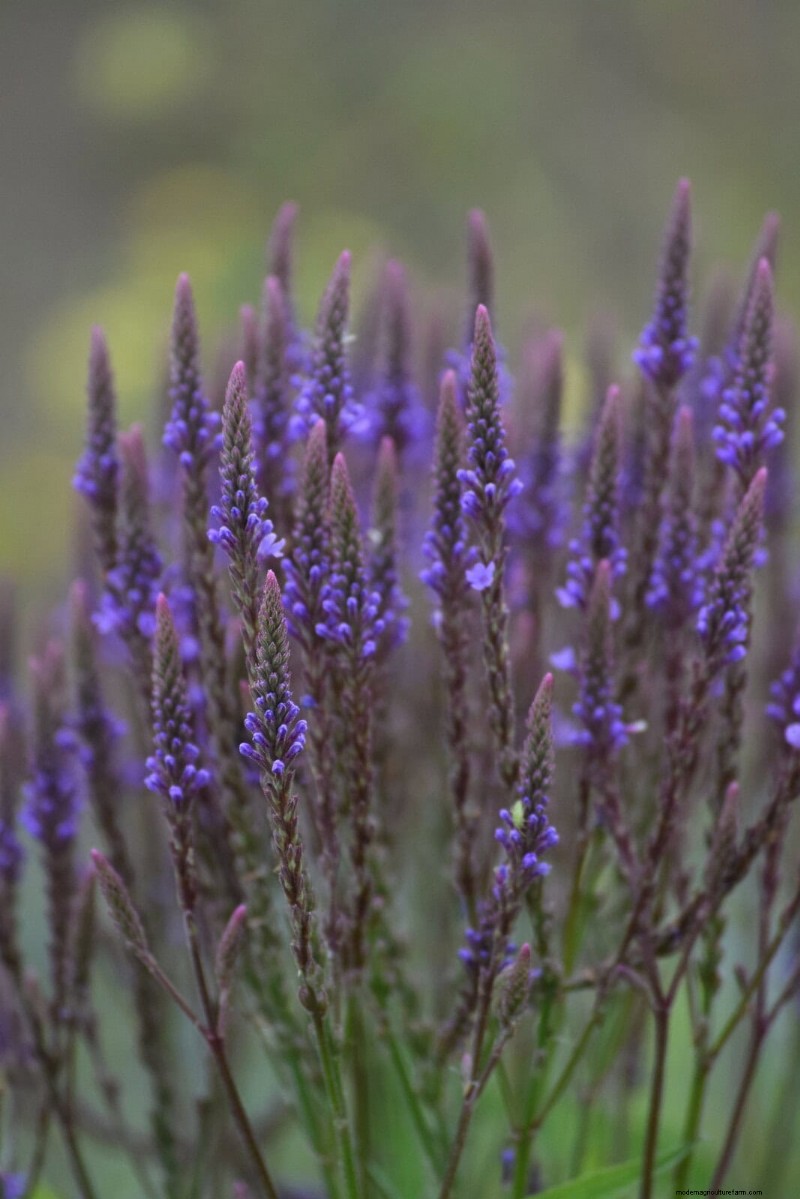
For a similar visual impact without ecological damage, plant native alternatives like a blazing star, blue vervain, or swamp milkweed. These plants provide the same vertical flower spikes and attract beneficial insects and pollinators. Garden centers now offer many beautiful native alternatives that provide similar aesthetic appeal without the invasive tendencies.
 Depositphotos
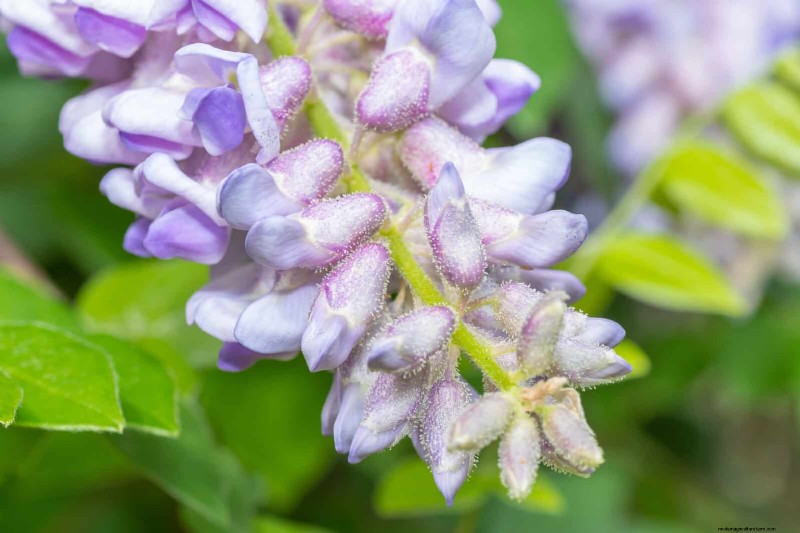
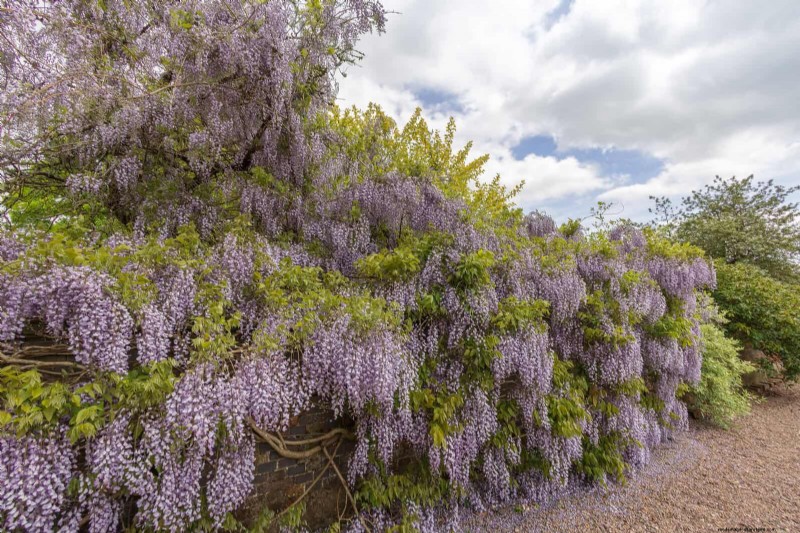
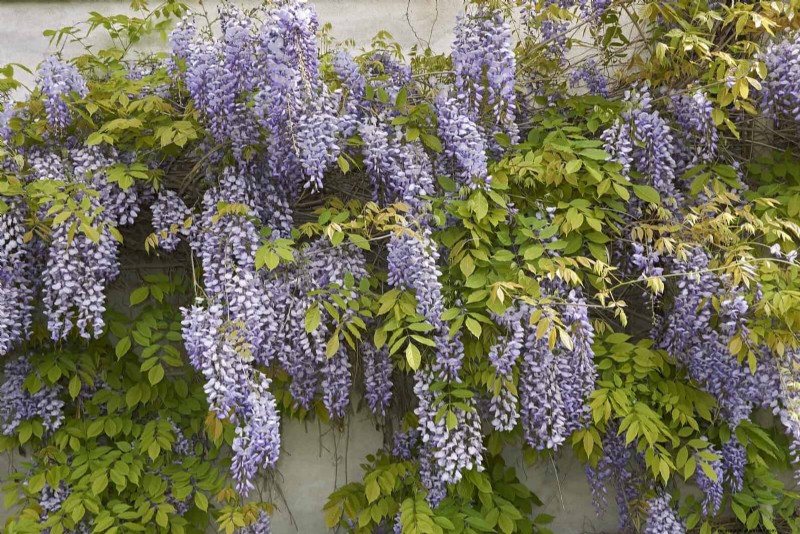
Chinese wisteria’s cascading purple flowers create a romantic garden atmosphere, but its aggressive growth can damage structures and overwhelm trees. This woody vine grows with remarkable vigor, sometimes adding 10 feet or more growth in a single season. Its twining stems thicken over time, eventually becoming strong enough to crush fences, pergolas, and even small trees.
The extensive root system allows wisteria to spread underground, sending new shoots away from the central plant. The weight of mature vines can bring down tree limbs or entire trees during storms. While Chinese wisteria is less invasive in northern climates, in southern regions, it can escape gardens and naturalize in woodland areas, outcompeting native vegetation.
 Depositphotos
Regular pruning is essential for keeping wisteria in bounds. Cut back long runners several times during the growing season and perform a major pruning in late winter to control size and shape. Root pruning can help limit underground spread; cut around the plant with a sharp spade each spring to sever extending roots.
Consider American wisteria (Wisteria frutescens) as a less aggressive alternative that still provides beautiful flowers. This native species grows more slowly and is less likely to escape cultivation. For existing Chinese wisteria, vigilant maintenance prevents it from causing damage. Never allow vines to grow on wooden structures, as they can cause rot by trapping moisture.
 Depositphotos
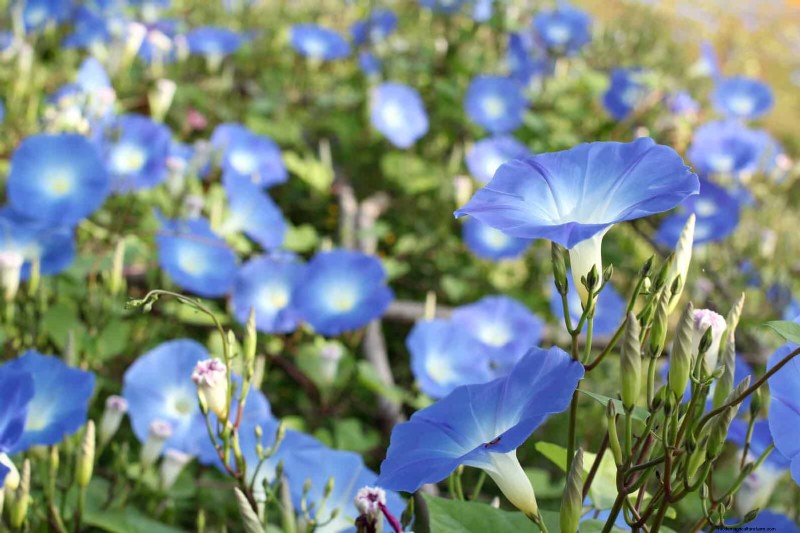
Morning Glory’s heart-shaped leaves and trumpet-shaped flowers in shades of blue, purple, and pink make it a cottage garden favorite. But this annual vine self-seeds so prolifically that it can become a persistent nuisance. Each plant produces hundreds of hard-coated seeds that can remain viable in the soil for decades, germinating years after the original planting.
Morning glory can quickly cover garden structures, plants, and anything else in favorable conditions. The vines twine tightly around supports, potentially damaging the stems of delicate plants. Once established from self-seeding, morning glory can be difficult to eradicate from garden beds as new seedlings continue to emerge for years.
 Depositphotos
Preventing seed production is the key to controlling morning glory. Remove spent flowers before they form seed pods, or grow the vines where you can easily monitor and remove seedlings. Consider growing morning glory in containers where seed dispersal is easier to control. Select locations away from prized garden beds to minimize the impact of inevitable self-seeding.
If morning glory has become a problem, remove as many vines as possible before they set seed. Apply a thick layer of mulch to suppress seedling emergence, and promptly pull any that appear. Be vigilant, as the seed bank in the soil can produce new plants for many years. Some gardeners find that planting a dense ground cover reduces morning glory germination.
 Krzysztof Ziarnek, Kenraiz, CC BY-SA 4.0, via Wikimedia Commons
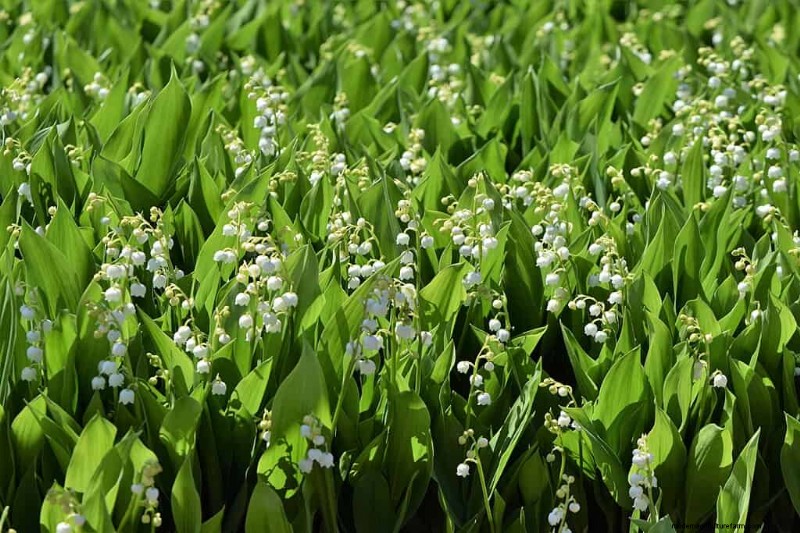
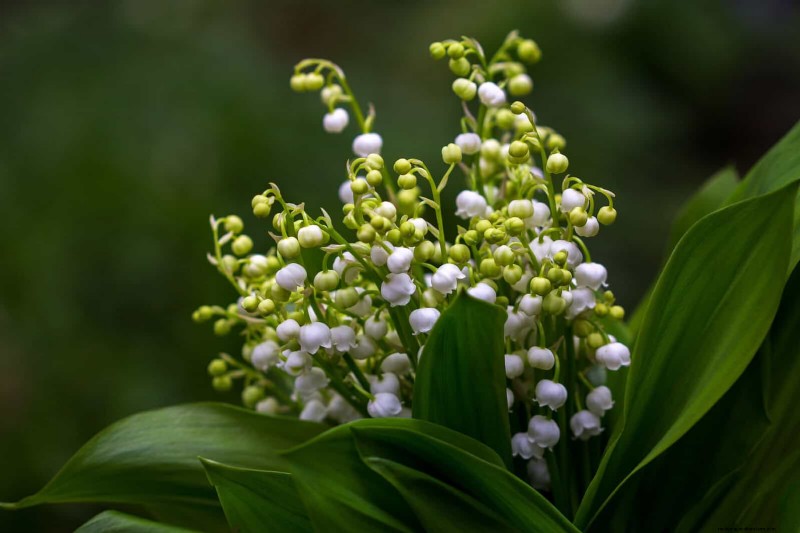
Lily of the Valley enchants with its dainty white bells and sweet fragrance, but its underground rhizome network allows it to spread aggressively. This European woodland plant can form dense colonies that exclude other plants, making it a potential problem in mixed perennial beds. The rhizomes spread outward each year, steadily expanding the plant’s territory.
Once established, the lily of the valley is extremely difficult to eradicate. Digging up the plants often leaves behind small pieces of rhizome that regenerate into new plants. Its dense growth can smother less vigorous perennials, and all parts of the plant contain toxic cardiac glycosides to humans and pets, adding another reason to control its spread.
 Depositphotos
For the safest enjoyment of the lily of the valley, plant it in contained areas surrounded by hardscape elements like sidewalks or garden walls. Install deep edging around plantings, burying them at least 6 inches to block spreading rhizomes. Regular perimeter inspection helps catch escapees early when they’re easier to remove.
If the lily of the valley has already spread too far, persistent removal is necessary. Dig out plants, sift the soil to remove all rhizome fragments, and monitor for new growth. For severe infestations, covering the area with cardboard or landscape fabric topped with mulch for a full growing season can help smother the plants. Native alternatives like foamflower provide similar delicate white blooms without the aggressive spread.
 Depositphotos
Creating a thriving garden means carefully considering each plant’s growth habits before adding it to your landscape, researching potential additions thoroughly, and paying special attention to warnings about invasive tendencies or aggressive growth. Native plants often make excellent alternatives to problematic exotic species, providing similar aesthetic appeal while supporting local ecosystems.
Remember that containment methods like root barriers, regular pruning, and dedicated maintenance can allow you to enjoy potentially problematic plants safely. The key is understanding what you’re planting and being prepared to manage its growth habits appropriately. With proper planning and vigilance, you can create a beautiful garden where every plant stays exactly where you want it.
Design your dream summer garden with help from 22 Colored Themed Flower Beds to Try This Summer.