Welcome to Modern Agriculture!

 Depositphotos
Many homeowners wage war against unwanted plants in their gardens without realizing they might be removing nature’s helpers. Common “weeds” actually offer incredible benefits for your soil, beneficial insects, and even your favorite vegetables.
By understanding which unexpected plants deserve a place in your garden ecosystem, you can work with nature instead of fighting it. These beneficial wild plants can transform your garden’s health and productivity.
They break up compacted soil, attract pollinators, repel pests, and even provide bonus harvests of nutritious greens. Identifying these helpful plants is the first step toward a more balanced, resilient garden that requires less maintenance and fewer inputs.
 Depositphotos
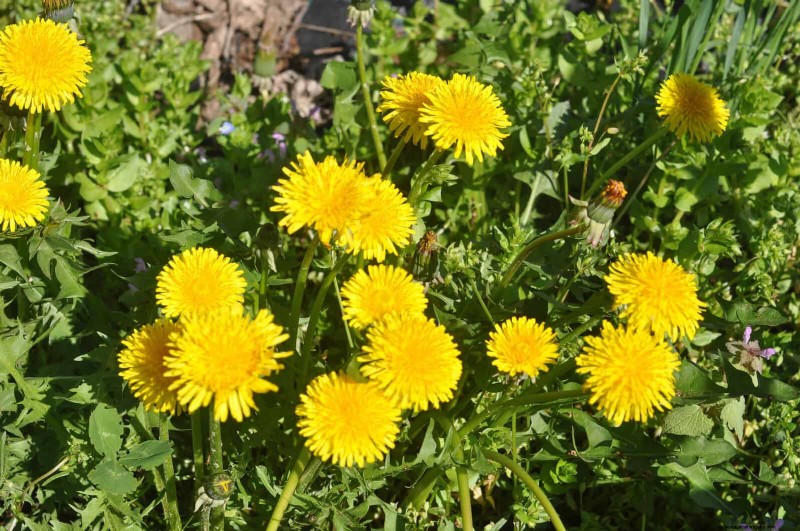
That yellow-flowered plant with fluffy seedheads might be the most misunderstood in your garden. Dandelions send down deep taproots that break up compacted soil and bring nutrients from deep underground to the surface.
They’re particularly effective at accumulating potassium, phosphorus, calcium, and other minerals that benefit neighboring plants. Dandelions also provide early-season nectar for bees and pollinators when few other flowers bloom.
The entire plant is edible for humans, too, from the nutritious leaves rich in vitamins A, C, and K to the flowers that can be made into wine. Their roots can even be roasted as a coffee substitute. Rather than eliminating all dandelions, consider keeping a few in unused corners of your garden.
 Depositphotos
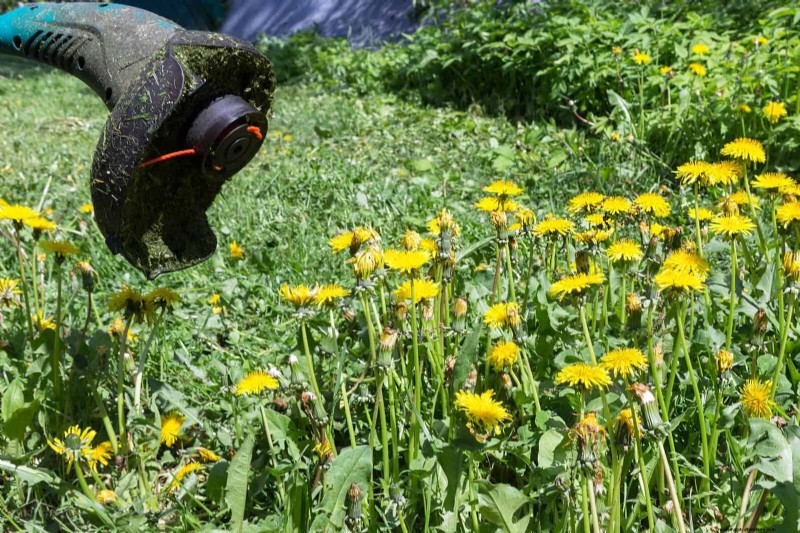
When dandelions die back, their long taproots leave channels in the soil that improve water penetration and aeration. These natural pathways help rainwater reach deeper soil layers instead of running off the surface, preventing erosion and helping your garden become more drought-resistant.
The decomposing dandelion roots add organic matter to your soil at various depths, creating a more diverse soil ecosystem with beneficial microorganisms.
Many experienced gardeners intentionally plant dandelions in areas with poor soil, allowing them to grow for a season, then cut them back and let the roots decompose in place. It’s like getting free soil improvement without any work.
We'll email it to you so you can read it later!
By saving, you agree to receive occasional emails. Unsubscribe anytime.
 Depositphotos
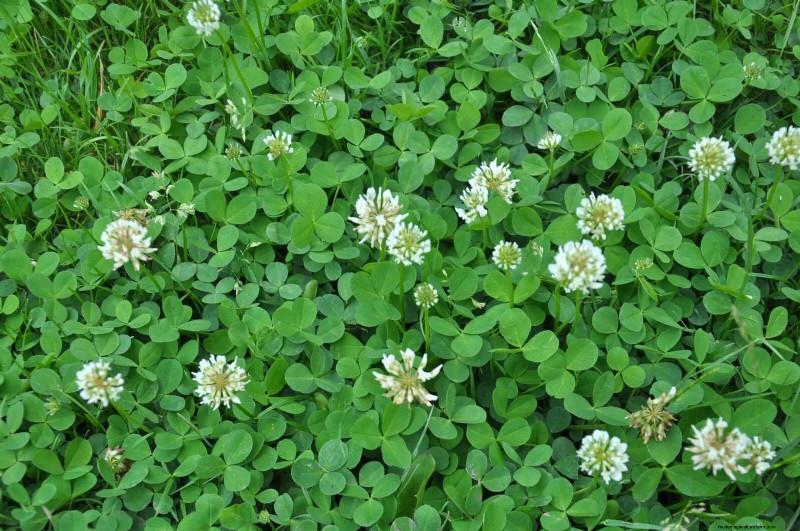
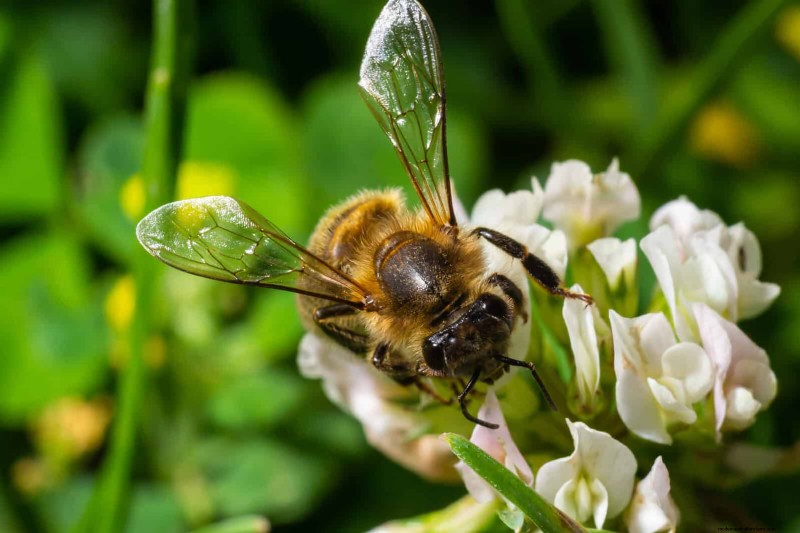
Those small white flowers forming a low mat in your lawn or garden beds are doing something remarkable below the surface. White clover is a nitrogen-fixing plant that works with soil bacteria to pull nitrogen from the air and convert it to a form plants can use.
This natural fertilizer factory benefits everything growing nearby, reducing or eliminating the need for additional nitrogen fertilizers. Clover’s sweet nectar attracts beneficial insects, particularly bees and pollinators.
Its dense growth habit helps suppress aggressive weeds while protecting the soil from erosion and moisture loss. Many sustainable landscapers now intentionally add clover to lawn seed mixes for these ecological benefits.
 Depositphotos
White clover might look unassuming, but it’s a secret superstar in your garden. This ground-hugging plant improves your soil by pulling nitrogen from the air and making it available to nearby plants. That means stronger, greener veggies and flowers without extra fertilizer.
Clover also helps prevent weeds and keeps soil from drying out. Bees love its tiny white blossoms; its deep roots allow it to stay lush even in dry weather. Mixing clover into your lawn means less watering, fewer weeds, and less mowing. It’s an easy upgrade for a greener, low-maintenance yard.
 Depositphotos
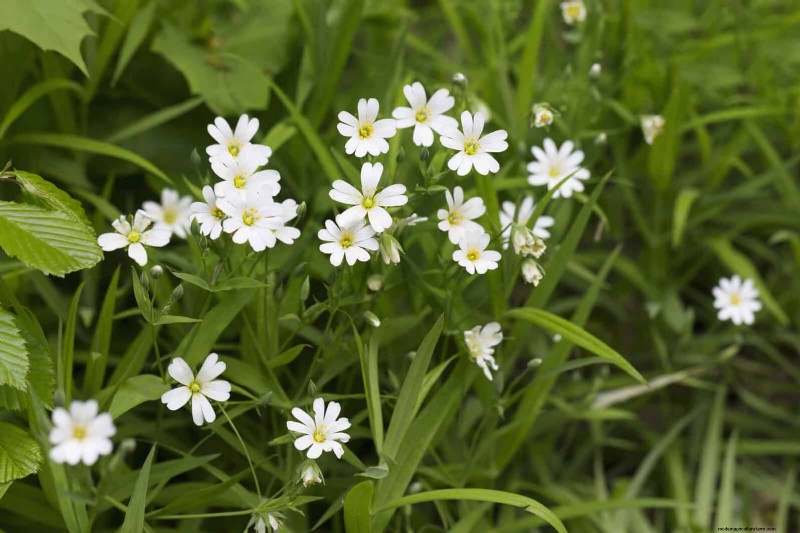
This delicate plant with tiny white star-shaped flowers is often found in cool, moist areas of the garden. Chickweed is a living mulch that protects soil from erosion while providing a habitat for beneficial insects.
Its shallow roots don’t compete significantly with deeper-rooted garden plants, making it a good companion in many settings. Chickweed is also highly nutritious for humans, containing vitamins A and C, plus minerals like iron and zinc.
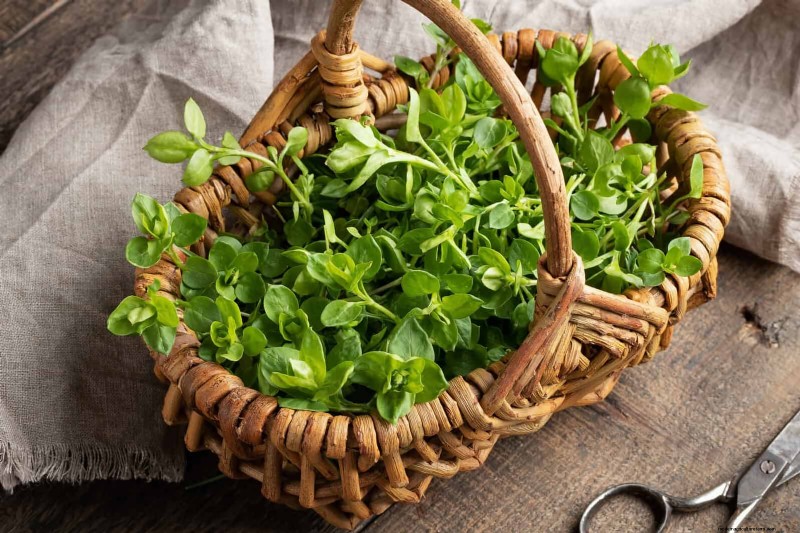
The tender leaves and stems, which have a mild flavor similar to corn silk, can be added to salads or sandwiches. Many gardeners harvest chickweed regularly for culinary use and to prevent it from spreading too enthusiastically.
 Depositphotos
Beyond its culinary uses, chickweed has a long history as a medicinal herb. It contains saponins and flavonoids that give it anti-inflammatory properties. Traditional herbalists have used it topically for skin conditions and minor wounds.
Chickweed’s cooling properties make it particularly useful for irritated skin. In the garden ecosystem, chickweed serves as an indicator plant. Its presence often signals rich, fertile soil with good moisture retention.
Observant gardeners can “read” their garden conditions by noting where chickweed thrives. This can help plan future plantings, as vegetables with similar requirements will likely do well in those locations.
 Depositphotos
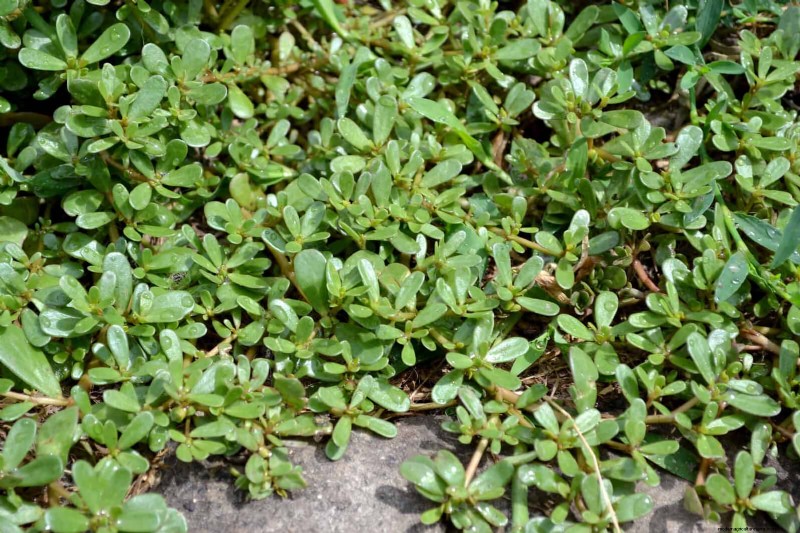
This succulent-like plant with paddle-shaped leaves might be one of the most nutritious weeds in your garden. Purslane contains more omega-3 fatty acids than any other leafy vegetable.
It’s also rich in vitamins A, C, and E, plus minerals like magnesium, calcium, potassium, and iron. Purslane’s shallow root system makes it easy to control, while its spreading habit helps suppress more problematic weeds.
The fleshy leaves and stems store water, helping purslane withstand drought conditions. This moisture-holding capacity can benefit nearby plants during dry periods. In hot, dry areas, purslane is a living mulch that helps lower soil temperatures.
 Depositphotos
Purslane is a heat-loving plant with thick, juicy leaves that hold water and help nearby plants during dry spells. It spreads across the soil, blocking weeds and keeping moisture in. Unlike many weeds, it’s easy to pull if it grows where you don’t want it.
This little plant is a nutritional bomb! It’s packed with omega-3s, vitamins, and minerals. Toss the leaves into salads or stir-fries for a healthy boost. Gardeners in hot climates often let purslane grow on purpose to help shade the soil and protect crops.
 Depositphotos
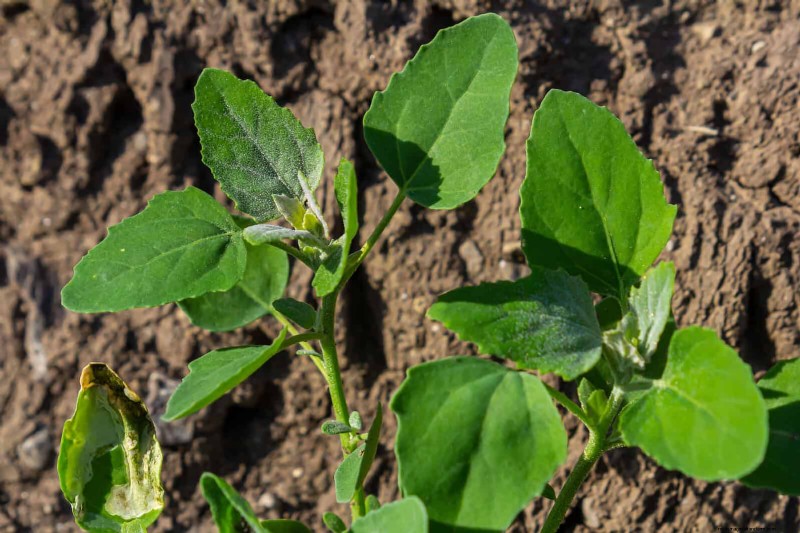
Often mistaken for just another weed, lamb’s quarters are a nutritional powerhouse. Its leaves contain more calcium, protein, and vitamins B1 and B2 than cabbage or spinach.
The young leaves have a mild flavor similar to spinach and can be used precisely the same way in the kitchen. In the garden, lambs’ quarters serve as a trap crop for leaf miners and certain aphids, drawing these pests away from your cultivated vegetables.
Its deep taproot brings up nutrients from lower soil layers, and when the plant is cut back and left to decompose, these nutrients become available to neighboring plants. Consider leaving a few lambs’ quarters plants in strategic locations throughout your garden.
 Depositphotos
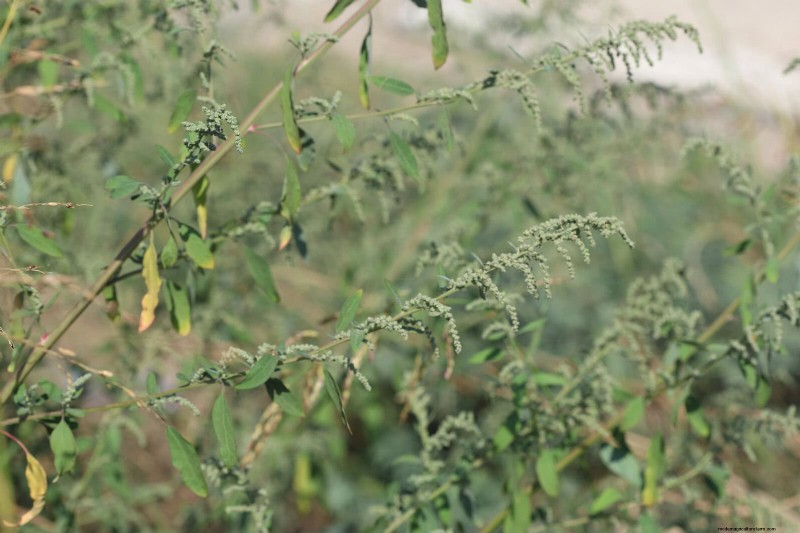
Lambsquarters grows like a weed but tastes like spinach and is even more nutritious. Young leaves are tender and rich in protein, calcium, and B vitamins, often surpassing common leafy greens in nutrition.
You can steam, sauté, eat them raw in salads and smoothies, or even bake them into savory dishes. The plant also contains antioxidants that support immune health and digestion.
In the garden, it acts like a soil helper. Its deep roots pull nutrients to the surface, distracting pests that might otherwise attack your veggies. Let a few grow in tough spots, chop them down, and use them as mulch.
 Depositphotos
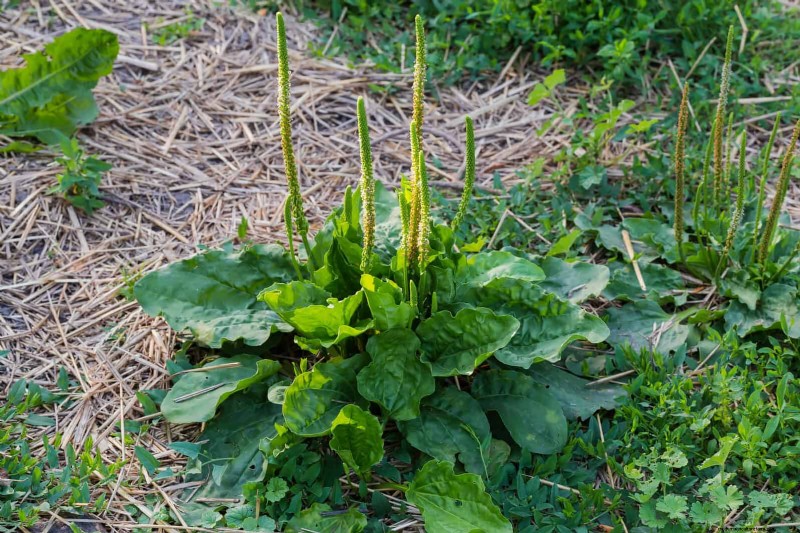
Not to be confused with the banana-like fruit, this typical lawn and garden plant has broad, ribbed leaves growing in a rosette pattern. Plantain is a living soil indicator; it often appears in compacted soils, where its fibrous root system helps break up the density.
This improves soil structure and drainage over time. Plantain leaves contain compounds with antimicrobial and anti-inflammatory properties. They’ve been used traditionally as a poultice for insect bites, minor cuts, and skin irritations.
In the garden ecosystem, plantain provides ground cover that helps retain soil moisture and prevent erosion while not aggressively spreading or competing with most garden plants.
 Depositphotos
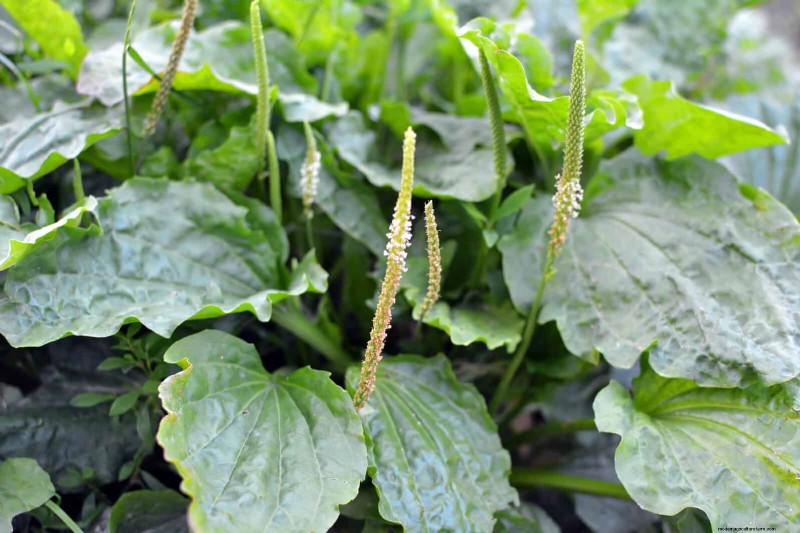
While not showy, plantain flowers produce abundant pollen that attracts small beneficial insects like hoverflies and parasitic wasps. These insects prey on garden pests like aphids and caterpillars.
The seed heads that form after flowering provide food for songbirds, bringing more diversity to your garden ecosystem. Plantain also serves as a host plant for the buckeye butterfly and several moth species.
The caterpillars feed on plantain leaves without causing significant damage to the plant. Maintaining a few plantain patches supports these important pollinators through their full life cycle, contributing to biodiversity beyond just your garden space.
 Depositphotos
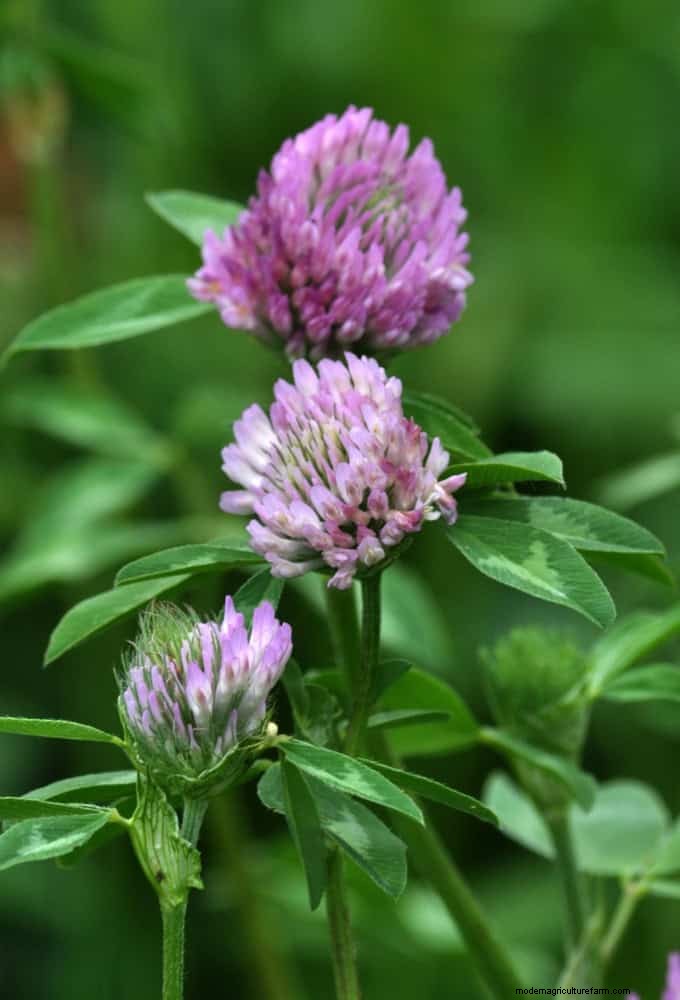
Taller than its white cousin, red clover produces distinctive pinkish-purple flower heads that are magnets for bees and other pollinators. Like white clover, it fixes nitrogen from the air, enriching your soil naturally.
Red clover’s deeper root system helps break up compacted soil while adding organic matter when roots die back. Red clover is particularly valuable as a “dynamic accumulator,” a plant that concentrates specific nutrients from the soil.
It’s especially good at gathering phosphorus, potassium, magnesium, and calcium. When the clover is cut back and left to decompose, these nutrients become available to neighboring plants in forms they can readily use.
 Depositphotos
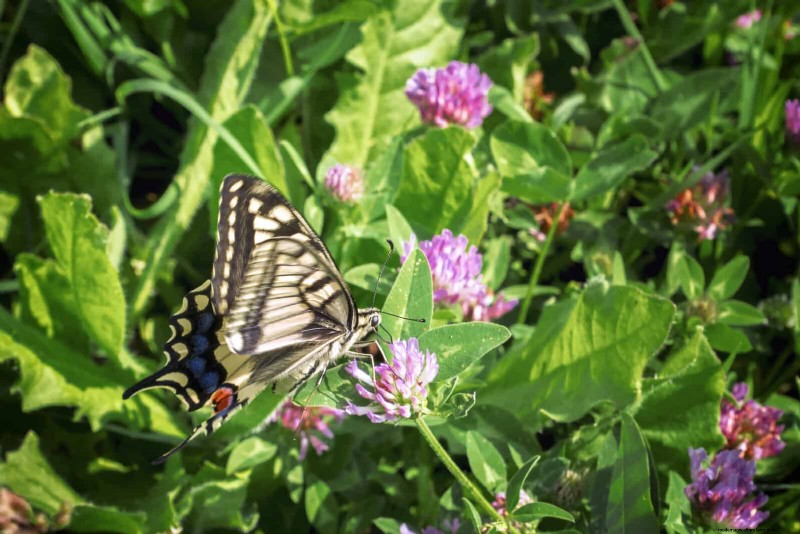
Red clover does double duty in your garden. Its purple blooms attract bees, butterflies, and other helpful pollinators, creating a lively ecosystem. Beneath the soil, its roots mix with microbes to fix nitrogen, naturally fertilizing nearby plants.
Red clover is exceptionally skilled at mining deep soil for key nutrients like calcium, potassium, and magnesium, enriching your garden from the ground up. Use it in flower beds, veggie plots, or orchard edges.
When cut back, it acts like a slow-release fertilizer. It also improves soil texture and supports helpful microbes, making it a favorite among organic gardeners.
 Depositphotos
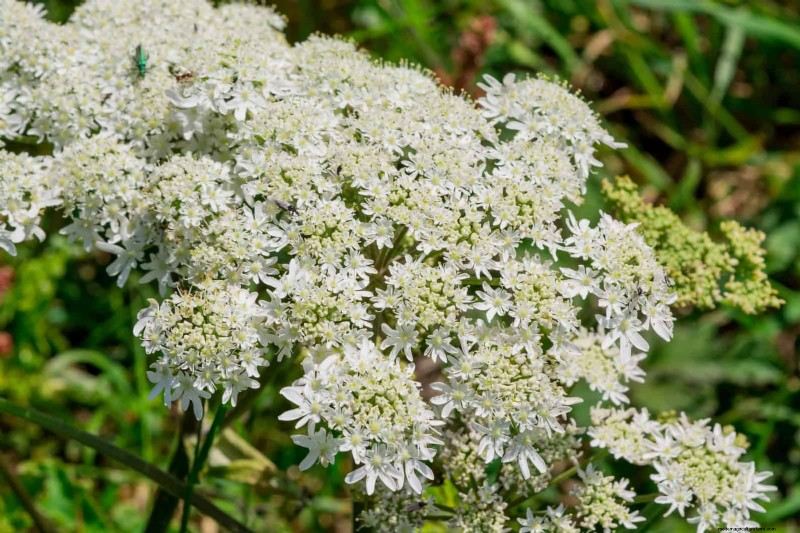
Also known as wild carrot, this plant, with its delicate white flower clusters, is the ancestor of our cultivated carrots. The lacy flowers attract beneficial insects like predatory wasps, lacewings, and ladybugs, all of which help control garden pests naturally.
The deep taproot helps loosen compacted soil and brings nutrients from lower soil layers. Queen Anne’s Lace is particularly valuable for attracting pollinators that benefit fruit trees and berry bushes.
The flowers provide nectar and pollen at a time when many spring-blooming plants have finished flowering. Allowing some to grow at the edges of your garden creates a season-long habitat for beneficial insects.
 Depositphotos
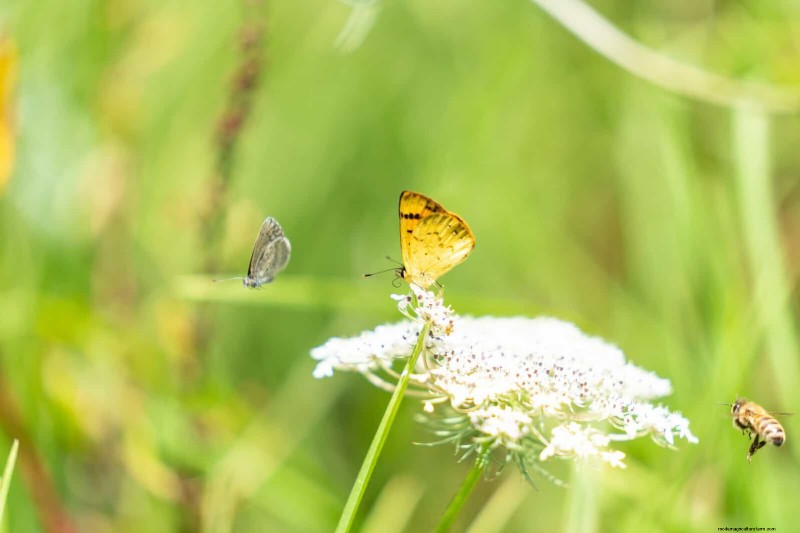
As a carrot family member (Apiaceae), Queen Anne’s Lace shares beneficial traits with relatives like dill, fennel, and parsley. The umbrella-shaped flower clusters are perfectly designed for small beneficial insects like parasitic wasps that need easy landing platforms and accessible nectar.
These tiny wasps lay their eggs on caterpillars and aphids, providing natural pest control. The plant also hosts swallowtail butterfly larvae, contributing to the pollinator population.
While sometimes confused with the toxic hemlock (also in the carrot family), Queen Anne’s Lace is distinguished by its hairy stem and carrot-like smell when it is crushed. Always confirm identification before allowing any wild plant to remain in your garden.
 Depositphotos
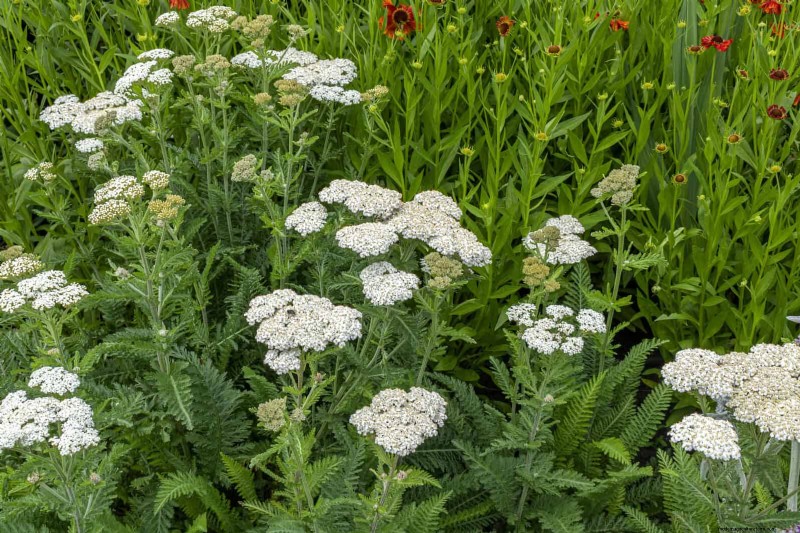
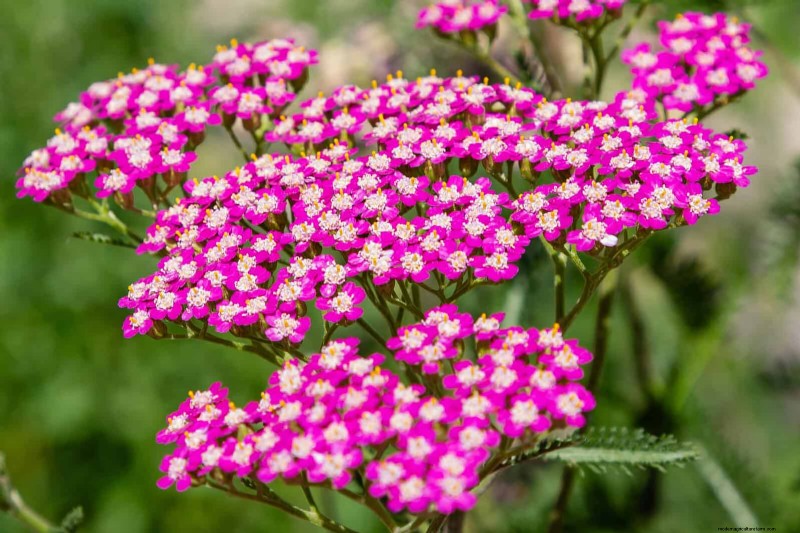
With its feathery leaves and clusters of tiny white flowers, yarrow might look like just another weed, but it’s a powerful addition to any garden. Yarrow’s deep roots help break up compacted soil while accumulating silica, copper, and potassium.
When yarrow leaves die back and decompose, these nutrients become available to other plants. Once established, yarrow is extremely drought-tolerant, making it valuable in xeriscaping and low-water gardens.
Its strong scent repels certain insect pests, while the flowers attract beneficial predatory insects like lacewings and ladybugs. Many organic gardeners intentionally plant yarrows as a companion plant near vegetables susceptible to aphids and other soft-bodied pests.
 Depositphotos
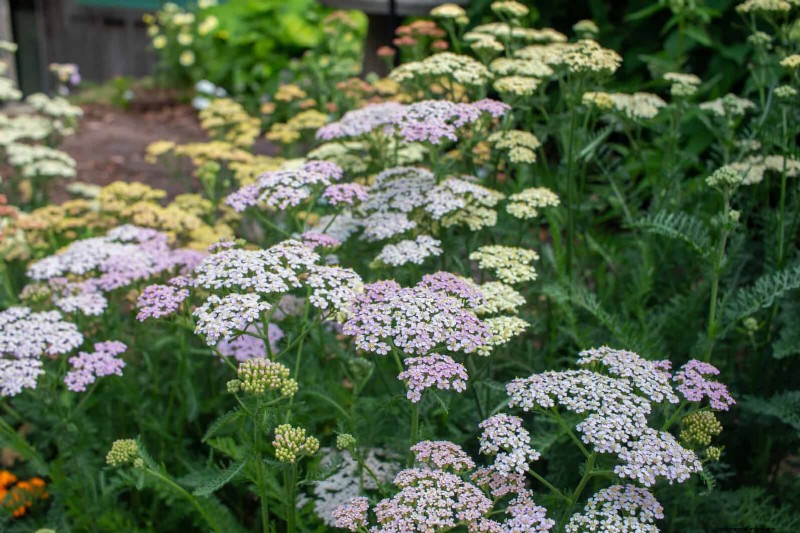
Yarrow looks delicate, but it’s tough and packed with garden benefits. Its long roots dive deep into the soil, pulling up nutrients like copper and potassium and improving soil structure.
Yarrow is especially valuable in dry, rocky, or poor-soil areas. There, it survives and strengthens the surrounding garden by improving water retention and supporting plant diversity.
Its small flowers attract lacewings and ladybugs, which are natural pest fighters. Yarrow’s scent also deters harmful bugs. Try planting it near tomatoes, lettuce, or cabbage to keep aphids and other pests away naturally.
 Depositphotos
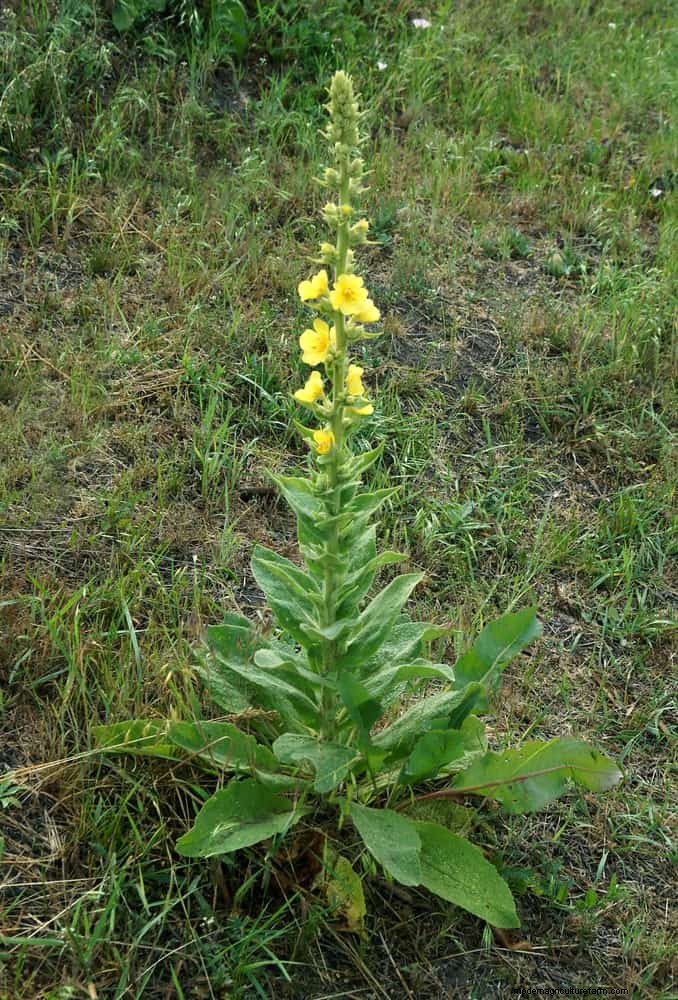
The tall flower spike and large, fuzzy leaves make mullein easy to identify. In its first year, this biennial plant develops a deep taproot, breaking up compacted soil and improving drainage.
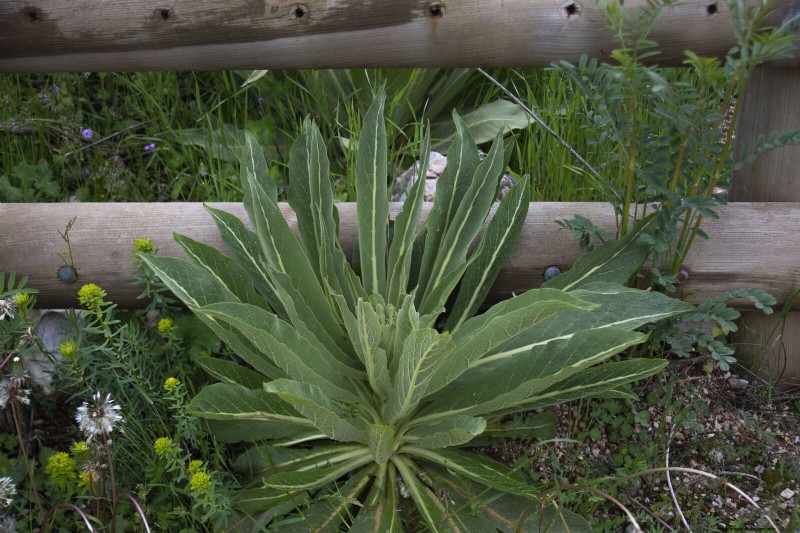
The large leaves spread in a rosette pattern, suppressing other weeds while protecting the soil from erosion and moisture loss. Mullein flowers attract a variety of pollinators, including specialized bees. The tall stalks also provide perching spots for birds that hunt garden pests.
In traditional herbalism, mullein leaves and flowers have been used to treat respiratory conditions. In the garden ecosystem, mullein is a trap crop for certain pests, drawing them away from vegetables.
 Depositphotos
The thick, woolly mullein leaves have evolved to conserve water, making this plant exceptionally drought-tolerant. This adaptation means mullein can thrive in poor soil conditions where few other plants succeed.
By allowing it to grow in challenging garden areas, you’re using a natural pioneer plant to begin the soil improvement process. The decomposing leaves add organic matter to poor soils, starting an improvement cycle.
Many permaculture gardeners intentionally plant mullein in newly reclaimed areas as a first step in soil building. The improved soil can support more diverse plantings after the plant completes its two-year life cycle.
 English: NPS Photo, Public domain, via Wikimedia Commons
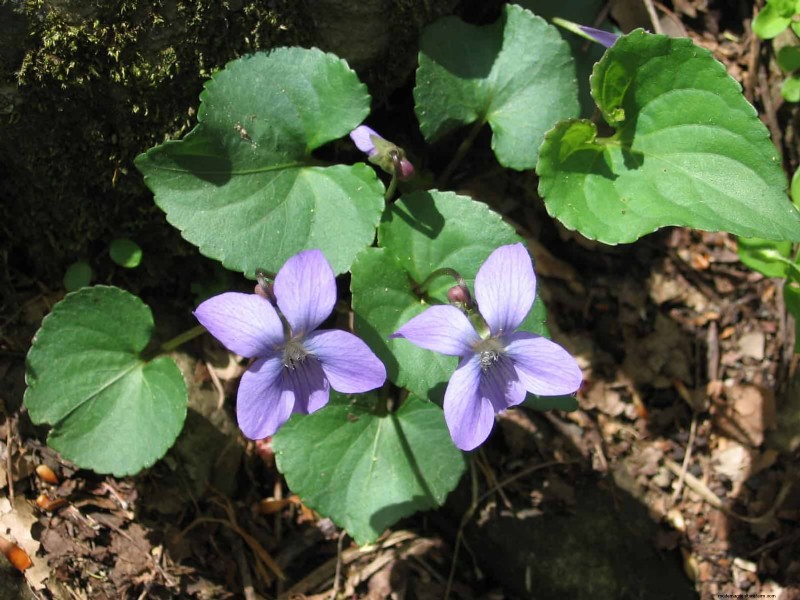
Those heart-shaped leaves and delicate purple flowers popping up in lawn and garden beds are more valuable than you might think. Violets serve as early-season nectar sources for bees and other pollinators when few other flowers bloom.
Their spreading habit helps suppress aggressive weeds while their roots improve soil structure.
Violets’ leaves and flowers are edible and nutritious, containing vitamins A and C. The flowers make beautiful decorations for salads and desserts. In the garden ecosystem, violets are host plants for fritillary butterflies, supporting these crucial pollinators throughout their life cycle.
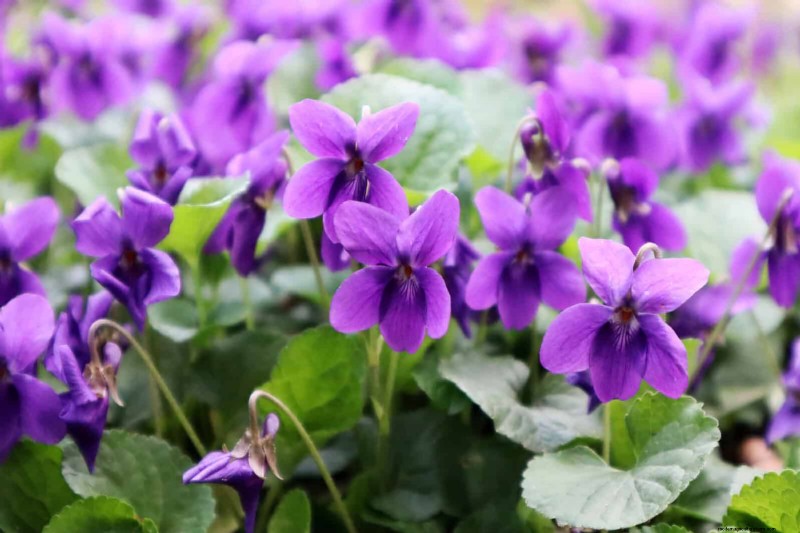
Violets aren’t just pretty; they’re early bloomers that feed hungry bees when little else is in flower. Their spreading leaves cover bare soil, stopping weeds before they start and keeping moisture in. These cheerful plants pack beauty and function into shady spots.
The leaves and flowers are edible and packed with vitamins A and C. Violets flourish in shady, damp areas and help improve soil health by acting as living mulch. They also support butterfly life cycles by providing a vital food source for caterpillars.
 Dcrjsr, CC BY 3.0, via Wikimedia Commons
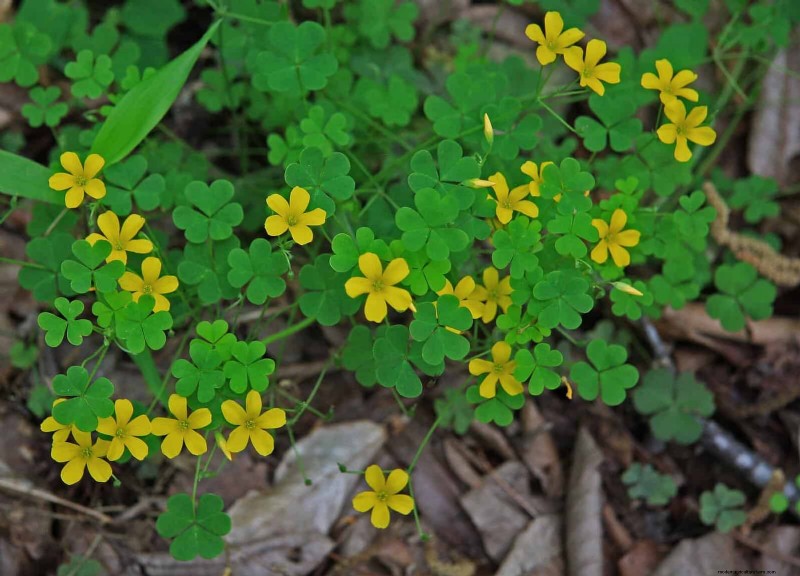
Often mistaken for clover due to its three-part leaves, wood sorrel adds a lemony tang to garden salads with its edible leaves, flowers, and seed pods. Its presence often indicates slightly acidic soil, making it a useful indicator plant.
While it can spread, its shallow roots make it easy to control in areas where you don’t want it. Wood sorrel contains vitamin C and has been used traditionally to add flavor to dishes and as a digestive aid.
In the garden, it serves as a living mulch that helps retain soil moisture while its decomposing leaves add organic matter to the soil. Many forest gardeners welcome wood sorrel as a ground cover under fruit trees and berry bushes.
 NY State IPM Program at Cornell University from New York, USA, CC BY 2.0, via Wikimedia Commons
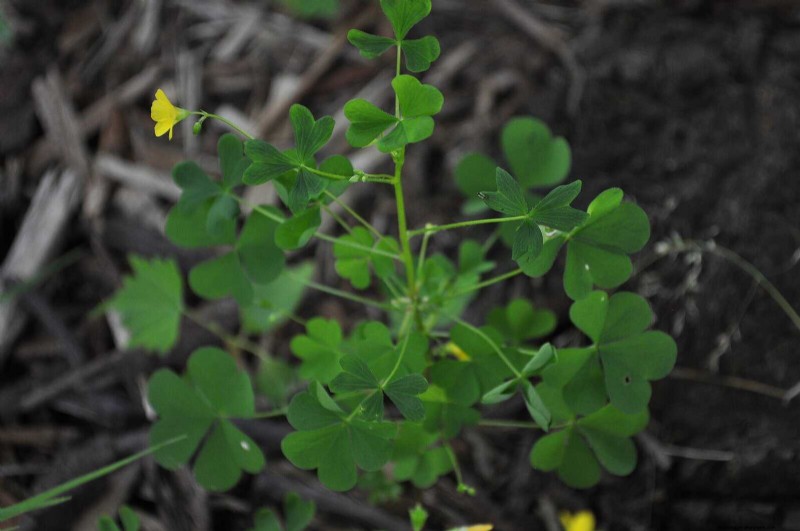
The presence of wood sorrel can tell you important information about your soil conditions. It typically thrives in slightly acidic soil with moderate fertility. If you notice wood sorrel growing vigorously in certain areas, these might be perfect spots for acid-loving plants like blueberries, azaleas, or rhododendrons.
Wood sorrel also appears in areas with dappled shade and consistent moisture. Observing where it grows naturally in your garden allows you to identify microclimates suitable for woodland plants or shade-loving herbs. This natural indication can help with garden planning without needing soil tests.
 carol, CC BY-SA 1.0, via Wikimedia Commons
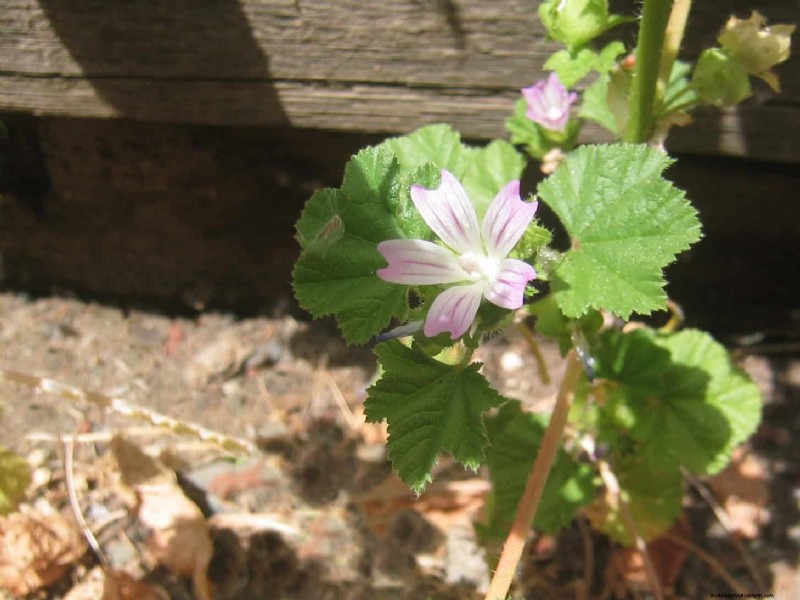
With rounded leaves and small pinkish-white flowers, the common mallow is related to hollyhocks and hibiscus. Its deep taproot helps break up compacted soil while bringing nutrients from lower soil layers.
The leaves and stems contain mucilage, a gelatinous substance that helps soil retain moisture. All parts of mallow are edible, with leaves that can be used, like spinach, and immature seed pods (called “cheeses” because of their shape) that have a mild, nutty flavor.
In the garden ecosystem, mallow attracts pollinators while serving as a trap crop for certain insects that might otherwise damage your vegetables.
 Robert Flogaus-Faust, CC BY 4.0, via Wikimedia Commons
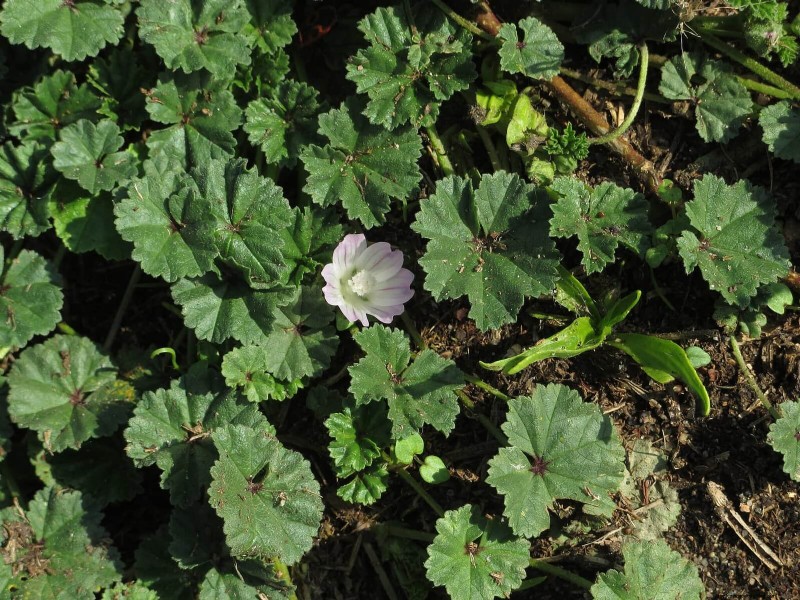
Mallow is a soft, leafy plant with pink-white blooms that does more than look pretty. Its deep roots break through compacted soil, pulling hidden nutrients to the surface for neighboring plants to use.
Its water-storing leaves act like built-in moisture savers, helping dry parts of your garden stay hydrated longer. Gardeners appreciate mallow’s role in drawing pollinators and luring pests away from prized crops.
Mallow’s tender leaves and cheese-shaped seed pods are edible, offering a mild, nutty taste in meals. As they break down, mallow improves soil structure and adds rich organic matter.
 Depositphotos
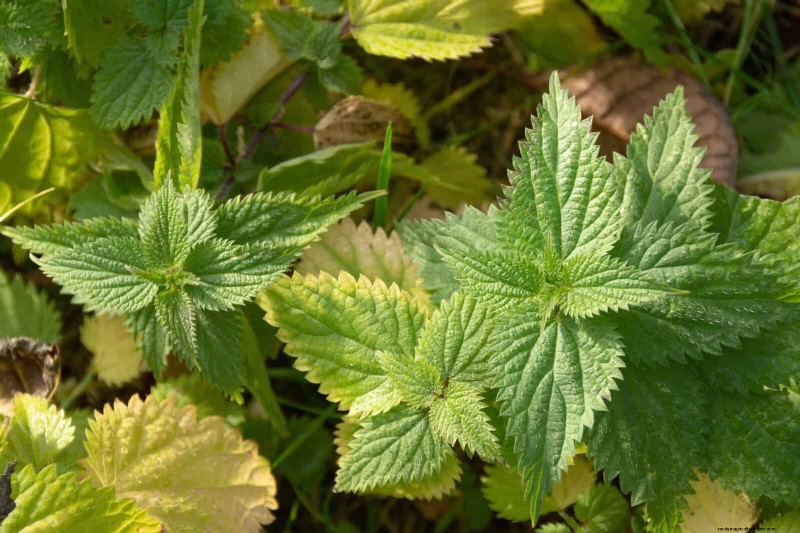
Despite its notorious sting, nettle might be among the most beneficial “weeds” you could welcome into your garden. Its deep roots bring up nutrients from lower soil layers, particularly iron, calcium, magnesium, and nitrogen.
When nettle leaves are cut and used as mulch or compost, they become available to other plants. Nettles are host plants for several butterfly species, including red admirals and commas.
The young leaves are highly nutritious for humans, containing more iron than spinach, plus vitamins A and C, protein, and minerals. The sting disappears when leaves are cooked or dried. Many gardeners maintain a dedicated nettle patch specifically for harvesting.
 Depositphotos
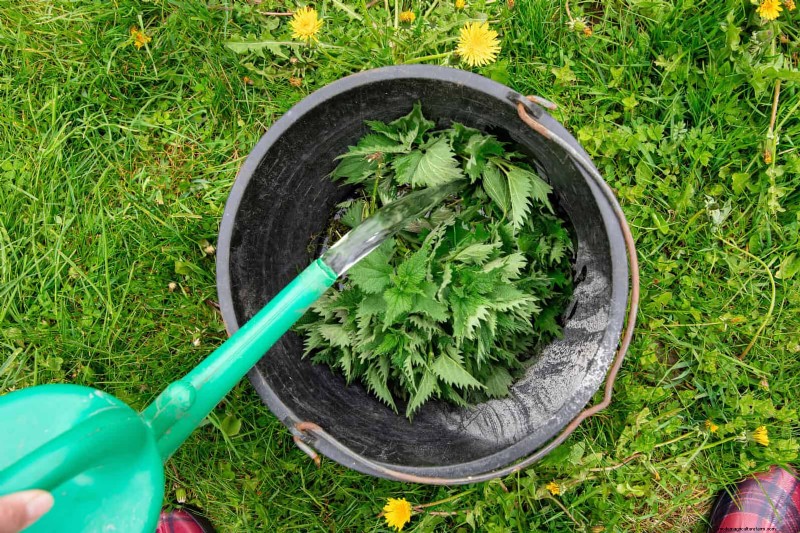
Beyond its nutritional value, nettle can be used to make a powerful fertilizer tea. Simply steep fresh or dried leaves in water for several days, then dilute the resulting liquid before applying it to garden plants.
This natural fertilizer is rich in nitrogen and iron, making it excellent for leafy greens and plants showing signs of nutrient deficiency. Nettle also has natural pest-repellent properties.
Planting nettles near fruit trees can reduce aphid populations, while nettle leaf tea can be sprayed on plants to deter soft-bodied pests. Just be sure to plant nettles in contained areas where you won’t accidentally brush against them while working in the garden.
 Depositphotos
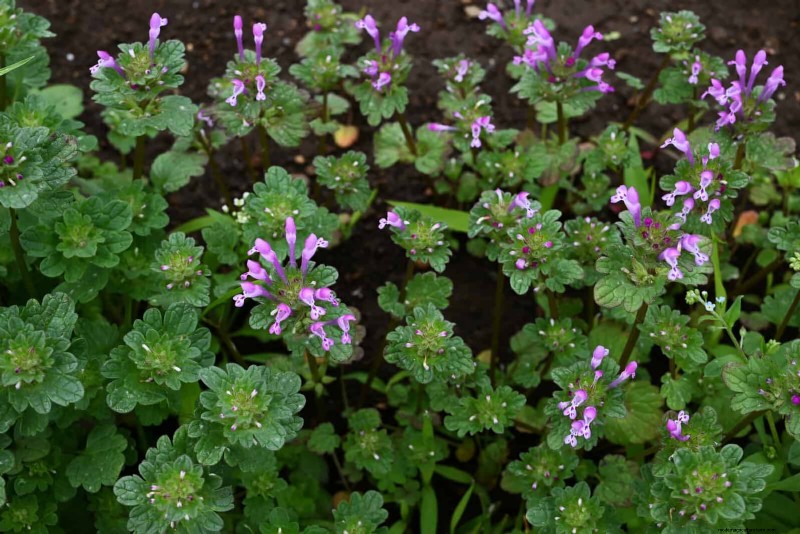
This member of the mint family produces square stems and purple-pink flowers that appear in early spring. Henbit is a crucial early-season nectar source for bees and other pollinators when few other plants are blooming.
Its shallow root system helps prevent soil erosion without competing significantly with garden plants. Henbit is edible and has a slightly sweet, mild flavor like kale. The leaves, stems, and flowers can be added to salads or cooked like spinach.
In the garden ecosystem, henbit’s early growth helps suppress more aggressive summer weeds by occupying space during the cool season and naturally dying back as temperatures rise.
 Depositphotos
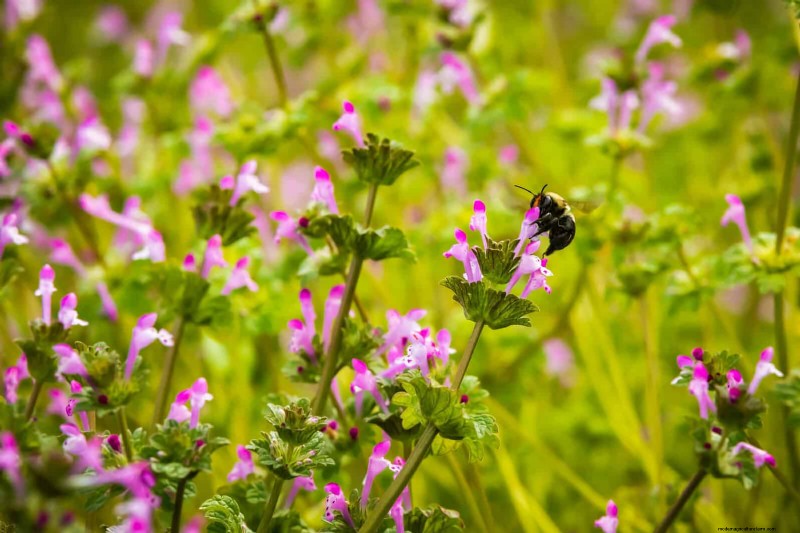
Henbit pops up early in spring, showing off purple-pink flowers that bees adore. It blankets the bare ground, keeping soil from eroding and crowding more aggressive weeds. Since it dies back when temps rise, it won’t compete with summer veggies.
Henbit’s tender leaves are mild and edible; toss them into salads for a fresh, springtime flavor. This early riser acts like a living mulch, shielding soil from erosion and giving your garden a smooth start before the primary planting season begins.
 Depositphotos
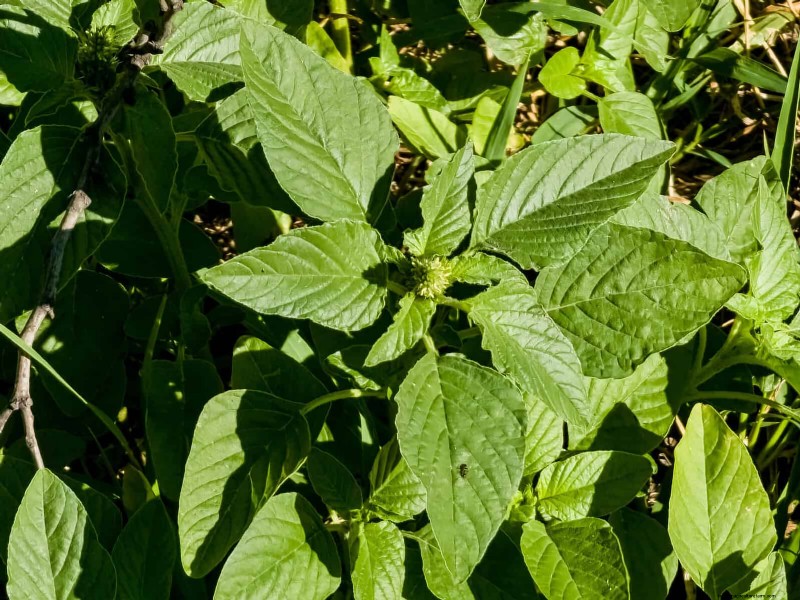
Also known as amaranth, pigweed produces protein-rich seeds related to the commercially grown grain amaranth. Its deep taproot breaks up compacted soil while accumulating minerals, particularly calcium.
When pigweed plants decompose, these nutrients become readily usable to other plants. Young pigweed leaves are edible and nutritious, containing more iron, calcium, and vitamin K than many cultivated greens.
In the garden ecosystem, pigweed is a trap crop for leaf miners and certain beetles, drawing them away from your vegetables. Its rapid growth also makes it useful for quickly covering bare soil to prevent erosion.
 Depositphotos
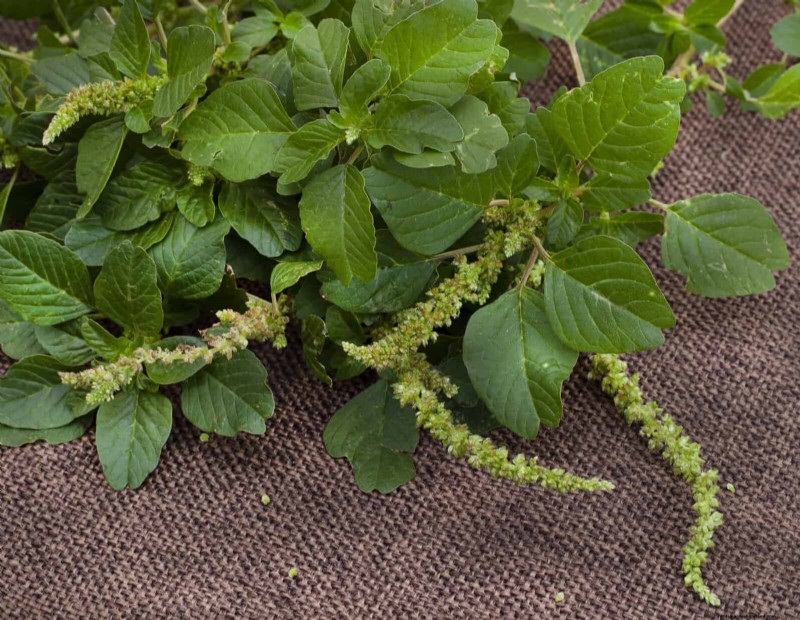
Pigweed, or wild amaranth, gives you more than meets the eye. Its edible leaves are rich in iron, calcium, and vitamin K; great for tossing into sautés or soups. The plant also produces tiny seeds you can harvest as a protein-packed grain.
Its strong taproot breaks up hard soil and brings minerals to the surface. When the plant dies back, those nutrients feed your crops. Amaranth also helps block weeds and attracts leaf-eating bugs away from your vegetables, acting as a natural shield.
 Depositphotos
Before you reach for the weed puller, remember that some of nature’s wild plants are doing incredible behind-the-scenes work. These so-called weeds feed pollinators, heal your soil, and nourish you!
Embracing some helpers can make your garden more vibrant, self-sustaining, and low-maintenance. Take a closer look; some of your garden’s strongest allies might already be growing underfoot, just waiting to help if given the chance.
Letting them stay could mean fewer pests, better soil, and less time weeding. Some of these quiet helpers can improve heavy clay soil, making gardening easier, more natural, and fun.