Welcome to Modern Agriculture!

 Depositphotos
Looking to save money and nourish your garden naturally? Your kitchen and home are already full of perfect plant food. Everyday items can transform your garden while reducing waste and keeping your wallet happy.
The secret to vibrant plants might be sitting on your counter or hiding in your trash bin right now. From coffee grounds to eggshells, these household staples contain valuable nutrients that plants crave. Your garden will thank you.
 Depositphotos
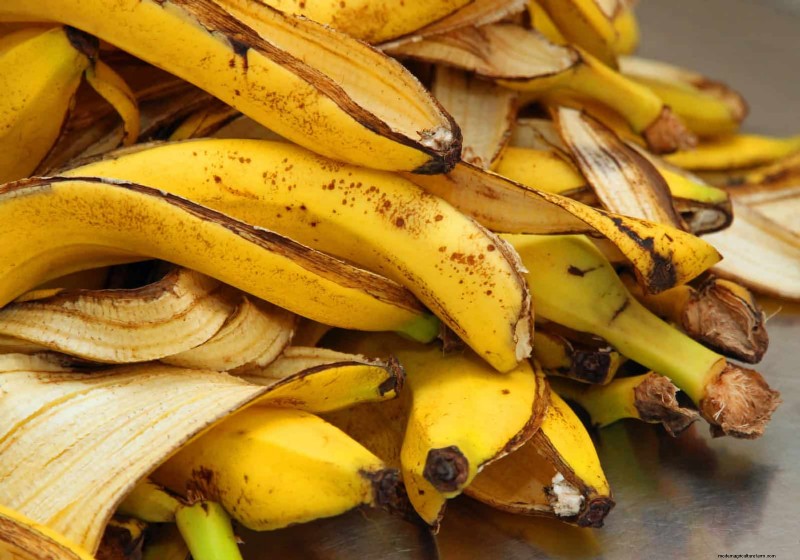
Those banana peels you usually toss in the trash are actually garden gold. They’re packed with potassium, an essential nutrient that helps plants develop strong root systems and resist disease. Banana peels also contain phosphorus and calcium, making them a well-rounded fertilizer option for flowering plants.
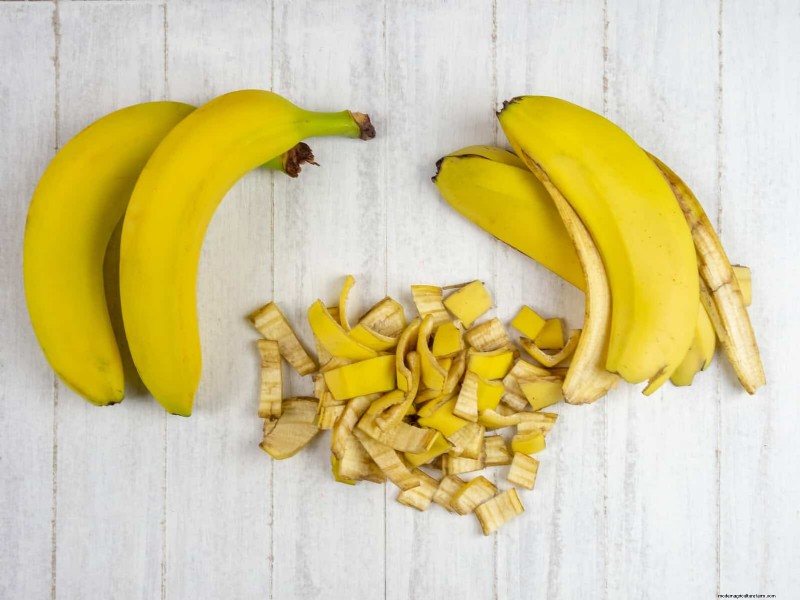
Using banana peels is surprisingly easy. You can bury chopped peels directly in the soil around plants, letting them decompose naturally. For faster results, soak several peels in water for a few days to create a nutrient-rich “banana tea” that can be poured directly onto your soil. Your roses will thank you.
 Depositphotos
For potted plants, try drying banana peels and grinding them into a powder. This creates a slow-release fertilizer that won’t attract pests. Simply sprinkle a tablespoon around each plant and water as usual. The nutrients will gradually leach into the soil.
Another method involves placing a small piece of banana peel at the bottom of planting holes when transplanting seedlings. This gives young plants an immediate nutrient boost right where their new roots will grow. But remember to chop the peels into small pieces to speed decomposition and prevent fruit flies.
We'll email it to you so you can read it later!
By saving, you agree to receive occasional emails. Unsubscribe anytime.
 Depositphotos
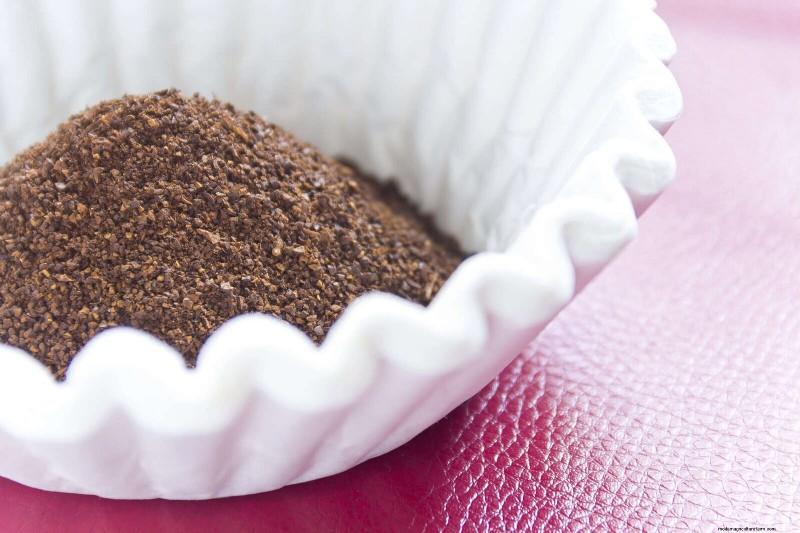
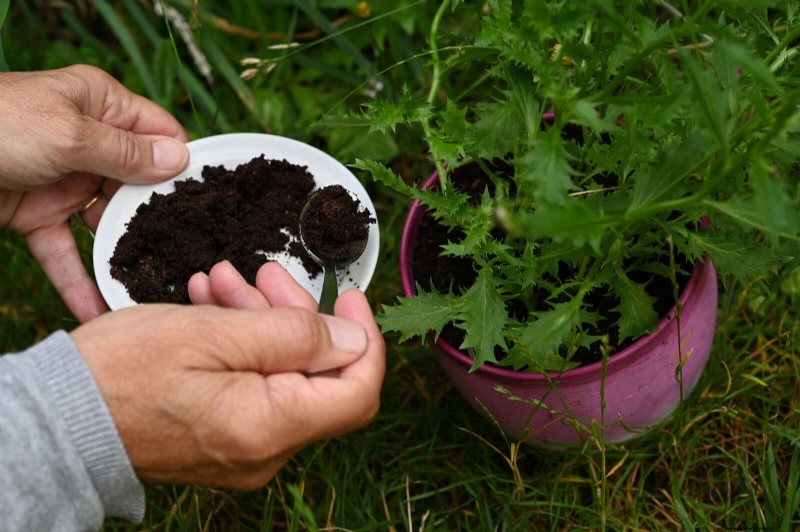
Don’t throw out those used coffee grounds! They’re an excellent source of nitrogen, which is crucial for healthy leaf development. Coffee grounds also contain magnesium, potassium, and copper, making them a balanced addition to your garden soil.
Coffee grounds work particularly well for acid-loving plants like blueberries, azaleas, and rhododendrons. They also help improve soil structure by enhancing drainage in clay soils while helping sandy soils retain moisture. Plus, the slight acidity can help balance alkaline soils.
 Depositphotos
The simplest way to use coffee grounds is to sprinkle a thin layer directly onto your soil and lightly work it in. Don’t apply too thickly; they can compact and create a barrier preventing water from reaching plant roots. A quarter-inch layer is plenty.
Add coffee grounds to your compost pile for even better results, where they’ll balance carbon-rich materials like leaves. Coffee grounds can also be mixed with water to create a liquid fertilizer. Combine one cup of grounds with five gallons of water, let sit overnight, and use the resulting brew to water your plants.
 Depositphotos
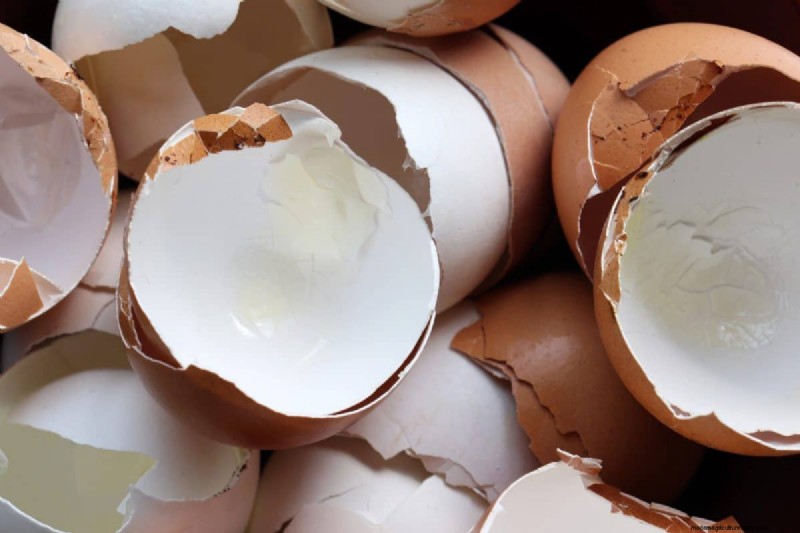
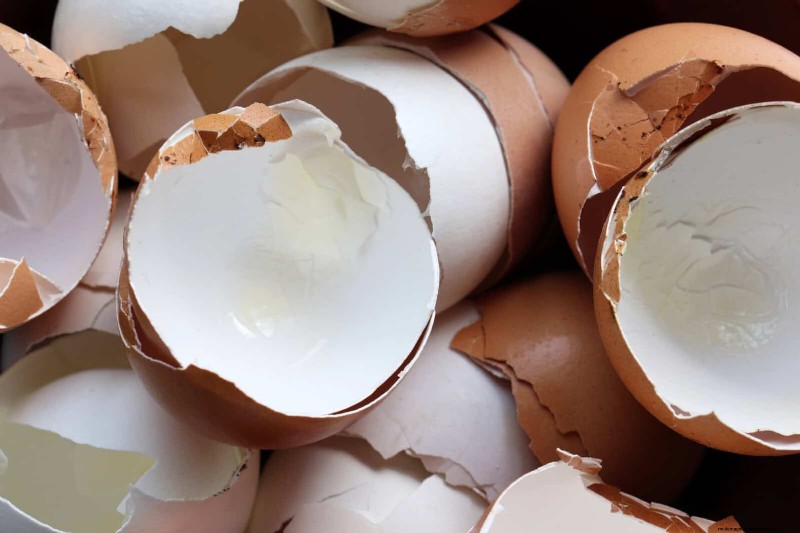
Crushed eggshells are perfect for adding calcium to your garden soil. Calcium helps prevent blossom end rot in tomatoes and strengthens plant cell walls, leading to sturdier growth. Eggshells also contain small amounts of nitrogen, phosphoric acid, and other trace elements beneficial to plant health.
Save your eggshells by rinsing them after use and allowing them to dry. Once you have a good collection, crush them into small pieces. The smaller the pieces, the faster they break down and release nutrients into your soil.
 Depositphotos
For maximum benefit, grind your dried eggshells into a fine powder using a coffee grinder or food processor. This powder can be sprinkled directly around plants or mixed into potting soil. The finer the grind, the more quickly the calcium becomes available to your plants.
You can also make an eggshell tea by steeping crushed shells in water for several days. The resulting calcium-rich water is ideal for watering seedlings and established plants alike. Some gardeners even start seeds directly in half eggshells, then plant the entire thing when it’s time to transplant.
 Depositphotos
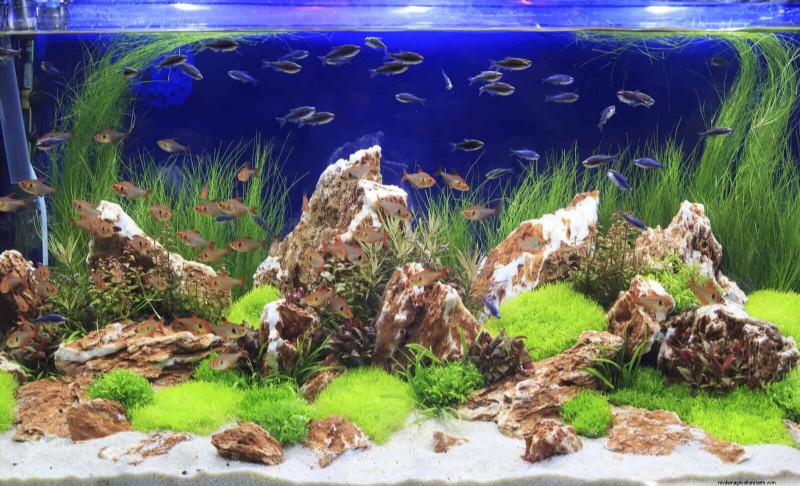
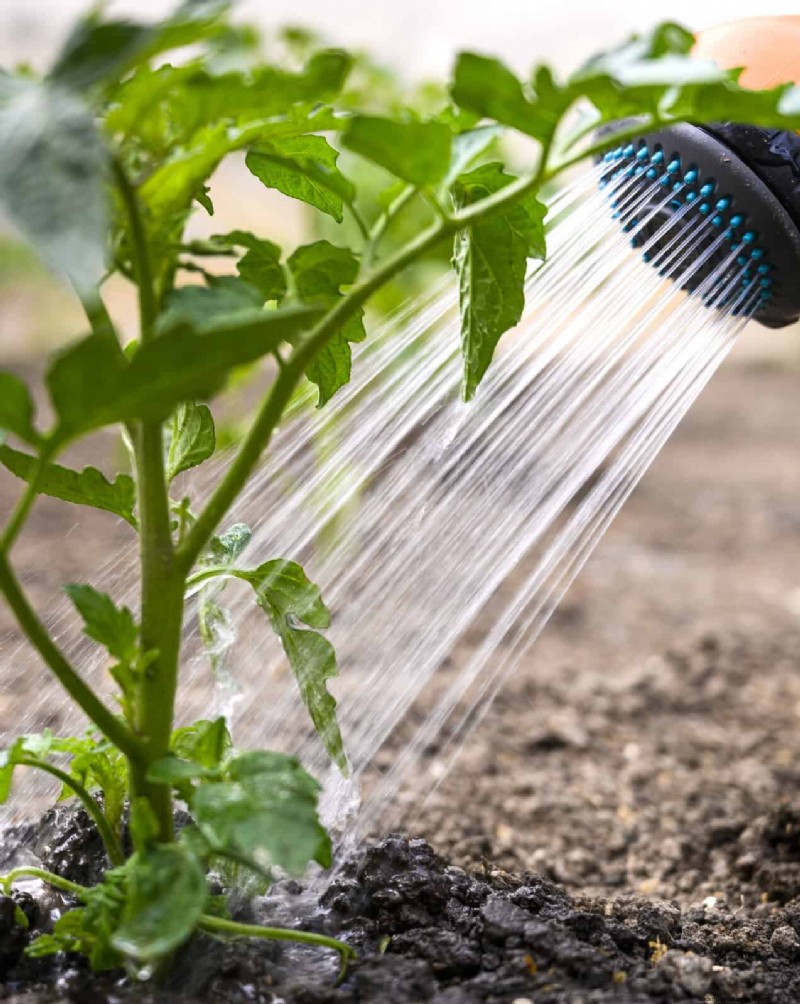
If you keep fish, the water from your aquarium cleanings is liquid gold for your plants. This water contains nitrogen and phosphorus from fish waste, along with other micronutrients that plants love. It’s essentially a ready-made fertilizer that would otherwise go down the drain.
Aquarium water works especially well for houseplants and container gardens. The nutrients are already dissolved and immediately available to plants. Just be sure to use freshwater aquarium water, not saltwater, as salt can damage most plants.
 Depositphotos
While aquarium water is generally beneficial, there are a few precautions to take. If you’ve recently treated your tank with medications or algaecides, wait until after the next few water changes before using the water on plants. These chemicals could potentially harm sensitive plant species.
For food-producing plants, apply aquarium water to the soil rather than directly onto edible portions. This reduces any minimal risk while still providing the nutrient benefits. Most garden vegetables thrive with this nutrient-rich water, especially leafy greens that appreciate the nitrogen boost.
 Depositphotos
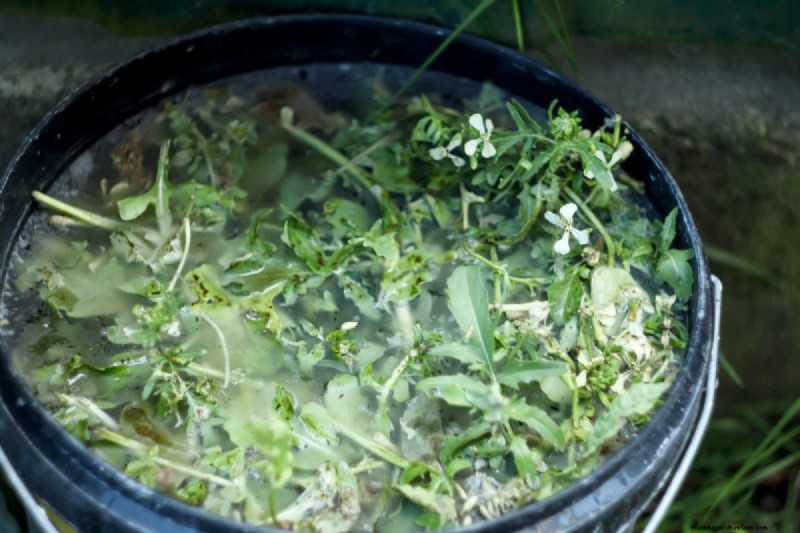
Compost tea is a nutrient-rich liquid made by steeping finished compost in water. It’s packed with beneficial microorganisms and soluble nutrients that feed plants and improve soil health. The best part? If you already compost, this fertilizer costs nothing to make.
Making compost tea is simple. Place a cup of finished compost in a gallon of water and let it steep for 24-48 hours. Stir occasionally to help release nutrients and oxygenate the mixture. Strain the liquid and dilute it until it looks like weak tea before applying it to plants.
 Shutterstock
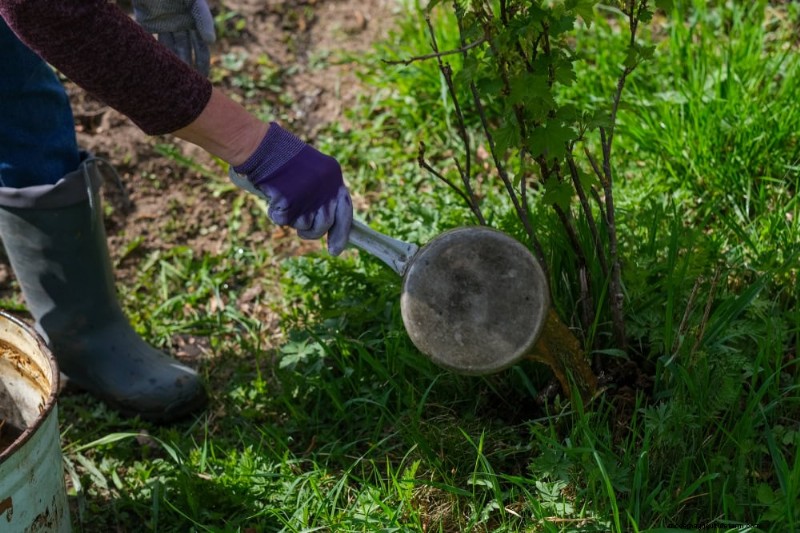
Use compost tea as a foliar spray by applying it directly to plant leaves where nutrients can be absorbed quickly. This method is particularly effective for addressing nutrient deficiencies and boosting plant immunity against diseases. A fine mist works best for maximum leaf coverage.
Compost tea can also be poured directly onto soil as a regular fertilizer. Apply it monthly during the growing season for maintenance or weekly for plants showing signs of stress or deficiency. The living microorganisms in properly made compost tea help create a healthier soil ecosystem.
 Depositphotos
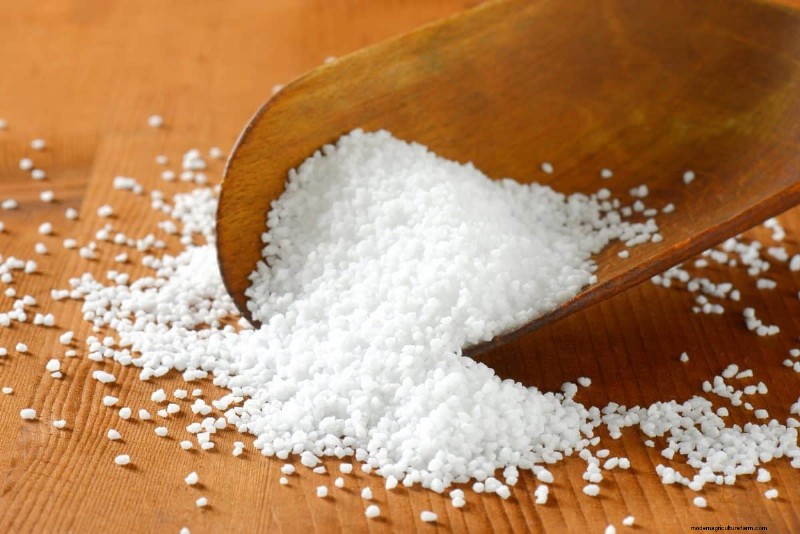
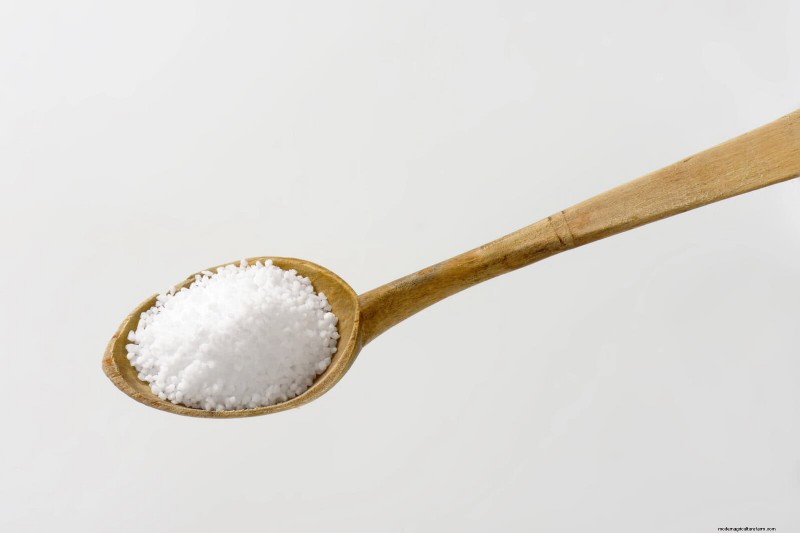
Epsom salt isn’t actually salt but a naturally occurring mineral compound of magnesium and sulfur. Both elements are essential for plant growth, with magnesium playing a crucial role in photosynthesis and sulfur helping with protein production.
Signs that your plants might need magnesium include yellowing leaves while veins stay green. This condition, called chlorosis, can be remedied by applying Epsom salt. Tomatoes, peppers, and roses particularly benefit from this supplement.
 Depositphotos
For general garden use, dissolve one tablespoon of Epsom salt in one gallon of water and apply monthly. For potted plants, use half this concentration. During transplanting, add a teaspoon directly to the planting hole to reduce transplant shock and encourage root development.
As a foliar spray, dissolve two tablespoons in a gallon of water and spray directly onto leaves for faster absorption. This method works well as an emergency treatment when plants show magnesium deficiency symptoms. Apply in the early morning or evening to prevent leaf burn.
 Depositphotos
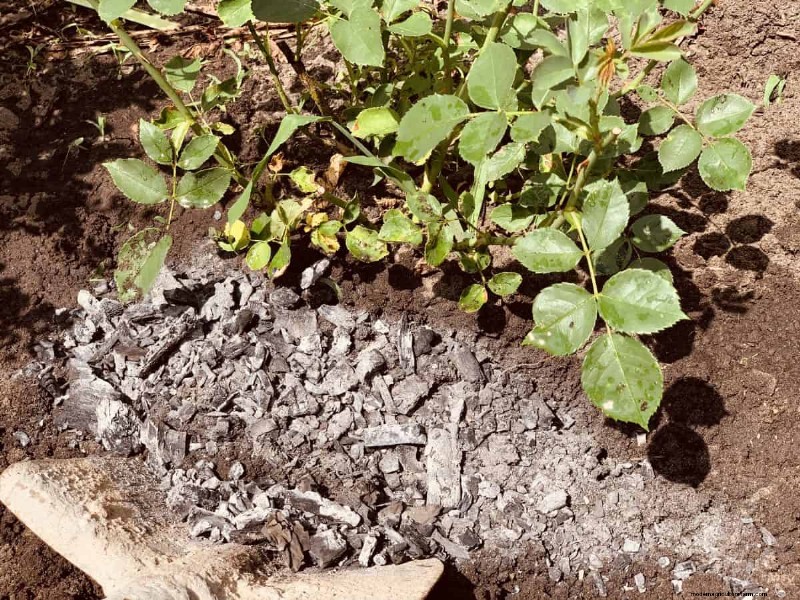
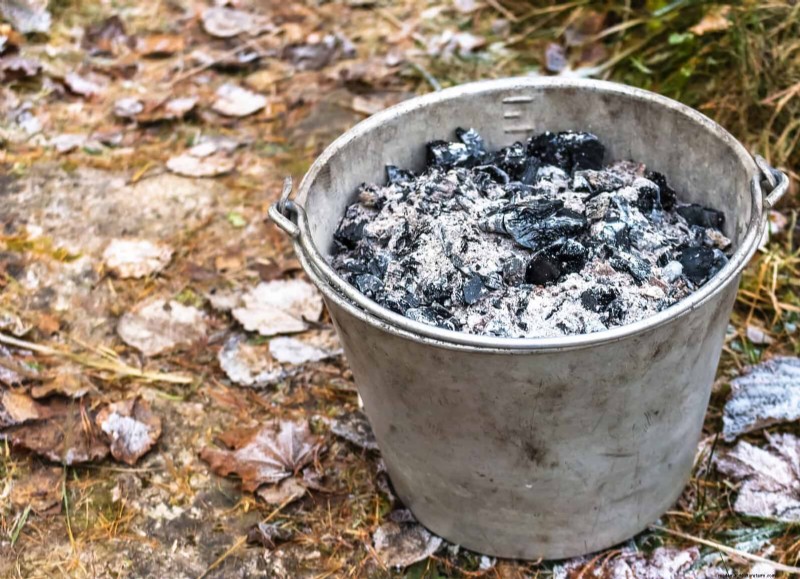
If you have a fireplace or wood stove, save those ashes! Wood ash contains potassium, phosphorus, and calcium carbonate, making it similar to garden lime but with added nutrients. It’s particularly useful for balancing acidic soils and providing nutrients, encouraging flowering and fruiting.
Only use ash from untreated, natural wood; never use charcoal briquettes or painted or pressure-treated wood, which can contain harmful chemicals. Apply wood ash sparingly, as a little goes a long way in adjusting soil pH.
 Depositphotos
Never apply wood ash to plants that prefer acidic soil, such as blueberries, azaleas, or rhododendrons. The alkalizing effect can damage these plants. To avoid excessive pH changes in garden beds, apply no more than 5 pounds per 100 square feet annually.
Wait until the wood ash is completely cool before collecting and storing it. Store it in a metal container with a tight lid to keep it dry. When applying, choose a calm day to prevent the fine ash from blowing into your eyes or onto unwanted areas of your garden.
 Depositphotos
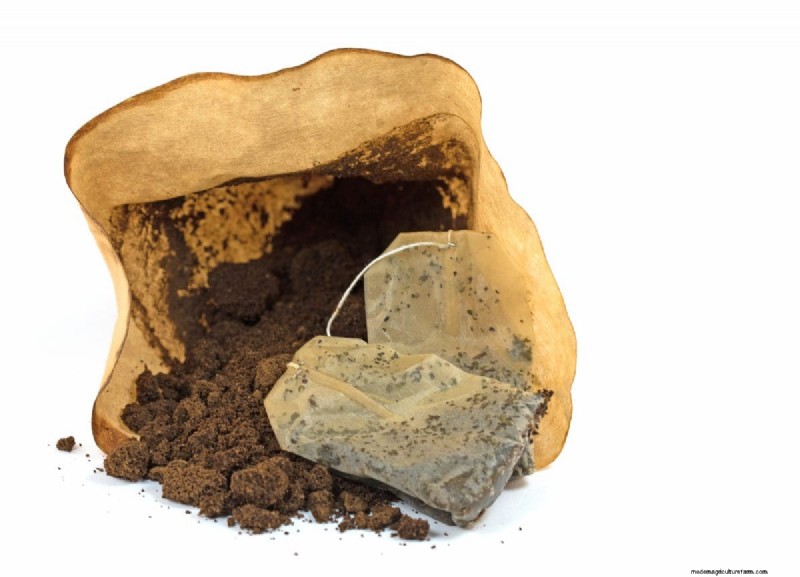
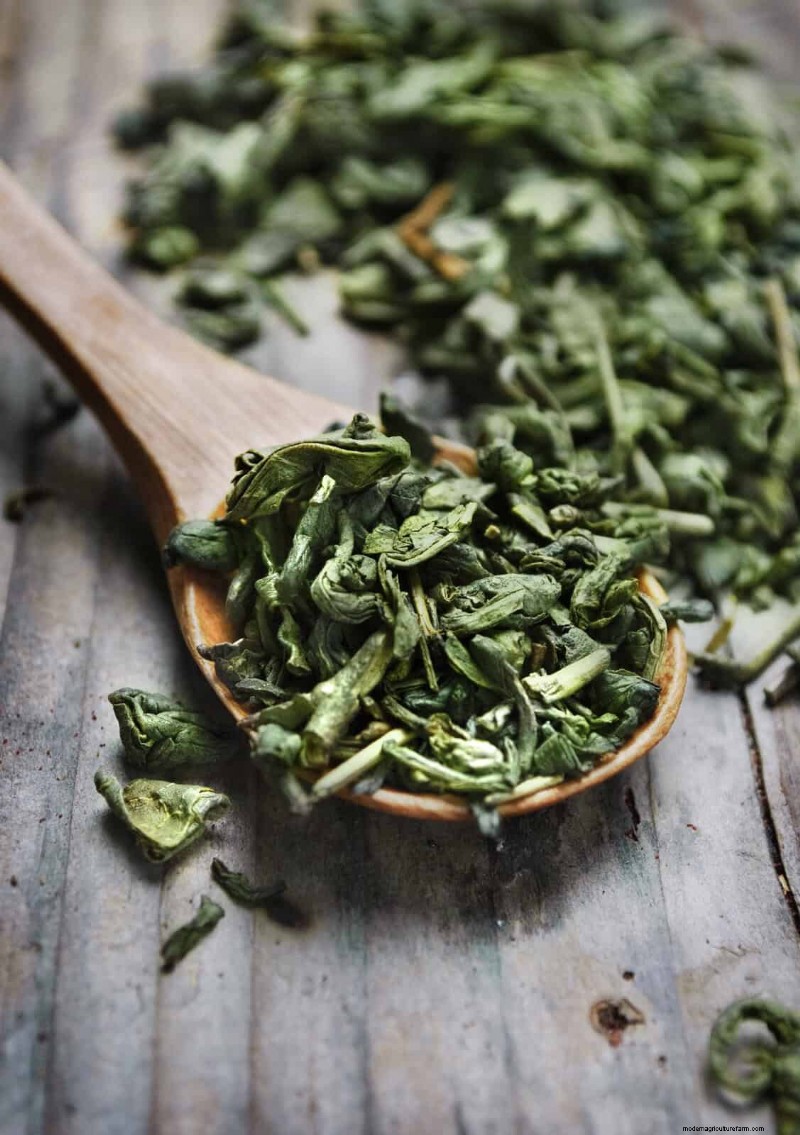
Used tea bags and loose tea leaves contain nitrogen and tannic acid that benefit plant growth. The mild, slow-release nutrients make green tea an excellent choice for seedlings and sensitive plants that stronger fertilizers might burn.
Green tea also adds beneficial microorganisms to the soil as it breaks down. These microbes help improve soil structure and make existing nutrients more available to plants. For houseplants that haven’t been repotted recently, tea can provide a gentle nutrition boost.
 Depositphotos
The simplest method is to place used tea bags directly into the soil around plants, burying them slightly to speed decomposition. For loose tea leaves, sprinkle them on the soil surface and lightly mix them. Both will break down gradually, releasing nutrients.
For a faster-acting fertilizer, brew a diluted “tea for plants” by steeping used tea bags in a container of water overnight. The resulting light-colored liquid can be used to water plants, providing immediate nutrient access. This method works particularly well for container plants and seedlings.
 Depositphotos
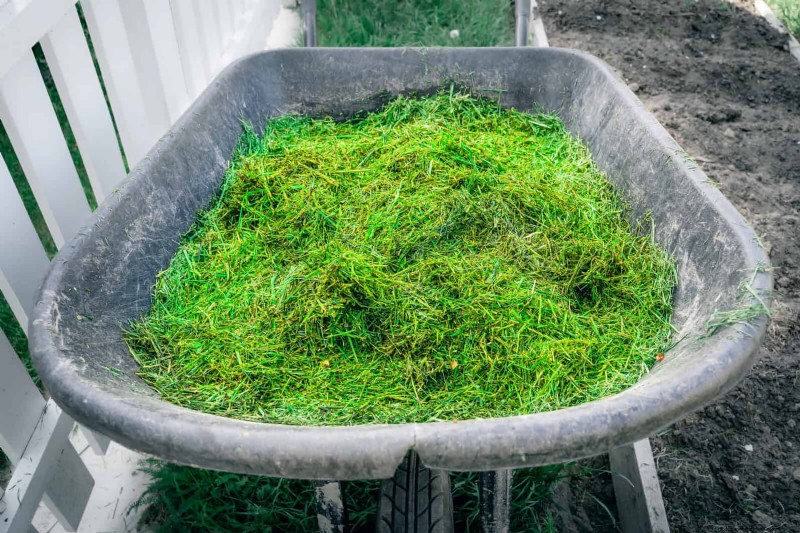
Those grass clippings from your lawn mower are packed with nitrogen and can be used in several ways to feed your garden. Fresh clippings contain about 4% nitrogen by weight, making them an excellent green material for composting or direct application.
For best results, use clippings only from lawns that haven’t been treated with herbicides or pesticides. Chemical residues can harm your garden plants or contaminate edible crops. Most lawn chemicals break down after several mowings, so wait a few weeks after treatment before using clippings.
 Depositphotos
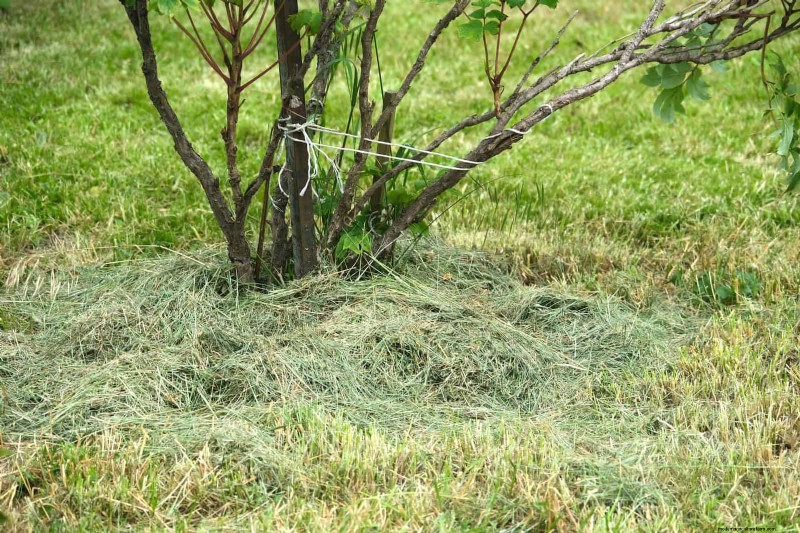
The easiest approach is to use grass clippings as mulch, applying a thin layer (no more than 1-2 inches) around plants. As they decompose, they release nitrogen directly into the soil. Avoid thick layers, which can become slimy and prevent air circulation.
For a more processed approach, add grass clippings to your compost pile, mixing them with brown materials like dried leaves or newspaper. The high nitrogen content makes grass clippings a perfect “green” component that helps heat up your compost pile for faster decomposition.
 Depositphotos
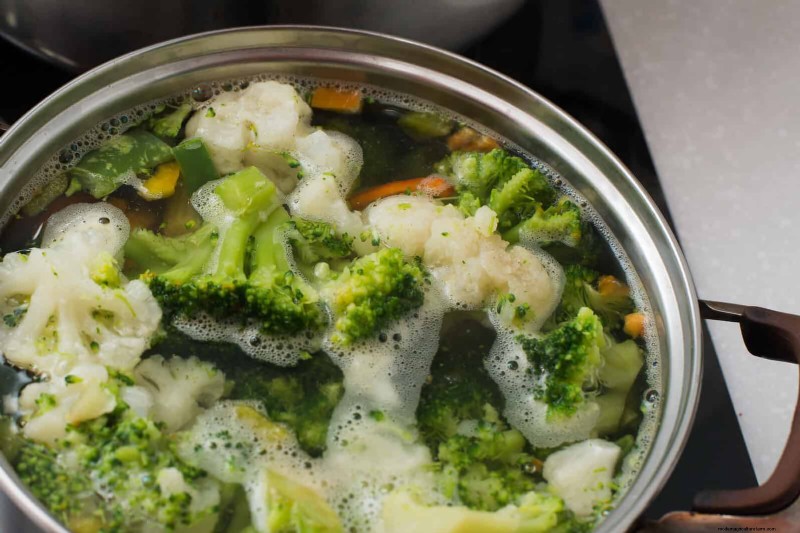
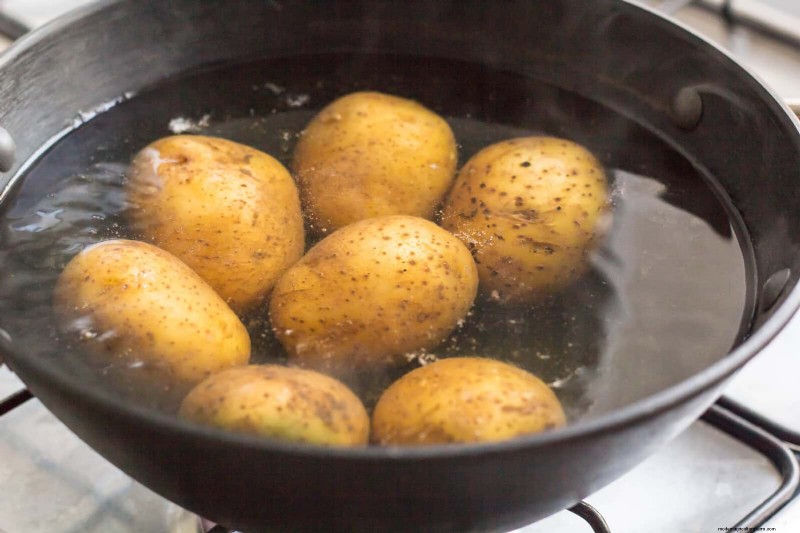
The water used to boil vegetables contains valuable nutrients that leach out during cooking. Instead of pouring this nutritious liquid down the drain, save it for your plants. The water from boiled eggs is particularly valuable as it contains calcium leached from the shells.
Allow the cooking water to cool completely before application. The nutrient content varies depending on what was cooked, but generally, you’ll be capturing minerals like calcium, phosphorus, and nitrogen that would otherwise be wasted.
 Depositphotos
Never use cooking water that contains salt, oil, or butter, as these can harm plants. Salt is particularly damaging to soil structure and plant roots. Also, avoid using water to cook meat, which can attract pests and create unpleasant odors as it decomposes.
Potato water is an exception that should be used cautiously. While it contains nutrients, it may also contain solanine, which is toxic to some plants. To minimize any potential negative effects, dilute potato water with equal parts fresh water before application.
 Depositphotos
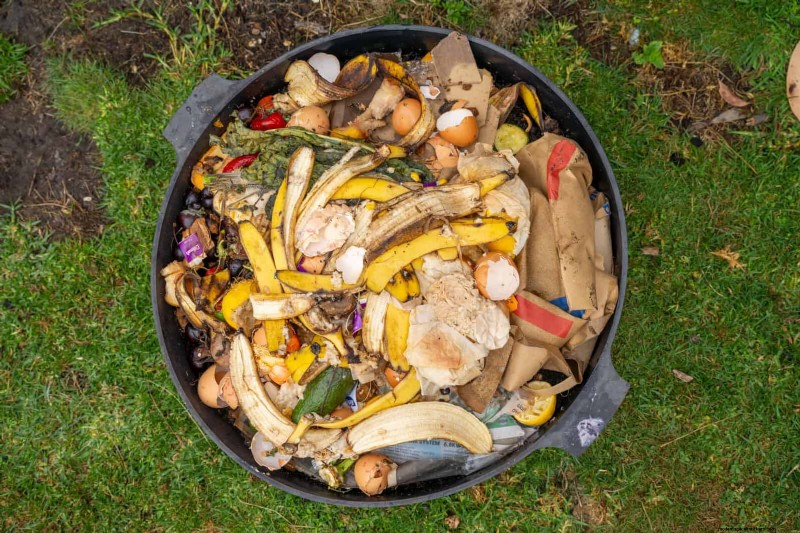
Hair collected from brushes or saved from haircuts provides slow-release nitrogen as it breaks down. Hair is composed primarily of keratin protein, which contains about 16% nitrogen by weight. It takes several months to decompose, providing a long-lasting nutrient source.
Hair also contains small amounts of nitrogen, magnesium, sulfur, and carbon. These additional nutrients support overall plant health and soil structure. The slow breakdown means hair won’t burn plants like some faster-acting nitrogen sources might.
 Depositphotos
Sprinkle small snippets of hair around plants or mix them into the top few inches of soil. You can also add hair to your compost pile, which will eventually break down. Some gardeners place hair directly in planting holes when transplanting seedlings or perennials.
When repotting container plants, mix small amounts of hair into the soil. Hair’s slow-release nature makes it an excellent addition to container gardens, where nutrients can be quickly depleted through frequent watering.
 Depositphotos
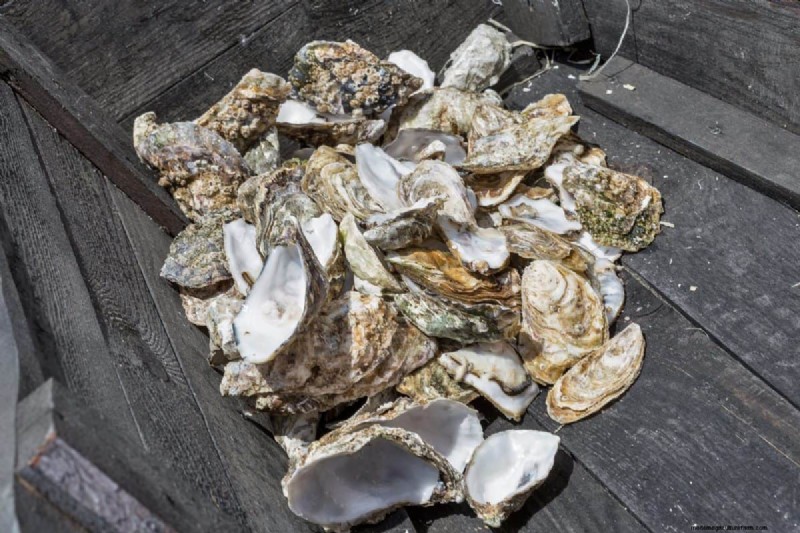
Crushed oyster shells are almost pure calcium carbonate, making them an excellent soil amendment for calcium-hungry plants like tomatoes, peppers, and eggplants. They help prevent blossom end rot while improving overall fruit quality and plant strength.
Beyond adding calcium, oyster shells gradually raise soil pH, making them ideal for naturally acidic soils. The coarse texture of crushed shells also improves drainage in heavy clay soils while creating beneficial air pockets for root development.
 Shutterstock
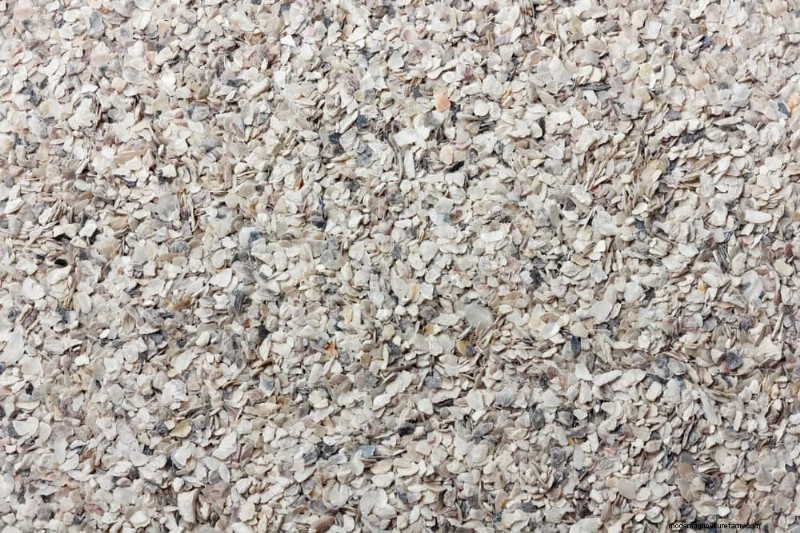
Sprinkle crushed oyster shells around the base of plants at a rate of about one pound per 10 square feet. Work them lightly into the top inch of soil. For containers, mix about a quarter cup into each gallon of potting mix before planting.
For faster results, grind oyster shells into a fine powder using a coffee grinder dedicated to garden use. This powder releases calcium more quickly than coarse pieces. Apply the powder at half the rate of coarse shells, as it’s more concentrated and immediately available to plants.
 Depositphotos
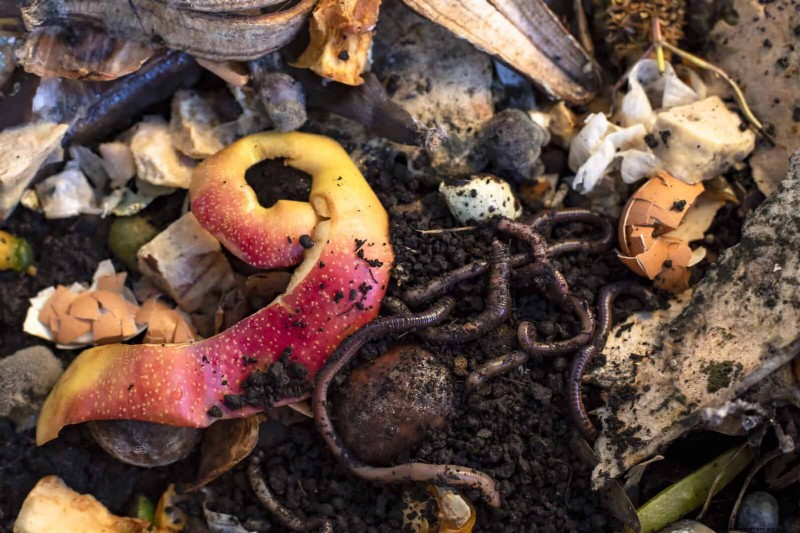
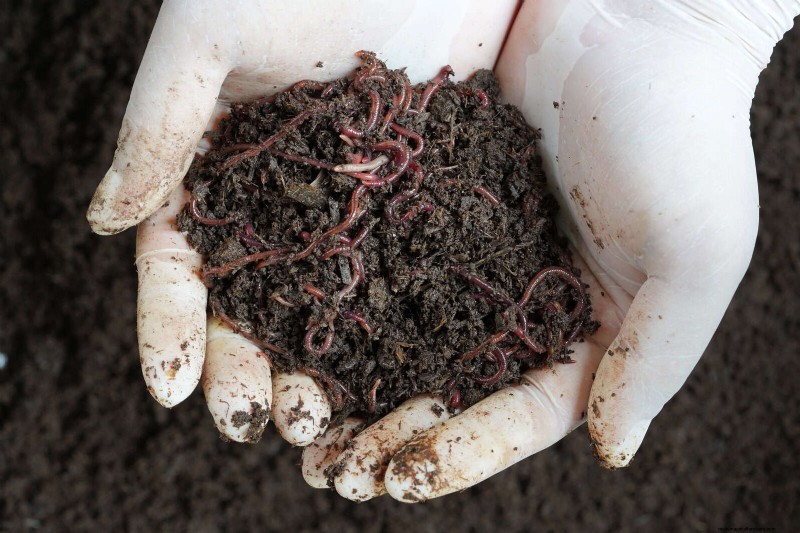
Worm castings are the digested waste from earthworms and represent one of nature’s most perfect plant foods. They contain essential nutrients in forms plants can readily use, plus beneficial microbes that support soil health. They’re mild enough to use on seedlings yet effective enough for mature plants.
If you have a worm bin, you’re already producing this premium fertilizer at home. Worm castings improve soil structure, enhance water retention, and provide slow-release nutrients that feed plants for months. They also contain growth hormones and enzymes that stimulate plant growth.
 Depositphotos
For potted plants, mix worm castings into the soil at a ratio of about 1:4 (one part castings to four parts soil). For garden beds, spread a half-inch layer over the soil surface and gently work it in. There’s no risk of burning plants with worm castings, so you can apply them generously.
Make a worm casting “tea” by steeping one cup of castings in a gallon of water for 24 hours. Use this nutrient-rich liquid to water plants or as a foliar spray. The beneficial microorganisms in the tea help suppress disease and make nutrients more available to plants.
 Depositphotos
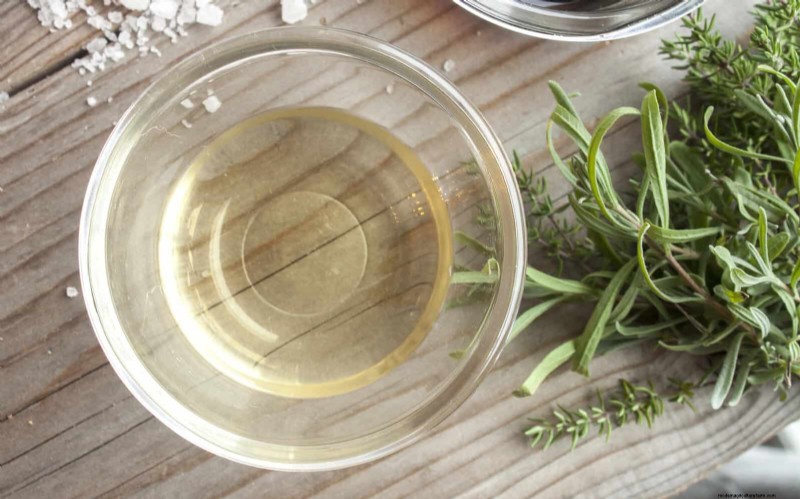
White vinegar can be used to lower soil pH for acid-loving plants like blueberries, azaleas, and rhododendrons. The acetic acid in vinegar quickly changes soil chemistry, making nutrients more available to plants that thrive in acidic conditions.
Use vinegar very sparingly and in diluted form, as concentrated applications can harm plants. A solution of one tablespoon of white vinegar in a gallon of water makes a mild acidifier that can be applied monthly during the growing season to maintain soil acidity.
 Depositphotos
Never apply undiluted vinegar directly to plants or soil, as it can kill beneficial organisms and damage plant roots. Always dilute it significantly before use. For container plants, a weaker solution of one teaspoon per gallon is safest.
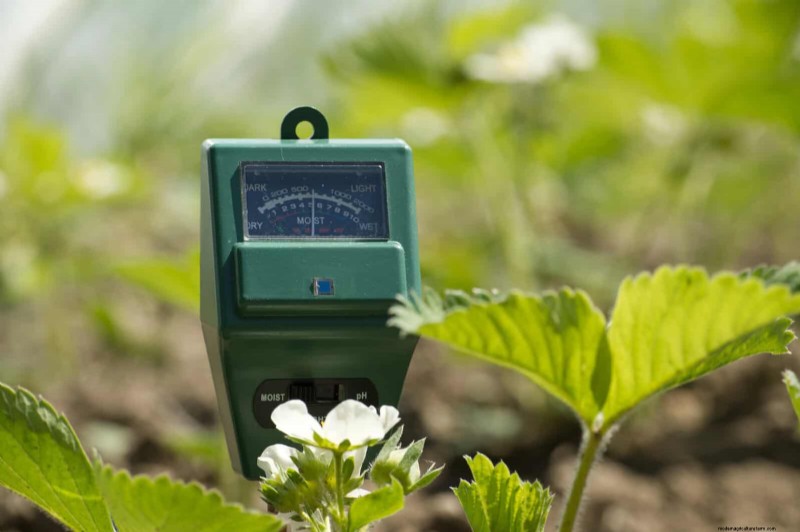
Test your soil pH before and after application to monitor changes. Vinegar’s effects are temporary, so repeated applications may be necessary. This makes it ideal for container gardens where you want to maintain specific soil conditions for acid-loving plants.
 Depositphotos
Natural fertilizers from your home aren’t just economic; they’re often more balanced than commercial products. They release nutrients gradually, reducing the risk of fertilizer burn while promoting long-term soil health. Plus, you’ll be keeping valuable organic matter out of landfills.
Start small by experimenting with one or two of these natural fertilizers. Pay attention to how your plants respond, then gradually incorporate more options. Your garden will reward you with healthier growth, more abundant harvests, and the satisfaction of creating a sustainable growing system right in your own backyard.
Help your snake plant thrive with 14 Best Fertilizers For Snake Plants.