
Welcome to Modern Agriculture!

 Depositphotos.com
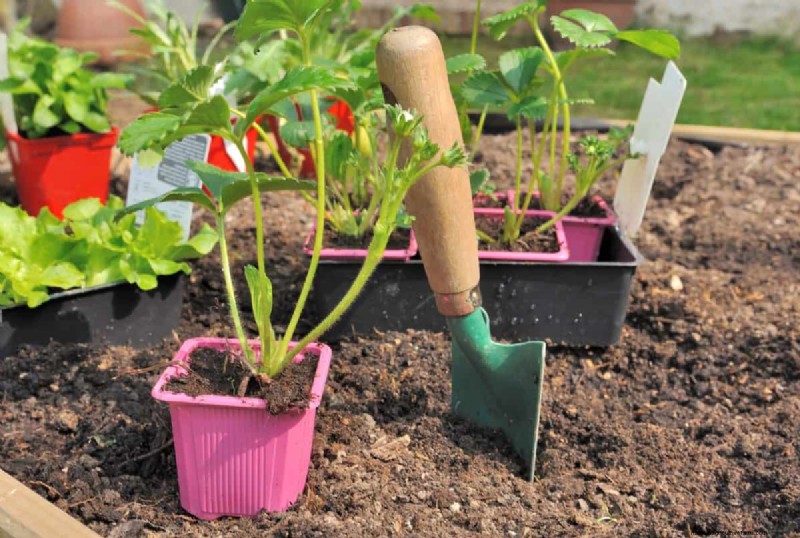
Clay soil can feel like a gardener’s worst nightmare. It’s heavy, dense, and seems to suffocate plants instead of nourishing them. But transforming that stubborn clay into rich, healthy soil isn’t as difficult as you might think.
Working with clay soil doesn’t require expensive equipment or complicated techniques. Simple household items and natural materials can dramatically improve soil structure over time. Your garden will thank you with better growth and healthier plants.
 Depositphotos.com
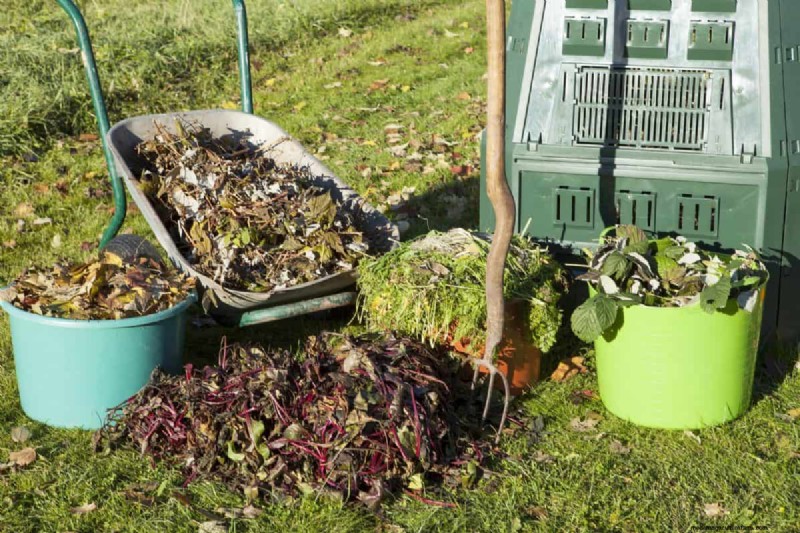
Clay soil lacks air pockets and proper drainage that plants need to thrive. Adding organic matter is the single most effective way to improve clay soil structure. Materials like compost, aged manure, and leaf mold create spaces between clay particles, allowing roots to breathe and water to drain.
The magic happens as organic matter breaks down in the soil. Microorganisms digest these materials and release nutrients while creating tiny tunnels throughout the soil. Apply a 2-3 inch layer of compost to your garden beds annually. Then work it into the top 6-8 inches of soil for best results.
 Depositphotos.com
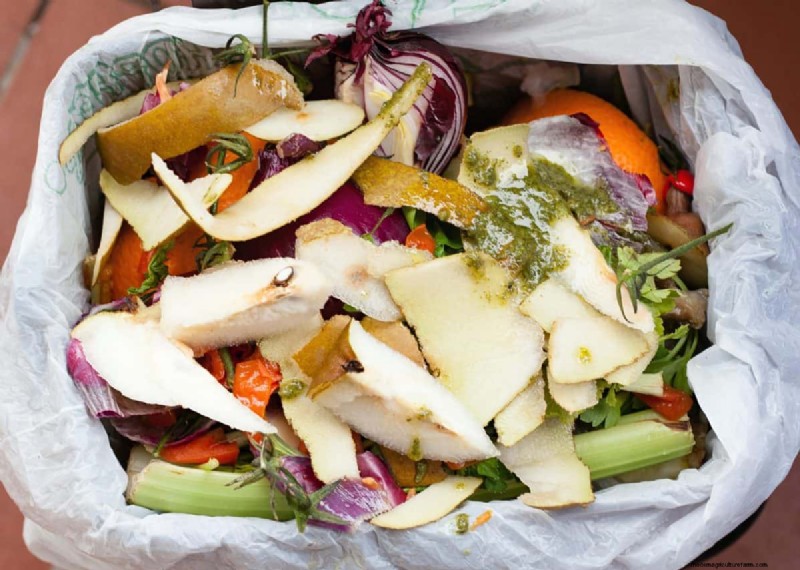
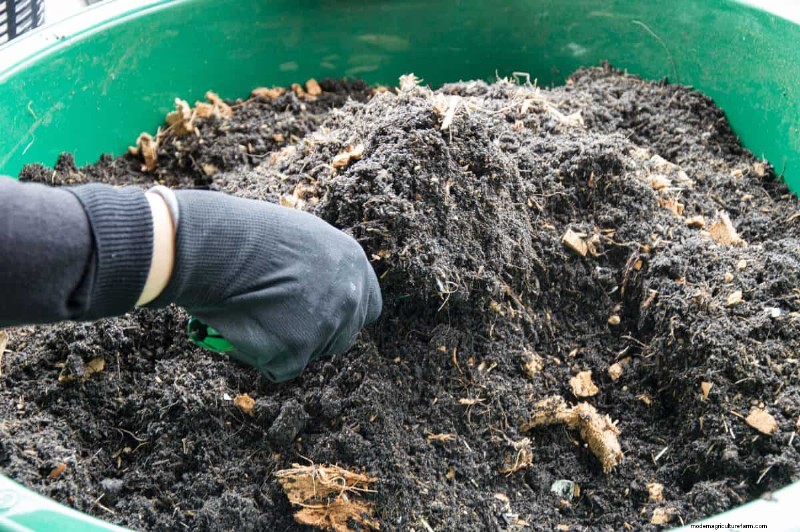
Not all organic matter performs equally in clay soil. Compost works wonders because it’s already partially broken down and teeming with beneficial microbes. Kitchen scraps, yard waste, and fallen leaves transformed through composting become black gold for your garden.
Aged manure provides similar benefits but adds extra nitrogen. Be careful with fresh manure as it can burn plants. Leaf mold, simply decomposed autumn leaves, works beautifully in clay soil. It’s light, fluffy, and creates perfect soil structure. And it’s free if you have deciduous trees nearby.
We'll email it to you so you can read it later!
By saving, you agree to receive occasional emails. Unsubscribe anytime.
 Shutterstock.com
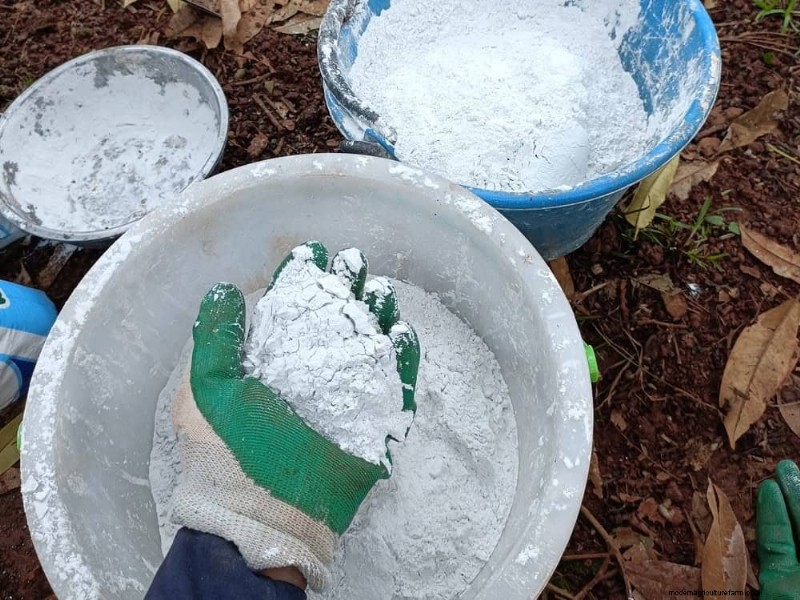
Gypsum (calcium sulfate) works specifically to break apart clay soil molecules. Unlike lime, gypsum doesn’t alter soil pH, making it safe for most gardens. The calcium replaces sodium in the soil, which prevents clay particles from sticking together in tight clumps.
Application rates typically range from 40 to 100 pounds per 1,000 square feet. Spread gypsum evenly over your garden bed and water it in thoroughly. The results aren’t immediate but over several months, you’ll notice improved drainage and easier digging. Your plants will develop stronger root systems too.
 Depositphotos.com
Gypsum isn’t a universal solution for all clay soils. It works most effectively on sodic soils with high sodium content. These soils often develop in arid regions or areas with poor drainage. If your soil contains high calcium already, gypsum might provide minimal benefits.
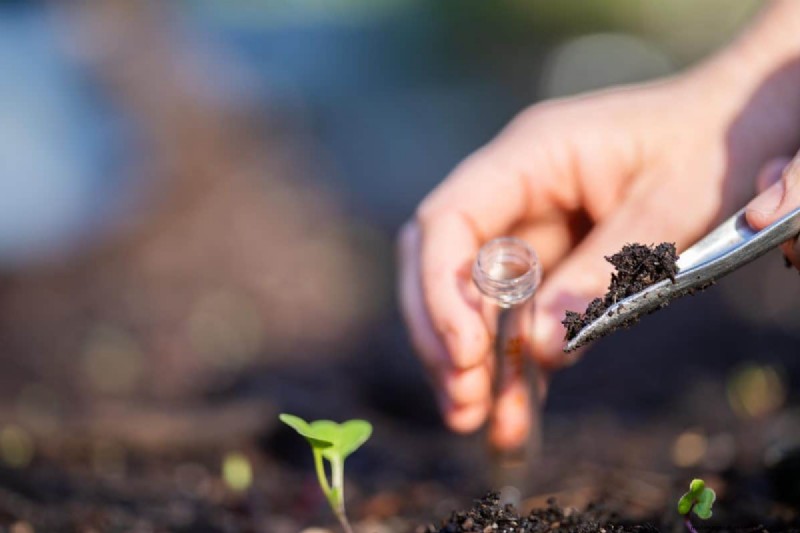
Test your soil before applying gypsum. If sodium levels are normal, you might be better off focusing on organic amendments instead. Professional soil tests from your local extension office can provide this information. They typically cost $15-30 but save money in the long run.
 Depositphotos.com
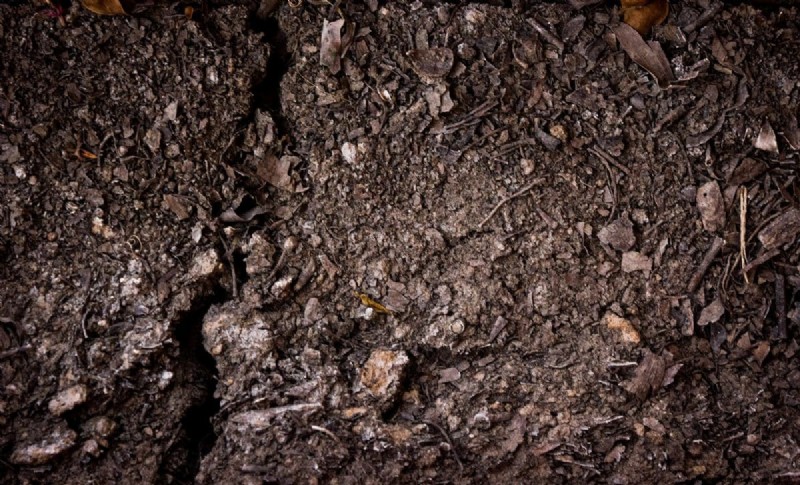
Working with wet clay soil creates more problems than it solves. When clay is wet, it compacts easily under foot traffic or garden tools. This compaction can last for years, creating an even harder environment for plant roots to penetrate.
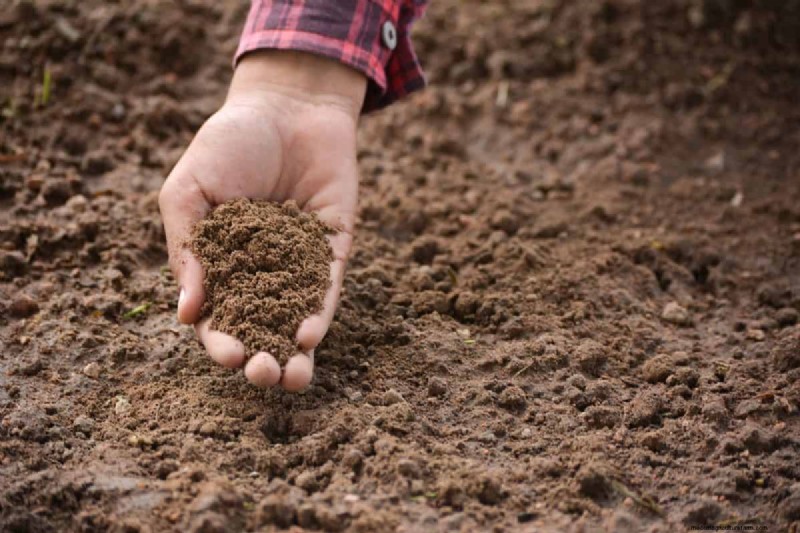
The simple test for soil readiness is to squeeze a handful of soil in your palm. If it forms a tight ball that doesn’t crumble when poked, it’s too wet to work. Wait until it dries out enough to crumble slightly. Patience here prevents long-term damage to your soil structure.
 Depositphotos.com
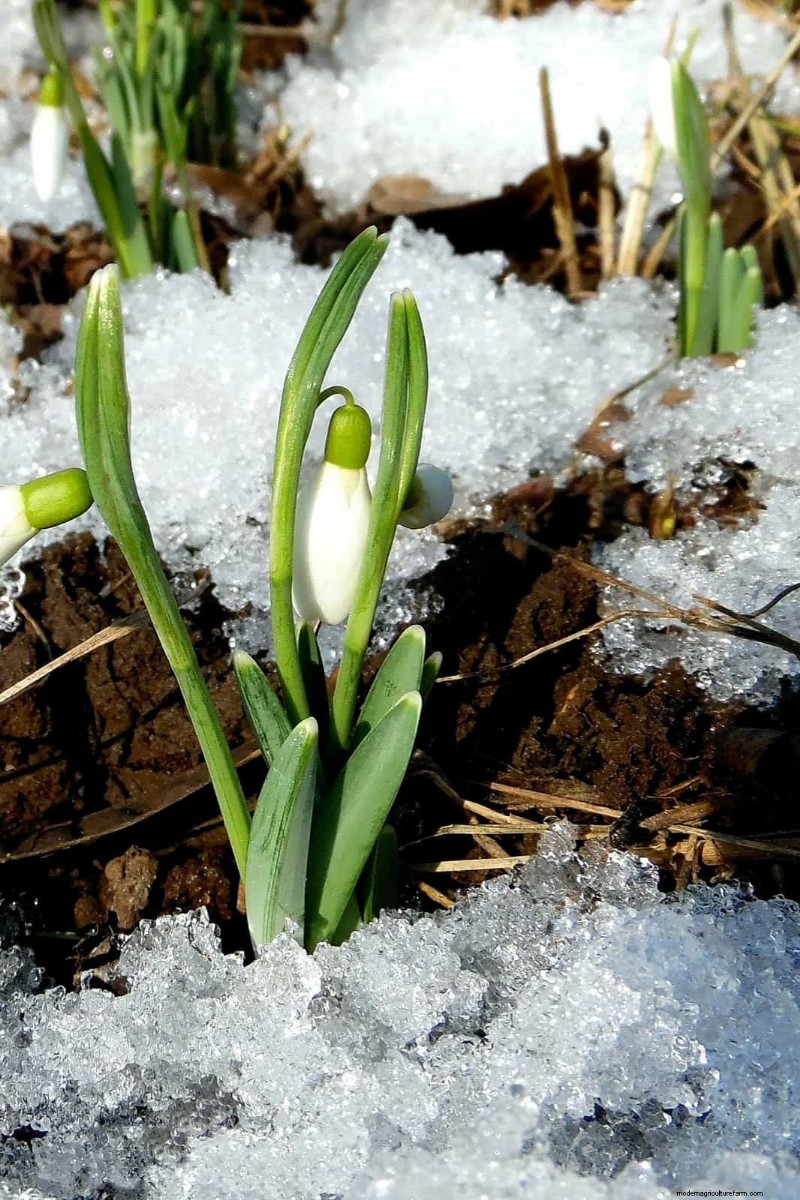
Strategic timing makes all the difference when improving clay soil. Fall is ideal for major amendments as the soil has time to integrate changes before spring planting. The freeze-thaw cycles of winter help break apart clay clumps naturally when amendments are already present.
Spring work should wait until soil has properly dried. Early morning might seem convenient, but soil often holds overnight moisture. Mid-afternoon usually provides better working conditions. And never work soil after a rain; wait at least 2-3 days for proper drainage.
 Depositphotos.com
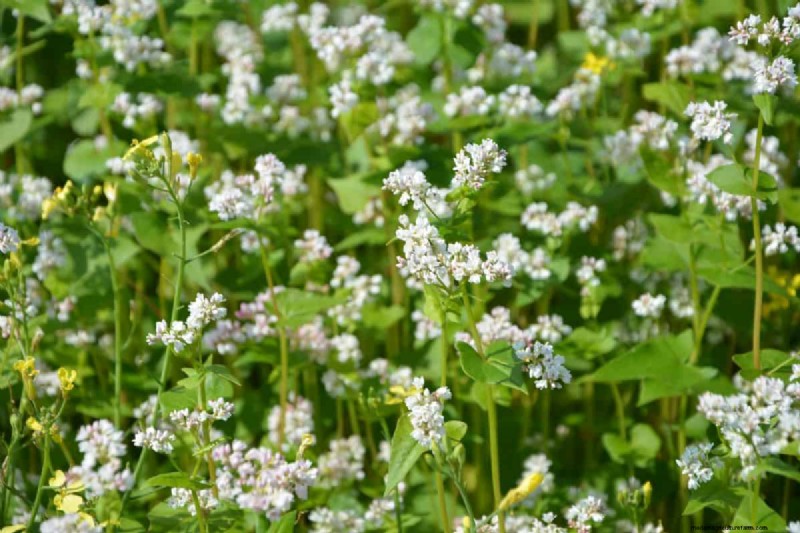
Cover crops work like underground engineers, breaking up clay with their roots while adding organic matter. Plants like clover, winter rye, and buckwheat send roots deep into clay soil, creating channels for air and water. When turned under, they decompose and feed soil microbes.
The process is simple but effective. Sow cover crop seeds in fall after harvest or in early spring before planting. Allow them to grow until flowering begins, then cut them down and either turn them under or leave them as mulch. Their decomposing roots continue improving soil even after the plants are gone.
 Depositphotos.com
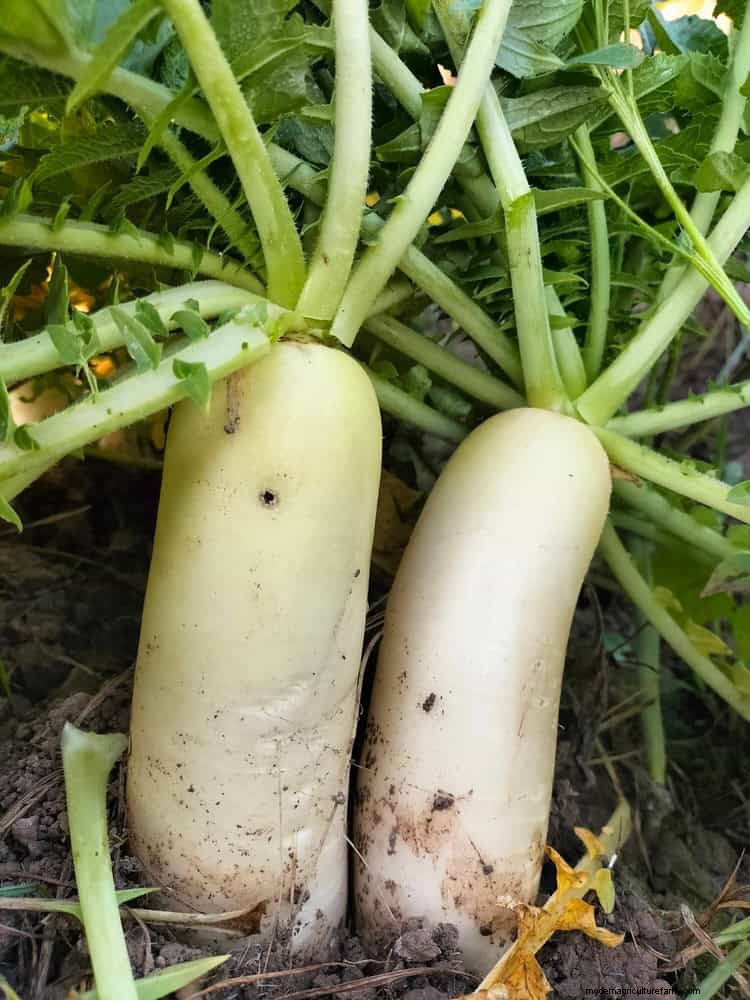
Some cover crops excel specifically in clay soil conditions. Daikon radish, also called tillage radish, produces thick taproots that can penetrate 12 inches or more into compacted clay. As these decompose, they leave perfect channels for water drainage and future plant roots.
Cereal rye thrives in the cool seasons when gardens often sit empty. Its extensive, fibrous root system breaks up clay effectively. Crimson clover adds nitrogen while improving soil structure. For summer coverage, buckwheat grows quickly and suppresses weeds while loosening clay with its roots.
 Depositphotos.com
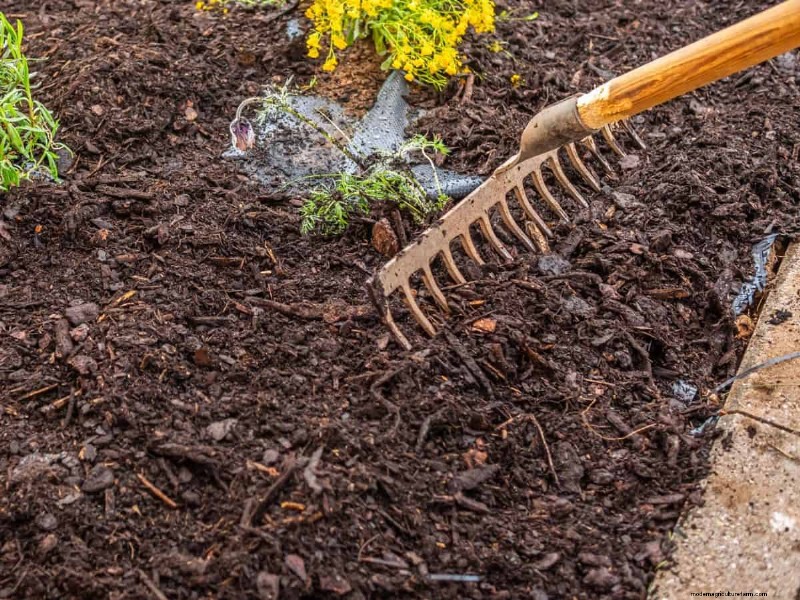
Mulch protects clay soil from the elements while slowly improving its structure. A 2-3 inch layer of organic mulch prevents the surface from forming a hard crust after rain. It also regulates soil temperature and prevents moisture evaporation, creating better conditions for beneficial soil organisms.
As mulch breaks down, it contributes organic matter to the soil beneath. Wood chips, straw, shredded leaves, or grass clippings all make excellent mulches for clay soil. The decomposition happens slowly, providing ongoing soil improvement without requiring much effort from you.
 Depositphotos.com
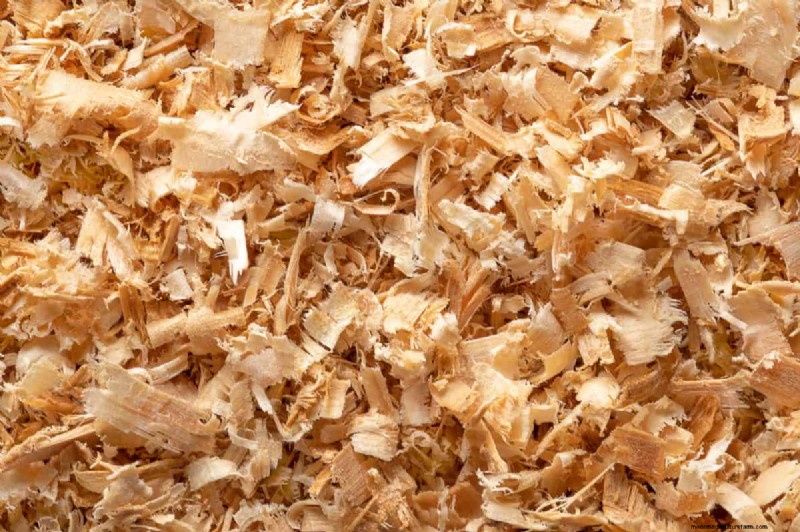
Different mulch materials offer unique benefits for clay soil. Coarse wood chips decompose slowly, providing long-lasting protection while gradually improving soil. They work particularly well around trees and perennial plants.
Straw decomposes more quickly but excels in vegetable gardens. It’s lightweight and doesn’t compact the soil beneath. Shredded leaves offer the perfect middle ground; they’re free, decompose at a moderate rate, and provide excellent nutrition. The best approach often combines different mulch types across your garden.
 Depositphotos.com
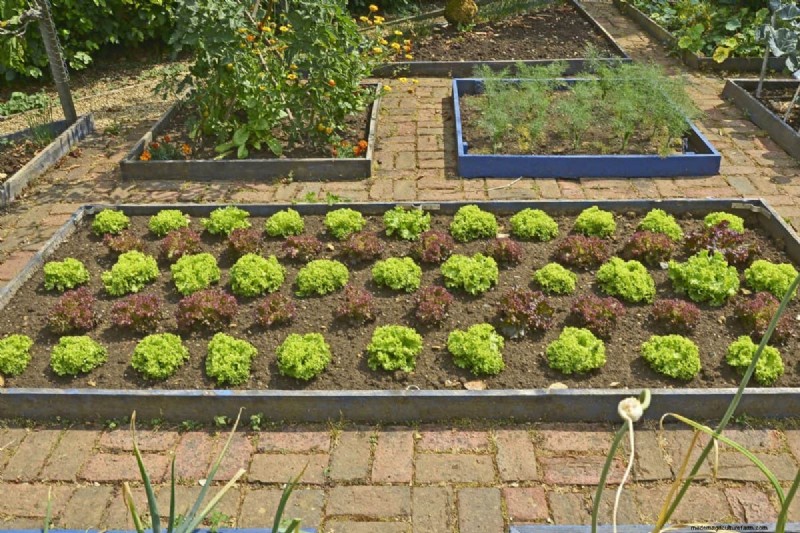
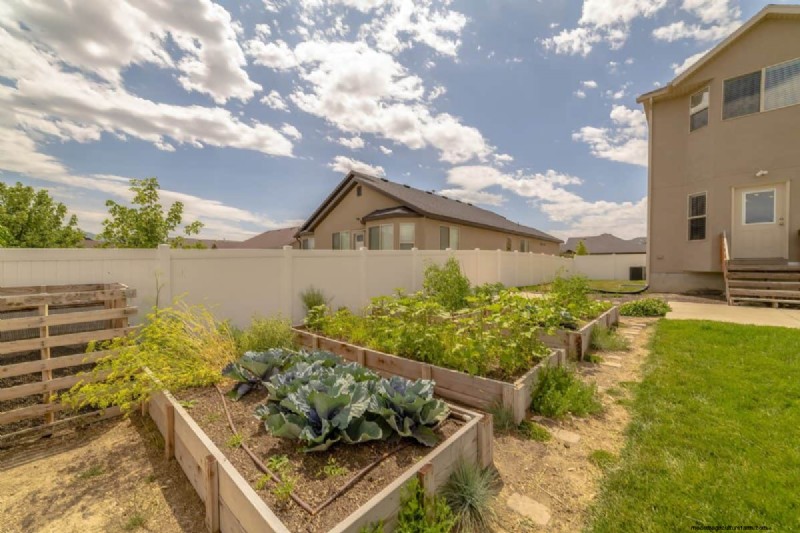
Raised beds offer an immediate solution to clay soil problems. By building up instead of digging down, you create perfect growing conditions without waiting years for soil improvement. Even 6-8 inches of height provides enough space for many plants to thrive.
Creating raised beds doesn’t require expensive materials. Simple wooden frames, cinder blocks, or even mounded soil can define your growing areas. Fill with a mixture of topsoil, compost, and other amendments for immediate planting. The clay below will gradually improve as worms and roots penetrate the boundary.
 Depositphotos.com
The right materials make raised beds both functional and attractive. Untreated cedar or redwood lasts for years without leaching chemicals into your soil. Concrete blocks provide permanence and thermal mass, holding heat that extends your growing season.
For quick results, try straw bale gardening right on top of your clay soil. The decomposing straw creates perfect growing conditions while gradually improving the clay beneath. Metal stock tanks with drainage holes make attractive raised beds that prevent weed intrusion from below.
 Depositphotos.com
Adding sand to clay soil is a controversial technique that requires careful execution. When done improperly, it can create a concrete-like substance that’s worse than the original clay. The key is using coarse builder’s sand (not fine play sand) and adding sufficient organic matter simultaneously.
The proper ratio matters tremendously. You’ll need about 70% coarse sand to 30% clay soil to effectively change the structure. Any less sand results in poor results. Always mix in organic matter when adding sand to prevent compaction. Without organic matter, sand and clay combine to form a brick-like structure in your garden.
 Depositphotos.com
Better alternatives to sand exist for most garden situations. Expanded shale, a lightweight material created by heating shale rock, creates permanent pore spaces in clay soil without risk of compaction. It’s more expensive than sand but provides lasting results.
Perlite and vermiculite serve similar functions on a smaller scale. These lightweight volcanic materials create air pockets in soil and improve drainage. They work particularly well in container gardens or small beds where clay soil needs immediate improvement.
 Depositphotos.com
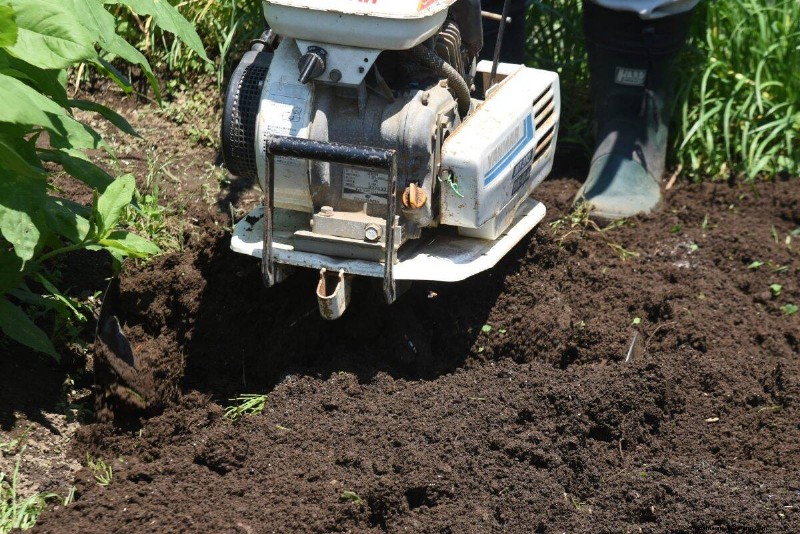
Core aeration provides immediate relief for compacted clay soil. This process removes small plugs of soil, creating channels for air, water, and nutrients. You can rent mechanical aerators for large areas or use manual tools for smaller gardens.
The process works best when soil is slightly moist but not wet. Aim to remove cores about 3 inches deep and 2-4 inches apart. Leave the soil plugs on the surface where they’ll break down naturally. After aeration, apply compost to fill the holes with organic matter that continues improving soil structure.
 Depositphotos.com
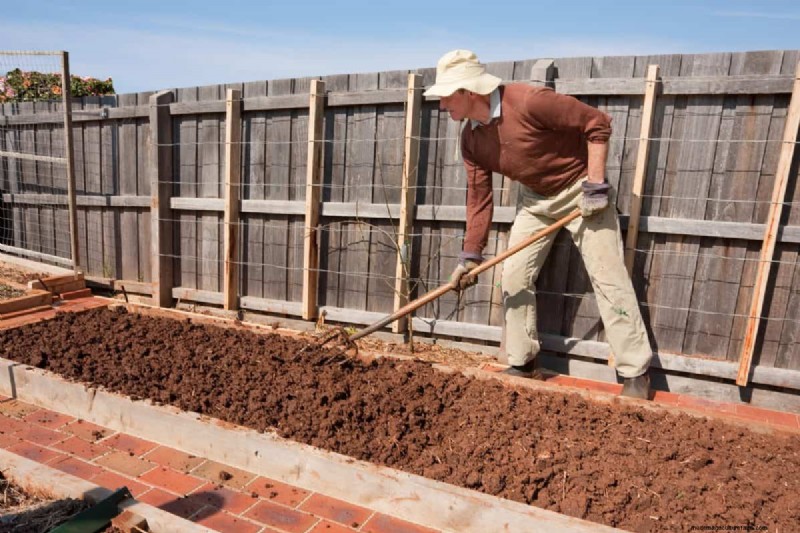
You don’t need expensive equipment to aerate clay soil effectively. A garden fork pushed into the soil and gently wiggled creates excellent aeration channels. Repeat this process every 4-6 inches throughout your garden bed for best results.
For lawn areas, special aerating sandals with spikes can be worn while you do yard work. Though less effective than core aeration, they still help dense clay soils. Another simple method uses a length of rebar or similar metal rod as a makeshift deep-tine aerator in vegetable gardens.
 Depositphotos.com
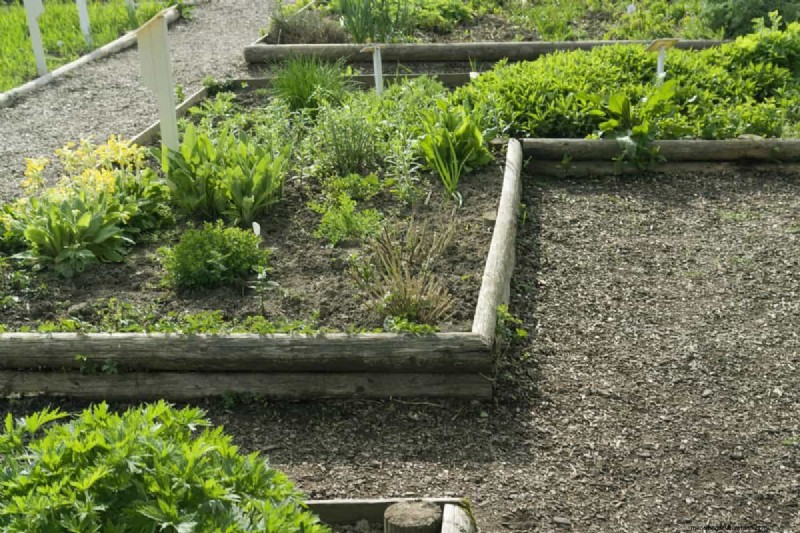
Consistent foot traffic compacts even the healthiest soils. On clay soil, the effect is dramatically worse and can undo months of improvement efforts. Creating designated pathways through your garden prevents this damage and keeps growing areas loose and friable.
Permanent paths made from wood chips, gravel, or stepping stones clearly define walking areas. Some gardeners use boards temporarily placed on the soil during wet periods. The key is consistency; train yourself and others to use only the pathways, even when it means taking a few extra steps.
 Depositphotos.com
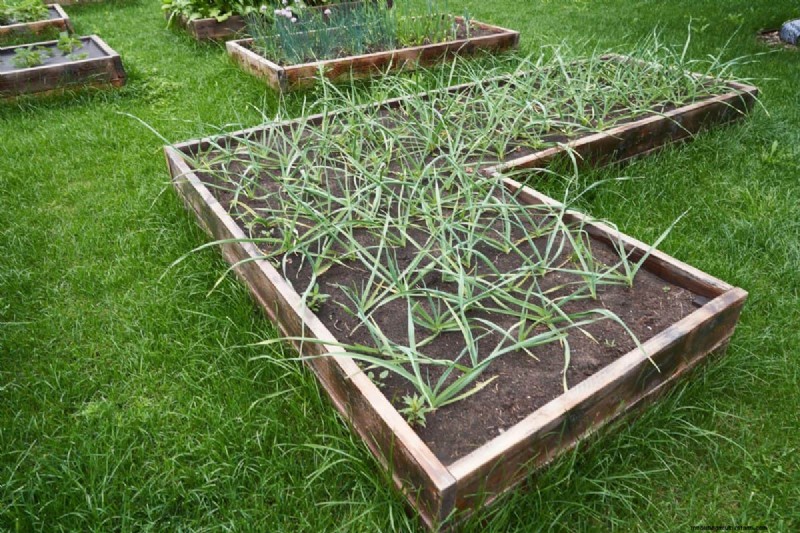
Designing your garden with zones reduces the need to walk on growing areas. Create beds no wider than four feet so you can reach the center from either side without stepping in. This approach maximizes growing space while minimizing soil compaction.
Consider the workflow of your garden activities. Place frequently harvested crops like herbs and salad greens nearest to garden entrances. Position compost bins where they’re easily accessible without crossing planting areas. A little planning prevents countless instances of soil compaction.
 Shutterstock.com
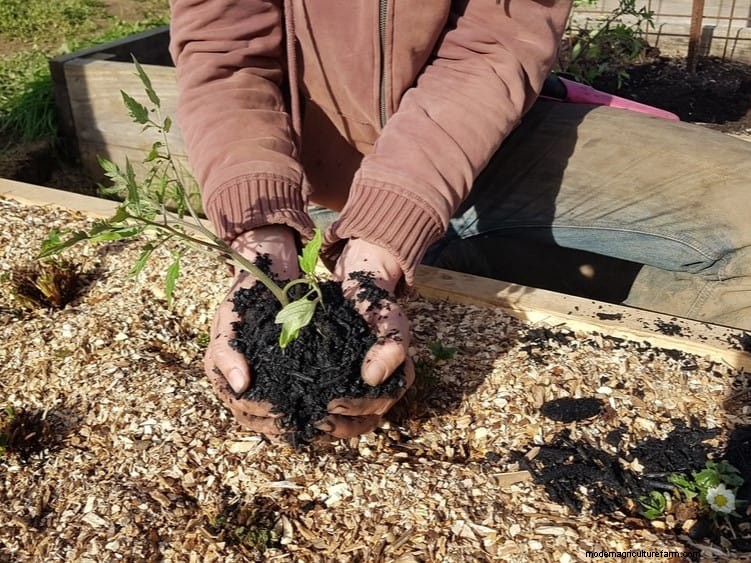
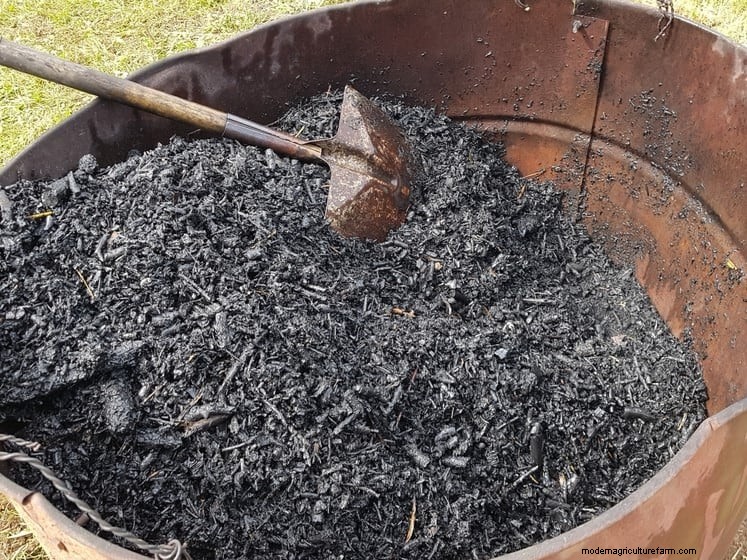
Biochar offers a modern solution to an ancient soil improvement technique. This specialized charcoal creates permanent pore spaces in clay soil while providing habitat for beneficial microorganisms. Unlike other amendments that decompose over time, biochar remains stable for decades or even centuries.
Application rates typically range from 5-10% by volume mixed into the top 6-8 inches of soil. Always “charge” biochar before application by soaking it in compost tea or liquid fertilizer. This prevents it from temporarily binding nutrients in the soil. Once charged, biochar helps clay soil hold both water and nutrients in plant-available forms.
 Shutterstock.com
Commercial biochar can be expensive, but simple methods exist for making your own. A metal barrel with controlled airflow allows woody garden waste to transform into valuable biochar. The process requires careful attention to temperature and oxygen levels.
Before adding biochar to clay soil, crush it into small pieces and mix it with compost. This combination provides immediate benefits while setting the stage for long-term soil improvement. Apply in fall for best results, giving soil organisms time to colonize the biochar before spring planting.
 Depositphotos.com
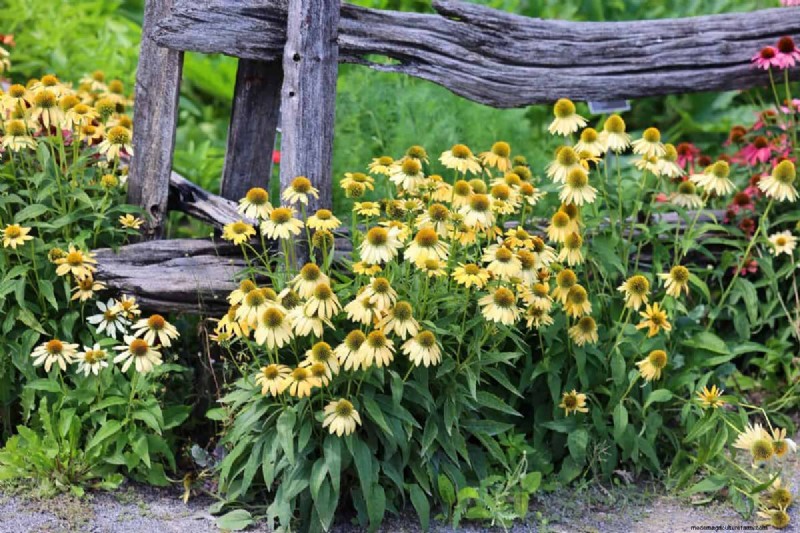
While improving your soil, select plants naturally adapted to clay conditions. Many native species evolved in clay soils and thrive without extensive amendments. Plants like coneflower, black-eyed Susan, and switchgrass develop strong root systems capable of penetrating dense soil.
Numerous shrubs and trees also tolerate clay soils beautifully. Serviceberry, ninebark, and viburnum species all grow well in clay while helping improve soil structure with their roots. Their leaf litter adds organic matter annually, contributing to long-term soil health.
 Depositphotos.com
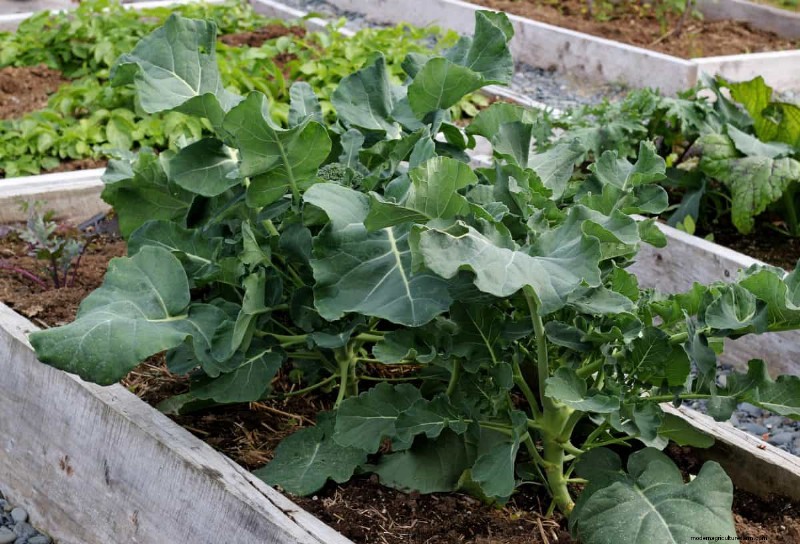
Some edible crops perform surprisingly well in clay soil. Brassicas like broccoli, cabbage, and kale often prefer the higher moisture retention of clay. Their strong roots help break up compacted soil while producing nutritious harvests.
Beans and peas not only tolerate clay but actually improve it by fixing nitrogen through symbiotic bacteria on their roots. Leafy greens like Swiss chard and collards also perform admirably in clay soils. By selecting appropriate crops, you can harvest successfully while gradually improving your soil conditions.
 Depositphotos.com
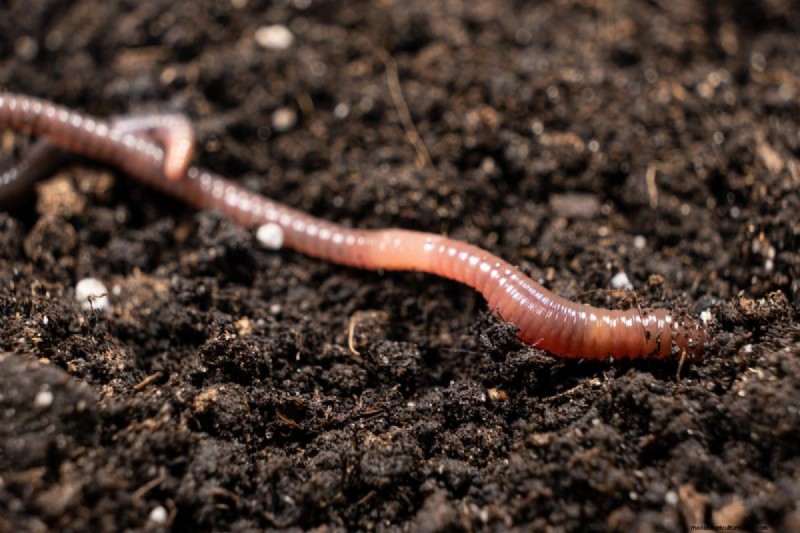
Earthworms serve as nature’s perfect soil improvers. Their tunneling creates drainage channels and air pockets throughout clay soil. Their castings (waste) provide concentrated nutrients and beneficial microorganisms exactly where plant roots need them.
Introducing worms to clay soil starts with making conditions hospitable for them. Apply organic matter to the surface as food and protection. Keep soil consistently moist but not waterlogged. Avoid chemical fertilizers and pesticides that harm worm populations. Within a season, you’ll notice increasing worm activity as soil conditions improve.
 Depositphotos.com
Not all earthworms perform the same functions in garden soil. Deep-burrowing nightcrawlers (Lumbricus terrestris) create vertical tunnels up to six feet deep, providing exceptional drainage channels through clay soil. Their castings bring minerals from deep soil layers to the surface.
Red wigglers (Eisenia fetida) work primarily in the top few inches of soil and process organic matter rapidly. They reproduce quickly in compost piles and can be transferred to garden beds. Field worms (Aporrectodea caliginosa) naturally colonize agricultural soils and create horizontal burrows that improve soil structure.
Depositphotos.com
Humic acid, derived from fully decomposed organic matter, accelerates clay soil improvement. This complex substance helps break chemical bonds between clay particles, preventing them from binding into impenetrable masses. It also enhances nutrient availability and stimulates beneficial microbial activity.
Application methods include liquid sprays or granular forms worked into the soil. Typical rates range from 5-10 pounds of dry product per 1,000 square feet. Results appear more quickly than with raw organic matter alone, often showing improvement within weeks rather than months.
 Depositphotos.com
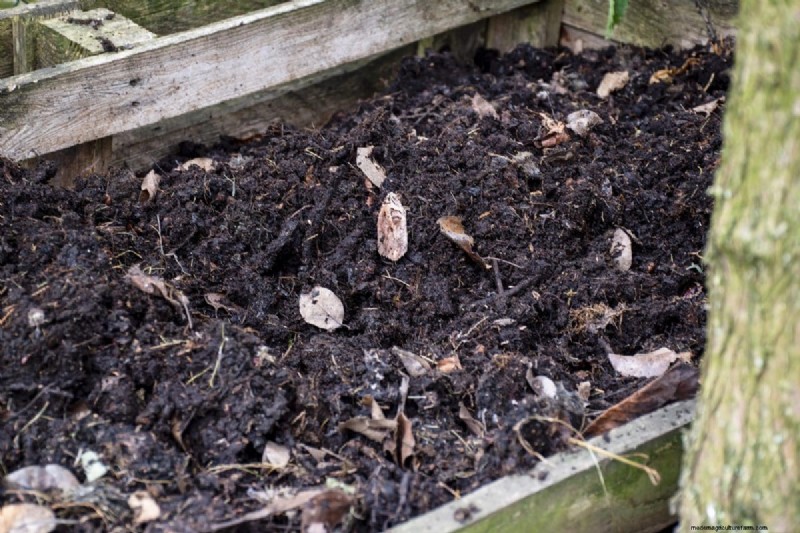
While concentrated humic acid products work quickly, natural sources provide similar benefits over time. Well-aged compost contains significant humic substances, especially if it includes decomposed leaves and wood. Leaf mold, the result of leaves decomposing for 1-2 years, offers exceptional levels of humic compounds.
Worm castings provide perhaps the most accessible form of natural humic substances. The digestive processes of earthworms transform organic matter into humus-rich material perfect for improving clay soil structure. Even a small worm bin can produce enough castings to treat container plants and small garden areas.
 Depositphotos.com
Improving clay soil requires patience and consistency, but the results transform your entire gardening experience. Each amendment and technique builds upon the others, creating a synergistic effect greater than any single approach. The key is starting somewhere and maintaining your efforts.
Remember that soil improvement happens gradually over seasons, not overnight. Focus on progress rather than perfection. Even small improvements in drainage and workability make significant differences in plant health and garden productivity. Your clay soil contains tremendous potential; these simple fixes unlock that potential one handful at a time.


