Welcome to Modern Agriculture!

 Depositphotos.com
Getting seeds to sprout can feel like a mysterious process. Some gardeners seem to have the magic touch while others struggle to see even a single seedling emerge from their carefully planted trays. The good news is that successful germination isn’t magic. It’s science combined with a few clever techniques.
Poor germination wastes money, time, and can seriously dampen your gardening enthusiasm. These practical hacks will dramatically improve your success rate and help you grow healthier, stronger seedlings from the start.
 Depositphotos.com
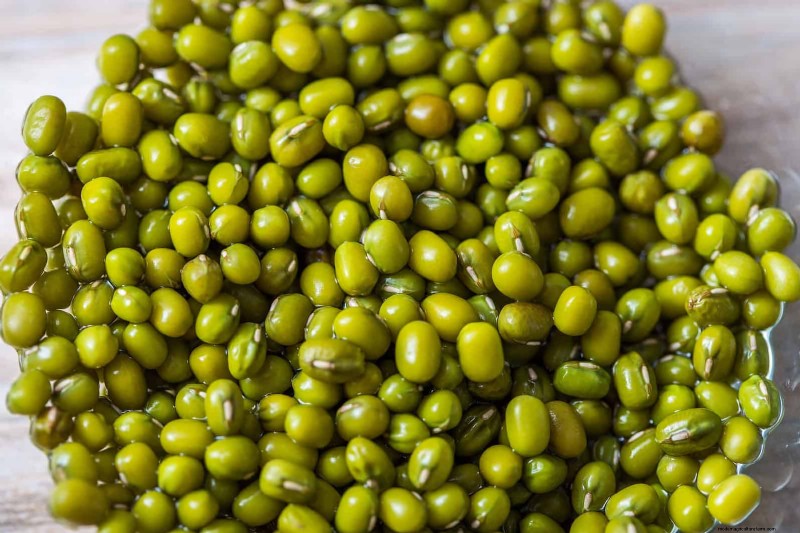
Hard-coated seeds often benefit tremendously from a good soak before planting. This process softens the seed coat and kickstarts the germination process by allowing water to penetrate more easily. Simply place your seeds in a small container with room temperature water for 12-24 hours before planting.
Some seeds respond particularly well to soaking, including sunflowers, peas, beans, and beets. You’ll notice these larger seeds plump up visibly during their bath. But don’t soak tiny seeds like lettuce or carrots-they’re too small and might drown or become difficult to handle when wet.
 Depositphotos.com
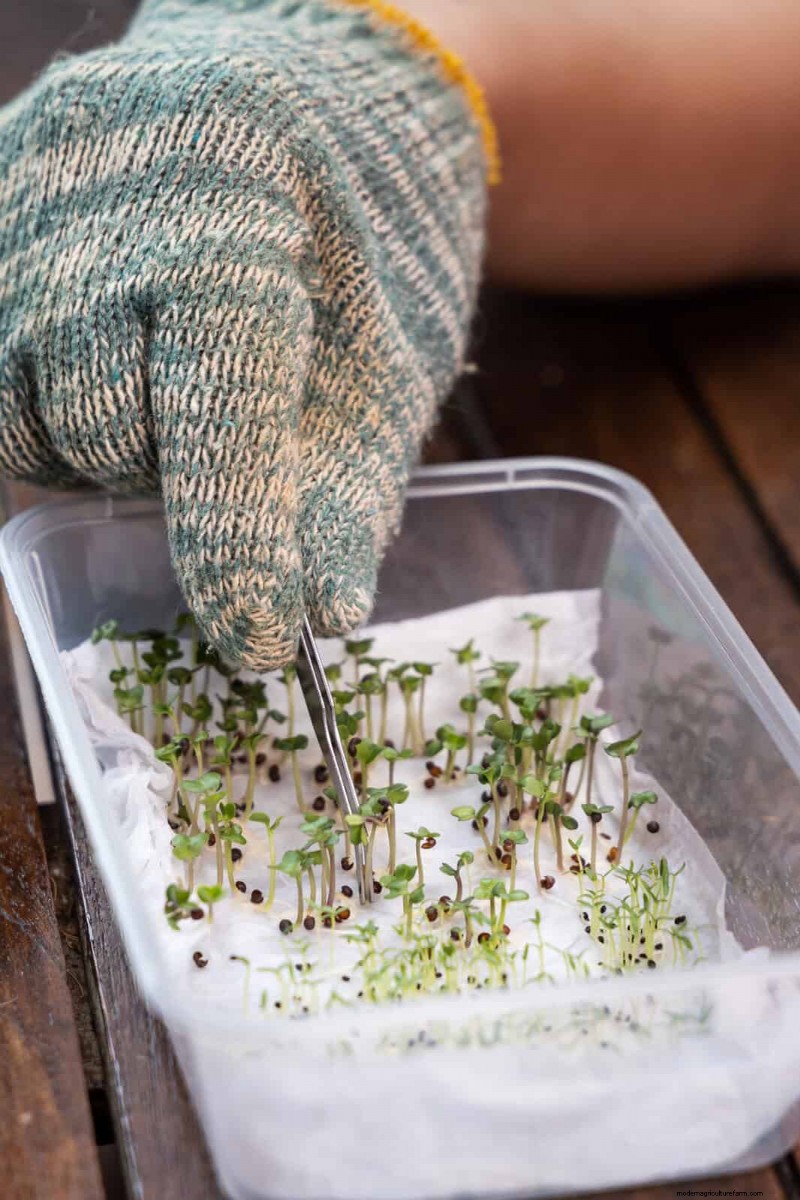
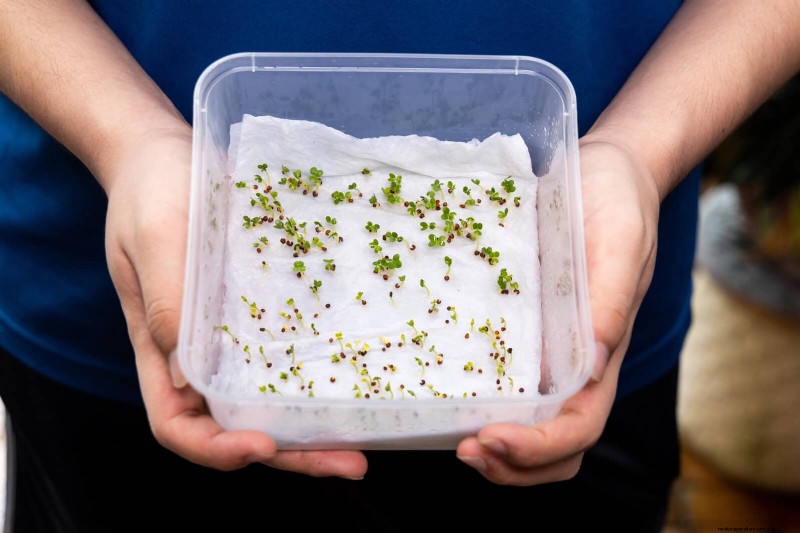
This method lets you see germination happening in real time while creating perfect moisture conditions. Dampen a paper towel (not soaking wet), place seeds on one half, fold the other half over them, and seal inside a zip-top bag. Store in a warm spot and check daily.
The paper towel technique works exceptionally well for testing older seed viability. It also gives you precise control over moisture levels and allows you to transplant only successfully germinated seeds into soil. Just be gentle when transferring the tiny sprouts to avoid damaging the delicate roots.
We'll email it to you so you can read it later!
By saving, you agree to receive occasional emails. Unsubscribe anytime.
 Shutterstock.com
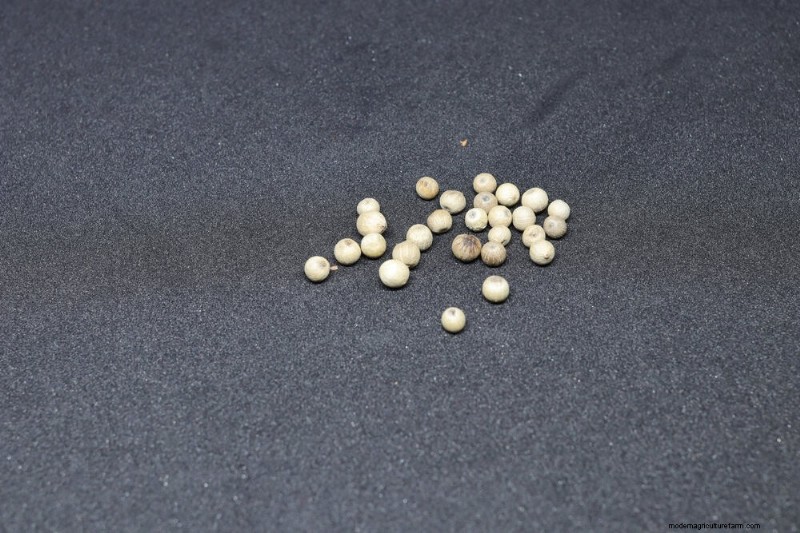
Some seeds have extremely hard outer coatings that water simply can’t penetrate without help. Scarification involves carefully nicking or scratching this outer layer. For large seeds like morning glories or moon flowers, gently file one spot with a nail file or sandpaper until you just break through the outer coating.
Nature performs scarification through freeze-thaw cycles, passing through animal digestive systems, or forest fires. In your garden, you’re simply mimicking these natural processes. Be careful not to damage the inside of the seed-you only need to breach the outer layer to allow water absorption.
 Depositphotos.com
Many perennial flower seeds and native plants require a cold period before they’ll germinate. This mimics winter conditions and breaks seed dormancy naturally. Place seeds in slightly damp sand or peat moss in a sealed container and refrigerate for 3-8 weeks depending on the species.
Cold stratification works wonders for echinacea, rudbeckia, and many native wildflowers. The cold period triggers internal changes in the seed that signal it’s time to grow when warmer conditions arrive. Skip this step and you might wait months or years for germination-if it happens at all.
 Depositphotos.com
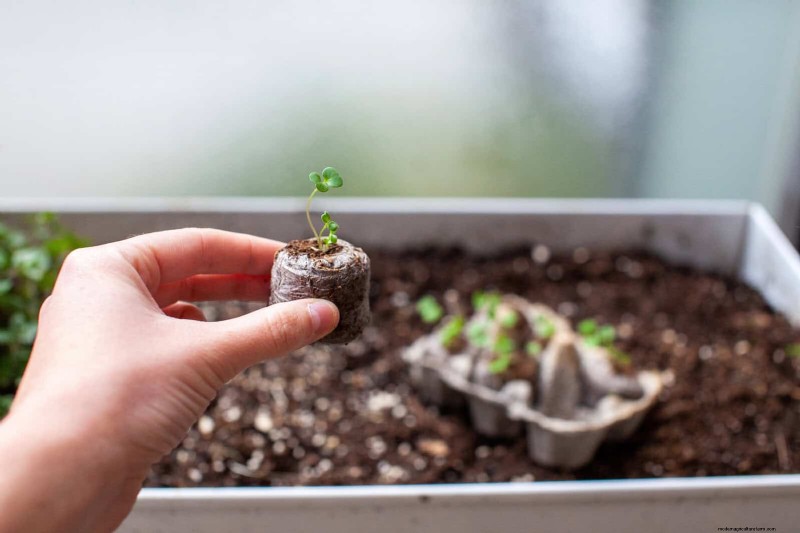
Heat-loving plants like tomatoes, peppers, and eggplants germinate best when soil temperatures stay consistently between 75-85°F. A seedling heat mat placed under your trays provides this steady bottom heat that dramatically speeds germination time and improves success rates.
Most heat mats are waterproof and use minimal electricity. The investment pays for itself quickly through better germination rates and faster starts. Just remember to remove seedlings from the heat once they’ve sprouted to prevent leggy growth caused by too much warmth.
 Depositphotos.com
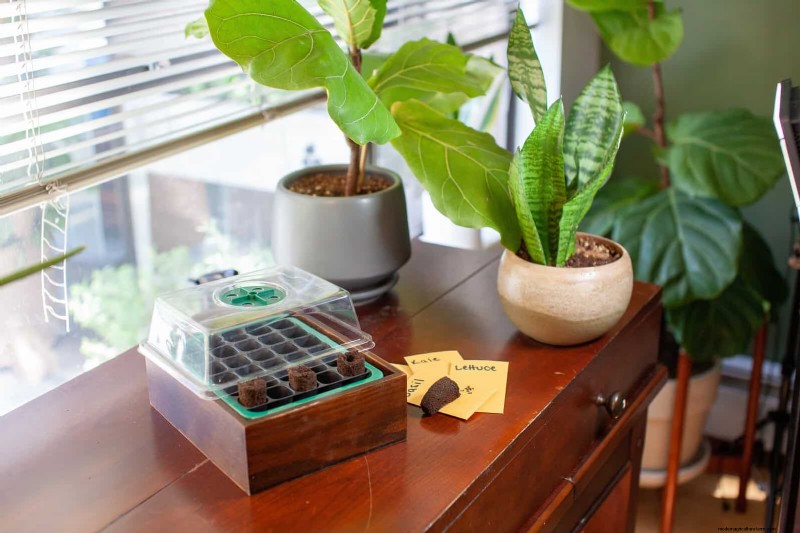
Humidity plays a crucial role in successful germination. Seeds need consistent moisture to sprout properly. Cover newly planted seed trays with plastic humidity domes, plastic wrap, or even repurposed clear plastic containers to create miniature greenhouses that lock in moisture.
The sealed environment maintains humidity levels near 100% without needing constant watering. This prevents the damaging cycle of wet-dry conditions that can kill emerging seedlings. Just be sure to remove covers once seedlings emerge to prevent mold and damping off disease.
 Depositphotos.com
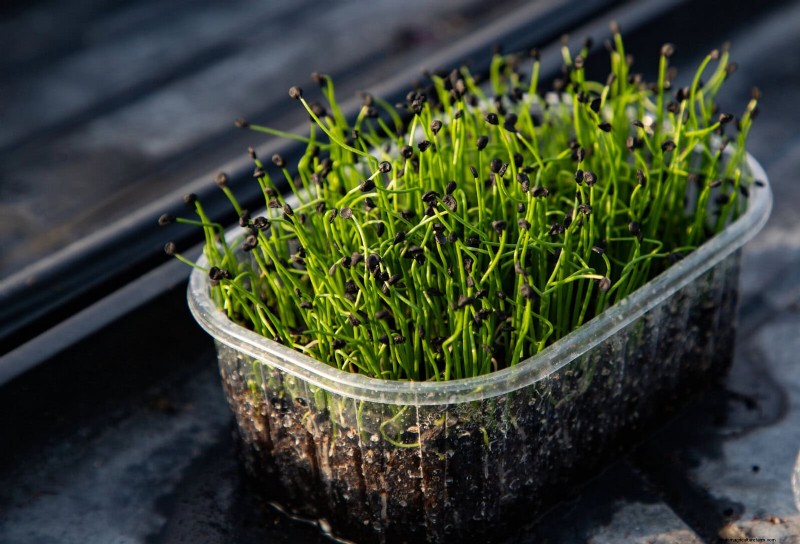
Top watering can displace tiny seeds or create muddy, compacted soil. Instead, place seed trays in shallow water and let capillary action pull moisture upward through drainage holes. The soil absorbs exactly what it needs without disturbing delicate seeds or creating overly wet conditions.
Bottom watering also helps prevent damping-off disease since the soil surface stays relatively dry. It’s particularly effective for small seeds that sit near the soil surface. Allow trays to sit in 1/2 inch of water until the top soil surface appears moist, then remove them from the water.
 Depositphotos.com
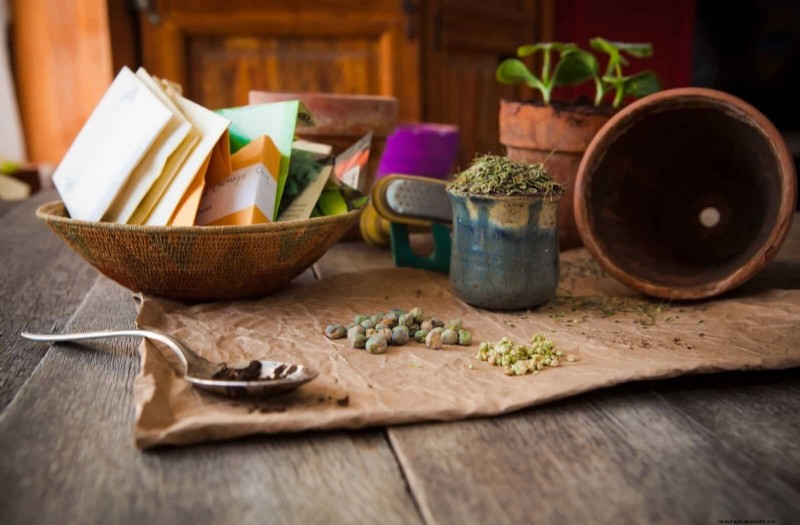
Even perfect conditions can’t resurrect old or improperly stored seeds. Most vegetable and annual flower seeds remain viable for 2-3 years when stored properly, but germination rates decline with age. Invest in fresh seeds from reputable companies for the best results.
Store unused seeds in cool, dry conditions inside airtight containers. A paper envelope inside a mason jar in the refrigerator works perfectly. Label everything clearly with purchase dates so you’ll know when it’s time to replace old stock with fresh seeds.
 Depositphotos.com
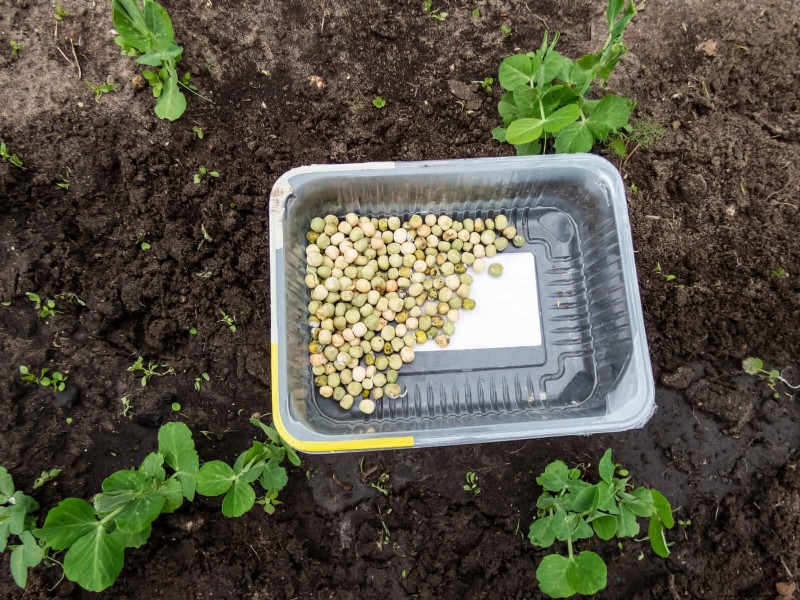
Many germination failures stem from incorrect planting depth. The general rule is to plant seeds at a depth equal to 2-3 times their diameter. Tiny seeds like lettuce or carrots barely need covering, while peas or beans go much deeper.
Some seeds even require light to germinate and should sit right on the soil surface. These include lettuce, petunias, and snapdragons. Check seed packets for specific requirements, and when in doubt, err on the shallow side-seeds planted too deeply often run out of energy before reaching the surface.
 Depositphotos.com
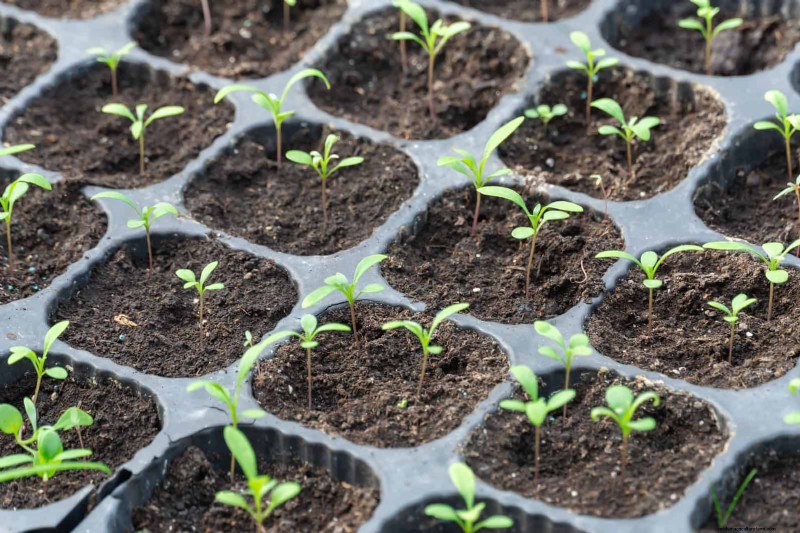
Overcrowded seedlings compete for light, nutrients, and air circulation. This competition weakens all plants and increases disease risk. Space seeds according to packet directions, even if it means using more containers initially.
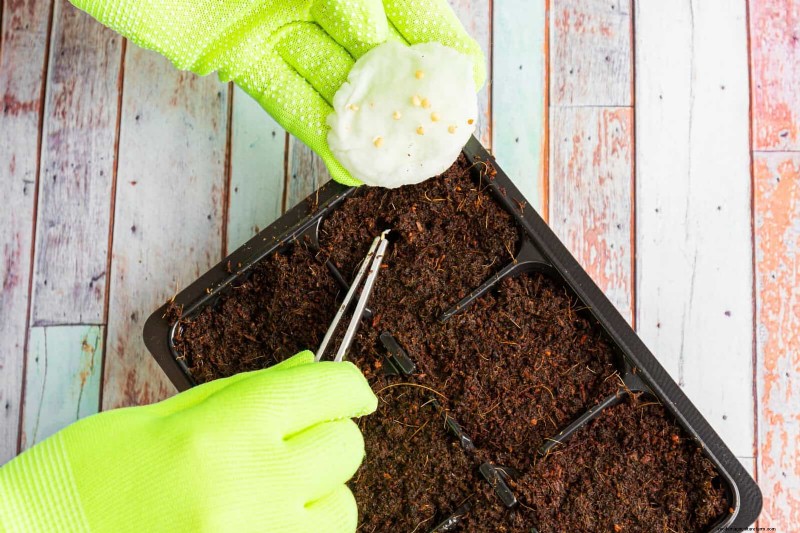
For very tiny seeds that are difficult to space, mix them with fine sand before sowing to distribute them more evenly. Alternatively, use a seed syringe or tweezers for precise placement of larger seeds. The extra effort pays off with stronger, healthier seedlings that won’t require as much thinning later.
 Depositphotos.com
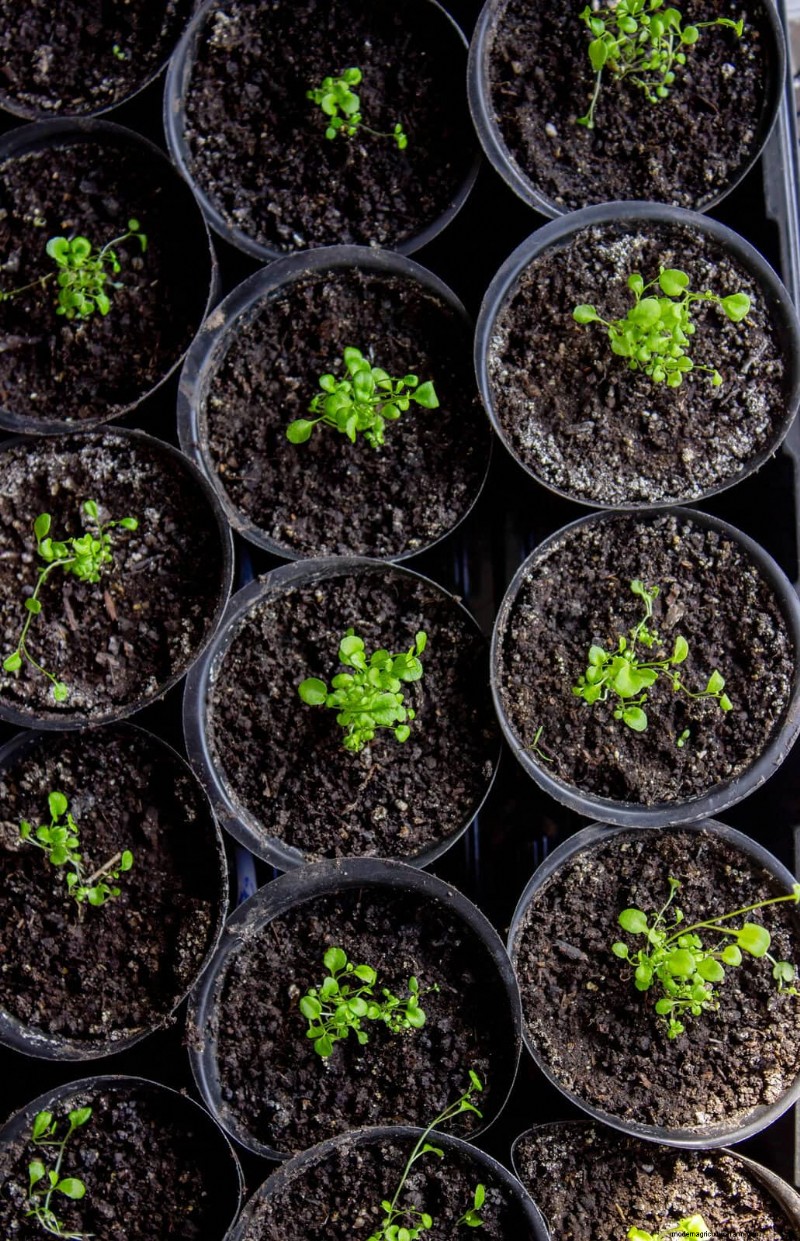
Garden soil contains weed seeds, potential diseases, and often doesn’t drain well enough for optimal seed starting. Commercial seed starting mixes are sterile, lightweight, and formulated specifically for germination success. These soilless mixes typically contain peat moss, vermiculite, and perlite.
The fine texture of seed starting mix allows for good seed-to-soil contact while providing ideal air and water balance. Many seed failures trace back to using heavy garden soil that crusts over, preventing delicate sprouts from breaking through the surface.
 Depositphotos.com
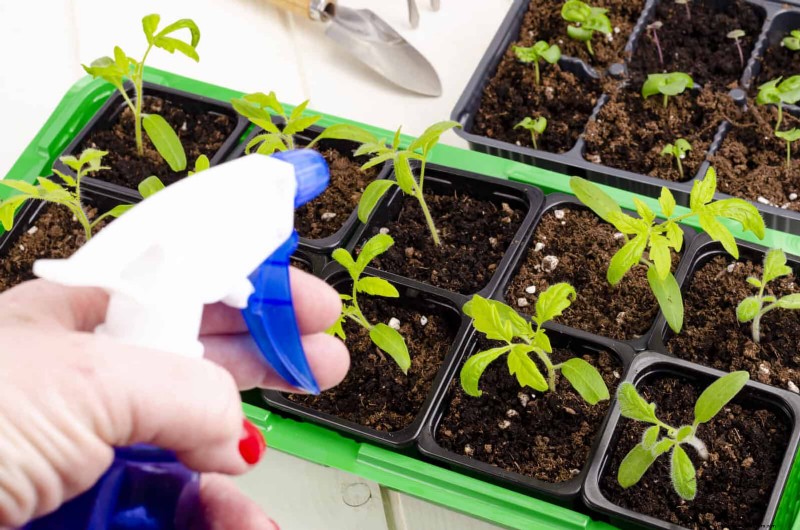
Seeds need constant moisture to germinate, but not soggy conditions. The ideal seed starting medium feels like a wrung-out sponge-damp but not dripping. Mist newly planted seeds with a spray bottle instead of watering heavily to maintain this delicate balance.
Check seed trays daily and never allow them to dry out completely during the germination period. Once seedlings emerge, gradually reduce watering frequency to encourage stronger root development, but never let young plants wilt from drought stress.
 Depositphotos.com
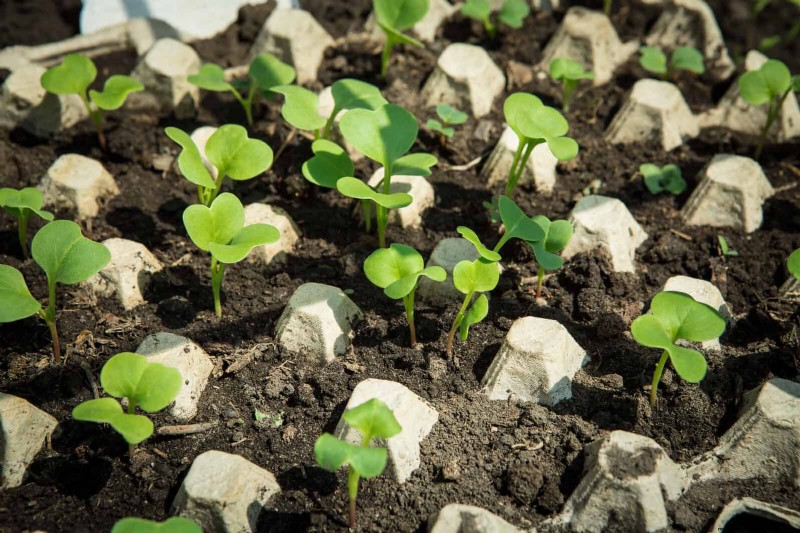
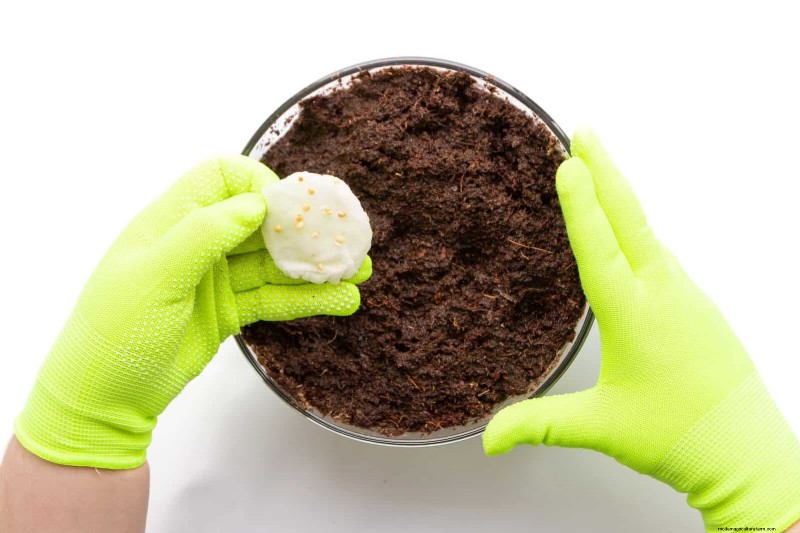
Legume seeds like peas, beans, and clover form beneficial relationships with soil bacteria that help them extract nitrogen from the air. Coating these seeds with the appropriate inoculant before planting dramatically improves germination, early growth, and overall plant health.
These powdered bacterial preparations are inexpensive and widely available. Simply moisten seeds slightly, sprinkle with inoculant, and plant immediately. The beneficial bacteria colonize the roots as they develop, creating a symbiotic relationship that benefits the plant throughout its life.
 Depositphotos.com
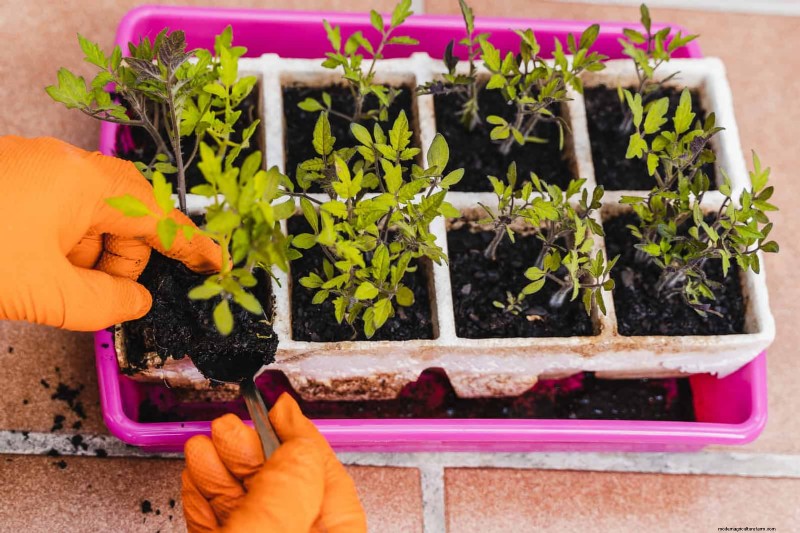
A diluted hydrogen peroxide soak can kill harmful pathogens on seed coats without damaging the seeds themselves. Mix 1 tablespoon of 3% hydrogen peroxide with 1 cup of water and soak seeds for 10-15 minutes before planting.
This treatment is particularly helpful for seeds prone to fungal issues like tomatoes and peppers. The oxygen released by hydrogen peroxide can also help speed germination in some species. Rinse seeds in plain water after soaking and plant immediately for best results.
 Depositphotos.com
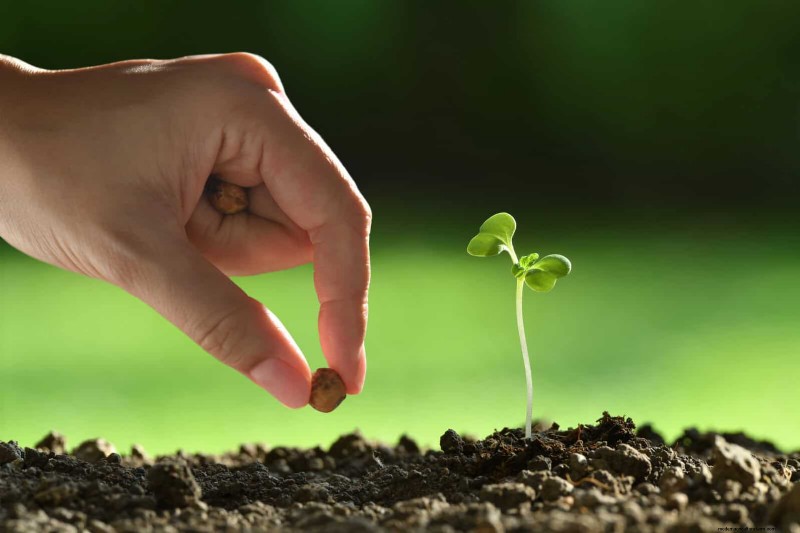
Commercial growers use seed priming-a process of starting germination and then halting it-to improve success rates. Home gardeners can use a simplified version by soaking seeds until they just begin to swell, then drying them slightly before planting.
This technique works particularly well for parsley, carrots, and other notoriously slow-germinating seeds. The seeds complete their first internal stages of germination during soaking but don’t develop enough to be damaged during planting. When sown, they sprout much more quickly and uniformly.
 Depositphotos.com
Record-keeping might not seem like a germination hack, but tracking your successes and failures provides invaluable data for future growing seasons. Note germination rates, time to emergence, and which techniques worked best for different varieties.
Simple notes about temperature, weather conditions, and seed sources help identify patterns over time. This personal database becomes increasingly valuable each season, allowing you to refine your approach based on proven results rather than guesswork.
 Depositphotos.com
Successful seed starting combines science, patience, and a bit of horticultural intuition. These techniques address the most common germination challenges gardeners face. Remember that different plant species evolved under varying conditions, so what works perfectly for one might not suit another.
Start with fresh seeds, appropriate containers, and sterile medium. Apply the specific techniques that match your chosen varieties, then maintain consistent conditions during the critical germination period. With these fundamentals in place, you’ll transform from frustrated seed starter to confident plant propagator in just one growing season.