Welcome to Modern Agriculture!

 Depositphotos
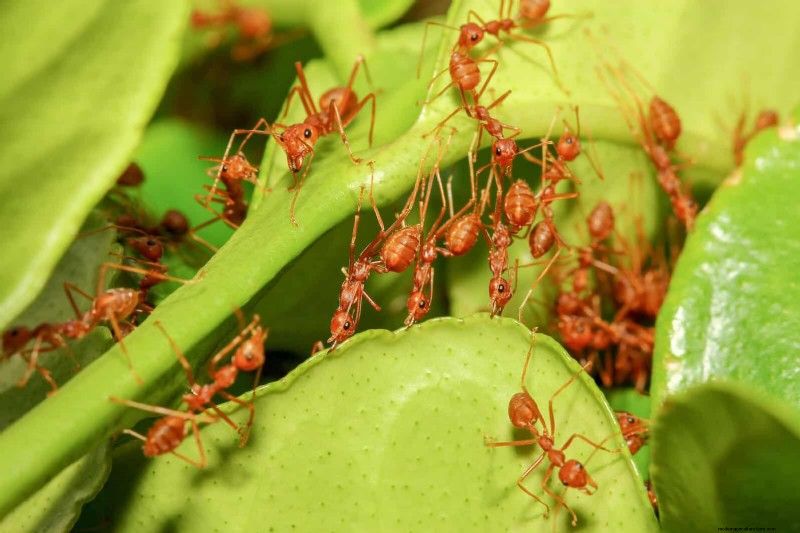
Ants in your garden can quickly go from a mild annoyance to a major headache. Those tiny invaders march in organized lines, establish colonies, and sometimes even protect harmful pests like aphids that damage your precious plants. But don’t worry – you don’t need harsh chemicals to solve your ant problem.
Natural solutions can effectively reclaim your garden space while keeping it safe for beneficial insects, pets, and family members. These proven methods target ants specifically without disrupting the delicate ecosystem that makes your garden thrive.
 Depositphotos
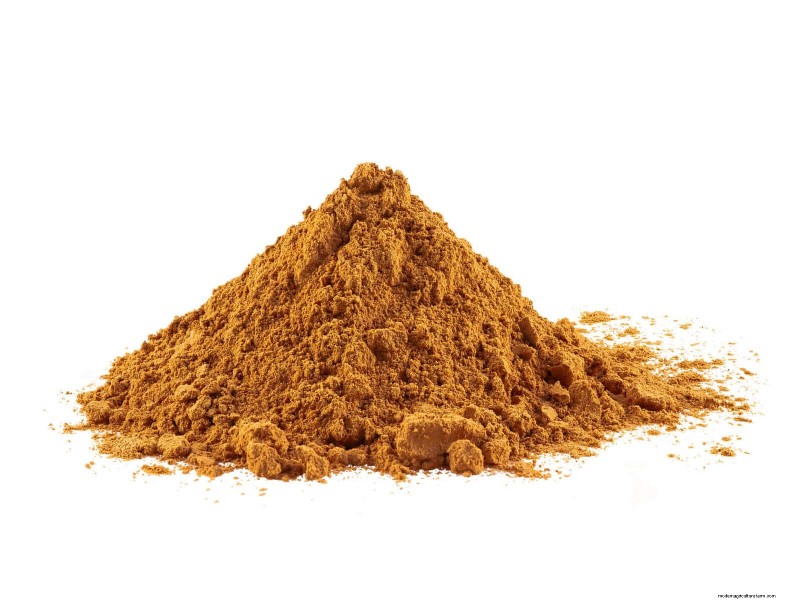
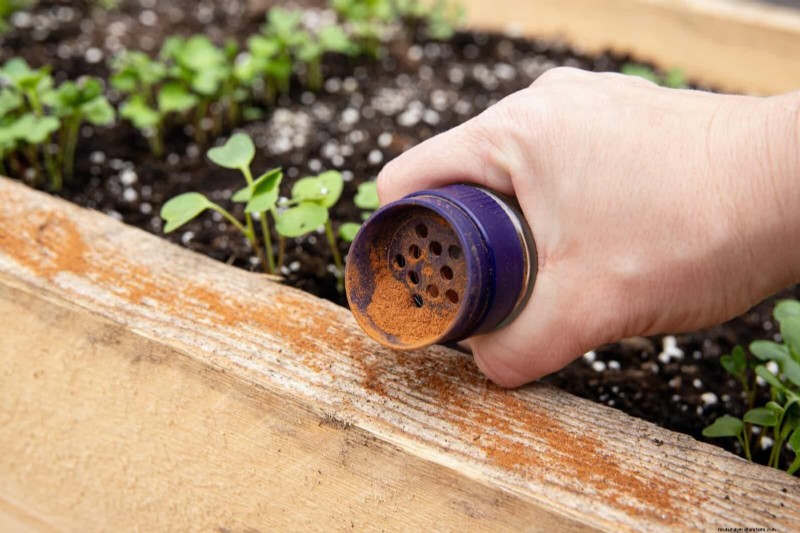
Cinnamon isn’t just a delicious spice for your morning toast – it’s an ant’s worst nightmare. The strong scent disrupts their pheromone trails, effectively making it impossible for ants to communicate with each other. Simply sprinkle ground cinnamon around your plants, garden beds, and any visible ant trails.
Create a cinnamon solution by mixing a tablespoon of cinnamon powder with water in a spray bottle for stronger protection. Apply this mixture directly to ant pathways, hill entrances, and problem areas. The solution works as both a deterrent and a natural repellent. Ants hate crossing cinnamon barriers and will actively avoid areas where you’ve applied it.
 Shutterstock
Reapply your cinnamon barrier every few days, especially after rain or heavy watering. The potency diminishes over time, so consistent application is key to long-term success. Focus on creating complete boundaries around valued plants or garden sections rather than just treating visible ant trails.
For an enhanced repellent effect, consider mixing cinnamon with other spices like cayenne pepper or black pepper. The combination creates a more intense sensory barrier that confuses and repels various ant species. For container gardens, mix cinnamon directly into the top layer of soil to prevent ants from establishing colonies in your potted plants.
We'll email it to you so you can read it later!
By saving, you agree to receive occasional emails. Unsubscribe anytime.
 Depositphotos
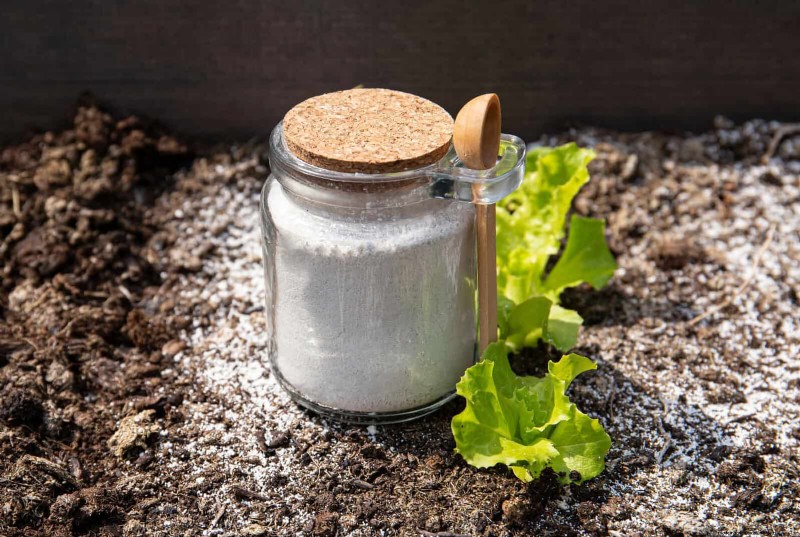
Diatomaceous earth (DE) is a gardener’s secret weapon against ants and many other crawling insects. This fine powder consists of fossilized aquatic organisms called diatoms, and while it feels soft to human touch, it’s deadly for ants. The microscopic sharp edges cut through the ants’ exoskeletons, causing them to dehydrate and die.
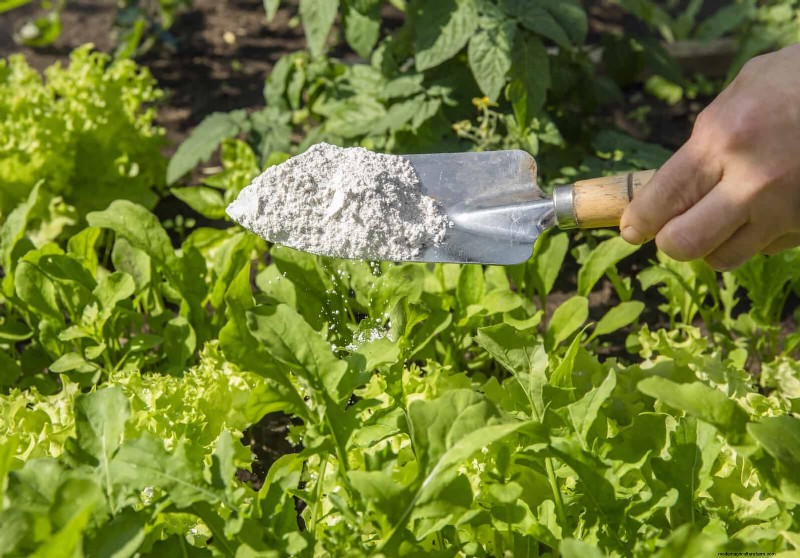
Use only food-grade diatomaceous earth in your garden to ensure safety for pets and beneficial insects. For maximum effectiveness, apply a thin, even layer around plants, along ant trails, and directly on ant hills. This natural solution works mechanically rather than chemically, making it impossible for ants to develop resistance over time.
 Depositphotos
Apply diatomaceous earth when conditions are dry, as moisture reduces its effectiveness. Reapplication is necessary after rain or irrigation. For the best protection against ant invasions, create a complete perimeter around garden beds or valuable plants.
Remember that diatomaceous earth affects all insects with exoskeletons, including beneficial ones like ladybugs. To minimize impact on helpful garden allies, target your application specifically to ant-populated areas rather than broadcasting it throughout your entire garden. The powder remains effective as long as it stays dry, providing a long-lasting barrier that works for weeks in protected areas.
 Depositphotos
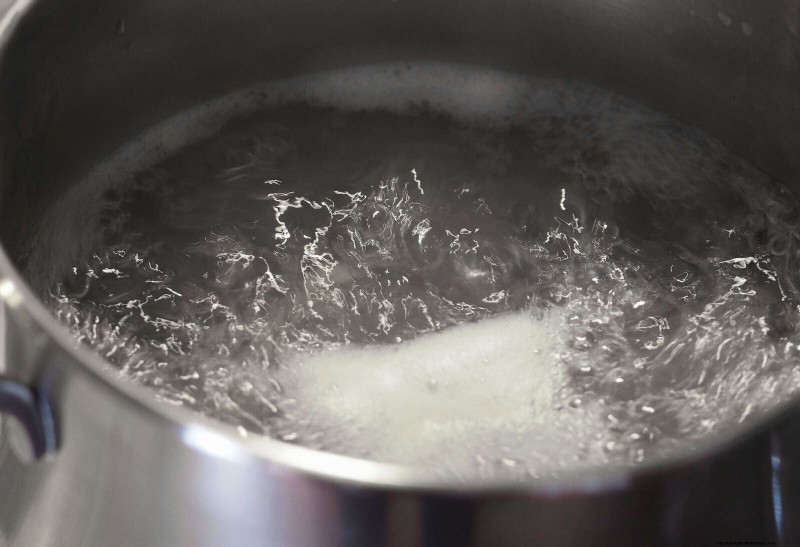
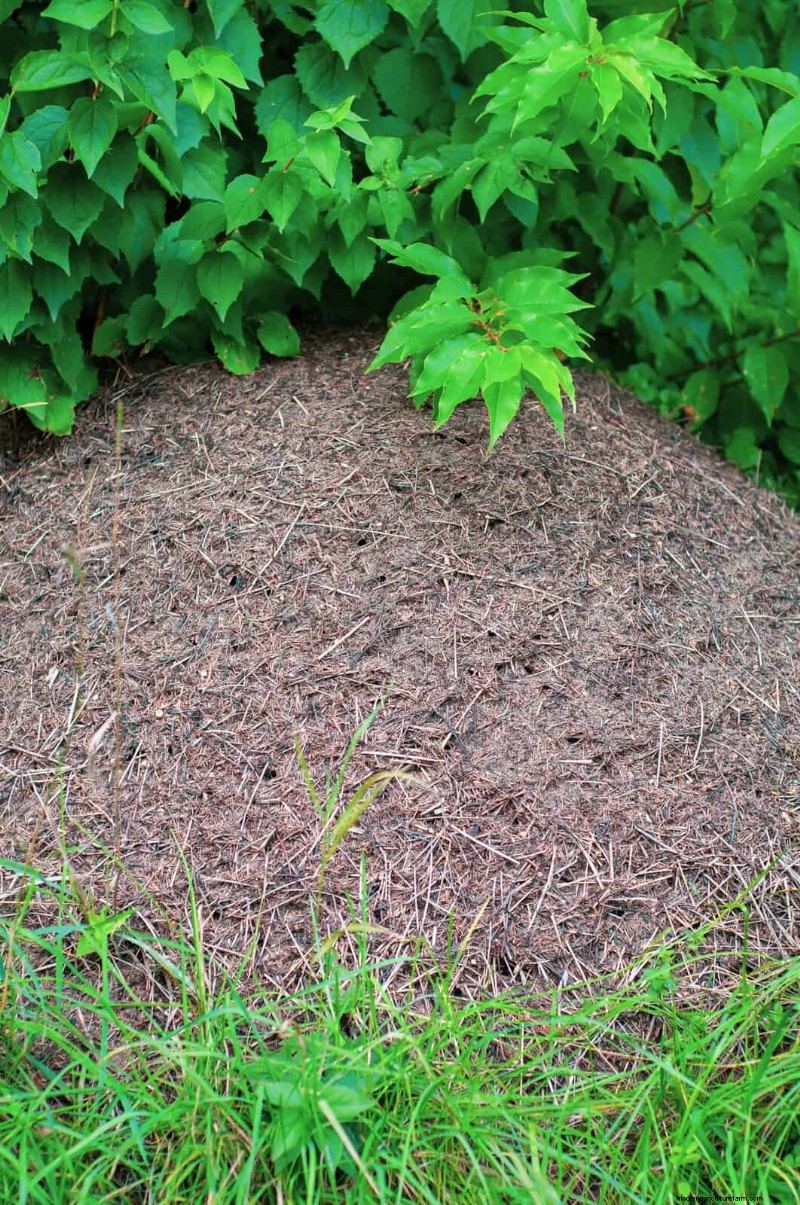
Sometimes the simplest solutions are the most effective. Boiling water poured directly into ant nests immediately kills ants on contact and destroys their underground tunnels and chambers. This method works best when you can clearly identify the main nest entrance.
Carefully pour 2-3 gallons of boiling water directly into the center of the ant hill, moving slowly to ensure deep penetration. The hot water will flow through the colony’s network, reaching the queen and many worker ants. Multiple applications may be necessary for large colonies that extend deep underground.
 Depositphotos
Exercise extreme caution when carrying boiling water outdoors to avoid burns or accidents. Never use this method near valuable plants, as the scalding water will damage or kill any vegetation it contacts. This technique works best for ant hills in lawn areas, pathways, or dedicated ant mounds away from desirable plants.
Add a few drops of dish soap to the boiling water for enhanced effectiveness. The soap breaks the water’s surface tension, allowing it to penetrate deeper into the nest structure. Early morning applications yield better results as more ants remain in the nest rather than foraging.
 Depositphotos
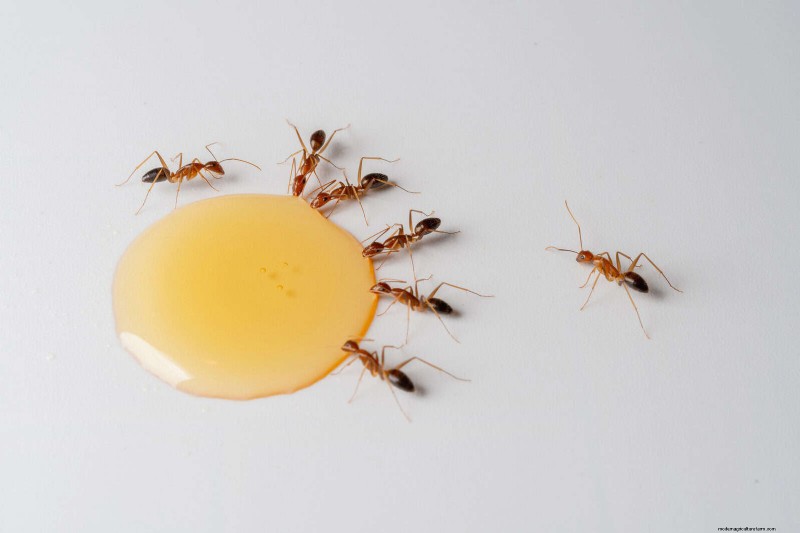
This classic ant control method uses borax (sodium tetraborate) mixed with sugar water to create a deadly bait that ants willingly return to their colony. The worker ants are attracted to the sweet solution but cannot digest the borax, killing them and others who consume it, including the queen.
Mix one part borax with three parts sugar and add enough warm water to create a syrupy solution. Place this mixture in shallow containers near ant trails but out of reach of pets and children. The ants will collect this sweet poison and share it throughout their colony, effectively eliminating the entire population over several days.
 Depositphotos
Create protected bait stations using small plastic containers with tiny entry holes that allow ants access while keeping other creatures out. Place these stations strategically around your garden near active ant trails. The contained approach minimizes risk to beneficial insects and reduces the chance of accidental ingestion by pets or wildlife.
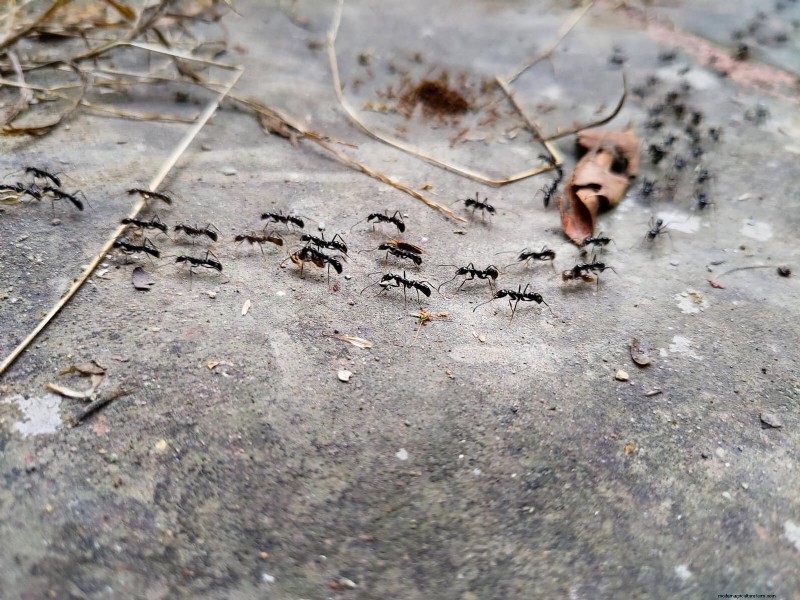
Patience is essential with this method, which works gradually by allowing ants to transport the poison deep into their colony structure. You may initially see increased ant activity around your bait stations as workers discover the sweet solution. This is a good sign that the bait is working. The colony typically declines within 2-3 days as the poison circulates among the ants.
 Depositphotos
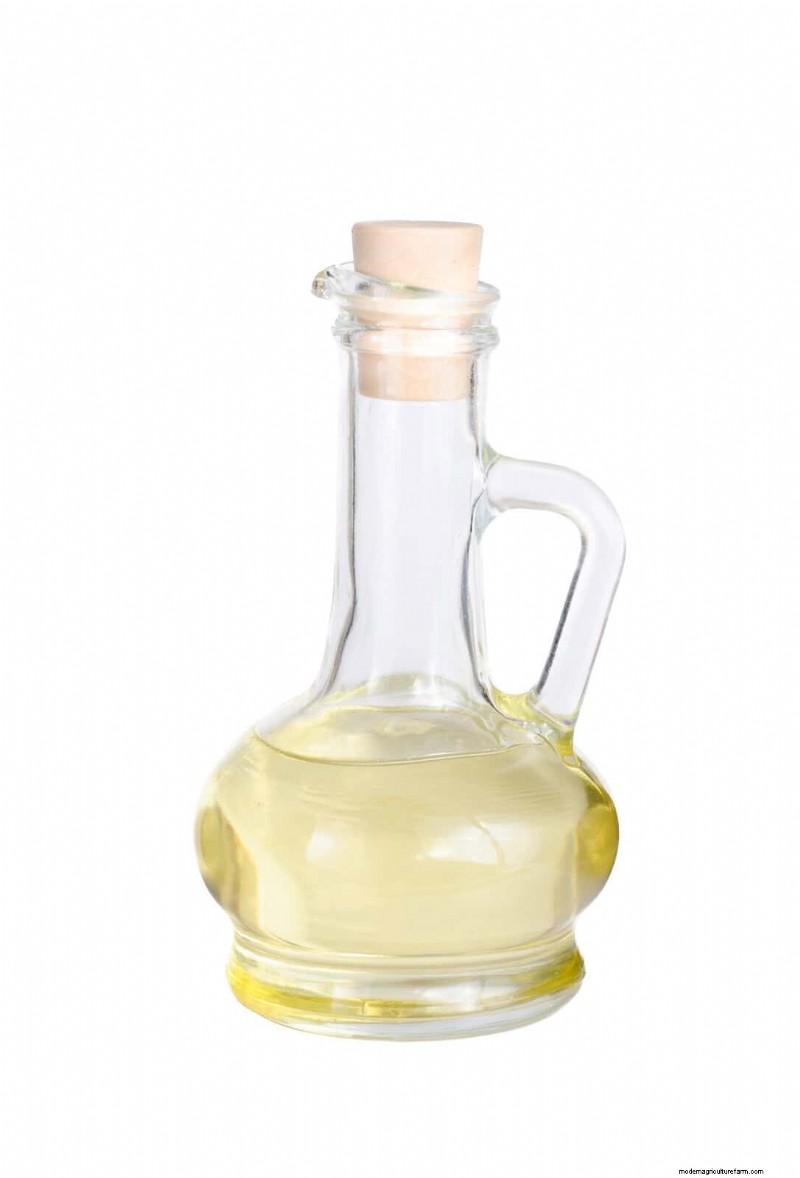
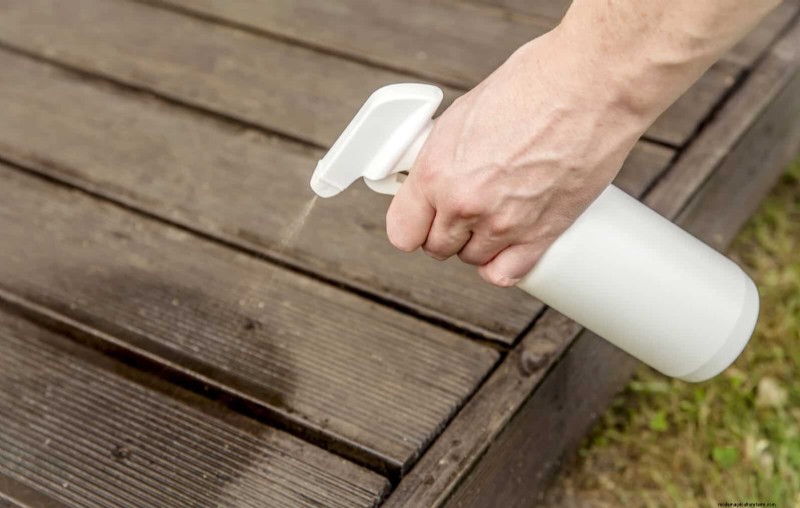
White vinegar’s strong acetic acid content makes it an excellent natural ant repellent. The powerful smell disrupts the ants’ scent trails and irritates their bodies on contact. Create a simple spray by mixing equal parts white vinegar and water in a spray bottle for immediate use throughout your garden.
Apply the vinegar solution directly to visible ant trails, nest entrances, and areas where you frequently spot ant activity. The sharp smell dissipates quickly for humans but remains detectable to ants for hours. Regular application creates an environment that ants find hostile and unwelcoming, encouraging them to relocate elsewhere.
 Depositphotos
Use your vinegar solution to create protective boundaries around garden beds, container plants, and vegetable gardens. Apply a fresh barrier every 2-3 days, especially after rain or watering. The consistent presence of vinegar prevents scout ants from establishing new trails into your prized garden areas.
For tougher ant problems, increase the vinegar concentration or add a few drops of essential oils like peppermint, tea tree, or lemon to enhance the repellent effect. The combination creates a multi-sensory deterrent that most ant species avoid crossing. Vinegar has the added benefit of being completely safe for your plants when used in appropriate dilutions.
 Depositphotos
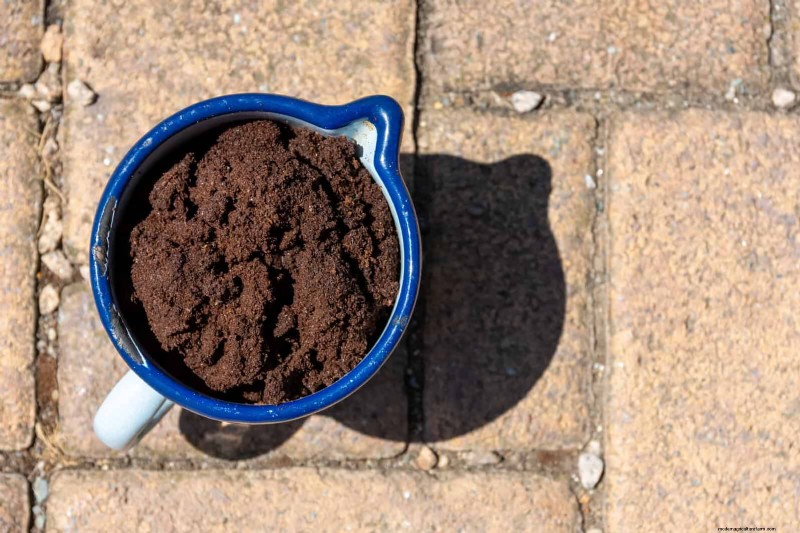
Used coffee grounds serve double duty in your garden – they repel ants while adding valuable organic matter to your soil. The strong smell confuses ants and disrupts their scent trails, while compounds in the coffee act as natural insect repellents. Simply collect your used grounds and sprinkle them generously around plants, along garden borders, and directly on ant hills.
Many ants display a strong aversion to coffee grounds, particularly when fresh. The grounds gradually break down, improving soil structure and adding small amounts of nitrogen to your garden. This makes coffee grounds especially valuable around nitrogen-loving plants while simultaneously providing ant protection.
 Depositphotos
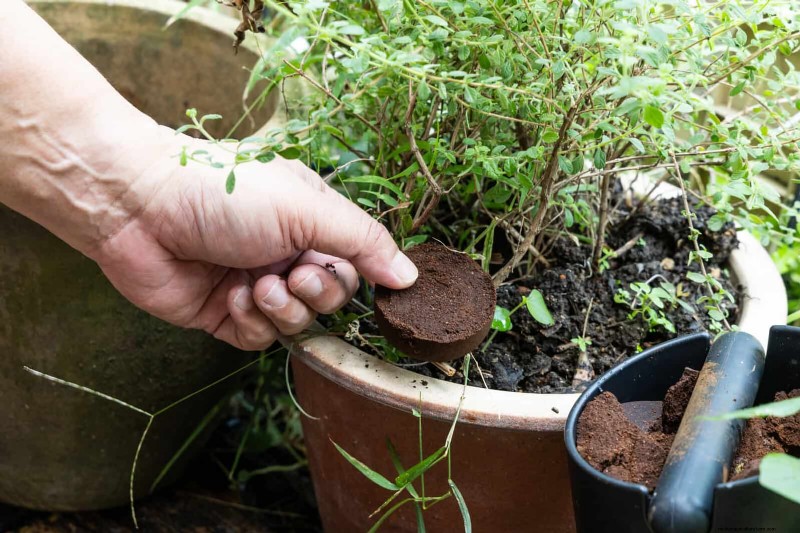
Create thick barriers of coffee grounds around particularly vulnerable plants or areas with heavy ant traffic. Refresh these barriers weekly with new grounds to maintain their effectiveness. The decomposing grounds form a physical and olfactory barrier that most ant species avoid crossing.
Mix coffee grounds with your compost to create an ant-resistant mulch that benefits your entire garden. As an added advantage, many slugs and snails also dislike crossing coffee ground barriers, providing protection against multiple garden pests simultaneously. This makes your morning coffee routine an essential part of your organic garden maintenance.
 Depositphotos
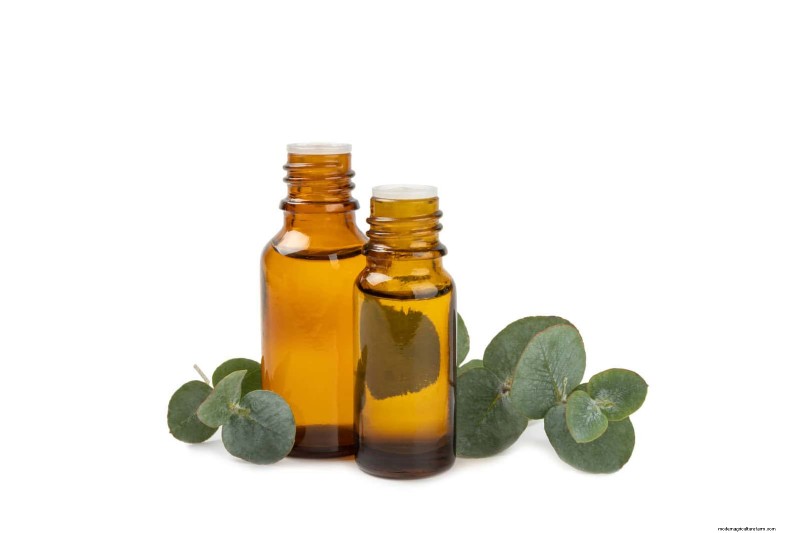
Certain essential oils contain compounds that ants find utterly repulsive. Peppermint, tea tree, lemon, orange, and cedarwood oils all disrupt ant communication and create sensory barriers that they rarely cross. Create a powerful spray by adding 15-20 drops of essential oil to a cup of water with a teaspoon of natural dish soap to help the oil and water mix properly.
Spray this solution around garden perimeters, on ant trails, near doorways, and anywhere ants regularly appear. The strong scent overwhelms their sensitive antennae and obliterates the chemical trails they use for navigation. Most ants will abandon areas regularly treated with essential oil sprays, seeking easier pathways elsewhere.
 Depositphotos
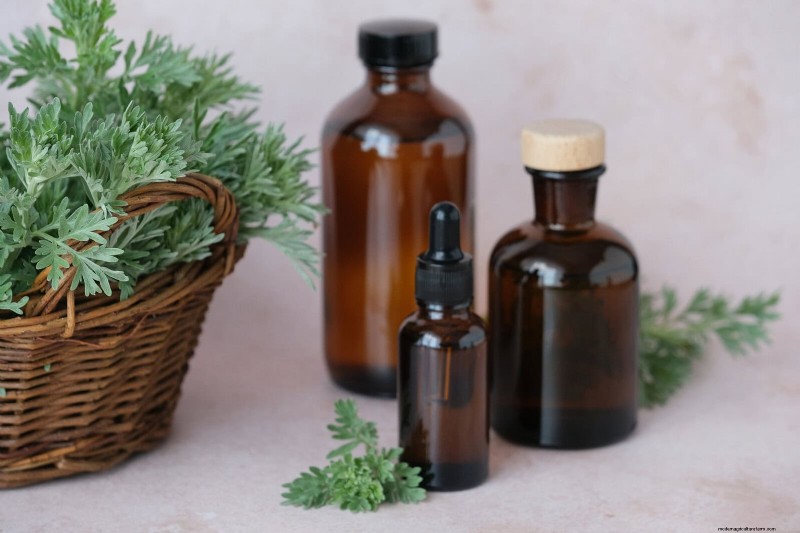
Experiment with different oil combinations for enhanced effectiveness against specific ant species. Peppermint and tea tree make a particularly potent mixture that deters most common garden ants. Apply these sprays in the early morning or evening when beneficial insects are less active to minimize impact on helpful garden allies.
Soak cotton balls in essential oils and place them strategically around your garden for longer-lasting protection. These concentrated sources slowly release their scent over several days, maintaining a protective barrier with less frequent reapplication. Replace the cotton balls weekly or after heavy rain to maintain consistent protection against returning ant colonies.
 Depositphotos
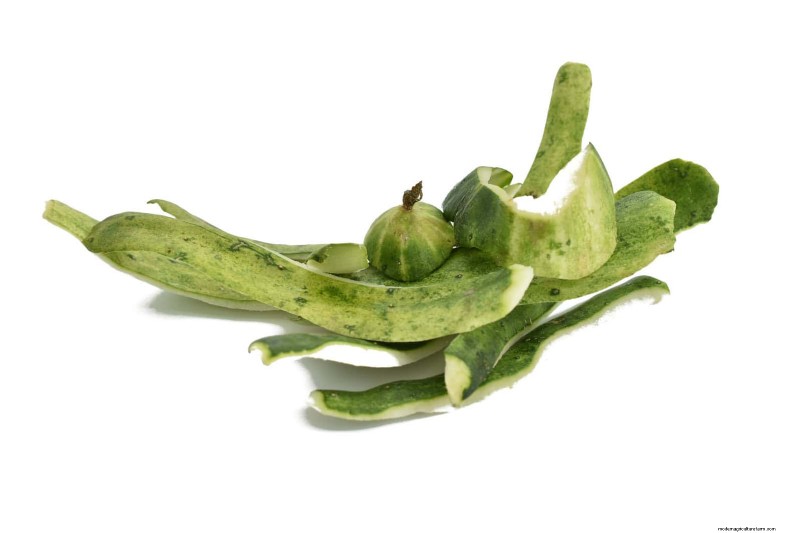
This surprising hack takes advantage of compounds in cucumber peels that ants find distasteful. The bitter compounds, primarily cucurbitacins, create a natural barrier that most ant species avoid. Simply place fresh cucumber peels skin-side down in areas with high ant activity or around plants you want to protect.
Replace the cucumber peels every two days as they dry out and lose potency. The fresh, bitter compounds need to be present to effectively deter ants. This method works particularly well for container plants, raised beds, and small garden areas where you can easily monitor and replace the peels as needed.
 Depositphotos
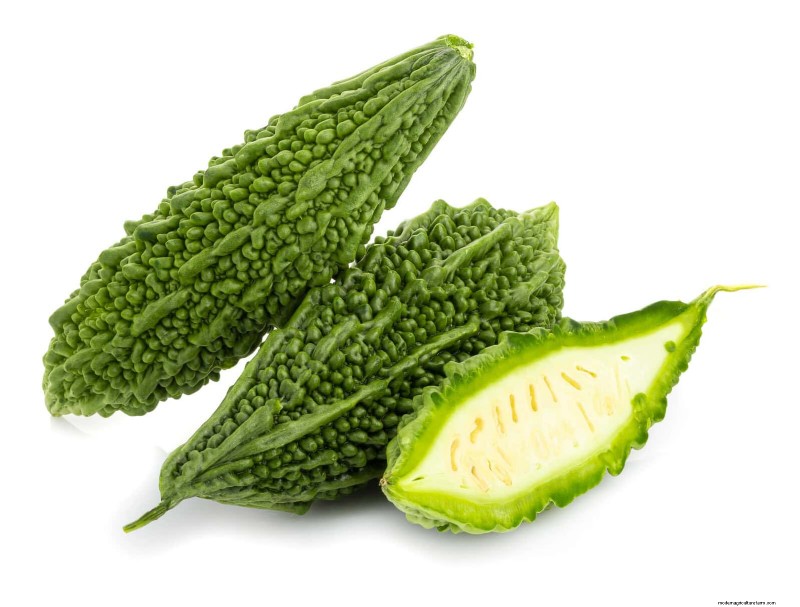
Bitter cucumber varieties provide stronger protection than sweeter types. If you grow your own cucumbers, save the ends and peels specifically for ant control throughout the growing season. Combine cucumber peels with other natural deterrents like coffee grounds or cinnamon for enhanced effectiveness.
This method is completely non-toxic and safe for beneficial insects, pets, and wildlife. The cucumber peels eventually decompose, adding organic matter to your soil. While not as immediately effective as some other methods, cucumber peels provide a gentle deterrent that works well as part of an integrated approach to ant management.
 Depositphotos
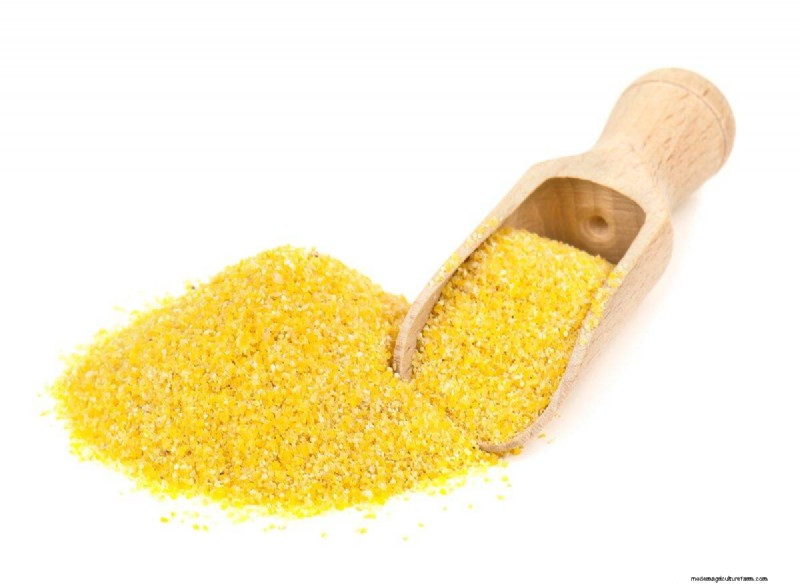
Cornmeal is a delayed-action insecticide against ants. The worker ants are attracted to it and carry it back to their colony, but they cannot digest it properly. When consumed, the cornmeal expands in their digestive systems, eventually killing them. Sprinkle dry cornmeal near ant trails and colony entrances.
This method requires patience as it works gradually over 1-2 weeks. The cornmeal poses no risk to your garden plants and breaks down naturally if not consumed. For better attraction, you can mix a small amount of sugar with the cornmeal to ensure ants discover and transport it back to their nest.
 Depositphotos
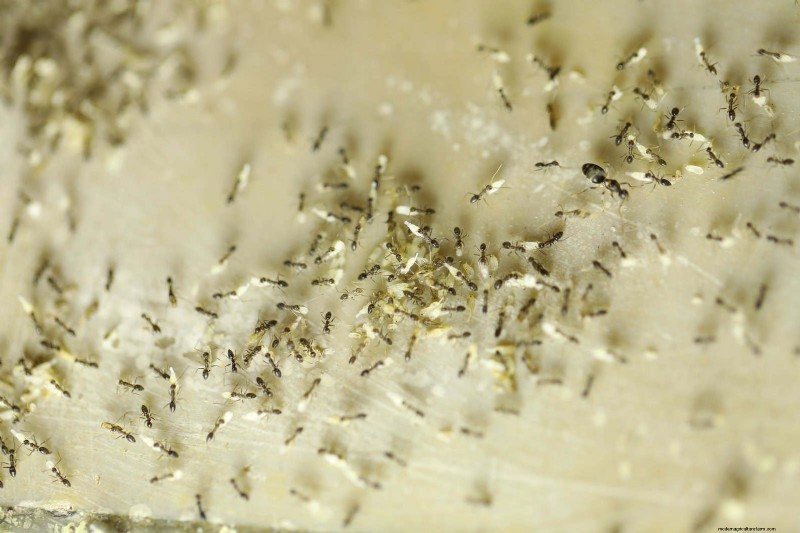
Create small piles of cornmeal in strategic locations around your garden, particularly near active ant trails or known colony entrances. The worker ants will discover these food sources and alert others, increasing the amount transported back to feed the entire colony, including the queen.
During rainy periods, place cornmeal in protected locations or under overturned pots with small entrances that allow ant access while keeping the bait dry. Consistency is key with this method. Maintain fresh cornmeal supplies until you notice significant decreases in ant population. This approach works well in combination with barrier methods like cinnamon or diatomaceous earth.
 Depositphotos
Managing ants in your garden doesn’t require toxic chemicals or expensive professional treatments. These nine natural approaches give you multiple options to address ant problems based on your specific situation and comfort level. Many gardeners find that combining several methods creates the most effective long-term solution.
Remember that some ants play beneficial roles in your garden ecosystem by aerating the soil and controlling other pest populations. The goal is management, not complete elimination. By implementing these proven techniques, you’ll restore balance to your garden and enjoy your outdoor space without the annoyance of ant invasions disrupting your gardening pleasure.
See which beautiful herbs help you fight insects with 10 Amazing Herbs That Repel Unwanted Insects.