
Welcome to Modern Agriculture!

 Depositphotos
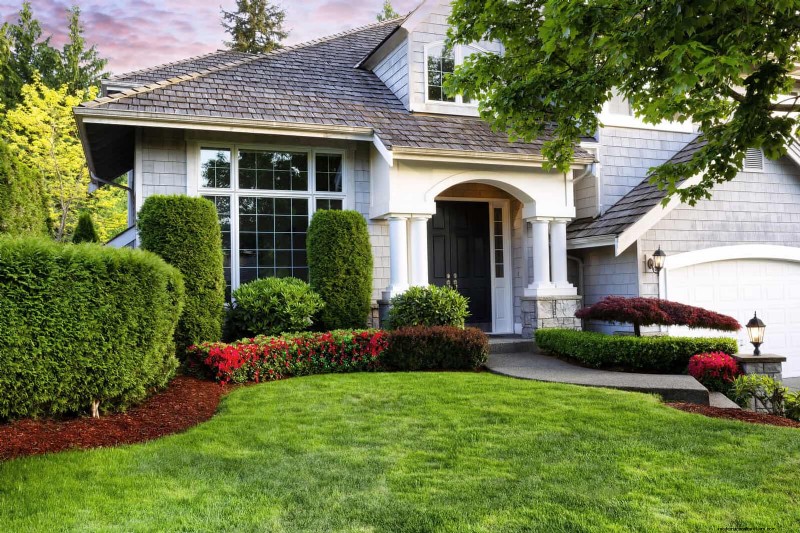
So you want your front yard to make people slow down as they drive by. Maybe you’re tired of looking at plain grass, or you’re getting ready to sell and need that extra oomph. Either way, you’re in the right spot.
Here’s the thing: transforming your front yard doesn’t mean you need a landscaping crew or a massive budget. With smart plant choices and a little layout magic, you can create a space that feels polished, inviting, and totally intentional. Think color pops, clever layering, and plants that actually work with your lifestyle instead of against it.
 Depositphotos
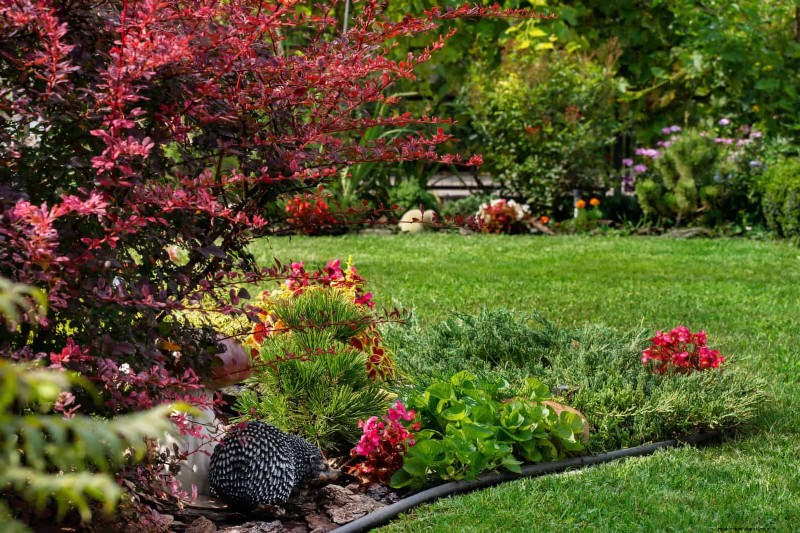
Your front yard is the handshake before the hello. It sets the mood before anyone steps through your door.
A well-thought-out front yard tells neighbors you care, makes potential buyers linger a little longer, and honestly just makes you smile when you pull into the driveway after a long day. It’s not about perfection. It’s about intention. When your plants have purpose and your beds have shape, everything clicks.
Quick Takeaway: Even small changes (like framing your door with matching planters or adding a pop of color near the mailbox) can completely shift how your home feels from the curb. You don’t need to redesign everything at once.
From symmetrical planters flanking your entryway to bold seasonal blooms, we’re breaking down simple, high-impact ideas that work whether you’re a weekend gardener or someone who forgets to water until the plants start whispering for help.
 Depositphotos
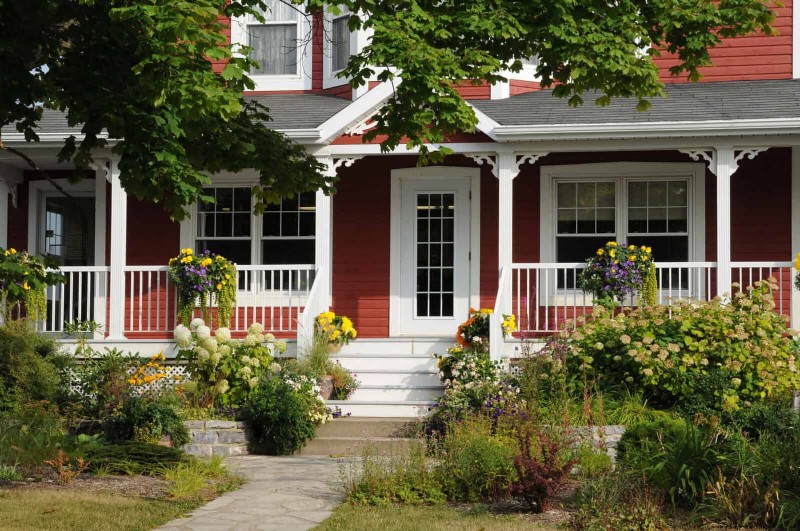
Let’s start with the obvious focal point: your front door. You want people’s eyes to land there, right? Symmetry is your friend.
Two matching planters (or shrubs, if you’re planting in the ground) on either side of the door create instant structure. You can go classic with boxwoods or lively with colorful annuals that change with the seasons. The key is balance. Same height, same vibe, same side of awesome.
If your door is tucked to one side or partially hidden, use taller plants or a climbing vine to guide the eye. Even a single statement pot can work wonders if space is tight. The goal is to make your entryway feel grand, even if it’s just a simple stoop.
 Depositphotos
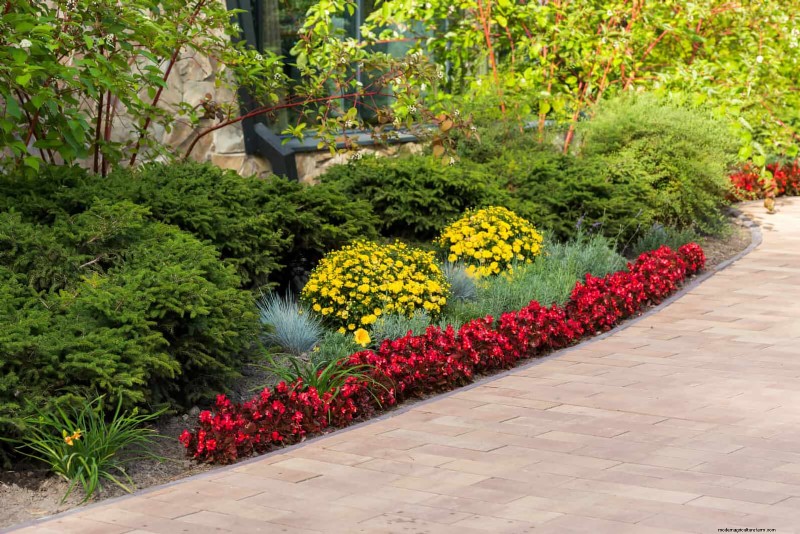
Color is where things get fun. Pick two or three flower colors that play nicely together and stick with them. This keeps your yard from looking like a plant nursery exploded.
Reds, purples, and yellows bring energy. Whites and soft pastels feel calm and cottage-like. You can echo your house color (like pairing deep purple petunias with a lavender door) or go for contrast (bright orange marigolds against gray siding).
Warm tones feel welcoming and bold. Cool tones (blues, purples, whites) create a more serene, elegant vibe. Either works. Just don’t mix them all at once unless you’re going for a wildflower meadow look, which is also charming but harder to pull off in a front bed.
 Depositphotos
Evergreens are the workhorses of curb appeal. They’re green in January, green in July, and they don’t complain.
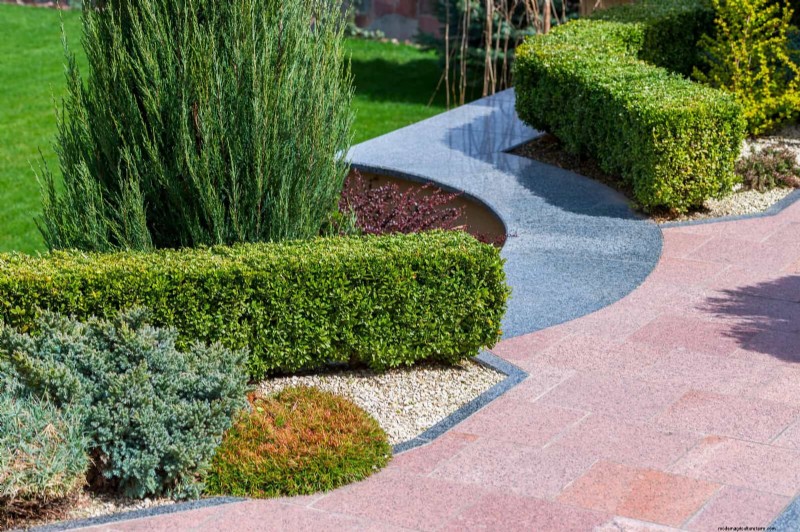
Boxwood, juniper, and dwarf spruce are classic choices. They anchor your beds, give structure, and keep your yard from looking sad and bare when everything else dies back. You can shear them into neat shapes or let them grow more naturally, depending on your vibe.
Use them as backdrops for seasonal flowers, flank walkways, or position them near corners of the house to soften harsh lines. They’re also great for framing windows or creating low hedges along property lines. Once established, they need very little fuss.
“Evergreens keep your yard from looking bare in the off-season. They’re the foundation everything else leans on.”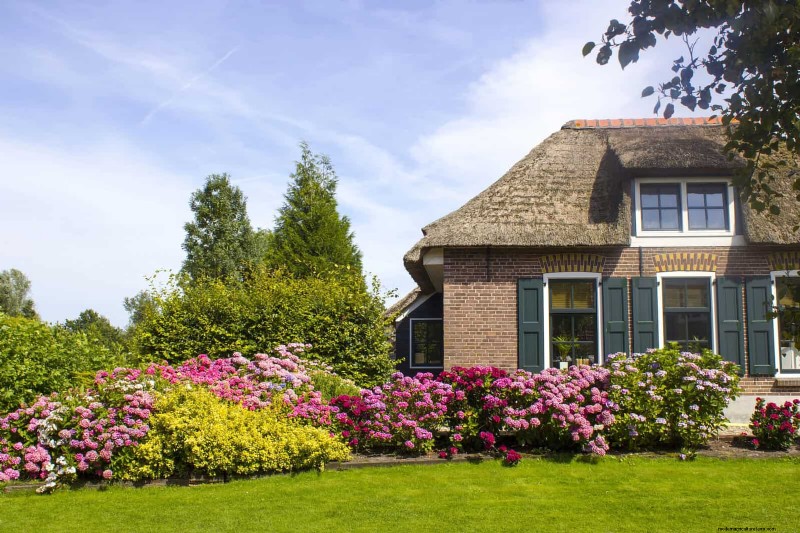 Depositphotos
Flowering shrubs bring drama without the drama. Plant them once, and they return every year with blooms that make your neighbors jealous.
Hydrangeas are crowd-pleasers, especially the big-headed mophead varieties. Azaleas explode with color in spring. Spirea offers delicate blooms and requires almost zero pruning. Rose of Sharon blooms late in summer when everything else is tired.
These shrubs fill space, add volume, and attract pollinators. Many are deer-resistant, too (looking at you, spirea). Choose varieties suited to your climate and light conditions. Once they’re settled in, just give them a little water during dry spells and maybe a trim after blooming.
 Depositphotos
Layering is the secret sauce of professional-looking gardens. You’re basically stacking plants by height, and it works every time.
Put your tallest plants in the back (or center, if the bed is visible from all sides). Use mid-height plants to fill the middle. Finish with low growers or ground covers up front. This creates depth and makes even a small bed feel lush.
Think tall ornamental grasses or small shrubs in back, coneflowers or daylilies in the middle, and creeping phlox or alyssum up front. The layering mimics how plants grow in nature, which is why it feels so right. Plus, every plant gets its moment in the spotlight instead of being hidden behind something taller.
We'll email it to you so you can read it later!
By saving, you agree to receive occasional emails. Unsubscribe anytime.
Depositphotos
Clean lines make everything look like you meant it. Edging separates your beds from the lawn and keeps grass from invading your garden space.
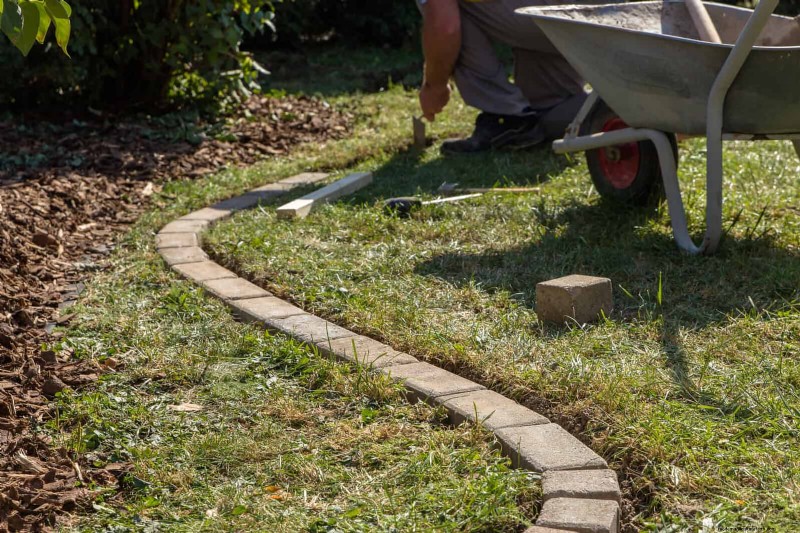
You can use bricks, natural stone, metal strips, or even plastic edging (the black kind disappears nicely). The goal is a crisp boundary that says, “This is garden. That is grass.” It also makes mowing way easier because you’re not guessing where to stop.
Decorative edging adds charm. Stone gives a rustic feel, metal feels modern, and brick ties into traditional homes beautifully. You can DIY most edging projects in a weekend with basic tools. Just dig a shallow trench, set your material, and backfill.
 Depositphotos
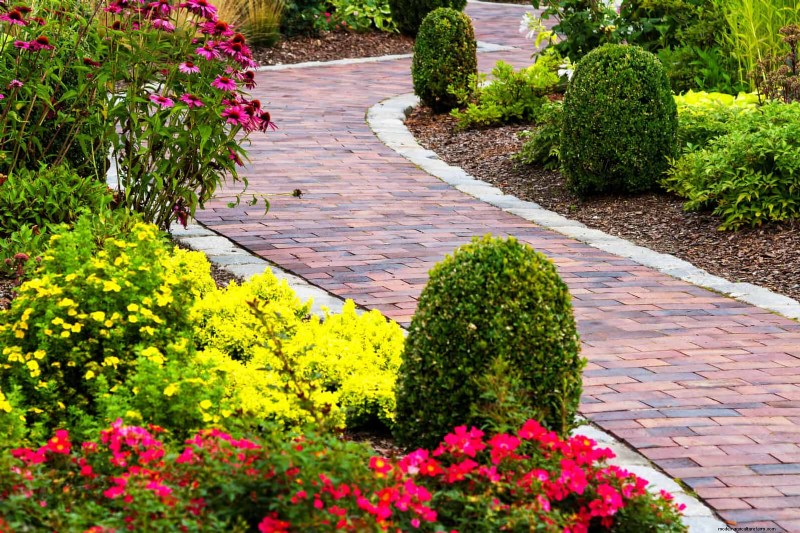
Your walkway is prime real estate for planting. Line it with flowers, low shrubs, or ornamental grasses to guide visitors to your door.
Fragrant plants like lavender or catmint are fantastic along paths because you brush past them and release the scent. Repetition works well here: plant the same thing on both sides at regular intervals for a formal, elegant look. Or mix it up with a cottage garden feel using different bloomers that share a color palette.
Pathway gardens are easy to refresh. Swap out annuals each season or stick with perennials that come back year after year. Just make sure plants don’t spill too far onto the path itself, or you’ll be doing the sideways shuffle every time you walk to the mailbox.
 Depositphotos
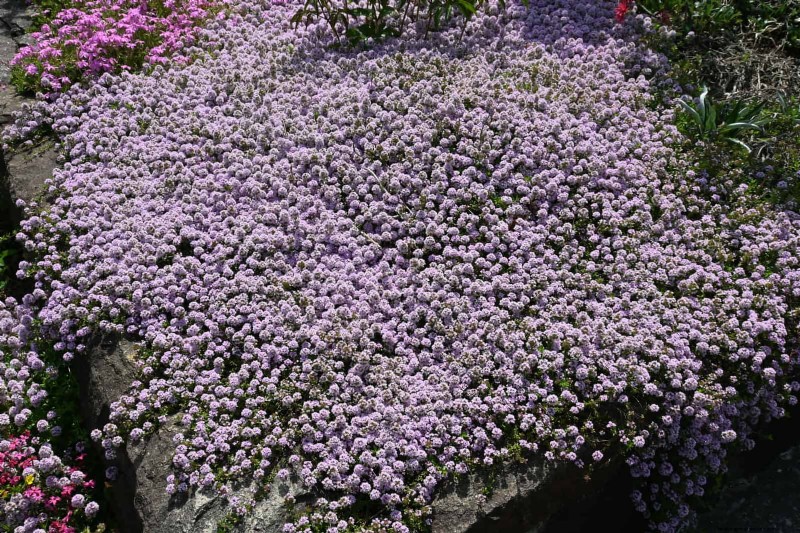
Bare soil invites weeds. Ground covers shut the door on them while looking pretty and staying low-maintenance.
Creeping thyme smells amazing and can handle light foot traffic. Sedum is drought-tolerant and comes in fun colors. Mondo grass stays tidy and works well in shade. Ajuga spreads fast and has gorgeous purple flowers in spring.
Ground covers also protect the soil, keep moisture in, and reduce erosion on slopes. Use them in spots that are hard to mow, around tree roots, or between stepping stones. Many varieties flower, giving you bonus color without any extra effort.
Ground Covers vs. Mulch
Ground Covers: Living plants that spread, protect soil, and often flower. Require initial planting but then self-maintain.
Mulch: Non-living material (bark, wood chips) that suppresses weeds and retains moisture. Needs replenishing annually.
Best choice? Use both. Mulch between larger plants, ground covers in open areas or slopes.
 Depositphotos
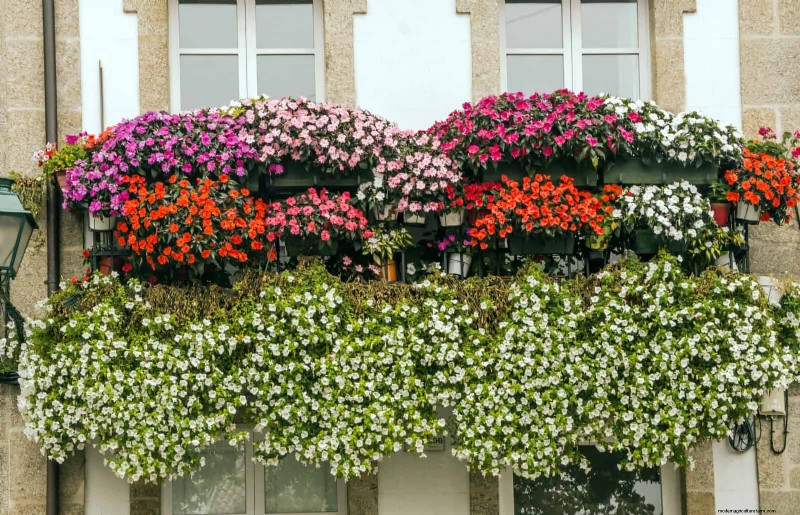
Window boxes are like jewelry for your house. They draw the eye up and add charm without taking up yard space.
Fill them with trailing flowers like petunias, ivy, or lobelia. Mix in some upright bloomers for height and texture. Choose box colors that either match your trim or create a fun contrast. White boxes feel classic, black feels modern, and painted wood can echo your front door.
Window boxes dry out fast, so check them often (especially in summer). Add water-retaining crystals to the soil if you’re forgetful. They’re perfect for adding color to small yards, condos, or homes with mostly hardscaping out front.
 Depositphotos
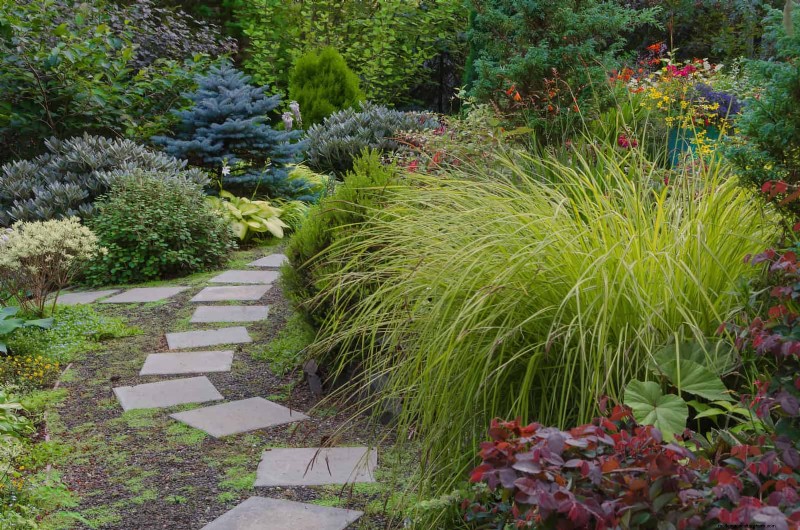
Flowers get all the glory, but foliage is what carries a garden between bloom times. Mix leaf shapes, sizes, and colors for year-round visual interest.
Purple fountain grass adds height and movement. Variegated hostas bring splashes of cream or gold. Silver lamb’s ear feels soft and looks gorgeous with almost anything. Heuchera (coral bells) comes in wild colors like burgundy, lime, and caramel.
Textural contrast makes plantings feel lush even when nothing’s blooming. Pair feathery ferns with bold hosta leaves. Combine spiky grasses with rounded shrubs. The more variety in texture and color, the more your eye has to play with.
 Depositphotos
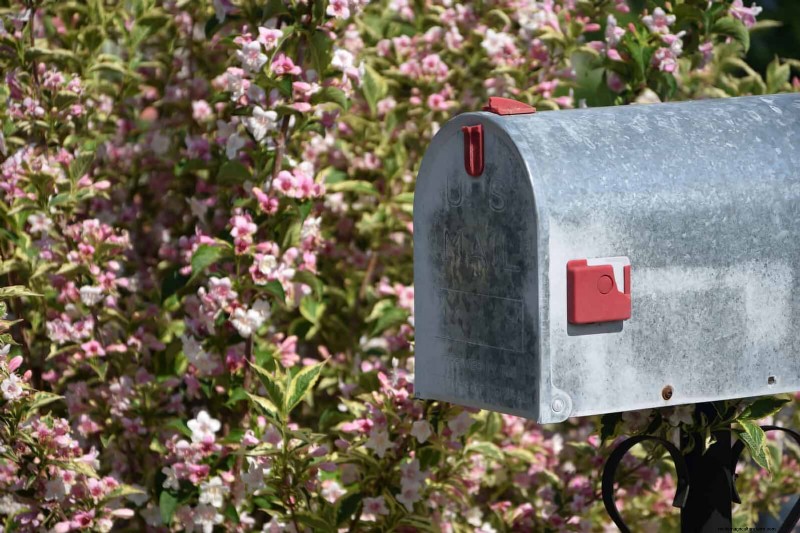
Your mailbox is probably sitting in a sad patch of grass right now. Let’s fix that.
Surround it with a small garden bed or a raised planter. Use bright, drought-tolerant flowers that can handle full sun (most mailboxes are in sunny spots). Zinnias, marigolds, and salvia are solid choices.
If you have a post-style mailbox, consider a climbing vine like clematis or morning glory. Just keep everything trimmed so your mail carrier can actually reach the box without fighting through foliage. A tidy mailbox garden shows you care about the details.
 Depositphotos
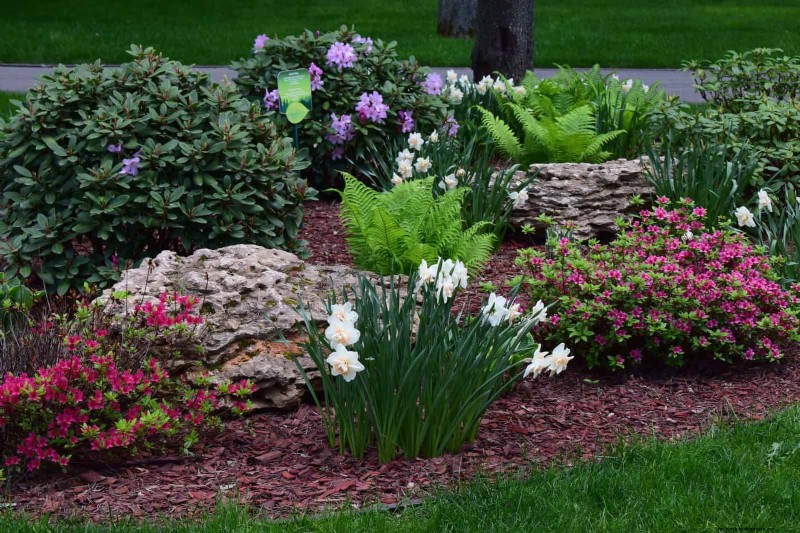
Mulch is the easiest way to make your beds look professionally landscaped. A fresh layer instantly upgrades the whole yard.
It also suppresses weeds, retains moisture, and protects roots from temperature swings. Choose shredded bark for a natural look, cocoa hulls for a rich brown color (and chocolate scent!), or dyed mulch if you want a specific shade.
Apply 2-3 inches of mulch around plants, keeping it away from stems to prevent rot. Reapply once or twice a year as it breaks down. Mulch is one of those tasks that takes an hour but makes your yard look like you spent all weekend on it.
 Depositphotos
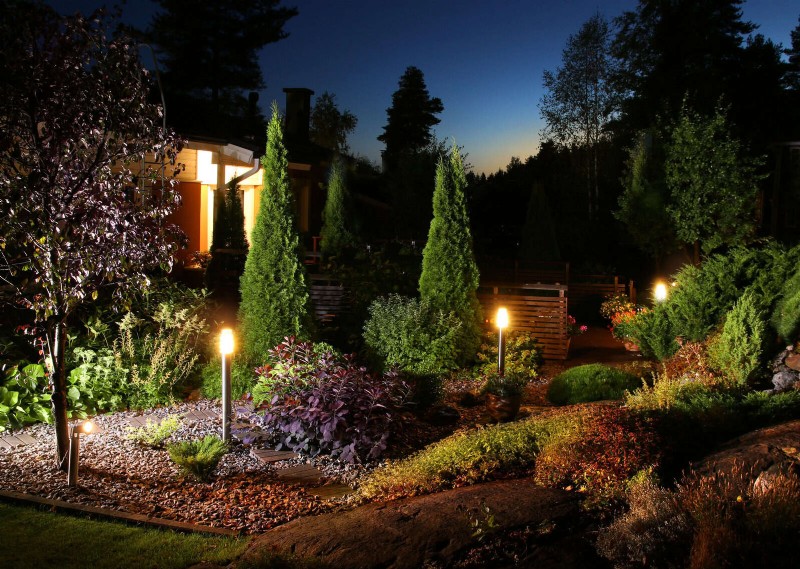
Why let all your hard work disappear after sunset? Landscape lighting extends your curb appeal into the evening hours.
Solar path lights are the easiest place to start. Just stake them along walkways or in garden beds. For more drama, use uplighting on trees or architectural features. Spotlights can highlight your best plants or a water feature.
Warm white lights feel inviting and cozy. Cool white can look stark, so use it sparingly. Lighting also improves safety by illuminating steps, pathways, and dark corners. It’s a small investment that makes your yard feel finished and thought-out.
 Depositphotos
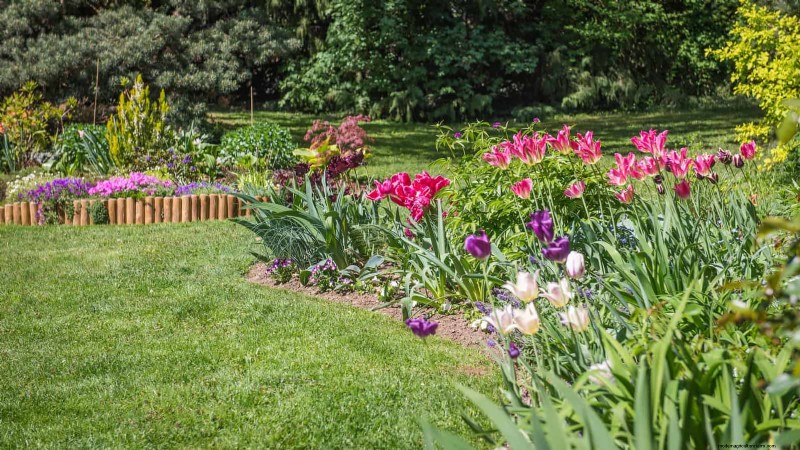
The best front yards look good in February and fabulous in June. The secret? Planning for all four seasons.
Spring bulbs like tulips and daffodils kick things off. Summer perennials (think black-eyed Susans and coneflowers) carry you through the heat. Fall brings asters, mums, and ornamental grasses. Winter interest comes from evergreens, red-twig dogwood, and plants with interesting seed heads.
Layer these together and you’ll have something blooming or looking good almost year-round. It takes a little planning upfront, but once everything’s planted, the yard basically runs itself. Your neighbors will wonder how you always have something happening.
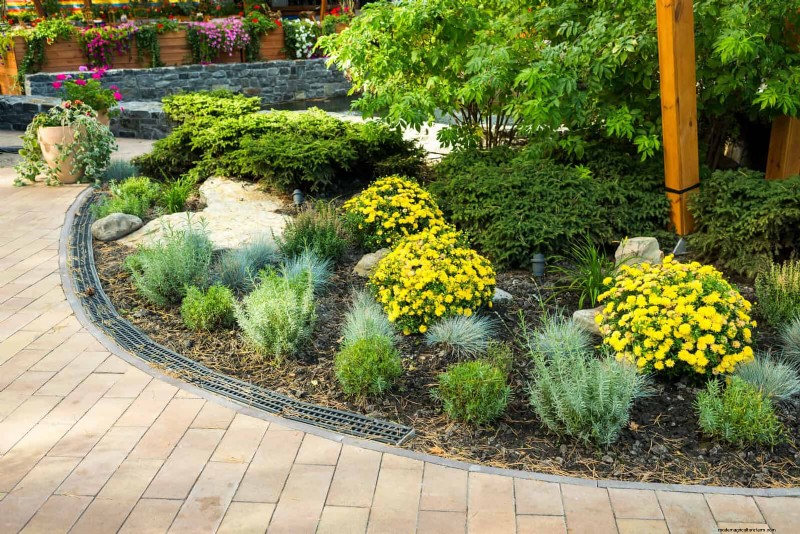
At a Glance: Seasonal Planting
 Depositphotos
Odd numbers are weirdly pleasing to the eye. When you plant in groups of three or five, things feel more natural and less staged.
Instead of planting one hosta, plant three. Instead of a single daylily, go for five. This creates visual impact and gives your beds rhythm. Repeating the same groupings throughout the yard ties everything together.
It’s a simple design trick pros use all the time. Avoid planting in even numbers or single specimens unless it’s a statement piece like a Japanese maple. Groups feel cohesive and intentional, which is exactly what you’re going for.
 Depositphotos
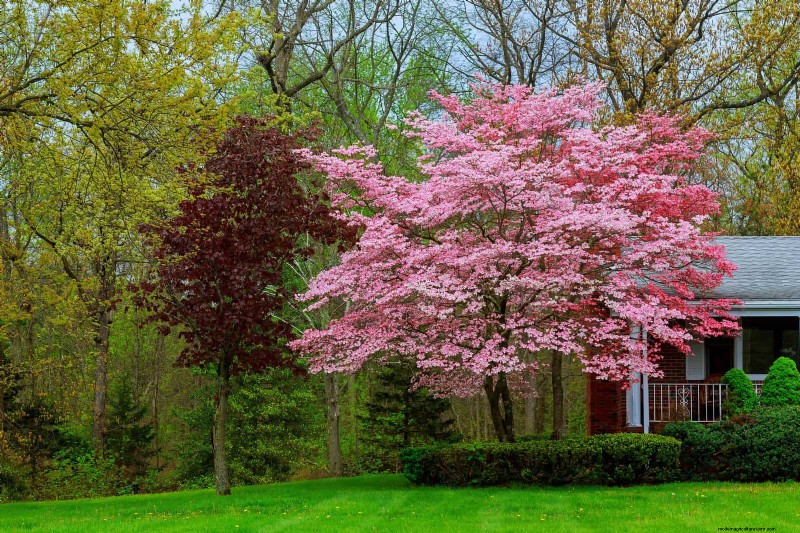
A small tree adds height, shade, and a sense of maturity to your yard. Even a young tree makes a space feel more established.
Flowering dogwood is stunning in spring. Japanese maples bring color and sculptural beauty. Crepe myrtles bloom for months and have gorgeous bark in winter. Serviceberry offers spring flowers, summer berries, and fall color.
Choose varieties that stay compact (under 20 feet) so they don’t overwhelm your yard or block windows. Plant them off to the side or near a corner to soften the house. Use a mulch ring around the base to protect roots and make mowing easier. Trees attract birds, provide shade, and anchor your landscape beautifully.
 Depositphotos
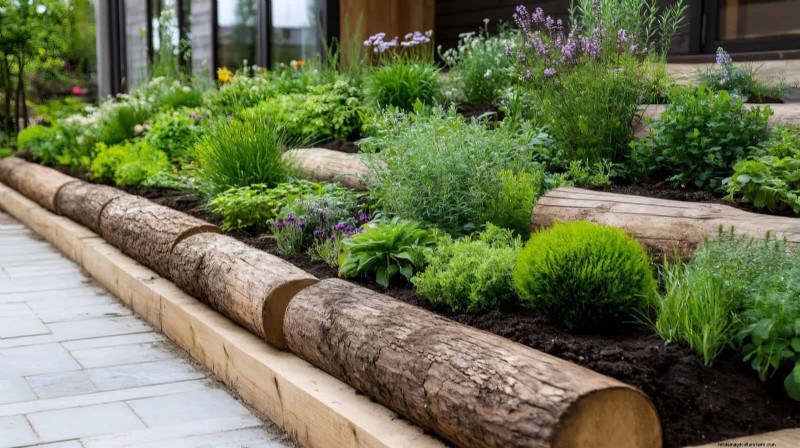
Raised beds give your front yard structure and make everything look intentional right from the start.
They also improve drainage (great if you have heavy clay soil) and keep plants healthier. You can build them from wood, stone, composite materials, or even pre-fab kits. Paint or stain wood beds to match your house trim for a cohesive look.
Raised beds work particularly well near porches, along driveways, or flanking walkways. They create clear boundaries and elevate your plants (literally), making them more visible and easier to care for. Plus, they discourage foot traffic and keep pets from trampling your flowers.
 Depositphotos
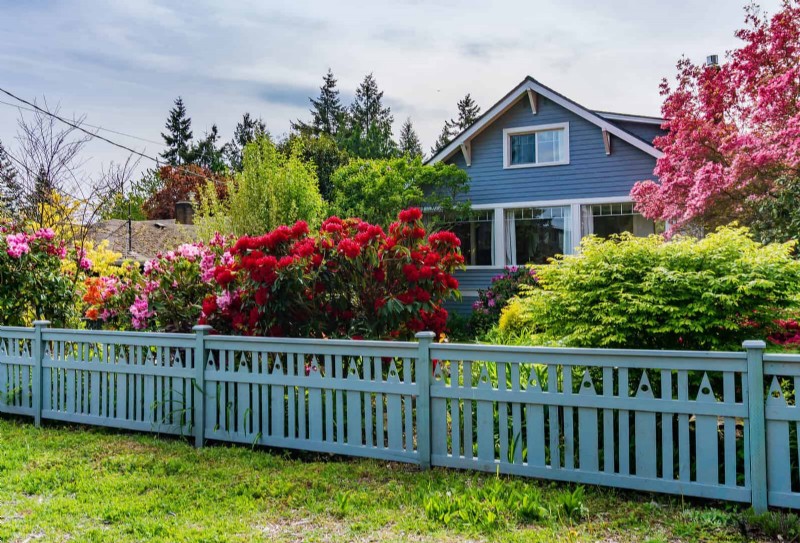
All plants and no structure can feel chaotic. Hardscaping (stone paths, benches, birdbaths, fencing) breaks things up and adds visual interest.
A simple stone pathway feels grounded and permanent. A low fence or decorative trellis adds height without blocking sightlines. A birdbath or garden statue becomes a focal point that draws the eye.
Use natural materials when possible. Flagstone, river rock, and weathered wood blend beautifully with plantings. Hardscaping balances the softness of plants and makes your yard feel designed, not just planted.
 Depositphotos
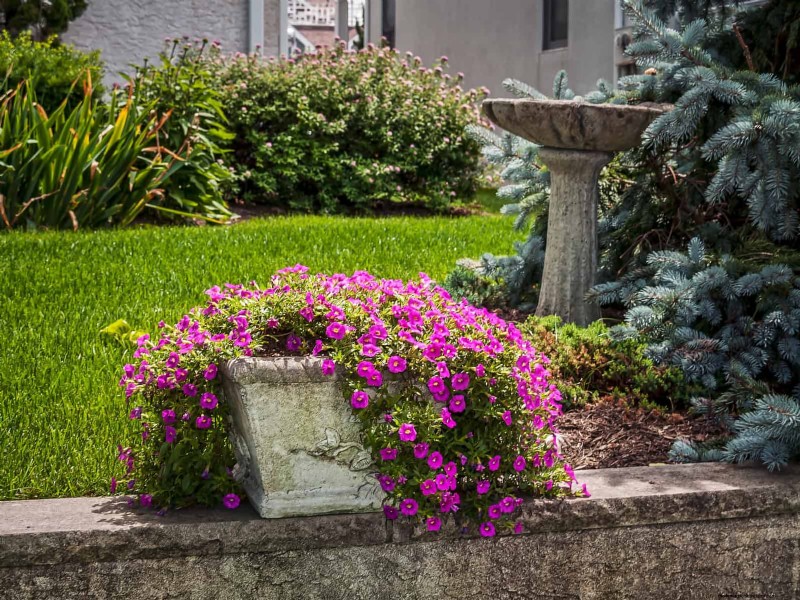
Every great front yard has a spot where your eyes land first. That’s your focal point.
It could be a dramatic plant (like a weeping cherry or ornamental grass with wild plumes), a birdbath, a garden sculpture, or even a colorful container overflowing with flowers. The key is choosing something that reflects your personality and fits your style.
Place it where it naturally draws attention, like at the end of a path, in the center of a bed, or framing the front door. Keep it simple. One strong focal point is better than five competing ones. Let it stand out so everything else supports it.
 Depositphotos
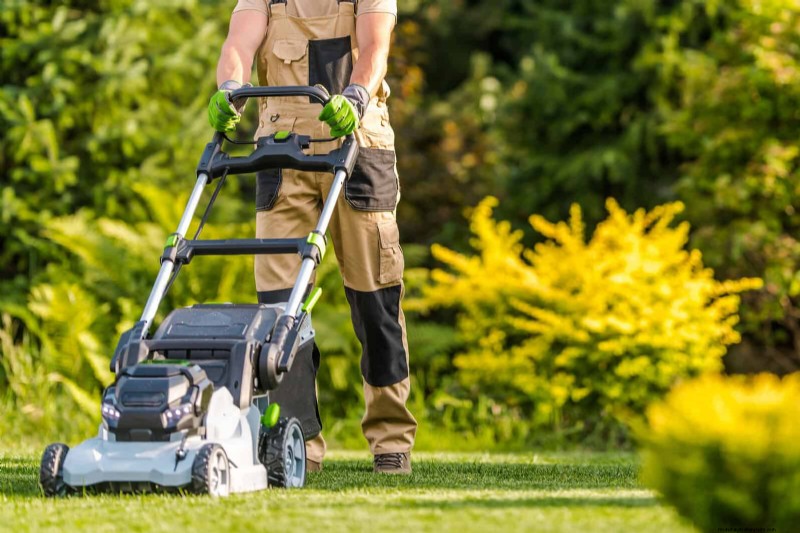
You can have the most gorgeous planting beds in the neighborhood, but if your lawn looks like a hayfield, nobody will notice the flowers.
Mow regularly (once a week during growing season). Edge along sidewalks and driveways for clean lines. Fertilize and water as needed so your grass stays green and healthy, not patchy and sad.
Pull or spray weeds before they take over. A well-maintained lawn shows you care about the details and frames your plantings beautifully. It’s the canvas everything else sits on, so don’t neglect it.
 Depositphotos
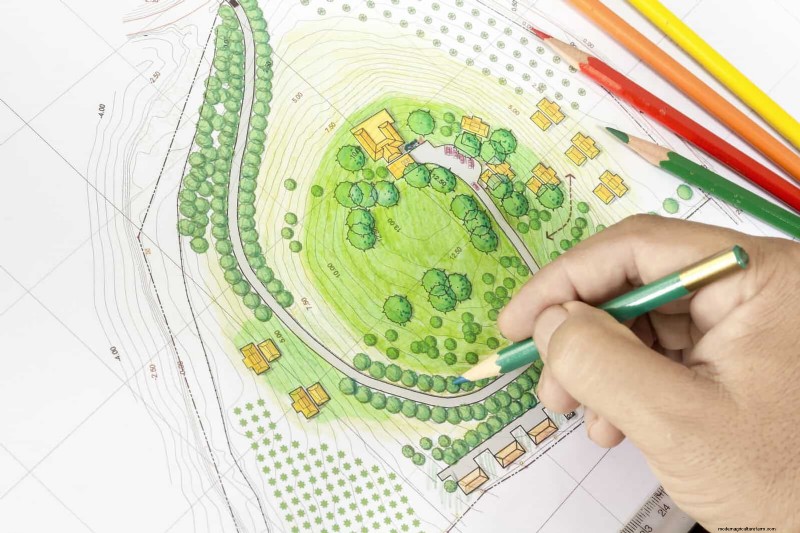
Here’s what nobody tells you: winging it at the garden center is how you end up with random plants crammed into beds with no rhyme or reason.
Take an hour to sketch your space. Use graph paper, a garden app, or even just a photo with notes scribbled on it. Group plants by sun exposure (full sun, part shade, full shade). Consider mature heights so you’re not accidentally hiding your window with a shrub that grows taller than you expected.
Think about bloom times so you have color throughout the season, not all at once in May and then nothing. Measure your beds and paths so you buy the right quantity of plants. This saves you money, prevents overcrowding, and ensures a balanced design.
Choose a focal point (or two) and build around them. Planning means your garden looks polished from every angle instead of “I just grabbed what was on sale.”
 Depositphotos
Let’s be real. You want a gorgeous front yard, but you don’t want to spend every Saturday babying it.
Start by choosing plants suited to your climate and soil. Native plants are your friends because they’ve already adapted to your conditions. Drought-tolerant varieties save water and time. Perennials come back every year, so you plant once and enjoy for seasons.
Mulch generously to suppress weeds and retain moisture. Water deeply once or twice a week instead of shallow daily watering (deep watering encourages strong roots). Prune after blooming to keep shrubs tidy and healthy, but don’t go overboard. Most plants don’t need much fussing.
Fertilize sparingly but consistently. A slow-release fertilizer in spring and maybe again in summer keeps most plants happy. Avoid overfertilizing, which creates weak, leggy growth and more work for you.
Clean your tools regularly (dirty pruners spread disease). Pull weeds when they’re small instead of waiting until they’re monsters. Stay on top of little tasks and you’ll never face a overwhelming weekend overhaul.
 Depositphotos
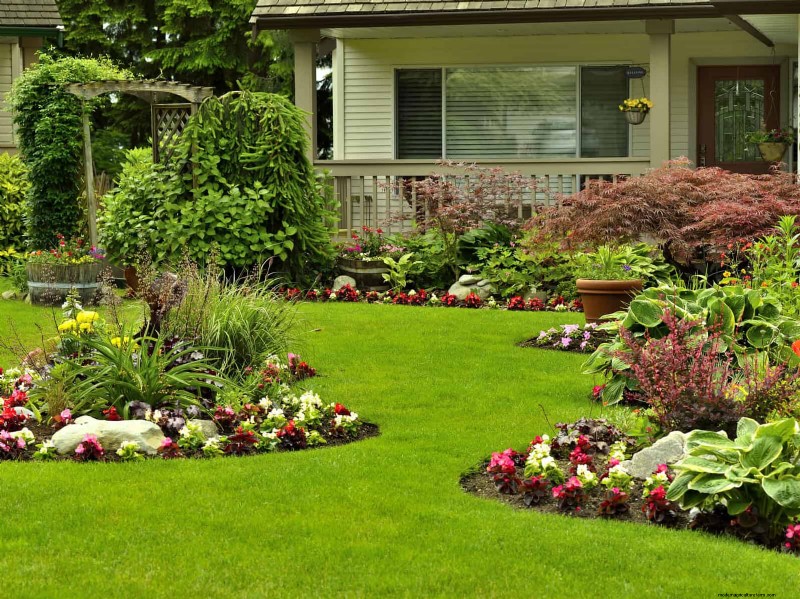
So that’s the game plan. Smart plant choices, thoughtful layering, a little structure here and there, and suddenly your front yard isn’t just lawn anymore.
Start with one area (maybe framing the door or lining the walkway) and build from there. You don’t have to do everything at once. Gardens evolve. The best ones feel lived-in and loved, not like they were installed overnight.
Remember to pick the right plants for your climate and light conditions. Water when things are getting established, then let your choices do the heavy lifting. And when someone slows down to admire your front yard as they walk by, you’ll know you nailed it.


