Welcome to Modern Agriculture!

 Shutterstock
Gardening myths are everywhere and can quickly mislead new gardeners just starting out. Whether passed down through generations or spread on social media, these common misconceptions can do more harm than good. In this list, you will uncover 25 widely believed myths and discover what works to grow healthier plants and avoid common mistakes.
 Depositphotos
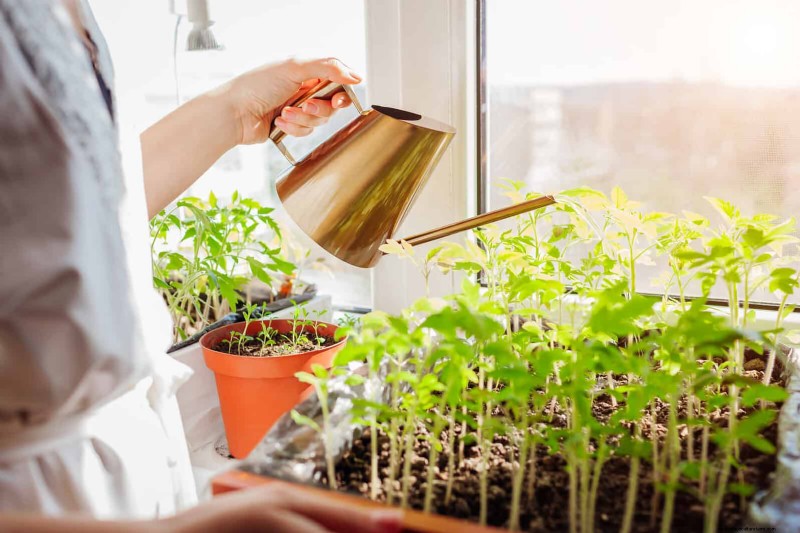
Many beginners assume plants need daily watering to survive. But most plants thrive with less frequent, deep watering that encourages strong root growth. Daily watering can lead to shallow roots and water waste. The key is to learn your plant’s moisture needs and water only when the soil dries out. Check the soil with your finger before reaching for the hose.
 Depositphotos
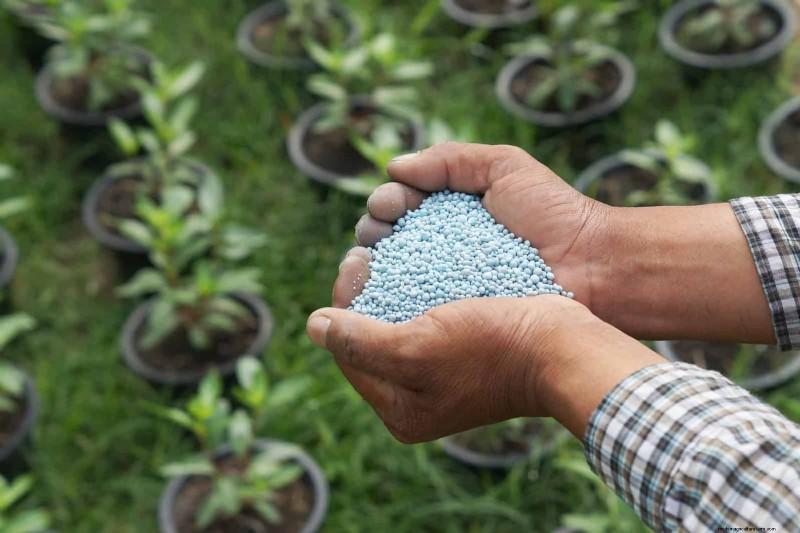
It may seem like extra fertilizer will supercharge plant growth, but too much can be harmful. Over-fertilizing can burn roots, create nutrient imbalances, and reduce flowering or fruiting. Use fertilizer according to label instructions, and always test your soil first. Feeding plants only when needed leads to better results.
We'll email it to you so you can read it later!
By saving, you agree to receive occasional emails. Unsubscribe anytime.
 Depositphotos
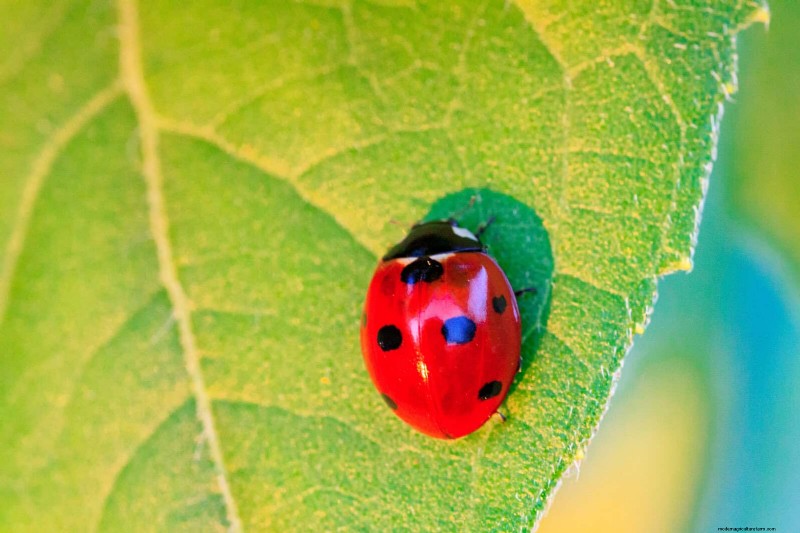
New gardeners often panic at the sight of any insect. But not all bugs are pests; some are allies. Ladybugs, lacewings, and ground beetles feed on harmful insects and keep your garden balanced. Learning to tell good bugs from bad ones will help you avoid unnecessary spraying and promote a healthier ecosystem.
 Depositphotos
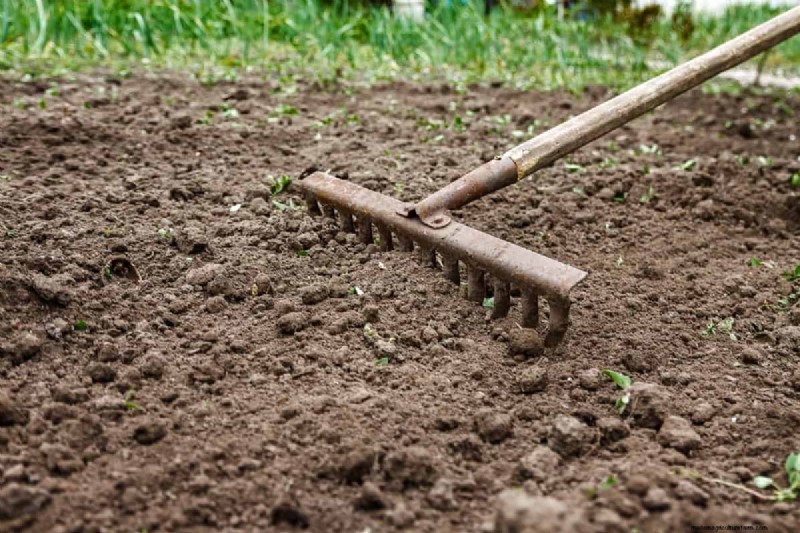
Tilling seems the right way to prepare a garden bed, but it can disturb soil life and bring weed seeds to the surface. No-till gardening keeps soil structure intact and helps maintain beneficial microbes. Instead of tilling, add compost or mulch on top and let earthworms do the work.
 Depositphotos
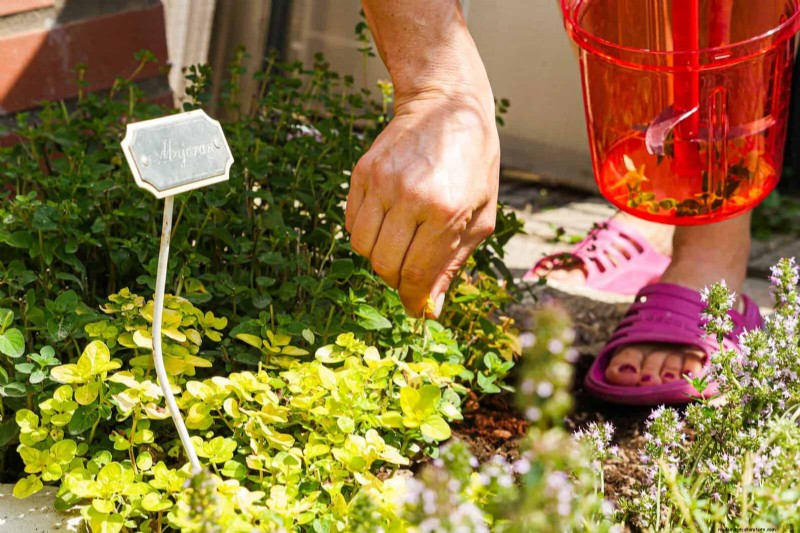
Sunlight is essential, but not all plants need it all day. Many shade-loving plants, like ferns, hostas, and lettuce, grow well in low light. Observe how much sun your space gets and choose plants accordingly. With the right plant choices, a shady spot can still be productive and beautiful.
 Depositphotos
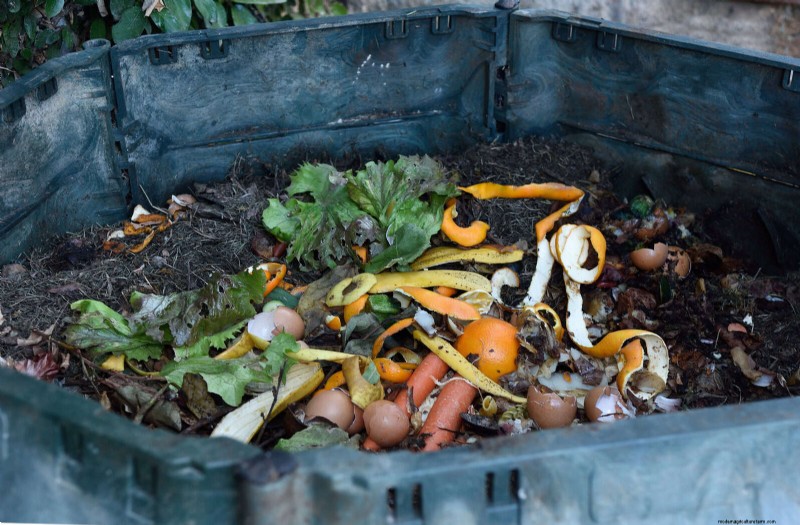
When done right, compost should smell earthy, not rotten. A balanced mix of greens (like food scraps) and browns (like dry leaves) prevents odor and keeps pests away. Avoid adding meat or dairy, which can cause smells and attract animals. A well-managed compost pile improves soil and reduces waste.
 Depositphotos
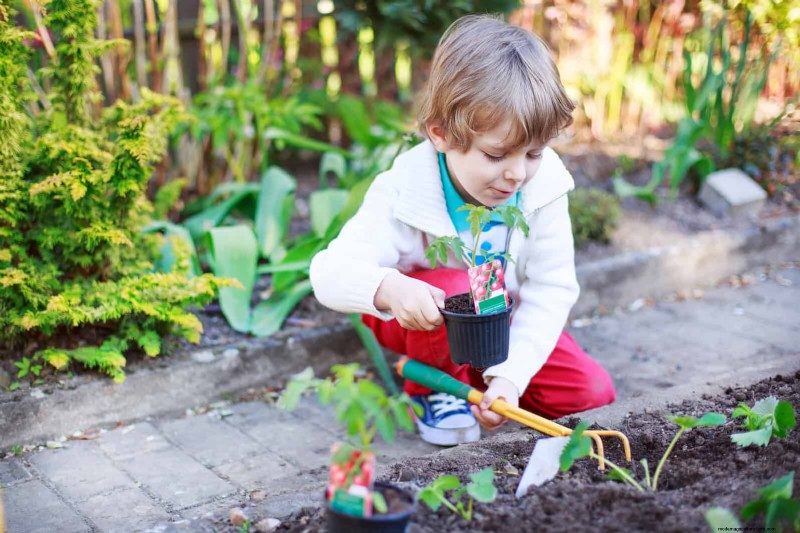
Many think growing food is too complicated or requires years of knowledge. But crops like radishes, lettuce, and green beans are great for beginners. With basic tools and some patience, anyone can grow food at home. Start small and build confidence as you go.
 Shutterstock
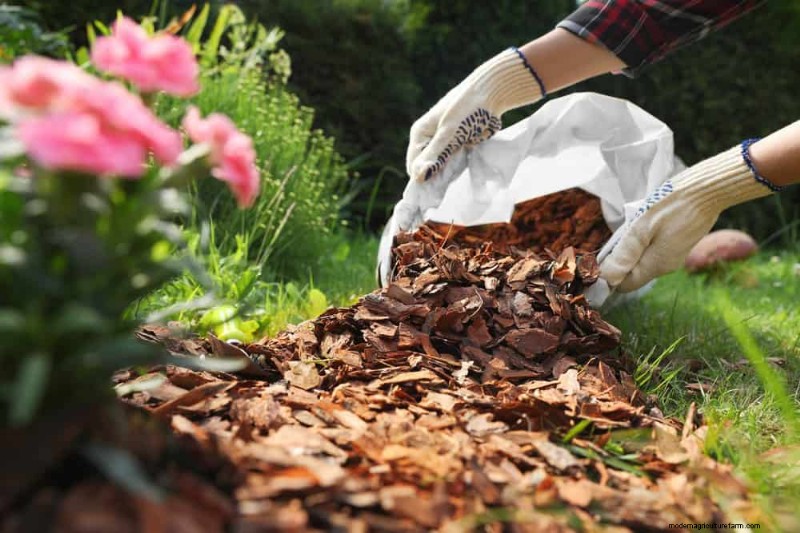
Mulch helps retain moisture and prevent weeds, but too much can suffocate plant roots and lead to rot. A two-to-three-inch layer is usually enough. Keep mulch a few inches away from stems and trunks to avoid fungal problems. Proper mulching supports plant health.
 Depositphotos
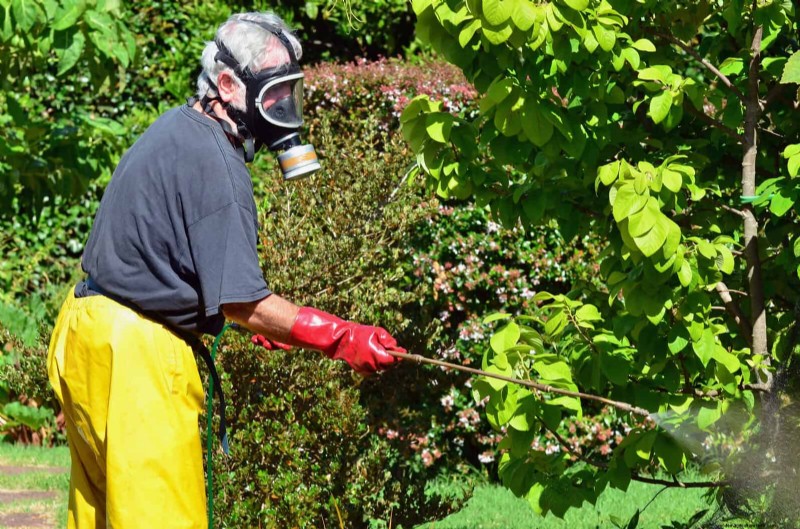
Chemical sprays are not the only option for pest control. Organic gardening methods and integrated pest management offer safer solutions. Hand-picking pests, using neem oil, or introducing predator insects can all be effective. Healthy plants are less likely to attract problems in the first place.
 Depositphotos
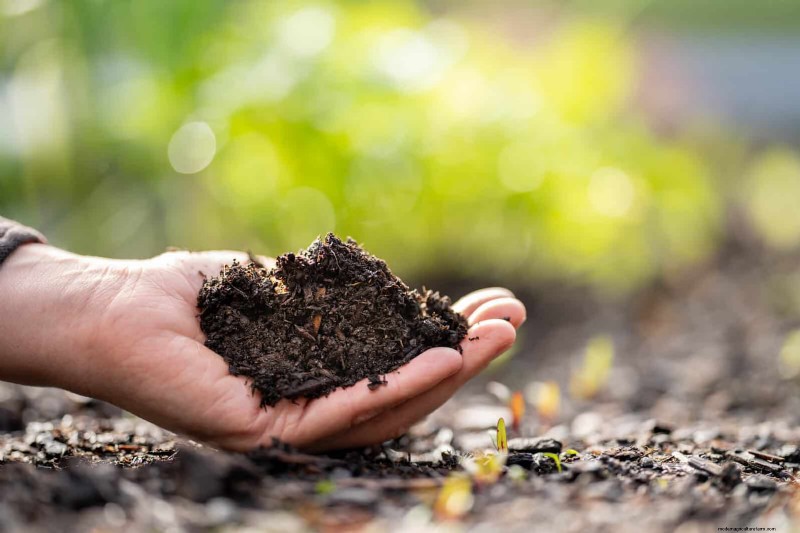
Not all dirt is created equal. Healthy garden soil needs the right texture, drainage, and nutrients. Plants grown in poor or compacted soil often struggle. Add compost or organic matter to improve your soil, and consider getting a soil test to understand its condition.
 Depositphotos
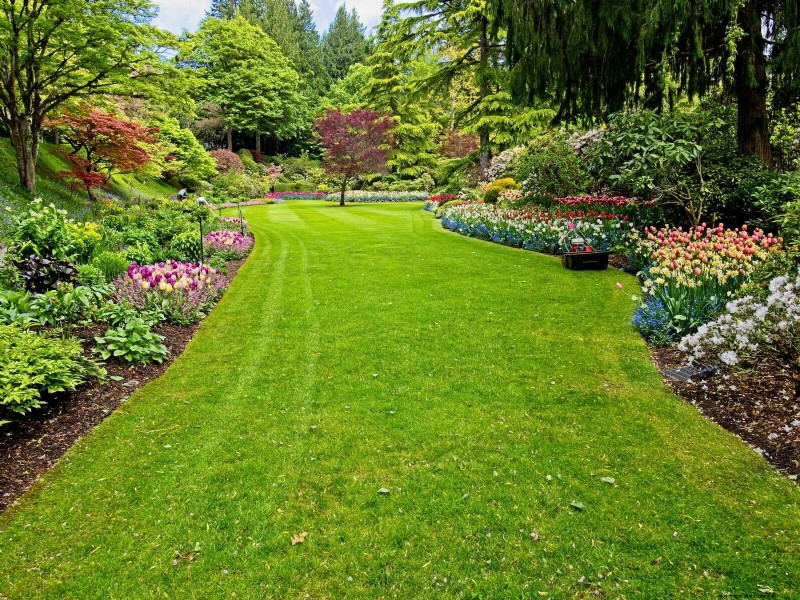
You do not need a large yard to grow plants. Containers, raised beds, window boxes, and vertical gardens allow gardening in even the smallest spaces. Balconies, patios, and windowsills can all become productive spots. The key is using the space you have wisely.
 Depositphotos
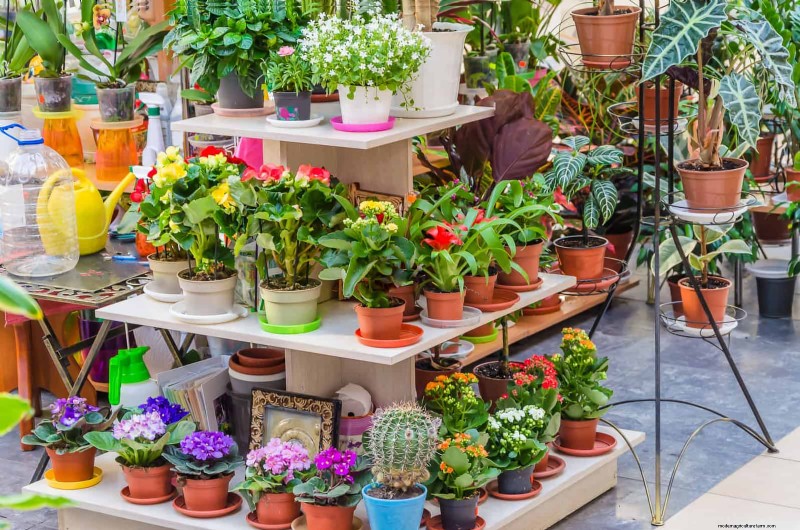
Store plant labels can be helpful, but they may not reflect local climate or soil conditions. Some labels are generic or not updated. Research your plant’s needs and consider local gardening advice for better results. Trust your observations over package claims.
 Depositphotos
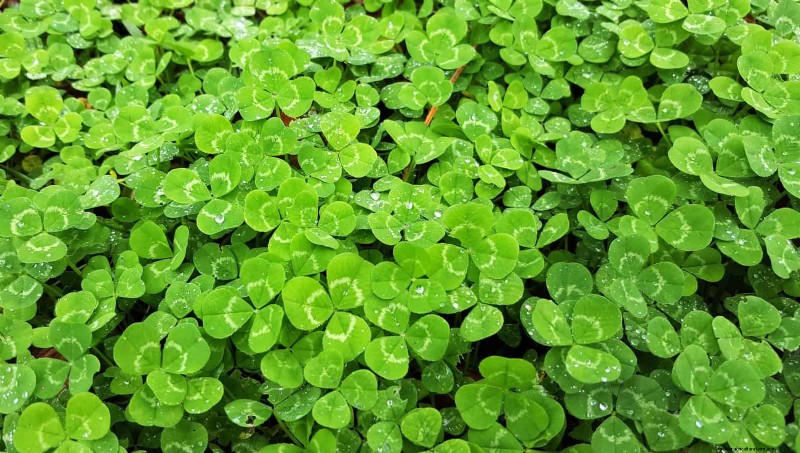
Not every weed is a problem. Some, like clover, can fix nitrogen in the soil, and others, like dandelions, are edible. While it is true some weeds compete with your crops, others play functional roles. Learn to recognize helpful ones before pulling them out.
 Depositphotos
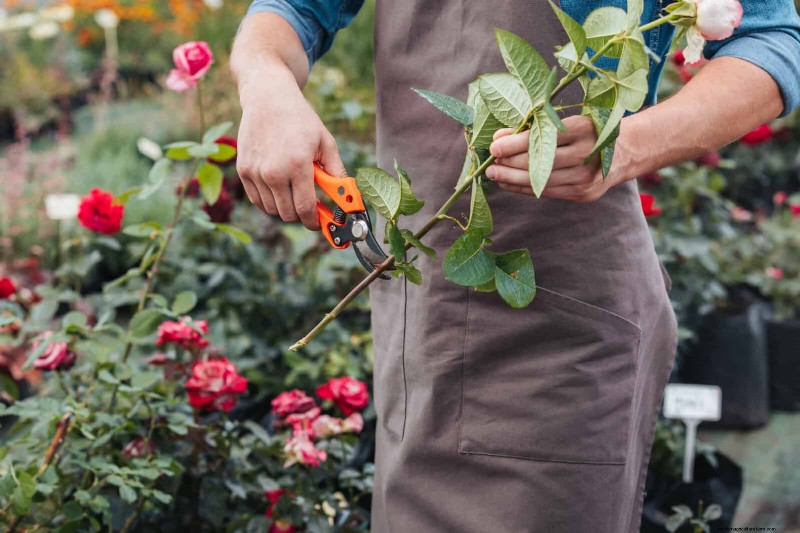
Spring is a standard time for pruning, but it is not right for all plants. Some shrubs and trees bloom on old wood and should be pruned after flowering. Pruning at the wrong time can reduce blooms or harm plant structure. Research your plant’s timing before reaching for the shears.
 Depositphotos
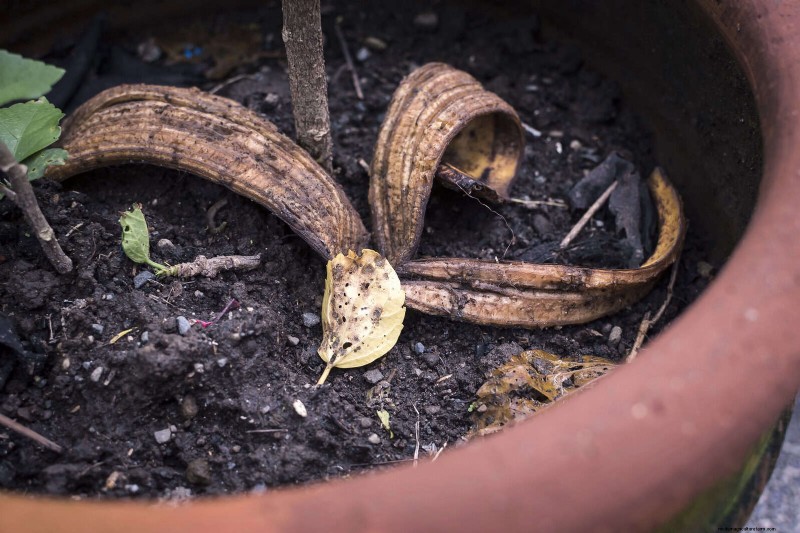
Banana peels and coffee grounds are often praised as miracle solutions. While they contain nutrients, they are not balanced fertilizers on their own. Add them to compost rather than directly to the soil. For best results, use them as part of a well-rounded fertilization plan.
 Depositphotos
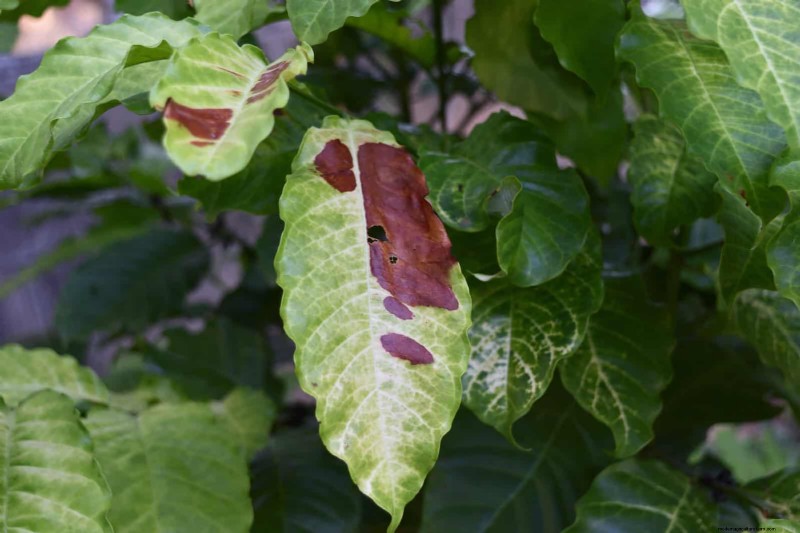
Brown leaves can be alarming, but they do not always mean a plant is dying. Leaf browning may result from sunburn, overwatering, or seasonal changes. Look at overall plant health and new growth before assuming the worst. Often, a simple shift in care can fix the problem.
 Depositphotos
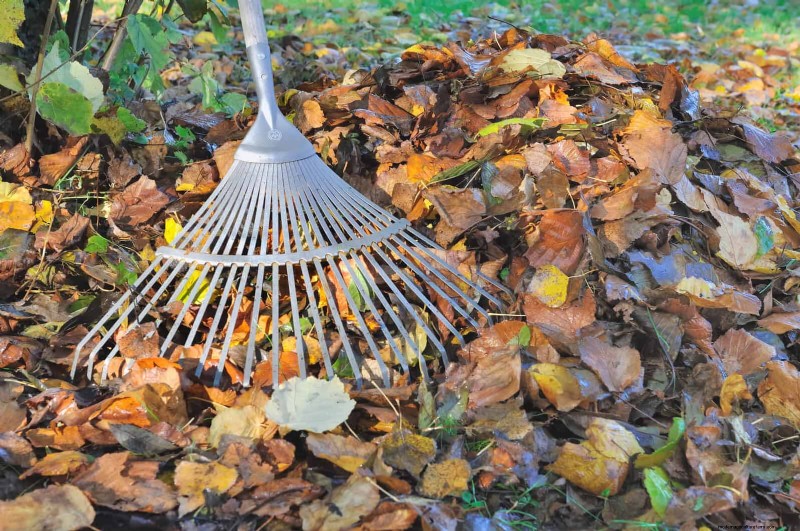
While tidy beds may look lovely, fallen leaves offer benefits. They protect soil, provide habitat for beneficial insects, and slowly break down into nutrients. Rake leaves off lawns if needed, but let them stay in garden beds or compost them. Nature’s mulch has its perks.
 Depositphotos
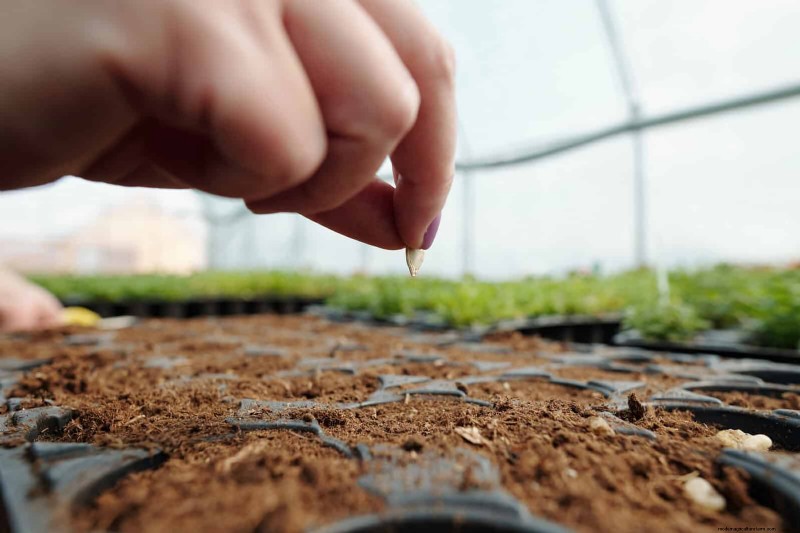
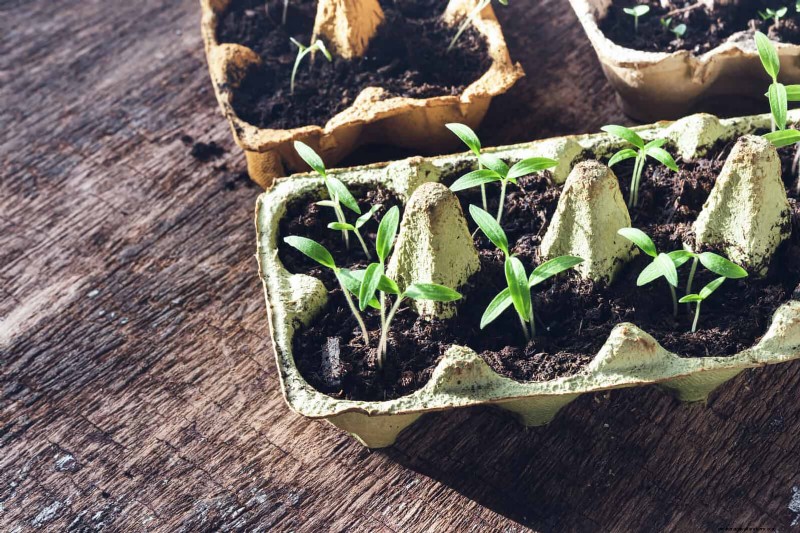
A greenhouse helps, but it is not a must for seed starting. Many seeds can sprout indoors on a sunny windowsill or under simple grow lights. Use trays or small pots with good drainage. With the proper setup, you can grow healthy seedlings at home.
 Depositphotos
Gardening can be done on a budget with wise choices. Use recycled containers, swap seeds with friends, and make your compost. Avoid overspending on fancy tools or décor. Focus on the plants and the basics. Nature does not need a hefty price tag.
 Depositphotos
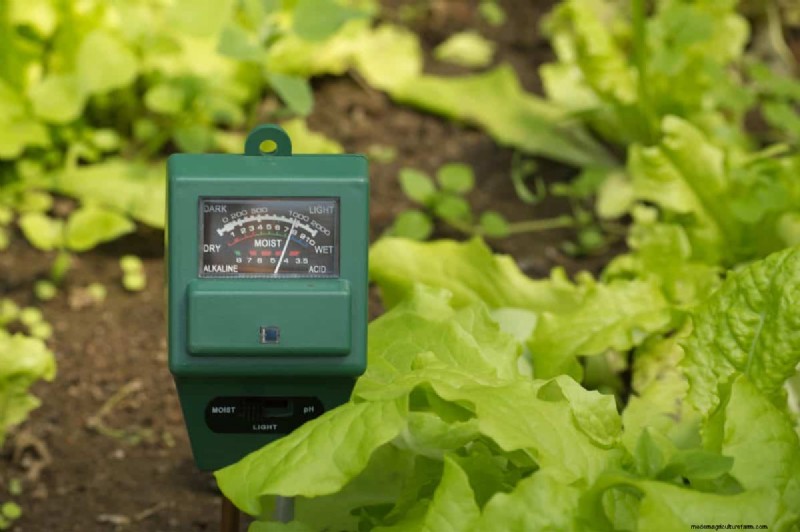
Soil pH plays a significant role in plant health; not all plants like neutral conditions. Blueberries prefer acidic soil, while lavender enjoys slightly alkaline soil. Test your soil and adjust as needed. Matching the right plant to the right soil improves success.
 Depositphotos
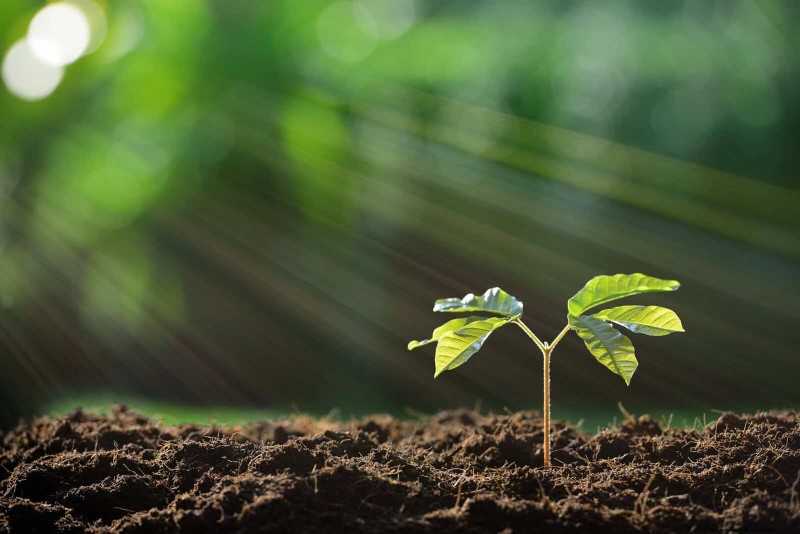
Plants do need sun, but too much can cause stress or burns. Some plants, especially shade-lovers, prefer filtered light. Observe your garden’s light patterns and group plants accordingly. Balance is key when it comes to sunlight.
 Depositphotos
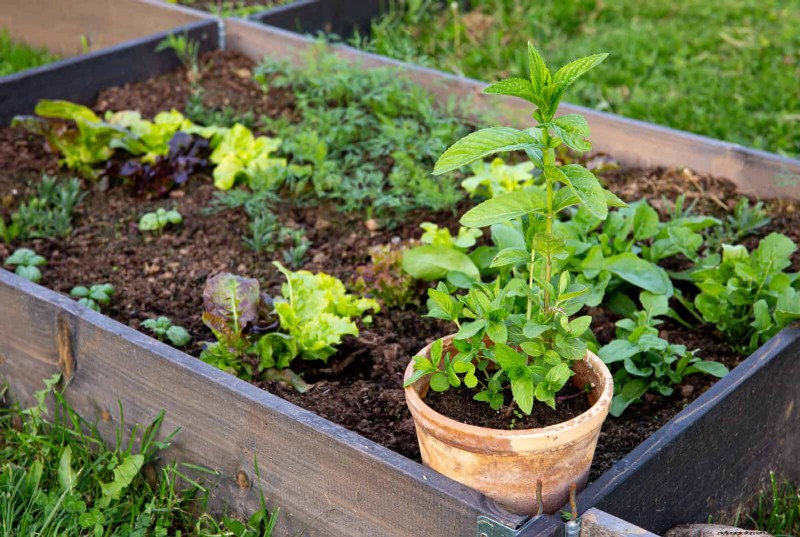
Raised beds are easier to manage, but they are not weed-proof. Weed seeds can still blow in or come from compost and soil. Use mulch and regular weeding to keep them under control. Good bed preparation helps, but maintenance is always needed.
 Depositphotos
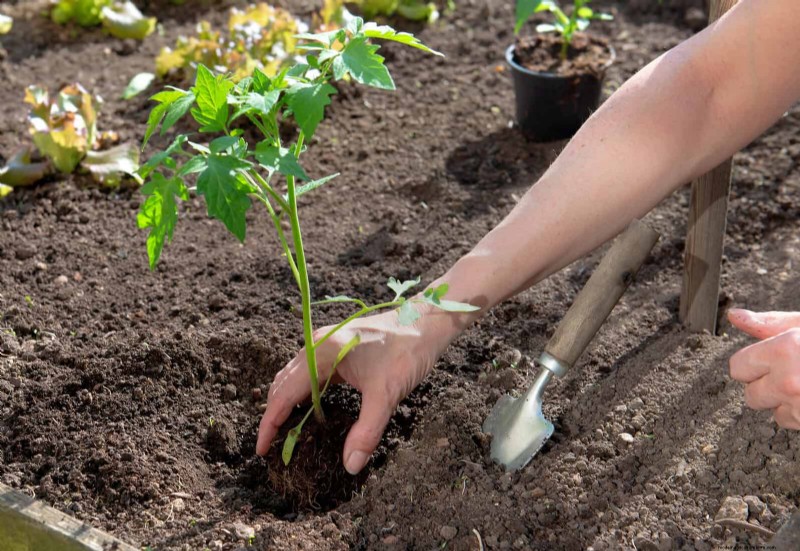
Planting is just the beginning. Gardens need regular care—watering, weeding, pruning, and watching for pests. Pay attention to your plants and adjust as needed. Consistent effort leads to a thriving garden.
 Depositphotos
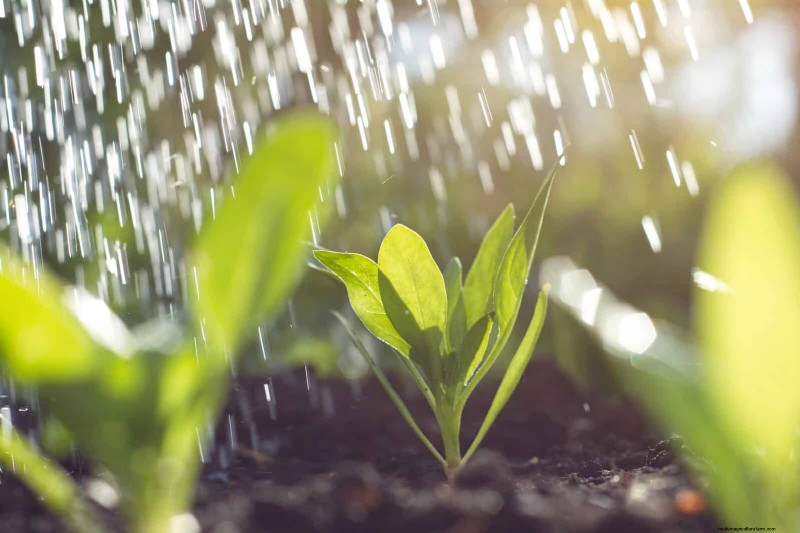
While both hydrate plants, rainwater is usually better. It lacks chlorine and fluoride found in tap water, which can build up in soil over time. Collecting rainwater also saves money and conserves resources. Plants will thank you for it.
 Depositphotos
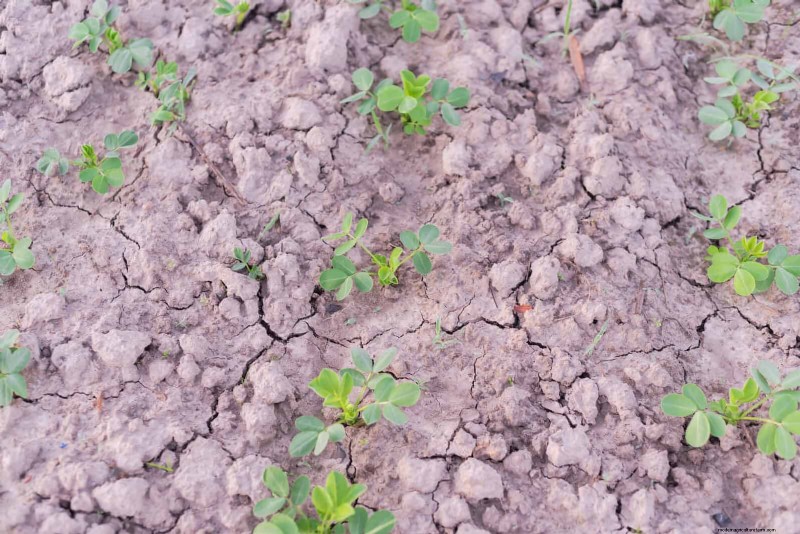
Clay soil is heavy but not hopeless. With the addition of compost and proper techniques, it can support many plants. Choose varieties that tolerate clay, like daylilies or black-eyed Susans. Improving structure over time makes a big difference.
 Shutterstock
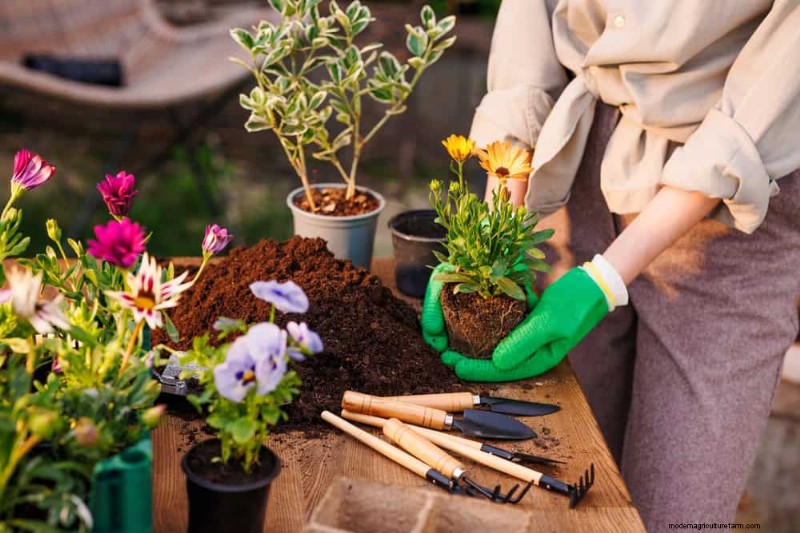
Falling for myths can set your garden back, but a little knowledge goes a long way. Understanding what plants need and letting go of bad advice helps even beginners grow with confidence. Stick to science, observe what works in your space, and trust your growing skills to improve. Gardening is a journey; busting these myths is a great place to begin.
Don’t let these common misconceptions fool you: 21 Houseplant Myths That Are Ruining Your Plants (Stop Believing These!)