
Welcome to Modern Agriculture!

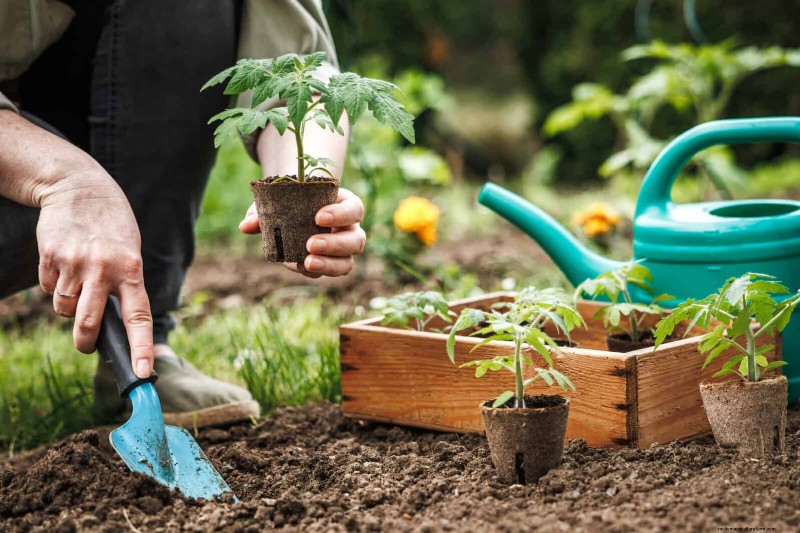
Every gardener dreams of a bountiful harvest, yet long‑standing misconceptions can quietly erode yields and plant health. By turning myths into evidence‑based practices, you’ll turn a struggling plot into a thriving ecosystem.
Below, we break down the most common garden myths, explain why they’re misleading, and provide practical, science‑backed solutions.
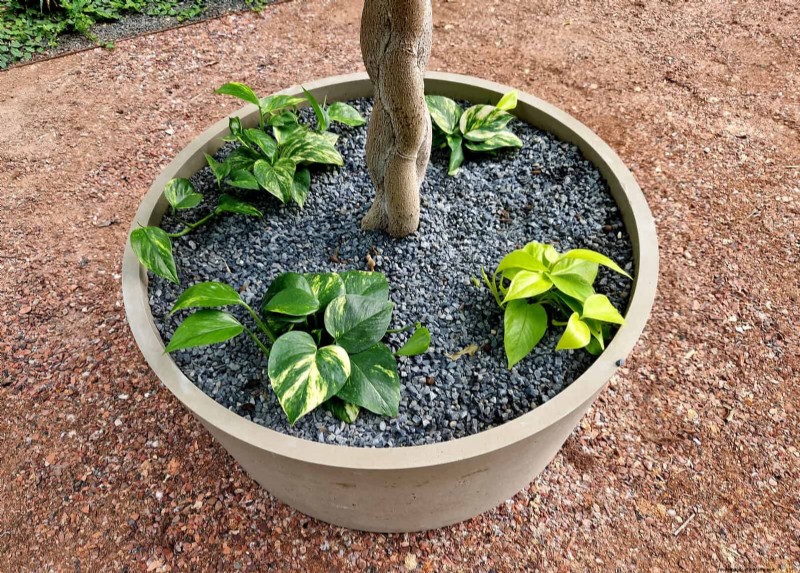
Many gardeners place a gravel layer at the bottom of pots, thinking it speeds drainage. In reality, gravel creates a perched water table: water collects above the gravel instead of passing through. Proper potting mix—light, well‑draining, and fully filled—offers the best balance of moisture retention and aeration.
Save this article & also instantly unlock today's gardening deals!
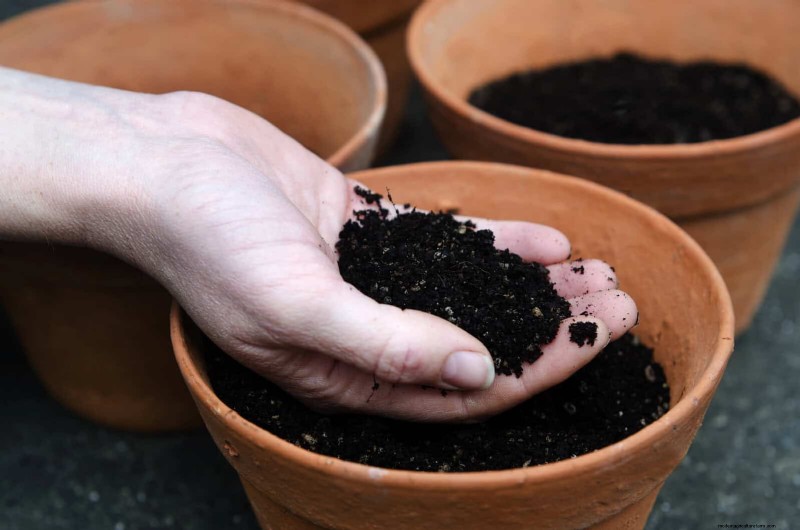
Focus on containers with ample drainage holes and high‑quality commercial potting blends. For succulents and cacti, choose cactus mix or add perlite. Slightly elevating pots allows excess water to escape more freely.
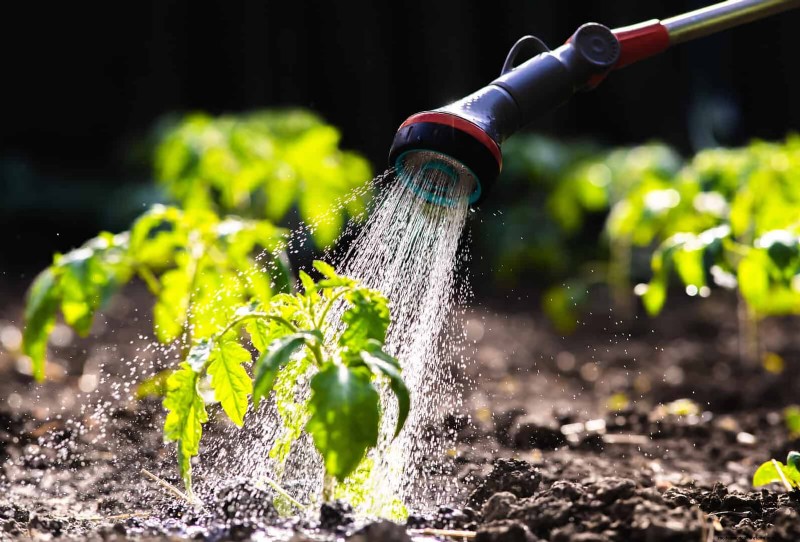
The idea that every plant needs daily water leads to overwatering, root rot, and fungal disease. Watering frequency varies by species, size, climate, and soil type. Many established plants thrive with deep, infrequent watering rather than shallow daily dabs.
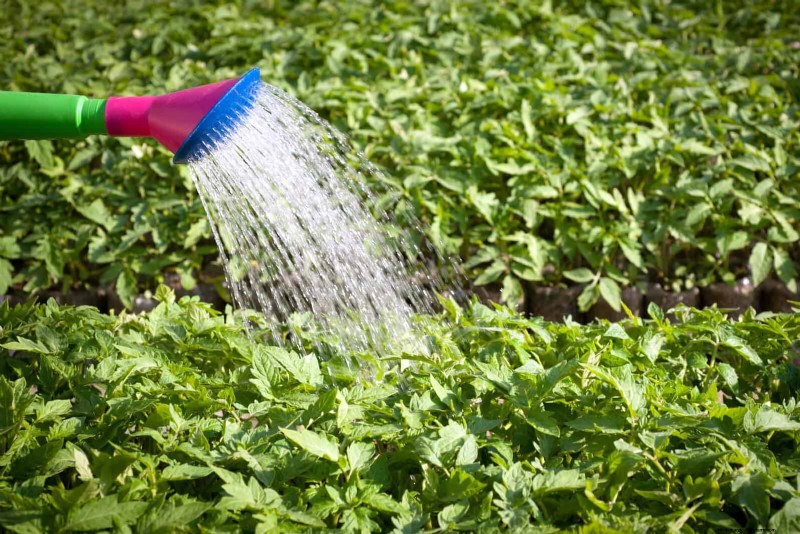
Develop a watering schedule tailored to each plant. Test soil moisture by inserting your finger 1–2 inches deep; if it feels dry, it’s time to water. Apply enough to wet the deep root zone, encouraging downward root growth for drought resilience. Morning watering reduces evaporation and lowers fungal risk.
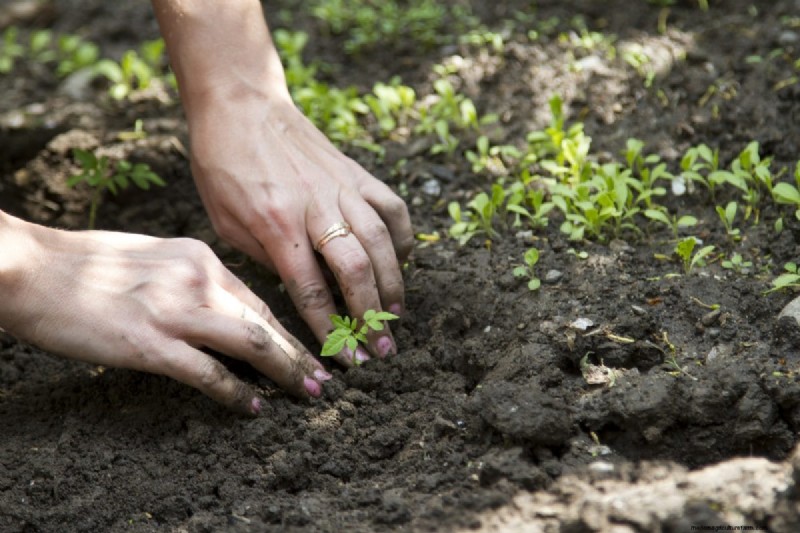
Plants synthesize sugars through photosynthesis, not by absorbing sugar from the soil. Adding sugar can disrupt soil microbes and attract pests. Tomato sweetness depends on genetics, ripeness, and growing conditions.
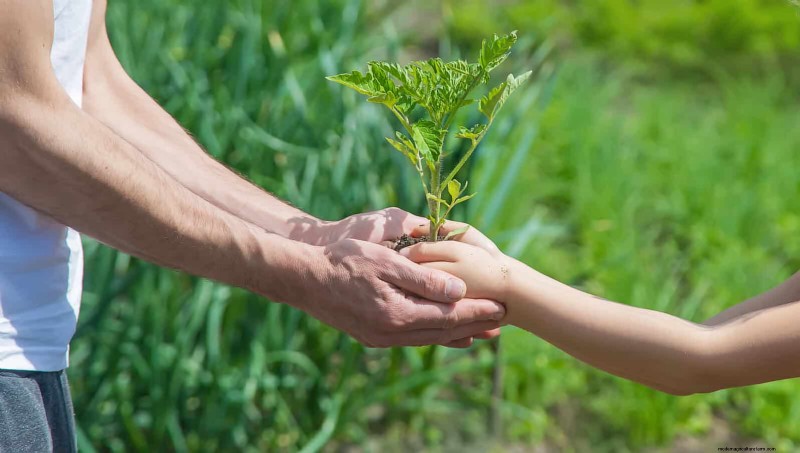
Choose heirloom varieties known for flavor. Allow tomatoes to ripen on the vine, ensuring maximum sugar development. Adequate sunlight and a slight late‑season water reduction (without wilting) concentrate sugars.
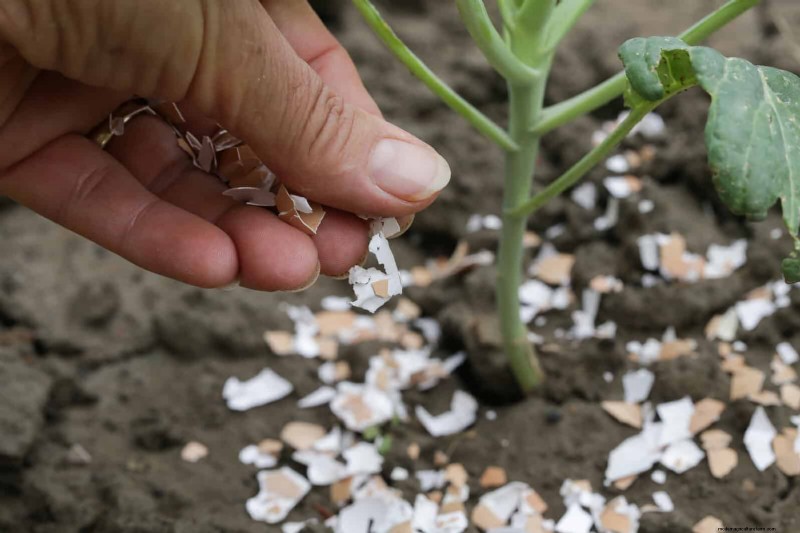
Blossom end rot stems from calcium not being transported, not from low soil calcium. Eggshells release calcium very slowly and are ineffective in a single season. Consistent moisture is the key to preventing this issue.
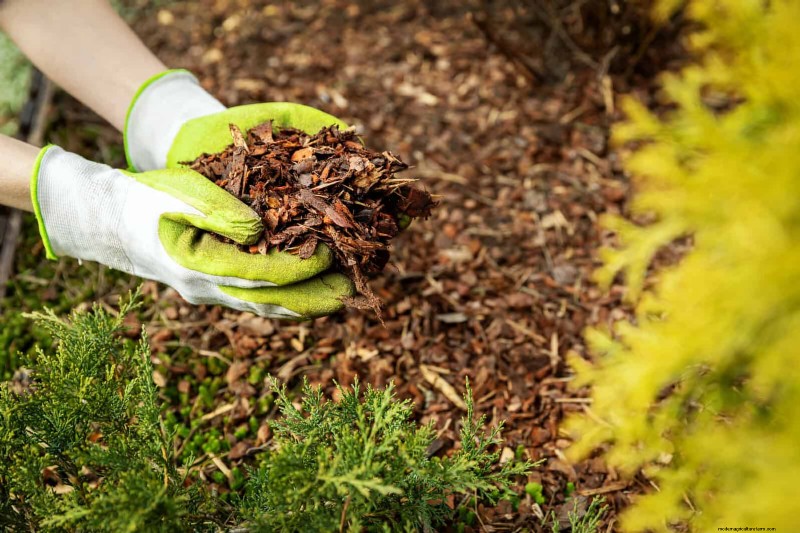
Maintain steady soil moisture with mulch and avoid excessive nitrogen. If a true calcium deficiency exists, use fast‑acting calcium nitrate. Consider varieties bred for resistance to blossom end rot.
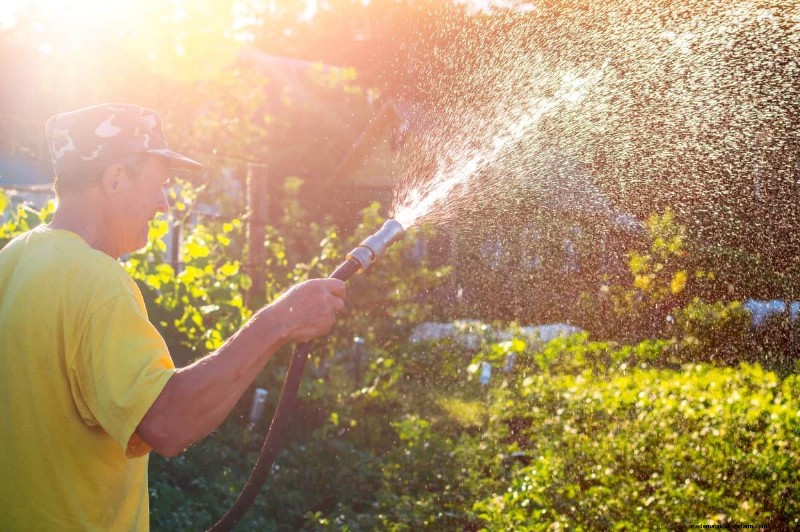
Water droplets don’t focus sunlight enough to burn leaves. The real issue is inefficient water use; midday watering evaporates rapidly and can waste water.
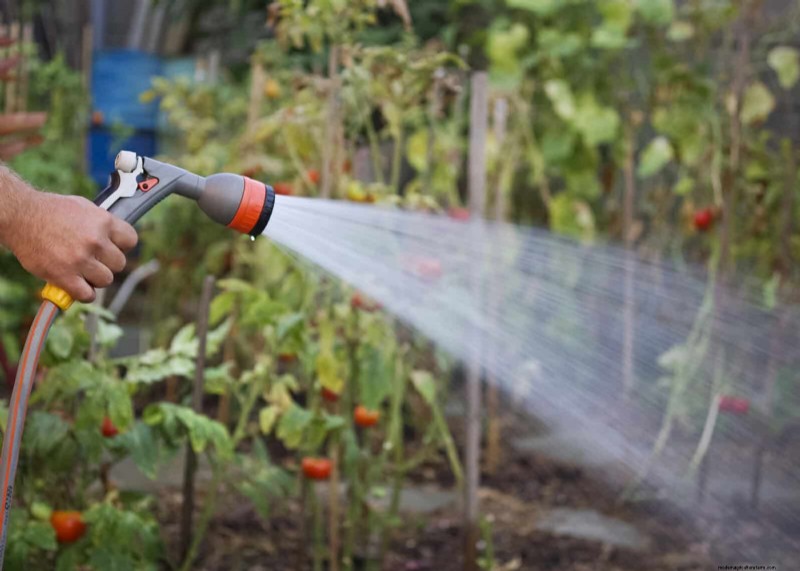
Water early in the morning so plants absorb moisture before heat spikes and foliage dries quickly, reducing fungal risk. If morning isn’t possible, early evening is a suitable backup.
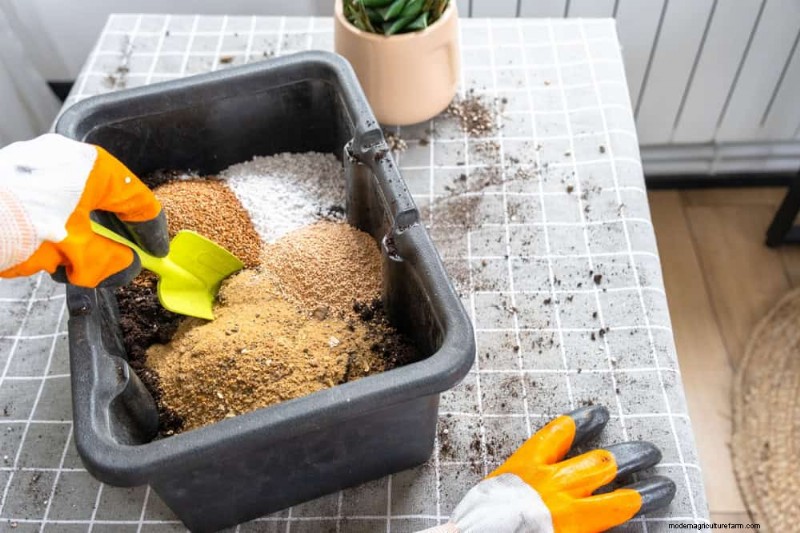
Mixing a small amount of sand into heavy clay often compacts the soil further, creating a denser, less breathable medium. In practice, sand improves drainage only when added in large, impractical quantities.
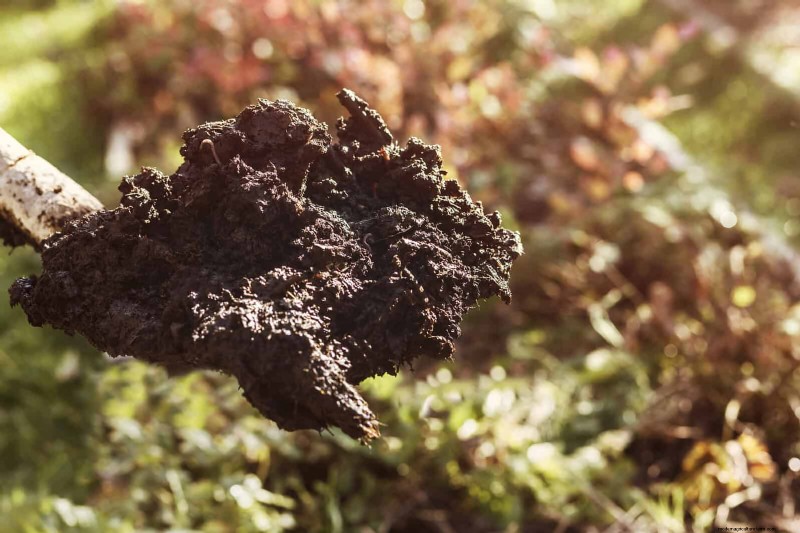
Organic matter—compost, aged manure, leaf mold—creates air pockets between clay particles, enhancing both drainage and aeration. Apply a 2–3 inch layer of compost yearly, or till 6–8 inches before planting.
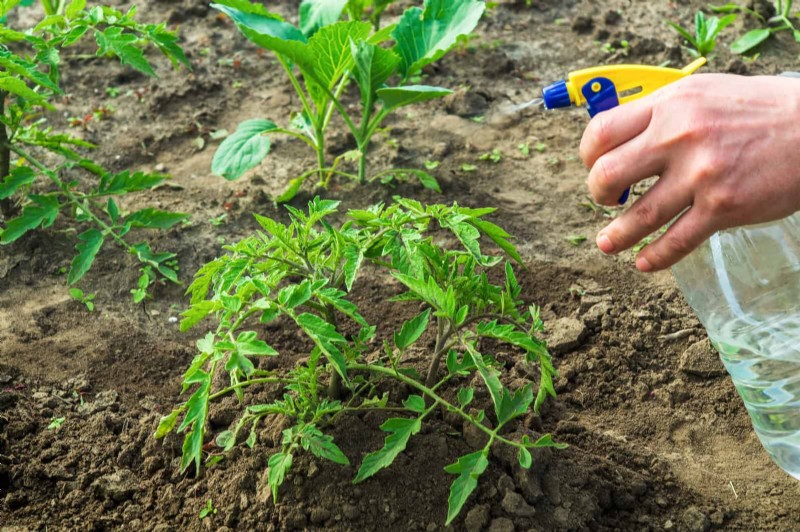
Household dish soap isn’t formulated for plants and contains additives that can damage foliage and root systems. While it can kill soft‑bodied insects, it also harms beneficial insects and can build up in soil.
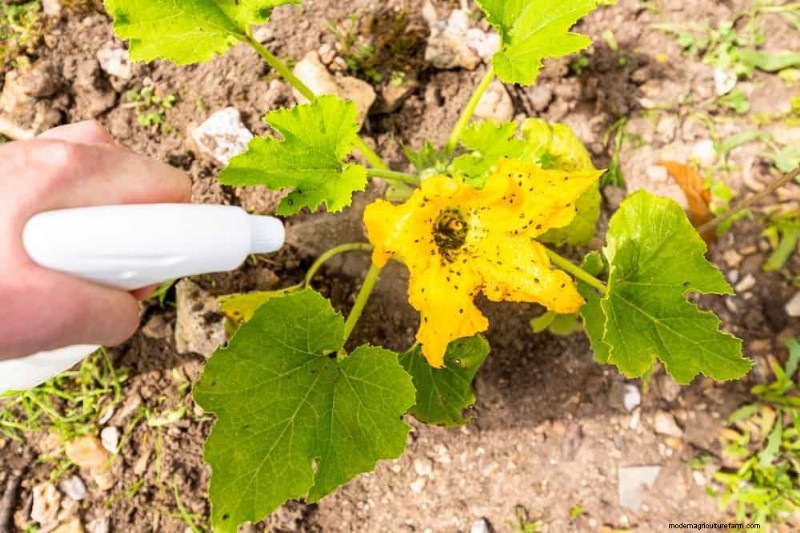
Use insecticidal soaps designed for gardening. Test on a small leaf area before full application. Integrate pest‑management practices: attract beneficial insects, use physical barriers, and select pest‑resistant varieties.
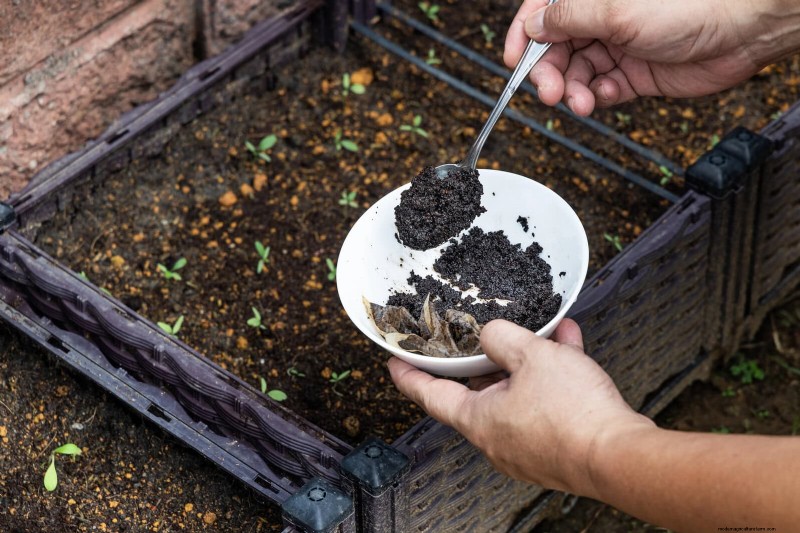
Fresh coffee grounds are acidic and can harm plants that prefer neutral or alkaline soils. Used grounds are less acidic but can create a water‑repelling crust if applied in thick layers. Their nitrogen becomes available only after decomposition.
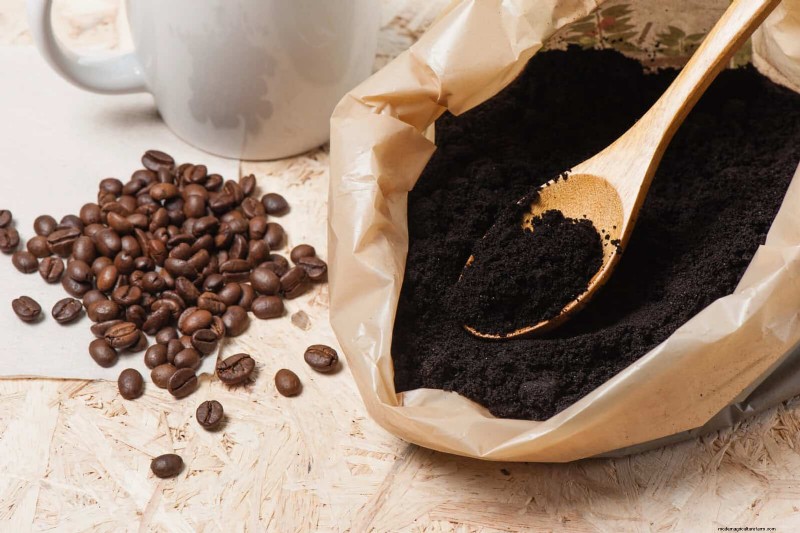
Incorporate coffee grounds into compost, where they break down and release nitrogen. If applying directly, spread thinly and mix into the soil. Acid-loving plants such as blueberries and azaleas may benefit from moderate use.
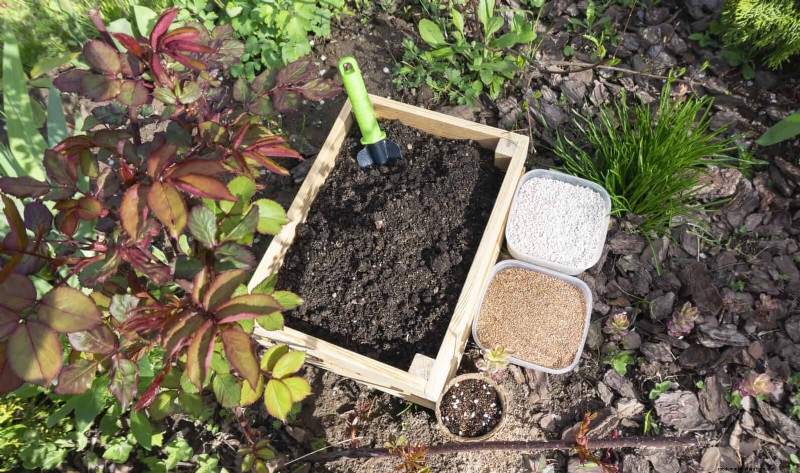
Plants absorb nutrients in the same forms, regardless of source. Organic fertilizers release nutrients slowly, improving soil structure, but may not meet urgent needs. Synthetic fertilizers provide immediate availability but don’t enhance long‑term soil health and can leach away.
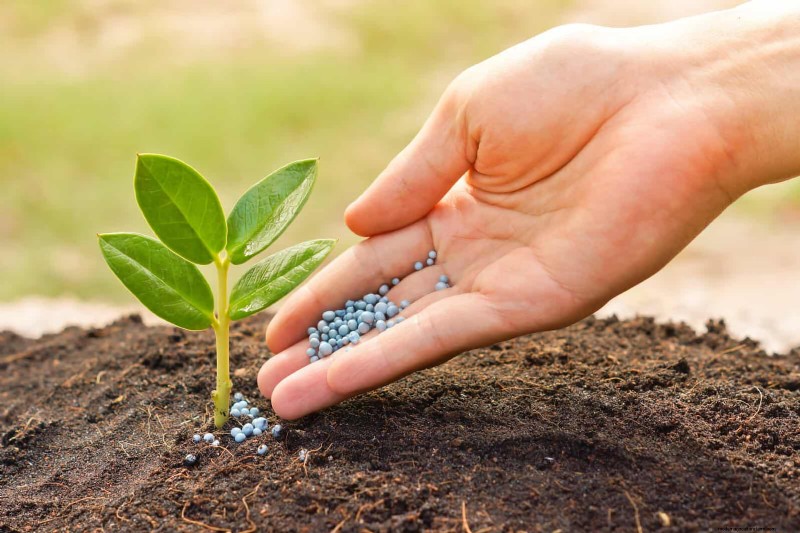
A hybrid strategy works best: use compost for baseline soil health and supplement with synthetic nutrients during critical growth stages or when deficiencies appear. Follow recommended rates and conduct soil tests before application.
Overwatering deprives roots of oxygen, fostering root rot pathogens. Symptoms of overwatering and underwatering—wilting, yellowing, leaf drop—can look similar, leading to a watering cycle that only worsens the problem. Most established plants can endure brief drought but not prolonged oxygen deprivation.
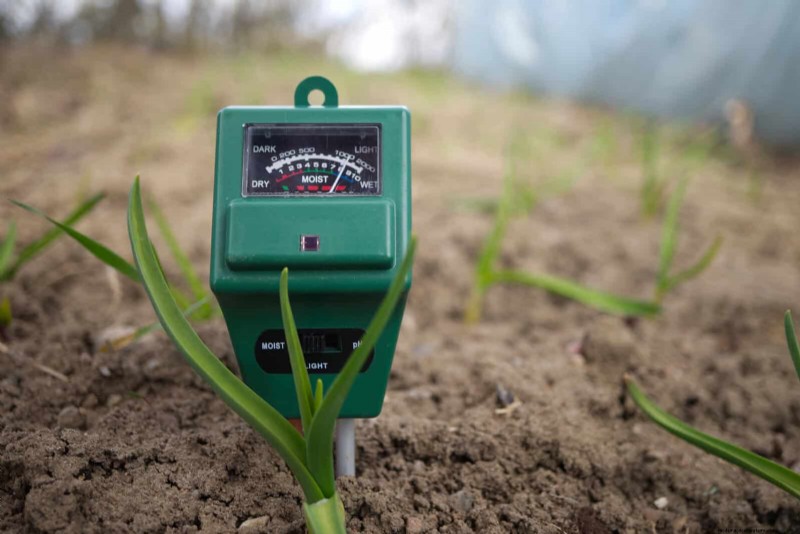
Distinguish overwatering from underwatering by checking physical characteristics: overwatered plants exhibit soft, mushy stems and a rotting odor; underwatered plants have crisp, dry edges and soil that pulls away. Use a moisture meter or finger test to guide irrigation. Group plants with similar water needs together (companion planting) and adjust seasonal irrigation schedules.
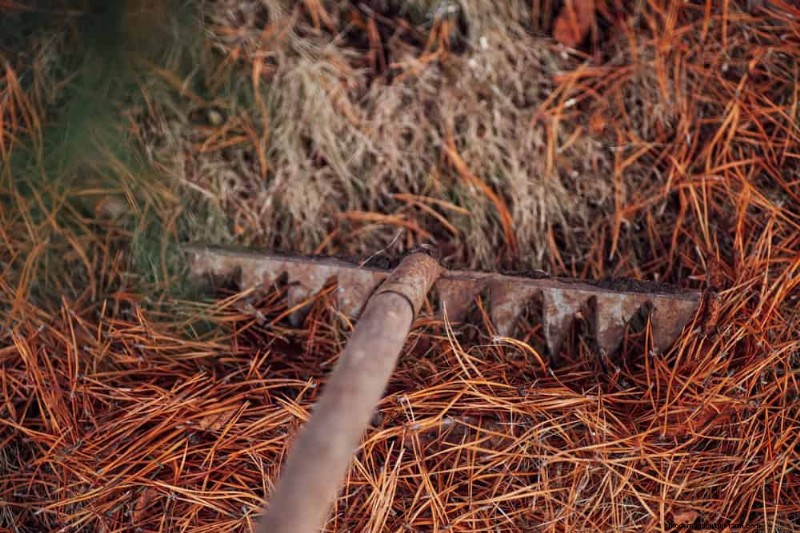
While fresh pine needles are acidic, they lose most acidity as they decompose. In well‑buffered soils, the pH impact is negligible. Mandating avoidance of pine straw is unnecessary for most gardens.
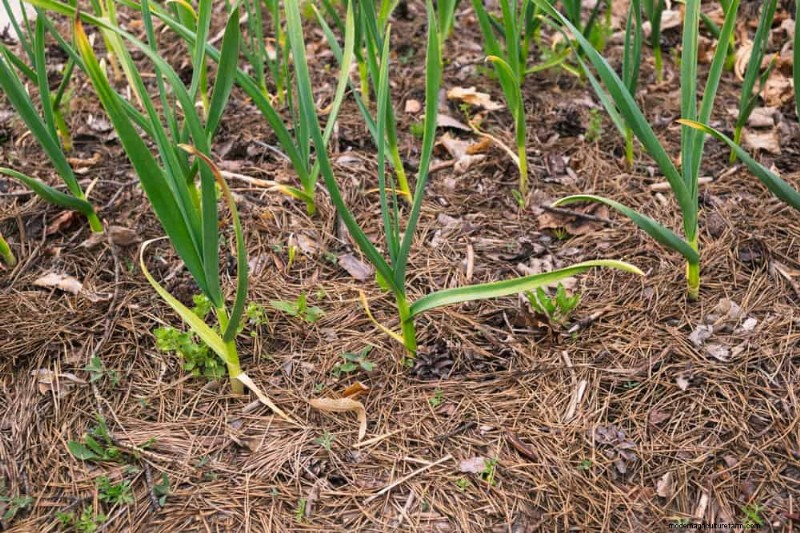
Pine straw offers self‑draining properties on slopes, weed suppression, slow decomposition (requiring less frequent top‑dressing), and a mild pH benefit for acid‑preferring plants.
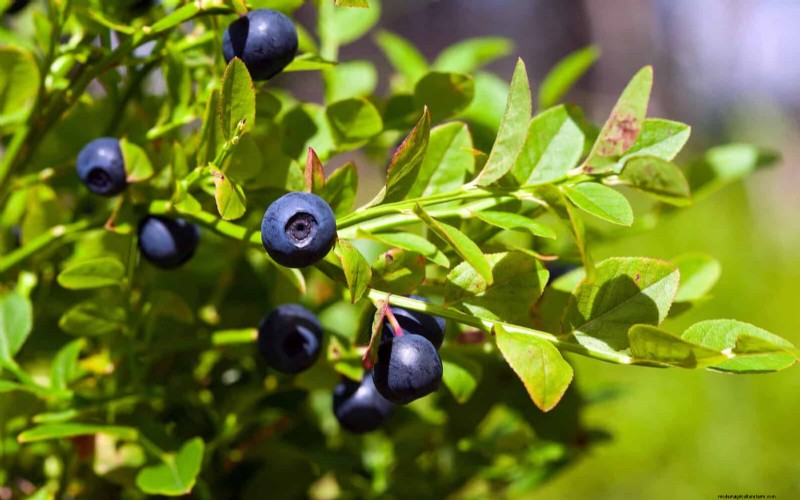
Native species must still receive care in impermanent garden settings. Urban heat islands, altered soils, and fragmented landscapes alter native habitats. Newly planted natives require watering, pruning, and competition management during their establishment phase.
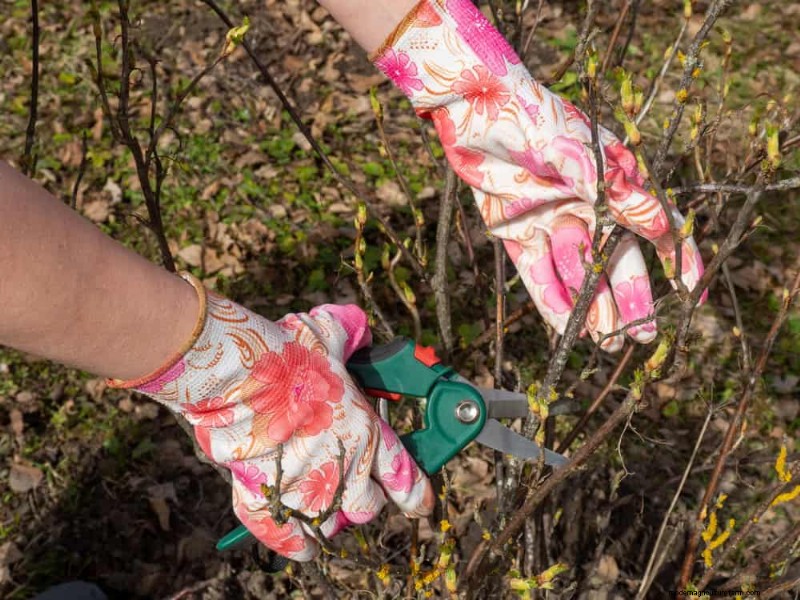
During the first growing season, provide regular water to form robust root systems. After establishment, they generally need less supplemental water, but occasional droughts may still require attention. Pruning and invasive species control remain essential.
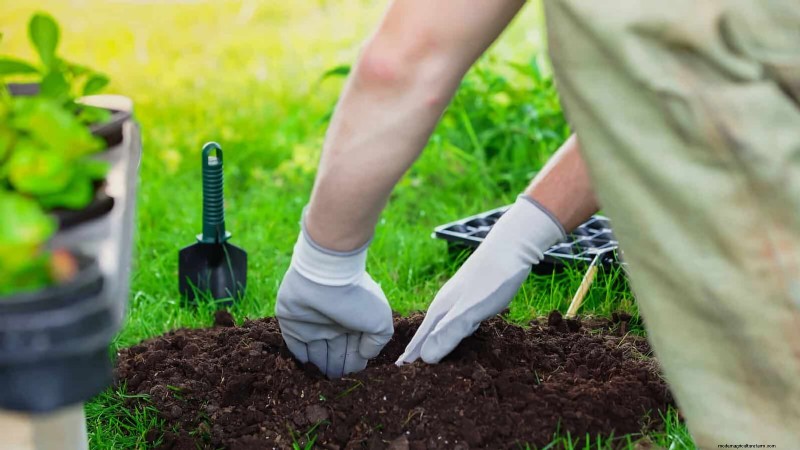
Gardening knowledge evolves as we deepen our understanding of plant biology and soil science. What seemed obligate wisdom in the past may now be counterproductive. Self‑propelled learning—observing, experimenting, and adjusting—propels long‑term success.
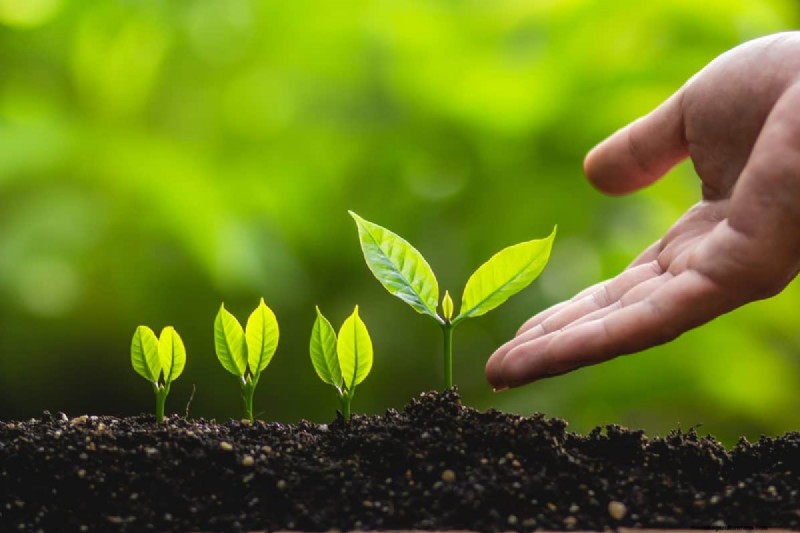
Challenge the rules you’ve always followed when plants falter. Small, controlled experiments reveal what works in your unique microclimate. Sustainable success comes from understanding principles, not rigidly obeying tradition.
Written by
Phoebe Aranas
Phoebe contributes to GardenTabs as both a writer and editor, bringing her passion for gardening to life through engaging and informative content. Her dedication to accuracy ensures that readers receive reliable advice for their gardening needs.
Meet the GardenTabs team →

Editorial oversight
GardenTabs content is reviewed by Steve Snedeker, a seasoned gardener with decades of hands‑on landscaping experience.


