
Welcome to Modern Agriculture!

 Depositphotos.com
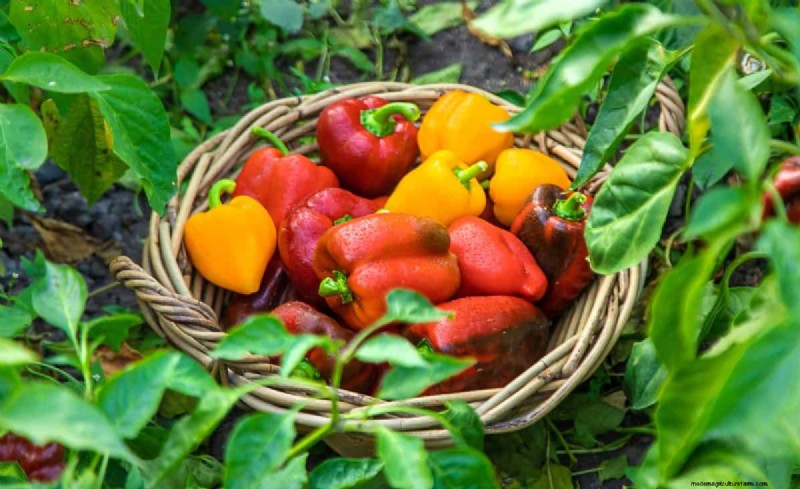
Peppers present a rewarding challenge for home gardeners, yet many face stunted growth, low yields, and pest issues. These evidence‑based techniques will elevate your pepper cultivation, turning common setbacks into abundant, quality harvests.
Peppers are tropical perennials that require a lengthy indoor start before they ever encounter outdoor soil. The first three steps happen entirely indoors, and getting them right determines whether transplants emerge as vigorous seedlings or weak stragglers.
 Depositphotos.com
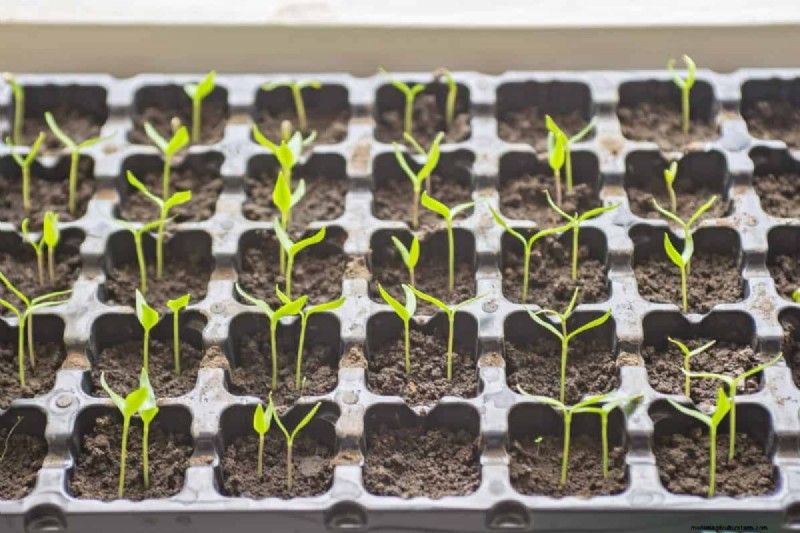
Because peppers need a long growing season to reach their full potential, begin seed sowing 8–10 weeks before your region’s last frost. Use a high‑quality seed‑starting mix and maintain temperatures between 70–85°F for optimal germination, which typically occurs within 7–14 days.
This early indoor start maximizes your growing season and allows plants to develop strong root systems before facing outdoor conditions.
 Shutterstock.com
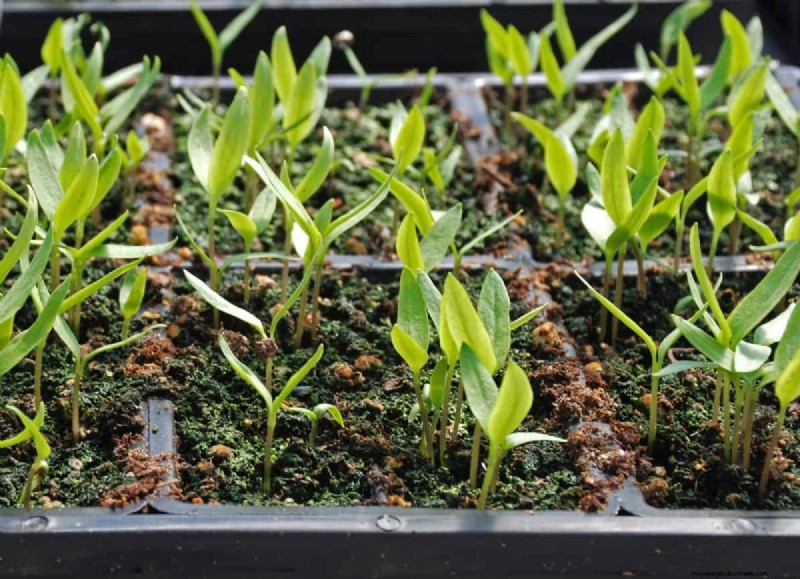
Bottom heat is critical for pepper germination. Place seed trays on a seedling heat mat to keep soil at 80–85°F, boosting germination rates by up to 80% compared to room‑temperature conditions. The warmth signals seeds that the environment is safe, triggering faster and more consistent sprouting.
Professional growers consider bottom heat non‑negotiable for successful pepper seed starting, as it can reduce germination time from weeks to just a few days.
 Depositphotos.com
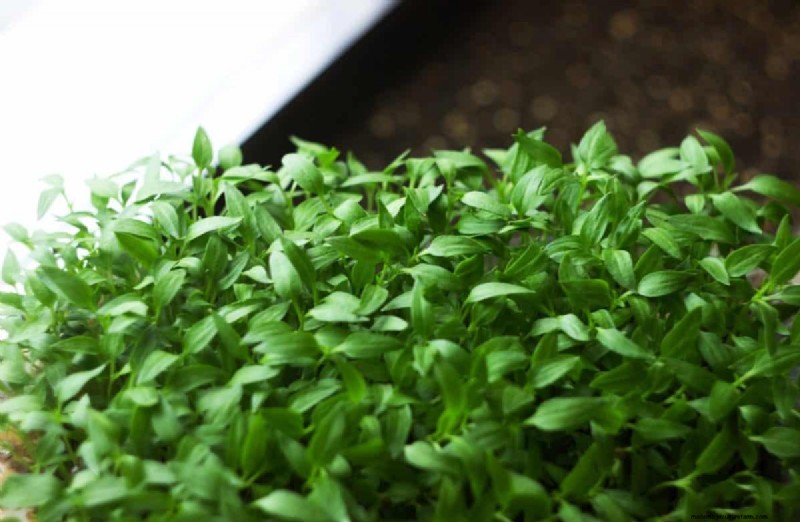
Transition seedlings gradually to outdoor conditions over a two‑week hardening‑off period before transplanting. Start with one hour of sheltered outdoor exposure on day one, then increase daily while introducing more sun and wind.
This careful acclimation prevents transplant shock that can stunt growth for weeks or kill young plants outright. Hardened plants establish quickly in the garden and begin vigorous growth almost immediately.
Save this article & also instantly unlock today's gardening deals!
Peppers are particular about sun and soil. A site with less than six hours of direct light or poorly draining soil produces mediocre yields regardless of how well everything else is managed.
 Depositphotos.com
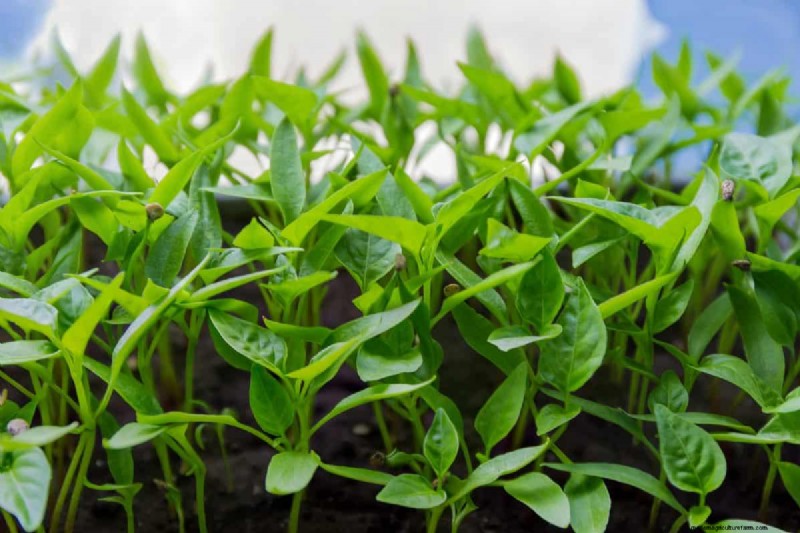
Select spots that receive 6–8 hours of direct sunlight daily and are shielded from strong winds. Southern or western exposures typically provide the ideal growing conditions for heat‑loving peppers. The right location can dramatically improve plant vigor and fruit production compared to spots with even slightly less optimal conditions.
Observe your garden throughout the day to identify areas that maintain consistent sunlight patterns during the growing season.
 Depositphotos.com
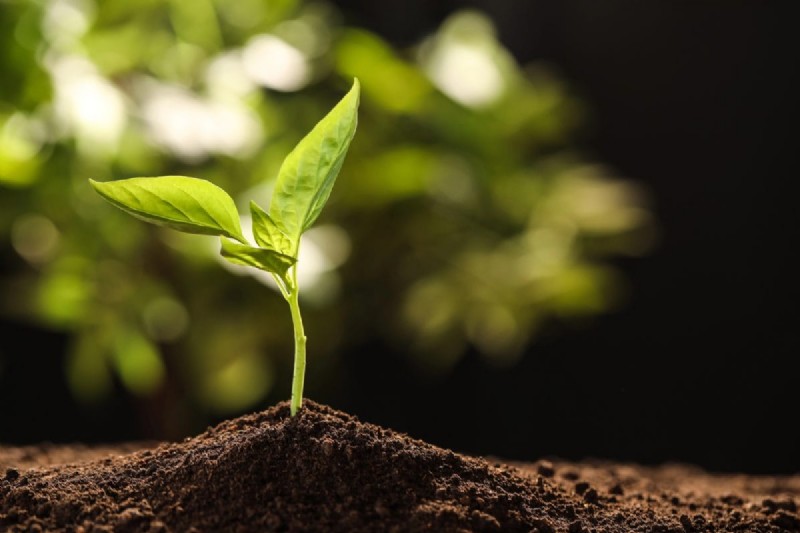
Peppers thrive in soil with a pH of 6.0–6.8 that drains well yet retains moisture. Incorporate 2–3 inches of compost or aged manure into the garden bed before planting to improve fertility and soil structure. This preparation supports strong root development and supplies nutrients throughout the season.
Garden beds enriched with organic matter can increase pepper yields by 30–50% compared to planting in poor or compacted soil.
How pepper plants are arranged and supported shapes airflow, disease pressure, and how much weight they can bear at peak harvest. These structural decisions are easiest to make correctly at planting time.
 Depositphotos.com
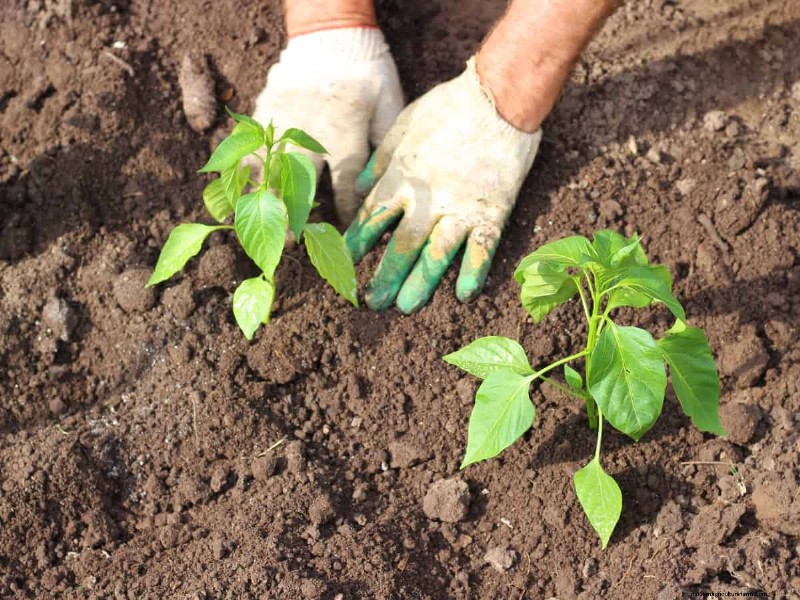
Space pepper plants 18–24 inches apart within rows 24–36 inches apart to promote good air circulation and light penetration. Proper spacing reduces disease pressure and ensures each plant has sufficient nutrients and moisture without competition. Crowded peppers develop weaker stems and fewer fruits than those given adequate space.
The extra garden space needed for proper spacing pays off with healthier plants and significantly higher yields per plant.
 Shutterstock.com
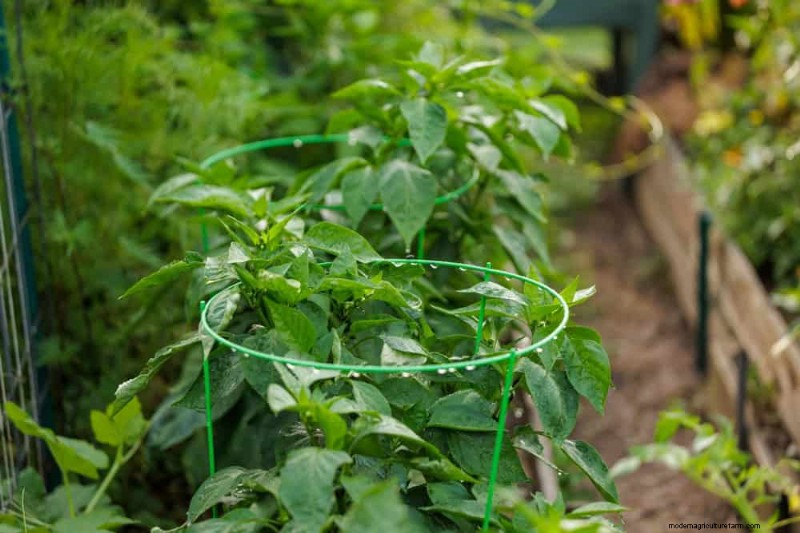
Install stakes or cages for taller varieties and those that produce large or numerous fruits. Add these supports at planting time to avoid damaging roots later in the season when plants are established.
Properly supported plants maintain better air circulation, receive more even sunlight exposure, and redirect energy to fruit production rather than stem repair. Supported pepper plants typically produce cleaner fruits with less sunscald and fewer disease issues than those left to sprawl on the ground.
 Depositphotos.com
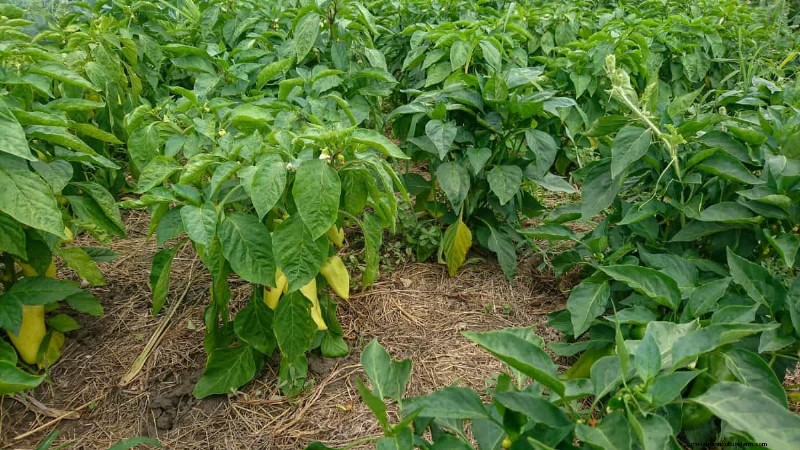
Remove lower leaves that grow within 6–8 inches of the soil surface as plants mature to improve air circulation and reduce disease pressure. These lower leaves receive minimal sunlight yet remain vulnerable to soil‑borne pathogens that can spread upward through the plant.
Regular lower‑leaf removal takes just minutes but significantly reduces common fungal problems like early blight and leaf spot. This simple maintenance practice keeps plants healthier without chemicals and improves overall plant energy efficiency.
Moisture swings cause more pepper problems than most gardeners realize, including blossom end rot, blossom drop, and poor fruit set. Consistent watering, mulch, and attention to calcium levels address most of these issues in a single system.
 Shutterstock.com
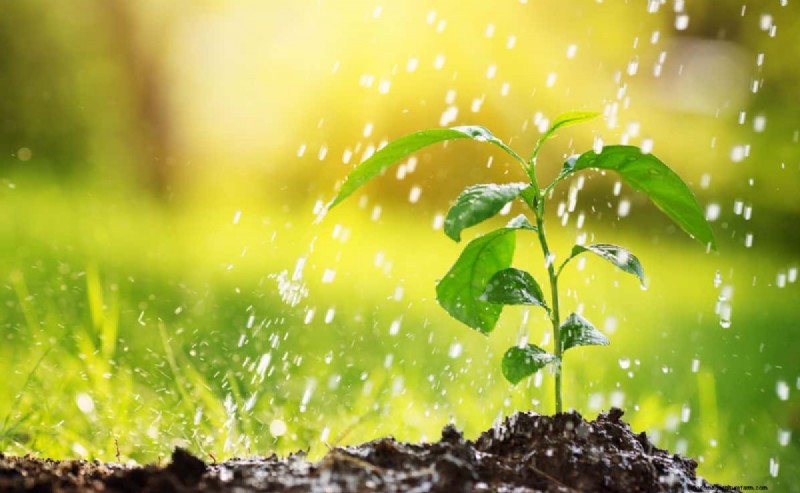
Establish a watering routine that delivers about 1–2 inches of water weekly, adjusting for rainfall and temperature. Focus on deep, thorough irrigation rather than frequent light sprinklings to encourage deep root development. Always water at the base of plants to keep foliage dry and prevent disease issues that thrive in wet conditions.
Consistent moisture levels prevent stress and keep plants producing flowers and fruits without interruption throughout the growing season.
 Depositphotos.com
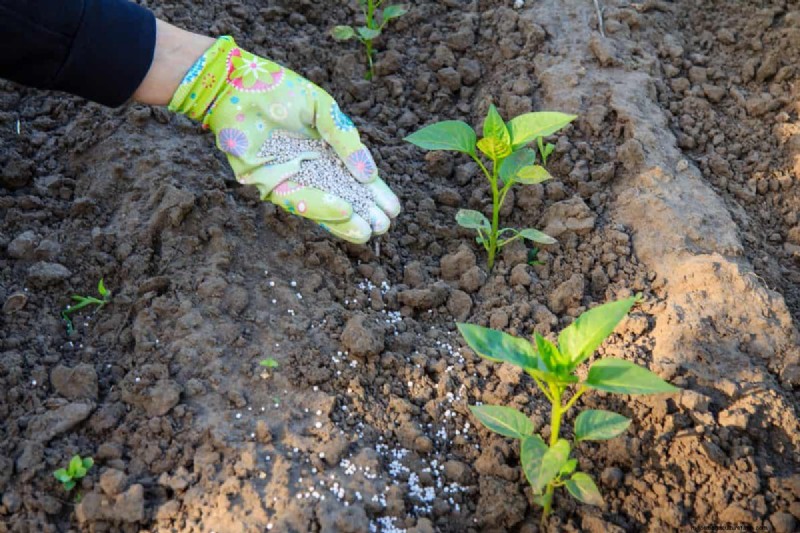
Feed peppers with appropriate nutrients as their needs change throughout the growing season. Start with a balanced organic fertilizer at planting, then switch to formulations with less nitrogen and more phosphorus and potassium once flowering begins.
Over‑fertilizing with nitrogen produces beautiful foliage but few peppers; proper nutrient timing creates the perfect balance of plant growth and fruit production. Apply fertilizers at half the recommended strength but twice as often for steady nutrient availability without burning plants.
 Depositphotos.com
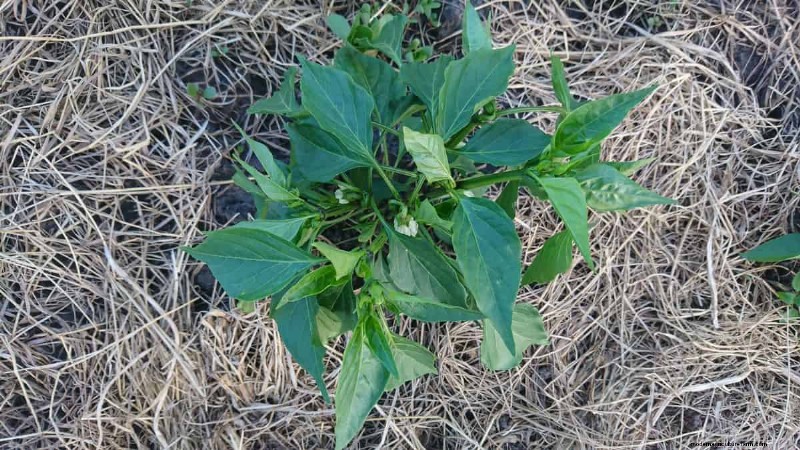
Spread a 2–3 inch layer of organic mulch around established plants after the soil has warmed completely. Straw, shredded leaves, or chemical‑free grass clippings create an effective barrier that conserves moisture, suppresses weeds, and stabilizes soil temperature.
This protective layer also prevents soil‑borne diseases from splashing onto lower leaves during rainstorms or irrigation. Mulched pepper plants typically require less watering and produce cleaner fruits with fewer blemishes or rot issues.
 Shutterstock.com
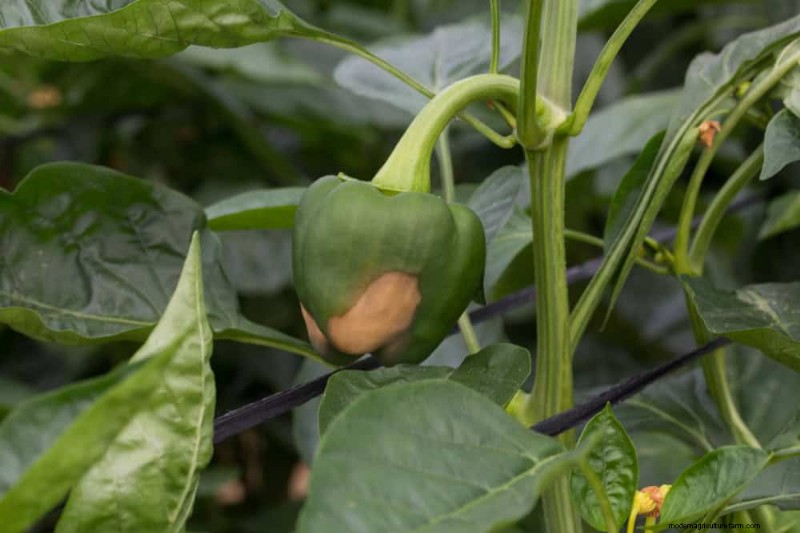
Maintain consistent soil moisture and adequate calcium levels to prevent blossom end rot, which appears as dark, sunken spots on pepper bottoms. Add crushed eggshells, oyster shell lime, or calcium‑specific amendments to your soil before planting if soil tests indicate deficiency.
The most common cause of this frustrating problem is irregular watering that prevents plants from absorbing available calcium. Establishing a consistent care routine can completely eliminate this condition that ruins otherwise perfect peppers.
Two counterintuitive habits drive pepper yield more than any other: removing the first flowers to build plant strength, and harvesting fruits continuously rather than waiting for the whole plant to ripen at once.
 Depositphotos.com
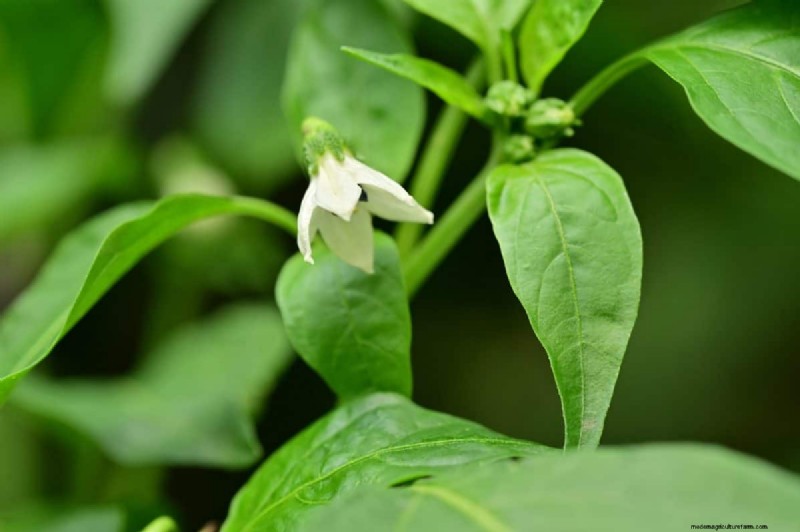
Pinch off the first flowers that appear on newly transplanted pepper plants to encourage stronger root and vegetative growth. This seemingly counterintuitive practice allows plants to establish themselves fully before directing energy toward fruit production.
The temporary sacrifice of early peppers leads to stronger plants that produce substantially more fruits throughout the entire season. Research shows that plants allowed to develop robust root systems before fruiting typically yield more peppers over the growing season.
 Depositphotos.com
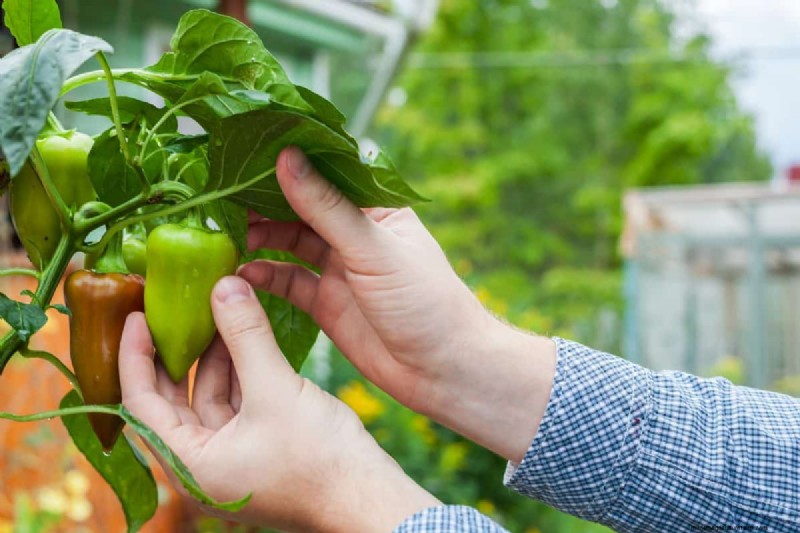
Pick peppers as soon as they reach usable size rather than waiting for all fruits to mature simultaneously. Each harvested pepper signals the plant to produce more flowers and fruits, creating a continuous production cycle. Many varieties can be harvested green or allowed to ripen fully for different flavors and nutritional profiles.
Gardeners who harvest regularly typically enjoy 50% higher total yields than those who pick peppers less frequently or wait for complete ripening.
Peppers share disease susceptibility with tomatoes, eggplants, and potatoes, which means where you plant and how carefully you monitor matters across multiple seasons. Catching problems early and rotating locations keeps the garden from carrying trouble forward.
 Depositphotos.com
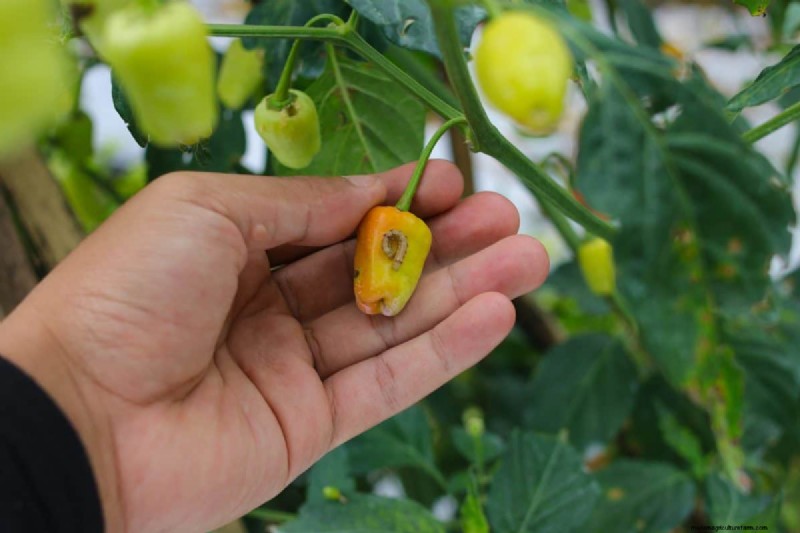
Examine plants thoroughly at least twice weekly for common pests like aphids, spider mites, and hornworms that can quickly damage pepper plants. Check under leaves and along stems where pests often hide and multiply unnoticed.
Early detection allows for simple organic controls like a strong water spray or insecticidal soap before problems escalate to serious infestations. Regular monitoring creates opportunities to introduce beneficial insects at the right moment for natural pest management throughout the season.
 Depositphotos.com
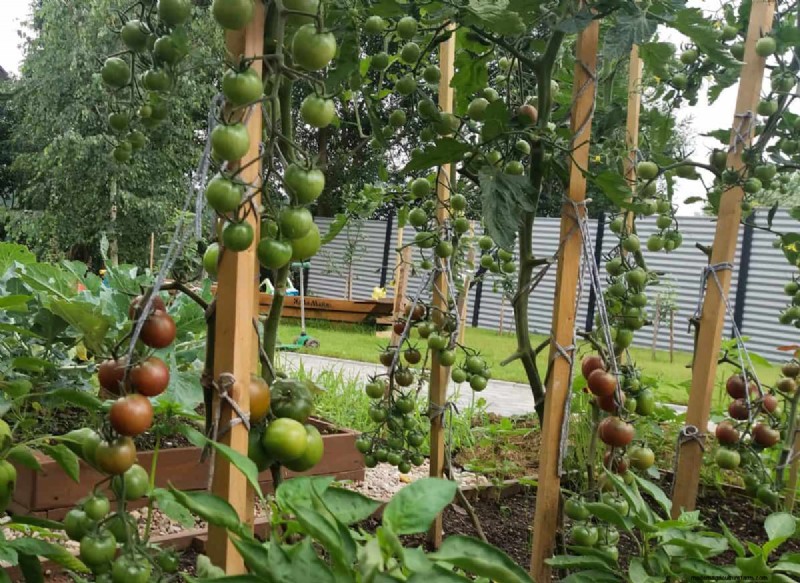
Avoid planting peppers where peppers, tomatoes, eggplants, or potatoes grew during the previous three years to break disease cycles. These related nightshade family plants often share the same vulnerabilities to soil‑borne pathogens that can persist in garden beds.
Maintaining a three‑year rotation schedule dramatically reduces disease pressure and improves soil health through crop diversity. Proper rotation reduces the risk of pepper‑specific soil diseases by up to 80% compared to growing in the same location year after year.
 Depositphotos.com
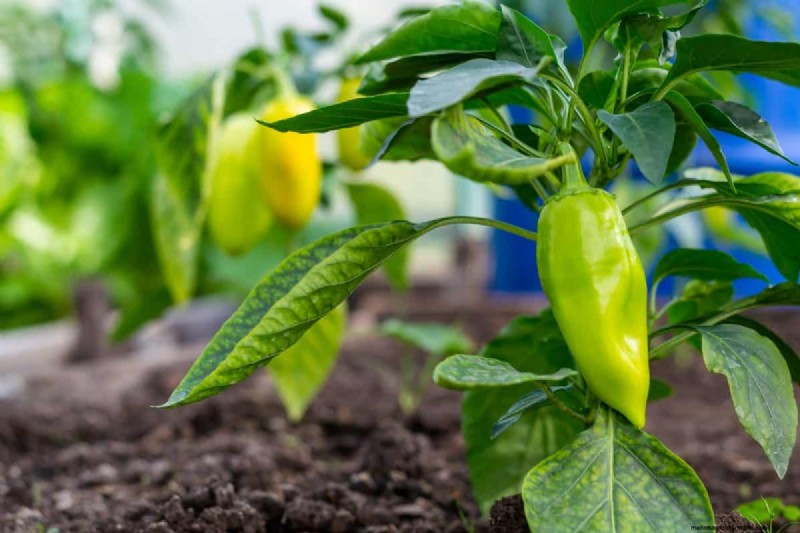
Choose pepper varieties specifically bred for resistance to common diseases in your growing region to minimize problems. Carefully review seed catalog descriptions for resistance codes like TMV (Tobacco Mosaic Virus), BLS (Bacterial Leaf Spot), or CMV (Cucumber Mosaic Virus).
Disease‑resistant varieties provide insurance against environmental challenges and often produce well even when conditions aren’t ideal. These specially bred peppers allow organic and low‑intervention gardeners to achieve excellent results without relying on chemical treatments.
A few weeks of extended harvest at each end of the season add up to significantly more peppers without any additional plants. Season extension and seed saving both reward the small effort they require.
 Depositphotos.com
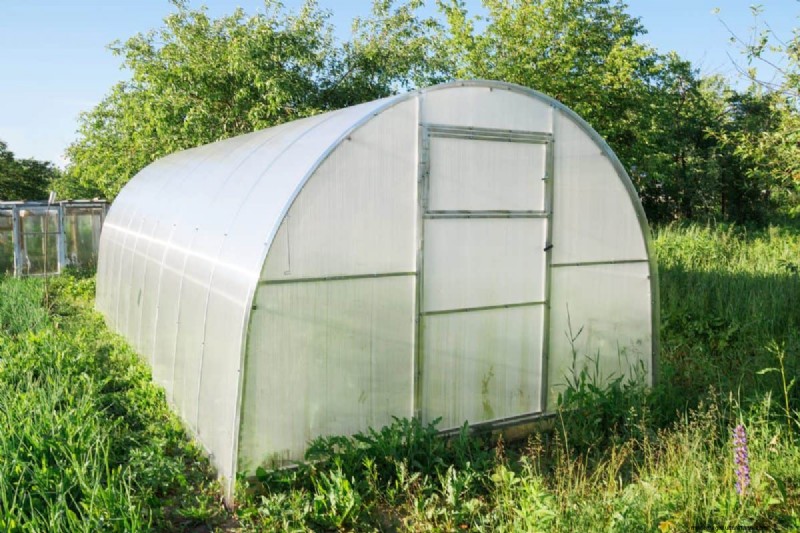
Protect plants from early fall frosts using row covers, frost blankets, or water wall protectors to extend your harvest by several weeks or even months. Many pepper varieties will continue producing until killed by temperatures below 32°F.
Simple protection on cold nights while leaving plants exposed during warm days creates ideal late‑season growing conditions. These season extension techniques can provide an additional 3–4 weeks of harvests in most climates, significantly increasing your total yield without additional plants.
 Depositphotos.com
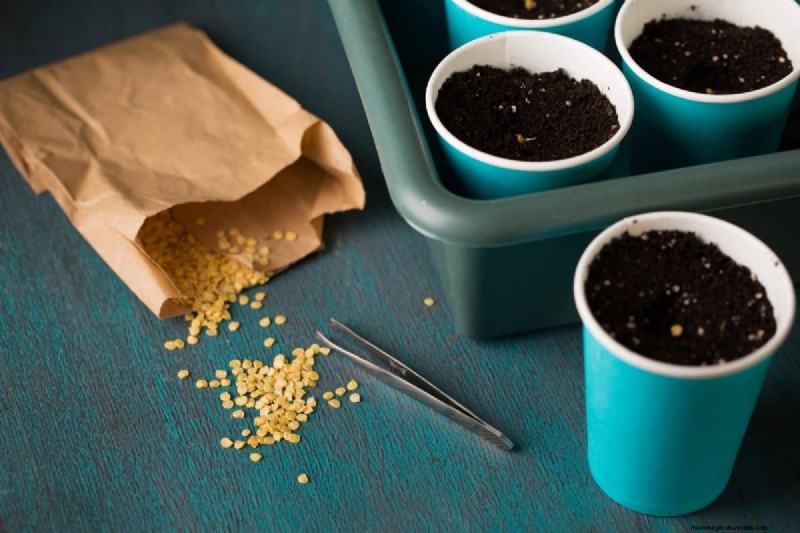
Select the best fruits from open‑pollinated pepper varieties to save seeds that are adapted to your specific growing conditions. Choose fully ripened peppers from your healthiest, most productive plants that show desirable characteristics like disease resistance or exceptional flavor.
Properly dried and stored pepper seeds remain viable for 2–3 years and develop genetic adaptations to your local climate and soil conditions over successive generations. Seed saving connects you to the timeless tradition of garden self‑sufficiency while preserving unique varieties.
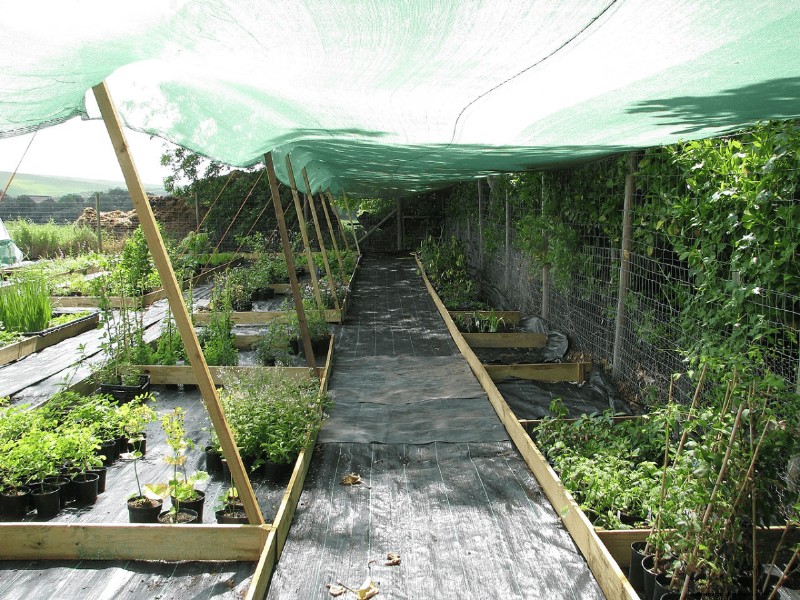 peganum from Small Dole, England, CC BY-SA 2.0, via Wikimedia Commons
Provide pepper plants with filtered afternoon shade in areas where summer temperatures regularly exceed 90°F to prevent blossom drop and sunscald on fruits. Use 30% shade cloth, plant tall companion crops on the western side, or set up temporary shade structures during heat waves.
High temperatures can cause flowers to drop without setting fruit, dramatically reducing overall yield potential. This strategic shading can increase production by 25–40% in hot climates by keeping plants within their optimal temperature range for fruit development.
Microbial foliar sprays and ongoing attention to plant health represent the difference between a garden that produces adequately and one that consistently outperforms. These techniques compound over seasons as the soil ecosystem strengthens.
 Shutterstock.com
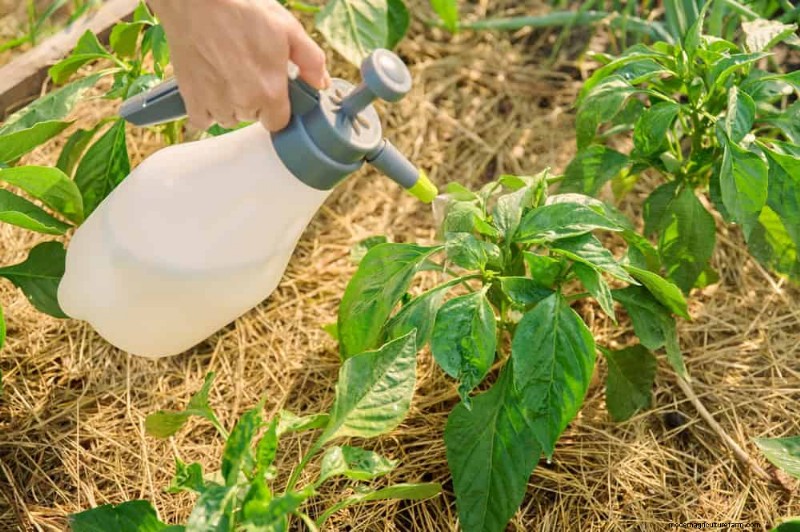
Boost plant health by applying compost tea or other beneficial microbial solutions as foliar sprays every 2–3 weeks during the growing season. These nutrient‑rich liquids feed beneficial microorganisms and supply trace elements that support plant immunity and vigor.
Regular applications enhance natural disease resistance and improve overall plant health through biological rather than chemical means. Plants treated with microbial sprays typically show better stress tolerance and produce more abundantly than untreated plants throughout the growing season.
 Depositphotos.com
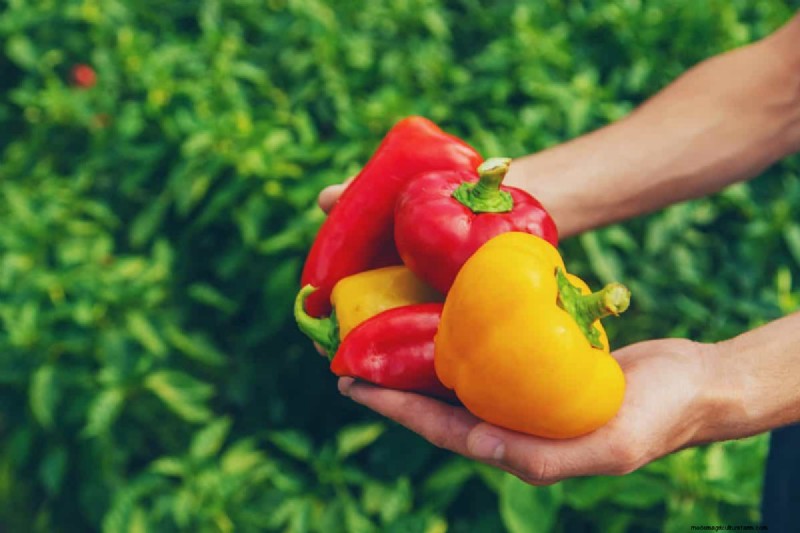
These proven pepper‑growing techniques transform garden struggles into consistent success through small but significant improvements in growing practices. Even implementing just a few of these methods can dramatically improve your harvests this season without requiring expensive equipment or supplies.
Focus first on proper planting preparation, consistent care routines, and preventative measures rather than reactive problem‑solving for the best results. Your journey to remarkable pepper harvests begins with these practical steps that build on generations of gardening wisdom.
Written by
Nymfa Aranas
Nymfa is a creative writer and passionate learner with experience in gardening and sustainability. With her high level of interpersonal intelligence, Nymfa excels at making gardening topics relevant to specific target audiences. She's also a self‑proclaimed recycling artist and advocates for a sustainable lifestyle.
Meet the GardenTabs team →

Editorial oversight
GardenTabs content is reviewed by Steve Snedeker, a seasoned gardener with decades of hands‑on landscaping experience.


