
Welcome to Modern Agriculture!

 Depositphotos
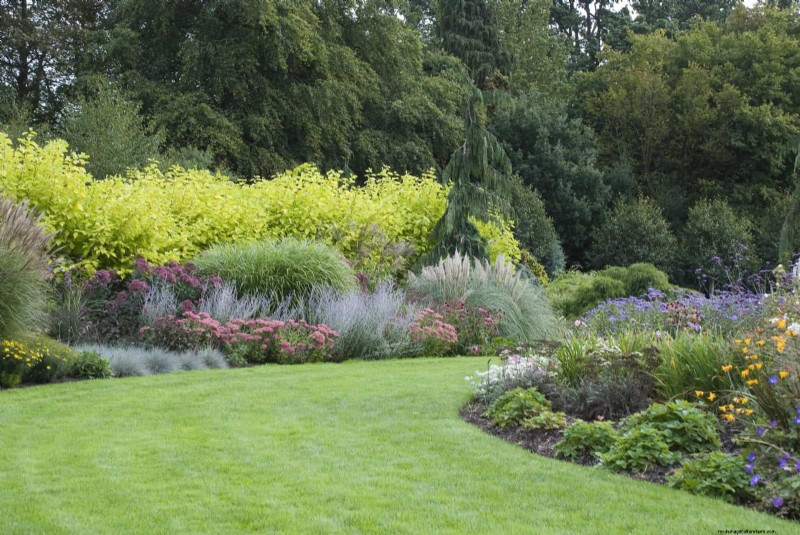
For many seasoned gardeners, abandoning mulch in favor of natural, low‑maintenance strategies can lead to healthier soils, thriving plants, and unexpected cost savings.
 Depositphotos
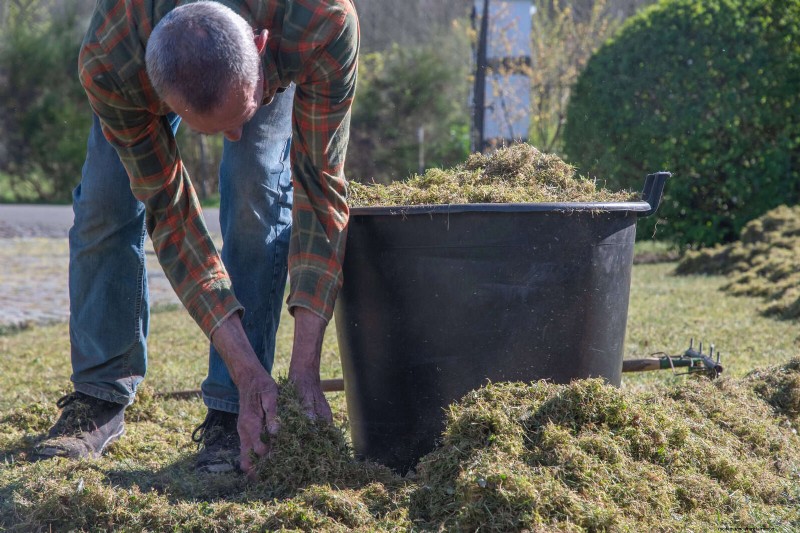
Mulch can be pricey and labor‑intensive, and it sometimes traps pests, promotes mold, or impedes water penetration. Natural alternatives often enhance soil structure, boost biodiversity, and simplify garden upkeep.
Save this article & also instantly unlock today’s gardening deals!
 Depositphotos
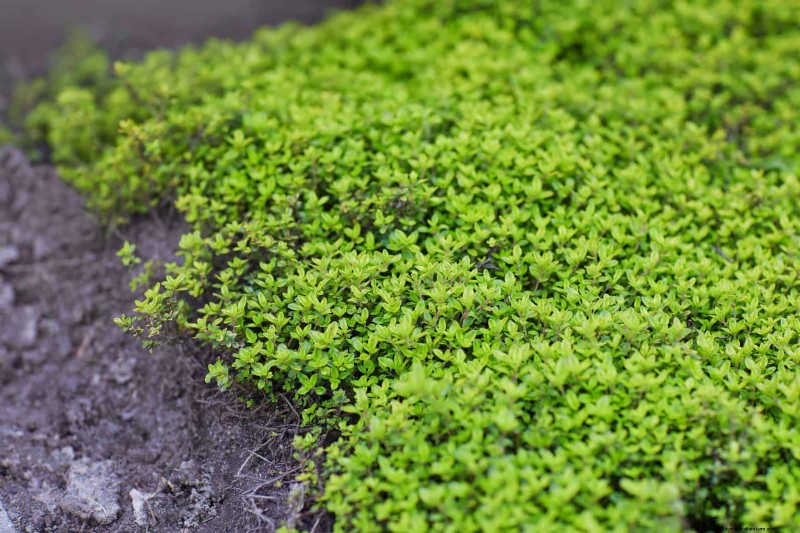
Ground covers lock in moisture, suppress weeds, and some release natural pest‑deterrent oils. Creeping thyme offers fragrance, clover enriches nitrogen, and woolly yarrow attracts pollinators.
 Depositphotos
Leaf litter obliges mandly beneficial microbes and earthworms, improving aeration and fertility. It also blankets roots during cold spells and reduces impervious waste.
 Depositphotos
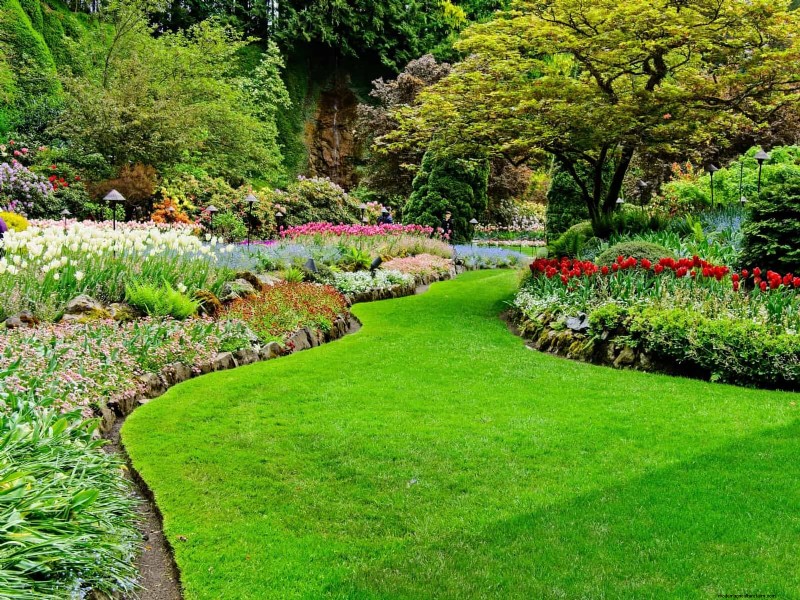
Living pathways cool underfoot, blend with beds, and attract pollinators when lined with flowering herbs. They need only occasional trimming.
 Depositphotos
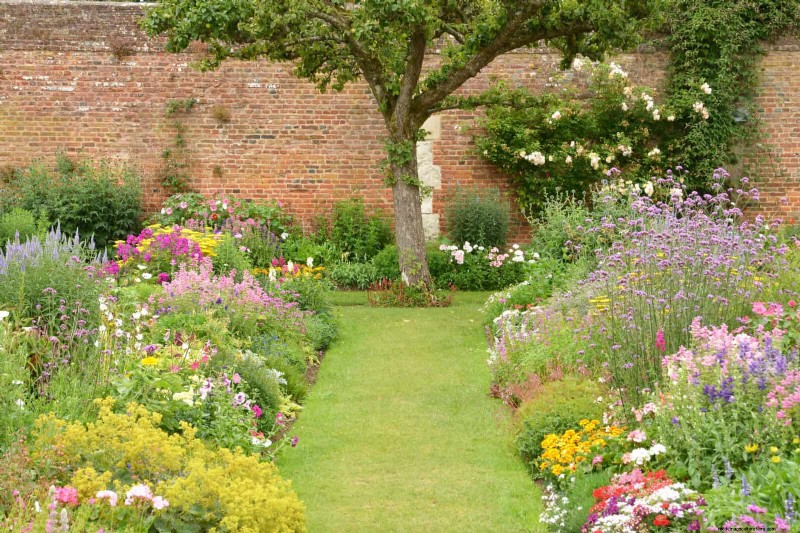
Close spacing shields roots from temperature swings, conserves moisture, and reduces erosion. A diverse mix also lessens weeding and watering demands while fostering beneficial plant competition.
 Depositphotos
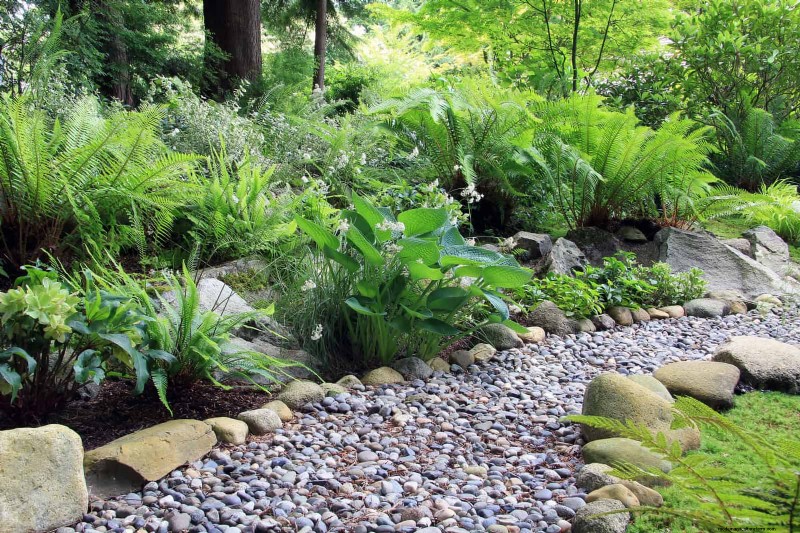
Slow‑breaking rocks and logs improve soil, prevent weed creep, and stabilize sloped beds. Over time they host moss, insects, and fungi, enriching biodiversity.
 Depositphotos
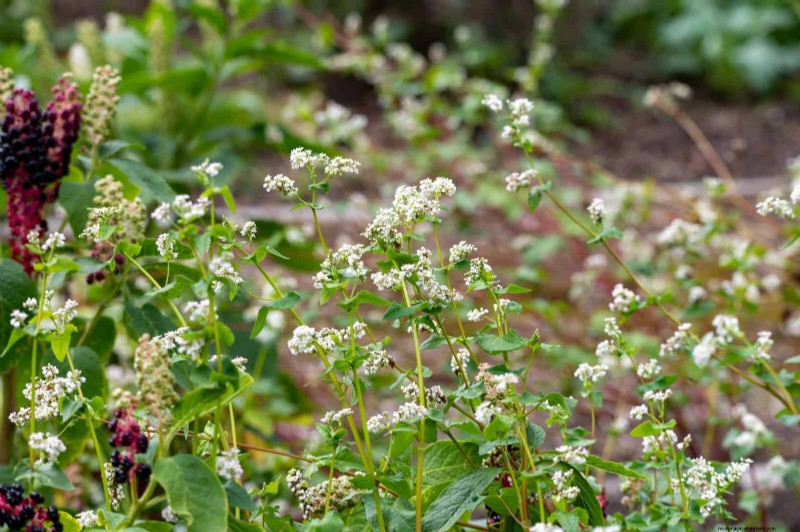
Cover crops curb nutrient loss, deepen soil, and provide habitat for beneficial insects. Options such as crimson clover (nitrogen‑fixing), ryegrass (weed suppression), and buckwheat (pollinator attractant) are excellent choices.
 Depositphotos
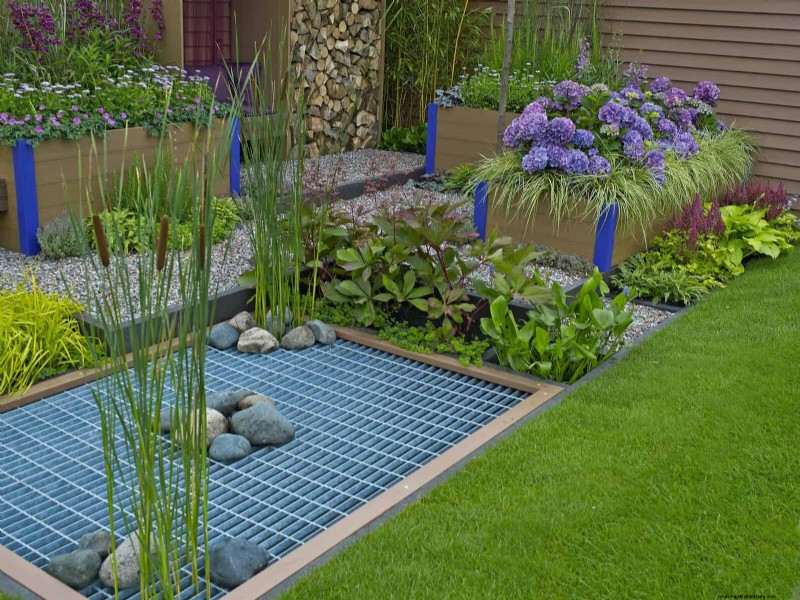
Raised beds simplify harvesting, curb weed invasion, and allow custom soil blends. They improve drainage, prevent waterlogging, and offer ergonomic planting heights.
 Depositphotos
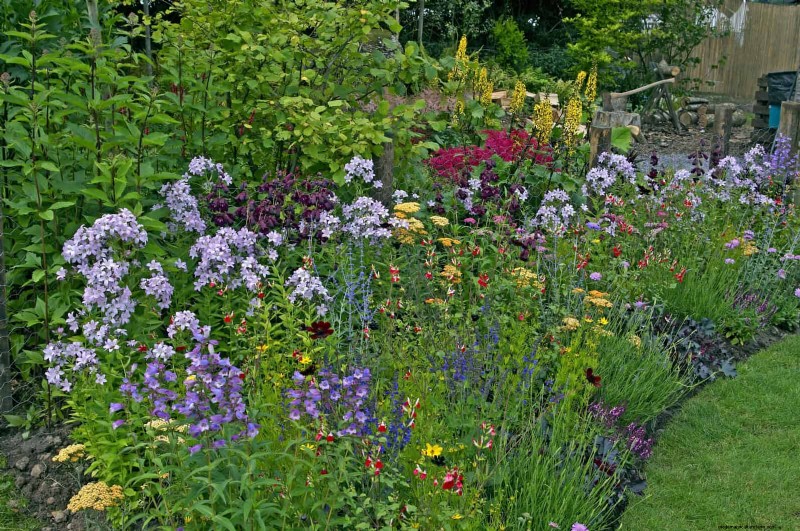
Perennials with established roots stabilize soil, require less irrigation, and provide long‑term habitat for wildlife. They are available in diverse forms to suit any design vision.
 Depositphotos
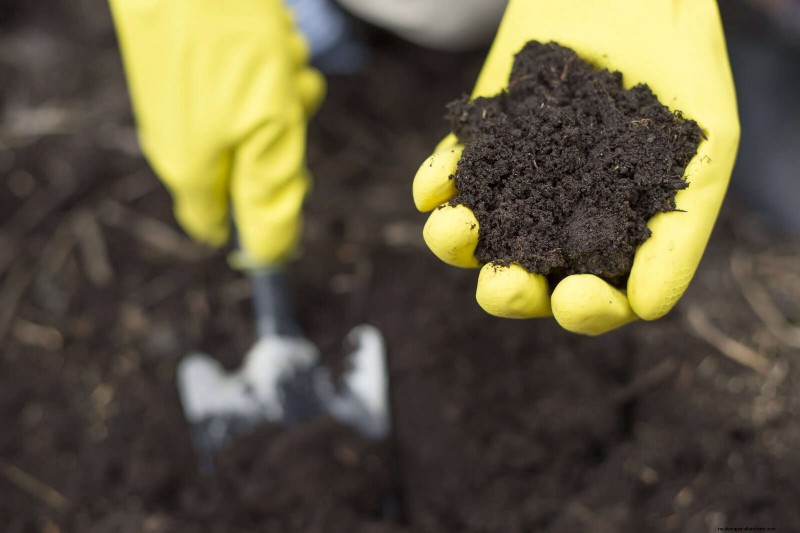
Compost enriches microbial life, balances pH, and locks in nutrients. Regular topdressing strengthens plant immunity, improves texture, and recycles kitchen and yard waste.
 Depositphotos
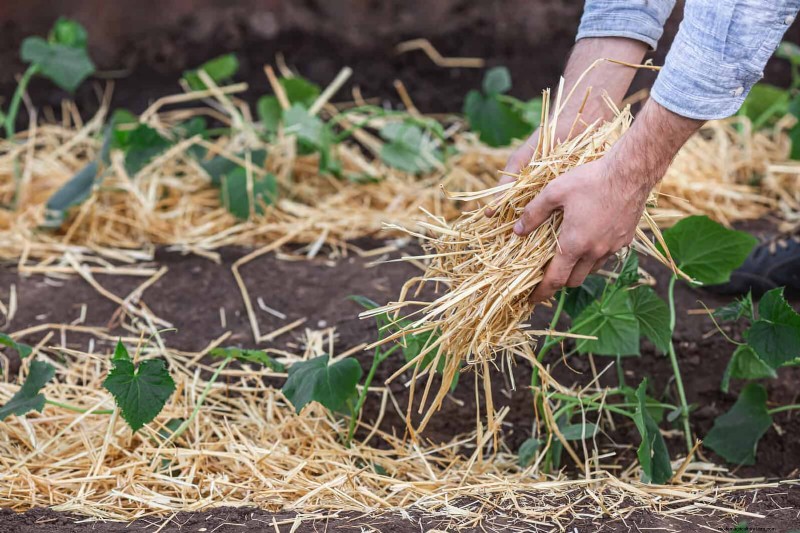
Straw and grass clippings permit air and water flow, decompose rapidly, and release nitrogen. They are inexpensive, readily available, and avoid commercial mulching costs.
 Depositphotos
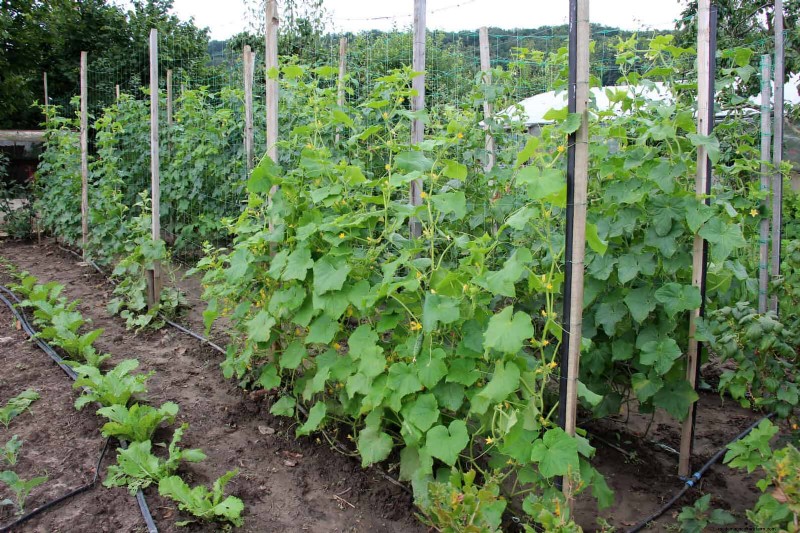
Vertical structures reduce soil‑borne disease spread, create privacy, and maximize yields in limited spaces. Vines such as beans and cucumbers benefit from enhanced airflow.
 Depositphotos
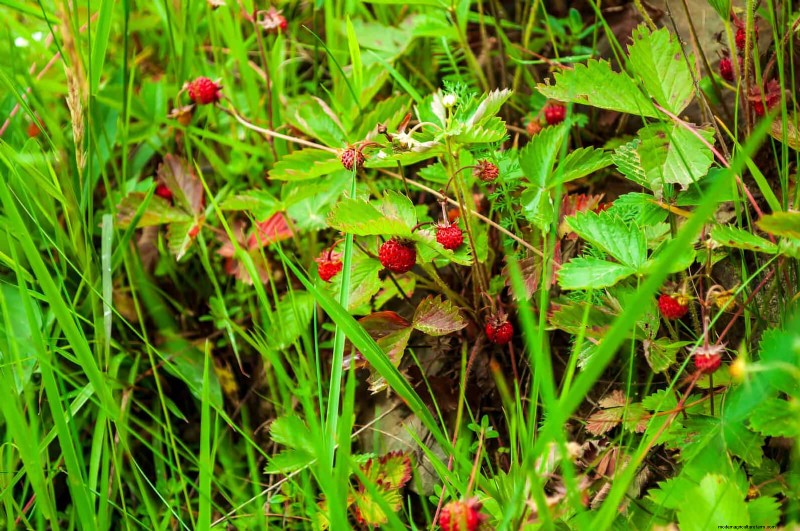
Edible ground covers thrive in sunny or partially shaded areas, deter pests, and eliminate the need for synthetic weed barriers. Creeping oregano, alpine strawberries, and nasturtiums blend beauty with function.
 Depositphotos
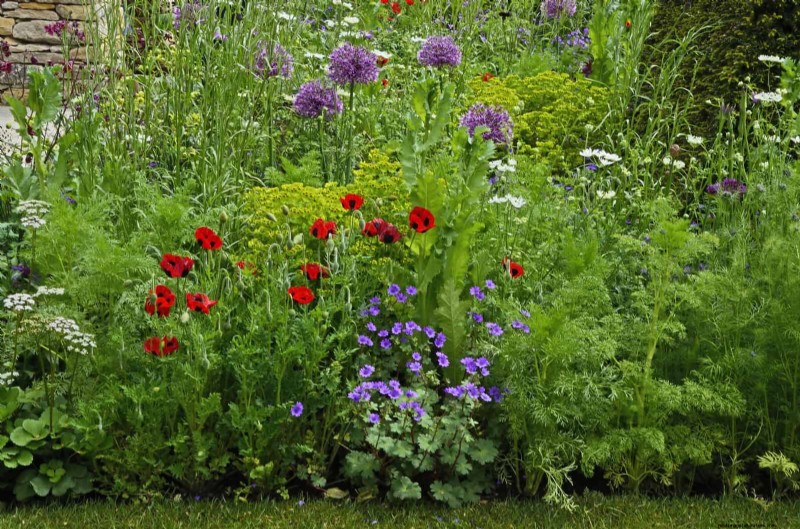
Rain gardens filter runoff, increase infiltration, and create habitats for birds and insects. Deep‑rooted plants also help prevent basement flooding during heavy rain.
 Depositphotos
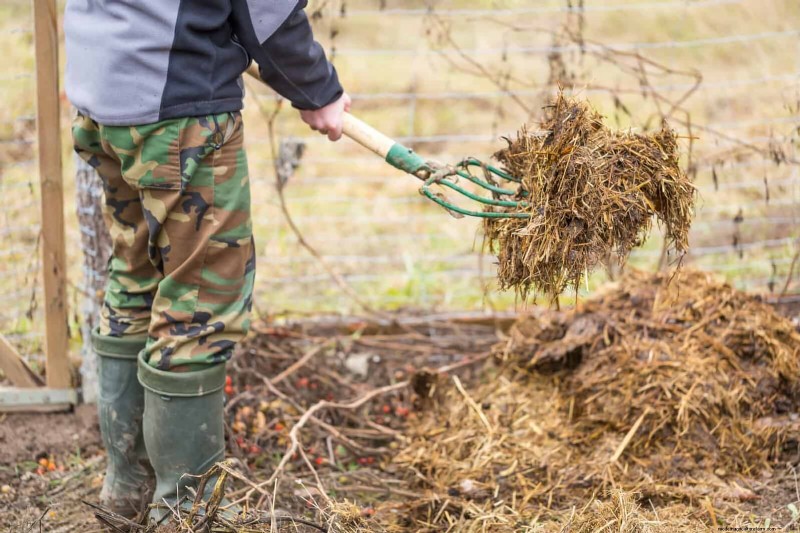
Hugelkultur beds combine decomposing wood, twigs, and compost to retain moisture and warm the soil, allowing plants to flourish longer, even in poor soils.
 Depositphotos
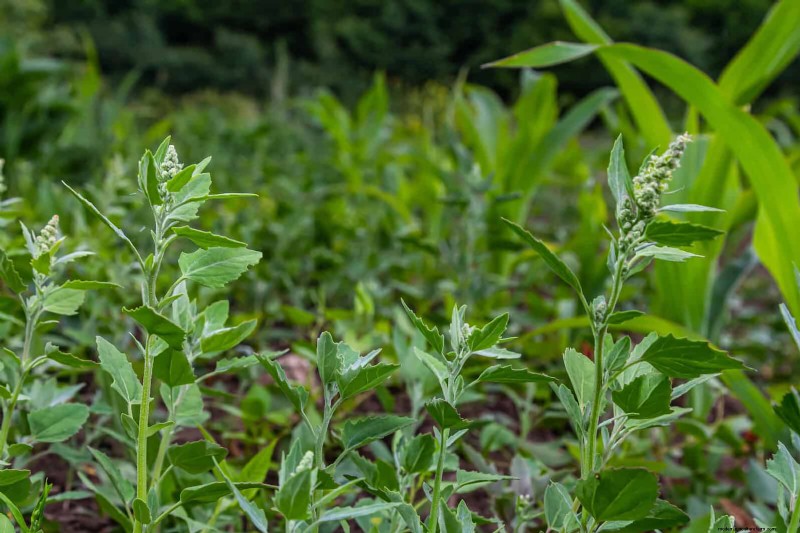
Resilient volunteers such as purslane and lamb’s quarters fill gaps, attract pollinators, and contribute to soil stability and fertility.
 Depositphotos
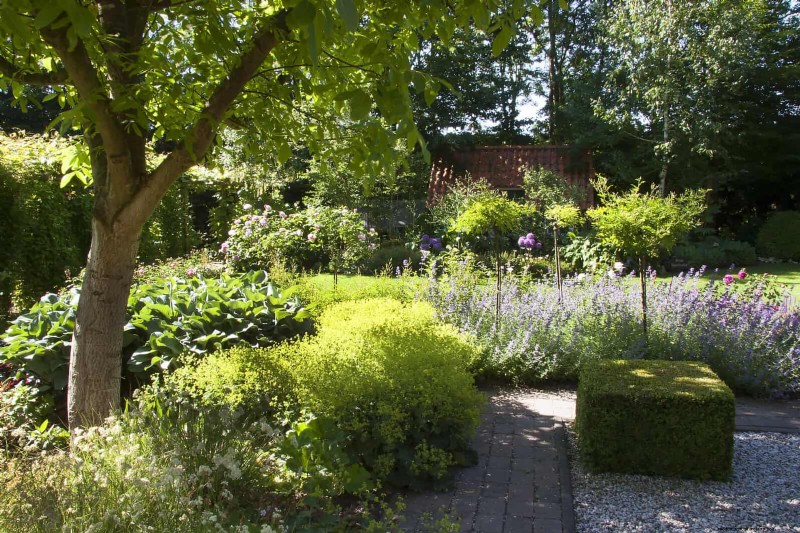
Hedges and dense shrubs reduce soil evaporation, create calm microclimates, and maintain stable temperatures, boosting overall productivity.
 Depositphotos
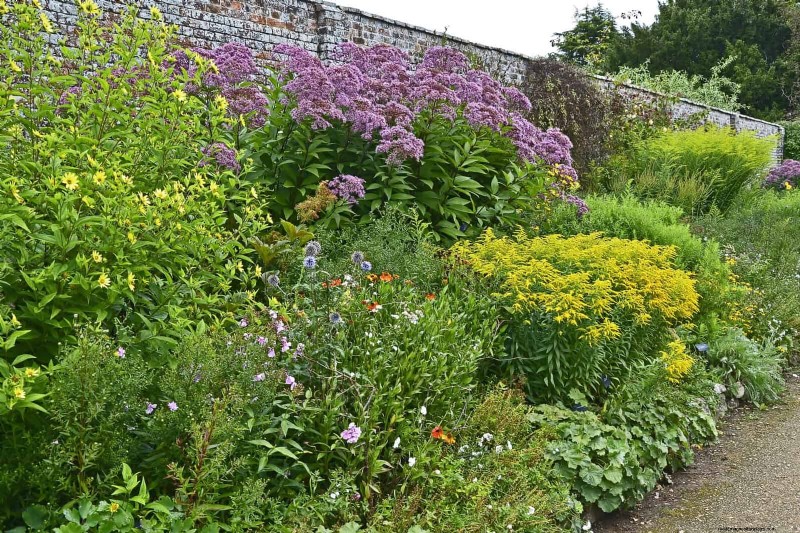
Established shrubs require minimal watering, provide year‑round visual interest, and offer shelter for birds and small mammals. Some varieties produce edible berries or fragrant blooms.
 Depositphotos
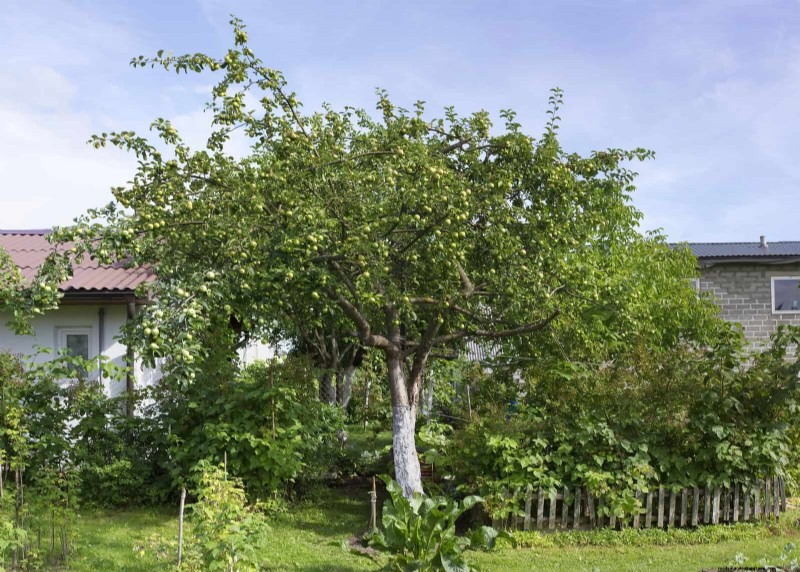
Guilds combine deep‑rooted, ground‑cover, and flowering species to mimic forest strata, promoting balanced nutrient cycling and long‑term productivity.
 Depositphotos
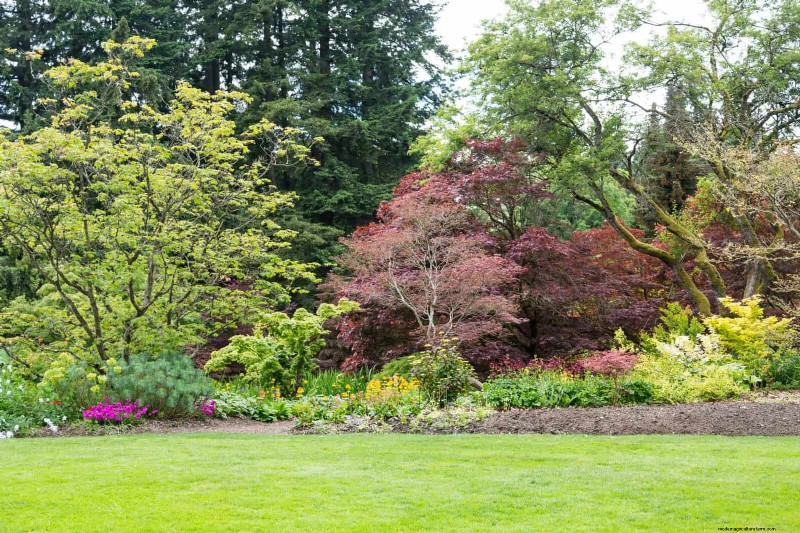
Shade trees such as oak, maple, and elm not only cool surrounding plants but also support wildlife, prevent erosion, and contribute leaf litter that enriches the soil.
 Depositphotos
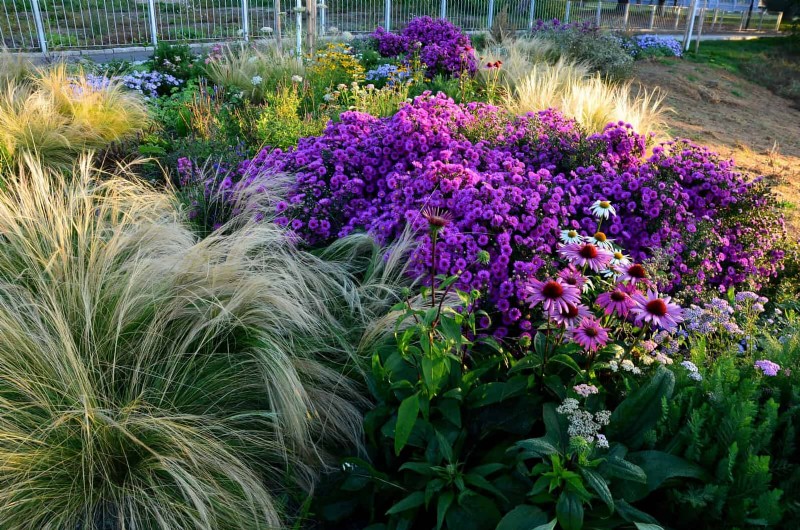
Native grasses and wildflowers form deep root systems that resist erosion and outcompete weeds. A micro‑prairie needs minimal irrigation and supports pollinators like native bees.
 Depositphotos
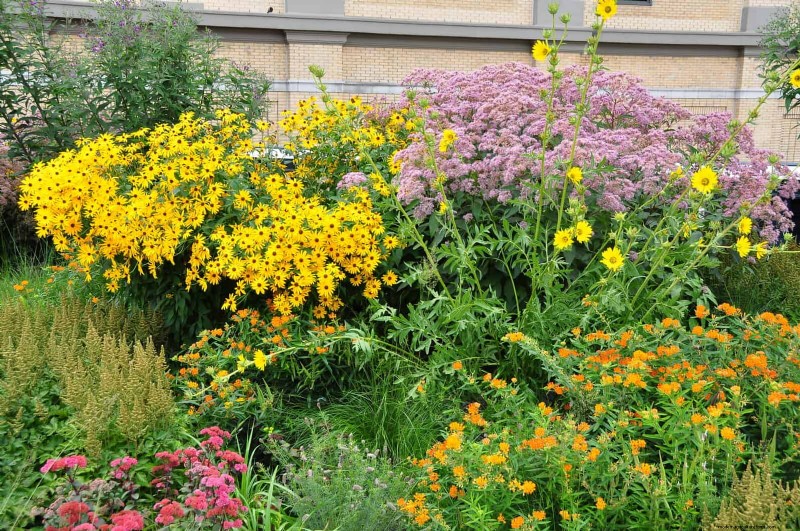
Allowing native wildflowers to self‑seed and leaving fallen leaves creates natural mulch, enhances biodiversity, and signals healthy soil.
 Depositphotos
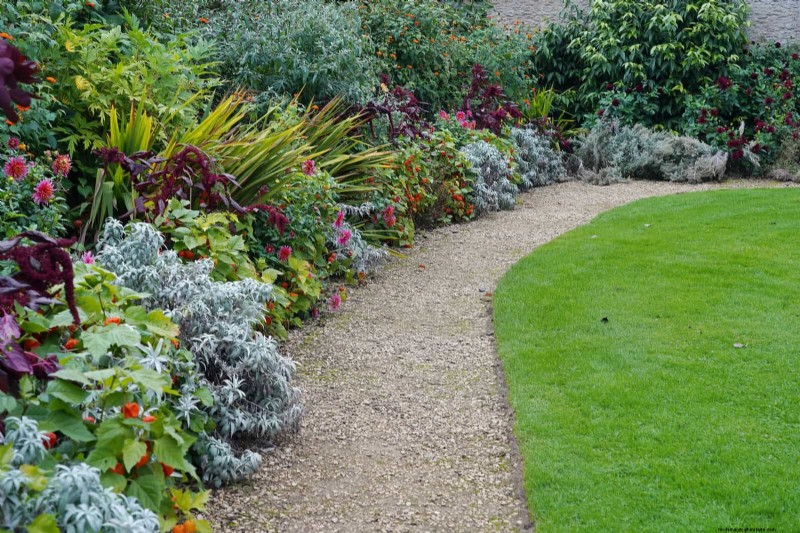
Mulch‑free gardening delivers beauty, performance, and environmental stewardship. These eco‑friendly strategies reduce waste, lower costs, and foster pollinators, improved water retention, and resilient ecosystems.

Editorial oversight
GardenTabs content is reviewed by Steve Snedeker, a seasoned gardener with decades of hands‑on landscaping experience.


