Welcome to Modern Agriculture!

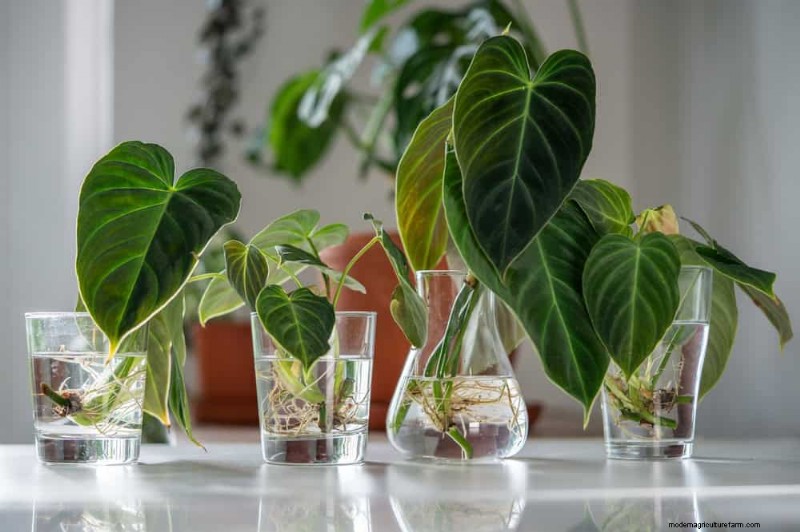
Want a low‑maintenance indoor garden that keeps your surfaces clean? Many popular houseplants thrive when grown solely in clean water—no soil, no potting mix required. With a little patience and routine water changes, these plants can root, grow, and stay healthy in a simple glass or jar.
Below you’ll find 25 of the best water‑only houseplants, grouped by type. Each entry includes the ideal light conditions, watering frequency, and quick propagation tips.
These favorites are known for their graceful vines and striking foliage, and they adapt readily to a soil‑free environment.
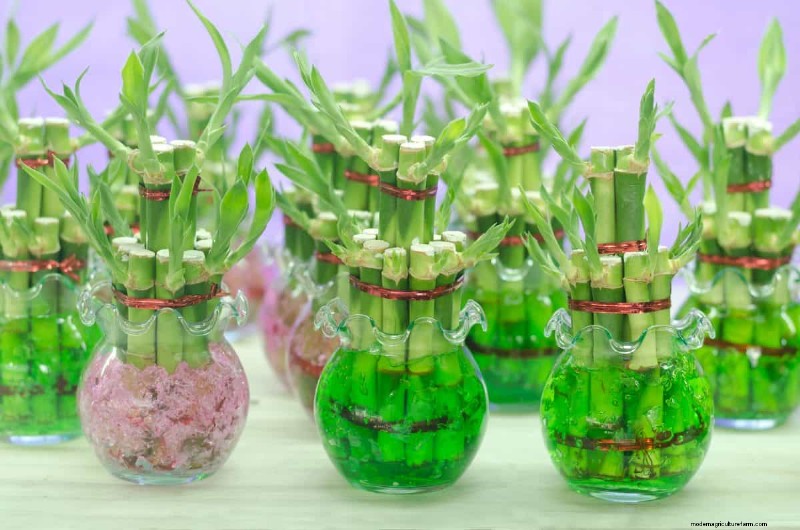
Lucky Bamboo (Dracaena sanderiana) is a perennial favorite. Place the stalks in a clean container, ensuring the roots remain submerged. Replace the water weekly and use distilled or filtered water to avoid chlorine or heavy metals that can harm the plant.
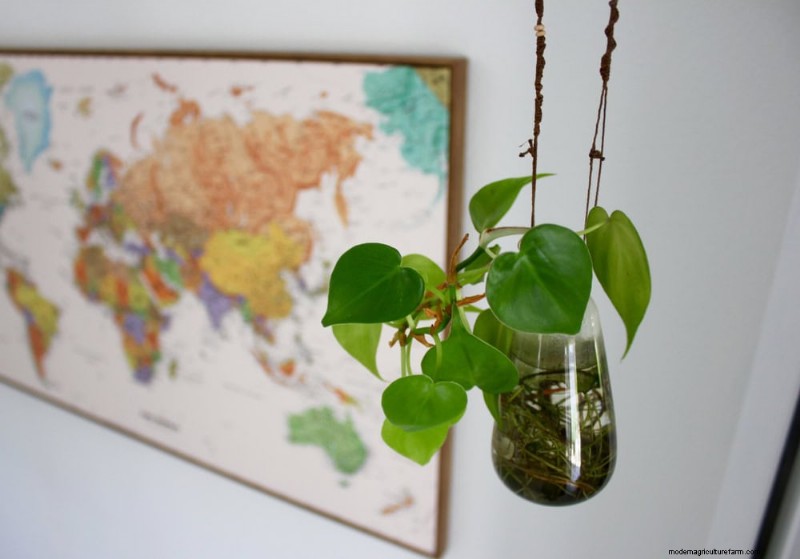
Philodendron (Heartleaf) roots quickly from a stem cutting. Trim below a node, place the node in a jar, and watch roots appear in about a week. Keep in bright, indirect light and change the water once a week to prevent algae.
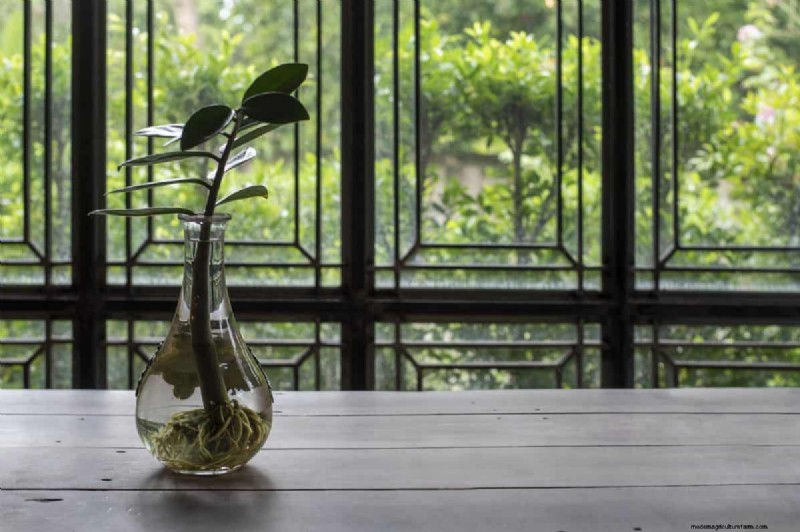
ZZ Plant (Zamioculcas zamiifolia) can be propagated from leaf stems. Submerge the stem in water, keep it warm, and avoid direct sunlight. Roots and small tubers form after several weeks; replace the water weekly to avoid rot.
Ready to fill your home with natural fragrance? Check out our printable Fragrant Houseplants Guide for 16 detailed profiles, care checklists, and a plant journal.
Save this article & also instantly unlock today's gardening deals!
These plants bring movement and elegance to simple water displays.
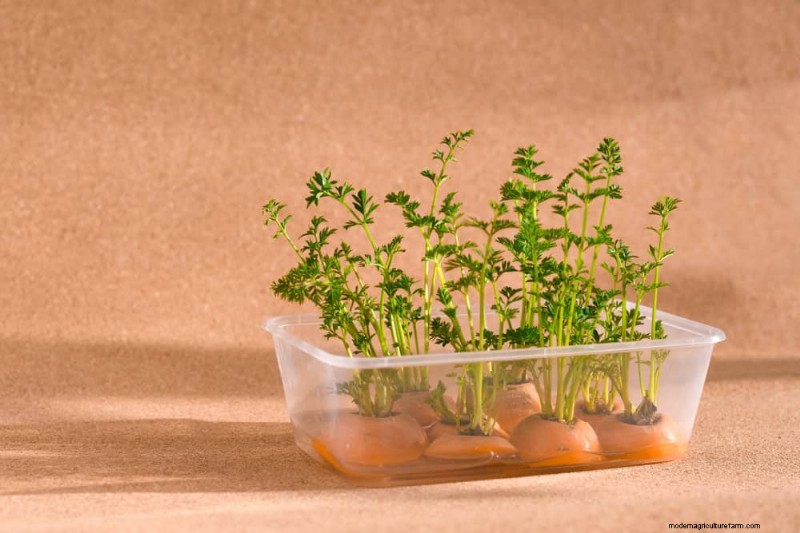
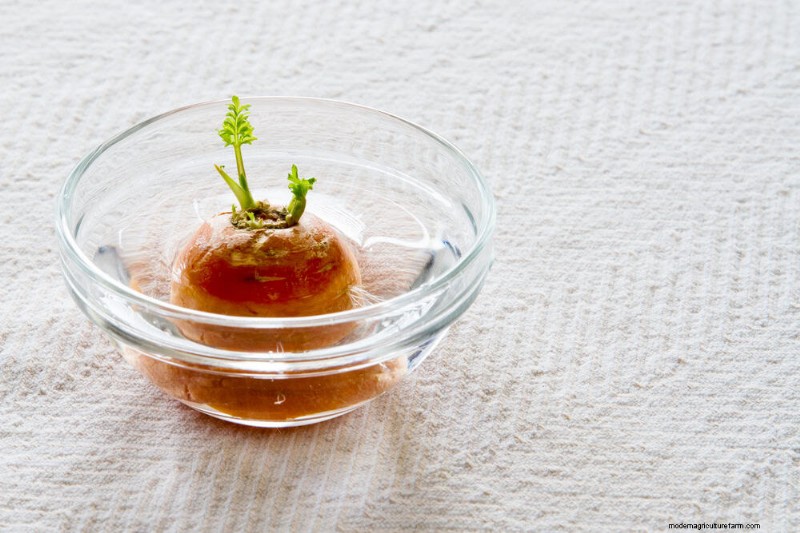
Carrot Tops regrow leafy greens from the base of a carrot. Place the top inch in a shallow dish of water, keep it in a sunny spot, and refresh the water frequently. The greens are edible and can be used in salads or garnishes.
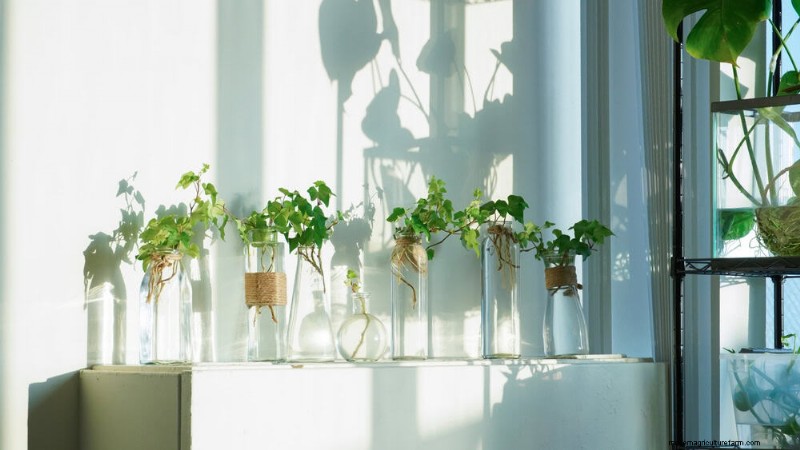
English Ivy (Hedera helix) thrives from stem cuttings. Cut just below a leaf node, place the leaves above water, and keep in bright, indirect light. Roots appear in ~2 weeks; replace water regularly.
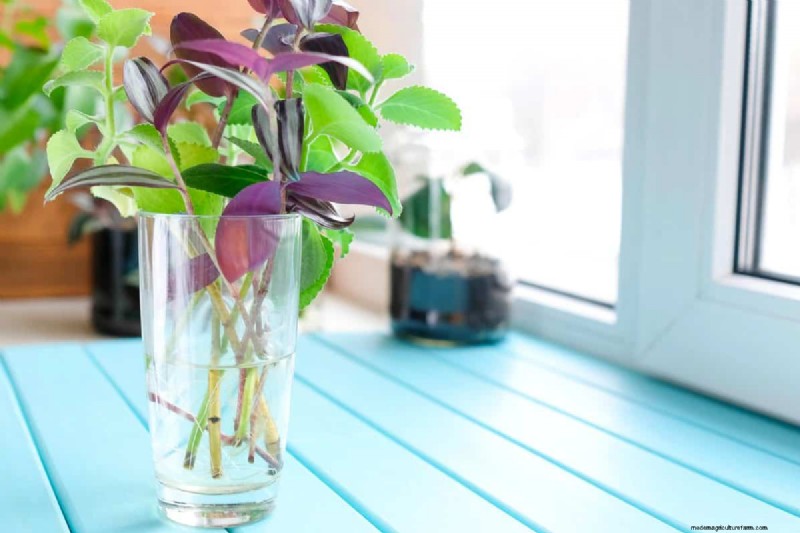
Tradescantia zebrina (Spirulina) roots quickly in water. A few inches below a node, placed in a glass, will produce roots in a few days. Keep in bright, indirect light and change water every few days for best results.
These plants are perfect for clean, indoor spaces where soil is impractical.
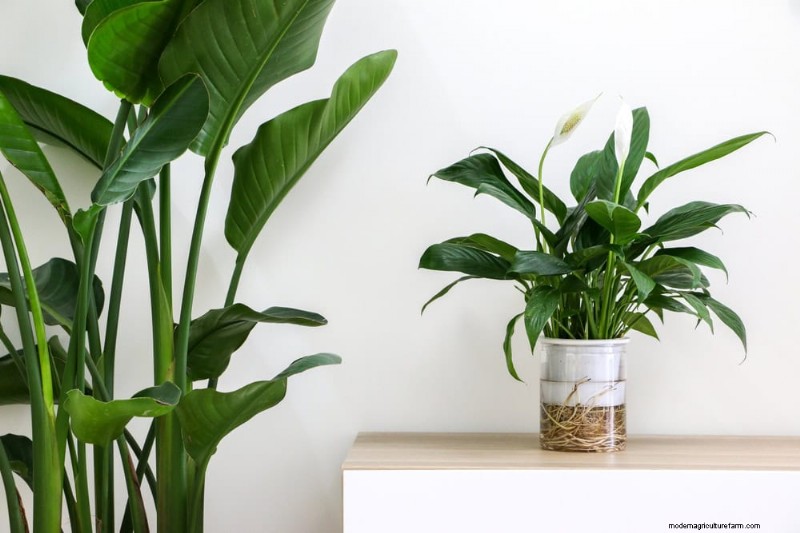
Peace Lily (Spathiphyllum) can be rooted from a base cutting. Place the clump with roots in water, keep it in bright, indirect light, and avoid tap water with chlorine or fluoride.
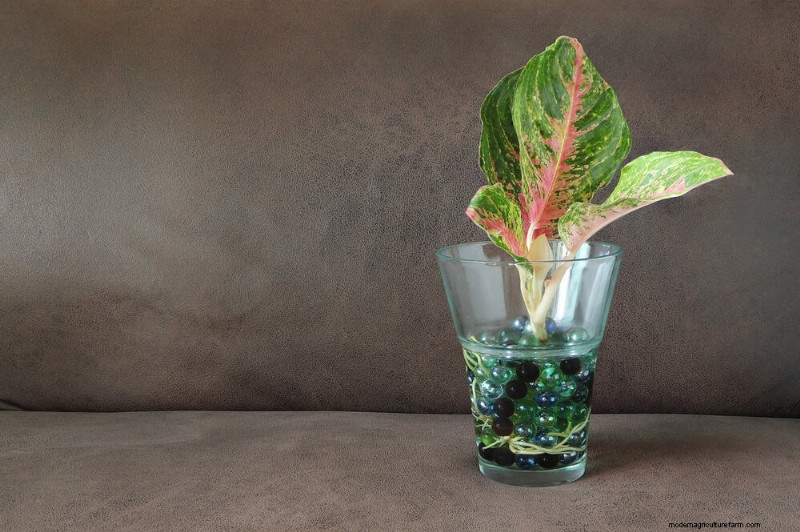
Chinese Evergreen (Aglaonema) roots from a stem below a node. Place in clean water, keep in indirect light and warm temperatures, and replace water weekly.
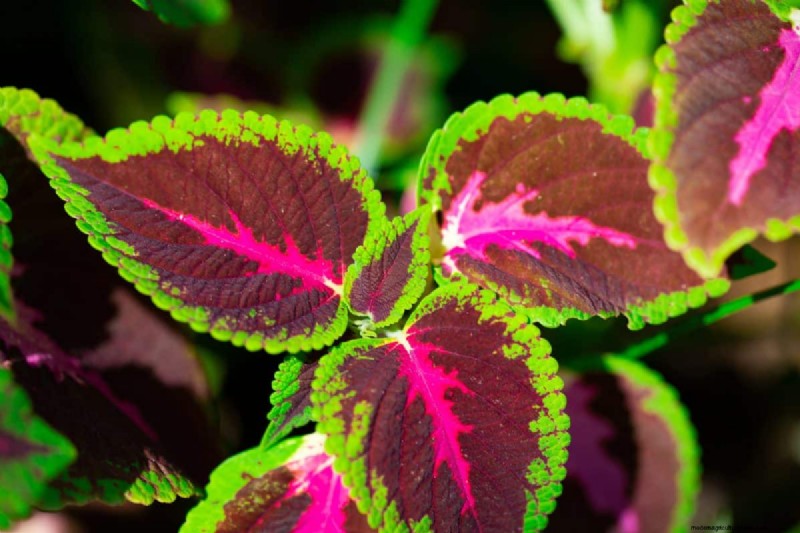
Coleus can be grown from stem cuttings. Cut below a node, keep the cutting in water, and place in bright, indirect light. Change water every few days to prevent bacterial growth.
These vigorous growers add dramatic trailing vines to any shelf.
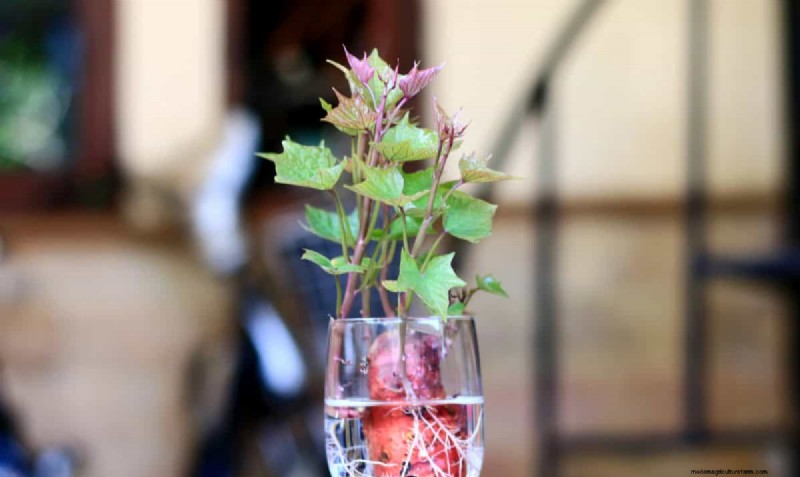
Sweet Potato Vine (Ipomoea batatas) sprouts roots and shoots in about a week when a sweet potato is placed in water with the pointed end up. Keep in bright, indirect light and warm temperatures; change water regularly.
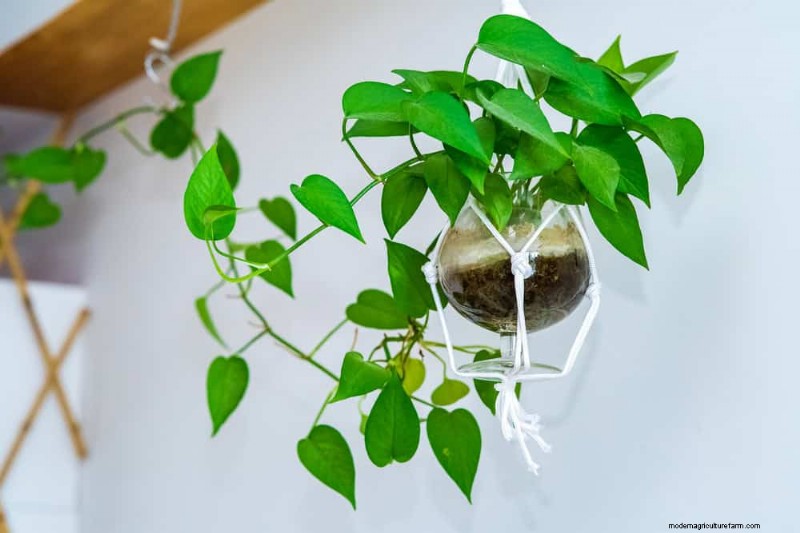
Pothos (Epipremnum aureum) is one of the easiest plants to propagate in water. Cut below a node, place in a jar, and watch roots appear in a few days. It thrives in low to bright indirect light and can be left in water for months with occasional cleaning.
Keep your kitchen herb supply fresh with minimal effort.
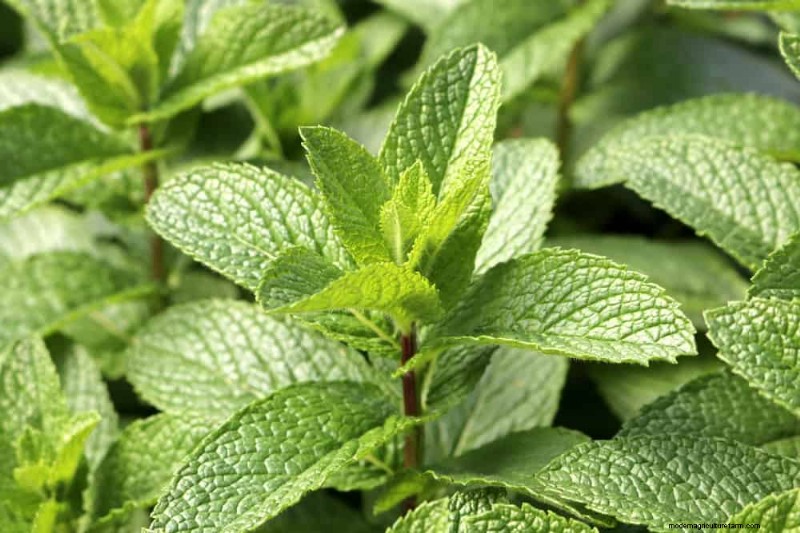
Mint thrives from a cutting in a glass of water. Remove lower leaves to avoid rot, keep in bright light, and change water often. Snip leaves as needed for cooking.
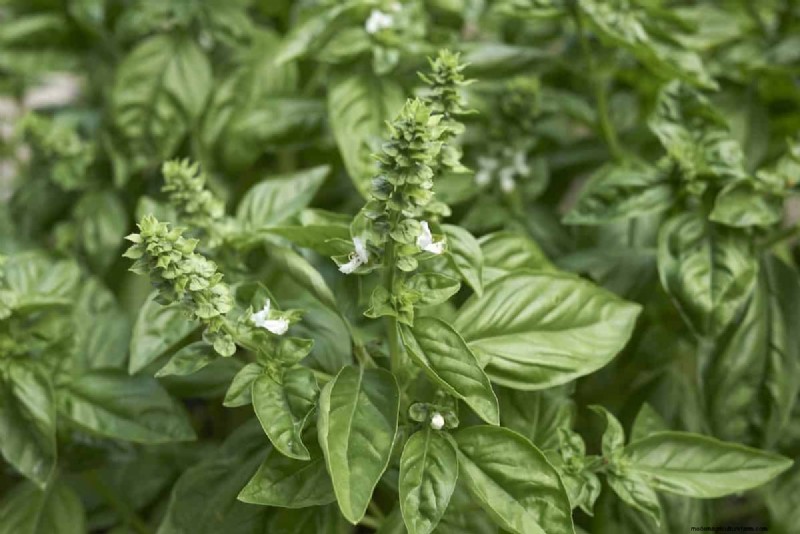
Basil grows from a fresh stem cutting in water. Place in a sunny windowsill, change water every few days, and trim to encourage bushier growth.
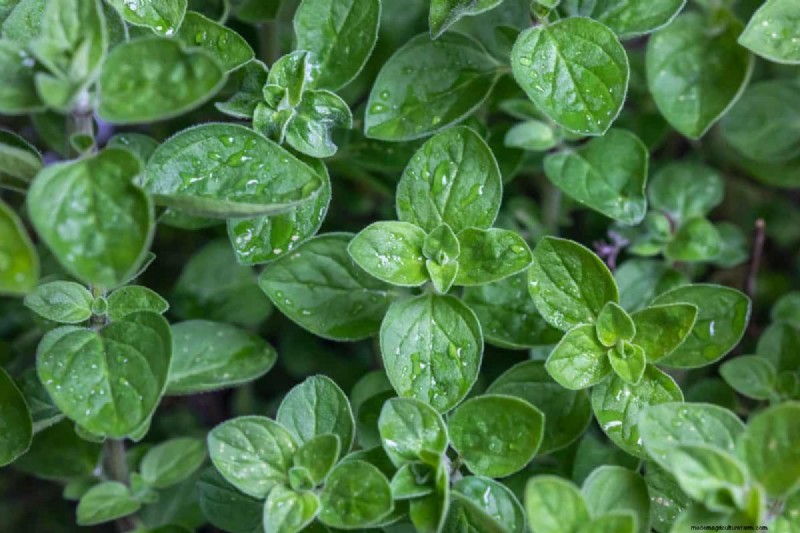
Oregano can be rooted from softwood cuttings. Remove lower leaves, place in water, keep in a sunny spot, and change water weekly.
These herbs require a bit more patience but reward with aromatic leaves.
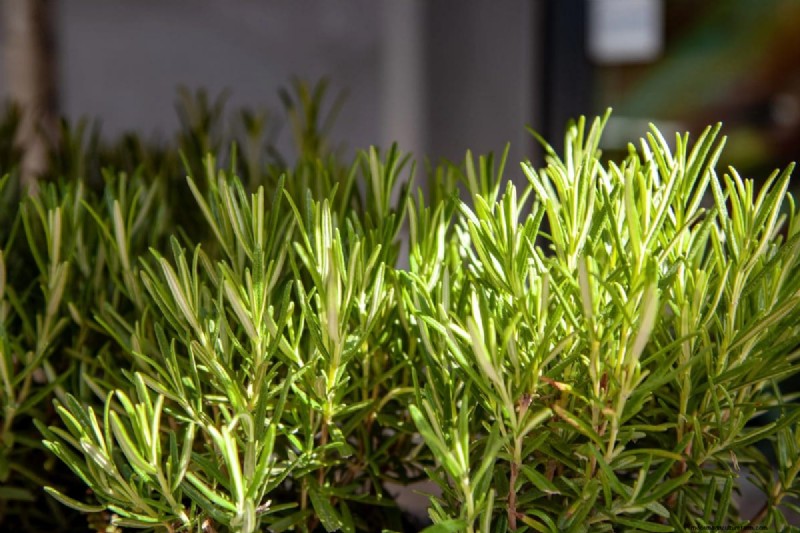
Rosemary is best started from young, soft stems. Remove lower leaves, place in water, keep in bright, warm light, and change water every few days. Roots may take a couple of weeks.
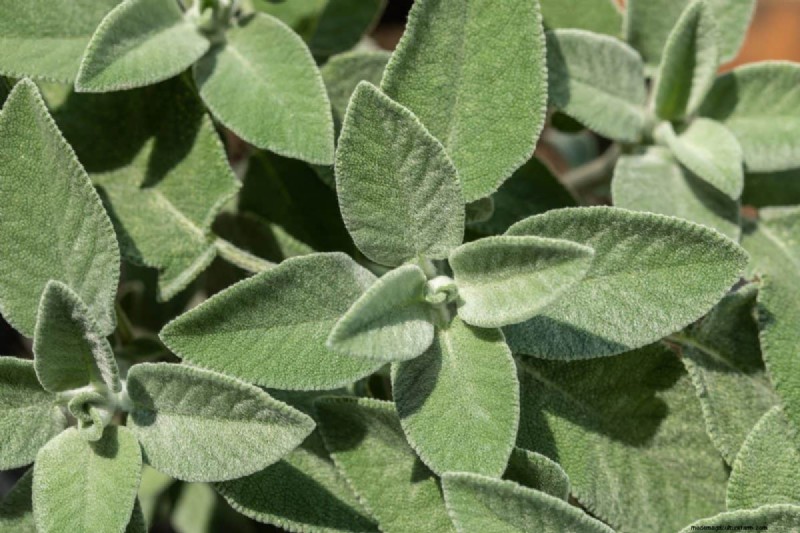
Sage grows from new soft growth. Cut a four‑inch stem, remove lower leaves, place in water, and keep in bright light. Change water often to avoid bacteria.
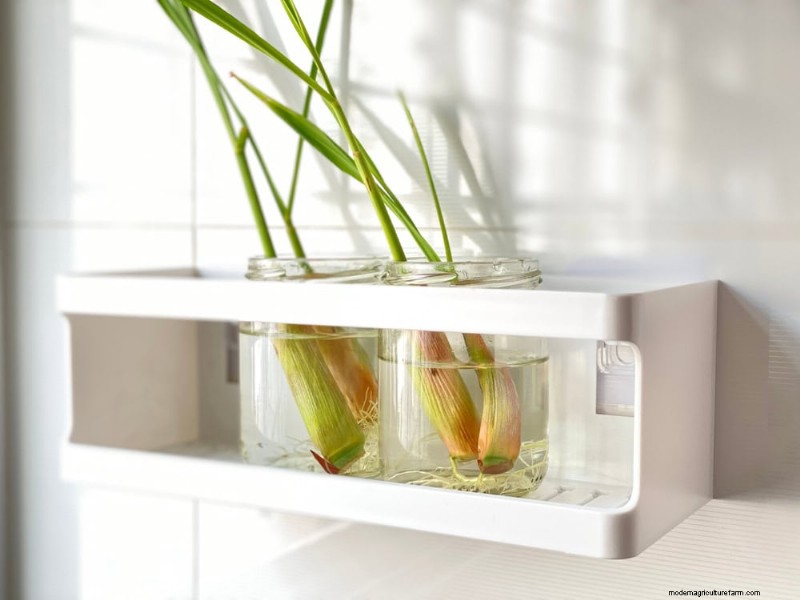
Lemongrass roots from fresh stalks. Submerge the base in water, keep in a sunny spot, and change water every few days. Roots appear in ~1 week; after 2–4 weeks, transfer to soil for continued growth.
Turn everyday scraps into new greens with these simple water methods.
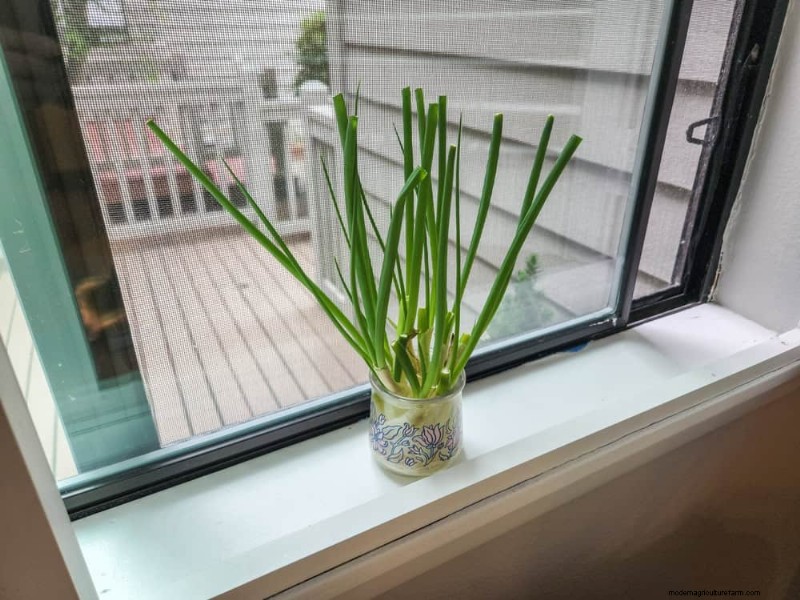
Green Onions regrow from the white root end. Place in a glass with just enough water to cover the roots, keep in sun, and replace water regularly.
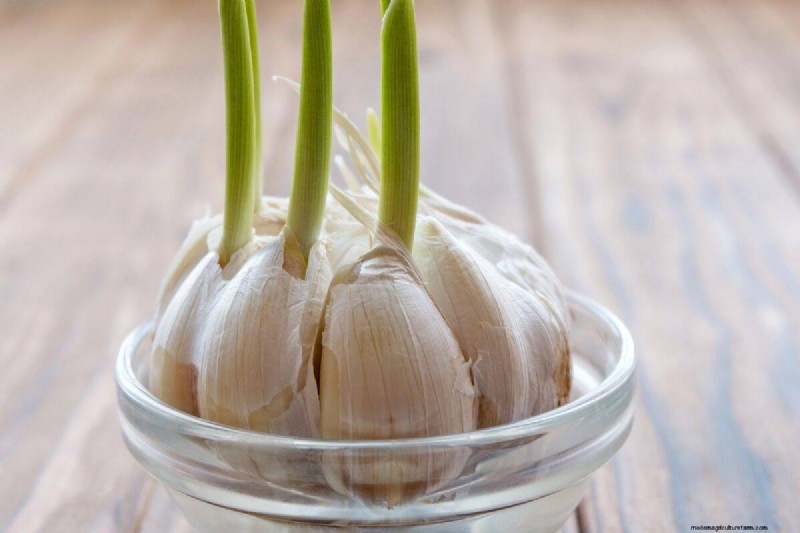
Garlic can sprout green shoots from an unpeeled clove. Place at the bottom of a glass, keep in a sunny window, and change water regularly. The greens can be used like chives.
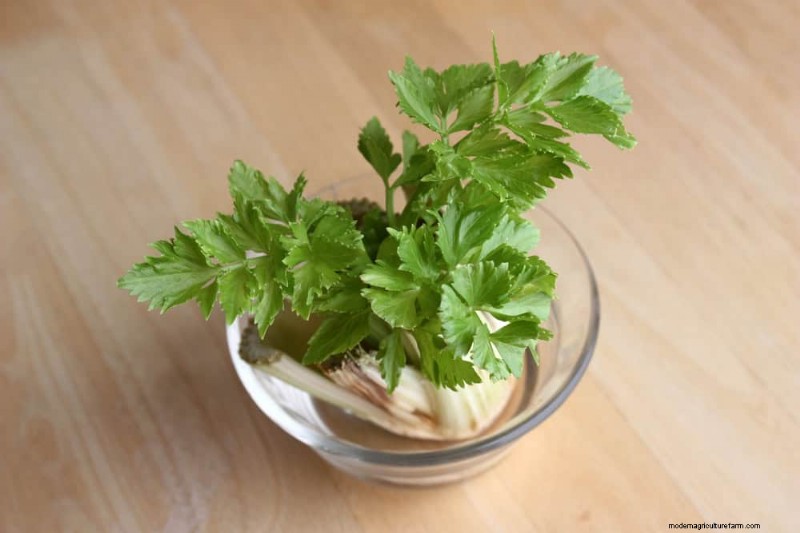
Celery regrows from the base when placed in water. Cut ~2 inches from the root end, place in a shallow dish, keep in sun, and refresh water every few days.
Even ornamental and patterned‑leaf plants can thrive in water.
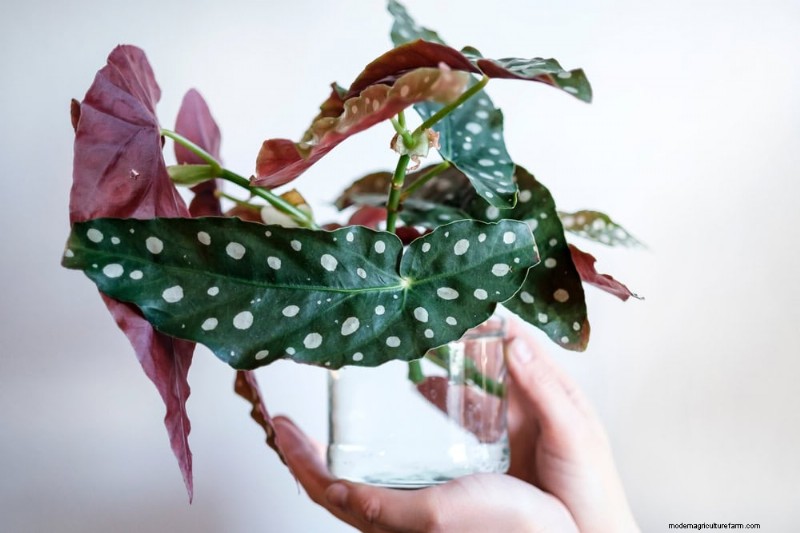
Begonia can be propagated from leaf or stem cuttings. Place the node under water in a bright but shaded spot; roots should appear in ~2 weeks. Change water often and avoid overcrowding.
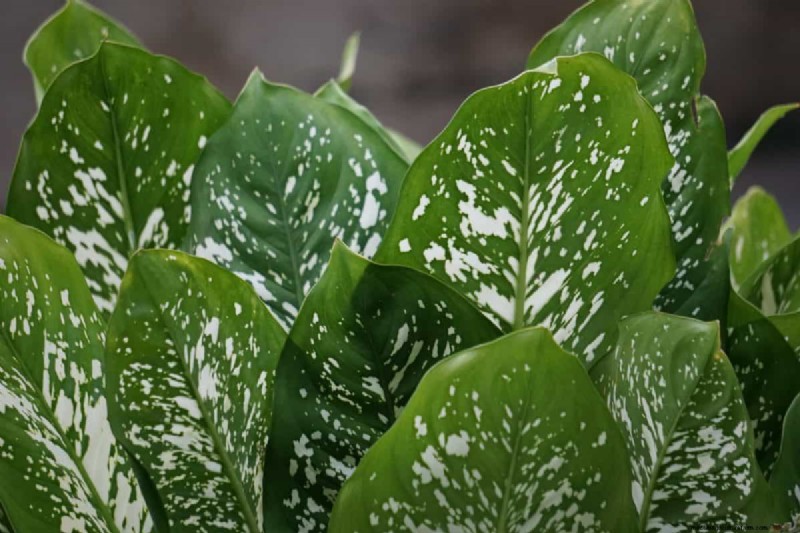
Dieffenbachia propagates from stem cuttings with at least one node. Place upright in water, keep in bright, warm light, and change water frequently. Handle with care as the sap can irritate skin.
Show‑stopping tropical foliage can be grown in water for a dramatic indoor statement.
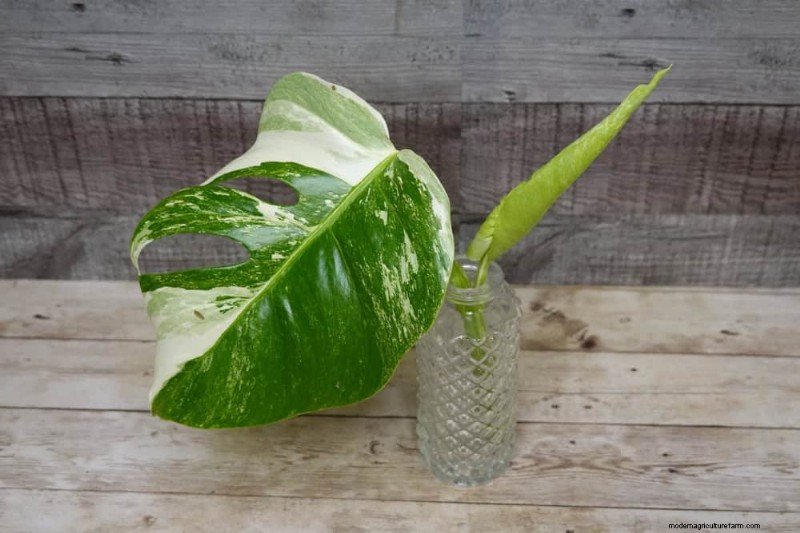
Monstera deliciosa roots from a stem cutting with a node and aerial root. Keep in bright, indirect light, change water weekly, and expect roots in 2–4 weeks.
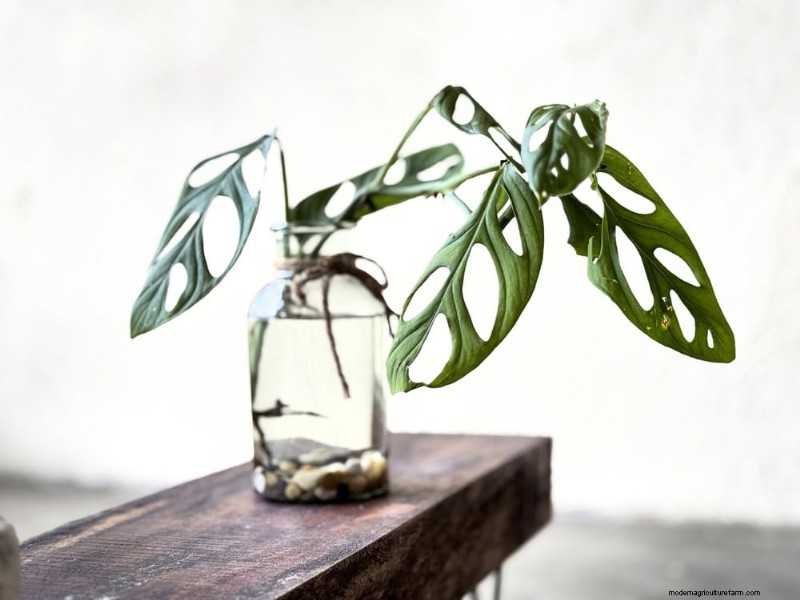
Monstera adansonii (Swiss cheese plant) roots quickly from a cutting below a node. Place in water, keep in indirect light, and change water regularly.
Spider plant offshoots are ideal for beginners.
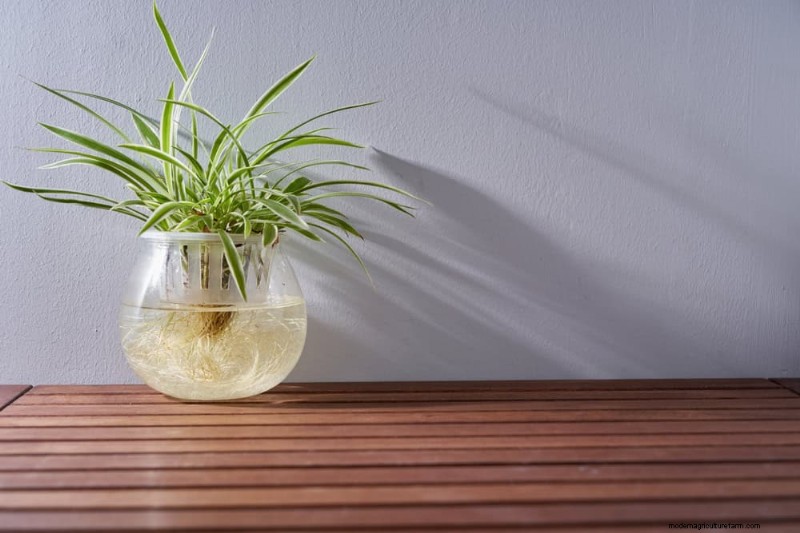
Spider Plant (Chlorophytum comosum) grows from its baby offshoots. Place the plantlet in water with the bottom touching, keep leaves dry, and change water weekly. Roots appear in a few days.
Water propagation unlocks low‑cost, year‑round indoor gardening without the mess of potting mix. It also makes sharing cuttings with friends effortless.
These 25 water‑only plants range from leafy vines to flavorful herbs, each thriving with the right light and fresh water. Whether you’re a seasoned grower or just starting, this method offers a clean, easy way to enjoy greenery all year long.

Editorial oversight
GardenTabs content is reviewed by Steve Snedeker, a seasoned gardener with decades of hands‑on landscaping experience.