
Welcome to Modern Agriculture!

Leah raises backyard chickens for the benefits to the garden and for fresh, organic eggs.
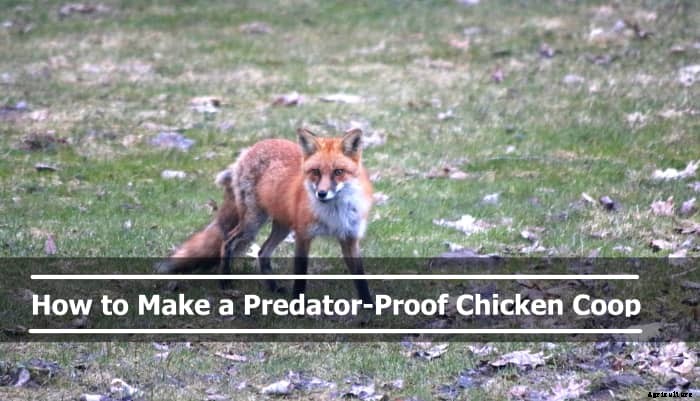
Chickens are highly vulnerable to attack from a variety of predators. They have few defense mechanisms and are an easy target for weasels, hawks, coyotes, and neighborhood dogs. Creating a predator-proof chicken coop will keep the birds safe when roosting at night, and adding a predator-proof chicken run will prevent daytime predators from attacking your chickens.
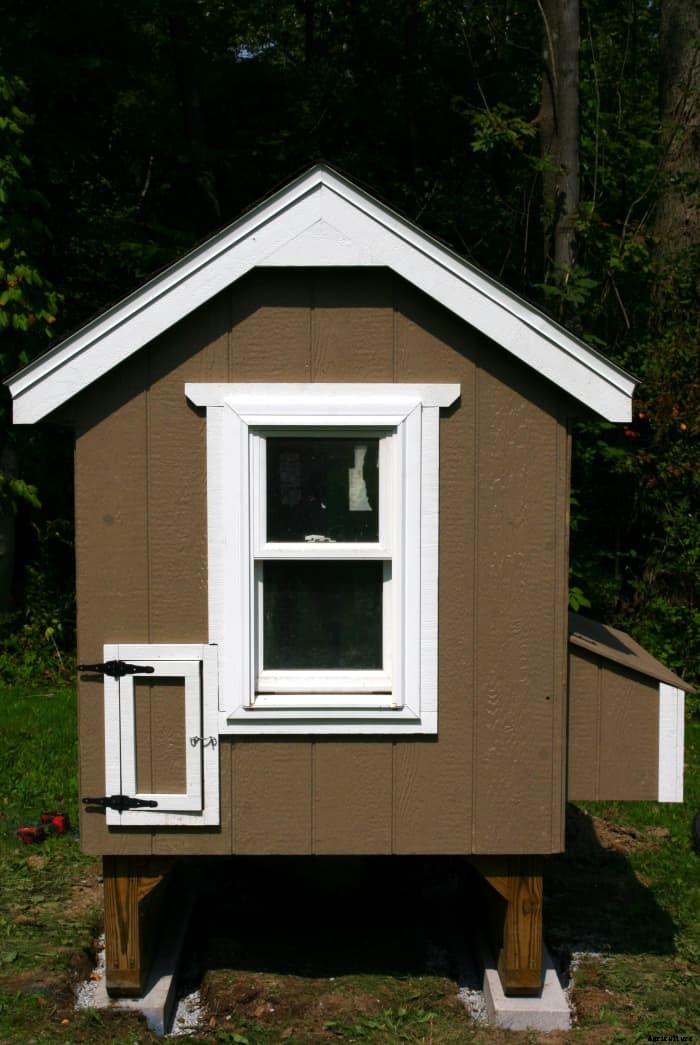
Chicken coops that rest on the ground are vulnerable to rot and poor air circulation, and they create easy access for small predators. Raising the chicken coop off the ground by 1 foot or more creates an obstacle for small predators to overcome. This step helps to reduce the number of mice, rats, and snakes that can creep into the coop.
In addition, a raised coop reduces moisture, which can cause rot. Rot creates weak areas in the coop's infrastructure. Predators will exploit weak areas in the coop, burrowing or digging through the rotting wood to reach the chickens they find inside.
Free-ranging chickens may find protection from an elevated coop, since they are able to seek shelter under the coop when a hawk or other flying predator approaches. Rats and mice are less likely to nest in or around an elevated coop.
An elevated coop also prevents the growth of mold and fungi, which is detrimental to the health of chickens. All chickens have sensitive respiratory systems, so proper ventilation is necessary. In addition to deterring smaller pests, an elevated coop creates healthier conditions for the chickens kept inside.
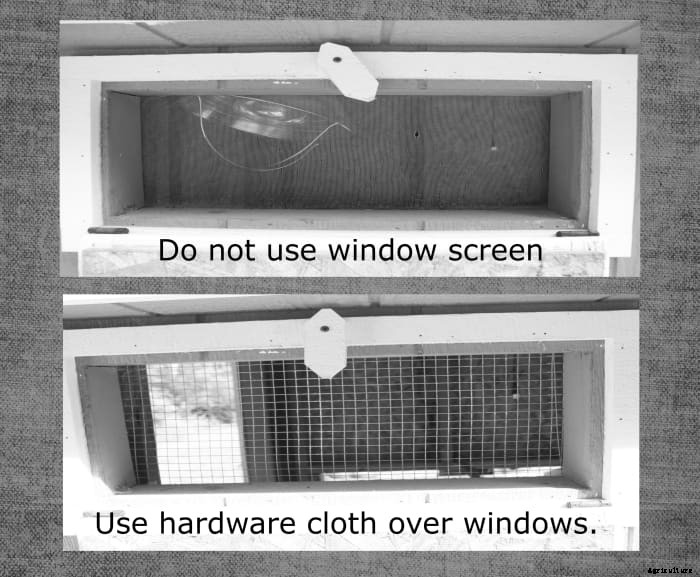
Chicken wire (or poultry wire) is completely useless for protecting chickens from predators. While chicken wire is inexpensive, predators such as raccoons and skunks are able to tear through the thin wire like butter.
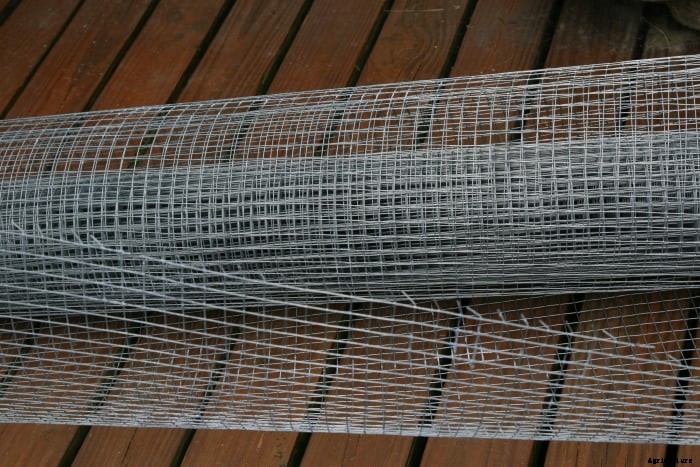
A better alternative is 1/2" or 1/4" hardware cloth, which is a form of welded wire. The small openings make it difficult for a predator to reach through and grab a chicken. Raccoons have been known to tear chickens limb-from-limb while reaching through wire. Hardware cloth is extremely durable and will not rip or tear when faced with a raccoon or fox.
Hardware cloth can be placed over all windows and vents, and it can be used to make a predator-proof chicken run.
For an additional level of safety, electrified netting may be added to the chicken coop or run. This will keep stubborn predators away from the coop.
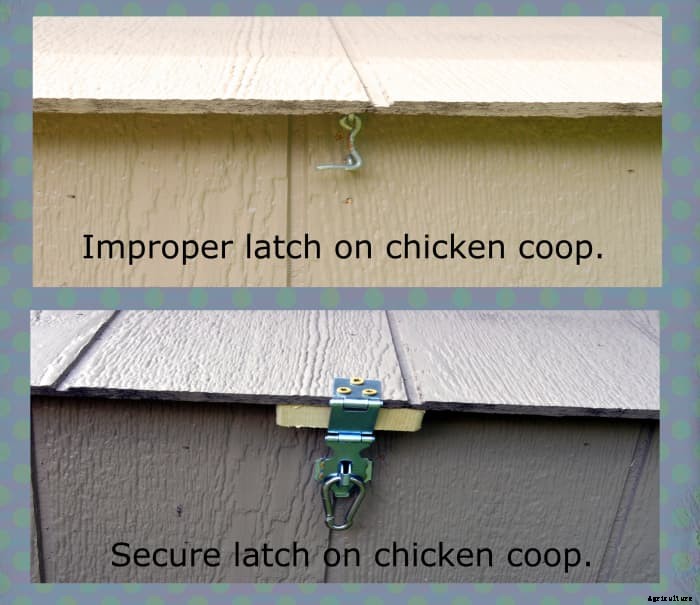
Raccoons are particularly clever and aggressive predators. Since they have opposable thumbs, they are able to lift simple latches and gain access to a coop. Simple latches (such as a hook through an eye-bolt) do not provide appropriate security for a chicken coop.
A great, inexpensive door-latch system consists of a latch with a carabiner threaded through the hole in the latch. Raccoons are unable to open a carabiner and lift the latch at the same time. As a general rule of thumb, any latch system that requires two hands to operate will prevent raccoons from gaining access to the coop.
How Do Predators Get Into the Chicken Coop?
Predators such as rats and weasels are able to enter a coop through an opening as small as 1" in diameter. A secure coop must have all openings covered with hardware cloth or a door with a secure latch. Inspect the coop regularly to ensure there are no hidden holes for predators to gain access to the coop!


