Welcome to Modern Agriculture!

L. Holloway is an experienced keeper of chickens and other fowl who has spent nearly a decade educating others on their habits and care.
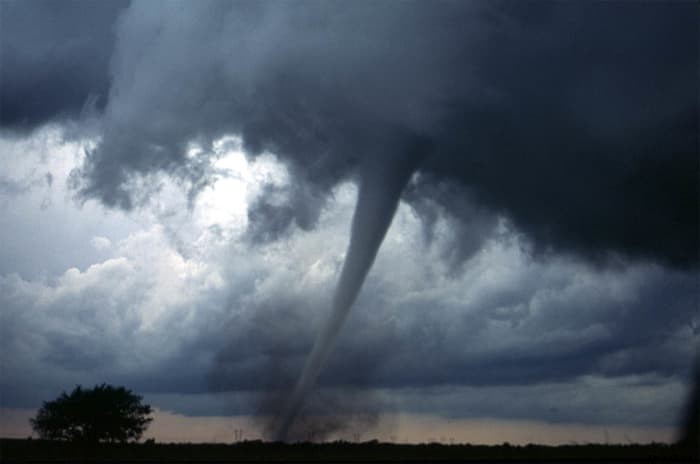
Every year, as the seasons progress, we field a lot of questions from chicken owners on how to cope with severe weather events. Some inquiries are fairly harmless, such as wondering how chickens will tolerate their first snowfall, but some are downright alarming.
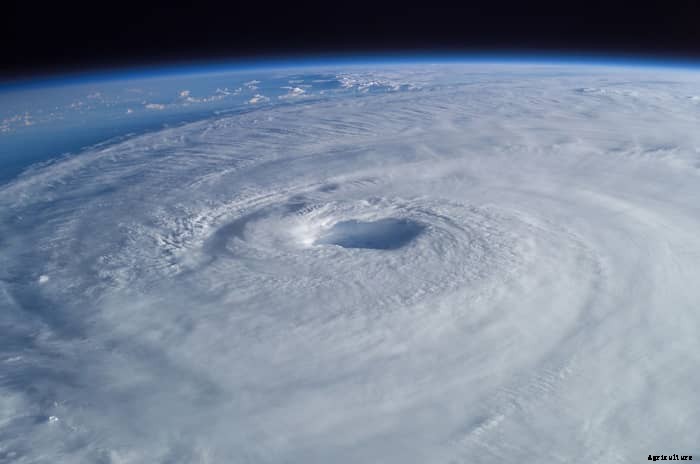
Far too often, a member of our group will ask what to do about their free-ranging chickens while severe weather is in progress. Tornadoes, hurricanes, flooding, hail, and lightning are all life-threatening weather events to human and fowl alike, and if any of these weather conditions are at work in your area, the last thing you should be doing is running around outdoors trying to round up your flock into their coop. Not only does this not significantly improve your flock's chances of surviving the storm, but it also puts you in mortal danger. Storms can and do kill people every year, so if there is severe weather in your area, trust the chickens to find shelter on their own and focus on getting yourself to safety.
If the weather has not yet arrived, there may be things you can do to prepare your flock for the storm, but keep in mind the natural limitations of man-made structures in the face of natural forces. If a hurricane or tornado can sweep a house off of its foundation, your chicken coop is unlikely to be any match for it either.
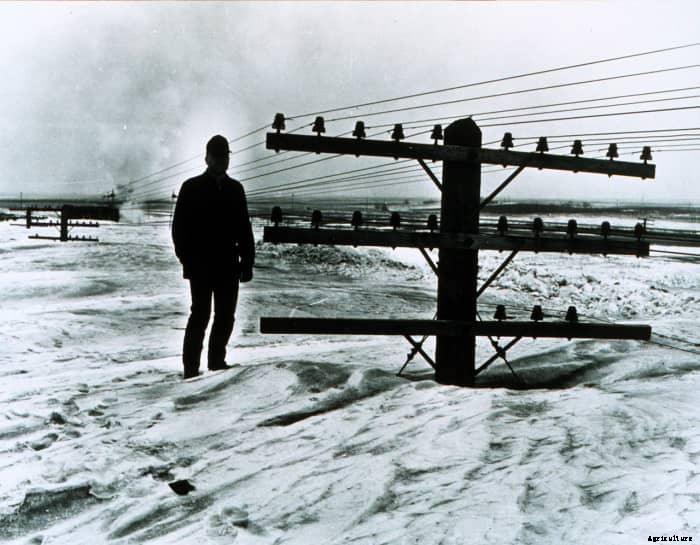
Blizzards and other winter storms can be dangerous or deadly to man and beast alike, but fortunately, chickens are well-equipped to endure the cold. If you live in an area that is prone to heavy snowfall, your main struggles will be to prevent the coop roof or run cover from collapsing under the weight of the snow. Likewise with ice storms, which will laden bird netting with layers of ice and cause it to collapse, your best preventative is to make sure the cover on your run is amply supported by a framework or structure.
It is prudent if you live in areas prone to cold winters to focus on breeds known to be cold hardy, though most breeds will tolerate temperatures well below 0º F as long as they are able to escape the wind. Good ventilation to allow fresh air to cycle through the coop is imperative to their health, both to prevent frostbite and respiratory distress, but heating the coop is not necessary nor advised. To help reduce the humidity levels within the coop, it's recommended to set up the chickens' water source outside of the coop. This will also help keep bedding fresh and dry all winter long.
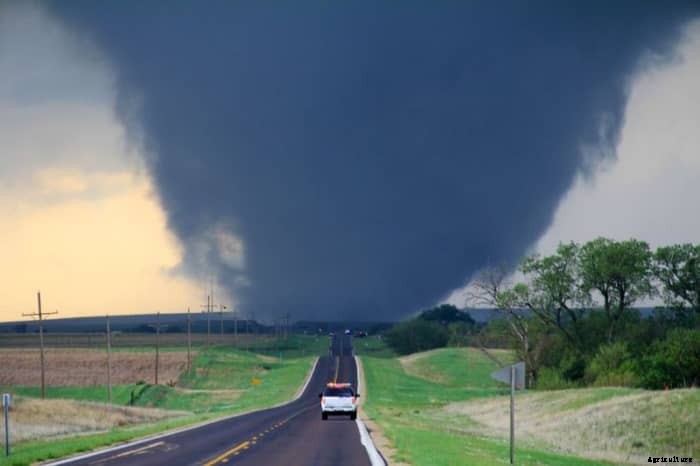
It cannot be overstated that tornadoes are extremely dangerous weather events, and if you are under a tornado warning, DO NOT attempt to secure your animals. Seek immediate shelter in an interior room, basement, or storm shelter away from windows, and wait the storm out.
Not only does going outside in a tornado warning put your life at risk, closing the chickens up in their coop—if you're even able to do it—will not offer them any additional protection in such a storm. Tornadoes regularly demolish man-made structures of greater fortitude than a chicken coop, so if one does come through your yard, and your flock is cooped, they will be caught up in the destruction with no hope for escape.
That said, do not go out to release your chickens if a tornado is approaching, either. Your safety must come first in the event of an active weather situation. Keep yourself safe, so that your chickens will have someone to care for them when the storm passes.
Although one could hypothetically build a "tornado-proof" storm shelter, it's highly unlikely anyone would, due in part to the challenges in incorporating natural light and ventilation, as well as the resources that would be required. You would essentially have to build an actual storm shelter and convert it into a chicken coop, which admittedly is not the most practical way to house a flock.
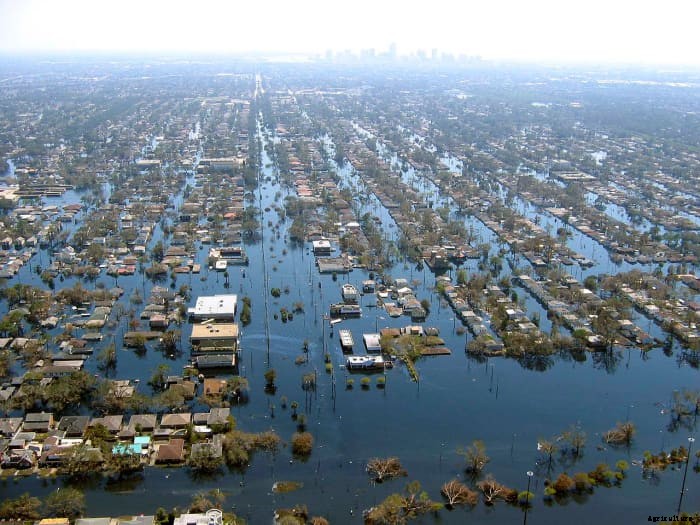
Floods may come slowly with considerable advanced notice, or they may happen suddenly without warning. Floods wash away roads, inundate towns, and drown livestock. They can spread disease and toxins when they infiltrate waste treatment ponds, sewers, or other sources of contaminants. Mold and mildew are often left in the aftermath, sickening humans and their animals alike.
It is important, regardless of where you live or whether or not flooding has ever occurred in your area before, to study the topography of your region and look into obtaining a flood map of your area. If you are in a zone likely to flood, have a plan in place to evacuate or secure your animals well before the threat of severe weather is even an issue. You will not have time to make plans if you wait until the flooding has already begun.
If flooding strikes unexpectedly and you are forced to evacuate, you may not be able to take your flock with you. If this is the case, DO NOT lock them in their coop, and seriously consider opening their run to give them a chance to escape. Although turning your chickens loose until you are able to return means they may be at risk of predation, keeping them locked in a coop guarantees their demise if floodwaters inundate it. Unfortunately, there is no perfect solution if you are forced to flee severe weather and cannot evacuate with your animals.
After flooding has passed, if your coop and run have been inundated, remove as much of the contaminated soil as you can and replace it with pea gravel topped with coarse sand. Clean and sanitize all solid surfaces in the coop and run, or consider scrapping the coop and building a new one from scratch to eliminate the risk of mold or contaminants.